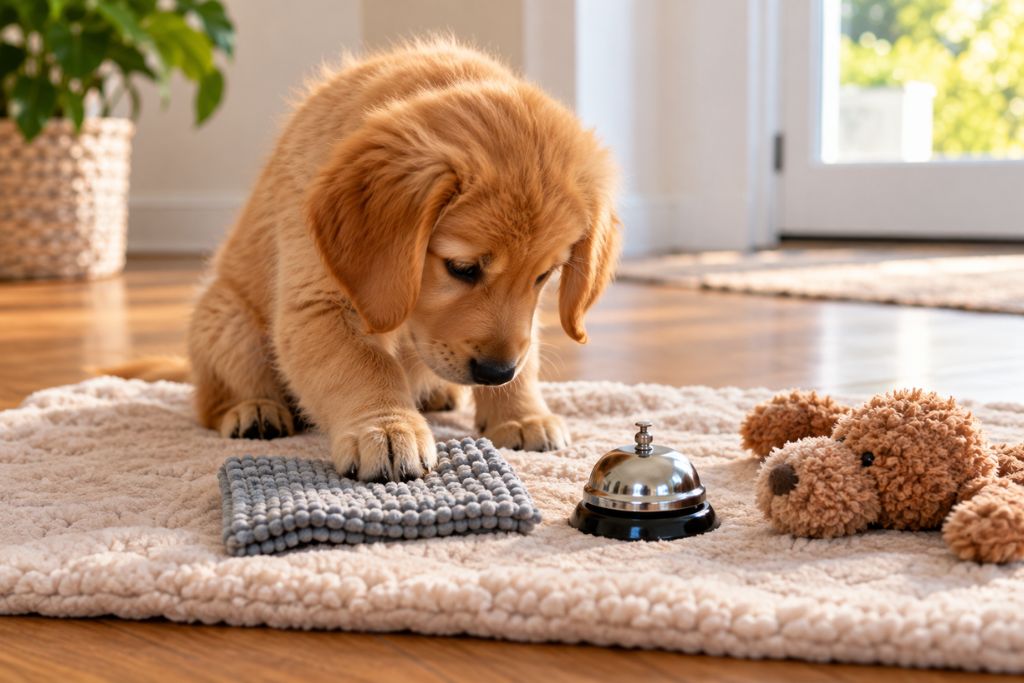
Your puppy’s first year is a remarkable period of brain development. Their ability to learn, remember, communicate, and respond to the world changes quickly during these early months.
Understanding that process can help you make sense of everything from those first curious sniffs around your Whitehouse Station home to the more confident personality that emerges later.
What happens to a puppy’s brain during the first weeks?
Brain development begins before your puppy comes home. During the first weeks, their senses mature rapidly, and early experiences help shape how they respond to people and their surroundings.
In the first weeks, puppies’ senses and ability to interact with their surroundings develop rapidly.
At this stage, simple experiences matter. Gentle handling, different sounds, familiar voices, and safe textures all provide information for a developing brain. Everyday household activity becomes part of that learning environment. Keep these early introductions gentle and brief, and give your puppy a quiet place to rest afterward.
What changes during the early socialization period?
The first few months bring major cognitive and social changes. Puppies begin learning from people, other dogs, and their surroundings while developing skills that influence future behavior.
Positive exposure matters, but more is not always better. Puppies need new experiences at a manageable pace, with time to rest and process them. Try introducing one new sound, surface, or person at a time. Watch your puppy’s body language, and give them space or a break if they seem hesitant or overwhelmed. The American Veterinary Society of Animal Behavior identifies the first three months as an especially important period for safe socialization.
That could mean calmly introducing a puppy to household sounds before eventually experiencing the sights and sounds around Whitehouse Station. A future stroll near East Whitehouse Park can become another new environment to explore once your veterinarian says your puppy is ready for that type of outing.
How does a puppy’s brain keep developing from four to six months?
Your puppy continues building memory, learning skills, and problem-solving abilities. They are also becoming more capable of making connections between actions and outcomes.
That makes everyday training especially valuable. A few minutes of reward-based practice can turn an ordinary afternoon into a learning opportunity.
New sights and smells can provide enrichment, too. Readington Township offers varied landscapes, from the open areas around Pickell Park to the woodland and creek surroundings of the Whitehouse Greenway.
What happens during the second half of the first year?
Development continues well beyond puppyhood’s earliest months. Your dog keeps refining social skills, learning from experience, and developing greater self-control.
Consistency helps. So does allowing your puppy to explore safely without overwhelming them. Keep practicing familiar cues in different, manageable settings so your puppy can learn to respond even when something new catches their attention. A familiar route near the Rockaway Creek area may become less exciting over time, but your puppy can still discover new sounds, scents, and sights along the way.
How can understanding puppy development help you raise a confident dog?
Knowing what is happening in your puppy’s developing brain can change how you approach those early months. A distracted puppy is still learning. A cautious puppy may need more time with something new. A burst of energy does not mean they have forgotten everything you taught them.
Whether you’re at home in Whitehouse Station or out on a familiar walk, everyday moments give your puppy chances to learn. A new sound, scent, or view can offer something worth exploring.
Furrylicious believes families deserve more than a puppy to take home. They deserve the knowledge and support that help them understand the companion joining their lives. From choosing a puppy that fits your family to providing guidance after you bring them home, the goal is to help make that transition a positive one.
The first year goes quickly. Give your puppy room to learn, plenty of patience, and positive experiences that help their growing brain make sense of the world around them.
Leave a Reply