Tag: Puppy training

  • The First 30 Days With Your New Puppy: What to Expect

    The First 30 Days With Your New Puppy: What to Expect

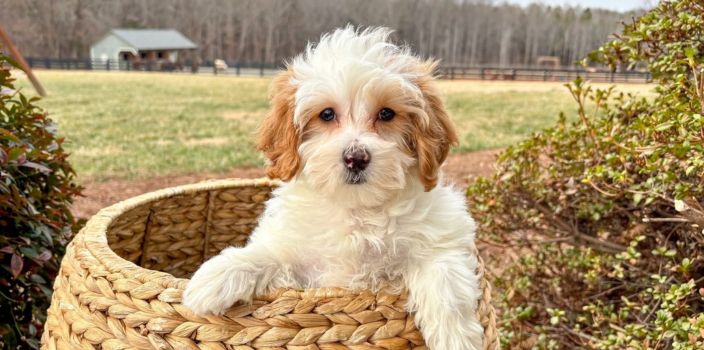
    Your puppy is finally home.

    The tiny paws are running across your floors. The toys are already everywhere. And somehow, your camera roll now contains 400 photos taken in two days.

    The first 30 days with a new puppy are exciting, emotional, messy, hilarious, and honestly, a little exhausting too. It’s also one of the most important adjustment periods for both you and your new furry family member.

    During this first month, your puppy is learning everything. Your routines. Your home. Your voice. Your family. Even where the water bowl lives.

    That’s why preparation, patience, and consistency matter so much during these early weeks.

    The good news? You do not need to be perfect. You just need to be present, informed, and willing to learn alongside your puppy.

    Expect a Big Adjustment Period

    Your puppy may feel nervous at first. Even confident puppies need time to settle in.

    Your pup just experienced a major life change. New smells, new people, new sounds, and new routines can feel overwhelming during the first few days.

    Some puppies explore immediately. Others act shy, clingy, sleepy, or cautious.

    All of those reactions are completely normal.

    Try to keep the environment calm and predictable while your puppy adjusts to their new home.

    Building Healthy Routines Early Matters

    Start Potty Training Immediately

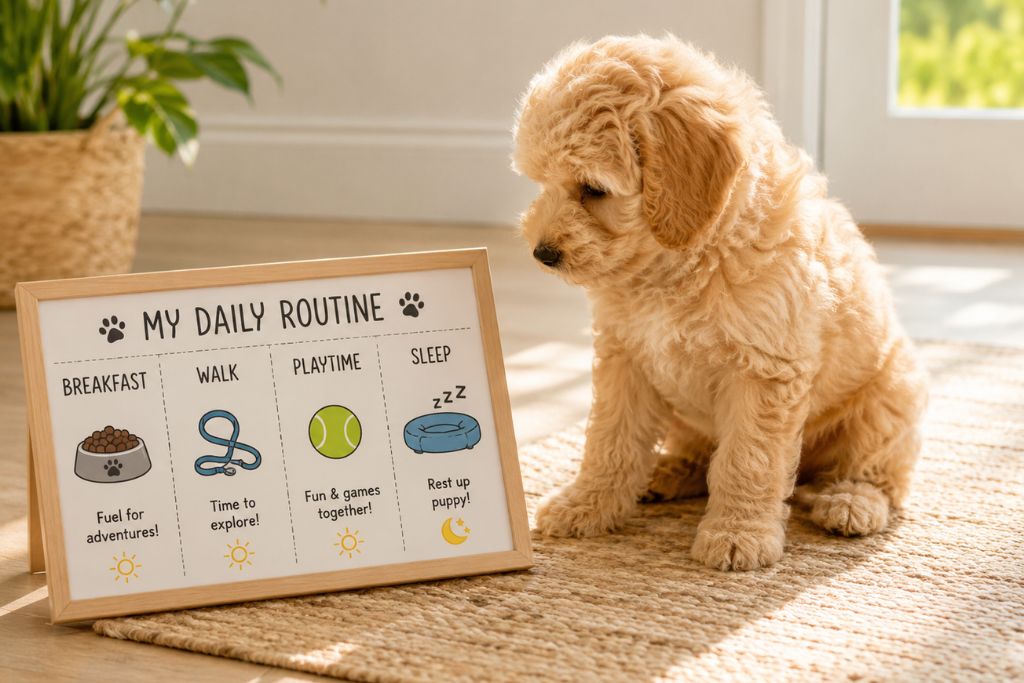
    Consistency is key during the first month. Take your puppy outside frequently, especially after meals, naps, playtime, and bedtime. Puppies thrive on routine, and predictable schedules help them learn faster.

    Accidents will happen. That’s part of puppyhood.

    Positive reinforcement works far better than punishment.

    Introduce Crate Training Slowly

    A crate should feel safe and comforting, never scary.

    Many puppies adjust well when crate training is introduced gradually with treats, toys, and positive experiences.

    The crate can help with sleep routines, potty training, and creating a calm personal space.

    Socialization Starts Earlier Than People Think

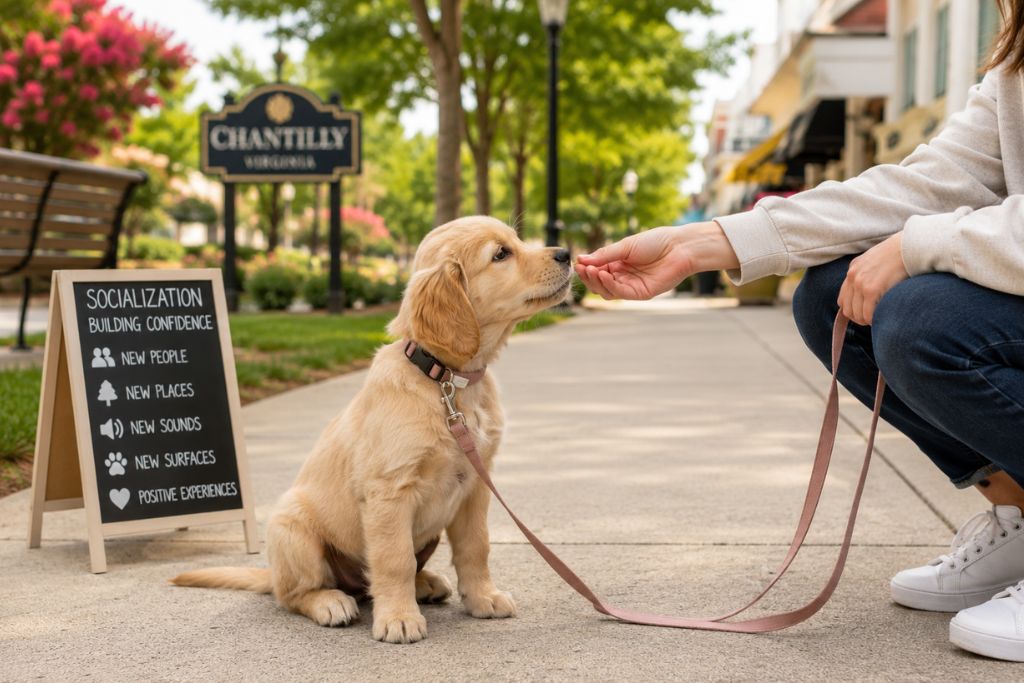
    New experiences build confidence. This is why the first few months are critical for social development.

    Safe introductions to sounds, surfaces, people, and environments help puppies grow into more confident adult dogs.

    For many families across Indianapolis, Schererville, and nearby communities, this could mean a short walk through local parks, spending time around the trails and nature areas at Eagle Creek Park, enjoying the energy around Downtown Indianapolis near Monument Circle, grabbing a coffee at pet-friendly spots in Broad Ripple, or taking relaxed neighborhood strolls near Redar Park and the surrounding community spaces in Schererville while meeting trusted friends and family members.

    Just remember: socialization should feel positive, not overwhelming.

    Your Puppy Will Bite Things. Probably Everything.

    Teething is completely normal. Puppies, after all, explore the world with their mouths.

    Chewing, nipping, and biting usually increase during teething stages. Appropriate chew toys help redirect that behavior safely.

    This stage can feel frustrating at times, but it does improve with patience and consistency.

    Even your favorite sneakers can recover emotionally… Maybe.

    Your First Vet Visit Should Happen Early

    One of the most important tasks during the first 30 days is scheduling a veterinary appointment.

    Your veterinarian will check your puppy’s health, discuss vaccines, review parasite prevention, and answer questions about nutrition and development.

    Bringing home a puppy is emotional. Having trusted guidance helps tremendously.

    Supporting Families Beyond Adoption Day

    We understand how life-changing bringing home a puppy can feel. There’s excitement, responsibility, and usually a little anxiety too.

    That’s why we at Happiness is Pets believe support matters long after a puppy goes home. Helping families feel prepared creates stronger bonds and happier experiences for both pets and owners.

    Every puppy deserves a confident, loving start. And every new puppy parent deserves reassurance along the way.

    The First 30 Days Go Faster Than You Think

    Right now, the puppy stage may feel endless. The potty breaks. The zoomies. The 2 a.m. crying. The random leaf your puppy absolutely had to eat during a walk.

    But these first 30 days also become some of the memories people cherish most.

    Because this is where the bond begins.

    And that is worth every chewed shoelace.

    If you’re up for another read, these posts are popular with puppy parents:

  • The Puppy Socialization Window: Why the First 16 Weeks Matter

    The Puppy Socialization Window: Why the First 16 Weeks Matter

    Bringing home a puppy comes with a lot of exciting firsts.
    First walks. First toys. First sleepy cuddle on the couch after a long day of zoomies.

    But during all those adorable moments, something incredibly important is also happening behind the scenes: your puppy is learning how to experience the world.

    The first 16 weeks of a puppy’s life are often called the “socialization window.” During this stage, puppies are especially open to new experiences, environments, sounds, people, and routines.

    What they experience during this period can help shape their confidence, comfort levels, and behavior as adult dogs.

    That’s why thoughtful socialization matters so much.

    What Is Puppy Socialization, Exactly?

    Socialization is the process of safely introducing your puppy to the world around them.

    That includes:

    • New people
    • Different sounds
    • Other vaccinated dogs
    • Car rides
    • Grooming experiences
    • Various surfaces and environments
    • Everyday household activity

    The goal is not to overwhelm your puppy. The goal is to help them build positive, calm associations with normal life experiences.

    For puppies growing up around Stuart, Boca Raton, and surrounding communities, socialization can happen in simple everyday moments — hearing new sounds during a walk near Downtown Stuart, experiencing different sights and people around Mizner Park, riding in the car, or exploring pet-friendly spaces with trusted family and friends.
    Confident puppies are not born overnight. They learn through gentle exposure and repetition.

    Confident puppies are not born overnight. They learn through gentle exposure and repetition.

    Why the First 16 Weeks Are So Important

    Young puppies are naturally curious during their early development period. Their brains are rapidly processing information and forming long-term associations.

    Positive experiences during this window can help reduce fear and anxiety later in life.
    On the other hand, limited exposure or negative experiences may make certain situations feel unfamiliar or stressful as they grow older.

    That’s why early socialization is often considered one of the most important parts of puppy development.

    What Healthy Socialization Actually Looks Like

    Small Positive Experiences Matter Most

    Good socialization is calm, safe, and gradual.

    For example, your puppy may benefit from:

    • Meeting friendly people
    • Hearing city sounds during a walk
    • Visiting pet-friendly places around town
    • Seeing bicycles, umbrellas, or strollers
    • Riding in the car for short trips
    • Learning to feel comfortable during handling and grooming

    For many families around Arizona communities and nearby neighborhoods, this may include outdoor cafés, local parks, or puppy-friendly events.

    The key is making sure your puppy feels supported and safe during each new experience.

    Common Socialization Mistake to Avoid

    Too much too fast can backfire.

    One of the biggest misconceptions is that socialization means exposing puppies to everything immediately.

    It doesn’t.

    Fearful or overwhelming experiences can actually create stress instead of confidence.
    Watch your puppy’s body language carefully. If they seem nervous, tired, or overstimulated, it’s okay to slow down.

    Positive reinforcement, patience, and short sessions work best.

    Socialization Includes More Than Just Other Dogs

    Many people focus only on dog-to-dog interaction.

    But puppies also need exposure to:

    • Different people and ages
    • New environments
    • Everyday noises
    • Handling and touch
    • Routine grooming and vet visits

    A well-socialized puppy is not necessarily the most outgoing dog in the room. Often, it’s simply a dog that feels safe and comfortable navigating everyday life.

    Helping Families Raise Confident Puppies

    At Wags About You, we understand how important these early weeks are for both puppies and their families.

    Bringing home a puppy is exciting, but it also comes with responsibility, questions, and a learning curve. That’s why guidance, education, and support matter so much during the early stages.

    Every puppy deserves a strong, healthy foundation built on trust, patience, and positive experiences.

    The First 16 Weeks Go By Quickly

    The puppy stage moves fast. One day they’re nervous about hearing the vacuum. The next day they’re confidently supervising your entire household like a tiny furry manager.

    Those early experiences truly matter.

    And with consistency, patience, and care, those first 16 weeks can help shape a happier, more confident companion for years to come.

    More Helpful Reads From Wags About You From planning and preparation to everyday puppy care, our articles are here to help you feel informed and confident as a pet parent. Check out the related posts below to keep learning with us.

  • Why Puppies Bite Everything (And How to Handle Teething the Right Way)

    Why Puppies Bite Everything (And How to Handle Teething the Right Way)

    You brought home a puppy. Life is adorable. Your camera roll is full. And suddenly… your shoelaces, chair legs, blankets, and hands have all become chew toys. Welcome to teething.

    For many new puppy owners around Cheyenne and nearby Wyoming communities, teething can feel surprising at first. One minute your puppy is peacefully cuddling beside you. The next, they are attempting to bite the corner of your coffee table like it personally offended them.

    The good news is this: puppy teething and chewing are completely normal developmental stages.

    Understanding why puppies bite things and how to safely guide them through it helps protect both your puppy and your home during these important early months.

    Why Puppies Teethe in the First Place

    Like human babies, puppies go through a teething process as their adult teeth develop.

    Puppies are born without teeth. Their baby teeth begin appearing around 3 to 6 weeks old, while adult teeth typically start replacing them around 3 to 4 months of age.

    Most puppies finish teething by about 6 months old. During this stage, chewing helps relieve soreness and discomfort in their gums.

    Why Puppies Bite Literally Everything

    Puppies do not use their hands to investigate the world. They use their mouths.

    That means shoes, furniture, blankets, sticks, and sometimes even your hoodie sleeve can suddenly become fascinating.

    Teething puppies also chew because:

    • It relieves gum discomfort
    • It helps reduce boredom
    • It provides mental stimulation
    • It satisfies natural puppy instincts

    This behavior is normal, but puppies still need guidance on what is safe to chew.

    Safe Ways to Help a Teething Puppy

    Offer Appropriate Chew Toys

    Durable puppy-safe chew toys help redirect biting behavior away from unsafe objects. Different textures can also help soothe sore gums. Many puppies enjoy rubber toys, soft teething toys, or chilled puppy-safe chews.

    Frozen washcloths or veterinarian-approved frozen treats may also provide temporary relief during tougher teething days.

    Keep Unsafe Items Out of Reach

    Puppies should not have access to:

    • Electrical cords
    • Shoes
    • Small objects
    • Children’s toys
    • Furniture corners
    • Toxic household items

    Creating safe boundaries early helps prevent accidents while teaching good habits. This is especially important during indoor-heavy Cheyenne, Wyoming weather days when puppies may spend more time exploring inside the house.

    How to Respond to Puppy Nipping

    Puppies often nip during play because they are still learning bite inhibition. Instead of yelling or harsh punishment, calmly redirect your puppy toward an appropriate toy.

    Consistency matters most. Puppies learn faster when reactions stay calm, predictable, and positive.

    Teething Does Not Last Forever

    It may not feel like it while your puppy is chewing the corner of your rug for the third time today, but teething eventually passes.

    Most puppies naturally reduce intense chewing behaviors once adult teeth fully come in.

    Until then, patience and supervision go a long way.

    Helping Puppies Through Every Stage

    Frontier Pets understands how important these early puppy months are for families. Bringing home a puppy comes with excitement, learning curves, and plenty of questions along the way. That’s why education and support matter so much during puppyhood.

    Helping puppies feel safe, healthy, and understood creates stronger lifelong bonds from the very beginning.

    A Little Chewing Comes With the Puppy Stage

    Teething can absolutely test your patience sometimes. But it is also a completely normal part of growing up for puppies.

    And hey, one day you may even miss the tiny puppy phase, chewed shoelaces and all.

  • How to Start Training Your Puppy: A Beginner’s Guide

    How to Start Training Your Puppy: A Beginner’s Guide

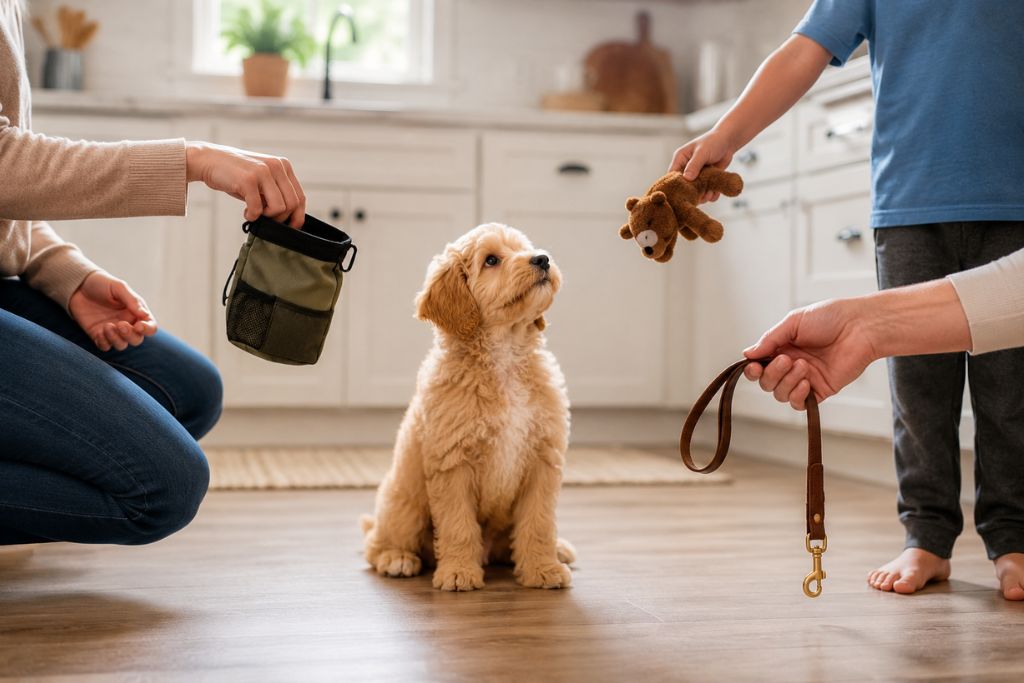
    You brought home a puppy. Congratulations! And also, welcome to the wonderfully chaotic stage of life where socks disappear and every sound becomes exciting.

    The first few weeks with a new puppy are full of milestones. First walks. First zoomies. First successful potty break outside. And somewhere in between all of that? Training begins.

    Many new puppy owners assume formal training starts later. In reality, puppies begin learning from the moment they enter your home.

    That’s why starting early matters.

    The good news is that puppy training does not need to feel intimidating. With consistency, patience, and the right approach, training can actually become one of the best bonding experiences you share with your dog.

    Why Early Puppy Training Matters

    Young puppies absorb information quickly.

    The habits, routines, and behaviors they practice early often become the foundation for adulthood. Starting training during puppyhood helps build confidence, communication, and structure.

    Training also helps puppies feel safer because predictable routines reduce stress and confusion.

    And no, training is not only about commands. It is also about teaching your puppy how to successfully live alongside people, routines, and everyday life.

    Start With Simple Foundations First

    The best puppy training starts small.

    During the first few months, focus on:

    • Potty training
    • Name recognition
    • Crate training
    • Gentle leash introduction
    • Basic commands like “sit” and “come”
    • Positive socialization

    Short, simple training sessions work best for young puppies. Most puppies have limited attention spans, so keeping sessions fun and rewarding helps them learn faster.

    Positive Reinforcement Works Best

    Modern puppy training focuses heavily on positive reinforcement.

    That means rewarding good behavior with praise, treats, toys, or affection instead of punishing mistakes.

    For example, when your puppy sits calmly instead of jumping, reward that behavior immediately. Puppies learn through repetition and consistency.

    Harsh punishment often creates fear or confusion, especially during early development stages.

    Calm guidance builds trust much more effectively.

    Timing Is Everything During Training

    One of the biggest training mistakes new owners make is inconsistency.

    If jumping on guests is allowed sometimes but corrected other times, puppies struggle to understand expectations.

    Clear routines help puppies learn faster. That includes:

    • Consistent potty schedules
    • Regular feeding times
    • Predictable sleep routines
    • Repeated training cues

    Puppies thrive when life feels structured and understandable.

    Socialization Is Part of Training Too

    Training is not only about teaching “sit” or “stay.”

    Helping puppies safely experience new people, sounds, environments, and situations is equally important during early development.

    Positive socialization helps puppies grow into calmer, more confident adult dogs.

    Even short outings or supervised introductions can make a big difference over time.

    Progress Takes Patience

    Some puppies pick up commands quickly. Others need more repetition and guidance.

    That is completely normal.

    Training is not about perfection. It is about communication, consistency, and building trust over time.

    Even small daily progress matters.

    Helping Puppies Thrive From the Start

    We understand how important these early puppy stages are for families.

    Bringing home a puppy is exciting, but it also comes with responsibility and plenty of questions along the way. That is why education, support, and thoughtful care matter so much during puppyhood.

    Because confident, well-supported puppies grow into happier lifelong companions.

    The Puppy Stage Goes Faster Than You Think

    Right now, training may feel repetitive. There will be accidents. Distracted moments. Random zoomies in the middle of practice sessions.

    But every small lesson helps shape the relationship you are building together.

    And one day you will probably miss these tiny puppy training moments more than you expect.

  • How to Train a Puppy: A Complete Guide for First-Time Owners

    How to Train a Puppy: A Complete Guide for First-Time Owners

    The first night home is usually when it hits.

    The excitement is still there, of course. But now there’s a puppy looking to you for direction… and suddenly, you’re the one in charge of what happens next.

    It can feel like a lot.

    There’s feeding, routines, sleep schedules. And then there’s training. It’s often the part people worry about most. The good news? It doesn’t have to be complicated. With the right approach, it becomes part of your everyday rhythm.

    A Simple, Structured Approach Makes All the Difference

    Training isn’t just about commands.

    It shapes how your puppy understands the world, how they respond to you, and how confident they feel in new situations. When approached the right way, it builds trust, creates structure, and sets the tone for your relationship moving forward.

    Building Good Habits From Day One

    While it may seem overwhelming at first, it’s much more manageable than it looks.

    Start Early and Keep It Simple

    Training begins the moment your puppy comes home.

    Not with perfection, but with consistency. Puppies learn quickly, especially in those early weeks. Short, clear sessions work best. Think minutes, not hours.

    Focus on simple cues first:

    • Name recognition
    • “Sit”
    • “Come”

    Use a calm voice and repeat often. Over time, those small moments add up.

    Use Positive Reinforcement

    Reward what you want to see again.

    Treats, praise, and gentle encouragement help puppies connect actions with outcomes. This builds trust and keeps them engaged.

    Harsh corrections don’t teach effectively. Instead, they can create confusion. Keep it positive, and your puppy will be more confident and willing to learn.

    Build a Routine That Makes Sense

    Puppies thrive on structure.

    Set regular times for meals, bathroom breaks, play, and rest. This helps with house training and reduces accidents.

    Take your puppy out:

    • First thing in the morning
    • After meals
    • After naps
    • Before bedtime

    Consistency here makes a noticeable difference.

    Keep Sessions Short and Clear

    Attention spans are limited.

    Training sessions should be brief and focused. A few minutes at a time is enough, especially for younger puppies.

    End on a good note. That way, your puppy stays motivated for the next session.

    Socialization Is Part of Training

    Training isn’t just commands.

    It also includes helping your puppy feel comfortable in the world. Introduce new sounds, people, and environments gradually.

    Positive early experiences help prevent fear later on. A well-socialized puppy is more adaptable and easier to guide.

    Be Patient

    There will be good days and setbacks.

    That’s normal.

    Puppies are learning everything for the first time. Stay patient, stay consistent, and avoid expecting too much too soon.

    Support That Goes Beyond Day One

    At Frontier Pets, we know bringing a puppy home is just the beginning.

    Training is part of building a strong, lasting relationship. That’s why we’re here as a resource, not just when you choose your puppy but as you grow together.

    A Strong Start Makes a Lasting Difference

    Training doesn’t have to feel overwhelming.

    When you keep it simple, stay consistent, and focus on building trust, everything starts to fall into place.

    And before long, those small lessons turn into lifelong habits. For both you and your furry friend.

  • Why Isn’t My Puppy Potty Trained Yet? What’s Normal and What You Can Do

    Why Isn’t My Puppy Potty Trained Yet? What’s Normal and What You Can Do

    Bringing a puppy home is a lot of things. It’s fun. It’s chaotic. It’s a little bit life-changing.

    And then there’s potty training.

    You’ve been consistent. You’ve been trying. And still… accidents happen. It’s easy to wonder if something’s going wrong.

    In most cases, it’s not.

    What Potty Training Really Means (and How Long It Takes)

    Potty training isn’t just teaching a puppy where to go.

    It’s teaching timing, routine, and awareness. Puppies are learning to control their bladder, understand cues, and connect actions to outcomes.

    Most puppies start learning as soon as they come home. But full reliability takes time. For many, it can take several weeks to a few months depending on age, consistency, and routine.

    Accidents during this stage are completely normal.

    Why Your Puppy Isn’t Potty Trained Yet

    If progress feels slow, there’s usually a reason. And it’s often something simple.

    They’re Still Developing

    Young puppies don’t have full bladder control yet.

    A general guideline is one hour of control per month of age. A two-month-old puppy may only hold it for about two hours. Expecting more too soon can lead to accidents.

    The Routine Isn’t Consistent Yet

    Puppies learn through repetition.

    If bathroom breaks happen at different times each day, it becomes harder for them to understand when they’re supposed to go. Consistency helps them build that connection.

    They’re Missing Key Moments

    Timing matters.

    Puppies usually need to go:

    • Right after waking up
    • After eating or drinking
    • After playtime

    Missing these windows often leads to accidents indoors.

    They Don’t Fully Understand Yet

    Even if your puppy is doing well sometimes, it doesn’t mean they’ve mastered it.

    Learning takes repetition. Praise and reinforcement help them understand when they’ve done the right thing.

    The Environment Changed

    New spaces can reset progress.

    If you’ve moved rooms, changed routines, or introduced new stimuli, your puppy may need time to adjust and relearn where to go.

    A Few Ways to Help Things Along

    Keep it simple and consistent.

    Take your puppy out frequently and use the same spot when possible. Stay with them until they go, then reward immediately. This helps them connect the behavior with a positive outcome.

    Supervision also matters. If you can’t watch closely, a crate or confined space can help prevent accidents and support training.

    Clean accidents thoroughly. Lingering scent can encourage repeat behavior in the same spot.

    Patience Makes the Difference

    This part can test you a bit.

    But puppies aren’t being stubborn or difficult. They’re learning. And like any new skill, it takes time, repetition, and a steady approach.

    You’re Not Behind, You’re in the Process

    If your puppy isn’t fully potty trained yet, you’re not alone. And you’re not doing it wrong.

    With consistency, clear routines, and a little patience, it will come together.

    And when it does, it’s more than just a small win. It’s a clear sign that you and your puppy are learning, growing, and getting it right together.

  • Positive Reinforcement Power: Why It’s the Best Way to Train Your Puppy (and How to Start)

    Positive Reinforcement Power: Why It’s the Best Way to Train Your Puppy (and How to Start)

    Bringing a new puppy home is incredibly exciting, but we know the thought of training can sometimes feel overwhelming amidst the fun. If you’re wondering about the best approach to train your puppy, forget outdated methods relying on force or intimidation.

    Positive reinforcement training (+R) stands out as the kindest, most effective method, widely recommended by veterinary behaviorists and certified professional dog trainers. Let’s explore why this science-backed method works wonders and how you can confidently start using its power today.

    train your puppy

    Why Positive Reinforcement Reigns Supreme When You Train Your Puppy

    So, what makes positive reinforcement so effective and the preferred method for professionals? It focuses scientifically on rewarding the behaviors you want to see more of. When your puppy performs a desired action – like sitting politely or coming when called – you immediately add something they value (a reward).

    This simple exchange does several powerful things, aligning with principles supported by leading organizations like the American Veterinary Society of Animal Behavior (AVSAB):

    • Builds Trust & Strong Bonds: It strengthens your relationship through positive interactions, fostering cooperation instead of fear – essential when you train your puppy.
    • Motivates Eager Learning: Puppies become active, enthusiastic participants, trying to figure out what actions earn rewards. Learning becomes a fun, engaging puzzle!
    • Creates Clarity & Confidence: It clearly shows your puppy what you want them to do when you train your puppy, building their confidence as they succeed, rather than just confusing or scaring them about what not to do.
    • Avoids Negative Side Effects: Unlike punishment-based methods, +R doesn’t risk creating the anxiety, fear, or potential aggression that experienced trainers often see as fallout from harsher techniques. It prioritizes your puppy’s emotional well-being.

    Getting Started: Positive Reinforcement for Your Puppy Training

    Ready to train your puppy using this positive power? Starting is simpler than you might think, even if you’re a first-time puppy owner:

    1. Find Your Puppy’s Paycheck: What does your unique pup genuinely love? It might take some experimenting! Powerful rewards can include tiny, high-value treats; think pea-sized pieces of plain cooked chicken, cheese, or soft training treats. Enthusiastic verbal praise, like “Yes! Good girl!”, is also very effective. Additionally, a quick game of tug or a favorite ear scratch can be highly motivating rewards when you train your puppy.
    2. Timing is Everything: Reward immediately – within 1-2 seconds – the moment your puppy offers the behavior you like. Puppies learn through immediate association; if you reward too late, they won’t connect the reward to the correct action. This precision comes with a little practice!
    3. Keep it Short, Fun & Frequent: Puppies have short attention spans. Keep dedicated sessions brief when you train your puppy (just 2-5 minutes is often plenty) and frequent throughout the day. Always aim to end on a successful, happy note – training should always feel like a good experience for them.
    4. Start Simple: Begin with easy behaviors like rewarding your puppy for responding to their name, offering a “sit,” or capturing calm behavior. Success builds momentum for both of you.

    Building a Foundation of Trust Through Training

    Positive reinforcement training is more than just teaching commands; it’s the most effective and kind way to train your puppy and build a lifelong foundation of trust, communication, and joy. Be patient – learning takes time. Stay consistent – everyone in the household should ideally use the same positive methods. Celebrate the small successes along the way!

    While +R is powerful for everyday training, if you encounter significant behavior challenges (like fear, anxiety, or aggression), consulting a certified professional dog trainer (like a CPDT-KA) or a veterinary behaviorist (DACVB) is always recommended. By embracing positive reinforcement as you train your puppy, you’re choosing a path that nurtures a confident, happy, and well-behaved companion.

  • What Makes Puppies Thrive? The Science of Puppy Happiness

    What Makes Puppies Thrive? The Science of Puppy Happiness

    That adorable puppy isn’t just cute; it’s a complex creature needing specific things – understanding what makes a puppy thrive is key to their happiness and development. While endless belly rubs and squeaky toys certainly contribute, the science goes deeper. What truly fuels their joy and sets them up for a well-adjusted life?

    What Makes Puppies Thrive

    The Foundation: Safety and Sustenance

    At its core, puppy happiness starts with meeting their fundamental physiological and safety needs. Fresh water, proper food, safe rest, and regular potty breaks are essential, non-negotiable needs for your puppy. A predictable routine helps them feel secure in their new environment, reducing anxiety – a key part of helping puppies thrive.

    Nurturing the Mind and Spirit – Key to What Makes Puppies Thrive

    But what makes puppies thrive goes beyond just physical safety; it involves nurturing their psychological well-being. From 3-16 weeks, positive exposure to new sights/sounds/dogs builds confidence and prevents fear later. Think of it as building their emotional resilience toolkit.

    Play is not just fun; it’s essential work for a puppy. It hones motor skills, teaches crucial bite inhibition (learning how hard is too hard!), provides mental stimulation, and strengthens the bond with you and other pets. Similarly, positive reinforcement training does more than teach “sit” and “stay.” It builds communication, boosts confidence as they learn, provides mental exercise, and clarifies boundaries, making them feel more secure in understanding expectations.

    Finally, never underestimate the power of affection and bonding. Gentle handling, praise, quality time spent together, and simply being a part of the family unit fulfill their innate need for social connection.

    Ultimately, understanding what makes puppies thrive means recognizing it’s a combination of meeting physical, environmental, social, and emotional needs consistently. It’s this holistic approach – ensuring safety, encouraging exploration, guiding behavior positively, and showering them with love – that unlocks that boundless puppy joy we all adore

  • Training Your New Puppy: A Fun Adventure with Tail-Wagging Results!

    Bringing a puppy into your life is like welcoming a furry little tornado of joy, energy, and endless cuteness. But let’s be real—along with the cuddles and wagging tails comes the job of training. The good news? Training your puppy doesn’t have to be a chore! In fact, it can be a super fun adventure that’ll not only shape your puppy into a well-behaved superstar but also strengthen the bond between the two of you. Ready to dive in? Let’s go!

    1. Start Early – Puppy Power Hour!

    The best time to start training your puppy is right when they step paw into your home. Puppies are like little sponges, absorbing everything around them. Starting early means you’ll be able to teach them basic commands like “sit,” “stay,” and “come” before they even learn how to chew on your favorite shoes (don’t worry, we’ve got tips for that, too).

    Tip: Keep training sessions short and sweet! Puppies have attention spans the size of a peanut, so aim for fun, 5–10 minute bursts of learning. Think of it as a training snack, not a full meal!

    2. Positive Reinforcement – Treats, Praise, and Belly Rubs!

    Who doesn’t love a good treat or a round of applause? Puppies do, too! Positive reinforcement is the secret ingredient to making training fun and effective. When your puppy does something right, reward them with a tasty treat, lots of praise, or a fun toy. This helps them connect the dots between good behavior and rewards.

    Tip: Keep some high-value treats (hello, little bits of chicken or cheese!) on hand to really motivate your pup. Trust us, they’ll be working hard for those tasty morsels! 🧀🍗

    3. House Training – Patience and Potty Time

    House training might feel like a never-ending game of hide-and-seek (with a little potty action thrown in), but with consistency and a regular schedule, your pup will get it! Take your puppy outside every few hours, especially after meals, naps, and playtime. And when they go potty outside, it’s time to party! Celebrate their success with a big ol’ happy dance and lots of praise.

    Tip: Crate training is your BFF here. Puppies tend to avoid soiling their sleeping area, so the crate can help them learn to hold it until they’re let outside. Plus, it doubles as a cozy nap spot!

    4. Socialization – Meet the World, One Paw at a Time

    A well-socialized puppy is a confident, happy puppy. Socialization is all about introducing your pup to different environments, people, and other dogs in a safe, positive way. Puppy playdates, trips to the park, or even a visit to a dog-friendly store can help your puppy become a well-adjusted little social butterfly.

    Tip: Don’t rush it—take baby steps and let your puppy explore at their own pace. Soon, they’ll be ready to tackle the world with wagging tails and happy paws!

    5. Set Boundaries – Who’s the Boss? Spoiler: It’s You!

    Setting clear boundaries from the start is key to teaching your puppy how to be a good citizen in your home. Whether it’s not jumping on people, staying off the couch, or learning to settle down in their bed, consistency is everything. Be firm but fair, and your puppy will learn to respect the rules of the house.

    Tip: Use the “no” command in a gentle, firm tone (no yelling!). And remember, redirection is your secret weapon—when your puppy does something you don’t like, gently show them what you do want them to do instead.

    6. Basic Commands – Sit, Stay, and High-Fives!

    Teaching basic commands like “sit,” “stay,” “come,” and “down” isn’t just about making your puppy look cute (though they will). It’s about keeping them safe and building a solid foundation for more advanced training later on. Plus, nothing feels better than showing off your puppy’s new skills!

    Tip: Start with easy commands like “sit” and reward immediately. As your puppy nails the basics, you can add more complex tricks like “roll over” or “shake.” Who doesn’t love a pup who can high-five?

    7. Patience – The Ultimate Training Tool

    Training a puppy is a journey, not a race. There will be times when they make mistakes (like chewing on your shoes instead of their toys), and that’s okay! The key is patience and consistency. If you stay calm and persistent, your puppy will eventually get it. Remember, they’re learning just like you are!

    Tip: Keep your sense of humor handy. When your puppy takes a detour into mischief (because they will), laugh it off, redirect, and keep the training fun and positive.

  • The Ultimate Puppy Playbook: Everything You Need to Know About Raising Your New Best Friend

    The Ultimate Puppy Playbook: Everything You Need to Know About Raising Your New Best Friend

    There’s nothing like the joy of bringing a fluffy, four-legged bundle of joy into your life. Puppies are the ultimate companions—full of love, energy, and just a little bit of mischief! Whether it’s your first time bringing a pup home or you’re adding a new member to your growing pack, there are a few key things to keep in mind to help your new puppy thrive. Get ready for an adventure of snuggles, playtime, and puppy kisses with these fun and playful tips!

    1. Pick Your Perfect Match

    Before you meet your new best friend, you’ll want to make sure you’re picking a puppy that suits your lifestyle. Are you a morning jogger who needs a running buddy? Or maybe you’re more of a Netflix-and-chill type who loves to snuggle on the couch? Think about your energy levels, living space, and how much time you can devote to your puppy’s playtime. Choose a pup whose personality matches your own—because let’s face it, the last thing you want is a tiny whirlwind when you’re more of a “couch potato” kind of person!

    2. Puppy-Proof Like a Pro

    Puppies are like tiny explorers with zero concept of “danger.” They want to sniff, nibble, and get into everything. So, it’s time to get your home puppy-proofed! Think of it like a scavenger hunt where your puppy is the determined little adventurer and your household items are the treasure. Lock away sharp objects, hide the trash can, and make sure anything breakable is out of reach. Also, put away those electrical cords—puppies love to chew on them like they’re the world’s tastiest treat (but trust us, they’re not).

    3. Training? More Like Playtime!

    Training your puppy doesn’t have to feel like a chore—it’s actually an opportunity to bond with your new bestie! Start with the basics—sit, stay, come—and keep it fun. Treats are your best friend here, and your puppy’s best friend too. Positive reinforcement is key to making training an enjoyable experience for both of you. And remember: your puppy’s attention span is about as long as a squirrel’s, so keep sessions short and sweet. Also, don’t be surprised if your puppy decides the “sit” command is really more of a suggestion—puppies have a way of doing their own thing!

    4. Socialization Adventures

    Puppies are social butterflies at heart! Early socialization is one of the best gifts you can give your puppy. Expose them to new people, dogs, and environments to help them become confident and well-adjusted. Think of it like a mini puppy vacation every time they meet a new furry friend or visit a new place. Just remember to keep it low-pressure—no need to throw a puppy party every weekend. A few positive experiences will go a long way in helping your puppy grow into a friendly and confident dog.

    5. Feed Them Like Royalty

    Your puppy’s growth depends on the right nutrition, so treat mealtime like the special occasion it is! A balanced diet will help them grow big and strong, but not too big (watch out for the overfeeding trap). Stick to the recommended portions and feed your puppy high-quality puppy food that supports their development. And if they give you those puppy eyes while you’re eating your dinner—no, they can’t have a bite of your pizza (trust us, they’ll be just fine with their own bowl of yum).

    6. Exercise is Play, Not Work!

    Puppies have more energy than a toddler on a sugar rush, so get ready to play, play, and play some more. But don’t worry, you don’t need to run marathons—short walks, fetch sessions, and backyard play will be more than enough to keep your pup happy and healthy. Just be sure to let them rest in between playtime to recharge their little batteries. And, hey, if you’re the type to go on spontaneous adventures, your puppy’s always ready for a good time—whether it’s a nature hike or a trip to the park.

    7. The Grooming Game

    Okay, let’s be real: grooming is often a messy (and slightly muddy) affair. But a clean puppy is a happy puppy! Brushing your pup’s fur will not only keep them looking fabulous but will also reduce shedding and prevent matting. Depending on your puppy’s breed, you may need to visit the groomer every now and then, but at home, regular brushing and the occasional bath will do the trick. And don’t forget those puppy paws—regular nail trims are essential to keep them from scratching up the furniture or, worse, hurting themselves.

    8. Bonding Through Playtime

    At the end of the day, the most important part of raising a puppy is building that bond of trust and love. Playtime is not just about getting out the energy—it’s a golden opportunity to deepen your relationship. Whether you’re tossing a squeaky ball, having a tug-of-war battle, or just lying on the couch together, these moments create memories that last a lifetime. Don’t rush the process—let your puppy take the lead when it comes to play and let the fun unfold naturally.

    9. Puppy Misadventures Are Normal

    Let’s face it—puppies will be puppies! There will be accidents (hello, potty training), chewed-up shoes (sorry, not sorry), and plenty of mischievous moments. But that’s all part of the fun. The key is to stay patient and positive. Celebrate the little victories—like when your puppy finally gets the hang of potty training or learns to “sit”—and laugh off the goofy moments. Puppies are learning about the world, and you’re their guide, so enjoy the ride!

    10. Patience, Love, and Laughter

    Raising a puppy can be a whirlwind, but it’s also one of the most rewarding experiences you’ll ever have. The journey is full of highs and lows, but at the end of the day, your puppy will love you unconditionally. With patience, love, and a good sense of humor, you’ll navigate the joys and challenges of puppyhood together.

    So there you have it—your ultimate puppy playbook! From choosing the perfect pup to sharing in playtime adventures, your puppy is sure to bring a lifetime of joy and happiness into your life. Enjoy every single moment of puppyhood—it goes by faster than you think! 🐾