Tag: Puppy training

  • Stress-Free Puppy Crate Training Tips

    Stress-Free Puppy Crate Training Tips

    A puppy’s first weeks at home are full of learning. New smells, new routines, new faces, and new expectations all become part of their adjustment. Crate training is one of the first skills that helps puppies feel secure while learning how to relax in their new environment.

    A properly introduced crate should feel like a safe, comfortable space. It is not a punishment area. With patience, consistency, and positive reinforcement, puppies can learn that their crate is a place for rest and calm. Experts recommend gradual introductions and rewarding positive crate experiences to help puppies build confidence.

    For puppy families in Calhoun, GA, crate training often becomes part of everyday life. A puppy settling after a morning walk, relaxing after backyard play, or taking a quiet break after exploring the outdoor spaces throughout Gordon County is practicing important skills for the future.

    Why Is Stress-Free Crate Training Important for Puppies?

    A crate gives puppies a predictable place to rest while helping families create healthy routines.

    Positive crate training can help puppies:

    • Learn independence in a safe way
    • Develop consistent rest habits
    • Adjust to household routines
    • Stay safe during unsupervised moments

    The biggest goal is creating trust. Puppies should connect their crate with comfort, security, and positive experiences.

    How Do You Crate Train a Puppy Without Stress?

    1. Create a Cozy, Comfortable Space

    Start by making the crate feel welcoming.

    Add comfortable bedding, safe toys, and familiar items. A calming product like Calming Buddy can also provide extra comfort during crate training by giving puppies a soothing companion while they adjust.

    For a puppy experiencing their first nights at home in Calhoun, GA, small comforts can make a big difference during the transition.

    2. Let Your Puppy Explore the Crate Slowly

    The first introduction matters.

    Keep the crate door open and allow your puppy to investigate. Reward them when they step inside. Avoid forcing your puppy into the crate.

    A puppy who chooses the crate learns that it is their own safe space.

    3. Pair the Crate With Positive Moments

    Make crate time part of the good stuff.

    Offer treats, meals, or favorite toys inside. Begin with short sessions, then slowly increase the time.

    After a family gathering, play session in the yard, or a new adventure around the community, the crate can become the perfect place for a puppy to recharge.

    4. Build a Routine Your Puppy Can Trust

    Puppies feel more comfortable when life feels predictable.

    Create a schedule around naps, meals, bedtime, and quiet periods. A consistent routine helps puppies understand what happens next.

    Helping Your Puppy Feel at Home From Day One

    Crate training is one part of creating a strong foundation with your puppy. Families throughout Calhoun, GA and nearby Gordon County communities turn to Georgia Dog Club for support throughout their puppy journey.

    From choosing the right puppy match to preparing your home and learning everyday care routines, the clubs provide resources and guidance that help families feel confident from the very beginning.

    The best puppy experiences are built through patience, trust, and the small moments that happen every day.

    If you’re up for another good read, these articles are a great place to start:
  • Stress-Free Puppy Crate Training Tips

    Stress-Free Puppy Crate Training Tips

    A puppy’s first weeks at home are full of learning. New smells, new routines, new faces, and new expectations all become part of their adjustment. Crate training is one of the first skills that helps puppies feel secure while learning how to relax in their new environment.

    A properly introduced crate should feel like a safe, comfortable space. It is not a punishment area. With patience, consistency, and positive reinforcement, puppies can learn that their crate is a place for rest and calm. Experts recommend gradual introductions and rewarding positive crate experiences to help puppies build confidence.

    For puppy families in Longs, SC, crate training often becomes part of everyday life. A puppy settling after a morning walk, relaxing after backyard play, or taking a quiet break after exploring the coastal surroundings near North Myrtle Beach is practicing important skills for the future.

    Why Is Stress-Free Crate Training Important for Puppies?

    A crate gives puppies a predictable place to rest while helping families create healthy routines.

    Positive crate training can help puppies:

    • Learn independence in a safe way
    • Develop consistent rest habits
    • Adjust to household routines
    • Stay safe during unsupervised moments

    The biggest goal is creating trust. Puppies should connect their crate with comfort, security, and positive experiences.

    How Do You Crate Train a Puppy Without Stress?

    1. Create a Cozy, Comfortable Space

    Start by making the crate feel welcoming.

    Add comfortable bedding, safe toys, and familiar items. A calming product like Calming Buddy can also provide extra comfort during crate training by giving puppies a soothing companion while they adjust.

    For a puppy experiencing their first nights at home in Longs, SC, small comforts can make a big difference during the transition.

    2. Let Your Puppy Explore the Crate Slowly

    The first introduction matters.

    Keep the crate door open and allow your puppy to investigate. Reward them when they step inside. Avoid forcing your puppy into the crate.

    A puppy who chooses the crate learns that it is their own safe space.

    3. Pair the Crate With Positive Moments

    Make crate time part of the good stuff.

    Offer treats, meals, or favorite toys inside. Begin with short sessions, then slowly increase the time.

    After a family gathering, play session in the yard, or a new adventure around the community, the crate can become the perfect place for a puppy to recharge.

    4. Build a Routine Your Puppy Can Trust

    Puppies feel more comfortable when life feels predictable.

    Create a schedule around naps, meals, bedtime, and quiet periods. A consistent routine helps puppies understand what happens next.

    Helping Your Puppy Feel at Home From Day One

    Crate training is one part of creating a strong foundation with your puppy. Families throughout Longs, SC and the surrounding Grand Strand area turn to South Carolina Dog Club for support throughout their puppy journey.

    From choosing the right puppy match to preparing your home and learning everyday care routines, the clubs provide resources and guidance that help families feel confident from the very beginning.

    The best puppy experiences are built through patience, trust, and the small moments that happen every day.

    • Should Everyone in the Family Train the Puppy

      Should Everyone in the Family Train the Puppy

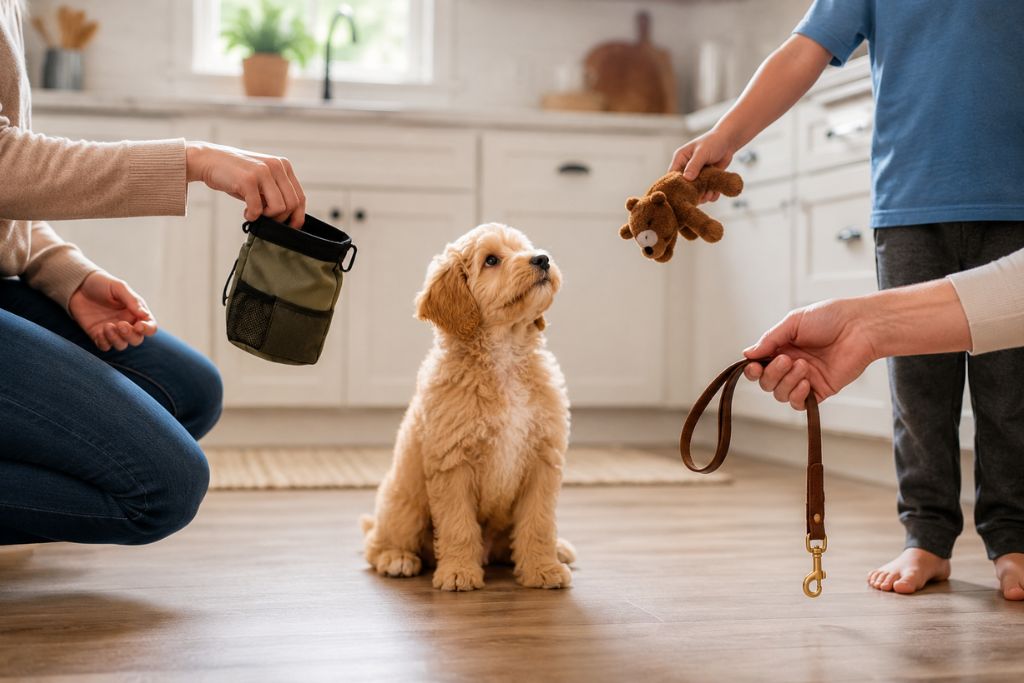
      Bringing home a puppy turns everyone into an instant fan club member. Someone wants to teach tricks. Someone wants to hand out treats. Someone has already decided the puppy is their new best friend.

      That excitement is wonderful. A puppy joining the family should feel like a celebration. But when it comes to training, too many voices can sometimes make things confusing.

      The best approach? Everyone can be involved, but everyone should follow the same training plan.

      Puppies learn through repetition and consistency. Clear expectations help them understand what behaviors earn rewards and what routines they should follow. Consistent training from the people around them helps puppies feel more secure as they adjust to family life.

      For families in Roanoke, VA, puppy training naturally becomes part of everyday moments. A puppy learning manners during a busy evening at home, practicing commands after a walk near Greenfield Recreation Park, or greeting family members calmly is building lifelong habits.

      Should Everyone Train the Puppy the Same Way?

      Yes, Everyone Should Participate

      Puppies benefit from positive interactions with the entire household.

      Family members can help by:

      • Practicing basic commands
      • Rewarding good behavior
      • Following the same rules
      • Helping with routines

      A puppy who learns “sit” from one person should not hear a completely different expectation from another.

      Why Consistency Matters During Puppy Training


      Puppies do not understand exceptions the way humans do.

      If one person allows jumping on furniture and another does not, the puppy receives mixed signals.

      Create family agreements before training begins:

      • Who handles feeding, walks, and practice sessions?
      • Which commands will everyone use?
      • What behaviors should be rewarded?

      For a family in Roanoke, this might mean creating simple routines around school mornings, work schedules, weekend outings, and family time.

      Should Young Children Train the Puppy?

      Young children can participate in puppy training with close adult supervision and age-appropriate activities.

      Simple activities like asking for a “sit,” giving a treat for desired behavior, or participating in calm, gentle play can create positive interactions between children and puppies. Adults should guide these activities, teach children to respect the puppy’s boundaries, and watch the puppy’s body language to make sure they feel comfortable and know when they need a break.

      Building a Happy Home for Your New Puppy

      A well-trained puppy does not happen overnight. It happens through patience, teamwork, and many small moments repeated every day.

      From the first “sit” at home to learning calm greetings during family visits, every training moment helps your puppy understand their place in the family.

      Waggles is here to support families through every step of puppy ownership. From helping you find the right puppy match to offering guidance, resources, and care tips after your puppy comes home, the team is committed to helping families feel confident throughout the journey.

      For puppy parents spending weekends exploring the Blue Ridge Parkway near Roanoke, those everyday training moments become opportunities to strengthen your bond and create happy memories together.

      The best puppy relationships are built one consistent, loving interaction at a time.

    • Building Puppy Confidence Through Training

      Building Puppy Confidence Through Training

      Puppy training is not just about teaching commands. It is about helping your puppy understand the world, communicate with you, and feel secure in new situations.

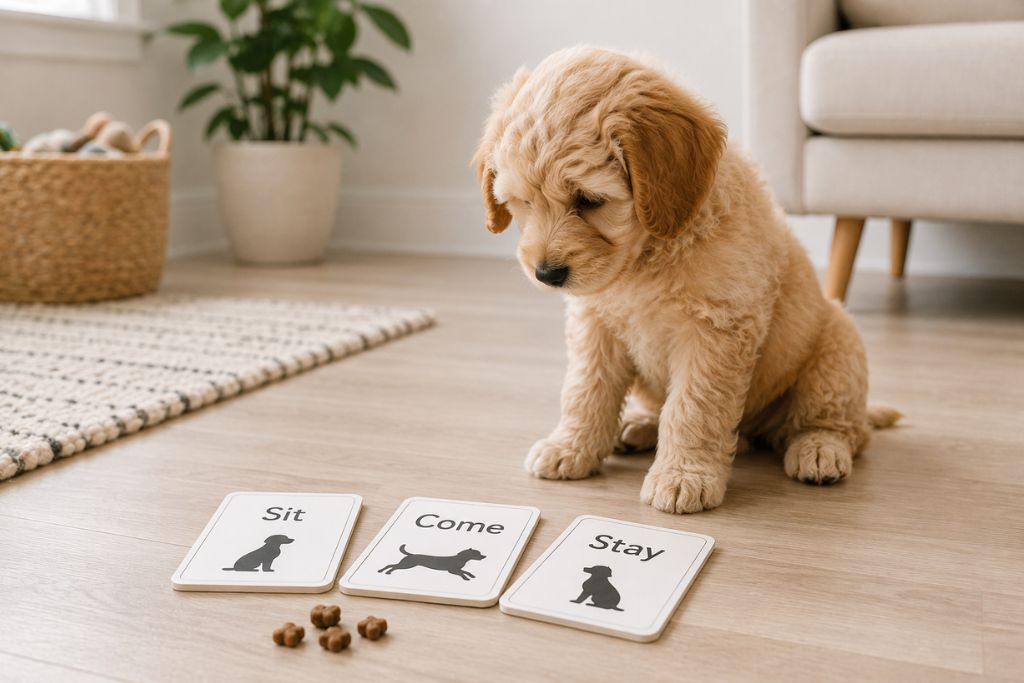
      From the first “sit” to learning how to calmly greet visitors, training gives puppies the skills they need to succeed. Positive reinforcement training helps puppies connect good choices with rewards, making learning a more enjoyable experience.

      A confident puppy is not created overnight. Confidence grows through small wins, consistent routines, and positive experiences repeated every day.

      What Does Puppy Training Actually Include?

      Training goes beyond basic cues like “sit” and “stay.” It includes teaching puppies how to live comfortably alongside their families.

      Puppy training can involve:

      • Basic commands
      • House manners
      • Leash skills
      • Social experiences
      • Handling and grooming comfort
      • Calm behavior around new situations

      Each lesson helps puppies understand expectations while building trust with the people around them.

      How Does Training Build Puppy Confidence?

      1. Training Creates Clear Communication

      Puppies are always learning from their environment.

      Training gives them a way to understand what you want. When a puppy learns a cue and earns praise or a reward, they gain confidence in making the right choice.

      Try this: Keep sessions short and positive. Practice simple skills like their name, “sit,” and “come” in a quiet space first.

      2. Training Helps Puppies Handle New Experiences

      New sounds, people, and places can feel overwhelming for puppies.

      Gentle training helps them approach new situations with curiosity instead of fear.

      Try this: Introduce new experiences slowly. Reward calm behavior and allow your puppy time to adjust.

      3. Training Builds Trust Between Puppy and Owner

      Your puppy learns that you are their guide.

      Every successful training session strengthens your bond and helps your puppy feel safe following your direction.

      Try this: Celebrate progress. A puppy mastering one small skill is a big step forward.

      4. Training Encourages Good Everyday Habits

      Confidence also comes from knowing what to expect.

      Consistent routines help puppies feel comfortable at home and during daily activities.

      Try this: Practice skills during real-life moments, like waiting before meals or calmly greeting family members.

      Helping Families Build Strong Puppy Relationships

      Every puppy has their own personality, learning style, and pace. We understand that bringing home a puppy is only the beginning of the journey.

      From helping families choose the right puppy match to offering trusted products, advice, and everyday care support, we’re here for the moments that happen after adoption day.

      Training transforms tiny lessons into lifelong habits. With patience, consistency, and plenty of encouragement, your puppy can grow into a confident companion ready to take on the world.

    • Which Doodle Puppy Is Right for Your Family? A Breed Comparison Guide

      Which Doodle Puppy Is Right for Your Family? A Breed Comparison Guide

      It’s easy to see why doodle puppies have captured so many hearts. They’re friendly, intelligent, playful, and full of personality. Still, one important thing often gets overlooked: not every doodle breed is the same. While they share many lovable qualities, each has its own temperament, activity level, and care needs.

      If you’re thinking about adding a doodle to your family, taking time to understand the differences is one of the best decisions you can make. Families throughout Calhoun, GA often enjoy everything from afternoons at New Echota Historic Site to neighborhood walks and weekends exploring nearby communities like Adairsville and Resaca. Finding a puppy that naturally fits your family’s lifestyle makes those moments even more rewarding.

      What Makes Doodle Breeds Such Wonderful Family Dogs?

      “Doodle” refers to a cross between a Poodle and another breed. Many families are drawn to doodles because they often combine the Poodle’s intelligence with the friendly, people-oriented qualities of their other parent breed. Since they’re mixed breeds, every puppy is unique, but learning about their typical characteristics can help you narrow your search.

      As you compare breeds, think about your family’s activity level, your children’s ages, the time you can dedicate to grooming, and how much exercise your future puppy will enjoy.

      Finding the Right Doodle for Your Family

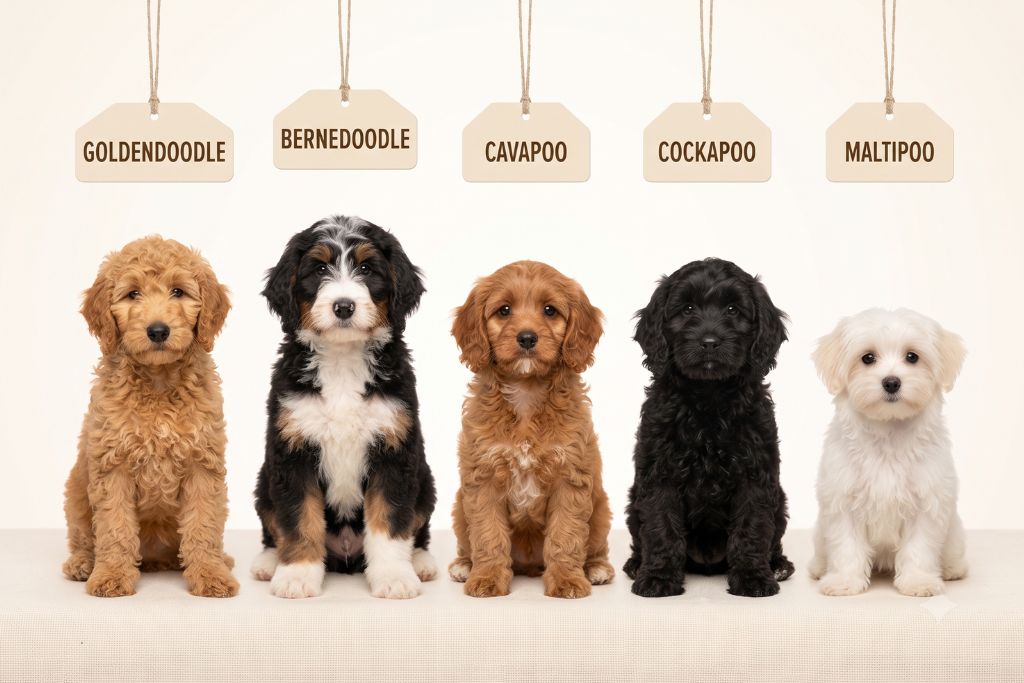
      Mini Goldendoodle: For Families Who Love Staying Active Together

      Mini Goldendoodles are affectionate, eager to learn, and happiest when included in everyday life. They enjoy walks, games in the backyard, and family outings. They’re a wonderful choice for active households that want a playful companion who’s equally happy joining a trip to Harris Arts Center or relaxing at home after a busy day. Their intelligence also makes training an enjoyable family activity.

      Cavapoo: For Families Looking for a Gentle Companion

      Cavapoos are known for their sweet personalities and their love of human companionship. They tend to form close bonds with every member of the household.

      Their adaptable nature makes them an excellent fit for families who enjoy a balance of playtime and quieter evenings. They also do well in a variety of home sizes, provided they receive plenty of attention and daily exercise.

      Cockapoo: For Homes Filled with Fun and Activity

      Cockapoos are cheerful, outgoing, and naturally social dogs. They love meeting people and thrive in homes where there’s always something happening.

      Families with children who enjoy interactive games, neighborhood walks, and outdoor adventures often appreciate the Cockapoo’s playful spirit and eagerness to be involved in everything.

      Mini Bernedoodle: For Families Who Enjoy a Calm, Loyal Companion

      Mini Bernedoodles often inherit the Bernese Mountain Dog’s gentle, devoted personality along with the Poodle’s intelligence. They’re affectionate, eager to please, and enjoy spending quality time with their people.

      They’re especially well suited for families looking for a dog that’s playful without being overly busy and one that enjoys both outdoor fun and relaxing evenings together.

      Maltipoo: For Smaller Homes with Big Hearts

      Maltipoos are affectionate little dogs with bright, engaging personalities. They enjoy being close to their families and adapt well to many different living situations.

      Their smaller size makes them a wonderful option for families living in neighborhoods around Downtown Calhoun or Sugar Valley, while their playful nature ensures there’s never a shortage of smiles at home.

      Helping Families Find Their Perfect Doodle Match

      Every family has its own rhythm, and every doodle has its own personality. That’s why the team at Georgia Dog Club takes the time to help families learn about each breed’s characteristics instead of simply comparing appearances. Families from Calhoun, Adairsville, and Resaca trust our knowledgeable team to provide honest guidance as they search for the doodle that best fits their home.

      A Great Match Begins with Great Information

      Choosing a doodle is an exciting decision, and a little knowledge goes a long way. When you understand what makes each breed unique, you’re far more likely to find a puppy whose personality fits naturally into your family’s life. That’s the beginning of a friendship your family will treasure for years to come.

      If you’re up for another good read, these articles are a great place to start:
    • The Ultimate Summer Bucket List For Your Puppy

      The Ultimate Summer Bucket List For Your Puppy

      Summer isn’t over yet, and your puppy would like everyone to stay calm because there are still important adventures to complete.

      If puppies could write bucket lists, they’d be wonderfully unrealistic. Breakfast would appear three separate times. Every squirrel would be listed under “make a new friend.” Mud puddles would count as luxury resorts. And naps? Those would be scheduled immediately after causing just enough chaos to keep life interesting.

      The good news is that plenty of their dream summer adventures are actually great for them. They encourage healthy exercise, build confidence, strengthen your bond, and keep curious puppy minds happily engaged. So grab the leash, pack a few treats, and let’s see how many boxes your four-legged best friend can check off before summer waves goodbye.

      10 Summer Adventures Every Puppy Should Experience

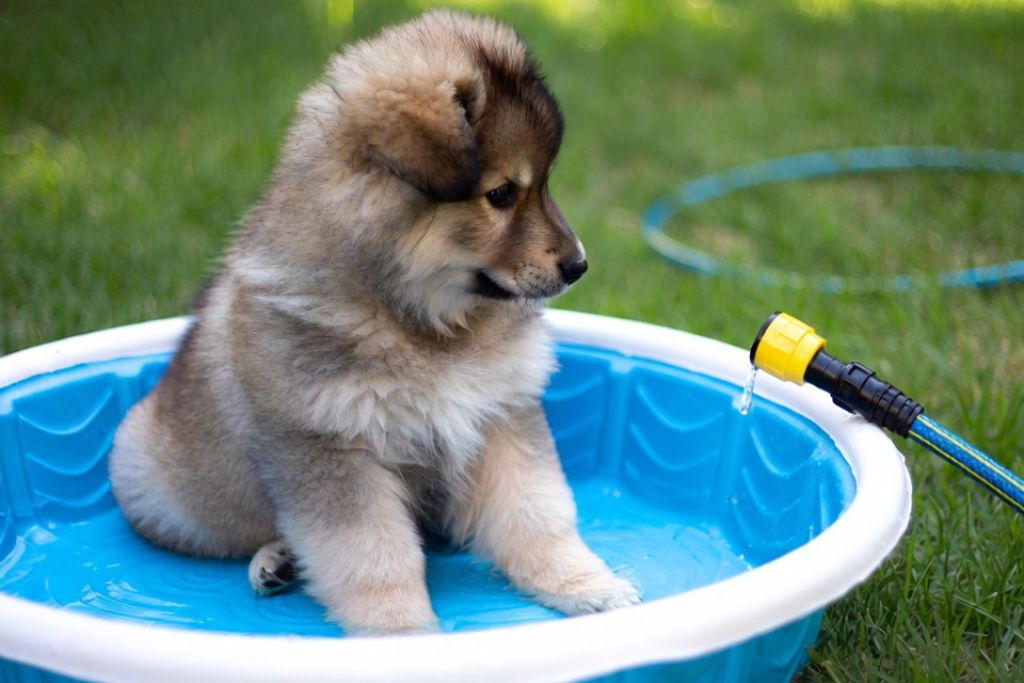
      Make a Splash in a Kiddie Pool

      In your puppy’s mind, this is less of a swimming pool and more of a water-powered zoomie station. Some pups leap straight in. Others spend fifteen minutes inspecting the water before dramatically splashing exactly one paw.

      Keep the water shallow, supervise the fun, and let your puppy explore at their own pace.

      Enjoy a Puppy-Friendly Frozen Treat

      Ice cream trucks are exciting. Unfortunately, puppies don’t understand that chocolate isn’t on the menu.

      A frozen treat made with dog-safe ingredients is a fun way to cool down after playtime. Bonus points if your puppy proudly carries it around the yard for five minutes before remembering they were supposed to eat it.

      Learn One New Trick Outside

      A sunny afternoon is the perfect classroom. Practice “spin,” “touch,” or “high five” in short, upbeat sessions.

      Training provides valuable mental enrichment, builds confidence, and gives your puppy another excuse to earn treats. Everybody wins.

      Visit a Pet-Friendly Café

      New smells. New people. At least four strangers saying, “Who’s a good puppy?”

      Sounds like the perfect afternoon.

      Short café visits help continue positive socialization while giving your puppy the chance to practice calm behavior in a new environment.

      Watch a Sunset Together

      Not every bucket list item needs to involve maximum zoomies. A relaxed evening walk followed by a sunset gives your puppy gentle exercise while avoiding the hottest part of the day.

      Plus, sunsets pair surprisingly well with wagging tails.

      Chase Approximately One Million Bubbles

      Scientists haven’t officially confirmed that puppies believe bubbles are tiny flying squirrels… but we’re not ruling it out.

      Dog-safe bubbles provide fun exercise, encourage movement, and usually result in the kind of joyful chaos that deserves its own photo album.

      Become the Star of a Summer Photoshoot

      Your plan: one perfect golden-hour picture.

      Your puppy’s plan: eat the flower, chase the butterfly, lick the camera lens, then sprint directly toward you at full speed.

      Those candid moments usually become everyone’s favorite photos.

      Host the Backyard Bark Olympics

      Today’s events include:

      * The 100-Meter Zoomie Dash

      * Freestyle Stick Retrieval

      * Competitive Leaf Chasing

      * Advanced Squirrel Spotting

      * Gold Medal-Level Tail Wagging

      Every puppy wins. Especially the ones who completely ignored the rules.

      Sniff Somewhere Brand New

      Dogs experience the world through their noses, so a new walking trail or neighborhood is like opening an entirely new storybook.

      Bring fresh water, keep your puppy safely on leash, and let them stop to investigate all the fascinating smells along the way.

      Finish the Day with Extra Cuddles

      After supervising birds, inspecting sticks, meeting new friends, and pretending not to hear the word “bath,” every puppy eventually powers down.

      Usually right across your legs.

      We wouldn’t have it any other way.

      Help Your Puppy Check Every Box

      The best bucket lists aren’t about racing through every activity. They’re about sharing experiences that help your puppy grow into a happy, confident companion. Mix exciting adventures with plenty of rest, bring fresh water on warm days, and always let your puppy’s comfort set the pace.

      We’re always happy to share trusted tips, answer questions, and help you discover new ways to make every season fun, enriching, and full of tail wags.

      Here’s to One More Summer Adventure

      Before summer slips away, grab the leash, toss a tennis ball, and let your puppy decide where the day leads. It may involve muddy paws, grass stains, and one mysteriously missing sock. But those are usually the days you’ll remember most.

      And if your puppy somehow checks off every item on this list before Labor Day… congratulations. They’ve officially had a better summer than most people.

    • How to Choose the Right Puppy Breed for Your Lifestyle

      How to Choose the Right Puppy Breed for Your Lifestyle

      A puppy will be part of your daily routine for years to come. Morning walks, quiet evenings at home, weekend road trips, and everything in between become even better with the right companion by your side. That’s why choosing a puppy starts with looking at your lifestyle first, and the breed second.

      Around Cheyenne, life can look a little different from one household to the next. Some people spend weekends exploring Curt Gowdy State Park or hiking nearby trails. Others enjoy slower days around home, neighborhood strolls through Sun Valley or Buffalo Ridge, or relaxing afternoons in the backyard. The best puppy is the one that naturally fits the way you already live.

      Start with Your Lifestyle Checklist

      Before you begin comparing breeds, ask yourself a few simple questions:

      • How active am I during a typical week?
      • How much time can I dedicate to exercise and training?
      • Do I prefer a larger or smaller dog?
      • How much grooming fits my routine?
      • Will my puppy spend most of the day with family or have regular quiet time alone?

      Thinking through these questions helps narrow your options and makes finding the right match much easier.

      Five Popular Breeds and the Lifestyles They Fit Best

      Golden Retriever: For Active, Social Households

      Golden Retrievers are affectionate, intelligent, and eager to be involved in family life. They thrive with owners who enjoy daily walks, outdoor recreation, and plenty of quality time together. If your weekends often include local parks, camping trips, or time outside around Cheyenne, this breed is happy to come along for the ride.

      French Bulldog: For Relaxed, Easygoing Routines

      French Bulldogs are playful companions with moderate exercise needs. Their adaptable personalities make them an excellent choice for apartment living, first-time dog owners, or anyone looking for a smaller dog that enjoys being close to its people. Short walks and interactive play usually provide the activity they need.

      Cavalier King Charles Spaniel: For Homes That Love Together Time

      The Cavalier King Charles Spaniel is known for its gentle, affectionate personality. This breed enjoys spending time with people and adapts well to many living situations. Families, retirees, and professionals alike appreciate their calm nature, manageable size, and willingness to join both playtime and quiet evenings at home.

      Labrador Retriever: For People Who Love Staying Active

      Labrador Retrievers bring enthusiasm wherever they go. They’re a great fit for households that enjoy hiking, jogging, swimming, or spending plenty of time outdoors. Their intelligence and eagerness to learn also make them rewarding companions for owners who enjoy training and interactive activities.

      Goldendoodle: For Busy Homes Full of Activity

      Goldendoodles are outgoing, playful, and happiest when they’re included in everyday life. They fit well with active families or individuals who have time for regular exercise, training, and social interaction. Their coats vary in texture, so consistent brushing and routine grooming are important parts of their care.

      Finding Your Best Match Starts with Great Guidance

      At Frontier Pets, we believe finding the right puppy is about understanding both the breed and the person bringing that puppy home. Families throughout Cheyenne and nearby neighborhoods trust our knowledgeable team for honest guidance, breed education, and support as they search for a companion that fits naturally into their lifestyle.

      A Great Match Makes Every Day Better

      The right puppy won’t change who you are. They’ll simply fit into the life you already love. Taking the time to choose a breed that complements your routine helps create a rewarding relationship built on companionship, confidence, and years of shared experiences.

      If you’re not ready to stop scrolling, these articles are a great next adventure:

    • Which Doodle Puppy Is Right for Your Family? A Breed Comparison Guide

      Which Doodle Puppy Is Right for Your Family? A Breed Comparison Guide

      It’s easy to see why doodle puppies have captured so many hearts. They’re friendly, intelligent, playful, and full of personality. Still, one important thing often gets overlooked: not every doodle breed is the same. While they share many lovable qualities, each has its own temperament, activity level, and care needs.

      If you’re thinking about adding a doodle to your family, taking time to understand the differences is one of the best decisions you can make. Families throughout Cleveland, NC often enjoy everything from afternoons at Lake Norman State Park to neighborhood walks and weekends exploring nearby communities like Statesville and Mooresville. Finding a puppy that naturally fits your family’s lifestyle makes those moments even more rewarding.

      What Makes Doodle Breeds Such Wonderful Family Dogs?

      “Doodle” refers to a cross between a Poodle and another breed. Many families are drawn to doodles because they often combine the Poodle’s intelligence with the friendly, people-oriented qualities of their other parent breed. Since they’re mixed breeds, every puppy is unique, but learning about their typical characteristics can help you narrow your search.

      As you compare breeds, think about your family’s activity level, your children’s ages, the time you can dedicate to grooming, and how much exercise your future puppy will enjoy.

      Finding the Right Doodle for Your Family

      Mini Goldendoodle: For Families Who Love Staying Active Together

      Mini Goldendoodles are affectionate, eager to learn, and happiest when included in everyday life. They enjoy walks, games in the backyard, and family outings. They’re a wonderful choice for active households that want a playful companion who’s equally happy joining a trip to Lake Norman or relaxing at home after a busy day. Their intelligence also makes training an enjoyable family activity.

      Cavapoo: For Families Looking for a Gentle Companion

      Cavapoos are known for their sweet personalities and their love of human companionship. They tend to form close bonds with every member of the household.

      Their adaptable nature makes them an excellent fit for families who enjoy a balance of playtime and quieter evenings. They also do well in a variety of home sizes, provided they receive plenty of attention and daily exercise.

      Cockapoo: For Homes Filled with Fun and Activity

      Cockapoos are cheerful, outgoing, and naturally social dogs. They love meeting people and thrive in homes where there’s always something happening.

      Families with children who enjoy interactive games, neighborhood walks, and outdoor adventures often appreciate the Cockapoo’s playful spirit and eagerness to be involved in everything.

      Mini Bernedoodle: For Families Who Enjoy a Calm, Loyal Companion

      Mini Bernedoodles often inherit the Bernese Mountain Dog’s gentle, devoted personality along with the Poodle’s intelligence. They’re affectionate, eager to please, and enjoy spending quality time with their people.

      They’re especially well suited for families looking for a dog that’s playful without being overly busy and one that enjoys both outdoor fun and relaxing evenings together.

      Maltipoo: For Smaller Homes with Big Hearts

      Maltipoos are affectionate little dogs with bright, engaging personalities. They enjoy being close to their families and adapt well to many different living situations.

      Their smaller size makes them a wonderful option for families living in neighborhoods around Troutman or Harmony, while their playful nature ensures there’s never a shortage of smiles at home.

      Helping Families Find Their Perfect Doodle Match

      Every family has its own rhythm, and every doodle has its own personality. That’s why the team at Charlotte Dog Club takes the time to help families learn about each breed’s characteristics instead of simply comparing appearances. Families from Cleveland, Statesville, and Mooresville trust our knowledgeable team to provide honest guidance as they search for the doodle that best fits their home.

      A Great Match Begins with Great Information

      Choosing a doodle is an exciting decision, and a little knowledge goes a long way. When you understand what makes each breed unique, you’re far more likely to find a puppy whose personality fits naturally into your family’s life. That’s the beginning of a friendship your family will treasure for years to come.

      If you’re up for another good read, these articles are a great place to start:
    • Why Designer Dog Breeds Are More Popular Than Ever

      Why Designer Dog Breeds Are More Popular Than Ever

      Designer dog breeds have captured the hearts of dog lovers around the world, and it’s easy to understand why. These charming companions often combine the lovable qualities of two well-known breeds, creating dogs with unique personalities, plenty of intelligence, and an eagerness to become part of everyday family life. While their adorable looks certainly catch attention, their growing popularity is rooted in something much more meaningful: they’re wonderful companions for a wide variety of homes and lifestyles.

      If you’re considering adding one to your family, learning about what makes designer breeds unique is the perfect place to begin.

      What Makes a Dog a Designer Breed?

      A designer dog is the intentional cross of two purebred dogs. The goal is to combine desirable characteristics from each parent breed, such as temperament, intelligence, appearance, or activity level. Because they’re mixed breeds, every puppy is unique. Even puppies from the same litter may inherit different traits, coat types, or personalities.

      It’s also important to remember that designer dogs aren’t “better” than purebred dogs; they’re simply different. Each breed mix has its own strengths, care requirements, and exercise needs. Taking time to understand those differences helps you choose a puppy that truly fits your family, home, and lifestyle.

      Five Designer Breeds That Continue to Win Hearts

      Goldendoodle

      Goldendoodles blend the intelligence of the Poodle with the friendly, outgoing nature often associated with the Golden Retriever. They’re happiest when they’re involved in family activities, from neighborhood walks and weekend outings to relaxing at home after a busy day.

      Their eagerness to learn and social personality make them a wonderful choice for active families, first-time dog owners, and anyone looking for a companion that enjoys being part of everyday life. Because coat types can vary, regular brushing and routine grooming are important.

      Bernedoodle

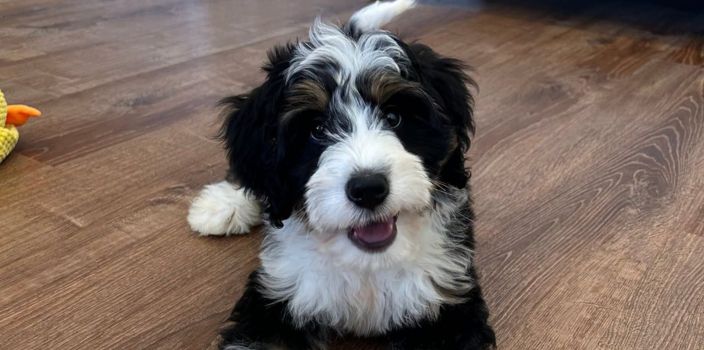
      Bernedoodles often combine the Bernese Mountain Dog’s calm, devoted temperament with the Poodle’s intelligence and trainability. Many families appreciate their affectionate personalities and their ability to balance playtime with quieter moments at home.

      They’re an excellent fit for households looking for a dog that’s interactive without being constantly on the go. Like many larger doodle breeds, they benefit from regular exercise, ongoing training, and plenty of companionship.

      Cavapoo

      Cavapoos are known for their gentle personalities and strong desire to be close to the people they love. They’re affectionate, friendly, and adaptable, making them a popular choice for many different types of households.

      Whether it’s joining in family activities or curling up beside you at the end of the day, Cavapoos enjoy being involved. Their smaller size and easygoing temperament also make them a wonderful option for first-time dog owners.

      Cockapoo

      Cockapoos are outgoing dogs that love meeting people and exploring the world around them. They typically inherit both intelligence and a playful spirit, making training enjoyable and interactive.

      Families who enjoy spending time outdoors, teaching new tricks, or including their dog in everyday adventures often find the Cockapoo to be an excellent match. Regular grooming helps keep their coat healthy and comfortable.

      Maltipoo

      Maltipoos may be small in size, but they bring plenty of affection and personality wherever they go. They thrive on companionship and enjoy spending time with their families, making them wonderful lap dogs while still appreciating daily walks and play sessions.

      Their adaptable nature allows them to fit comfortably into many lifestyles, from singles and couples to retirees and growing families. Consistent grooming helps maintain their soft, often low-shedding coats.

      Designer Dog FAQs

      Are designer dogs good family pets?

      Many designer breeds are known for their affectionate, social personalities. The best fit depends on each puppy’s individual temperament and your family’s lifestyle.

      Do designer dogs need grooming?

      Many do. Coat types vary by breed and individual puppy, so regular brushing and professional grooming are often recommended.

      Are designer breeds easy to train?

      Many inherit intelligence and a willingness to learn from their parent breeds. Positive, reward-based training and early socialization help them develop into confident, well-mannered companions.

      Do all designer dogs have low-shedding coats?

      Not necessarily. Coat type can vary even within the same breed mix. Some designer dogs may shed very little, while others inherit a coat that’s closer to one of their parent breeds. Regular grooming is beneficial regardless of coat type.

      How do I know which designer breed is right for me?

      Start by considering your lifestyle, activity level, available space, and the time you can dedicate to grooming, exercise, and training. Matching a breed’s typical characteristics with your daily routine is one of the best ways to build a happy, lasting relationship.

      Helping You Find the Right Match

      Every family, every lifestyle, and every puppy is different. That’s why we believe choosing a puppy begins with learning, not simply choosing a breed because it’s popular. We’re here to answer questions, share breed knowledge, and help you better understand the unique personalities, care needs, and characteristics of today’s most beloved designer dogs so you can make a confident, informed decision.

      The Perfect Puppy Is the One That Fits Your Life

      Designer breeds continue to grow in popularity because they offer so much more than adorable faces. Their intelligence, companionship, and versatility have made them cherished members of countless families. With thoughtful research and a clear understanding of what makes each breed unique, you’ll be well on your way to finding a puppy that’s the perfect fit for your life.

    • Puppy Leash Training: How to Stop Pulling and Freezing

      Puppy Leash Training: How to Stop Pulling and Freezing

      The first few weeks with a puppy are full of milestones. The first night at home. The first successful potty break. The first time they learn their name.

      Then comes one that many new puppy owners look forward to most: the first walk.

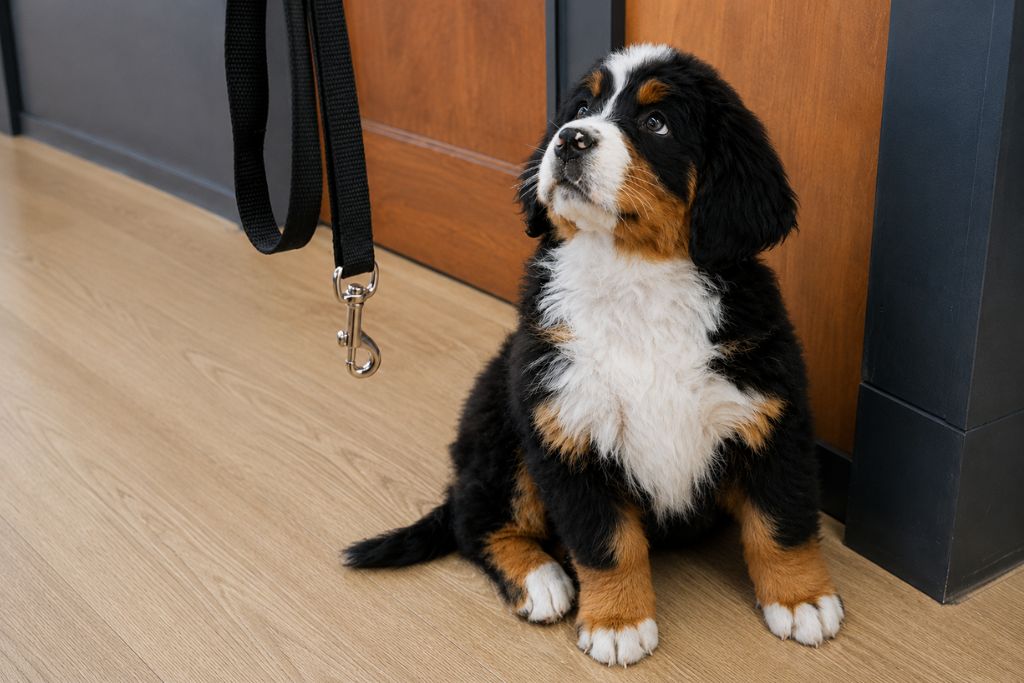
      You picture strolling through the neighborhood together. Instead, your puppy plants all four paws on the ground and refuses to move. Or they pull ahead like they’re training for a marathon.

      If that sounds familiar, don’t worry. Both reactions are completely normal.

      For puppies, the outside world is full of new sights, sounds, smells, and experiences. Learning how to walk on a leash takes time, patience, and practice. Whether you’re exploring your neighborhood in Indianapolis, Schererville, or a nearby community, those first walks are a big learning experience for your puppy. 

      Why Puppies Pull or Freeze on Walks

      Imagine seeing a busy sidewalk, passing cars, rustling leaves, and unfamiliar people for the very first time. That’s what many puppies experience during their early walks.

      Some puppies respond by pulling forward to investigate everything around them. Others become overwhelmed and freeze in place.

      Neither reaction means your puppy is stubborn or difficult. More often, they’re simply processing a lot of new information at once.

      For puppies living near bustling areas like Broad Ripple, Downtown Indianapolis, or Schererville’s busy commercial corridors along US-41, there can be even more sights and sounds to take in.

      If Your Puppy Pulls Ahead

      Pulling is common because puppies naturally want to move toward something interesting.

      When your puppy starts pulling, avoid pulling back on the leash. Instead, stop walking. Once the leash becomes loose again, continue forward. This teaches your puppy that pulling doesn’t get them where they want to go. A loose leash does.

      Consistency is important. The lesson becomes much clearer when the same rule applies every time.

      Many families find it helpful to practice in quieter areas first, whether that’s a neighborhood sidewalk in Fishers, Carmel, St. John, or Schererville.

      If Your Puppy Refuses to Move

      Freezing can be just as common, especially during the first few walks.

      If your puppy stops, give them a moment to look around and process their surroundings. Encourage them with a happy voice and reward even a few steps forward. Avoid dragging or forcing your puppy to move. Building confidence is more effective than creating pressure.

      Many puppies become more comfortable after a few short outings.

      Start Small and Keep Walks Short

      One of the biggest mistakes new owners make is expecting too much too soon. Early leash walks don’t need to be long. A few minutes around the yard, driveway, or quiet sidewalk can be enough.

      For families in Indianapolis, that might mean practicing close to home before exploring busier areas near Broad Ripple, Fountain Square, or downtown. In Schererville, a quiet neighborhood stroll is often a better starting point than a crowded weekend outing near Lincoln Highway or popular shopping areas.

      Small successes build confidence.

      Make Every Walk a Learning Opportunity

      Bring treats. Reward attention. Celebrate calm behavior.

      Most importantly, remember that leash training is a skill. Your puppy isn’t expected to master it overnight.

      With repetition, many puppies begin to understand what is expected and become more comfortable walking beside you.

      Helping Families Start Strong

      At Happiness Is Pets, we love seeing families reach these exciting milestones. Finding the right puppy is only the beginning. Learning, growing, and building confidence together is where the real fun begins.

      Whether you’re welcoming a puppy in Indianapolis, Schererville, Fishers, Crown Point, or a nearby community, our team is here to answer questions and provide guidance as your puppy learns the ropes.

      One Step at a Time

      The first leash walk may not look exactly how you imagined it. That’s okay.

      Every puppy starts somewhere. With patience, positive reinforcement, and realistic expectations, those early stops, starts, and zigzags eventually become enjoyable walks you’ll both look forward to.

      If you’re up for another read, these posts are popular with puppy parents: