
Tag: Puppy Development

  • The Puppy Socialization Window: Why the First 16 Weeks Matter

    The Puppy Socialization Window: Why the First 16 Weeks Matter

    Bringing home a puppy comes with a lot of exciting firsts.
    First walks. First toys. First sleepy cuddle on the couch after a long day of zoomies.

    But during all those adorable moments, something incredibly important is also happening behind the scenes: your puppy is learning how to experience the world.

    The first 16 weeks of a puppy’s life are often called the “socialization window.” During this stage, puppies are especially open to new experiences, environments, sounds, people, and routines.

    What they experience during this period can help shape their confidence, comfort levels, and behavior as adult dogs.

    That’s why thoughtful socialization matters so much.

    What Is Puppy Socialization, Exactly?

    Socialization is the process of safely introducing your puppy to the world around them.

    That includes:

    • New people
    • Different sounds
    • Other vaccinated dogs
    • Car rides
    • Grooming experiences
    • Various surfaces and environments
    • Everyday household activity

    The goal is not to overwhelm your puppy. The goal is to help them build positive, calm associations with normal life experiences.

    For puppies growing up around Stuart, Boca Raton, and surrounding communities, socialization can happen in simple everyday moments — hearing new sounds during a walk near Downtown Stuart, experiencing different sights and people around Mizner Park, riding in the car, or exploring pet-friendly spaces with trusted family and friends.
    Confident puppies are not born overnight. They learn through gentle exposure and repetition.

    Confident puppies are not born overnight. They learn through gentle exposure and repetition.

    Why the First 16 Weeks Are So Important

    Young puppies are naturally curious during their early development period. Their brains are rapidly processing information and forming long-term associations.

    Positive experiences during this window can help reduce fear and anxiety later in life.
    On the other hand, limited exposure or negative experiences may make certain situations feel unfamiliar or stressful as they grow older.

    That’s why early socialization is often considered one of the most important parts of puppy development.

    What Healthy Socialization Actually Looks Like

    Small Positive Experiences Matter Most

    Good socialization is calm, safe, and gradual.

    For example, your puppy may benefit from:

    • Meeting friendly people
    • Hearing city sounds during a walk
    • Visiting pet-friendly places around town
    • Seeing bicycles, umbrellas, or strollers
    • Riding in the car for short trips
    • Learning to feel comfortable during handling and grooming

    For many families around Arizona communities and nearby neighborhoods, this may include outdoor cafés, local parks, or puppy-friendly events.

    The key is making sure your puppy feels supported and safe during each new experience.

    Common Socialization Mistake to Avoid

    Too much too fast can backfire.

    One of the biggest misconceptions is that socialization means exposing puppies to everything immediately.

    It doesn’t.

    Fearful or overwhelming experiences can actually create stress instead of confidence.
    Watch your puppy’s body language carefully. If they seem nervous, tired, or overstimulated, it’s okay to slow down.

    Positive reinforcement, patience, and short sessions work best.

    Socialization Includes More Than Just Other Dogs

    Many people focus only on dog-to-dog interaction.

    But puppies also need exposure to:

    • Different people and ages
    • New environments
    • Everyday noises
    • Handling and touch
    • Routine grooming and vet visits

    A well-socialized puppy is not necessarily the most outgoing dog in the room. Often, it’s simply a dog that feels safe and comfortable navigating everyday life.

    Helping Families Raise Confident Puppies

    At Wags About You, we understand how important these early weeks are for both puppies and their families.

    Bringing home a puppy is exciting, but it also comes with responsibility, questions, and a learning curve. That’s why guidance, education, and support matter so much during the early stages.

    Every puppy deserves a strong, healthy foundation built on trust, patience, and positive experiences.

    The First 16 Weeks Go By Quickly

    The puppy stage moves fast. One day they’re nervous about hearing the vacuum. The next day they’re confidently supervising your entire household like a tiny furry manager.

    Those early experiences truly matter.

    And with consistency, patience, and care, those first 16 weeks can help shape a happier, more confident companion for years to come.

    More Helpful Reads From Wags About You From planning and preparation to everyday puppy care, our articles are here to help you feel informed and confident as a pet parent. Check out the related posts below to keep learning with us.

  • How Much Exercise Does Your Puppy Really Need? A Complete Guide for Furparents

    We all know the benefits of regular exercise, such as feeling energized, staying healthy, and keeping our minds sharp. Just like us, puppies need movement to thrive, and finding the right type and amount is essential for their growth, behavior, and overall happiness. Too little can lead to boredom or weight issues, and too much can put stress on their developing bodies.

    So, how much exercise does your puppy really need? Let’s break it down.

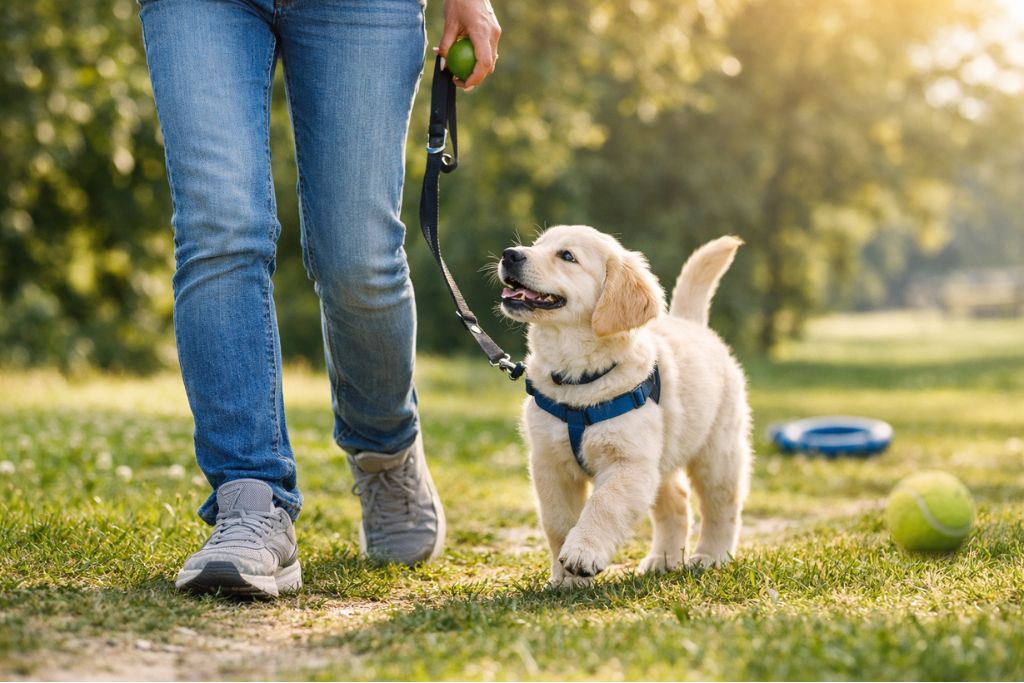
    puppy walking on a leash with its owner outdoors

    Why Puppies Need Exercise

    Exercise isn’t just playtime. It’s crucial for your puppy’s development. Some key benefits include:

    • Physical health: Strengthens muscles, bones, and joints while preventing obesity.
    • Mental stimulation: Engages their brain, reducing destructive behaviors from boredom.
    • Social skills: Interaction with people, other dogs, and environments improves confidence.
    • Emotional well-being: Helps regulate mood and energy, leading to a calmer, happier pup.
    • Understanding these benefits helps set the stage for a healthy routine that balances activity with rest.

    How Much Exercise Does Your Puppy Really Need?

    There’s no one-size-fits-all, as breed, size, and age all play a role. A general rule of thumb is 5 minutes of structured exercise per month of age, up to twice a day. So, a 3-month-old puppy may need around 15 minutes of controlled activity at a time.

    Breaking it down:

    • Short walks: Gentle strolls on a leash for puppies under 6 months. Avoid overexertion or long runs.
    • Play sessions: Interactive games like fetch, tug, or hide-and-seek, ideally 2–3 sessions per day.
    • Mental enrichment: Puzzle toys, scent games, and basic training exercises count as exercise too; mental workouts are just as important as physical.
    • Breed considerations: High-energy breeds like Border Collies or Huskies may need longer or more frequent activity, while smaller or less active breeds require gentler routines.

    Consistency is key. Spread exercise throughout the day rather than one long session to prevent fatigue or injury.

    Encouraging Exercise in Your Puppy

    Motivation is everything! Use toys, treats, and praise to make activity enjoyable. Rotate toys to keep play interesting, and mix in short training sessions to stimulate their mind. Social walks with other puppies or friendly dogs can also make exercise fun while improving social skills.

    Exercise is a cornerstone of a happy, healthy puppy. By providing the right amount of activity, both physical and mental, you’ll help your fur baby grow strong, confident, and well-adjusted. Pay attention to their energy, breed needs, and age, and always make exercise fun. Your puppy will thank you with wagging tails, joyful leaps, and endless cuddles.

  • What Makes Puppies Thrive? The Science of Puppy Happiness

    What Makes Puppies Thrive? The Science of Puppy Happiness

    That adorable puppy isn’t just cute; it’s a complex creature needing specific things – understanding what makes a puppy thrive is key to their happiness and development. While endless belly rubs and squeaky toys certainly contribute, the science goes deeper. What truly fuels their joy and sets them up for a well-adjusted life?

    What Makes Puppies Thrive

    The Foundation: Safety and Sustenance

    At its core, puppy happiness starts with meeting their fundamental physiological and safety needs. Fresh water, proper food, safe rest, and regular potty breaks are essential, non-negotiable needs for your puppy. A predictable routine helps them feel secure in their new environment, reducing anxiety – a key part of helping puppies thrive.

    Nurturing the Mind and Spirit – Key to What Makes Puppies Thrive

    But what makes puppies thrive goes beyond just physical safety; it involves nurturing their psychological well-being. From 3-16 weeks, positive exposure to new sights/sounds/dogs builds confidence and prevents fear later. Think of it as building their emotional resilience toolkit.

    Play is not just fun; it’s essential work for a puppy. It hones motor skills, teaches crucial bite inhibition (learning how hard is too hard!), provides mental stimulation, and strengthens the bond with you and other pets. Similarly, positive reinforcement training does more than teach “sit” and “stay.” It builds communication, boosts confidence as they learn, provides mental exercise, and clarifies boundaries, making them feel more secure in understanding expectations.

    Finally, never underestimate the power of affection and bonding. Gentle handling, praise, quality time spent together, and simply being a part of the family unit fulfill their innate need for social connection.

    Ultimately, understanding what makes puppies thrive means recognizing it’s a combination of meeting physical, environmental, social, and emotional needs consistently. It’s this holistic approach – ensuring safety, encouraging exploration, guiding behavior positively, and showering them with love – that unlocks that boundless puppy joy we all adore