Author: cosmick

  • Puppy Vaccines Explained: What Your Dog Needs in the First Year

    Puppy Vaccines Explained: What Your Dog Needs in the First Year

    Your new puppy is finally home, and suddenly life looks a little different.

    There are toys in every room, a growing collection of treats in the kitchen, and at least one family member already completely wrapped around your puppy’s paw. But alongside all the fun comes something equally important: protecting your puppy’s health during their first year.

    For many dog owners across Georgia, and surrounding communities in Atlanta, puppy vaccines can initially feel overwhelming. There are multiple appointments, unfamiliar vaccine names, and different recommendations depending on your dog’s lifestyle.

    The good news? Once you break it down, the first-year vaccine schedule becomes much easier to understand.

    Why Puppies Need Vaccines Early

    Puppies are born with temporary immunity passed down from their mother. However, that protection fades over time.

    That’s why veterinarians recommend a series of vaccines during the first several months of life. These vaccines help protect puppies from highly contagious and potentially serious diseases while their immune systems develop.

    Most puppies begin vaccinations between 6 and 8 weeks old, followed by booster shots every few weeks until around 16 weeks of age.

    The Core Vaccines Most Puppies Receive

    DHPP (Distemper, Hepatitis, Parvovirus, Parainfluenza)

    This is one of the most important puppy vaccines.

    The DHPP vaccine protects against four serious illnesses:

    • Distemper
    • Adenovirus (hepatitis)
    • Parvovirus
    • Parainfluenza

    Puppies typically receive this vaccine in a series at:

    • 6–8 weeks
    • 10–12 weeks
    • 14–16 weeks

    A booster is usually given again around one year old.

    These diseases can spread quickly among dogs, especially puppies, which is why veterinarians consider this a core vaccine.

    Rabies Vaccination Requirements

    Rabies vaccines are legally required in Georgia.

    Most puppies receive their first rabies vaccine between 14 and 16 weeks old, depending on local regulations and veterinary guidance.

    Rabies affects the nervous system and is fatal once symptoms appear. Because it can also spread to humans, maintaining this vaccine matters for both public health and pet safety.

    Lifestyle Vaccines Your Vet May Recommend

    Bordetella (Kennel Cough)

    This vaccine is often recommended for puppies that may attend:

    • Puppy classes
    • Grooming appointments
    • Boarding facilities
    • Doggy daycare
    • Social dog environments

    Bordetella spreads easily in group settings and commonly contributes to kennel cough.

    Leptospirosis

    Leptospirosis is a bacterial disease that can spread through contaminated water and wildlife exposure.

    Because warm climates and outdoor activity are common throughout the Southeast, many veterinarians recommend discussing this vaccine with puppy owners.

    Lyme Disease and Canine Influenza

    Some puppies may also benefit from Lyme disease or canine influenza vaccines depending on lifestyle, travel, and local exposure risks.

    Your veterinarian can help determine whether these vaccines make sense for your dog specifically.

    Don’t Forget Heartworm Prevention

    Heartworm is not prevented through a vaccine, but prevention usually begins during puppyhood with regularly administered medication.

    Because mosquitoes remain active for much of the year in the Carolinas / Georgia, veterinarians often recommend starting prevention early.

    Helping Puppies Start Strong

    We understand how important the first year is for both puppies and their families.

    There is a lot to learn, and naturally, every owner wants to make thoughtful decisions about their dog’s health. That’s why trusted guidance, education, and preparation matter so much during puppyhood.

    Remember that raising a healthy, confident dog starts with giving them the strongest possible foundation from day one.

    The First Year Goes Faster Than You Think

    Right now, your puppy may still feel tiny.

    But between vet visits, training milestones, and countless everyday moments, that first year moves quickly. Staying consistent with vaccines and preventive care helps protect your dog through every stage of growth.

    And peace of mind is one of the best things you can give both your puppy and yourself.

    If you’re up for another good read, these articles are a great place to start:

  • Paint vs. Stain for Exterior Surfaces: Which One Actually Wins?

    Paint vs. Stain for Exterior Surfaces: Which One Actually Wins?

    Paint can completely change a home. It adds personality, boosts curb appeal, and gives your exterior a fresh new feel. One color choice can make a house feel classic, modern, cozy, or bold, whether you’re updating a historic home in German village, refreshing property near Dublin, or giving homes around Polaris and Westerville a new look.

    Then comes the question that stops many homeowners in their tracks: should you paint it or stain it?

    It sounds simple, but the answer depends on the surface itself. Different materials react differently outdoors, especially here in Columbus. Between humid summers, rain, freezing winters, and changing temperatures, exterior surfaces across communities like Upper Arlington, New Albany, and Grove City deal with plenty of wear and tear throughout the year.

    Choosing the right finish is not only about appearance. It also affects durability, maintenance, and how well your home stands up to everything Central Ohio weather brings.

    Why Your Exterior Surface Changes Everything

    Paint and stain both protect exterior materials. However, they work in different ways.

    Paint creates a protective layer on top of a surface. Stain penetrates into the material itself.

    That difference matters because certain surfaces need coverage, while others benefit from protection that lets the material breathe and show through naturally.

    Paint vs. Stain: Which Exterior Surfaces Work Best?

    Paint: Strong Coverage for a Fresh New Look

    Paint delivers solid color and stronger surface coverage. It also offers endless color options.

    Paint works best for:

    • Wood siding needing a complete refresh
    • Fiber cement siding
    • Trim and shutters
    • Older surfaces with imperfections
    • Homes needing bold color changes

    Pros:

    • More color choices
    • Hides flaws and uneven areas
    • Strong protection against moisture and UV exposure

    Things to know:

    Paint can peel or chip over time if surfaces are not properly prepared. Exterior paint also requires maintenance as years pass.

    Stain: Let Natural Texture Steal the Show

    Stain soaks into wood instead of sitting on top. It enhances natural grain and texture.

    Stain works best for:

    • Wood decks
    • Fences
    • Pergolas
    • Cedar siding
    • Natural wood accents

    Pros:

    • Highlights natural wood beauty
    • Less peeling and cracking
    • Easier touch-ups over time

    Things to know:

    Stain offers fewer color choices. It also does not hide imperfections like paint can.

    Quick Questions Homeowners Ask

    Can you stain over painted wood?

    Usually no. Existing paint prevents stain from penetrating correctly.

    Does stain last longer than paint?

    Not always. It depends on the product, climate, sun exposure, and surface condition.

    Picking the Right Finish Without the Guesswork

    The right answer is rarely “paint everything” or “stain everything.”

    At Color World Columbus, we help homeowners find what works best for their specific surfaces, style goals, and local conditions. Columbus weather creates unique challenges, and experience matters when choosing products that will actually hold up.

    Give Your Exterior the Finish It Deserves

    A great exterior should look good on day one and years later.

    The best results start with understanding the surface underneath it. Because sometimes the biggest difference is not the color itself. It’s choosing the right finish before the first brush ever touches the house.

  • What Your Garden Says About You (Yes, We’re Judging Your Hydrangeas)

    What Your Garden Says About You (Yes, We’re Judging Your Hydrangeas)

    Gardens are funny little things.

    You start with a few plants because you want something pretty outside your window. Next thing you know, you’re standing in the driveway discussing soil conditions like you’re defending a doctoral thesis.

    But that’s the magic of it.

    Gardens make us feel calmer. They give us a place to unplug, breathe, and spend time outdoors. Across the Lehigh Valley, from neighborhoods in Bath and Nazareth to homes tucked throughout Bethlehem, Easton, and beyond, Pennsylvania gives homeowners a front-row seat to all four seasons: snowy winters, colorful springs, humid summers, and those crisp fall evenings that somehow make everything feel a little cozier.

    Outdoor spaces quickly become an extension of home.

    And whether we realize it or not, our gardens often become tiny reflections of us too.

    Why We Love Gardens More Than We Admit

    People garden for all kinds of reasons.

    Some want a peaceful retreat. Some love color. Others want a place to entertain friends and family. Some just saw one plant on social media and accidentally started a whole new personality trait.

    Whatever the reason, the choices people make usually tell a story.

    So…What Does Your Garden Say About You?

    The Cottage Garden

    Overflowing flowers. Winding paths. Plants doing whatever they want.

    If this is your style, you are probably:
    The friend who says, “Let’s keep it casual,” and somehow hosts the most beautiful gathering anyone has ever attended.

    You love charm and comfort. You appreciate things feeling natural and lived-in.

    The Clean and Modern Garden

    Simple lines. Structured plants. Everything looks intentional.

    If this is your style, you are probably:
    Someone whose phone battery is always above 60%.

    You enjoy order. You like clean spaces and designs that feel calm.

    The Vegetable Garden

    Tomatoes. Herbs. Peppers. Raised beds everywhere.

    If this is your style, you are probably:
    A person who casually says things like, “These are from my garden.”

    You love creating things with purpose. You also enjoy the satisfaction of growing something yourself.

    The Wildlife Garden

    Pollinator plants. Native species. Butterflies everywhere.

    If this is your style, you are probably:
    The person saving bees and the planet before breakfast.

    Native gardens also work beautifully in Pennsylvania landscapes because they often adapt well to local conditions.

    The “I Bought Every Plant I Loved” Garden

    No theme. No plan. Pure excitement.

    If this is your style, you are probably:
    Living entirely on instinct.

    We respect it.

    Turn Personality Into Great Landscape Design

    A great landscape should feel personal. It should look beautiful, but it should also feel like you.

    At Creative Landscapes, we help homeowners throughout Pennsylvania create outdoor spaces that match their style and fit local conditions. We combine creativity with practical design so landscapes thrive through changing seasons.

    Your Yard Is Basically Your Outdoor Biography

    Your garden may not reveal every secret about you.

    But it might reveal that you enjoy structure, love color, appreciate nature, or occasionally make plant decisions based entirely on vibes.

    No judgment here. We get it.

  • Ranking Summer Activities by How Dramatic Your Dog Will Be About Them

    Ranking Summer Activities by How Dramatic Your Dog Will Be About Them

    Summer plans always sound amazing in theory.
    Beach days. Hiking trails. Backyard sprinklers. Sunny patio brunches. Long walks at golden hour.

    And then your dog enters the chat.

    Suddenly, the sprinkler is a personal attack. The hiking trail becomes a survival documentary. And the kiddie pool you lovingly bought? Apparently offensive.

    The truth is, dogs experience summer activities in hilariously different ways depending on their personality, confidence level, breed tendencies, and comfort zones. Some pups are adventurous outdoor athletes. Others act like stepping on warm grass is emotional hardship.

    And we love all of it.

    Because while dogs are absolutely part of the family, they also come with opinions. Very strong opinions. And learning those quirks helps us better understand what makes each pup feel happy, secure, and genuinely comfortable.

    So naturally, we ranked some classic summer activities by exactly how dramatic your dog will probably be about them.

    1. Sprinklers = Absolute Betrayal

    Drama Level: 10/10

    For some dogs, sprinklers are magical.
    For others? They are moving water demons sent specifically to ruin their afternoon.

    You’ll usually spot two types of sprinkler dogs:

    • The athletic water lover who launches directly into the spray at full speed
    • The deeply suspicious pup who barks at the sprinkler like it personally insulted their family

    Herding breeds and energetic sporting dogs often love interactive water play because it taps into their active instincts. More cautious or sensitive pups, meanwhile, may need slower introductions.

    Either way, expect chaos.

    2. Hiking = Oscar-Worthy Exhaustion

    Drama Level: 9/10

    The hike begins with confidence.
    Your dog pulls ahead. They’re athletic. Fearless. Explorers of the wilderness.

    Forty minutes later? Suddenly they’re collapsing dramatically beside a rock like they just completed a seven-part documentary series called Surviving Nature.

    Active breeds often thrive on outdoor adventures because they need physical and mental stimulation. However, every dog has different endurance levels, especially during warmer weather.

    Also important: hot trails can hurt paw pads quickly in summer heat. Dramatic reactions may actually be your dog telling you they need a break, water, or cooler ground.

    Even the drama queens have valid points sometimes.

    3. Beach Day = Main Character Energy

    Drama Level: Depends Entirely on Sand Tolerance

    Some dogs were spiritually designed for beach life.
    They sprint. They swim. They steal unattended sandwiches with confidence.

    Others step onto sand once and immediately look offended beyond comprehension.

    Water-loving breeds like Retrievers often enjoy swimming because it provides excellent low-impact exercise. Meanwhile, some smaller or fluffier dogs prefer observing beach activities safely from a towel throne under an umbrella.

    Respectfully, not every dog wants to “touch the ocean.”

    4. Kiddie Pool = Tiny Backyard Luxury Spa

    Drama Level: Surprisingly Low

    A shocking amount of dogs become deeply attached to kiddie pools during summer.
    Especially brachycephalic breeds, thicker-coated pups, or dogs that naturally run warm.

    Some gently lounge inside like they’re vacationing at a luxury resort. Others treat it like a splash zone and somehow soak every human within a ten-foot radius.

    Cooling activities can help dogs stay safer and more comfortable during hot weather, especially during peak summer temperatures.

    And truthfully, watching a dog sit peacefully in two inches of water feels weirdly healing.

    5. Outdoor Dining = A Personal Mission for Snacks

    Drama Level: Extremely Opportunistic

    Taking your dog to a pet-friendly patio sounds adorable.
    Until your pup locks eyes with a stranger eating fries and decides friendship must happen immediately.

    Social dogs often enjoy public outings because they thrive around people and stimulation. But busy environments can overwhelm more reserved pups.

    That’s why understanding your dog’s comfort level matters so much. Not every dog enjoys crowded social settings, and that’s completely okay.

    Some dogs are brunch dogs.
    Some dogs are “please let me nap indoors in peace” dogs.

    Why Understanding Personality Matters

    Behind every dramatic reaction is usually something real: energy levels, breed instincts, sensitivity, confidence, or comfort preferences.

    That’s why we always believe finding the right puppy match goes far beyond appearance. Understanding temperament, activity needs, and personality helps create happier homes and stronger bonds.

    Some pups want adventure every weekend. Others want air conditioning, snacks, and emotional support blankets.

    Both are valid.

    Summer Is Better With a Little Dog Drama

    At the end of the day, summer with dogs is rarely calm, perfectly planned, or clean.
    There will probably be muddy paws. Unexpected zoomies. One completely unnecessary barking incident. Maybe an emotional reaction to a sprinkler.

    But that’s also what makes it fun.

    Because every dog brings their own personality into every summer memory. And honestly, we wouldn’t want it any other way.

    Puppies For Sale

  • The First 30 Days With Your New Puppy: What to Expect

    The First 30 Days With Your New Puppy: What to Expect

    Your puppy is finally home.

    The tiny paws are running across your floors. The toys are already everywhere. And somehow, your camera roll now contains 400 photos taken in two days.

    The first 30 days with a new puppy are exciting, emotional, messy, hilarious, and honestly, a little exhausting too. It’s also one of the most important adjustment periods for both you and your new furry family member.

    During this first month, your puppy is learning everything. Your routines. Your home. Your voice. Your family. Even where the water bowl lives.

    That’s why preparation, patience, and consistency matter so much during these early weeks.

    The good news? You do not need to be perfect. You just need to be present, informed, and willing to learn alongside your puppy.

    Expect a Big Adjustment Period

    Your puppy may feel nervous at first. Even confident puppies need time to settle in.

    Your pup just experienced a major life change. New smells, new people, new sounds, and new routines can feel overwhelming during the first few days.

    Some puppies explore immediately. Others act shy, clingy, sleepy, or cautious.

    All of those reactions are completely normal.

    Try to keep the environment calm and predictable while your puppy adjusts to their new home.

    Building Healthy Routines Early Matters

    Start Potty Training Immediately

    Consistency is key during the first month. Take your puppy outside frequently, especially after meals, naps, playtime, and bedtime. Puppies thrive on routine, and predictable schedules help them learn faster.

    Accidents will happen. That’s part of puppyhood.

    Positive reinforcement works far better than punishment.

    Introduce Crate Training Slowly

    A crate should feel safe and comforting, never scary.

    Many puppies adjust well when crate training is introduced gradually with treats, toys, and positive experiences.

    The crate can help with sleep routines, potty training, and creating a calm personal space.

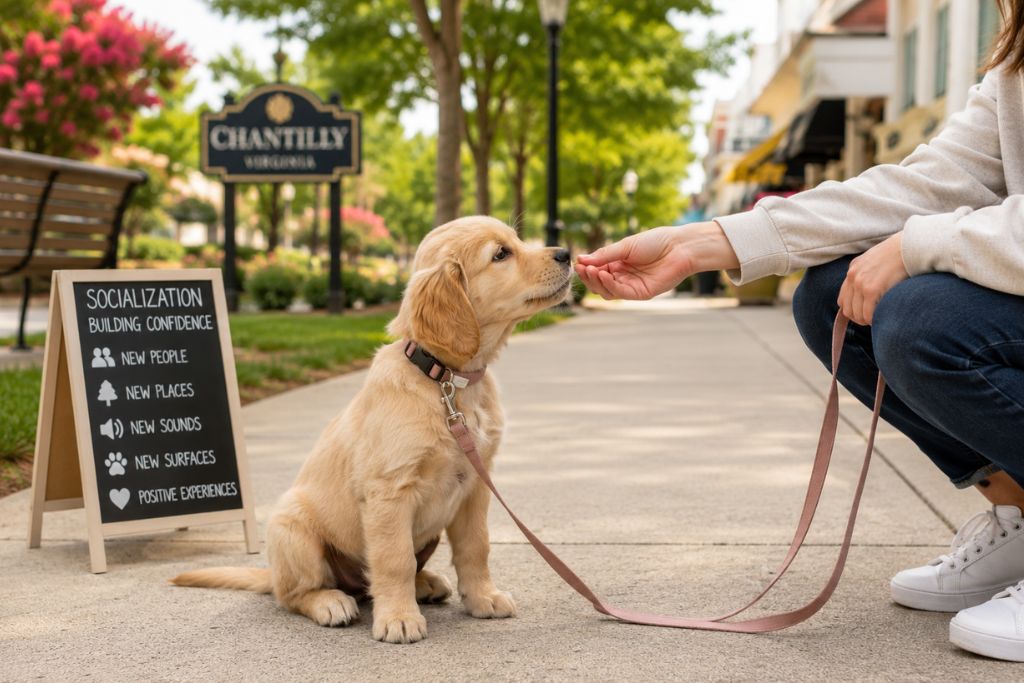
    Socialization Starts Earlier Than People Think

    New experiences build confidence. This is why the first few months are critical for social development.

    Safe introductions to sounds, surfaces, people, and environments help puppies grow into more confident adult dogs.

    For many families across Indianapolis, Schererville, and nearby communities, this could mean a short walk through local parks, spending time around the trails and nature areas at Eagle Creek Park, enjoying the energy around Downtown Indianapolis near Monument Circle, grabbing a coffee at pet-friendly spots in Broad Ripple, or taking relaxed neighborhood strolls near Redar Park and the surrounding community spaces in Schererville while meeting trusted friends and family members.

    Just remember: socialization should feel positive, not overwhelming.

    Your Puppy Will Bite Things. Probably Everything.

    Teething is completely normal. Puppies, after all, explore the world with their mouths.

    Chewing, nipping, and biting usually increase during teething stages. Appropriate chew toys help redirect that behavior safely.

    This stage can feel frustrating at times, but it does improve with patience and consistency.

    Even your favorite sneakers can recover emotionally… Maybe.

    Your First Vet Visit Should Happen Early

    One of the most important tasks during the first 30 days is scheduling a veterinary appointment.

    Your veterinarian will check your puppy’s health, discuss vaccines, review parasite prevention, and answer questions about nutrition and development.

    Bringing home a puppy is emotional. Having trusted guidance helps tremendously.

    Supporting Families Beyond Adoption Day

    We understand how life-changing bringing home a puppy can feel. There’s excitement, responsibility, and usually a little anxiety too.

    That’s why we at Happiness is Pets believe support matters long after a puppy goes home. Helping families feel prepared creates stronger bonds and happier experiences for both pets and owners.

    Every puppy deserves a confident, loving start. And every new puppy parent deserves reassurance along the way.

    The First 30 Days Go Faster Than You Think

    Right now, the puppy stage may feel endless. The potty breaks. The zoomies. The 2 a.m. crying. The random leaf your puppy absolutely had to eat during a walk.

    But these first 30 days also become some of the memories people cherish most.

    Because this is where the bond begins.

    And that is worth every chewed shoelace.

    If you’re up for another read, these posts are popular with puppy parents:

  • The Puppy Socialization Window: Why the First 16 Weeks Matter

    The Puppy Socialization Window: Why the First 16 Weeks Matter

    Bringing home a puppy comes with a lot of exciting firsts.
    First walks. First toys. First sleepy cuddle on the couch after a long day of zoomies.

    But during all those adorable moments, something incredibly important is also happening behind the scenes: your puppy is learning how to experience the world.

    The first 16 weeks of a puppy’s life are often called the “socialization window.” During this stage, puppies are especially open to new experiences, environments, sounds, people, and routines.

    What they experience during this period can help shape their confidence, comfort levels, and behavior as adult dogs.

    That’s why thoughtful socialization matters so much.

    What Is Puppy Socialization, Exactly?

    Socialization is the process of safely introducing your puppy to the world around them.

    That includes:

    • New people
    • Different sounds
    • Other vaccinated dogs
    • Car rides
    • Grooming experiences
    • Various surfaces and environments
    • Everyday household activity

    The goal is not to overwhelm your puppy. The goal is to help them build positive, calm associations with normal life experiences.

    For puppies growing up around Stuart, Boca Raton, and surrounding communities, socialization can happen in simple everyday moments — hearing new sounds during a walk near Downtown Stuart, experiencing different sights and people around Mizner Park, riding in the car, or exploring pet-friendly spaces with trusted family and friends.
    Confident puppies are not born overnight. They learn through gentle exposure and repetition.

    Confident puppies are not born overnight. They learn through gentle exposure and repetition.

    Why the First 16 Weeks Are So Important

    Young puppies are naturally curious during their early development period. Their brains are rapidly processing information and forming long-term associations.

    Positive experiences during this window can help reduce fear and anxiety later in life.
    On the other hand, limited exposure or negative experiences may make certain situations feel unfamiliar or stressful as they grow older.

    That’s why early socialization is often considered one of the most important parts of puppy development.

    What Healthy Socialization Actually Looks Like

    Small Positive Experiences Matter Most

    Good socialization is calm, safe, and gradual.

    For example, your puppy may benefit from:

    • Meeting friendly people
    • Hearing city sounds during a walk
    • Visiting pet-friendly places around town
    • Seeing bicycles, umbrellas, or strollers
    • Riding in the car for short trips
    • Learning to feel comfortable during handling and grooming

    For many families around Arizona communities and nearby neighborhoods, this may include outdoor cafés, local parks, or puppy-friendly events.

    The key is making sure your puppy feels supported and safe during each new experience.

    Common Socialization Mistake to Avoid

    Too much too fast can backfire.

    One of the biggest misconceptions is that socialization means exposing puppies to everything immediately.

    It doesn’t.

    Fearful or overwhelming experiences can actually create stress instead of confidence.
    Watch your puppy’s body language carefully. If they seem nervous, tired, or overstimulated, it’s okay to slow down.

    Positive reinforcement, patience, and short sessions work best.

    Socialization Includes More Than Just Other Dogs

    Many people focus only on dog-to-dog interaction.

    But puppies also need exposure to:

    • Different people and ages
    • New environments
    • Everyday noises
    • Handling and touch
    • Routine grooming and vet visits

    A well-socialized puppy is not necessarily the most outgoing dog in the room. Often, it’s simply a dog that feels safe and comfortable navigating everyday life.

    Helping Families Raise Confident Puppies

    At Wags About You, we understand how important these early weeks are for both puppies and their families.

    Bringing home a puppy is exciting, but it also comes with responsibility, questions, and a learning curve. That’s why guidance, education, and support matter so much during the early stages.

    Every puppy deserves a strong, healthy foundation built on trust, patience, and positive experiences.

    The First 16 Weeks Go By Quickly

    The puppy stage moves fast. One day they’re nervous about hearing the vacuum. The next day they’re confidently supervising your entire household like a tiny furry manager.

    Those early experiences truly matter.

    And with consistency, patience, and care, those first 16 weeks can help shape a happier, more confident companion for years to come.

    More Helpful Reads From Wags About You From planning and preparation to everyday puppy care, our articles are here to help you feel informed and confident as a pet parent. Check out the related posts below to keep learning with us.

  • Puppy Vaccines Explained: What Your Dog Needs in the First Year

    Puppy Vaccines Explained: What Your Dog Needs in the First Year

    Your new puppy is finally home, and suddenly life looks a little different.

    There are toys in every room, a growing collection of treats in the kitchen, and at least one family member already completely wrapped around your puppy’s paw. But alongside all the fun comes something equally important: protecting your puppy’s health during their first year.

    For many dog owners across Charlotte, and surrounding communities in North Carolina, puppy vaccines can initially feel overwhelming. There are multiple appointments, unfamiliar vaccine names, and different recommendations depending on your dog’s lifestyle.

    The good news? Once you break it down, the first-year vaccine schedule becomes much easier to understand.

    Why Puppies Need Vaccines Early

    Puppies are born with temporary immunity passed down from their mother. However, that protection fades over time.

    That’s why veterinarians recommend a series of vaccines during the first several months of life. These vaccines help protect puppies from highly contagious and potentially serious diseases while their immune systems develop.

    Most puppies begin vaccinations between 6 and 8 weeks old, followed by booster shots every few weeks until around 16 weeks of age.

    The Core Vaccines Most Puppies Receive

    DHPP (Distemper, Hepatitis, Parvovirus, Parainfluenza)

    This is one of the most important puppy vaccines.

    The DHPP vaccine protects against four serious illnesses:

    • Distemper
    • Adenovirus (hepatitis)
    • Parvovirus
    • Parainfluenza

    Puppies typically receive this vaccine in a series at:

    • 6–8 weeks
    • 10–12 weeks
    • 14–16 weeks

    A booster is usually given again around one year old.

    These diseases can spread quickly among dogs, especially puppies, which is why veterinarians consider this a core vaccine.

    Rabies Vaccination Requirements

    Rabies vaccines are legally required in North Carolina.

    Most puppies receive their first rabies vaccine between 14 and 16 weeks old, depending on local regulations and veterinary guidance.

    Rabies affects the nervous system and is fatal once symptoms appear. Because it can also spread to humans, maintaining this vaccine matters for both public health and pet safety.

    Lifestyle Vaccines Your Vet May Recommend

    Bordetella (Kennel Cough)

    This vaccine is often recommended for puppies that may attend:

    • Puppy classes
    • Grooming appointments
    • Boarding facilities
    • Doggy daycare
    • Social dog environments

    Bordetella spreads easily in group settings and commonly contributes to kennel cough.

    Leptospirosis

    Leptospirosis is a bacterial disease that can spread through contaminated water and wildlife exposure.

    Because warm climates and outdoor activity are common throughout the Southeast, many veterinarians recommend discussing this vaccine with puppy owners.

    Lyme Disease and Canine Influenza

    Some puppies may also benefit from Lyme disease or canine influenza vaccines depending on lifestyle, travel, and local exposure risks.

    Your veterinarian can help determine whether these vaccines make sense for your dog specifically.

    Don’t Forget Heartworm Prevention

    Heartworm is not prevented through a vaccine, but prevention usually begins during puppyhood with regularly administered medication.

    Because mosquitoes remain active for much of the year in the Carolinas / Georgia, veterinarians often recommend starting prevention early.

    Helping Puppies Start Strong

    We understand how important the first year is for both puppies and their families.

    There is a lot to learn, and naturally, every owner wants to make thoughtful decisions about their dog’s health. That’s why trusted guidance, education, and preparation matter so much during puppyhood.

    Remember that raising a healthy, confident dog starts with giving them the strongest possible foundation from day one.

    The First Year Goes Faster Than You Think

    Right now, your puppy may still feel tiny.

    But between vet visits, training milestones, and countless everyday moments, that first year moves quickly. Staying consistent with vaccines and preventive care helps protect your dog through every stage of growth.

    And peace of mind is one of the best things you can give both your puppy and yourself.

    If you’re up for another good read, these articles are a great place to start:

  • How to Puppy-Proof Your Home: 8 Dangers Most Owners Miss

    How to Puppy-Proof Your Home: 8 Dangers Most Owners Miss

    Your puppy is finally home, and suddenly everything feels exciting, chaotic, and very chewable.

    The tiny paws exploring every corner of your house may look adorable, but puppies are naturally curious. They investigate with their noses, mouths, and zero concern for your peace of mind.

    That’s why puppy-proofing matters so much during those first few weeks.

    Many new puppy owners focus on the obvious dangers first. Shoes get moved. Cleaning supplies go under the sink. Maybe a baby gate appears overnight. But some household hazards are easier to miss, especially during the excitement of bringing home a new furry family member.

    Creating a safe environment helps puppies feel secure while also preventing accidents before they happen.

    1. Loose Cords and Chargers

    Tiny Teeth Love Dangerous Wires

    Puppies love chewing during teething stages, and electrical cords can quickly become a target. Phone chargers, laptop cords, extension cables, and hanging wires should stay hidden or secured whenever possible.

    Protective cord covers can help reduce temptation while keeping your puppy safer indoors.

    2. Houseplants That Are Toxic to Dogs

    Some Popular Plants Can Be Harmful

    Many people are surprised to learn that certain common houseplants may be toxic to dogs. Lilies, aloe vera, pothos, and sago palms are just a few examples.

    If you are unsure whether a plant is pet-safe, it is always best to double-check before placing it within puppy reach.

    3. Open Trash Cans

    Puppies Treat Trash Like Treasure Hunts

    To puppies, garbage cans are basically mystery snack buffets. Unfortunately, cooked bones, spoiled food, wrappers, coffee grounds, and certain foods can become dangerous very quickly.

    Secure lids and puppy-proof bins can help prevent accidents before they happen.

    4. Small Items Hidden at Puppy Level

    If It Fits in Their Mouth, It’s a Risk

    Hair ties. Socks. Coins. Children’s toys. Earrings. Puppies are incredibly skilled at finding tiny objects hiding on floors and under furniture. Swallowing small items can lead to choking hazards or intestinal blockages, which may require emergency veterinary care.

    Regular floor checks become surprisingly important during puppyhood.

    5. Cleaning Products Left Within Reach

    Curious Puppies Explore Everything

    Cleaning sprays, detergents, and disinfectants should always stay secured safely away from pets. Even small amounts of certain chemicals can irritate a puppy’s mouth, stomach, or skin.

    This is especially important in kitchens, bathrooms, and laundry rooms.

    6. Unsafe Balcony or Yard Gaps

    Outdoor Spaces Need Puppy Checks Too

    Puppies can squeeze through spaces much smaller than many owners expect. Before outdoor playtime begins, check fences, gates, railings, and balconies carefully for gaps or escape routes.

    For many families living in busy neighborhoods or city areas, secure outdoor supervision matters even more.

    7. Human Foods That Can Harm Dogs

    Not Every Snack Is Puppy-Safe

    Chocolate, grapes, onions, xylitol, alcohol, and certain nuts can all be toxic to dogs. During gatherings, parties, or busy family dinners, dropped food can become an easy danger for curious puppies.

    Keeping human snacks out of reach helps avoid emergency situations later.

    8. Easy Access to Stairs or Unsafe Rooms

    Boundaries Help Puppies Learn Safely

    Baby gates are not just for toddlers. Blocking off stairs, storage rooms, or unsafe areas can help prevent falls, injuries, and destructive behavior while your puppy learns house routines.

    Safe boundaries also help puppies feel calmer during adjustment periods.

    Creating a Safer Start for Your Puppy

    We at Furrylicious understand how important these early days feel for new puppy owners.

    Bringing home a puppy comes with excitement, responsibility, and a strong desire to do everything right. That includes creating a home environment where puppies can safely explore, learn, and grow confidently.

    Good puppy care is not only about love and cuddles. It is also about preparation and protection.

    Puppy-Proofing Is an Ongoing Process

    The funny thing about puppies is that the moment you think your house is fully puppy-proofed, they somehow discover a completely new way to surprise you.

    Still, taking the time to identify common hazards early can make a huge difference during those first few months together.

    Peace of mind is one of the best gifts you can give both your puppy and yourself.

  • Why Puppies Bite Everything (And How to Handle Teething the Right Way)

    Why Puppies Bite Everything (And How to Handle Teething the Right Way)

    You brought home a puppy. Life is adorable. Your camera roll is full. And suddenly… your shoelaces, chair legs, blankets, and hands have all become chew toys. Welcome to teething.

    For many new puppy owners around Cheyenne and nearby Wyoming communities, teething can feel surprising at first. One minute your puppy is peacefully cuddling beside you. The next, they are attempting to bite the corner of your coffee table like it personally offended them.

    The good news is this: puppy teething and chewing are completely normal developmental stages.

    Understanding why puppies bite things and how to safely guide them through it helps protect both your puppy and your home during these important early months.

    Why Puppies Teethe in the First Place

    Like human babies, puppies go through a teething process as their adult teeth develop.

    Puppies are born without teeth. Their baby teeth begin appearing around 3 to 6 weeks old, while adult teeth typically start replacing them around 3 to 4 months of age.

    Most puppies finish teething by about 6 months old. During this stage, chewing helps relieve soreness and discomfort in their gums.

    Why Puppies Bite Literally Everything

    Puppies do not use their hands to investigate the world. They use their mouths.

    That means shoes, furniture, blankets, sticks, and sometimes even your hoodie sleeve can suddenly become fascinating.

    Teething puppies also chew because:

    • It relieves gum discomfort
    • It helps reduce boredom
    • It provides mental stimulation
    • It satisfies natural puppy instincts

    This behavior is normal, but puppies still need guidance on what is safe to chew.

    Safe Ways to Help a Teething Puppy

    Offer Appropriate Chew Toys

    Durable puppy-safe chew toys help redirect biting behavior away from unsafe objects. Different textures can also help soothe sore gums. Many puppies enjoy rubber toys, soft teething toys, or chilled puppy-safe chews.

    Frozen washcloths or veterinarian-approved frozen treats may also provide temporary relief during tougher teething days.

    Keep Unsafe Items Out of Reach

    Puppies should not have access to:

    • Electrical cords
    • Shoes
    • Small objects
    • Children’s toys
    • Furniture corners
    • Toxic household items

    Creating safe boundaries early helps prevent accidents while teaching good habits. This is especially important during indoor-heavy Cheyenne, Wyoming weather days when puppies may spend more time exploring inside the house.

    How to Respond to Puppy Nipping

    Puppies often nip during play because they are still learning bite inhibition. Instead of yelling or harsh punishment, calmly redirect your puppy toward an appropriate toy.

    Consistency matters most. Puppies learn faster when reactions stay calm, predictable, and positive.

    Teething Does Not Last Forever

    It may not feel like it while your puppy is chewing the corner of your rug for the third time today, but teething eventually passes.

    Most puppies naturally reduce intense chewing behaviors once adult teeth fully come in.

    Until then, patience and supervision go a long way.

    Helping Puppies Through Every Stage

    Frontier Pets understands how important these early puppy months are for families. Bringing home a puppy comes with excitement, learning curves, and plenty of questions along the way. That’s why education and support matter so much during puppyhood.

    Helping puppies feel safe, healthy, and understood creates stronger lifelong bonds from the very beginning.

    A Little Chewing Comes With the Puppy Stage

    Teething can absolutely test your patience sometimes. But it is also a completely normal part of growing up for puppies.

    And hey, one day you may even miss the tiny puppy phase, chewed shoelaces and all.

  • How to Start Training Your Puppy: A Beginner’s Guide

    How to Start Training Your Puppy: A Beginner’s Guide

    You brought home a puppy. Congratulations! And also, welcome to the wonderfully chaotic stage of life where socks disappear and every sound becomes exciting.

    The first few weeks with a new puppy are full of milestones. First walks. First zoomies. First successful potty break outside. And somewhere in between all of that? Training begins.

    Many new puppy owners assume formal training starts later. In reality, puppies begin learning from the moment they enter your home.

    That’s why starting early matters.

    The good news is that puppy training does not need to feel intimidating. With consistency, patience, and the right approach, training can actually become one of the best bonding experiences you share with your dog.

    Why Early Puppy Training Matters

    Young puppies absorb information quickly.

    The habits, routines, and behaviors they practice early often become the foundation for adulthood. Starting training during puppyhood helps build confidence, communication, and structure.

    Training also helps puppies feel safer because predictable routines reduce stress and confusion.

    And no, training is not only about commands. It is also about teaching your puppy how to successfully live alongside people, routines, and everyday life.

    Start With Simple Foundations First

    The best puppy training starts small.

    During the first few months, focus on:

    • Potty training
    • Name recognition
    • Crate training
    • Gentle leash introduction
    • Basic commands like “sit” and “come”
    • Positive socialization

    Short, simple training sessions work best for young puppies. Most puppies have limited attention spans, so keeping sessions fun and rewarding helps them learn faster.

    Positive Reinforcement Works Best

    Modern puppy training focuses heavily on positive reinforcement.

    That means rewarding good behavior with praise, treats, toys, or affection instead of punishing mistakes.

    For example, when your puppy sits calmly instead of jumping, reward that behavior immediately. Puppies learn through repetition and consistency.

    Harsh punishment often creates fear or confusion, especially during early development stages.

    Calm guidance builds trust much more effectively.

    Timing Is Everything During Training

    One of the biggest training mistakes new owners make is inconsistency.

    If jumping on guests is allowed sometimes but corrected other times, puppies struggle to understand expectations.

    Clear routines help puppies learn faster. That includes:

    • Consistent potty schedules
    • Regular feeding times
    • Predictable sleep routines
    • Repeated training cues

    Puppies thrive when life feels structured and understandable.

    Socialization Is Part of Training Too

    Training is not only about teaching “sit” or “stay.”

    Helping puppies safely experience new people, sounds, environments, and situations is equally important during early development.

    Positive socialization helps puppies grow into calmer, more confident adult dogs.

    Even short outings or supervised introductions can make a big difference over time.

    Progress Takes Patience

    Some puppies pick up commands quickly. Others need more repetition and guidance.

    That is completely normal.

    Training is not about perfection. It is about communication, consistency, and building trust over time.

    Even small daily progress matters.

    Helping Puppies Thrive From the Start

    We understand how important these early puppy stages are for families.

    Bringing home a puppy is exciting, but it also comes with responsibility and plenty of questions along the way. That is why education, support, and thoughtful care matter so much during puppyhood.

    Because confident, well-supported puppies grow into happier lifelong companions.

    The Puppy Stage Goes Faster Than You Think

    Right now, training may feel repetitive. There will be accidents. Distracted moments. Random zoomies in the middle of practice sessions.

    But every small lesson helps shape the relationship you are building together.

    And one day you will probably miss these tiny puppy training moments more than you expect.