Author: cosmick

  • Aquarium Drama Queens: Fish With Main Character Energy

    Aquarium Drama Queens: Fish With Main Character Energy

    Every aquarium has that one fish.

    The one that starts trouble.

    The one that insists on being the center of attention.

    The one that somehow turns feeding time into a full-scale event.

    Fishkeeping forums are filled with stories about them. Hobbyists near The Promenade Bolingbrook swap stories about them. Experienced aquarists around Hoffman Estates, South Barrington, and the Poplar Creek area laugh about them because they’ve probably owned one.

    Some fish simply come with larger personalities than others. That’s part of what makes the hobby so much fun.

    It’s also why compatibility and tank planning matter so much. A fish that thrives as the star of one aquarium might create chaos in another. Before adding new residents to your tank, let’s meet some of the biggest drama queens in the aquarium world.

    Bettas: The Tiny Royalty of the Tank

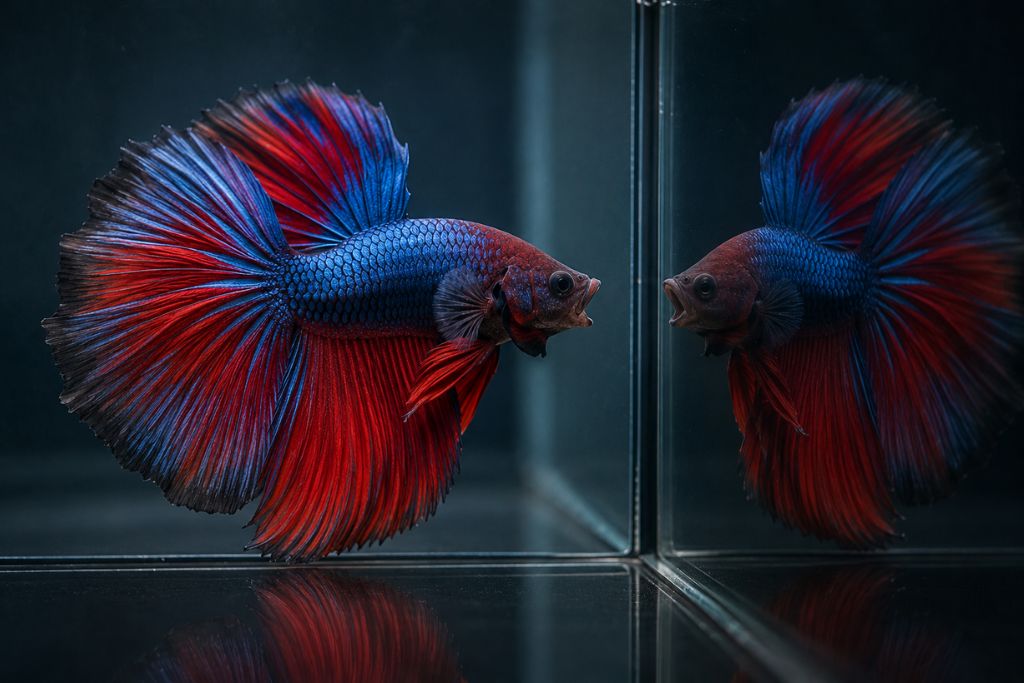
    Bettas are beautiful, colorful, and completely convinced the aquarium belongs to them.

    Many male Bettas are highly territorial and won’t hesitate to challenge rivals. Sometimes the rival is another fish. Sometimes it’s their own reflection.

    For hobbyists around Schaumburg and Hoffman Estates, Bettas remain one of the most popular aquarium fish for good reason. They have incredible personalities and can thrive in the right setup.

    Tank planning tip: Give Bettas plenty of space, hiding spots, and carefully selected tankmates.

    Oscars: The Bulldozers With Feelings

    Oscars often behave less like fish and more like demanding pets.

    They recognize their owners, learn feeding routines, and seem to have opinions about everything. They also enjoy rearranging decorations that took you an hour to position perfectly.

    Aquarists near The Arboretum of South Barrington frequently fall in love with Oscars because of their intelligence and interaction.

    Tank planning tip: Oscars grow large and need significantly more space than many beginners expect.

    Cichlids: Masters of Aquarium Politics

    Some fish have territories. Cichlids have kingdoms.

    Many species establish boundaries and spend their days making sure everyone else knows where those boundaries are. They are fascinating, active, and full of personality.

    They can also be surprisingly stubborn.

    Tank planning tip: Research specific cichlid species before building a community tank. Temperaments vary widely.

    Angelfish: Graceful Until Proven Otherwise

    At first glance, Angelfish seem like the diplomats of the freshwater world. Elegant fins. Calm swimming patterns. Sophisticated appearance.

    Then they decide a section of the aquarium belongs exclusively to them.

    Fishkeepers throughout Bolingbrook and the Boughton Road corridor are often surprised by how protective Angelfish can become.

    Tank planning tip: Account for their mature size and territorial behavior when selecting companions.

    Tiger Barbs: The Neighborhood Instigators

    Tiger Barbs never seem to run out of energy. They’re active, entertaining, and constantly looking for something to do.

    Unfortunately, that “something” can occasionally involve pestering slower tankmates.

    A properly sized school usually helps direct that energy where it belongs.

    Tank planning tip: Tiger Barbs tend to do best in groups and with compatible, active species.

    Great Aquariums Start With Great Matchmaking

    The most successful aquariums aren’t built around appearances alone. They’re built around behavior, compatibility, and planning.

    At Aquarium Adventure, we help hobbyists throughout Hoffman Estates, Bolingbrook, Streamwood, South Barrington, and surrounding communities choose fish that fit their tanks and their goals. Visitors stop in from near NOW Arena, The Promenade Bolingbrook, and beyond for advice that helps set aquariums up for success.

    A little personality makes every aquarium more interesting. The trick is making sure all those personalities can live together peacefully once the drama is over.


  • XO PUPS’ No Puppy Mill Pledge: What It Means for Families

    XO PUPS’ No Puppy Mill Pledge: What It Means for Families

    Bringing home a puppy is a big moment.

    For many families, it’s the beginning of years of companionship, adventures, and memories. It’s also a decision that comes with plenty of questions. Finding the right breed is important. Finding the right place to welcome that puppy from is just as important.

    That’s where things can get overwhelming.

    A quick online search can lead to countless websites, conflicting information, and unfamiliar terms. One phrase that often comes up is “puppy mill.” Understandably, many prospective pet parents want to know exactly where their puppy comes from and how it was raised.

    At XO PUPS, that commitment to transparency is reflected in our No Puppy Mill Pledge.

    We Partner With Responsible Breeders

    The foundation of the pledge starts with breeder selection.

    XO PUPS works with breeders who share a commitment to responsible breeding practices and animal welfare. Breeding programs are carefully evaluated before partnerships are established.

    This helps ensure puppies come from environments where proper care, attention, and health standards are priorities from the beginning.

    For families visiting from Chantilly Crossing, the Route 50 corridor, South Riding, and surrounding Northern Virginia communities, that added peace of mind matters. Knowing more about a puppy’s origins helps create confidence from the very start.

    Health and Wellness Come First

    A healthy start creates a strong foundation.

    Responsible breeders focus on proper veterinary care, nutrition, socialization, and age-appropriate development. These early experiences play an important role in helping puppies transition successfully into their new homes.

    When families near Fair Oaks Mall, Fair Lakes, Centreville, and Greenbriar begin searching for a puppy, health is often one of their biggest priorities. It’s one of ours, too.

    By prioritizing breeder standards and puppy wellness, XO PUPS helps set the stage for a positive experience for both puppies and their future families.

    Transparency Matters

    Trust is built through information.

    That’s why XO PUPS believes families should have access to details about their puppy’s background and breeder relationships. Understanding where a puppy comes from helps future owners make informed decisions.

    Many future puppy parents travel from Stone Ridge, Brambleton, Aldie, and western Fairfax County because they want transparency throughout the process. The goal is simple: fewer questions, greater confidence, and a smoother transition into puppy parenthood.

    Supporting Responsible Breeding Practices

    The No Puppy Mill Pledge isn’t just about avoiding poor practices. It’s about actively supporting better ones.

    Responsible breeders invest significant time, care, and resources into raising healthy puppies. They focus on animal welfare, proper housing, socialization, and ongoing care throughout the breeding process.

    Supporting those efforts helps encourage higher standards across the industry and gives families more confidence in the decisions they’re making.

    A Commitment to Puppies and Families

    Choosing a puppy should feel exciting, not stressful.

    At XO PUPS, we’re committed to helping families throughout Chantilly, South Riding, Centreville, Fair Lakes, Stone Ridge, Brambleton, Aldie, Ashburn, and neighboring Northern Virginia communities navigate the process with confidence. Many visitors also stop by from communities along Route 28 and throughout the Dulles South region because they value transparency and responsible sourcing.

    Our No Puppy Mill Pledge reflects our dedication to ethical breeder partnerships, puppy wellness, and providing families with the information they need to make informed decisions.

    The right puppy can change a home in the best possible way. Knowing that puppy came from responsible, caring origins helps make that journey even more rewarding.

    Looking for more puppy tips and tail-wagging fun? Check out our other blogs below for expert advice, breed insights, and everything puppy!

  • Puppy Vaccines Explained: What Your Dog Needs in the First Year

    Puppy Vaccines Explained: What Your Dog Needs in the First Year

    Your new puppy is finally home, and suddenly life looks a little different.

    There are toys in every room, a growing collection of treats in the kitchen, and at least one family member already completely wrapped around your puppy’s paw. But alongside all the fun comes something equally important: protecting your puppy’s health during their first year.

    For many dog owners across Georgia, and surrounding communities in Atlanta, puppy vaccines can initially feel overwhelming. There are multiple appointments, unfamiliar vaccine names, and different recommendations depending on your dog’s lifestyle.

    The good news? Once you break it down, the first-year vaccine schedule becomes much easier to understand.

    Why Puppies Need Vaccines Early

    Puppies are born with temporary immunity passed down from their mother. However, that protection fades over time.

    That’s why veterinarians recommend a series of vaccines during the first several months of life. These vaccines help protect puppies from highly contagious and potentially serious diseases while their immune systems develop.

    Most puppies begin vaccinations between 6 and 8 weeks old, followed by booster shots every few weeks until around 16 weeks of age.

    The Core Vaccines Most Puppies Receive

    DHPP (Distemper, Hepatitis, Parvovirus, Parainfluenza)

    This is one of the most important puppy vaccines.

    The DHPP vaccine protects against four serious illnesses:

    • Distemper
    • Adenovirus (hepatitis)
    • Parvovirus
    • Parainfluenza

    Puppies typically receive this vaccine in a series at:

    • 6–8 weeks
    • 10–12 weeks
    • 14–16 weeks

    A booster is usually given again around one year old.

    These diseases can spread quickly among dogs, especially puppies, which is why veterinarians consider this a core vaccine.

    Rabies Vaccination Requirements

    Rabies vaccines are legally required in Georgia.

    Most puppies receive their first rabies vaccine between 14 and 16 weeks old, depending on local regulations and veterinary guidance.

    Rabies affects the nervous system and is fatal once symptoms appear. Because it can also spread to humans, maintaining this vaccine matters for both public health and pet safety.

    Lifestyle Vaccines Your Vet May Recommend

    Bordetella (Kennel Cough)

    This vaccine is often recommended for puppies that may attend:

    • Puppy classes
    • Grooming appointments
    • Boarding facilities
    • Doggy daycare
    • Social dog environments

    Bordetella spreads easily in group settings and commonly contributes to kennel cough.

    Leptospirosis

    Leptospirosis is a bacterial disease that can spread through contaminated water and wildlife exposure.

    Because warm climates and outdoor activity are common throughout the Southeast, many veterinarians recommend discussing this vaccine with puppy owners.

    Lyme Disease and Canine Influenza

    Some puppies may also benefit from Lyme disease or canine influenza vaccines depending on lifestyle, travel, and local exposure risks.

    Your veterinarian can help determine whether these vaccines make sense for your dog specifically.

    Don’t Forget Heartworm Prevention

    Heartworm is not prevented through a vaccine, but prevention usually begins during puppyhood with regularly administered medication.

    Because mosquitoes remain active for much of the year in the Carolinas / Georgia, veterinarians often recommend starting prevention early.

    Helping Puppies Start Strong

    We understand how important the first year is for both puppies and their families.

    There is a lot to learn, and naturally, every owner wants to make thoughtful decisions about their dog’s health. That’s why trusted guidance, education, and preparation matter so much during puppyhood.

    Remember that raising a healthy, confident dog starts with giving them the strongest possible foundation from day one.

    The First Year Goes Faster Than You Think

    Right now, your puppy may still feel tiny.

    But between vet visits, training milestones, and countless everyday moments, that first year moves quickly. Staying consistent with vaccines and preventive care helps protect your dog through every stage of growth.

    And peace of mind is one of the best things you can give both your puppy and yourself.

    If you’re up for another good read, these articles are a great place to start:

  • Paint vs. Stain for Exterior Surfaces: Which One Actually Wins?

    Paint vs. Stain for Exterior Surfaces: Which One Actually Wins?

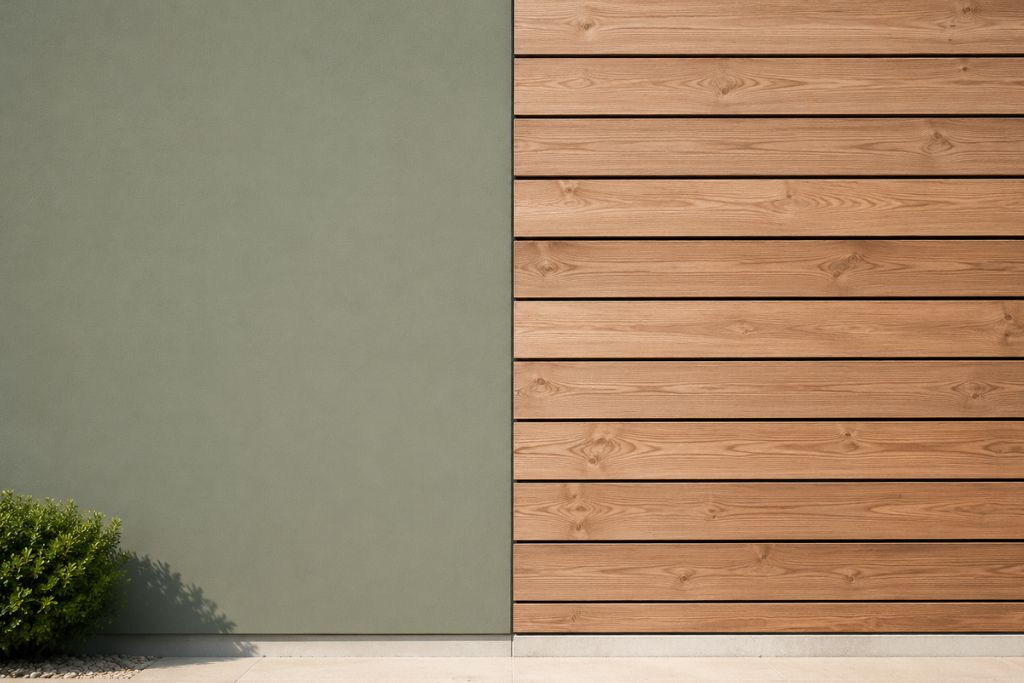
    Paint can completely change a home. It adds personality, boosts curb appeal, and gives your exterior a fresh new feel. One color choice can make a house feel classic, modern, cozy, or bold, whether you’re updating a historic home in German village, refreshing property near Dublin, or giving homes around Polaris and Westerville a new look.

    Then comes the question that stops many homeowners in their tracks: should you paint it or stain it?

    It sounds simple, but the answer depends on the surface itself. Different materials react differently outdoors, especially here in Columbus. Between humid summers, rain, freezing winters, and changing temperatures, exterior surfaces across communities like Upper Arlington, New Albany, and Grove City deal with plenty of wear and tear throughout the year.

    Choosing the right finish is not only about appearance. It also affects durability, maintenance, and how well your home stands up to everything Central Ohio weather brings.

    Why Your Exterior Surface Changes Everything

    Paint and stain both protect exterior materials. However, they work in different ways.

    Paint creates a protective layer on top of a surface. Stain penetrates into the material itself.

    That difference matters because certain surfaces need coverage, while others benefit from protection that lets the material breathe and show through naturally.

    Paint vs. Stain: Which Exterior Surfaces Work Best?

    Paint: Strong Coverage for a Fresh New Look

    Paint delivers solid color and stronger surface coverage. It also offers endless color options.

    Paint works best for:

    • Wood siding needing a complete refresh
    • Fiber cement siding
    • Trim and shutters
    • Older surfaces with imperfections
    • Homes needing bold color changes

    Pros:

    • More color choices
    • Hides flaws and uneven areas
    • Strong protection against moisture and UV exposure

    Things to know:

    Paint can peel or chip over time if surfaces are not properly prepared. Exterior paint also requires maintenance as years pass.

    Stain: Let Natural Texture Steal the Show

    Stain soaks into wood instead of sitting on top. It enhances natural grain and texture.

    Stain works best for:

    • Wood decks
    • Fences
    • Pergolas
    • Cedar siding
    • Natural wood accents

    Pros:

    • Highlights natural wood beauty
    • Less peeling and cracking
    • Easier touch-ups over time

    Things to know:

    Stain offers fewer color choices. It also does not hide imperfections like paint can.

    Quick Questions Homeowners Ask

    Can you stain over painted wood?

    Usually no. Existing paint prevents stain from penetrating correctly.

    Does stain last longer than paint?

    Not always. It depends on the product, climate, sun exposure, and surface condition.

    Picking the Right Finish Without the Guesswork

    The right answer is rarely “paint everything” or “stain everything.”

    At Color World Columbus, we help homeowners find what works best for their specific surfaces, style goals, and local conditions. Columbus weather creates unique challenges, and experience matters when choosing products that will actually hold up.

    Give Your Exterior the Finish It Deserves

    A great exterior should look good on day one and years later.

    The best results start with understanding the surface underneath it. Because sometimes the biggest difference is not the color itself. It’s choosing the right finish before the first brush ever touches the house.

  • Paint Fails: 7 Exterior Colors Homeowners Wish They Never Picked

    Paint Fails: 7 Exterior Colors Homeowners Wish They Never Picked

    You know the feeling.
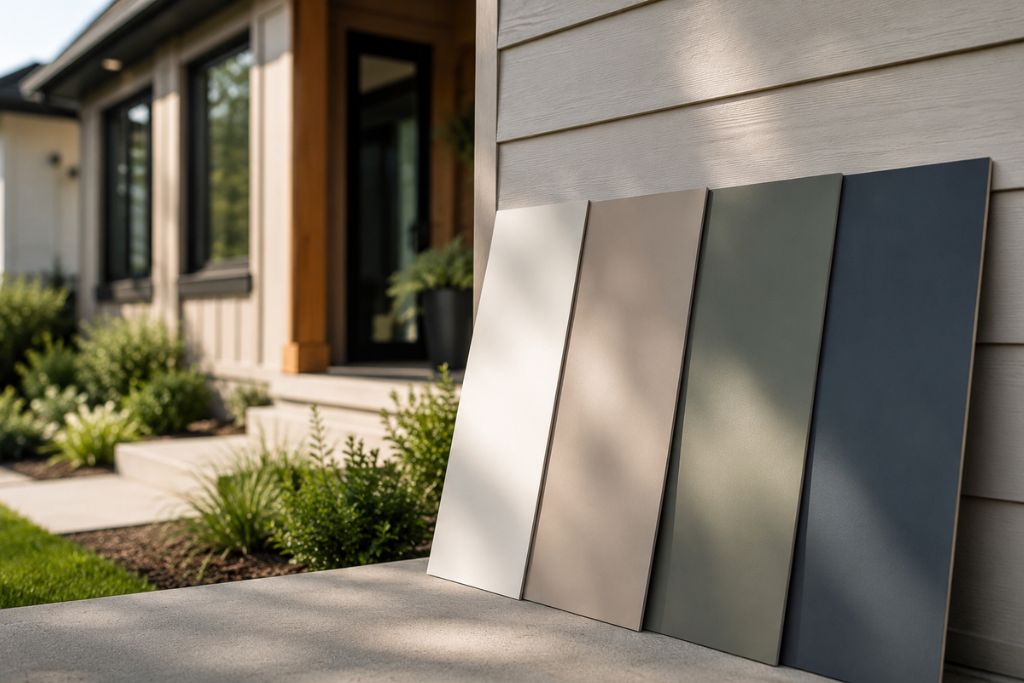
    You grab paint swatches. You hold them against your house at twelve different angles. Suddenly you’re saying things like, “What if we do a moody charcoal?” and “I think this soft beige has depth.” You’re excited. You’re inspired. You’re one online mood board away from becoming an exterior design expert.

    Then the paint goes up.
    And somehow your house now looks like a haunted dentist office. Or a giant banana. Or a building that belongs in a forgotten strip mall from 1997.

    Here’s the thing: exterior paint has a way of humbling people. Fast. And homeowners across Columbus know it can happen anywhere, whether you’re updating a historic home in German Village or giving a newer home in Dublin, Powell, or New Albany a fresh new look.

    Colors behave differently outdoors. Sunlight changes them. Landscaping changes them. Roof colors change them. Even your neighbor’s bright red front door can suddenly make your carefully chosen shade look completely different.

    And here in Central Ohio, the weather loves keeping things interesting. Bright summer sun, cloudy winter skies, changing seasons, and everything in between can completely shift the way a color looks once it lands on your exterior.

    Let’s dive into some of the most common exterior paint regrets homeowners run into.

    When Good Paint Ideas Go Very, Very Wrong

    1. Bright White Everywhere

    Expectation: Clean. Timeless. Magazine-worthy.
    Reality: My house is now a giant flashlight.

    White can look crisp and beautiful. However, ultra-bright whites often appear harsh outdoors. Direct sunlight can create glare and make a home feel flat or sterile.

    A softer white with warm or subtle undertones often creates a more balanced look.

    2. Beige That Accidentally Turns Yellow

    Expectation: Warm and inviting.
    Reality: Why does my house look like butter?

    Undertones can be sneaky. A neutral shade indoors may suddenly pull yellow, green, or peach outside.

    Exterior lighting reveals everything.

    3. Dark Gray That Goes Full Doom Mode

    Expectation: Modern sophistication.
    Reality: Haunted luxury bunker.

    Dark shades can look stunning. Yet when used without contrast or enough natural light, they can feel heavy and overpowering.

    Balance matters.

    4. Trendy Colors That Burn Bright…Then Burn Out

    Expectation: We’re making a statement.
    Reality: We’re making several statements.

    Exterior trends move quickly. That trendy color everyone loved online last year may feel dated much sooner than expected.

    Timeless usually ages better.

    5. Cool Gray Everything

    Expectation: Sleek and contemporary.
    Reality: Corporate office park energy.

    Many cooler grays became popular for years. However, some can feel cold and lifeless depending on surroundings.

    Homes should feel welcoming.

    6. Colors That Ignore Fixed Features

    Expectation: This color is gorgeous.
    Reality: Wait…why is it fighting the roof?

    Brick, stone, roofing, and landscaping are permanent players on your exterior team.

    Paint should work with them, not challenge them to a duel.

    7. Tiny Paint Sample Confidence

    Expectation: I tested it.
    Reality: I tested a square the size of a sticky note.

    Paint colors look dramatically different at scale. What works on a sample card may feel completely different across an entire house.

    This one gets people all the time.

    Great Exterior Color Choices Start Before the First Brush Stroke

    Picking an exterior color isn’t just choosing something pretty. It’s understanding undertones, lighting, architecture, surroundings, and how colors behave in the real world.

    That’s where experience changes everything.

    At Color World Columbus, we help homeowners avoid the “wait…why does this look weird?” moment. We help narrow choices, evaluate lighting conditions, and create combinations that feel cohesive and intentional.

    No one should finish a paint project and suddenly start avoiding eye contact with their own house.

    Avoiding a Paint Identity Crisis

    A fresh exterior should feel exciting. It should make you pull into the driveway and think, ‘Yep. That’s exactly what I wanted.’

    Not, ‘Interesting. Very…bold.’

    Paint should bring your vision to life. And sometimes, all it takes is having the right team help you get there.

  • Yard Drainage Problems: The Hidden Costs Beneath Your Landscape

    Yard Drainage Problems: The Hidden Costs Beneath Your Landscape

    When people picture their dream yard, they usually imagine the fun parts.

    Lush grass. Beautiful plantings. A patio for summer gatherings. Maybe a fire pit. Maybe a peaceful garden space overlooking the rolling landscapes found throughout Bath, Nazareth, and the surrounding countryside near Blue Mountain.

    Very few people stop and say, “You know what I’m excited about? Water movement.”

    Yet drainage plays a major role in how well an outdoor space performs over time.

    Here in Eastern Pennsylvania, landscapes experience a little bit of everything. Heavy rain, snow melt, humid summers, and changing seasons all affect how water moves across a property. From homes near Monocacy Creek to properties throughout the Lehigh Valley and areas like Allentown, Bethlehem, Easton, Whitehall, and Nazareth, water that has nowhere to go can quietly create problems beneath the surface.

    What starts as a small drainage issue can eventually lead to standing water, erosion, damaged landscaping, and more costly repairs down the road.

    What Is Yard Drainage and Why Does It Matter?

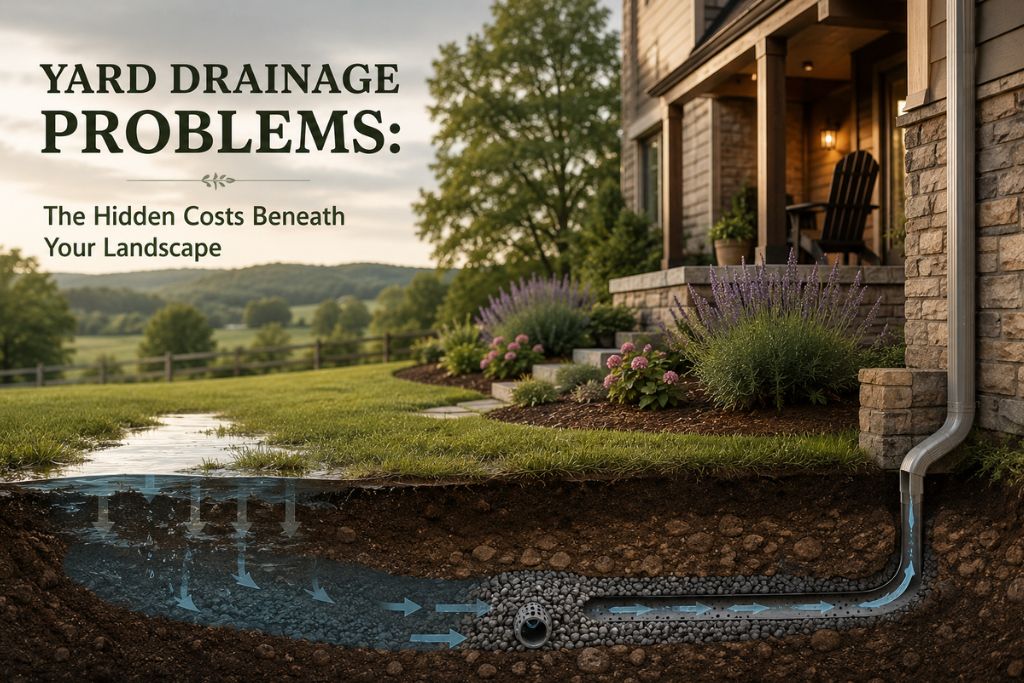
    Yard drainage simply refers to how water moves through and away from your property. A healthy drainage system prevents water from collecting in places where it should not sit.

    Poor drainage often shows itself through signs like:

    • Standing water after rainfall
    • Muddy or soggy areas
    • Dying grass or struggling plants
    • Soil erosion
    • Water collecting near foundations

    While puddles may seem harmless, they often point to larger issues happening below the surface.

    The Hidden Costs of Poor Yard Drainage

    1. Damage to Your Landscape Investment

    Too much water can suffocate plant roots. Many plants need oxygen in the soil to survive.

    Over time, excess moisture can weaken lawns, damage shrubs, and create unhealthy growing conditions.

    2. Soil Erosion Can Change Your Yard

    Moving water slowly carries soil away.

    As erosion continues, landscapes can lose shape and stability. Mulch shifts, planting beds change, and uneven areas start appearing.

    3. Foundation Problems Can Develop

    Water pooling near a home can become a larger concern.

    Over time, repeated moisture exposure around foundations may contribute to cracks or structural issues.

    4. Mosquitoes Love Standing Water

    Small puddles create ideal breeding areas for mosquitoes.

    Pennsylvania summers already bring heat and humidity. Standing water simply gives pests another reason to stay.

    5. Drainage Issues Can Affect Property Value

    Visible drainage problems often raise concerns for potential buyers.

    Persistent water issues can suggest future maintenance or repair costs.

    Protect Your Yard Before Small Problems Grow

    Drainage solutions are not one-size-fits-all. Every property has different grading, soil conditions, and landscape features.

    At Creative Landscapes, we help homeowners throughout Pennsylvania identify drainage concerns and create solutions that protect both the yard and the investment behind it. Proper grading, drainage systems, and thoughtful landscape planning can make a major difference.

    The Best Landscapes Work Above and Below the Surface

    Beautiful landscapes are not only about what you see.

    The systems underneath matter too.

    When water moves where it should, your lawn, plants, and outdoor spaces have a stronger foundation to thrive season after season.

  • What Your Garden Says About You (Yes, We’re Judging Your Hydrangeas)

    What Your Garden Says About You (Yes, We’re Judging Your Hydrangeas)

    Gardens are funny little things.

    You start with a few plants because you want something pretty outside your window. Next thing you know, you’re standing in the driveway discussing soil conditions like you’re defending a doctoral thesis.

    But that’s the magic of it.

    Gardens make us feel calmer. They give us a place to unplug, breathe, and spend time outdoors. Across the Lehigh Valley, from neighborhoods in Bath and Nazareth to homes tucked throughout Bethlehem, Easton, and beyond, Pennsylvania gives homeowners a front-row seat to all four seasons: snowy winters, colorful springs, humid summers, and those crisp fall evenings that somehow make everything feel a little cozier.

    Outdoor spaces quickly become an extension of home.

    And whether we realize it or not, our gardens often become tiny reflections of us too.

    Why We Love Gardens More Than We Admit

    People garden for all kinds of reasons.

    Some want a peaceful retreat. Some love color. Others want a place to entertain friends and family. Some just saw one plant on social media and accidentally started a whole new personality trait.

    Whatever the reason, the choices people make usually tell a story.

    So…What Does Your Garden Say About You?

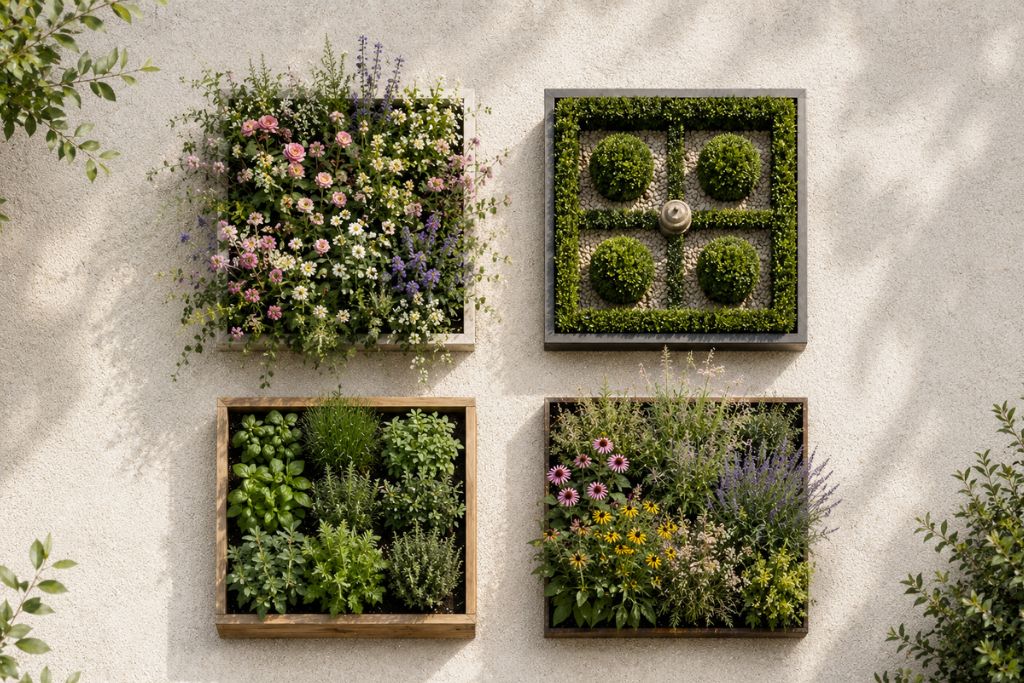
    The Cottage Garden

    Overflowing flowers. Winding paths. Plants doing whatever they want.

    If this is your style, you are probably:
    The friend who says, “Let’s keep it casual,” and somehow hosts the most beautiful gathering anyone has ever attended.

    You love charm and comfort. You appreciate things feeling natural and lived-in.

    The Clean and Modern Garden

    Simple lines. Structured plants. Everything looks intentional.

    If this is your style, you are probably:
    Someone whose phone battery is always above 60%.

    You enjoy order. You like clean spaces and designs that feel calm.

    The Vegetable Garden

    Tomatoes. Herbs. Peppers. Raised beds everywhere.

    If this is your style, you are probably:
    A person who casually says things like, “These are from my garden.”

    You love creating things with purpose. You also enjoy the satisfaction of growing something yourself.

    The Wildlife Garden

    Pollinator plants. Native species. Butterflies everywhere.

    If this is your style, you are probably:
    The person saving bees and the planet before breakfast.

    Native gardens also work beautifully in Pennsylvania landscapes because they often adapt well to local conditions.

    The “I Bought Every Plant I Loved” Garden

    No theme. No plan. Pure excitement.

    If this is your style, you are probably:
    Living entirely on instinct.

    We respect it.

    Turn Personality Into Great Landscape Design

    A great landscape should feel personal. It should look beautiful, but it should also feel like you.

    At Creative Landscapes, we help homeowners throughout Pennsylvania create outdoor spaces that match their style and fit local conditions. We combine creativity with practical design so landscapes thrive through changing seasons.

    Your Yard Is Basically Your Outdoor Biography

    Your garden may not reveal every secret about you.

    But it might reveal that you enjoy structure, love color, appreciate nature, or occasionally make plant decisions based entirely on vibes.

    No judgment here. We get it.

  • How to Puppy-Proof Your Home: 8 Dangers Most Owners Miss

    How to Puppy-Proof Your Home: 8 Dangers Most Owners Miss

    Your puppy is finally home, and suddenly everything feels exciting, chaotic, and very chewable.

    The tiny paws exploring every corner of your house may look adorable, but puppies are naturally curious. They investigate with their noses, mouths, and zero concern for your peace of mind.

    That’s why puppy-proofing matters so much during those first few weeks.

    Many new puppy owners focus on the obvious dangers first. Shoes get moved. Cleaning supplies go under the sink. Maybe a baby gate appears overnight. But some household hazards are easier to miss, especially during the excitement of bringing home a new furry family member.

    Creating a safe environment helps puppies feel secure while also preventing accidents before they happen.

    1. Loose Cords and Chargers

    Tiny Teeth Love Dangerous Wires

    Puppies love chewing during teething stages, and electrical cords can quickly become a target. Phone chargers, laptop cords, extension cables, and hanging wires should stay hidden or secured whenever possible.

    Protective cord covers can help reduce temptation while keeping your puppy safer indoors.

    2. Houseplants That Are Toxic to Dogs

    Some Popular Plants Can Be Harmful

    Many people are surprised to learn that certain common houseplants may be toxic to dogs. Lilies, aloe vera, pothos, and sago palms are just a few examples.

    If you are unsure whether a plant is pet-safe, it is always best to double-check before placing it within puppy reach.

    3. Open Trash Cans

    Puppies Treat Trash Like Treasure Hunts

    To puppies, garbage cans are basically mystery snack buffets. Unfortunately, cooked bones, spoiled food, wrappers, coffee grounds, and certain foods can become dangerous very quickly.

    Secure lids and puppy-proof bins can help prevent accidents before they happen.

    4. Small Items Hidden at Puppy Level

    If It Fits in Their Mouth, It’s a Risk

    Hair ties. Socks. Coins. Children’s toys. Earrings. Puppies are incredibly skilled at finding tiny objects hiding on floors and under furniture. Swallowing small items can lead to choking hazards or intestinal blockages, which may require emergency veterinary care.

    Regular floor checks become surprisingly important during puppyhood.

    5. Cleaning Products Left Within Reach

    Curious Puppies Explore Everything

    Cleaning sprays, detergents, and disinfectants should always stay secured safely away from pets. Even small amounts of certain chemicals can irritate a puppy’s mouth, stomach, or skin.

    This is especially important in kitchens, bathrooms, and laundry rooms.

    6. Unsafe Balcony or Yard Gaps

    Outdoor Spaces Need Puppy Checks Too

    Puppies can squeeze through spaces much smaller than many owners expect. Before outdoor playtime begins, check fences, gates, railings, and balconies carefully for gaps or escape routes.

    For many families living in busy neighborhoods or city areas, secure outdoor supervision matters even more.

    7. Human Foods That Can Harm Dogs

    Not Every Snack Is Puppy-Safe

    Chocolate, grapes, onions, xylitol, alcohol, and certain nuts can all be toxic to dogs. During gatherings, parties, or busy family dinners, dropped food can become an easy danger for curious puppies.

    Keeping human snacks out of reach helps avoid emergency situations later.

    8. Easy Access to Stairs or Unsafe Rooms

    Boundaries Help Puppies Learn Safely

    Baby gates are not just for toddlers. Blocking off stairs, storage rooms, or unsafe areas can help prevent falls, injuries, and destructive behavior while your puppy learns house routines.

    Safe boundaries also help puppies feel calmer during adjustment periods.

    Creating a Safer Start for Your Puppy

    We at Furrylicious understand how important these early days feel for new puppy owners.

    Bringing home a puppy comes with excitement, responsibility, and a strong desire to do everything right. That includes creating a home environment where puppies can safely explore, learn, and grow confidently.

    Good puppy care is not only about love and cuddles. It is also about preparation and protection.

    Puppy-Proofing Is an Ongoing Process

    The funny thing about puppies is that the moment you think your house is fully puppy-proofed, they somehow discover a completely new way to surprise you.

    Still, taking the time to identify common hazards early can make a huge difference during those first few months together.

    Peace of mind is one of the best gifts you can give both your puppy and yourself.

  • Why Puppies Bite Everything (And How to Handle Teething the Right Way)

    Why Puppies Bite Everything (And How to Handle Teething the Right Way)

    You brought home a puppy. Life is adorable. Your camera roll is full. And suddenly… your shoelaces, chair legs, blankets, and hands have all become chew toys. Welcome to teething.

    For many new puppy owners around Cheyenne and nearby Wyoming communities, teething can feel surprising at first. One minute your puppy is peacefully cuddling beside you. The next, they are attempting to bite the corner of your coffee table like it personally offended them.

    The good news is this: puppy teething and chewing are completely normal developmental stages.

    Understanding why puppies bite things and how to safely guide them through it helps protect both your puppy and your home during these important early months.

    Why Puppies Teethe in the First Place

    Like human babies, puppies go through a teething process as their adult teeth develop.

    Puppies are born without teeth. Their baby teeth begin appearing around 3 to 6 weeks old, while adult teeth typically start replacing them around 3 to 4 months of age.

    Most puppies finish teething by about 6 months old. During this stage, chewing helps relieve soreness and discomfort in their gums.

    Why Puppies Bite Literally Everything

    Puppies do not use their hands to investigate the world. They use their mouths.

    That means shoes, furniture, blankets, sticks, and sometimes even your hoodie sleeve can suddenly become fascinating.

    Teething puppies also chew because:

    • It relieves gum discomfort
    • It helps reduce boredom
    • It provides mental stimulation
    • It satisfies natural puppy instincts

    This behavior is normal, but puppies still need guidance on what is safe to chew.

    Safe Ways to Help a Teething Puppy

    Offer Appropriate Chew Toys

    Durable puppy-safe chew toys help redirect biting behavior away from unsafe objects. Different textures can also help soothe sore gums. Many puppies enjoy rubber toys, soft teething toys, or chilled puppy-safe chews.

    Frozen washcloths or veterinarian-approved frozen treats may also provide temporary relief during tougher teething days.

    Keep Unsafe Items Out of Reach

    Puppies should not have access to:

    • Electrical cords
    • Shoes
    • Small objects
    • Children’s toys
    • Furniture corners
    • Toxic household items

    Creating safe boundaries early helps prevent accidents while teaching good habits. This is especially important during indoor-heavy Cheyenne, Wyoming weather days when puppies may spend more time exploring inside the house.

    How to Respond to Puppy Nipping

    Puppies often nip during play because they are still learning bite inhibition. Instead of yelling or harsh punishment, calmly redirect your puppy toward an appropriate toy.

    Consistency matters most. Puppies learn faster when reactions stay calm, predictable, and positive.

    Teething Does Not Last Forever

    It may not feel like it while your puppy is chewing the corner of your rug for the third time today, but teething eventually passes.

    Most puppies naturally reduce intense chewing behaviors once adult teeth fully come in.

    Until then, patience and supervision go a long way.

    Helping Puppies Through Every Stage

    Frontier Pets understands how important these early puppy months are for families. Bringing home a puppy comes with excitement, learning curves, and plenty of questions along the way. That’s why education and support matter so much during puppyhood.

    Helping puppies feel safe, healthy, and understood creates stronger lifelong bonds from the very beginning.

    A Little Chewing Comes With the Puppy Stage

    Teething can absolutely test your patience sometimes. But it is also a completely normal part of growing up for puppies.

    And hey, one day you may even miss the tiny puppy phase, chewed shoelaces and all.

  • How to Start Training Your Puppy: A Beginner’s Guide

    How to Start Training Your Puppy: A Beginner’s Guide

    You brought home a puppy. Congratulations! And also, welcome to the wonderfully chaotic stage of life where socks disappear and every sound becomes exciting.

    The first few weeks with a new puppy are full of milestones. First walks. First zoomies. First successful potty break outside. And somewhere in between all of that? Training begins.

    Many new puppy owners assume formal training starts later. In reality, puppies begin learning from the moment they enter your home.

    That’s why starting early matters.

    The good news is that puppy training does not need to feel intimidating. With consistency, patience, and the right approach, training can actually become one of the best bonding experiences you share with your dog.

    Why Early Puppy Training Matters

    Young puppies absorb information quickly.

    The habits, routines, and behaviors they practice early often become the foundation for adulthood. Starting training during puppyhood helps build confidence, communication, and structure.

    Training also helps puppies feel safer because predictable routines reduce stress and confusion.

    And no, training is not only about commands. It is also about teaching your puppy how to successfully live alongside people, routines, and everyday life.

    Start With Simple Foundations First

    The best puppy training starts small.

    During the first few months, focus on:

    • Potty training
    • Name recognition
    • Crate training
    • Gentle leash introduction
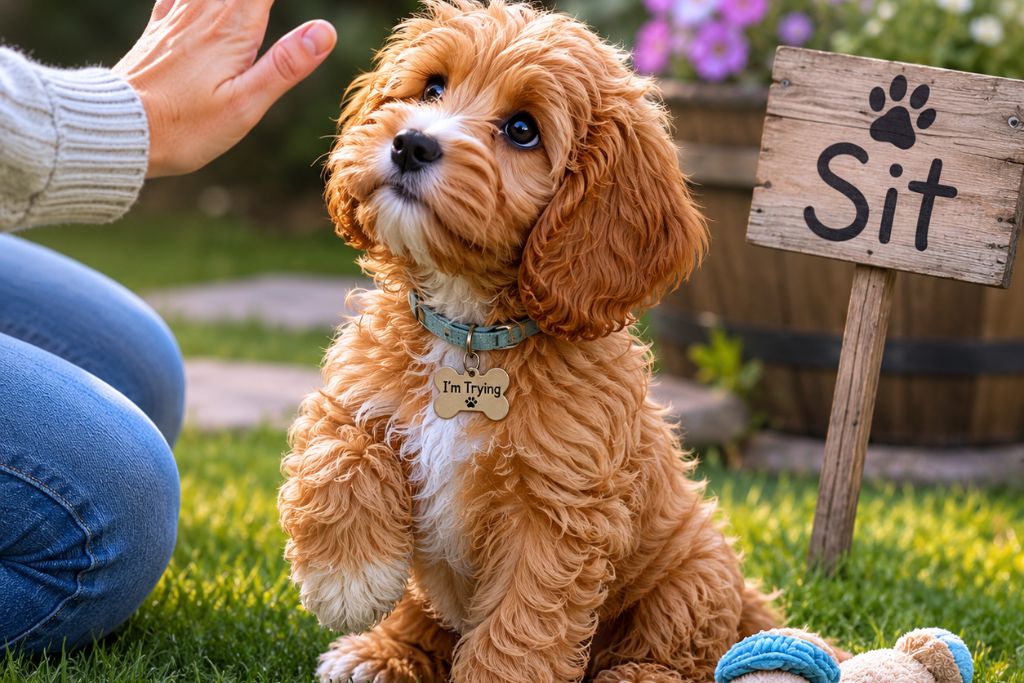
    • Basic commands like “sit” and “come”
    • Positive socialization

    Short, simple training sessions work best for young puppies. Most puppies have limited attention spans, so keeping sessions fun and rewarding helps them learn faster.

    Positive Reinforcement Works Best

    Modern puppy training focuses heavily on positive reinforcement.

    That means rewarding good behavior with praise, treats, toys, or affection instead of punishing mistakes.

    For example, when your puppy sits calmly instead of jumping, reward that behavior immediately. Puppies learn through repetition and consistency.

    Harsh punishment often creates fear or confusion, especially during early development stages.

    Calm guidance builds trust much more effectively.

    Timing Is Everything During Training

    One of the biggest training mistakes new owners make is inconsistency.

    If jumping on guests is allowed sometimes but corrected other times, puppies struggle to understand expectations.

    Clear routines help puppies learn faster. That includes:

    • Consistent potty schedules
    • Regular feeding times
    • Predictable sleep routines
    • Repeated training cues

    Puppies thrive when life feels structured and understandable.

    Socialization Is Part of Training Too

    Training is not only about teaching “sit” or “stay.”

    Helping puppies safely experience new people, sounds, environments, and situations is equally important during early development.

    Positive socialization helps puppies grow into calmer, more confident adult dogs.

    Even short outings or supervised introductions can make a big difference over time.

    Progress Takes Patience

    Some puppies pick up commands quickly. Others need more repetition and guidance.

    That is completely normal.

    Training is not about perfection. It is about communication, consistency, and building trust over time.

    Even small daily progress matters.

    Helping Puppies Thrive From the Start

    We understand how important these early puppy stages are for families.

    Bringing home a puppy is exciting, but it also comes with responsibility and plenty of questions along the way. That is why education, support, and thoughtful care matter so much during puppyhood.

    Because confident, well-supported puppies grow into happier lifelong companions.

    The Puppy Stage Goes Faster Than You Think

    Right now, training may feel repetitive. There will be accidents. Distracted moments. Random zoomies in the middle of practice sessions.

    But every small lesson helps shape the relationship you are building together.

    And one day you will probably miss these tiny puppy training moments more than you expect.