Author: cosmick

  • Puppy Vaccines Explained: What Your Dog Needs in the First Year

    Puppy Vaccines Explained: What Your Dog Needs in the First Year

    Your new puppy is finally home, and suddenly life looks a little different.

    There are toys in every room, a growing collection of treats in the kitchen, and at least one family member already completely wrapped around your puppy’s paw. But alongside all the fun comes something equally important: protecting your puppy’s health during their first year.

    For many dog owners across Charlotte, and surrounding communities in North Carolina, puppy vaccines can initially feel overwhelming. There are multiple appointments, unfamiliar vaccine names, and different recommendations depending on your dog’s lifestyle.

    The good news? Once you break it down, the first-year vaccine schedule becomes much easier to understand.

    Why Puppies Need Vaccines Early

    Puppies are born with temporary immunity passed down from their mother. However, that protection fades over time.

    That’s why veterinarians recommend a series of vaccines during the first several months of life. These vaccines help protect puppies from highly contagious and potentially serious diseases while their immune systems develop.

    Most puppies begin vaccinations between 6 and 8 weeks old, followed by booster shots every few weeks until around 16 weeks of age.

    The Core Vaccines Most Puppies Receive

    DHPP (Distemper, Hepatitis, Parvovirus, Parainfluenza)

    This is one of the most important puppy vaccines.

    The DHPP vaccine protects against four serious illnesses:

    • Distemper
    • Adenovirus (hepatitis)
    • Parvovirus
    • Parainfluenza

    Puppies typically receive this vaccine in a series at:

    • 6–8 weeks
    • 10–12 weeks
    • 14–16 weeks

    A booster is usually given again around one year old.

    These diseases can spread quickly among dogs, especially puppies, which is why veterinarians consider this a core vaccine.

    Rabies Vaccination Requirements

    Rabies vaccines are legally required in North Carolina.

    Most puppies receive their first rabies vaccine between 14 and 16 weeks old, depending on local regulations and veterinary guidance.

    Rabies affects the nervous system and is fatal once symptoms appear. Because it can also spread to humans, maintaining this vaccine matters for both public health and pet safety.

    Lifestyle Vaccines Your Vet May Recommend

    Bordetella (Kennel Cough)

    This vaccine is often recommended for puppies that may attend:

    • Puppy classes
    • Grooming appointments
    • Boarding facilities
    • Doggy daycare
    • Social dog environments

    Bordetella spreads easily in group settings and commonly contributes to kennel cough.

    Leptospirosis

    Leptospirosis is a bacterial disease that can spread through contaminated water and wildlife exposure.

    Because warm climates and outdoor activity are common throughout the Southeast, many veterinarians recommend discussing this vaccine with puppy owners.

    Lyme Disease and Canine Influenza

    Some puppies may also benefit from Lyme disease or canine influenza vaccines depending on lifestyle, travel, and local exposure risks.

    Your veterinarian can help determine whether these vaccines make sense for your dog specifically.

    Don’t Forget Heartworm Prevention

    Heartworm is not prevented through a vaccine, but prevention usually begins during puppyhood with regularly administered medication.

    Because mosquitoes remain active for much of the year in the Carolinas / Georgia, veterinarians often recommend starting prevention early.

    Helping Puppies Start Strong

    We understand how important the first year is for both puppies and their families.

    There is a lot to learn, and naturally, every owner wants to make thoughtful decisions about their dog’s health. That’s why trusted guidance, education, and preparation matter so much during puppyhood.

    Remember that raising a healthy, confident dog starts with giving them the strongest possible foundation from day one.

    The First Year Goes Faster Than You Think

    Right now, your puppy may still feel tiny.

    But between vet visits, training milestones, and countless everyday moments, that first year moves quickly. Staying consistent with vaccines and preventive care helps protect your dog through every stage of growth.

    And peace of mind is one of the best things you can give both your puppy and yourself.

    If you’re up for another good read, these articles are a great place to start:

  • How to Puppy-Proof Your Home: 8 Dangers Most Owners Miss

    How to Puppy-Proof Your Home: 8 Dangers Most Owners Miss

    Your puppy is finally home, and suddenly everything feels exciting, chaotic, and very chewable.

    The tiny paws exploring every corner of your house may look adorable, but puppies are naturally curious. They investigate with their noses, mouths, and zero concern for your peace of mind.

    That’s why puppy-proofing matters so much during those first few weeks.

    Many new puppy owners focus on the obvious dangers first. Shoes get moved. Cleaning supplies go under the sink. Maybe a baby gate appears overnight. But some household hazards are easier to miss, especially during the excitement of bringing home a new furry family member.

    Creating a safe environment helps puppies feel secure while also preventing accidents before they happen.

    1. Loose Cords and Chargers

    Tiny Teeth Love Dangerous Wires

    Puppies love chewing during teething stages, and electrical cords can quickly become a target. Phone chargers, laptop cords, extension cables, and hanging wires should stay hidden or secured whenever possible.

    Protective cord covers can help reduce temptation while keeping your puppy safer indoors.

    2. Houseplants That Are Toxic to Dogs

    Some Popular Plants Can Be Harmful

    Many people are surprised to learn that certain common houseplants may be toxic to dogs. Lilies, aloe vera, pothos, and sago palms are just a few examples.

    If you are unsure whether a plant is pet-safe, it is always best to double-check before placing it within puppy reach.

    3. Open Trash Cans

    Puppies Treat Trash Like Treasure Hunts

    To puppies, garbage cans are basically mystery snack buffets. Unfortunately, cooked bones, spoiled food, wrappers, coffee grounds, and certain foods can become dangerous very quickly.

    Secure lids and puppy-proof bins can help prevent accidents before they happen.

    4. Small Items Hidden at Puppy Level

    If It Fits in Their Mouth, It’s a Risk

    Hair ties. Socks. Coins. Children’s toys. Earrings. Puppies are incredibly skilled at finding tiny objects hiding on floors and under furniture. Swallowing small items can lead to choking hazards or intestinal blockages, which may require emergency veterinary care.

    Regular floor checks become surprisingly important during puppyhood.

    5. Cleaning Products Left Within Reach

    Curious Puppies Explore Everything

    Cleaning sprays, detergents, and disinfectants should always stay secured safely away from pets. Even small amounts of certain chemicals can irritate a puppy’s mouth, stomach, or skin.

    This is especially important in kitchens, bathrooms, and laundry rooms.

    6. Unsafe Balcony or Yard Gaps

    Outdoor Spaces Need Puppy Checks Too

    Puppies can squeeze through spaces much smaller than many owners expect. Before outdoor playtime begins, check fences, gates, railings, and balconies carefully for gaps or escape routes.

    For many families living in busy neighborhoods or city areas, secure outdoor supervision matters even more.

    7. Human Foods That Can Harm Dogs

    Not Every Snack Is Puppy-Safe

    Chocolate, grapes, onions, xylitol, alcohol, and certain nuts can all be toxic to dogs. During gatherings, parties, or busy family dinners, dropped food can become an easy danger for curious puppies.

    Keeping human snacks out of reach helps avoid emergency situations later.

    8. Easy Access to Stairs or Unsafe Rooms

    Boundaries Help Puppies Learn Safely

    Baby gates are not just for toddlers. Blocking off stairs, storage rooms, or unsafe areas can help prevent falls, injuries, and destructive behavior while your puppy learns house routines.

    Safe boundaries also help puppies feel calmer during adjustment periods.

    Creating a Safer Start for Your Puppy

    We at Furrylicious understand how important these early days feel for new puppy owners.

    Bringing home a puppy comes with excitement, responsibility, and a strong desire to do everything right. That includes creating a home environment where puppies can safely explore, learn, and grow confidently.

    Good puppy care is not only about love and cuddles. It is also about preparation and protection.

    Puppy-Proofing Is an Ongoing Process

    The funny thing about puppies is that the moment you think your house is fully puppy-proofed, they somehow discover a completely new way to surprise you.

    Still, taking the time to identify common hazards early can make a huge difference during those first few months together.

    Peace of mind is one of the best gifts you can give both your puppy and yourself.

  • Why Puppies Bite Everything (And How to Handle Teething the Right Way)

    Why Puppies Bite Everything (And How to Handle Teething the Right Way)

    You brought home a puppy. Life is adorable. Your camera roll is full. And suddenly… your shoelaces, chair legs, blankets, and hands have all become chew toys. Welcome to teething.

    For many new puppy owners around Cheyenne and nearby Wyoming communities, teething can feel surprising at first. One minute your puppy is peacefully cuddling beside you. The next, they are attempting to bite the corner of your coffee table like it personally offended them.

    The good news is this: puppy teething and chewing are completely normal developmental stages.

    Understanding why puppies bite things and how to safely guide them through it helps protect both your puppy and your home during these important early months.

    Why Puppies Teethe in the First Place

    Like human babies, puppies go through a teething process as their adult teeth develop.

    Puppies are born without teeth. Their baby teeth begin appearing around 3 to 6 weeks old, while adult teeth typically start replacing them around 3 to 4 months of age.

    Most puppies finish teething by about 6 months old. During this stage, chewing helps relieve soreness and discomfort in their gums.

    Why Puppies Bite Literally Everything

    Puppies do not use their hands to investigate the world. They use their mouths.

    That means shoes, furniture, blankets, sticks, and sometimes even your hoodie sleeve can suddenly become fascinating.

    Teething puppies also chew because:

    • It relieves gum discomfort
    • It helps reduce boredom
    • It provides mental stimulation
    • It satisfies natural puppy instincts

    This behavior is normal, but puppies still need guidance on what is safe to chew.

    Safe Ways to Help a Teething Puppy

    Offer Appropriate Chew Toys

    Durable puppy-safe chew toys help redirect biting behavior away from unsafe objects. Different textures can also help soothe sore gums. Many puppies enjoy rubber toys, soft teething toys, or chilled puppy-safe chews.

    Frozen washcloths or veterinarian-approved frozen treats may also provide temporary relief during tougher teething days.

    Keep Unsafe Items Out of Reach

    Puppies should not have access to:

    • Electrical cords
    • Shoes
    • Small objects
    • Children’s toys
    • Furniture corners
    • Toxic household items

    Creating safe boundaries early helps prevent accidents while teaching good habits. This is especially important during indoor-heavy Cheyenne, Wyoming weather days when puppies may spend more time exploring inside the house.

    How to Respond to Puppy Nipping

    Puppies often nip during play because they are still learning bite inhibition. Instead of yelling or harsh punishment, calmly redirect your puppy toward an appropriate toy.

    Consistency matters most. Puppies learn faster when reactions stay calm, predictable, and positive.

    Teething Does Not Last Forever

    It may not feel like it while your puppy is chewing the corner of your rug for the third time today, but teething eventually passes.

    Most puppies naturally reduce intense chewing behaviors once adult teeth fully come in.

    Until then, patience and supervision go a long way.

    Helping Puppies Through Every Stage

    Frontier Pets understands how important these early puppy months are for families. Bringing home a puppy comes with excitement, learning curves, and plenty of questions along the way. That’s why education and support matter so much during puppyhood.

    Helping puppies feel safe, healthy, and understood creates stronger lifelong bonds from the very beginning.

    A Little Chewing Comes With the Puppy Stage

    Teething can absolutely test your patience sometimes. But it is also a completely normal part of growing up for puppies.

    And hey, one day you may even miss the tiny puppy phase, chewed shoelaces and all.

  • How to Start Training Your Puppy: A Beginner’s Guide

    How to Start Training Your Puppy: A Beginner’s Guide

    You brought home a puppy. Congratulations! And also, welcome to the wonderfully chaotic stage of life where socks disappear and every sound becomes exciting.

    The first few weeks with a new puppy are full of milestones. First walks. First zoomies. First successful potty break outside. And somewhere in between all of that? Training begins.

    Many new puppy owners assume formal training starts later. In reality, puppies begin learning from the moment they enter your home.

    That’s why starting early matters.

    The good news is that puppy training does not need to feel intimidating. With consistency, patience, and the right approach, training can actually become one of the best bonding experiences you share with your dog.

    Why Early Puppy Training Matters

    Young puppies absorb information quickly.

    The habits, routines, and behaviors they practice early often become the foundation for adulthood. Starting training during puppyhood helps build confidence, communication, and structure.

    Training also helps puppies feel safer because predictable routines reduce stress and confusion.

    And no, training is not only about commands. It is also about teaching your puppy how to successfully live alongside people, routines, and everyday life.

    Start With Simple Foundations First

    The best puppy training starts small.

    During the first few months, focus on:

    • Potty training
    • Name recognition
    • Crate training
    • Gentle leash introduction
    • Basic commands like “sit” and “come”
    • Positive socialization

    Short, simple training sessions work best for young puppies. Most puppies have limited attention spans, so keeping sessions fun and rewarding helps them learn faster.

    Positive Reinforcement Works Best

    Modern puppy training focuses heavily on positive reinforcement.

    That means rewarding good behavior with praise, treats, toys, or affection instead of punishing mistakes.

    For example, when your puppy sits calmly instead of jumping, reward that behavior immediately. Puppies learn through repetition and consistency.

    Harsh punishment often creates fear or confusion, especially during early development stages.

    Calm guidance builds trust much more effectively.

    Timing Is Everything During Training

    One of the biggest training mistakes new owners make is inconsistency.

    If jumping on guests is allowed sometimes but corrected other times, puppies struggle to understand expectations.

    Clear routines help puppies learn faster. That includes:

    • Consistent potty schedules
    • Regular feeding times
    • Predictable sleep routines
    • Repeated training cues

    Puppies thrive when life feels structured and understandable.

    Socialization Is Part of Training Too

    Training is not only about teaching “sit” or “stay.”

    Helping puppies safely experience new people, sounds, environments, and situations is equally important during early development.

    Positive socialization helps puppies grow into calmer, more confident adult dogs.

    Even short outings or supervised introductions can make a big difference over time.

    Progress Takes Patience

    Some puppies pick up commands quickly. Others need more repetition and guidance.

    That is completely normal.

    Training is not about perfection. It is about communication, consistency, and building trust over time.

    Even small daily progress matters.

    Helping Puppies Thrive From the Start

    We understand how important these early puppy stages are for families.

    Bringing home a puppy is exciting, but it also comes with responsibility and plenty of questions along the way. That is why education, support, and thoughtful care matter so much during puppyhood.

    Because confident, well-supported puppies grow into happier lifelong companions.

    The Puppy Stage Goes Faster Than You Think

    Right now, training may feel repetitive. There will be accidents. Distracted moments. Random zoomies in the middle of practice sessions.

    But every small lesson helps shape the relationship you are building together.

    And one day you will probably miss these tiny puppy training moments more than you expect.

  • What Happens When Lead Aprons Are Stored Incorrectly?

    What Happens When Lead Aprons Are Stored Incorrectly?

    Lead aprons work hard behind the scenes.

    They are a critical layer of protection in medical and imaging environments. They help shield healthcare professionals and patients from scatter radiation during diagnostic and interventional procedures.

    However, while lead aprons protect people every day, they also need protection themselves. Even the highest-quality protective apparel can lose effectiveness if it is stored incorrectly.

    The truth is simple: proper storage is not just about keeping equipment organized. It helps preserve the integrity, lifespan, and performance of radiation protection gear.

    Why Lead Aprons Matter in Radiation Protection

    Lead aprons are designed to reduce radiation exposure during imaging procedures such as X-rays and fluoroscopy.

    Their protective material absorbs or blocks a significant amount of scatter radiation. That protection helps reduce unnecessary exposure over time.

    Because these aprons are made with specialized shielding materials, they require careful handling and maintenance to remain effective.

    Small Storage Mistakes Can Create Bigger Problems

    Improper storage often happens unintentionally. Busy environments move quickly. Yet repeated handling mistakes can gradually damage protective apparel.

    Here are some common issues to watch for.

    Folding Lead Aprons Can Create Cracks

    One of the most common mistakes is folding an apron for storage. Lead and lead-equivalent materials can develop creases over time. Those repeated folds may eventually create cracks or weak spots within the protective layer.

    Even small areas of damage can reduce protection.

    Stacking Aprons Causes Pressure Damage

    Placing multiple aprons on top of each other can create unnecessary stress.

    Constant weight and pressure may distort the material and contribute to wear over time.

    Improper Hanging Can Stretch Materials

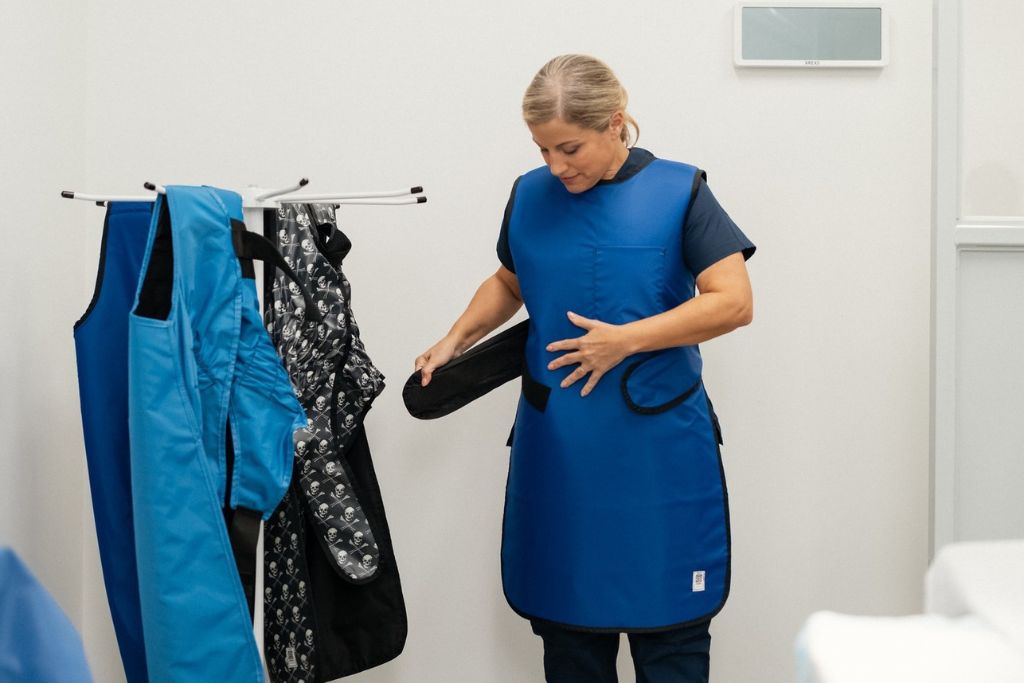
    Lead aprons should be supported properly on apron racks or specially designed hangers.

    Thin hooks or unsupported hanging points can place uneven stress on the garment.

    Hidden Damage Can Go Unnoticed

    Storage-related damage is not always visible from the outside.

    An apron may look perfectly fine while developing internal cracks or weakened areas. This is one reason routine inspections remain important.

    Protecting Your Protective Equipment

    Proper storage practices are simple but important:

    • Store aprons flat or on approved apron hangers
    • Avoid folding or creasing
    • Keep aprons in clean, dry environments
    • Schedule regular inspections

    Small steps today can help extend the life of radiation protection equipment.

    Protection Works Best When Every Detail Matters

    At Attenutech, protection goes beyond the product itself. Long-term performance depends on quality equipment, proper handling, and ongoing care.

    When protective gear stays in excellent condition, it can continue doing what it was designed to do: help keep people safer every day.

  • Puppy Sourcing & Breed Information: How Happiness Is Pets Delivers True Transparency

    Puppy Sourcing & Breed Information: How Happiness Is Pets Delivers True Transparency

    Not all questions get asked out loud.

    When you’re looking for a puppy, you might focus on the fun parts first: the breed, the look, the personality. But just beneath that excitement are quieter, more important questions: Where did this puppy come from? How were they raised? Is this the right fit for my life?

    Those answers matter. And more importantly, they should be easy to find.

    Why Transparency Should Be Part of Your Decision

    Choosing a puppy is a long-term commitment, and the more you understand upfront, the better prepared you’ll be.

    Transparency means knowing your puppy’s background, their health history, and what to expect from their breed, not guessing or filling in the blanks later. It builds confidence, sets expectations, and helps ensure a smoother transition for both you and your puppy.

    At Happiness Is Pets, that level of clarity is part of the experience from the start.

    How We Ensure Transparency in Puppy Sourcing and Breed Information

    Here’s how that commitment shows up in real, tangible ways:

    Carefully Selected, Responsible Breeders

    Happiness Is Pets partners with professional breeders who meet established standards for care and animal welfare. These breeders are chosen with intention and are expected to follow both state and federal guidelines.

    It’s not a one-time relationship. There’s ongoing communication and accountability, which helps ensure consistency in how puppies are raised and cared for before they ever meet their new families.

    Verified Health Records and Veterinary Care

    Each puppy receives a veterinary exam and comes with documented health records, including vaccinations and care history.

    This information is shared openly, so families know exactly what their puppy has received in terms of medical attention. In addition, a health warranty is provided, offering added reassurance as you bring your puppy home and begin this new chapter.

    Clear, Honest Breed Education

    Every breed is different, and understanding those differences is key to making the right decision.

    Happiness Is Pets provides straightforward, accurate information about each breed’s temperament, energy level, grooming needs, and overall lifestyle fit. The goal is not just to introduce you to a puppy but to help you understand what life with that puppy will actually look like.

    That kind of clarity helps prevent surprises and builds stronger, more successful matches.

    Support That Continues Beyond Day One

    Transparency doesn’t stop once you’ve chosen your puppy.

    The team at Happiness Is Pets is there to answer questions, offer guidance, and help you feel confident moving forward. Whether it’s nutrition, training, or general care, families have access to support that extends beyond the initial visit.

    Why Families Trust Happiness Is Pets

    Happiness Is Pets focuses on making the process clear, honest, and supportive from beginning to end. That includes:

    • Partnering with responsible, vetted breeders
    • Providing full health documentation and veterinary oversight
    • Offering accurate, easy-to-understand breed information
    • Supporting families throughout their journey

    A More Confident Way to Bring a Puppy Home

    Bringing home a puppy should feel exciting… but it should also feel clear.

    When you have real information about where your puppy comes from and what they need, you’re able to move forward with confidence. And that’s what Happiness Is Pets aims to provide: a straightforward, transparent experience that puts both pets and people first.

    If you’re up for another read, these posts are popular with puppy parents:

  • How Much Exercise Does Your Puppy Really Need? A Practical Guide for Growing Dogs

    How Much Exercise Does Your Puppy Really Need? A Practical Guide for Growing Dogs

    We all know what it feels like to need movement.

    A walk clears your head. A bit of activity resets your energy. It’s not just about staying in shape, it’s about feeling balanced.

    Puppies are no different.

    Exercise plays a role in how they grow, how they behave, and how they settle into daily life. And while it’s easy to assume “more is better,” that’s not always the case. Especially for young, developing dogs.

    Why Exercise Matters: Beyond the Physical

    Exercise isn’t just about burning off energy.

    For puppies, it supports muscle development, coordination, and overall health. Just as importantly, it helps with mental stimulation. A well-exercised puppy is more likely to be calm, focused, and receptive to training.

    Without enough activity, puppies can become restless or develop unwanted behaviors. But too much exercise, especially too soon, can put stress on growing joints.

    Finding the right balance is key.

    How Much Exercise Does Your Puppy Really Need?

    There isn’t a one-size-fits-all answer, but there are clear guidelines that can help.

    Start with Age-Based Guidelines

    A commonly recommended approach is the “5-minute rule”:

    • 5 minutes of structured exercise per month of age
    • Up to twice per day

    For example:

    • A 3-month-old puppy → about 15 minutes per session
    • A 5-month-old puppy → about 25 minutes per session

    This includes walks and intentional play, not free roaming.

    Consider Breed and Energy Level

    Not all puppies are built the same.

    • High-energy breeds (like working or sporting dogs) may need more frequent activity and mental challenges.
    • Lower-energy breeds may be satisfied with shorter, gentler sessions.

    What matters most is observing your puppy. Energy levels, attention span, and recovery all provide useful signals.

    Prioritize Quality Over Intensity

    Exercise for puppies should be controlled and age-appropriate.

    Good options include:

    • Short walks on even surfaces
    • Gentle play sessions
    • Basic training exercises (which also provide mental stimulation)

    Activities to limit or avoid:

    • Long-distance running
    • Repetitive jumping (like catching frisbees)
    • Hard-impact play on rough surfaces

    Puppies are still developing. Their joints and bones need time to grow properly.

    Watch for Signs of Overexertion

    It’s easy to overdo it, especially with an enthusiastic puppy.

    Look for signs like:

    • Slowing down or lagging behind
    • Excessive panting
    • Lying down mid-activity

    If you notice these, it’s time to stop and rest. Recovery is just as important as activity.

    Don’t Forget Mental Exercise

    Physical activity is only part of the picture.

    Training sessions, puzzle toys, and new environments all help stimulate your puppy’s mind. In many cases, mental enrichment can be just as tiring, and just as beneficial, as a walk.

    A Thoughtful Approach to Healthy Puppies

    At Charlotte Dog Club, we place a strong emphasis on overall wellbeing.

    That means helping families understand not just how to care for their puppies but how to support their development in a balanced, informed way. Exercise is a big part of that, but it’s always approached with intention.

    Healthy puppies aren’t just active. They’re supported, guided, and given what they need at the right time.

    Finding the Right Rhythm

    The goal isn’t to tire your puppy out. It’s to build a routine that works for their age, breed, and stage of development.

    When exercise is done right, you’ll see it. Better focus. Smoother training. A puppy that knows when it’s time to play… and when it’s time to rest.

    And that’s where everything starts to come together.

    If you’re up for another good read, these articles are a great place to start:

  • Do Dental Offices Need Lead Aprons? Updated Guidelines Explained

    Do Dental Offices Need Lead Aprons? Updated Guidelines Explained

    When we think about safety gear, we usually picture construction sites or operating rooms. But dental offices? With X-rays being a routine part of care, radiation safety has always played a role behind the scenes.

    For years, lead aprons were a familiar part of that process. You’d sit in the chair, the apron would go on, and the X-ray would begin. Simple, standard, expected.

    Today, it’s a little different.

    Advancements in dental imaging and updated clinical research have changed how professionals approach radiation safety. So the question now is: are lead aprons still necessary in dental offices?

    Why Lead Aprons Were Once Standard

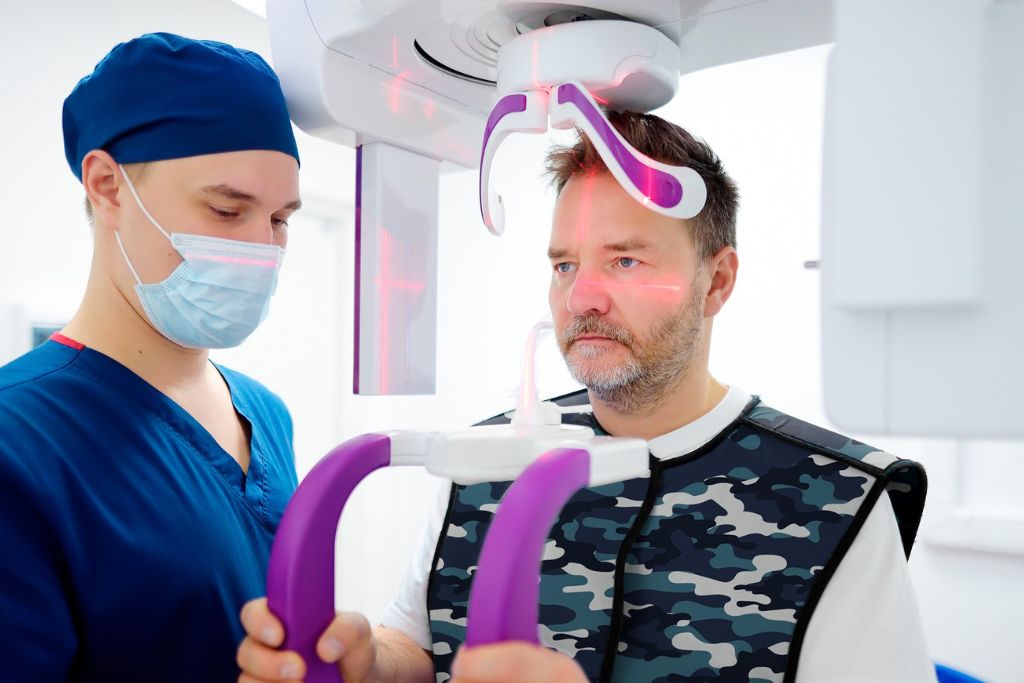
    Lead aprons were originally introduced to protect patients from scattered radiation during X-rays. Earlier imaging systems were less precise and used higher doses, so shielding made sense as an added layer of protection.

    At the time, it was the best available solution. And for decades, it became routine across dental practices.

    What Changed in Modern Dentistry

    Dental technology has evolved significantly. Today’s imaging systems are designed to be far more targeted and efficient.

    Modern dental X-rays now use:

    • Digital imaging with significantly lower radiation doses
    • Focused beams that limit exposure to only the necessary area
    • Improved techniques that reduce the need for repeat scans

    Because of these advancements, the amount of radiation used in dental imaging today is extremely low, often comparable to everyday background exposure.

    What the Latest Guidelines Actually Say

    According to the most recent update from the American Dental Association (ADA), the routine use of lead aprons and thyroid collars during dental X-rays is no longer recommended.

    This applies broadly to patients, including children and those who are pregnant. The reasoning is grounded in evidence. Research shows that with modern equipment, lead aprons do not provide meaningful additional protection. In some cases, they can even interfere with the imaging process, which may lead to retakes… and ultimately more exposure.

    So rather than adding safety, routine shielding can sometimes work against it.

    What Protects Patients Today

    The focus has shifted from physical shielding to precision and technique.

    Dental professionals now prioritize taking X-rays only when necessary and using the most advanced tools available. Proper positioning, accurate targeting, and well-maintained equipment all play a bigger role in minimizing exposure than aprons ever did.

    This approach follows what’s known as the ALARA principle: keeping radiation as low as reasonably achievable. It’s a standard that guides modern radiography across healthcare.

    A Note on Regulations

    While clinical guidelines have changed, regulations can vary.

    Some state or local requirements may still include shielding, so dental practices must follow the rules specific to their location. That’s why you may still see lead aprons used in certain offices, even as broader recommendations evolve.

    Where Attenutech Fits In

    At Attenutech, we understand that safety standards don’t stand still. Rather, they evolve with research, technology, and regulation.

    While lead aprons are no longer part of routine dental imaging, protective equipment still plays an essential role across many industries and clinical settings. The key is using the right solution for the right application, backed by current evidence.

    The Bottom Line on Dental X-Ray Safety

    Dental care has come a long way, and so has the way we think about safety. Lead aprons were once a necessary step. Today, they’re no longer part of routine best practice, not because safety matters less but because we’ve found better ways to achieve it.

    And in a field where precision matters, staying aligned with the latest guidance is what truly protects patients.

  • How Long Exterior Paint Lasts in Columbus Weather (And What Affects It)

    How Long Exterior Paint Lasts in Columbus Weather (And What Affects It)

    A fresh coat of paint does more than improve your home’s look; it pulls everything together. It sharpens curb appeal, protects your exterior, and makes your space feel cared for. And while painting your home is always an exciting update, one question always follows: how long will it actually last in Columbus weather?

    The honest answer? It depends. Several factors influence how long exterior paint holds up, especially in a climate like ours.

    How Long Exterior Paint Typically Lasts in Columbus

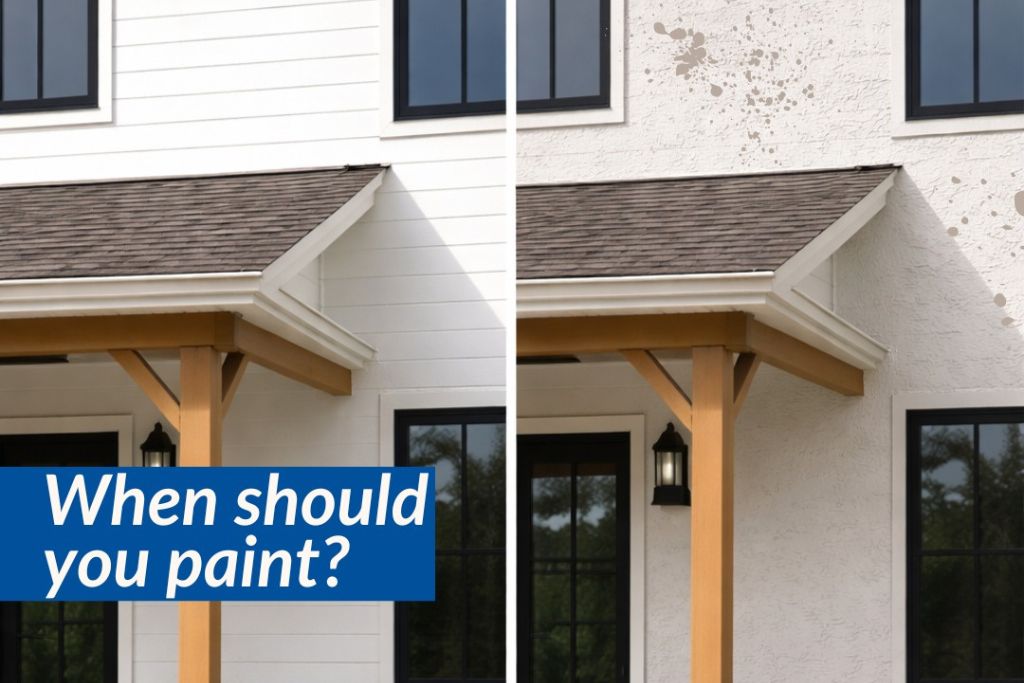
    In general, exterior paint can last 5 to 10 years. However, in Columbus,Ohio, that range often leans toward the middle.

    Why? Our weather works overtime.

    • Hot, humid summers can cause paint to expand and soften
    • Cold winters and freeze-thaw cycles lead to cracking and peeling
    • Rain, snow, and moisture increase the risk of mildew and wear
    • UV exposure fades color over time

    All of this means your paint is constantly contracting, expanding, and weathering the elements.

    Key Factors That Affect Paint Lifespan

    Not all paint jobs age the same. Here’s what really makes the difference:

    1. Surface Material

    Wood siding typically needs repainting sooner (around 3 to 7 years), while brick or fiber cement can last longer.

    2. Paint Quality

    Higher-quality paints hold color better and resist cracking, peeling, and moisture damage.

    3. Prep Work

    Proper cleaning, sanding, and priming create a strong foundation. Skipping prep shortens lifespan, every time.

    4. Application

    Even coats and the right techniques matter. Professional application ensures better adhesion and durability.

    5. Sun Exposure

    Sides of your home that get direct sunlight will fade and wear faster than shaded areas.

    Signs It’s Time for a Repaint

    Not sure if your home is ready? Look for these quick indicators:

    • Fading or dull color
    • Peeling, cracking, or bubbling paint
    • Visible wood or surface underneath
    • Mold, mildew, or water stains
    • Chalky residue when you touch the surface

    If you’re noticing more than one of these, it’s likely time for a refresh.

    A Smarter Approach to Exterior Painting

    At Color World Columbus, we take the guesswork out of exterior painting. Our team evaluates your home’s current condition, considers Columbus-specific weather factors, and recommends the right timing and products for long-lasting results.

    We focus on proper prep, high-quality materials, and expert application, because a great paint job isn’t just about how it looks today but how it holds up years from now.

    Make Your Next Paint Job Last

    Exterior paint isn’t meant to last forever, especially in a climate like Columbus and surrounding areas like Dublin, Westerville, and Grove City. But with the right approach, you can maximize its lifespan and keep your home looking its best.

    And when it’s time for that next refresh, you’ll know exactly who to call.

  • Front Door Colors Columbus Loves (And What They Say About You)

    Front Door Colors Columbus Loves (And What They Say About You)

    Your front door does more than open and close. It sets the tone. It’s the first thing guests notice and the last detail they remember. In a city like Columbus, and throughout Ohio communities like Dublin, Westerville, and Grove City, where curb appeal matters year-round, your front door color quietly tells a story before you ever say a word.

    Choosing the right shade isn’t always easy. You want something that fits your home’s architecture, complements your exterior, and still feels like you. That’s where a little inspiration, and a bit of meaning, can help.

    The Most Popular Front Door Colors in Columbus (And What They Mean)

    Classic Black

    Timeless and sharp, black doors are a staple across Columbus, Ohio neighborhoods. They pair well with almost any exterior and instantly elevate a home’s look.

    What it says: You value sophistication, strength, and a no-fuss sense of style.

    Crisp White

    Clean, bright, and endlessly versatile, white doors feel fresh in every season. They work especially well on traditional or farmhouse-style homes.

    What it says: You appreciate simplicity, order, and a welcoming, open feel.

    Bold Red

    Red doors stand out, in the best way. They bring warmth and energy to a home, even on gray Midwest days.

    What it says: You’re confident, inviting, and not afraid to make a statement.

    Deep Blue (Navy & Slate)

    Blue continues to trend across Columbus, especially in deeper, moodier tones. It’s a modern choice that still feels grounded.

    What it says: You’re calm, dependable, and quietly stylish.

    Earthy Green

    From sage to forest green, these tones connect beautifully with nature. They’re especially popular in leafy neighborhoods and suburban settings.

    What it says: You’re balanced, grounded, and drawn to a sense of harmony.

    Warm Wood Tones

    Natural wood or wood-look finishes are making a strong comeback. They add texture and authenticity to a home’s exterior.

    What it says: You value craftsmanship, warmth, and a connection to tradition.

    Choosing the Right Color for You

    If you want a polished, timeless look, go black or navy.
    If your goal is warmth and personality, red or green might be your match.
    If you love a clean, airy feel, white is hard to beat.

    But here’s the truth: while trends and meanings are helpful, the best choice is always the one that feels right for your home and your style.

    How Color World Columbus, Ohio Can Help

    At Color World Columbus, we know that the “perfect color” isn’t one-size-fits-all. It’s all about balance: between your home’s character, your neighborhood, and your personal taste. Our team helps you narrow down options, test finishes, and land on a color that feels just right.

    Your front door is a small detail with a big impact. Whether you go bold or keep it classic, it’s an opportunity to express your style before anyone even steps inside. And when you’re ready to refresh it, we’re here to help you make it count.