Author: cosmick

  • Blinds vs. Shades: Which Is the Better Choice for Your Lehigh Valley Home?

    Blinds vs. Shades: Which Is the Better Choice for Your Lehigh Valley Home?

    A beautiful window deserves more than a great view.

    The right window treatment can soften natural light, add privacy, improve comfort, and bring the entire room together. It’s a finishing touch that quietly changes how a space looks and feels every single day.

    That leads to one of the most common questions we hear from homeowners across Allentown, Bethlehem, Easton, Emmaus, and throughout the Lehigh Valley:

    Should you choose blinds or shades?

    It’s an easy question to ask, but the answer isn’t always as simple as picking the style you like best. Each option offers different benefits, and the best choice depends on how you use the room, how much light you want, and what matters most in your day-to-day life.

    Why Window Treatments Matter More Than You Think

    Window treatments do much more than decorate a room.

    They help manage sunlight throughout the day, create privacy when you need it, reduce glare on televisions and computer screens, and can even contribute to improved energy efficiency by helping insulate windows. The right solution also adds texture, warmth, and personality, turning a room from “almost finished” into complete.

    That’s why custom window treatments are never one-size-fits-all. Every room has its own purpose, and every homeowner has different priorities.

    Blinds: Flexible Light Control with a Timeless Look

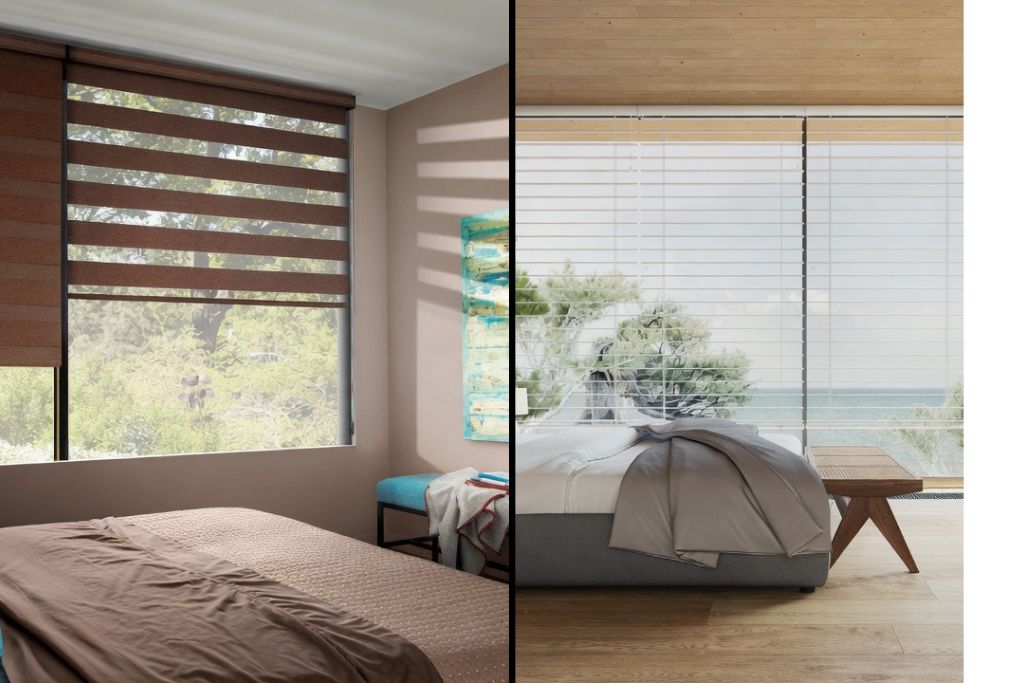
    Blinds are made with individual slats that can be tilted to adjust incoming light while maintaining varying levels of privacy. They also raise fully when you’d like an unobstructed view outdoors.

    For many homes around West End Allentown, Whitehall, and Macungie, blinds are a practical choice for living rooms, home offices, and other spaces where controlling sunlight throughout the day is important.

    Custom blinds are often a great fit if you:

    • Want precise control over light and privacy.
    • Prefer clean, classic lines.
    • Like the flexibility of adjusting slat angles instead of fully raising the window treatment.

    Shades: Soft Style and Everyday Comfort

    Unlike blinds, shades are made from a continuous piece of fabric that raises and lowers as one unit.

    That simple difference opens the door to a wide variety of looks, from sleek roller shades to elegant Roman shades, energy-efficient cellular shades, woven shades, and light-filtering sheer shades.

    Many homeowners throughout Bethlehem, Emmaus, and nearby communities choose custom shades because they soften a room while offering options for light filtering, room darkening, or improved insulation. Certain cellular shades, for example, are designed with honeycomb-shaped pockets that help reduce heat transfer at the window.

    If comfort, softness, and layered design are high on your list, shades are well worth exploring.

    Finding the Right Window Treatment Starts with Your Lifestyle

    The truth is, this isn’t really a competition between blinds and shades. It’s about finding the window treatment that works best for your home.

    At Richards Window Fashions, every recommendation starts with understanding how you live in the space. Our team works with homeowners across Allentown, Bethlehem, Easton, Emmaus, Whitehall, and the surrounding Lehigh Valley to help them select custom blinds, custom shades, shutters, and other window treatments that balance style, light control, privacy, and comfort. From professional measuring to expert installation, we’re here to make the process simple from beginning to end.

    Beautiful windows deserve thoughtful finishing touches. When your window treatments fit both your home and your lifestyle, every room feels more comfortable, more functional, and unmistakably yours.

  • If Your Blinds Could Talk: 4 Signs Your Window Blinds Need Some TLC

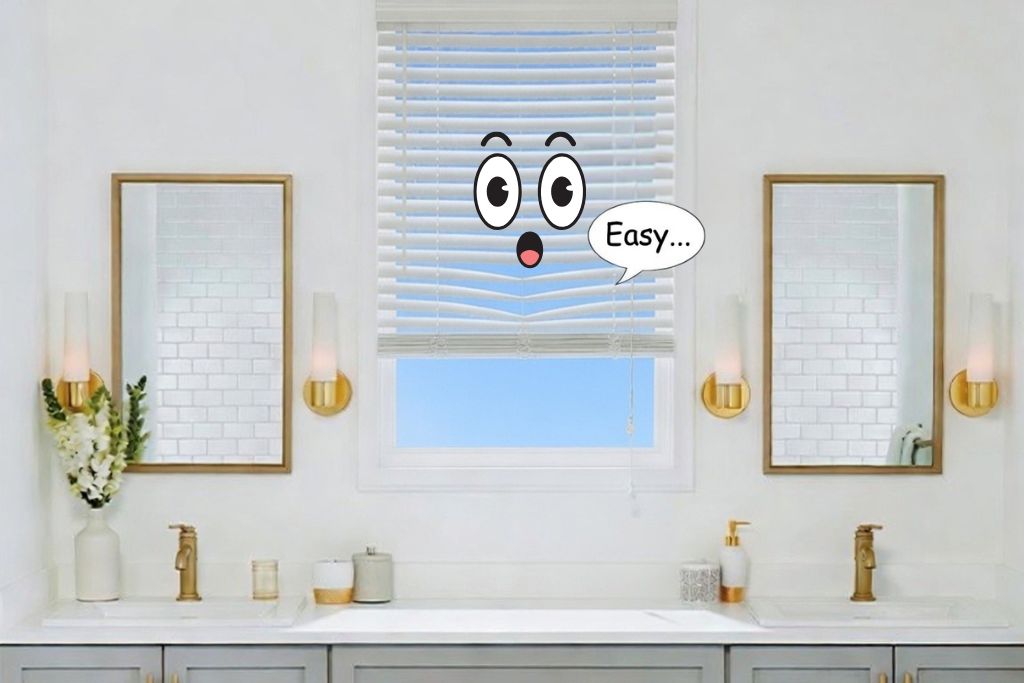
    If Your Blinds Could Talk: 4 Signs Your Window Blinds Need Some TLC

    Blinds have a pretty thankless job.

    They wake up before you do, greet the morning sun, keep nosy neighbors from peeking in, soften harsh afternoon light, and somehow collect dust when nobody’s looking. They work quietly every single day, yet they rarely get so much as a “thanks.”

    Now imagine they could talk.

    After a few years hanging in your living room or kitchen, they’d probably have…opinions.

    Around Allentown, Bethlehem, Emmaus, and homes across the Lehigh Valley, we’ve seen blinds that have weathered enthusiastic pets, curious toddlers, ambitious DIY projects, and years of faithful service. If they could submit a formal complaint, it might sound something like this.

    “Could You Stop Pulling My Cord Like You’re Starting a Lawn Mower?”

    Blinds are designed to operate smoothly.

    Giving the cords or controls an aggressive tug can wear components over time or even damage the operating mechanism. If your blinds no longer raise evenly or feel harder to use than they once did, they may need a professional repair… or it might be time to explore newer operating systems.

    Many homeowners are also upgrading to cordless blinds, which offer a clean look, simple operation, and added safety in homes with young children or pets.

    “I’m Not Crooked. I’m Just Tired.”

    One side hangs lower.

    The slats don’t quite line up.

    Something just looks…off.

    Sometimes the issue is a minor adjustment. Other times, worn internal components or years of daily use have taken their toll. The good news is that a crooked blind doesn’t always need replacing. An experienced team can often determine if a repair is the better solution.

    “I’ve Been Half Open Since 2017. Is This My Personality Now?”

    We’ve all done it. You adjust the blinds halfway one afternoon to block the sun streaming across the television, then somehow they stay that way for months.

    The problem isn’t the position. It’s forgetting to check if your current window treatments still meet your needs.

    Rooms change. Furniture moves. Home offices appear. Sunlight shifts with the seasons around West End Allentown, Whitehall, and Macungie. Sometimes updating your window treatments can make the room feel brand new.

    “Dust Me…or Set Me Free.”

    Blinds are excellent at catching dust.

    Less excellent at cleaning themselves.

    Regular dusting with a microfiber cloth, soft duster, or vacuum brush attachment helps keep them looking their best and prevents buildup over time. A little routine care goes a long way toward extending the life of your window treatments.

    Every Window Deserves the Right Solution

    Your blinds may never stage a protest, but they do tell a story through how they look and perform.

    At Richards Window Fashions, we help homeowners throughout Allentown, Bethlehem, Easton, Emmaus, Whitehall, and communities across the Lehigh Valley keep that story going. From blind repairs and restringing to custom blinds, custom shades, shutters, and modern cordless options, our team takes the time to recommend solutions that fit both your windows and your lifestyle.

    Your blinds may not actually be keeping score. Still…if they’ve faithfully handled years of sunrise, sunset, family movie nights, curious pets, and one too many enthusiastic tugs on the controls, they probably deserve a little appreciation. And if they’re finally ready to retire, we’ll help you find window treatments that are ready for the next chapter.

  • The Puppy Summer Complaint Department

    The Puppy Summer Complaint Department

    Summer with a puppy is wonderful.

    It’s sunshine, backyard adventures, long walks, cold water bowls, and approximately 7,000 photos of your puppy doing something adorable.

    It’s also become increasingly clear that puppies have opinions.

    Strong opinions.

    In fact, if puppies could file official complaints during the summer months, we suspect many of them would. Frequently. Possibly in writing. Possibly with legal representation.

    Which is why we’ve decided to open the Puppy Summer Complaint Department and review some of this season’s most common grievances.

    After careful investigation, we can confirm that many of these complaints are completely ridiculous.

    We can also confirm that your puppy is absolutely serious about them.

    Complaint #1: The Sun Is Following Me

    Filed by: Every puppy who has ever walked across a driveway in July.

    According to the complaint, the ground is warm, the air is warm, and somehow the giant glowing object in the sky refuses to leave them alone.

    To be fair, puppies can be more sensitive to heat than we sometimes realize. That’s why shade, fresh water, and avoiding the hottest parts of the day are important during summer outings.

    Still, we’d like to note that the sun has been operating this way for quite some time.

    Complaint #2: The Water Bowl Was Full and Now It’s Empty

    Filed by: The puppy who spent fifteen minutes splashing in it.

    This puppy believes someone should investigate why their water bowl keeps running out. Unfortunately, security footage reveals that they personally removed most of the water using both paws.

    Many puppies enjoy playing with water because it’s stimulating, cooling, and honestly pretty entertaining.

    The good news? They’re having fun.

    The bad news? Your kitchen floor is now a wetland ecosystem.

    Complaint #3: The Sprinkler Is Acting Suspicious

    Filed by: The self-appointed head of neighborhood security.

    This complaint includes 47 pages of evidence and three blurry photographs.

    Some puppies approach new objects with curiosity. Others approach them like undercover detectives investigating an international incident.

    Both reactions are normal. Confident exploration is part of how puppies learn about their environment.

    The sprinkler, however, remains innocent until proven guilty.

    Complaint #4: Everyone Keeps Saying “Leave It”

    Filed by: The puppy carrying something alarming.

    The complaint argues that if puppies aren’t supposed to investigate random sticks, mulch, leaves, pinecones, and mystery objects, those items should stop appearing outdoors.

    Unfortunately, that’s not how nature works.

    Puppies naturally explore the world with their mouths. Redirecting that curiosity toward safe toys and chews helps satisfy the urge without turning every walk into a hostage negotiation.

    Complaint #5: Bedtime Has Been Scheduled Far Too Early

    Filed by: Every overtired puppy experiencing evening zoomies.

    Many puppies become extra energetic when they’re actually exhausted.

    It sounds backwards. It IS backwards.

    Yet somehow that’s puppy logic.

    Regular naps and predictable routines often help prevent those nightly laps around the coffee table.

    We Respect All Complaints

    The truth is that every puppy experiences the world a little differently.

    Some are cautious. Some are adventurous. Some are convinced the garden hose is their best friend. Others are convinced it’s their greatest enemy.

    That’s part of what makes them so entertaining.

    We love helping families understand these quirky behaviors because behind every complaint, dramatic reaction, and suspicious investigation is a puppy learning about the world one experience at a time.

    Department Closed for the Day

    At least temporarily.

    We’ll reopen tomorrow when someone files an urgent complaint about a closed bathroom door, a missing tennis ball, or the unacceptable delay between dinner and second dinner.

    Until then, summer remains under puppy supervision.

  • Puppy Leash Training: How to Stop Pulling and Freezing

    Puppy Leash Training: How to Stop Pulling and Freezing

    The first few weeks with a puppy are full of milestones. The first night at home. The first successful potty break. The first time they learn their name.

    Then comes one that many new puppy owners look forward to most: the first walk.

    You picture strolling through the neighborhood together. Instead, your puppy plants all four paws on the ground and refuses to move. Or they pull ahead like they’re training for a marathon.

    If that sounds familiar, don’t worry. Both reactions are completely normal.

    For puppies, the outside world is full of new sights, sounds, smells, and experiences. Learning how to walk on a leash takes time, patience, and practice. Whether you’re exploring your neighborhood in Indianapolis, Schererville, or a nearby community, those first walks are a big learning experience for your puppy. 

    Why Puppies Pull or Freeze on Walks

    Imagine seeing a busy sidewalk, passing cars, rustling leaves, and unfamiliar people for the very first time. That’s what many puppies experience during their early walks.

    Some puppies respond by pulling forward to investigate everything around them. Others become overwhelmed and freeze in place.

    Neither reaction means your puppy is stubborn or difficult. More often, they’re simply processing a lot of new information at once.

    For puppies living near bustling areas like Broad Ripple, Downtown Indianapolis, or Schererville’s busy commercial corridors along US-41, there can be even more sights and sounds to take in.

    If Your Puppy Pulls Ahead

    Pulling is common because puppies naturally want to move toward something interesting.

    When your puppy starts pulling, avoid pulling back on the leash. Instead, stop walking. Once the leash becomes loose again, continue forward. This teaches your puppy that pulling doesn’t get them where they want to go. A loose leash does.

    Consistency is important. The lesson becomes much clearer when the same rule applies every time.

    Many families find it helpful to practice in quieter areas first, whether that’s a neighborhood sidewalk in Fishers, Carmel, St. John, or Schererville.

    If Your Puppy Refuses to Move

    Freezing can be just as common, especially during the first few walks.

    If your puppy stops, give them a moment to look around and process their surroundings. Encourage them with a happy voice and reward even a few steps forward. Avoid dragging or forcing your puppy to move. Building confidence is more effective than creating pressure.

    Many puppies become more comfortable after a few short outings.

    Start Small and Keep Walks Short

    One of the biggest mistakes new owners make is expecting too much too soon. Early leash walks don’t need to be long. A few minutes around the yard, driveway, or quiet sidewalk can be enough.

    For families in Indianapolis, that might mean practicing close to home before exploring busier areas near Broad Ripple, Fountain Square, or downtown. In Schererville, a quiet neighborhood stroll is often a better starting point than a crowded weekend outing near Lincoln Highway or popular shopping areas.

    Small successes build confidence.

    Make Every Walk a Learning Opportunity

    Bring treats. Reward attention. Celebrate calm behavior.

    Most importantly, remember that leash training is a skill. Your puppy isn’t expected to master it overnight.

    With repetition, many puppies begin to understand what is expected and become more comfortable walking beside you.

    Helping Families Start Strong

    At Happiness Is Pets, we love seeing families reach these exciting milestones. Finding the right puppy is only the beginning. Learning, growing, and building confidence together is where the real fun begins.

    Whether you’re welcoming a puppy in Indianapolis, Schererville, Fishers, Crown Point, or a nearby community, our team is here to answer questions and provide guidance as your puppy learns the ropes.

    One Step at a Time

    The first leash walk may not look exactly how you imagined it. That’s okay.

    Every puppy starts somewhere. With patience, positive reinforcement, and realistic expectations, those early stops, starts, and zigzags eventually become enjoyable walks you’ll both look forward to.

    If you’re up for another read, these posts are popular with puppy parents:

  • New Puppy Checklist: What to Have Ready Before Day One

    New Puppy Checklist: What to Have Ready Before Day One

    The happy decision has been made. You’re bringing home a puppy.

    Now comes the part that catches many people by surprise: getting ready for them.

    Most new puppy owners spend plenty of time thinking about breeds, personalities, and names. Then reality sets in. Where will they sleep? What should they eat? Do you have everything you need before they walk through the door?

    A little preparation now can make those first few days much smoother. It can also help your puppy settle into their new environment with less stress and more confidence. For families throughout Stuart, Boca Raton, and surrounding South Florida communities, having a plan in place can make all the difference.

    Before Your Puppy Arrives, Check These Essentials Off Your List

    Create a Dedicated Space

    Your puppy doesn’t need access to the entire house right away. A designated area gives them a place to rest, play, and adjust to new surroundings.

    This could be a crate, playpen, or puppy-proofed room. Having a consistent space can help establish routines early.

    Whether you live near Downtown Stuart, Palm City, East Boca, or Boca Del Mar, creating a quiet, comfortable area can help your puppy feel secure from day one.

    Choose the Right Food

    Ask what food your puppy is currently eating and have it ready before bringing them home.

    Keeping meals consistent during the first few weeks can help avoid unnecessary digestive upset while your puppy adjusts to a new environment.

    Set Up Food and Water Stations

    Pick a location that’s easy for your puppy to access and easy for you to keep clean. Establishing consistent feeding areas helps create structure from the start.

    Many South Florida families find that keeping food and water stations in the same location helps puppies settle into a routine more quickly.

    Stock Up on Chew Toys

    Puppies explore the world with their mouths. They also go through teething.

    Having appropriate chew toys available can help redirect chewing away from furniture, shoes, and other household items while providing mental enrichment.

    Prepare for Potty Training

    Accidents happen during the early stages of puppyhood.

    Puppy pads, enzymatic cleaners, and a plan for regular potty breaks can make the process more manageable. Consistency is one of the most important factors in successful potty training.

    Families living near Sewall’s Point, Jensen Beach, or Boca Raton neighborhoods close to Red Reef Park often find that establishing a dedicated potty area early helps reinforce good habits.

    Have a Collar, Leash, and ID Tag Ready

    Even before neighborhood walks become part of the routine, your puppy should have proper identification.

    Early introductions to collars and leashes can also help build confidence and familiarity.

    Gather Basic Grooming Supplies

    Depending on your puppy’s coat type, you may need a brush, nail care tools, puppy-safe shampoo, and dental products.

    Introducing grooming gradually helps puppies become more comfortable with handling as they grow.

    Schedule a Veterinary Visit

    One of the first items on your calendar should be a wellness exam with a trusted veterinarian.

    Regular preventive care helps support healthy growth and provides an opportunity to discuss nutrition, vaccinations, and developmental milestones.

    Local Support for New Puppy Owners

    Whether you’re preparing for life with a puppy in Stuart, exploring the neighborhoods around Downtown Stuart, or getting ready for walks near Mizner Park in Boca Raton, preparation goes a long way.

    At Wags About You, we love helping families find a puppy that fits their lifestyle. Just as importantly, we enjoy helping owners feel prepared for everything that comes next. Questions about supplies, routines, nutrition, or training are all part of the conversation.

    We proudly serve puppy owners throughout Stuart, Boca Raton, Palm City, Jensen Beach, Deerfield Beach, and surrounding communities.

    Start Day One With Confidence

    No home is ever perfectly prepared for a puppy. That’s part of the fun.

    However, having the essentials in place before your puppy arrives allows you to focus less on what you’re missing and more on the best part: Getting to know the newest member of your household.

    More Helpful Reads From Wags About You From planning and preparation to everyday puppy care, our articles are here to help you feel informed and confident as a pet parent. Check out the related posts below to keep learning with us.

  • Puppy Zoomies at Night: How to Calm Evening Hyperactivity

    Puppy Zoomies at Night: How to Calm Evening Hyperactivity

    The puppy is home. Your days are filled with new routines, training sessions, playtime, and plenty of laughter. By evening, you’re ready to slow down, settle in, and enjoy a quieter pace.

    Throughout Calhoun and surrounding Gordon Country communities, new puppy owners quickly learn that no two days with a puppy are every quite the same.

    Your puppy, however, may have other plans.

    Suddenly they’re racing through the living room, darting from couch to hallway, grabbing toys at full speed, and acting as if they just drank three cups of coffee.

    Welcome to the evening zoomies. It’s something many puppy owners throughout the greater Northwest Georgia recognize almost immediately.

    While nighttime hyperactivity can be surprising, it’s actually a common part of puppy development. Understanding why it happens can help you manage it more effectively and create calmer evenings for everyone.

    What Are Puppy Zoomies?

    Zoomies are sudden bursts of energy that cause puppies to run, spin, jump, and play at high speed. You may also hear them referred to as FRAPs, or Frenetic Random Activity Periods.

    For young puppies, zoomies are a normal way to release physical and mental energy. In many cases, they’re not a sign that something is wrong. They’re simply a sign that your puppy is still learning how to regulate excitement and settle themselves.

    Why Zoomies Often Happen at Night

    Many puppy owners assume nighttime zoomies mean their puppy needs more exercise. Surprisingly, the opposite can sometimes be true.

    Puppies often experience evening zoomies when they’re overtired. Just like young children can become more energetic before bedtime, puppies can become overstimulated when they need rest.

    Other common triggers include a busy day, missed naps, excitement from family activity, or a sudden release of pent-up energy. A full afternoon spent exploring local parks, visiting family, or tagging along on errands around Calhoun and Adairsville can be surprisingly tiring for a young puppy.

    How to Help Your Puppy Settle

    Prioritize Daytime Rest

    Young puppies need significantly more sleep than most people realize. That’s easy to forget after a busy weekend spent exploring local events and outdoor spaces throughout Northwest Georgia. Regular naps throughout the day can help prevent overtired behavior later in the evening.

    Create a Predictable Evening Routine

    Consistent feeding, potty breaks, and quiet time help puppies understand when the day is winding down.

    Offer Calm Mental Enrichment

    Instead of encouraging high-energy games before bed, try a food puzzle, gentle training session, or chew activity.

    Reward Calm Behavior

    When your puppy settles quietly, offer praise or a reward. Over time, they begin to understand that relaxation is valuable too.

    Why Managing Zoomies Matters

    Occasional zoomies are perfectly normal. However, teaching your puppy how to settle is an important life skill.

    Learning to transition from activity to rest can help support better routines, improved focus, and a calmer household as your puppy matures.

    Guidance Beyond Puppy Day

    At Georgia Dog Club, we believe bringing home a puppy is just the beginning. Understanding behavior, building routines, and helping puppies develop confidence are all part of raising a well-adjusted companion.

    Adairsville, Resaca, and surrounding Northwest Georgia communities trust our team for guidance through those important early puppy milestones.

    The Good News About Zoomies

    The evening zoomies can feel chaotic in the moment, but they’re usually a temporary phase. With plenty of rest, consistent routines, and age-appropriate outlets for energy, most puppies learn to settle more easily as they grow.

    Until then, keep a sense of humor handy. Sometimes puppyhood comes with a few extra laps around the coffee table.

    If you’re up for another good read, these articles are a great place to start:

  • Puppy Crate Training: How to Make the Crate a Happy Place

    Puppy Crate Training: How to Make the Crate a Happy Place

    A puppy is officially part of the family. They’re learning the sights, sounds, and rhythms of your home. They’re figuring out where to eat, where to nap, and where they fit into daily life. New puppy owners throughout Whitehouse Station, Readington Township, and nearby Hunterdon County communities often find that those first few weeks are filled with equal parts excitement and adjustment.

    Just as our homes provide comfort and security, puppies need a space they can call their own. Families throughout Whitehouse Station often find that creating that safe space early helps make the transition home much smoother.

    That’s where crate training comes in.

    When introduced correctly, a crate isn’t a punishment. It’s a safe, predictable place where your puppy can rest, recharge, and feel secure.

    Why Puppies Need a Space of Their Own

    Everything is new to a young puppy. New people. New routines. New sounds. Even something as simple as the dishwasher turning on can be an adjustment.

    A crate provides consistency during this transition. Families across Whitehouse Station, Clinton, Lebanon, and Readington often discover that a dedicated puppy space helps establish routines much faster. It gives puppies a quiet place to settle and can help support house training, bedtime routines, and independent confidence.

    The key is helping your puppy build positive associations from the very beginning.

    Start with Comfort, Not Confinement

    One of the most common crate training mistakes is moving too quickly.

    Instead of closing the door right away, allow your puppy to explore the crate on their own. Place soft bedding inside and leave a few treats for them to discover.

    The goal is simple: help your puppy view the crate as a place worth choosing.

    Feed Meals Near the Crate

    Food can be a powerful training tool.

    Start by feeding meals beside the crate. As your puppy becomes comfortable, gradually move the food bowl closer and eventually inside.

    This helps create positive experiences and reduces hesitation about entering the crate. Consistency is one of the biggest factors in successful puppy training, whether you’re in Whitehouse Station or a neighboring community like Readington or Clinton.

    Make the Crate Part of Everyday Life

    Crates work best when they feel normal.

    Offer treats inside the crate. Toss in a favorite toy. Encourage short rest periods throughout the day rather than using the crate only when you’re leaving the house.

    The more positive experiences your puppy has there, the more comfortable they become. Many new puppy owners throughout Whitehouse Station and nearby communities along Route 22 find that regular crate time quickly becomes part of the daily routine.

    What If Your Puppy Cries?

    This is often the hardest part for puppy owners.

    A little whining can be normal, especially during the first few days. In fact, this is one of the most common questions we hear from new puppy owners in Whitehouse Station and throughout Hunterdon County.

    Your puppy is simply adjusting to a new environment and learning new routines.

    Before crating, make sure your puppy has had an opportunity to potty, stretch, and burn off some energy. Then keep departures calm and low-key.

    Most importantly, avoid turning every whine into a release from the crate. Consistency helps puppies learn that the crate is a safe place, not something to fear.

    Building Confidence Together

    At Furrylicious, we know that bringing home a puppy comes with plenty of questions. Crate training is often one of the first. Families from Whitehouse Station, Readington, Clinton, Lebanon, Branchburg, and communities throughout Hunterdon County rely on our team for guidance on training, nutrition, socialization, and everyday puppy care.

    We’re here to help you create positive experiences from day one.

    A Safe Space Can Make a Big Difference

    The best crate training happens gradually.

    With patience, consistency, and positive reinforcement, many puppies learn to see their crate as a place to relax rather than a place to resist. That’s why so many puppy owners throughout Whitehouse Station and the surrounding Hunterdon County area make crate training part of their puppy’s routine from the very beginning.

    And once that happens, you’ve given them something valuable: a space that feels safe, familiar, and entirely their own.

  • Nike & Oakley Lead Glasses: The Engineering Behind Modern Radiation Protection

    Nike & Oakley Lead Glasses: The Engineering Behind Modern Radiation Protection

    Protection is non-negotiable in environments where radiation exposure is part of the job. Medical professionals, imaging specialists, and interventional teams depend on protective equipment every day.

    That doesn’t mean comfort and style have to take a back seat.

    Protective eyewear has evolved significantly over the years. Today’s lead safety glasses are designed to do much more than meet safety requirements. They are engineered to improve comfort, support long shifts, and encourage consistent wear. The Nike and Oakley radiation safety glasses available through Attenutech are strong examples of how modern design and radiation physics can work together.

    Radiation Protection Starts With Lead Equivalency

    At the heart of radiation safety glasses is lead equivalency.

    Many Nike and Oakley radiation eyewear models feature 0.75 mm lead equivalency lenses. This level of protection is designed to help reduce exposure to scatter radiation, which can affect the eyes during imaging and fluoroscopic procedures.

    The goal is straightforward: provide reliable attenuation while maintaining clear visibility for the wearer.

    Achieving that balance requires careful engineering and material selection.

    Frame Design Supports Better Protection

    The lens is only one part of the equation.

    Engineers also focus on frame geometry to help minimize gaps around the eyes. Wraparound designs and strategically shaped lenses can improve coverage from multiple angles.

    Oakley’s athletic-inspired frame designs are particularly well known for this approach. By contouring closer to the face, they help create a more protective fit without sacrificing comfort.

    The result is eyewear that feels secure during active work environments.

    Lightweight Materials Reduce Fatigue

    Radiation safety glasses must be worn consistently to be effective. That’s why weight matters.

    Nike and Oakley frames often incorporate lightweight performance materials originally developed for sports and active lifestyles. These materials help reduce pressure points around the nose and ears during long procedures.

    Comfort may seem like a small detail, but it directly affects user compliance and daily wearability.

    Optical Clarity Remains a Priority

    Protective lenses should never interfere with the task at hand.

    Modern radiation safety eyewear is engineered to provide clear vision while incorporating protective leaded glass technology. High-quality optics help healthcare professionals maintain focus during detailed procedures and patient interactions.

    This combination of protection and visual performance is one reason these designs continue to gain popularity in clinical environments.

    Protection Backed by Purposeful Design

    The best safety equipment works because people want to wear it.

    Nike and Oakley lead safety glasses demonstrate how thoughtful engineering can enhance both protection and user experience. Every design choice, from frame shape to material selection, serves a functional purpose.

    At Attenutech, we help healthcare facilities and professionals navigate radiation protection solutions with confidence. Our team understands the science behind the products and can help identify eyewear options that support safety, comfort, and performance.

    When style and engineering work together, protection becomes easier to wear every day.

  • Lehigh Valley Planting Calendar: The Best Time to Plant Trees, Shrubs, and Perennials

    Lehigh Valley Planting Calendar: The Best Time to Plant Trees, Shrubs, and Perennials

    A new tree can completely change the look of a property. The same goes for a well-placed shrub border or a bed of colorful perennials. Fresh plantings add character, increase curb appeal, and make outdoor spaces feel more established.

    Then comes the frustrating part.

    You pick healthy plants, prepare the area, and follow the watering instructions. A few months later, growth stalls. Leaves begin to struggle. What looked promising in the garden center suddenly looks far less promising in the landscape.

    In many cases, the issue isn’t the plant itself. It’s the timing.

    Planting schedules play a major role in root development, especially here in the Lehigh Valley, where spring weather can be unpredictable and summers can turn hot and dry. Giving roots time to establish before seasonal stress arrives often makes the difference between plants that simply survive and plants that thrive for years.

    At Creative Landscapes, we help homeowners throughout Bath, Bethlehem, Allentown, Easton, Nazareth, Emmaus, and Center Valley make planting decisions that support long-term landscape success. Here’s a seasonal guide to help determine the best times to install trees, shrubs, and perennials throughout the Lehigh Valley.

    March Through May: Prime Time for Perennials and Flowering Shrubs

    As the soil begins to warm in early spring, many plants benefit from getting established before summer arrives.

    This is an excellent window for planting most perennials, including coneflowers, black-eyed Susans, salvias, and other favorites commonly found throughout Lehigh Valley landscapes. Flowering shrubs such as hydrangeas, viburnums, and spireas also perform well when planted during this period.

    Spring planting allows roots to develop while temperatures remain relatively mild. In communities like Bethlehem, Nazareth, and Emmaus, spring rainfall can also provide valuable support during the establishment phase.

    April Through Early June: Ideal for Deciduous Trees

    Many shade and ornamental trees benefit from spring installation.

    Maples, redbuds, dogwoods, and other deciduous varieties have an opportunity to establish roots before the hottest part of summer. The key is planting before prolonged heat arrives.

    For homeowners across Allentown, Easton, and Northampton, this planting window gives new trees several months to adapt before facing their first winter season.

    September Through Early November: The Best Season for Trees and Shrubs

    If there is one planting season landscape professionals consistently recommend, it’s fall.

    The soil remains warm from summer, while cooler air temperatures reduce stress on the plant. Instead of focusing energy on producing new leaves or flowers, plants direct resources into root development.

    This period is especially beneficial for:

    • Shade trees
    • Ornamental trees
    • Evergreen shrubs
    • Privacy screens
    • Foundation plantings

    Throughout the Lehigh Valley, fall-planted trees often enter spring with stronger root systems already in place.

    September Through October: A Great Second Season for Perennials

    Many homeowners think perennial planting ends in spring, but fall offers another excellent opportunity.

    Planting perennials during early autumn allows roots to establish before winter dormancy. By the following spring, many plants are ready to emerge stronger and more vigorous than newly planted spring additions.

    This strategy works particularly well in established landscapes throughout Center Valley, Bath, and surrounding areas where soil conditions are already healthy and well-prepared.

    Planting Success Starts with Local Expertise

    A calendar provides a helpful starting point, but every property presents unique conditions. Sun exposure, drainage, soil composition, and plant selection all influence planting success.

    That’s why thoughtful planning matters.

    At Creative Landscapes, we help homeowners throughout Bath and the greater Lehigh Valley select the right plants, prepare sites properly, and schedule installations for optimal root establishment. The result is a healthier, more resilient landscape that continues to add beauty and value year after year.

    When trees, shrubs, and perennials are planted at the right time, strong roots follow. And strong roots are the foundation of every successful landscape.

  • Lehigh Valley Curb Appeal Secrets: Paver & Masonry Ideas That Make an Entrance

    Lehigh Valley Curb Appeal Secrets: Paver & Masonry Ideas That Make an Entrance

    Every home has a public side.

    It’s the view neighbors see on their evening walk. It’s what guests notice when they pull into the driveway. It’s the first impression your home makes before anyone steps through the front door.

    That’s why entrance design matters.

    The most memorable homes across the Lehigh Valley rarely rely on one dramatic feature. Instead, they succeed because every detail feels intentional. The pavers make sense with the architecture. The masonry adds character. The pathways naturally guide visitors to the front door.

    The good news? Some of the biggest curb appeal upgrades aren’t secrets at all. They’re simply the design principles landscape professionals use every day.

    Let’s pull back the curtain.

    Secret #1: Stop Thinking About the Front Door Alone

    Many homeowners focus on the door itself. Designers focus on the journey.

    A well-designed paver walkway creates anticipation before visitors ever reach the entrance. Gentle curves, wider landings, and thoughtful transitions make a home feel more welcoming.

    Throughout neighborhoods in Bethlehem and Nazareth, some of the most inviting properties use hardscaping to guide the eye naturally toward the front entry.

    Quick tip: If your walkway feels narrow, consider widening key sections rather than replacing the entire path.

    Secret #2: Patterns Matter More Than Color

    Homeowners often spend weeks choosing paver colors. Professionals spend just as much time discussing layout patterns.

    Running bond, herringbone, and modular patterns each create a different visual effect. The right pattern can make an entry feel larger, more elegant, or more traditional.

    Around Easton and Allentown, homes with timeless paver patterns often age more gracefully than trend-focused designs.

    Quick tip: Choose a pattern that complements your home’s architecture first. Select colors second.

    Secret #3: Borders Do the Heavy Lifting

    Here’s a favorite masonry trick: A simple border can completely transform a paver installation.

    Contrasting edges create definition and help draw attention to key areas. They also make walkways and entrance features feel more custom and finished.

    It’s one of the most effective upgrades for homeowners looking to elevate curb appeal without dramatically increasing project size.

    Secret #4: Stone Creates Instant Character

    Some materials naturally command attention. Natural stone accents, stone columns, retaining walls, and masonry entrance features add texture that manufactured materials often can’t replicate.

    Drive through Center Valley, Emmaus, or Bath and you’ll notice that many standout properties incorporate stone somewhere within the entry experience.

    Quick tip: Even one well-placed masonry feature can create a stronger focal point than several smaller decorative elements.

    Secret #5: The Best Entrances Feel Connected

    This may be the biggest secret of all: Great curb appeal isn’t created by a walkway, a wall, or a driveway individually. It’s created when every element works together.

    The pavers connect to the home. The masonry reflects the architecture. The landscaping softens the hardscape. Nothing feels random.

    That’s the difference between adding features and creating an entrance.

    At Creative Landscapes, we help homeowners throughout Bath and the greater Lehigh Valley bring those details together through thoughtful design, expert craftsmanship, and intentional planning. The result isn’t just a better entrance. It’s a stronger first impression that lasts for years.

    After all, the front of your home does plenty of talking. Make sure it’s saying exactly what you want it to say.