Author: cosmick

  • How Long Exterior Paint Lasts in Columbus Weather (And What Affects It)

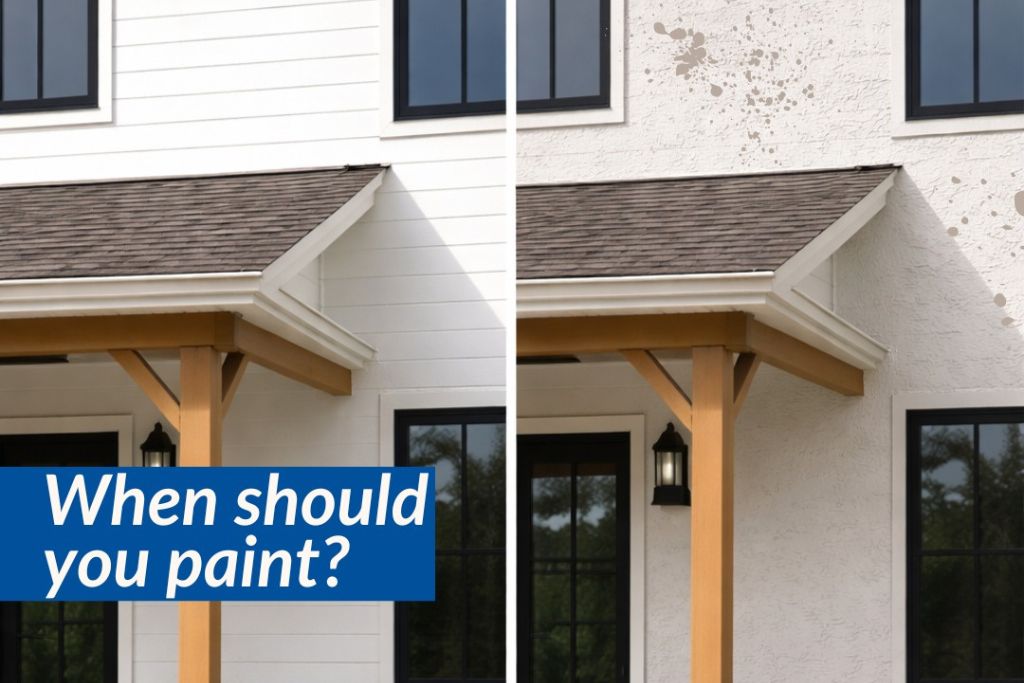
    How Long Exterior Paint Lasts in Columbus Weather (And What Affects It)

    A fresh coat of paint does more than improve your home’s look; it pulls everything together. It sharpens curb appeal, protects your exterior, and makes your space feel cared for. And while painting your home is always an exciting update, one question always follows: how long will it actually last in Columbus weather?

    The honest answer? It depends. Several factors influence how long exterior paint holds up, especially in a climate like ours.

    How Long Exterior Paint Typically Lasts in Columbus

    In general, exterior paint can last 5 to 10 years. However, in Columbus,Ohio, that range often leans toward the middle.

    Why? Our weather works overtime.

    • Hot, humid summers can cause paint to expand and soften
    • Cold winters and freeze-thaw cycles lead to cracking and peeling
    • Rain, snow, and moisture increase the risk of mildew and wear
    • UV exposure fades color over time

    All of this means your paint is constantly contracting, expanding, and weathering the elements.

    Key Factors That Affect Paint Lifespan

    Not all paint jobs age the same. Here’s what really makes the difference:

    1. Surface Material

    Wood siding typically needs repainting sooner (around 3 to 7 years), while brick or fiber cement can last longer.

    2. Paint Quality

    Higher-quality paints hold color better and resist cracking, peeling, and moisture damage.

    3. Prep Work

    Proper cleaning, sanding, and priming create a strong foundation. Skipping prep shortens lifespan, every time.

    4. Application

    Even coats and the right techniques matter. Professional application ensures better adhesion and durability.

    5. Sun Exposure

    Sides of your home that get direct sunlight will fade and wear faster than shaded areas.

    Signs It’s Time for a Repaint

    Not sure if your home is ready? Look for these quick indicators:

    • Fading or dull color
    • Peeling, cracking, or bubbling paint
    • Visible wood or surface underneath
    • Mold, mildew, or water stains
    • Chalky residue when you touch the surface

    If you’re noticing more than one of these, it’s likely time for a refresh.

    A Smarter Approach to Exterior Painting

    At Color World Columbus, we take the guesswork out of exterior painting. Our team evaluates your home’s current condition, considers Columbus-specific weather factors, and recommends the right timing and products for long-lasting results.

    We focus on proper prep, high-quality materials, and expert application, because a great paint job isn’t just about how it looks today but how it holds up years from now.

    Make Your Next Paint Job Last

    Exterior paint isn’t meant to last forever, especially in a climate like Columbus and surrounding areas like Dublin, Westerville, and Grove City. But with the right approach, you can maximize its lifespan and keep your home looking its best.

    And when it’s time for that next refresh, you’ll know exactly who to call.
  • Front Door Colors Columbus Loves (And What They Say About You)

    Front Door Colors Columbus Loves (And What They Say About You)

    Your front door does more than open and close. It sets the tone. It’s the first thing guests notice and the last detail they remember. In a city like Columbus, and throughout Ohio communities like Dublin, Westerville, and Grove City, where curb appeal matters year-round, your front door color quietly tells a story before you ever say a word.

    Choosing the right shade isn’t always easy. You want something that fits your home’s architecture, complements your exterior, and still feels like you. That’s where a little inspiration, and a bit of meaning, can help.

    The Most Popular Front Door Colors in Columbus (And What They Mean)

    Classic Black

    Timeless and sharp, black doors are a staple across Columbus, Ohio neighborhoods. They pair well with almost any exterior and instantly elevate a home’s look.

    What it says: You value sophistication, strength, and a no-fuss sense of style.

    Crisp White

    Clean, bright, and endlessly versatile, white doors feel fresh in every season. They work especially well on traditional or farmhouse-style homes.

    What it says: You appreciate simplicity, order, and a welcoming, open feel.

    Bold Red

    Red doors stand out, in the best way. They bring warmth and energy to a home, even on gray Midwest days.

    What it says: You’re confident, inviting, and not afraid to make a statement.

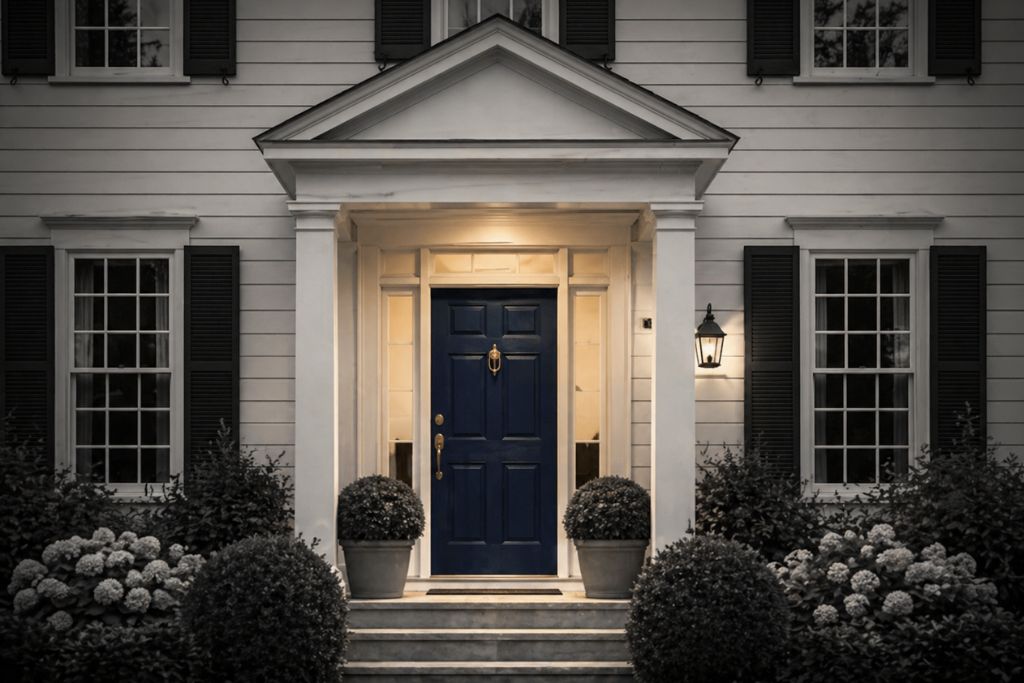
    Deep Blue (Navy & Slate)

    Blue continues to trend across Columbus, especially in deeper, moodier tones. It’s a modern choice that still feels grounded.

    What it says: You’re calm, dependable, and quietly stylish.

    Earthy Green

    From sage to forest green, these tones connect beautifully with nature. They’re especially popular in leafy neighborhoods and suburban settings.

    What it says: You’re balanced, grounded, and drawn to a sense of harmony.

    Warm Wood Tones

    Natural wood or wood-look finishes are making a strong comeback. They add texture and authenticity to a home’s exterior.

    What it says: You value craftsmanship, warmth, and a connection to tradition.

    Choosing the Right Color for You

    If you want a polished, timeless look, go black or navy.
    If your goal is warmth and personality, red or green might be your match.
    If you love a clean, airy feel, white is hard to beat.

    But here’s the truth: while trends and meanings are helpful, the best choice is always the one that feels right for your home and your style.

    How Color World Columbus, Ohio Can Help

    At Color World Columbus, we know that the “perfect color” isn’t one-size-fits-all. It’s all about balance: between your home’s character, your neighborhood, and your personal taste. Our team helps you narrow down options, test finishes, and land on a color that feels just right.

    Your front door is a small detail with a big impact. Whether you go bold or keep it classic, it’s an opportunity to express your style before anyone even steps inside. And when you’re ready to refresh it, we’re here to help you make it count.

  • Patio Size Guide: How to Plan the Perfect Fit for Your Backyard

    Patio Size Guide: How to Plan the Perfect Fit for Your Backyard

    A great patio doesn’t just fill space, it creates it. It gives your backyard purpose, structure, and a place to actually live outdoors. Here in Pennsylvania, where we soak up every bit of patio season from spring mornings to crisp fall evenings, getting the size right matters more than you might think.

    It’s easy to get excited and jump straight into design. But before you pick materials or layouts, the real foundation of a successful patio starts with one question: How big should it be?

    Why Size Matters More Than You Think

    A patio that’s too small feels cramped. Too large, and it can overwhelm your yard. The right size strikes a balance: it supports how you use the space while still leaving room for landscaping, movement, and flow.

    And that balance starts with a plan.

    Start With How You’ll Actually Use It

    Before anything else, think function first.

    • Will you host large gatherings or keep things more low-key?
    • Do you want space for dining, lounging, or both?
    • Are features like a fire pit or outdoor kitchen on your list?

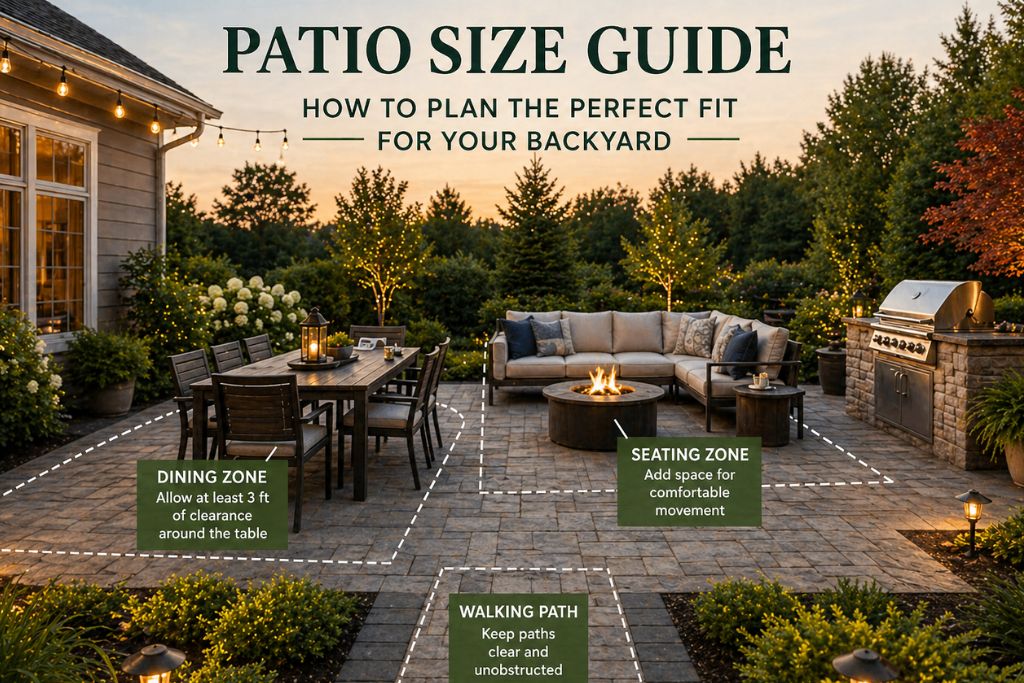
    Each use requires space. For example, a dining setup alone typically needs room for a table plus at least 3 feet of clearance around it.

    Map Out Your Zones Early

    The best patios aren’t just one open slab. They’re intentional.

    Create zones for:

    • Dining
    • Seating or lounging
    • Walking paths

    Even in smaller backyards, defining these areas helps your patio feel organized and easy to use. It also prevents overcrowding.

    Work With Your Yard, Not Against It

    Every backyard in Pennsylvania comes with its own quirks. In the Lehigh Valley, that might mean the hills and elevation changes you’ll find in Bethlehem, tighter lot sizes and older layouts in Allentown, or tree-filled properties and uneven terrain common in Easton and surrounding townships like Lower Macungie Township and Upper Saucon Township. From slopes and mature trees to tricky drainage patterns, each yard presents its own challenges and opportunities when planning the perfect patio.

    Instead of forcing a size, let your space guide you:

    • Sloped yards may need tiered or smaller patios
    • Mature trees can shape natural boundaries
    • Drainage areas should always be left clear

    A well-sized patio feels like it belongs, not like it was squeezed in.

    Don’t Forget Breathing Room

    One of the most common mistakes? Using every inch of available space.

    Leaving room around your patio allows for:

    • Landscaping and greenery
    • Easier movement
    • A more natural, balanced look

    Sometimes, slightly smaller creates a much better overall feel.

    So, What’s the Right Size?

    Most patios fall somewhere between 150 to 500 square feet, depending on use. Smaller patios work well for intimate seating, while larger ones support multiple zones and purposes.

    The “perfect” size isn’t about hitting a number. It’s about matching your lifestyle, your yard, and how you want the space to feel.

    Built Around the Way You Live

    At Creative Landscapes in Bath, the process doesn’t start with square footage. It starts with you. The focus is on how the space is used, what the property allows, and how to bring everything together in a way that feels seamless.

    From layout planning to final installation, every detail is considered so your patio doesn’t just fit but also functions beautifully.

    A Patio That Feels Just Right

    The best patios aren’t the biggest or the most elaborate. They’re the ones that feel natural the moment you step onto them.

    When size, layout, and design all work together, your backyard becomes more than a space. It becomes a place you’ll want to be, season after season.

  • How Much Exercise Does Your Puppy Really Need? A Practical Guide for Growing Dogs

    How Much Exercise Does Your Puppy Really Need? A Practical Guide for Growing Dogs

    We all know what it feels like to need movement.

    A walk clears your head. A bit of activity resets your energy. It’s not just about staying in shape, it’s about feeling balanced.

    Puppies are no different.

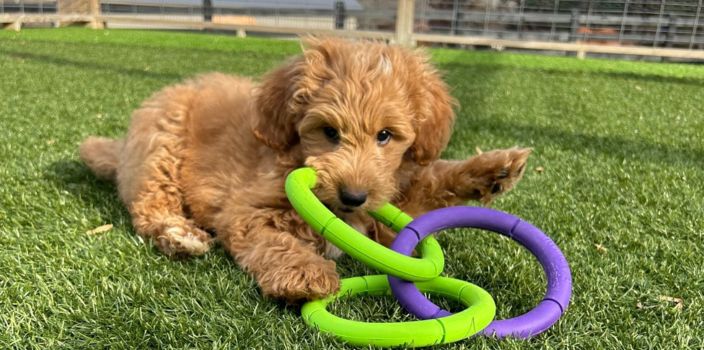
    Exercise plays a role in how they grow, how they behave, and how they settle into daily life. And while it’s easy to assume “more is better,” that’s not always the case. Especially for young, developing dogs.

    Why Exercise Matters: Beyond the Physical

    Exercise isn’t just about burning off energy.

    For puppies, it supports muscle development, coordination, and overall health. Just as importantly, it helps with mental stimulation. A well-exercised puppy is more likely to be calm, focused, and receptive to training.

    Without enough activity, puppies can become restless or develop unwanted behaviors. But too much exercise, especially too soon, can put stress on growing joints.

    Finding the right balance is key.

    How Much Exercise Does Your Puppy Really Need?

    There isn’t a one-size-fits-all answer, but there are clear guidelines that can help.

    Start with Age-Based Guidelines

    A commonly recommended approach is the “5-minute rule”:

    • 5 minutes of structured exercise per month of age
    • Up to twice per day

    For example:

    • A 3-month-old puppy → about 15 minutes per session
    • A 5-month-old puppy → about 25 minutes per session

    This includes walks and intentional play, not free roaming.

    Consider Breed and Energy Level

    Not all puppies are built the same.

    • High-energy breeds (like working or sporting dogs) may need more frequent activity and mental challenges.
    • Lower-energy breeds may be satisfied with shorter, gentler sessions.

    What matters most is observing your puppy. Energy levels, attention span, and recovery all provide useful signals.

    Prioritize Quality Over Intensity

    Exercise for puppies should be controlled and age-appropriate.

    Good options include:

    • Short walks on even surfaces
    • Gentle play sessions
    • Basic training exercises (which also provide mental stimulation)

    Activities to limit or avoid:

    • Long-distance running
    • Repetitive jumping (like catching frisbees)
    • Hard-impact play on rough surfaces

    Puppies are still developing. Their joints and bones need time to grow properly.

    Watch for Signs of Overexertion

    It’s easy to overdo it, especially with an enthusiastic puppy.

    Look for signs like:

    • Slowing down or lagging behind
    • Excessive panting
    • Lying down mid-activity

    If you notice these, it’s time to stop and rest. Recovery is just as important as activity.

    Don’t Forget Mental Exercise

    Physical activity is only part of the picture.

    Training sessions, puzzle toys, and new environments all help stimulate your puppy’s mind. In many cases, mental enrichment can be just as tiring, and just as beneficial, as a walk.

    A Thoughtful Approach to Healthy Puppies

    At Georgia Dog Club, we place a strong emphasis on overall wellbeing.

    That means helping families understand not just how to care for their puppies but how to support their development in a balanced, informed way. Exercise is a big part of that, but it’s always approached with intention.

    Healthy puppies aren’t just active. They’re supported, guided, and given what they need at the right time.

    Finding the Right Rhythm

    The goal isn’t to tire your puppy out. It’s to build a routine that works for their age, breed, and stage of development.

    When exercise is done right, you’ll see it. Better focus. Smoother training. A puppy that knows when it’s time to play… and when it’s time to rest.

    And that’s where everything starts to come together.

    If you’re up for another good read, these articles are a great place to start:

  • Backyard Personality Test: What Your Patio Style Says About You

    Backyard Personality Test: What Your Patio Style Says About You

    Your backyard isn’t just extra space. It’s an extension of your home. Around here in Pennsylvania, especially throughout the Lehigh Valley in areas like Allentown, Bethlehem, and Easton, where we make the most of warm evenings and crisp fall weekends, a well-designed patio becomes the heart of it all. It’s where you host, unwind, and create those everyday moments that feel a little more special.

    And whether you realize it or not, your patio style says a lot about you.

    What’s Your Backyard Personality?

    Every outdoor space is unique. Still, most fall into a few familiar styles. Not sure where yours lands? Let’s have a little fun with it.

    The Cozy Gatherer

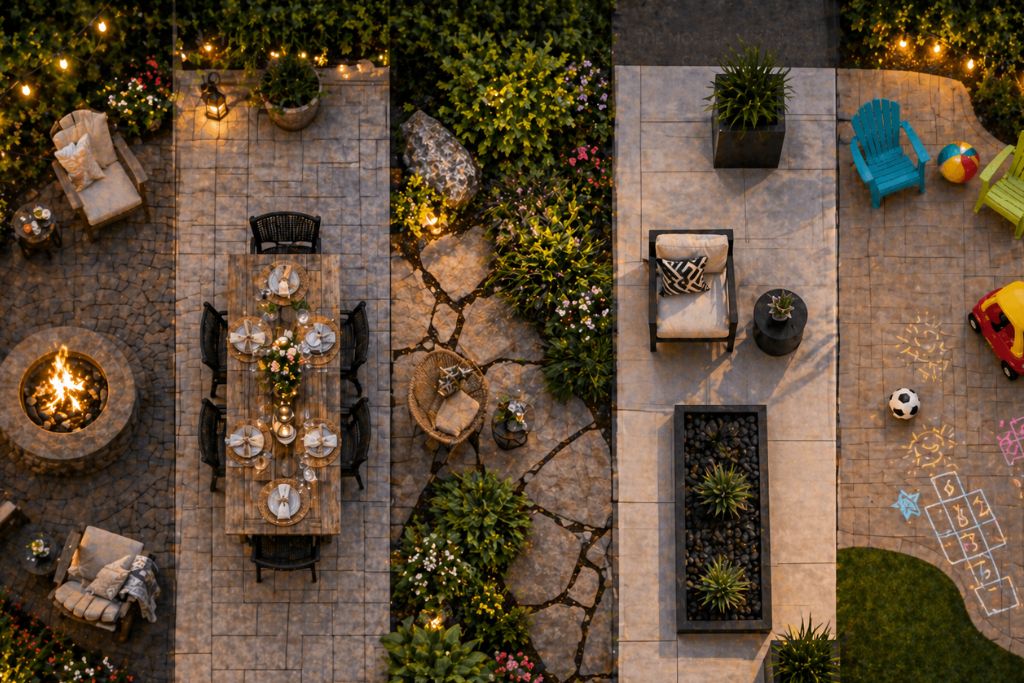
    Think soft seating, warm lighting, maybe even a fire pit. Your patio is built for connection: long chats, shared meals, and relaxed nights outdoors.

    What it says about you: You value comfort, community, and creating a space where everyone feels at home.

    The Entertainer

    You’ve got defined zones, plenty of seating, and maybe an outdoor kitchen or bar setup. Your space is ready for anything.

    What it says about you: You’re social, organized, and love bringing people together, especially on those perfect summer nights in neighborhoods from Lower Macungie Township to Forks Township.

    The Nature Lover

    Your patio blends seamlessly with the landscape. Think natural stone, lush greenery, and a design that feels calm and grounded. This is something often seen in more wooded areas like Upper Saucon Township or Whitehall Township.

    What it says about you: You appreciate balance, quiet moments, and a strong connection to the outdoors.

    The Modern Minimalist

    Clean lines, neutral tones, and a “less is more” approach. Everything has a purpose, and nothing feels cluttered.

    What it says about you: You’re intentional, detail-oriented, and drawn to simplicity that still makes a statement.

    The Family Hub

    Durable materials, open space, and room to move. Your patio is built for real life: kids, pets, and everything in between. This works well whether you’re in a suburban setting like Nazareth or a growing community like Emmaus.

    What it says about you: You prioritize function, flexibility, and making memories with the people who matter most.

    Finding the Right Style for You

    If you’re drawn to cozy spaces, lean into layered textures and warm lighting.

    If entertaining is your thing, focus on layout and flow.

    If you love nature, incorporate organic materials and greenery.

    The key is designing a space that fits how you actually live. Not just what looks good, but what feels right every time you step outside.

    Designed With You in Mind

    At Creative Landscapes, great outdoor spaces start with understanding you. This includes how you use your space, what you need from it, and how it should feel at the end of a long day.

    From custom patios to full backyard transformations across the Lehigh Valley, the focus is on bringing thoughtful design and expert craftsmanship together so your outdoor space isn’t just beautiful, but also works for your lifestyle.

    Your Backyard, Your Story

    At the end of the day, there’s no one “right” patio style. The best spaces are the ones that reflect you. Your pace, your people, your way of living.

    And when it’s done right, your backyard doesn’t just look good. It feels like home.

  • The Dog Mom Quiz: What Type Are You?

    The Dog Mom Quiz: What Type Are You?

    Let’s be honest: Your dog isn’t just a dog.

    They’re your baby. Your shadow. Your emotional support on long days. The one who somehow knows exactly when you need a cuddle (or a little chaos). That bond? It’s real. And if you’re a dog mom, you feel it every single day.

    Being a dog mom is a privilege. And it shows up in different ways. So with Mother’s Day around the corner, we thought we’d ask the important question:

    What kind of dog mom are you, really?

    Let’s find out.

    The Dog Mom Quiz (Be Honest!)

    1.Your dog wakes you up early. You…

    A. Already awake. Walk time.

    B. Stretch, cuddle, then get up slowly.

    C. Panic. Are they okay? Why are they up?

    D. Pretend to sleep for five more minutes.

    2. Your camera roll looks like…

    A. Park days, walks, action shots.

    B. Cozy naps and soft moments.

    C. 500 close-ups of their face.

    D. Random. But yes, mostly your dog.

    3. Treat time means…

    A. Only after good behavior.

    B. A little reward here and there.

    C. They blinked. That deserves a treat.

    D. Wait… where did I put the treats?

    4. A typical walk is…

    A. Structured and consistent.

    B. Relaxed, letting them explore.

    C. You watching them the entire time.

    D. Wherever they want to go.

    5. When your dog seems “off,” you…

    A. Observe first, then act if needed.

    B. Give extra love and monitor.

    C. Google everything immediately.

    D. Assume they’re fine… probably.

    6. Bedtime situation?

    A. Their own bed, same spot every night.

    B. Somewhere comfy nearby.

    C. In your bed. Obviously.

    D. Wherever they end up.

    7. Buying for your dog feels like…

    A. Purposeful. Only what they need.

    B. A mix of needs and cute finds.

    C. Everything. They deserve it all.

    D. Last-minute but it works out.

    Your Results

    Mostly A’s: The Structured Queen

    You bring consistency, routine, and balance. Dogs thrive on structure, and you naturally provide it. Training, exercise, and proper care? You’ve got it covered.

    Mostly B’s: The Cozy Caregiver

    Your dog feels safe, calm, and deeply loved. You focus on comfort and connection, which is key… especially for young or anxious pups.

    Mostly C’s: The Devoted (Slightly Obsessed) Mom

    You’re tuned into every detail, and that’s a good thing. Being attentive helps you spot changes early and stay proactive about your dog’s health.

    Mostly D’s: The Go-With-The-Flow Mom

    You keep things easy, natural, and fun. Your dog enjoys freedom and flexibility. Add a little structure, and you’ve got the perfect balance.

    What Your Dog Actually Needs

    No matter your result, every dog benefits from a mix of:

    • Routine
    • Mental and physical stimulation
    • Proper nutrition
    • And, of course, love

    Some moms lean one way more than others. And that’s okay! It’s all about finding what works for you and your pup.

    We See Every Type. And We Love It

    We meet all kinds of dog moms every day. First-time puppy parents, seasoned pros, and the ones already planning their pup’s birthday party.

    Wherever you fall, we’re here to help you do it right – from choosing the perfect puppy to giving them the best start possible.

    Happy Mother’s Day, Dog Moms

    However you show up for your pup (structured, cozy, chaotic, or all of the above!), you’re doing something special.

    Because to them?

    You’re not just their mom.

    You’re their whole world.

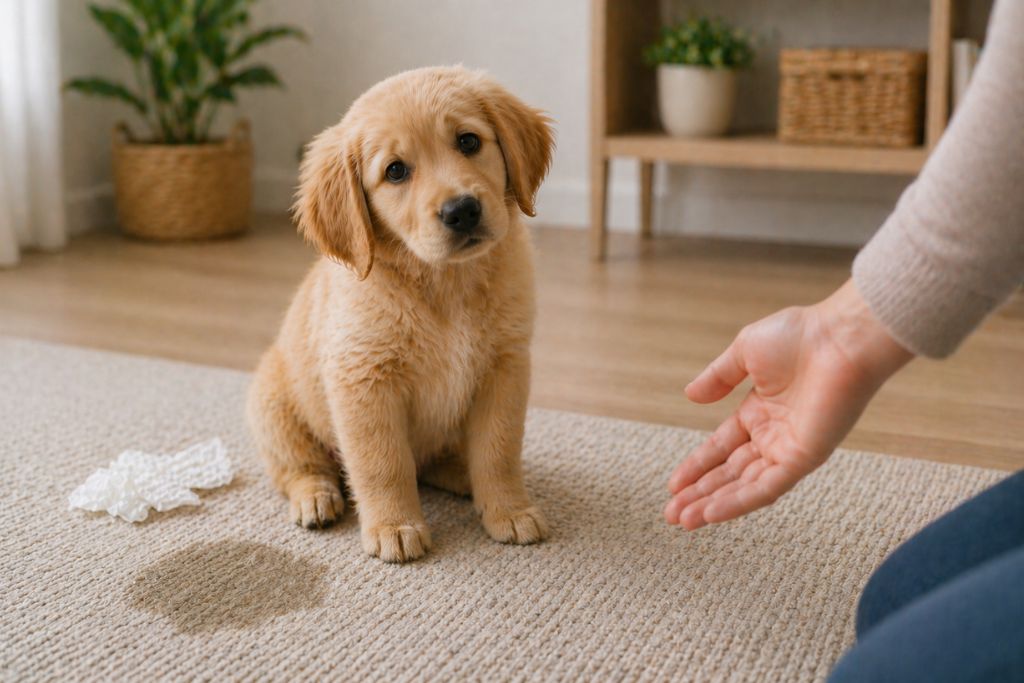
  • Why Isn’t My Puppy Potty Trained Yet? What’s Normal and What You Can Do

    Why Isn’t My Puppy Potty Trained Yet? What’s Normal and What You Can Do

    Bringing a puppy home is a lot of things. It’s fun. It’s chaotic. It’s a little bit life-changing.

    And then there’s potty training.

    You’ve been consistent. You’ve been trying. And still… accidents happen. It’s easy to wonder if something’s going wrong.

    In most cases, it’s not.

    What Potty Training Really Means (and How Long It Takes)

    Potty training isn’t just teaching a puppy where to go.

    It’s teaching timing, routine, and awareness. Puppies are learning to control their bladder, understand cues, and connect actions to outcomes.

    Most puppies start learning as soon as they come home. But full reliability takes time. For many, it can take several weeks to a few months depending on age, consistency, and routine.

    Accidents during this stage are completely normal.

    Why Your Puppy Isn’t Potty Trained Yet

    If progress feels slow, there’s usually a reason. And it’s often something simple.

    They’re Still Developing

    Young puppies don’t have full bladder control yet.

    A general guideline is one hour of control per month of age. A two-month-old puppy may only hold it for about two hours. Expecting more too soon can lead to accidents.

    The Routine Isn’t Consistent Yet

    Puppies learn through repetition.

    If bathroom breaks happen at different times each day, it becomes harder for them to understand when they’re supposed to go. Consistency helps them build that connection.

    They’re Missing Key Moments

    Timing matters.

    Puppies usually need to go:

    • Right after waking up
    • After eating or drinking
    • After playtime

    Missing these windows often leads to accidents indoors.

    They Don’t Fully Understand Yet

    Even if your puppy is doing well sometimes, it doesn’t mean they’ve mastered it.

    Learning takes repetition. Praise and reinforcement help them understand when they’ve done the right thing.

    The Environment Changed

    New spaces can reset progress.

    If you’ve moved rooms, changed routines, or introduced new stimuli, your puppy may need time to adjust and relearn where to go.

    A Few Ways to Help Things Along

    Keep it simple and consistent.

    Take your puppy out frequently and use the same spot when possible. Stay with them until they go, then reward immediately. This helps them connect the behavior with a positive outcome.

    Supervision also matters. If you can’t watch closely, a crate or confined space can help prevent accidents and support training.

    Clean accidents thoroughly. Lingering scent can encourage repeat behavior in the same spot.

    Patience Makes the Difference

    This part can test you a bit.

    But puppies aren’t being stubborn or difficult. They’re learning. And like any new skill, it takes time, repetition, and a steady approach.

    You’re Not Behind, You’re in the Process

    If your puppy isn’t fully potty trained yet, you’re not alone. And you’re not doing it wrong.

    With consistency, clear routines, and a little patience, it will come together.

    And when it does, it’s more than just a small win. It’s a clear sign that you and your puppy are learning, growing, and getting it right together.

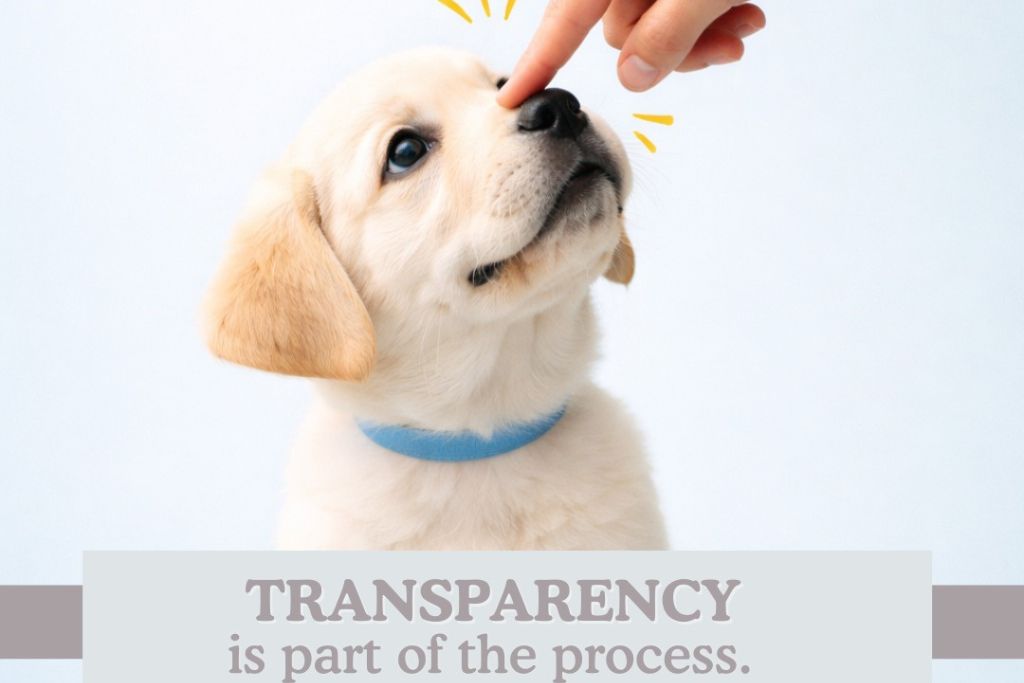
  • Why Transparency Matters When Choosing a Puppy and How Wags About You Gets It Right

    Why Transparency Matters When Choosing a Puppy and How Wags About You Gets It Right

    At some point in the search, most people realize it’s not just about finding a puppy. It’s about trying to understand the where and how of it all.

    Photos and first impressions only go so far. What really matters is the information you can’t see right away: where the puppy was raised, how they were cared for, and whether you’re getting clear, honest answers when you ask.

    That’s where transparency comes in, and why it matters more than people expect.

    It’s Not Just About the Puppy, It’s About the Process

    When people picture bringing a puppy home, they think about the fun parts. The playtime, the bonding, the new routines.

    But everything that happens before that moment matters just as much.

    Transparency means you’re not filling in gaps or making assumptions. You’re given real information: about the puppy’s background, their care, and what to expect moving forward. That kind of clarity doesn’t just help you choose a puppy. It helps you feel confident in the decision.

    At Wags About You, that clarity is part of the experience from the start.

    Why Transparency Matters When Choosing a Puppy

    Here’s what transparency actually does for you and your future dog:

    You Know Exactly Where Your Puppy Comes From

    One of the first things to look for is a clear answer to a simple question: Where did this puppy come from?

    At Wags About You, that answer is straightforward. Puppies are sourced from carefully chosen breeders who meet strong standards for care and responsibility. These relationships are intentional, not transactional.

    That means you’re not guessing. You’re informed.

    You Understand the Care They’ve Received

    A puppy’s early weeks shape their development in real ways.

    Nutrition, handling, and early socialization all play a role in how they adjust to a new home. When a business is transparent, they walk you through that early care, not just the end result.

    At Wags About You, that information is part of the conversation, not something you have to chase down.

    You Get Clear, Honest Information, Not Sales Talk

    Transparency also shows up in how things are explained.

    You should be able to ask about breed traits, energy levels, and what daily life will actually look like, and get answers that are straightforward and useful.

    At Wags About You, the goal is to help you find the right fit, not just any fit. That means being honest about what each puppy needs and what kind of home will suit them best.

    It Builds Trust That Lasts

    When things are clear from the beginning, it changes the entire experience.

    You feel more comfortable asking questions. You feel supported, not rushed. And you leave knowing you made a well-informed choice, not a quick one.

    That kind of trust doesn’t happen by accident. It’s built through consistency and openness.

    How Wags About You Prioritizes Transparency

    At Wags About You, transparency isn’t a feature or add-on. It’s a standard.

    Puppies come from responsible breeders who are selected for their commitment to proper care and ethical practices. There’s clear communication around sourcing, early care, and what families can expect.

    Information is shared openly, and questions are encouraged. The process is designed to be straightforward, so families feel confident every step of the way.

    What That Means for You

    When transparency is part of the process, everything feels different.

    You’re not second-guessing where your puppy came from. You’re not wondering if you missed something important. You’re starting with a clear understanding, and that sets you up for a better experience long-term.

    At Wags About You, that’s the goal. Not just helping you find a puppy, but making sure you feel good about how you found them, too.

    More Helpful Reads From Wags About You From planning and preparation to everyday puppy care, our articles are here to help you feel informed and confident as a pet parent. Check out the related posts below to keep learning with us.

  • Why Your Dog Always Knows When You’re Eating Something Good

    Why Your Dog Always Knows When You’re Eating Something Good

    The Science of the Snack Radar: Why Dogs Know You’re Eating

    You open a bag of chips as quietly as possible.

    You pause. Listen. Look around.

    The coast seems clear.

    Then suddenly… tap, tap, tap. Tiny paws approach. A wet nose appears beside your elbow. And two hopeful eyes lock onto your snack like a heat-seeking missile.

    How did they know?

    You didn’t call them. You didn’t drop anything. You barely made a sound.

    And yet somehow, your dog knew you were eating something good before you even took the first bite.

    Welcome to the mysterious (and undefeated!) world of your dog’s snack radar.

    The Sneaky Science Behind Your Dog’s Food Detection

    As adorable as it is, your dog’s ability to detect snacks isn’t magic. It’s science. And their senses are incredible.

    Here’s what’s really happening behind the scenes.

    Their nose is basically a superpower.

    Dogs have up to 300 million scent receptors in their noses. Humans? Around six million. That means dogs can detect smells at levels we can barely imagine. Even the faint scent of cheese, chicken, or popcorn drifting through the air is practically a dinner bell.

    Food smells stronger to them than it does to us.

    When you smell pizza, it smells good. When your dog smells pizza, it’s like the scent fills the entire room. Their brain dedicates far more space to analyzing smells than ours does.

    They’re reading your behavior.

    Dogs don’t just rely on scent. They’re also expert observers. Studies show dogs are remarkably good at reading human cues, including body language and patterns. Opening the fridge, grabbing a plate, sitting on the couch with a bowl… These are all signals your dog has memorized.

    They’ve learned food might fall.

    Let’s be honest. Something eventually hits the floor. Dogs know this. Over time, they learn that hanging out near humans eating food can lead to a lucky snack drop.

    Why Dogs Are Especially Curious About Human Food

    Human food smells richer because it often contains fats, proteins, and seasonings dogs find irresistible. These strong aromas travel easily through the air, making them impossible for a dog to ignore.

    On top of that, dogs are naturally curious scavengers. In the wild, finding food often means investigating every interesting smell. So when something delicious appears in your kitchen, their instincts kick in.

    Translation: your sandwich never stood a chance.

    Understanding Your Dog’s Snack Radar

    We see this behavior all the time. And honestly, it’s part of what makes dogs so charming. Their curiosity, intelligence, and powerful senses are reminders of just how amazing our canine companions really are.

    Understanding why dogs act the way they do helps pet parents respond in healthy ways. Not every human snack is safe for dogs, but their interest in food is completely natural.

    The more you learn about your dog’s instincts, the easier it becomes to guide them with good habits, proper nutrition, and enrichment.

    One Thing’s for Sure…

    Your dog may not know what taxes are.

    They might not understand the concept of personal space.

    But the moment you open a bag of snacks? They know.

    And somehow, they always arrive right on time. 

    Hungry for more? The next chapter’s even better! Follow the paw prints below to keep reading.


    The Love Languages of Dogs (Yes, They’re Real!)
    Spring Fever, Fur Real: What Happens to Your Dog’s Personality When Winter Ends?


  • AKC Registration With Health Testing: What Every Future Puppy Parent Should Know

    AKC Registration With Health Testing: What Every Future Puppy Parent Should Know

    importance of puppy health screening

    New puppy parents quickly encounter many unfamiliar terms. Two of the most common are AKC registration and health testing.

    Because these terms appear often, and refer to two different things.

    Understanding each can help you make confident choices when welcoming a puppy into your family. It also helps you know what to look for when choosing where your puppy comes from.

    Let’s take a closer look.

    What Is AKC Registration?

    The American Kennel Club (AKC) is one of the most well-known and reputable dog registries in the United States. When a dog is AKC registered, it means the dog’s lineage has been recorded with the organization.

    Registration confirms that a puppy comes from a documented purebred line. AKC registration allows dog owners to track pedigree records. It also gives access to AKC events, training programs, and educational resources.

    However, it is important to understand what AKC registration does not mean.

    Registration alone does not guarantee a dog’s health. It simply confirms documented breed lineage.

    What Is Health Testing?

    Health testing focuses on the well-being of a dog and its breed-specific health risks.

    Veterinarians and specialists perform these tests to identify inherited health conditions that may affect certain breeds.

    Responsible breeders often screen for issues such as hip dysplasia, heart conditions, eye disorders, or genetic diseases common within specific breeds. These evaluations help reduce the risk of passing hereditary health conditions to future puppies.

    Because every breed is different, recommended tests may vary.

    If you have a desire for a particular breed of dog, we recommend you research common conditions and diseases that are common to that breed. This will give you a base of information when checking to see if your puppies parents have been health tested for these health-related traits.

    How AKC Registration and Health Testing Work Together

    Although they are different, these two factors often work hand in hand.

    AKC registration documents a puppy’s lineage and breed history. Health testing helps ensure responsible breeding practices and supports long-term canine health. When both elements are considered together, they provide a clearer picture of a puppy’s background and care.

    For future pet parents, this knowledge creates greater peace of mind.

    How Petland Supports Responsible Breeding

    At Petland, we believe education and transparency matter.

    We work closely with experienced breeders who follow responsible breeding practices and prioritize the health and well-being of their dogs.

    Our team partners with breeders who meet high standards for care, socialization, and veterinary oversight. We also encourage responsible health testing and proper documentation.

    Just as important, we help families understand the information behind each puppy. Our knowledgeable team can explain breed traits, health considerations, and what to expect as your puppy grows.

    Helping Families Find the Right Puppy

    Choosing a puppy should feel exciting, not confusing.

    Understanding terms like AKC registration and health testing helps you make informed decisions with confidence.

    At Cosmick Media SEO Blogs, we are here to guide you through every step of the journey. Our goal is simple: help families connect with happy, healthy puppies while providing the knowledge needed for a lifetime of care.

    Bringing home a puppy, after all,  isn’t just a purchase. It’s the beginning of a new family story.

    Hungry for more? The next chapter’s even better! Follow the paw prints below to keep reading.

    Buying a Puppy from Petland: What to Know Before You Bring One Home
    The Ethical And Welfare Implications Of Buying From Petland Explained