Author: cosmick

  • How to Read Your Puppy’s Stress Signals

    How to Read Your Puppy’s Stress Signals

    Life with a puppy is full of happy firsts. You want those early days to feel safe, calm, and positive, too. Learning to recognize stress signals can help you understand when your puppy needs a little more space.

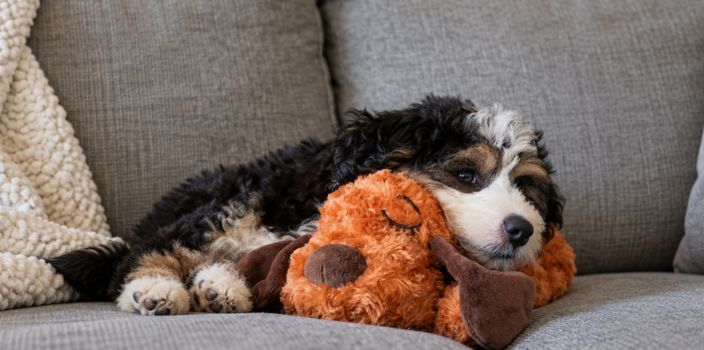
    Puppies cannot say, “That was too much.” They communicate through their bodies instead. Small changes in posture, eyes, ears, tail, and behavior can give you an important clue.

    What are the most common signs of stress in puppies?

    Look at your puppy’s whole body and the situation around them. One behavior alone does not always mean your puppy is stressed. The AKC’s guide to stress signals explains why these signs should be considered together and in context.

    1. Are they licking their lips or yawning repeatedly?

    Lip licking and repeated yawning can signal stress, especially during an unfamiliar experience. A sleepy puppy yawning after a nap is different. Context matters.

    What to do: Pause and give your puppy time to settle.

    2. Is their tail tucked or their body lowered?

    A tucked tail, crouched posture, or lowered body can signal fear or uncertainty.

    What to do: Increase the distance from whatever is worrying your puppy.
    That might mean keeping a first outing around Longs simple. A quiet walk near Popular Park may feel very different from a busy gathering. Go at your puppy’s pace.

    3. Have their ears moved back or are you seeing “whale eye”?

    Ears pulled back can indicate nervousness. “Whale eye” happens when a puppy turns away while keeping their eyes fixed on something, exposing more of the whites.

    What to do: Do not force your puppy closer. Let them create some distance.

    4. Are they panting, pacing, or shaking?

    Panting after play is normal. Panting during quiet activity can have another cause. Pacing and trembling can also accompany stress.

    What to do: Think about what changed. A new person, loud sound, unfamiliar place, or crowded setting could be the trigger.

    A puppy experiencing the sounds around the Longs area may need more time to adjust than one relaxing at home.

    5. Have they suddenly frozen or started growling?

    Freezing can mean a puppy feels overwhelmed. Growling is also communication. It can warn that your puppy feels uncomfortable and needs space.

    What to do: Stop the interaction and give your puppy room. Do not punish the warning.

    How can you help a stressed puppy feel secure?

    Remove pressure, create distance, and give your puppy time to recover. Then try again later at a gentler pace.

    Short, manageable experiences are easier to process than one overwhelming introduction.

    How can South Carolina Dog Club support your puppy journey?

    South Carolina Dog Club focuses on thoughtfully raised puppies, responsible breeder relationships, puppy health, and helping families prepare for life together. We also provide puppy-care and training resources to help families beyond adoption.

    Understanding stress signals is one more way to become the person your puppy can trust.

    Sometimes the best response is simple: notice, pause, and listen.

    If you’re up for another good read, these articles are a great place to start:
  • How Genetics Shape Puppy Behavior

    How Genetics Shape Puppy Behavior

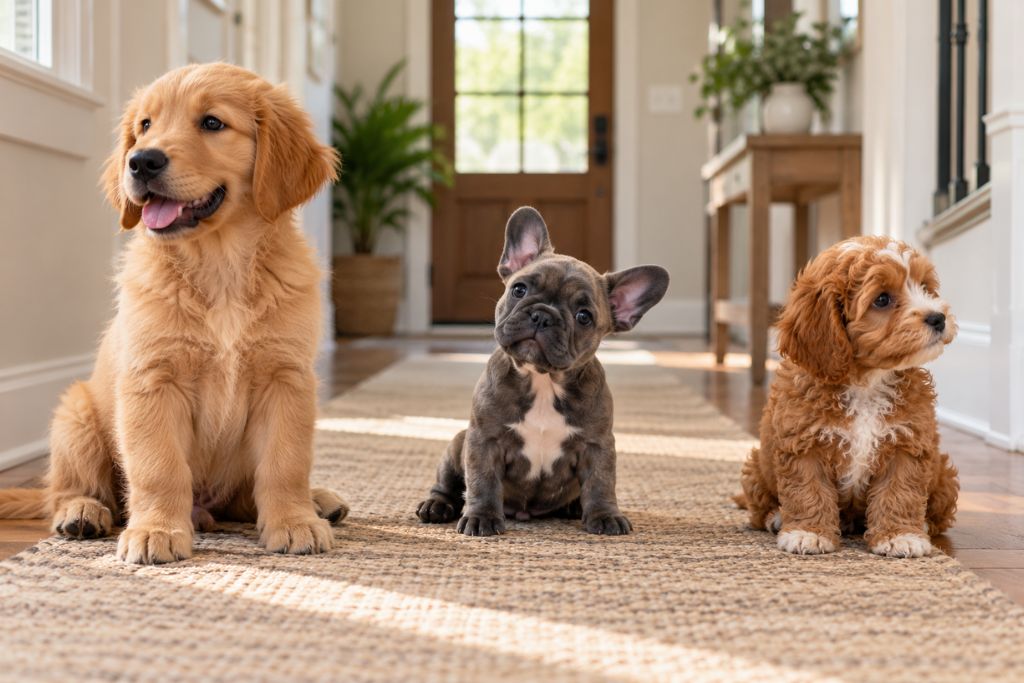
    Your puppy is one of a kind, but genetics help shape the personality you are getting to know. They can influence traits such as sociability, playfulness, caution, and how strongly a dog responds to certain situations. Environment and learning matter, too.

    That combination makes every puppy different. A puppy settling into a home in Roanoke may respond to new experiences differently from their littermate, even when both have had similar care.

    How much do genetics influence puppy behavior?

    Genetics can influence behavior without completely determining it. Research has found meaningful genetic differences in canine behavior, including traits connected to social interaction, play, fear, and environmental responses. Studies also show that breed alone is a limited way to predict an individual dog’s behavior. Research summary from the Broad Institute

    So, if your puppy seems naturally outgoing, observant, energetic, or cautious, genetics may be part of the explanation.

    Still, genes are not a personality crystal ball.

    Which puppy behaviors can genetics influence?

    Inherited traits can contribute to several natural behavioral tendencies.

    • Sociability: Some puppies naturally seek more interaction with people.
    • Playfulness: Certain genetic backgrounds can contribute to stronger play and activity tendencies.
    • Caution: Some puppies approach unfamiliar people, places, or objects more carefully.
    • Working behaviors: Herding, retrieving, tracking, and other behaviors can have genetic roots.
    • Sensitivity: Puppies can differ in how strongly they respond to unfamiliar situations.

    You may notice these differences when puppies encounter something new. One might approach an unfamiliar sound with curiosity, while another watches from a comfortable distance.

    Neither puppy is doing it wrong.

    Can your puppy’s environment change inherited tendencies?

    Absolutely. Genetics provide tendencies, while experiences help shape how those tendencies develop.

    A naturally cautious puppy can gain confidence through calm, positive experiences. An energetic puppy can learn appropriate outlets for that energy. A social puppy still needs guidance around new people and dogs.

    Even an everyday experience, such as hearing a new household sound or visiting a quiet outdoor space, gives you a chance to see how your puppy responds.

    You do not need to rush those experiences. Let your puppy observe, process, and gradually participate.

    What can you learn from your puppy’s natural personality?

    Your puppy’s behavior gives you useful information about how they experience the world.

    A puppy that watches before approaching may need more time. A puppy that eagerly investigates everything may need help learning when to settle. Paying attention lets you work with your puppy instead of expecting every puppy to behave the same way.

    If you are choosing a puppy, ask what is known about the parents’ temperaments and how the puppy behaves during everyday care and play. Spend time observing the puppy, too. Breed traits can offer context, but the individual puppy matters most.

    That becomes especially useful as your puppy grows. An ordinary walk can become a chance to practice calm observation, leash skills, and confidence at an appropriate pace.

    How can Waggles help you find the right furry match?

    When you visit Waggles in Roanoke, spend time noticing how a puppy responds to you, play, and a new setting. Ask our team what they have observed about that puppy’s behavior during everyday care. Those details can help you consider the individual puppy alongside their breed traits.

    Waggles also provides resources that support families after the exciting homecoming, from puppy care and training guidance to veterinary support.

    Genetics may influence where your puppy starts. The experiences you share help shape where they go next.

    And that is where the fun really begins.

  • How Genetics Shape Puppy Behavior

    How Genetics Shape Puppy Behavior

    Your puppy is one of a kind, but genetics help shape the personality you are getting to know. They can influence traits such as sociability, playfulness, caution, and how strongly a dog responds to certain situations. Environment and learning matter, too.

    That combination makes every puppy different. A puppy settling into a home in Roanoke may respond to new experiences differently from their littermate, even when both have had similar care.

    How much do genetics influence puppy behavior?

    Genetics can influence behavior without completely determining it. Research has found meaningful genetic differences in canine behavior, including traits connected to social interaction, play, fear, and environmental responses. Studies also show that breed alone is a limited way to predict an individual dog’s behavior. Research summary from the Broad Institute

    So, if your puppy seems naturally outgoing, observant, energetic, or cautious, genetics may be part of the explanation.

    Still, genes are not a personality crystal ball.

    Which puppy behaviors can genetics influence?

    Inherited traits can contribute to several natural behavioral tendencies.

    • Sociability: Some puppies naturally seek more interaction with people.
    • Playfulness: Certain genetic backgrounds can contribute to stronger play and activity tendencies.
    • Caution: Some puppies approach unfamiliar people, places, or objects more carefully.
    • Working behaviors: Herding, retrieving, tracking, and other behaviors can have genetic roots.
    • Sensitivity: Puppies can differ in how strongly they respond to unfamiliar situations.

    You may notice these differences when puppies encounter something new. One might approach an unfamiliar sound with curiosity, while another watches from a comfortable distance.

    Neither puppy is doing it wrong.

    Can your puppy’s environment change inherited tendencies?

    Absolutely. Genetics provide tendencies, while experiences help shape how those tendencies develop.

    A naturally cautious puppy can gain confidence through calm, positive experiences. An energetic puppy can learn appropriate outlets for that energy. A social puppy still needs guidance around new people and dogs.

    Even an everyday experience, such as hearing a new household sound or visiting a quiet outdoor space, gives you a chance to see how your puppy responds.

    You do not need to rush those experiences. Let your puppy observe, process, and gradually participate.

    What can you learn from your puppy’s natural personality?

    Your puppy’s behavior gives you useful information about how they experience the world.

    A puppy that watches before approaching may need more time. A puppy that eagerly investigates everything may need help learning when to settle. Paying attention lets you work with your puppy instead of expecting every puppy to behave the same way.

    If you are choosing a puppy, ask what is known about the parents’ temperaments and how the puppy behaves during everyday care and play. Spend time observing the puppy, too. Breed traits can offer context, but the individual puppy matters most.

    That becomes especially useful as your puppy grows. An ordinary walk can become a chance to practice calm observation, leash skills, and confidence at an appropriate pace.

    How can Waggles help you find the right furry match?

    When you visit Waggles in Port Charlotte, spend time noticing how a puppy responds to you, play, and a new setting. Ask our team what they have observed about that puppy’s behavior during everyday care. Those details can help you consider the individual puppy alongside their breed traits.

    Waggles also provides resources that support families after the exciting homecoming, from puppy care and training guidance to veterinary support.

    Genetics may influence where your puppy starts. The experiences you share help shape where they go next.

    And that is where the fun really begins.

  • How Genetics Shape Puppy Behavior

    How Genetics Shape Puppy Behavior

    Your puppy is one of a kind, but genetics help shape the personality you are getting to know. They can influence traits such as sociability, playfulness, caution, and how strongly a dog responds to certain situations. Environment and learning matter, too.

    That combination makes every puppy different. A puppy settling into a home in Roanoke may respond to new experiences differently from their littermate, even when both have had similar care.

    How much do genetics influence puppy behavior?

    Genetics can influence behavior without completely determining it. Research has found meaningful genetic differences in canine behavior, including traits connected to social interaction, play, fear, and environmental responses. Studies also show that breed alone is a limited way to predict an individual dog’s behavior. Research summary from the Broad Institute

    So, if your puppy seems naturally outgoing, observant, energetic, or cautious, genetics may be part of the explanation.

    Still, genes are not a personality crystal ball.

    Which puppy behaviors can genetics influence?

    Inherited traits can contribute to several natural behavioral tendencies.

    • Sociability: Some puppies naturally seek more interaction with people.
    • Playfulness: Certain genetic backgrounds can contribute to stronger play and activity tendencies.
    • Caution: Some puppies approach unfamiliar people, places, or objects more carefully.
    • Working behaviors: Herding, retrieving, tracking, and other behaviors can have genetic roots.
    • Sensitivity: Puppies can differ in how strongly they respond to unfamiliar situations.

    You may notice these differences when puppies encounter something new. One might approach an unfamiliar sound with curiosity, while another watches from a comfortable distance.

    Neither puppy is doing it wrong.

    Can your puppy’s environment change inherited tendencies?

    Absolutely. Genetics provide tendencies, while experiences help shape how those tendencies develop.

    A naturally cautious puppy can gain confidence through calm, positive experiences. An energetic puppy can learn appropriate outlets for that energy. A social puppy still needs guidance around new people and dogs.

    Even an everyday experience, such as hearing a new household sound or visiting a quiet outdoor space, gives you a chance to see how your puppy responds.

    You do not need to rush those experiences. Let your puppy observe, process, and gradually participate.

    What can you learn from your puppy’s natural personality?

    Your puppy’s behavior gives you useful information about how they experience the world.

    A puppy that watches before approaching may need more time. A puppy that eagerly investigates everything may need help learning when to settle. Paying attention lets you work with your puppy instead of expecting every puppy to behave the same way.

    If you are choosing a puppy, ask what is known about the parents’ temperaments and how the puppy behaves during everyday care and play. Spend time observing the puppy, too. Breed traits can offer context, but the individual puppy matters most.

    That becomes especially useful as your puppy grows. An ordinary walk can become a chance to practice calm observation, leash skills, and confidence at an appropriate pace.

    How can Waggles help you find the right furry match?

    When you visit Waggles in Duluth, spend time noticing how a puppy responds to you, play, and a new setting. Ask our team what they have observed about that puppy’s behavior during everyday care. Those details can help you consider the individual puppy alongside their breed traits.

    Waggles also provides resources that support families after the exciting homecoming, from puppy care and training guidance to veterinary support.

    Genetics may influence where your puppy starts. The experiences you share help shape where they go next.

    And that is where the fun really begins.

  • Why Puppies Need More Sleep Than You Think

    Why Puppies Need More Sleep Than You Think

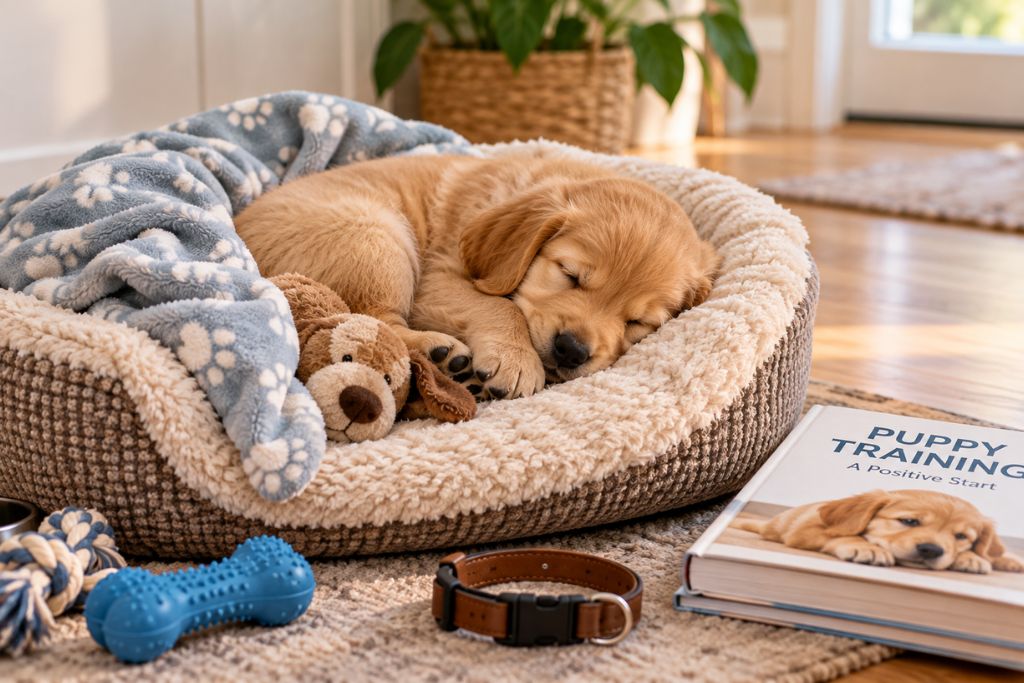
    You finally have your puppy home, and naturally, you want to enjoy every second together. Then your little whirlwind falls asleep. Again. And again.

    So, is all that sleeping normal?

    Yes. Puppies need a lot of sleep because their bodies and brains are growing rapidly. Young puppies can sleep around 18 to 20 hours in a 24-hour period, with sleep needs gradually changing as they mature.

    Why do puppies sleep so much?

    Sleep supports physical growth, brain development, learning, and recovery. Your puppy is processing a huge amount of new information every day.

    Think about what your puppy experiences before lunch: a new room, different sounds, a car ride, meeting someone new, learning their name, practicing “sit,” and figuring out which household objects are actually toys.

    That is a lot for a developing brain.

    Sleep gives puppies time to process those experiences. It also supports normal physical development and helps restore the energy they use while growing and exploring.

    How much sleep does a puppy actually need?

    There is no single sleep schedule for every puppy. Age, activity, environment, health, and individual temperament can all affect sleep.

    A useful general guide looks like this:

    • Very young puppies: May sleep up to 18–20 hours daily.
    • Growing puppies: Still need frequent naps between periods of activity.
    • Older puppies: Usually sleep less than very young puppies, but still need substantial rest.

    Do not worry if your puppy seems to operate on a simple cycle: play, eat, explore, sleep, repeat.

    That pattern is perfectly compatible with healthy puppyhood.

    Can too much activity make a puppy overtired?

    Yes. Puppies can become overtired when they do not get enough downtime. An exhausted puppy does not always look sleepy.

    They may become extra mouthy, restless, irritable, or unable to settle. You might think, “They need more play!” when they actually need a nap.

    Try building quiet periods into the day. After a training session or energetic play, give your puppy a calm place to rest.

    How can you help your puppy sleep well?

    Give your puppy a predictable, comfortable place to sleep and protect their downtime.

    A few simple habits can help:

    1. Keep the sleeping area comfortable and quiet.
    2. Let your puppy nap without constant interruptions.
    3. Build activity around regular rest periods.
    4. Keep bedtime routines consistent.
    5. Watch for changes in normal sleeping patterns.

    If your puppy suddenly sleeps much more than usual, struggles to wake, or shows other signs of illness, contact your veterinarian. Changes in sleep can sometimes signal a health problem.

    How can we help you through puppyhood?

    Bringing home a puppy comes with plenty of questions. We are here to help you feel prepared for all of them, from choosing appropriate food and comfortable bedding to finding enrichment and training supplies.

    Most importantly, we want you to enjoy getting to know your new furry companion. Puppyhood moves quickly, and those sleepy afternoons are part of it.

    So let that little whirlwind nap.
    The cuddles will still be there when they wake up.

  • Is Fall a Good Time to Paint Your Home?

    Is Fall a Good Time to Paint Your Home?

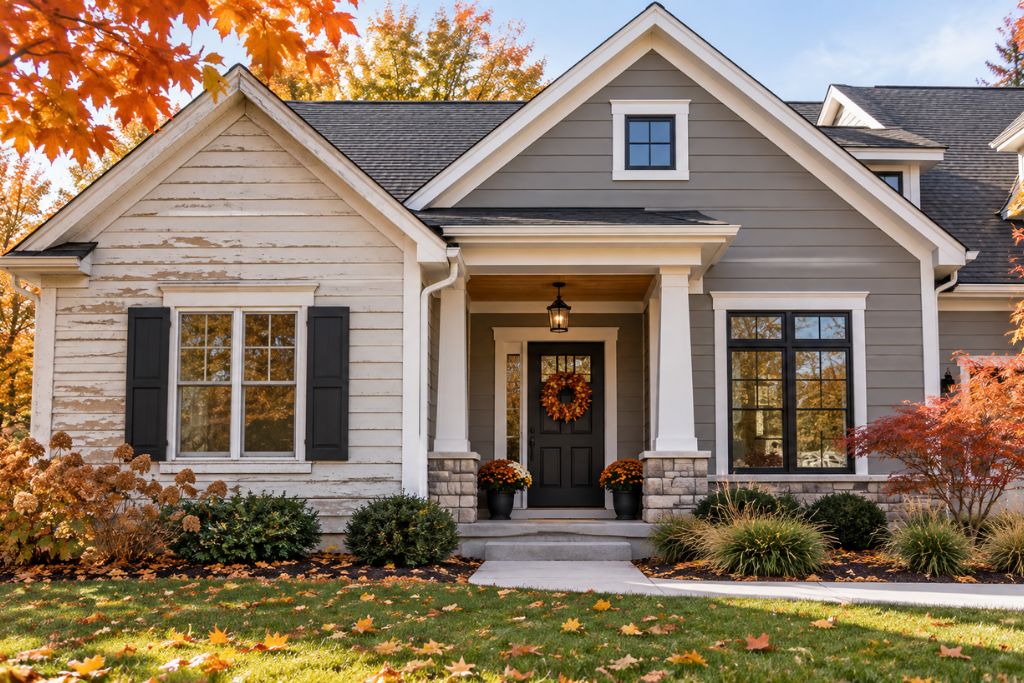
    Thinking about painting your home in Powell, Columbus, or nearby Delaware County this fall? Yes, fall can be an excellent time to paint, especially when temperatures, humidity, and weather conditions cooperate. The key is proper preparation and choosing the right window for the project.

    Why does fall work well for painting?

    Paint needs the right conditions to apply, dry, and cure properly. Extreme heat, cold, moisture, and humidity can all create problems.

    Early and mid-fall often bring more moderate temperatures than summer. That can make exterior painting more manageable and help paint avoid drying too quickly.

    Cooler conditions can also make outdoor work more comfortable for the crew.

    Fall can also be a smart time to refresh interior spaces. Indoor projects are less dependent on outdoor weather, and comfortable fall temperatures can make it easier to ventilate rooms during the work.

    The calendar alone, however, does not determine the right day to paint.

    What should you check before painting in the fall?

    Preparation matters in every season. Before exterior paint goes on, inspect the surface for:

    • Peeling or cracked paint
    • Damaged or deteriorated areas
    • Gaps around windows and doors
    • Worn caulking
    • Dirt, chalking, or other surface buildup

    A clean, sound surface gives new paint a better foundation.

    Weather matters, too. Rain or excessive moisture can interfere with exterior painting. Very cold temperatures can also affect curing. Check the forecast beyond the hours when painters will be working: overnight temperature drops and evening dew can affect paint before it has cured. Make sure the surface is dry, and follow the paint manufacturer’s requirements for application temperature and conditions. Sherwin-Williams’ exterior painting guidance explains why fall conditions require that extra attention.

    Is fall better than spring or summer?

    Not automatically. Every season has advantages.

    Spring and summer offer longer daylight and warmer temperatures, but heat, humidity, storms, and busy contractor schedules can complicate projects. Fall can provide a more comfortable window before winter arrives.

    Interior painting gives you even more flexibility. Consider the room’s temperature, ventilation, and how soon you need to use the space when planning an indoor project.

    How can Color World Columbus help with fall painting?

    At Color World Columbus, we bring more than 25 years of experience to residential and commercial painting. Our trained, licensed, and insured professionals use quality products and detailed processes for projects throughout Powell, Columbus, and surrounding communities.

    We look at the project, the surfaces, the season, and the conditions before getting started. For an exterior project in the fall, that includes checking whether the surface is dry and whether the expected conditions fit the paint being used. That helps us plan the work properly instead of forcing a project into an unsuitable window.

    So, is fall a good time to paint? It can be. With smart preparation and the right conditions, fall may be exactly the window your home needs.

  • Puppy Socialization Guide: How to Raise a Confident, Happy Companion

    Puppy Socialization Guide: How to Raise a Confident, Happy Companion

    A puppy’s first experiences shape how they see the world. New sights, sounds, people, and places all become part of their learning process. That is why puppy socialization is one of the most important steps in helping your new companion grow into a confident dog.

    The goal of socialization is not to overwhelm your puppy with everything at once. It is about creating positive, safe experiences that help them learn, adapt, and feel comfortable.

    For families welcoming a puppy in Whitehouse Station, NJ, that may mean introducing a puppy to household routines, neighborhood sounds, car rides, and new adventures around Hunterdon County. Early preparation helps puppies build confidence from the start.

    At Furrylicious, we believe bringing home a puppy is the beginning of a lifelong relationship. Helping your puppy adjust is an important part of that journey.

    Why Is Puppy Socialization Important?

    Puppies go through an important developmental period when positive experiences can help shape future behavior. During this time, gentle exposure to different environments can help puppies become more comfortable with new situations.

    Socialization can include:

    • Meeting different people
    • Hearing new sounds
    • Exploring safe environments
    • Learning how to handle everyday experiences

    A well-socialized puppy is better prepared for the many moments that come with family life, from meeting neighbors near Whitehouse Station to enjoying walks around local areas like Round Valley Recreation Area.

    What Steps Should You Follow for Puppy Socialization?

    1. Start With Your Home Environment

    Your home is a great place to begin your puppy’s socialization journey.

    Gradually introduce everyday sights and sounds, such as the vacuum, doorbell, television, and kitchen noises. Let your puppy explore new spaces and experiences at their own pace while giving them time to adjust. Pair new experiences with praise, treats, or play to help your puppy create positive associations. Pay attention to your puppy’s body language and comfort level. If they seem nervous or overwhelmed, give them more space and try again with a slower approach.

    Small, positive experiences at home can build a strong foundation for future training and everyday life.

    2. Introduce New People Slowly

    Your puppy will meet many people throughout life.

    Invite trusted friends and family members to interact gently. Encourage calm greetings instead of overwhelming excitement.

    Families in Whitehouse Station and nearby Clinton or Flemington can use everyday moments to help puppies learn that new faces are a positive experience.

    3. Explore New Places Safely

    New environments help puppies build confidence.

    Take your puppy on safe outings once they are ready. Introduce different surfaces, sounds, and sights gradually.

    A visit near Downtown Clinton, a car ride through Hunterdon County, or time exploring your backyard can all become valuable learning experiences.

    4. Make Every Experience Positive

    Never force your puppy into a situation that scares them.

    Watch their body language. Give them time. Let confidence grow naturally.

    Positive reinforcement helps puppies understand that new experiences can be rewarding.

    Building Confidence Through Every New Puppy Experience

    Socialization is built through everyday moments. A new sound in the home, a friendly greeting from a neighbor, or a new walking route can all help your puppy become more comfortable with the world around them.

    At Furrylicious, we love helping families in Whitehouse Station and surrounding Hunterdon County communities start this exciting chapter with confidence. From finding the right puppy match to providing guidance as your puppy grows, our goal is to support you through every stage of life together.

    Those early experiences create the foundation for the trusting bond you and your puppy will share for years to come.

  • Should Everyone in the Family Train the Puppy

    Should Everyone in the Family Train the Puppy

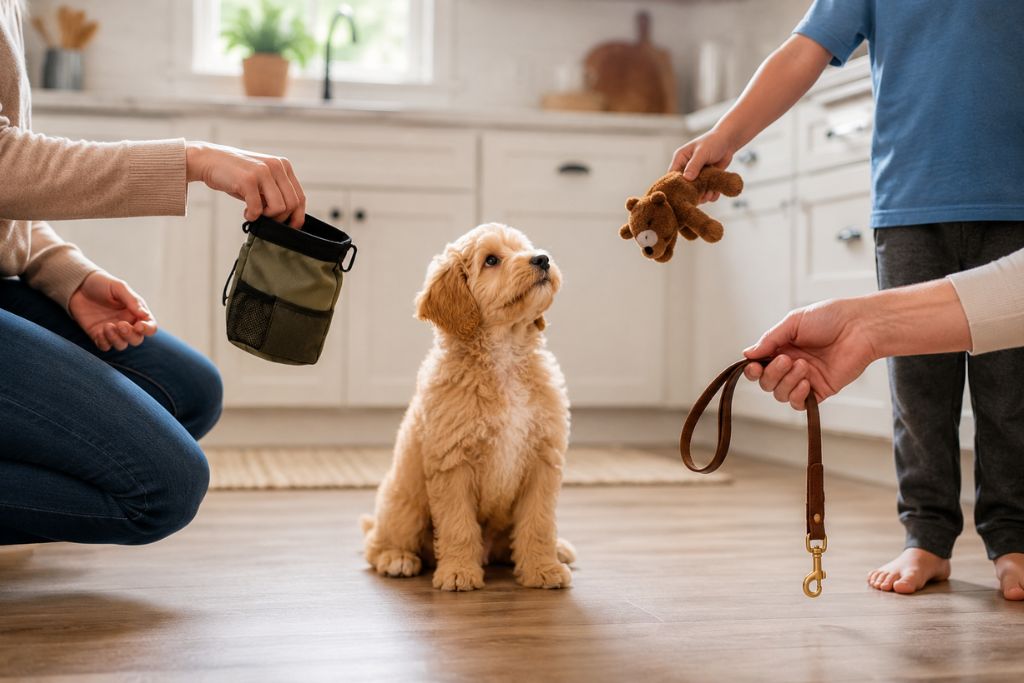
    Bringing home a puppy turns everyone into an instant fan club member. Someone wants to teach tricks. Someone wants to hand out treats. Someone has already decided the puppy is their new best friend.

    That excitement is wonderful. A puppy joining the family should feel like a celebration. But when it comes to training, too many voices can sometimes make things confusing.

    The best approach? Everyone can be involved, but everyone should follow the same training plan.

    Puppies learn through repetition and consistency. Clear expectations help them understand what behaviors earn rewards and what routines they should follow. Consistent training from the people around them helps puppies feel more secure as they adjust to family life.

    For families in Duluth, GA, puppy training naturally becomes part of everyday moments. A puppy learning manners during a busy evening at home, practicing commands after a walk near the parks and trails around Duluth and Gwinnett County, or greeting family members calmly is building lifelong habits.

    Should Everyone Train the Puppy the Same Way?

    Yes, Everyone Should Participate

    Puppies benefit from positive interactions with the entire household.

    Family members can help by:

    • Practicing basic commands
    • Rewarding good behavior
    • Following the same rules
    • Helping with routines

    A puppy who learns “sit” from one person should not hear a completely different expectation from another.

    Why Consistency Matters During Puppy Training


    Puppies do not understand exceptions the way humans do.

    If one person allows jumping on furniture and another does not, the puppy receives mixed signals.

    Create family agreements before training begins:

    • Who handles feeding, walks, and practice sessions?
    • Which commands will everyone use?
    • What behaviors should be rewarded?

    For a family in Duluth, this might mean creating simple routines around school mornings, work schedules, weekend outings, and family time.

    Should Young Children Train the Puppy?

    Young children can participate in puppy training with close adult supervision and age-appropriate activities.

    Simple activities like asking for a “sit,” giving a treat for desired behavior, or participating in calm, gentle play can create positive interactions between children and puppies. Adults should guide these activities, teach children to respect the puppy’s boundaries, and watch the puppy’s body language to make sure they feel comfortable and know when they need a break.

    Building a Happy Home for Your New Puppy

    A well-trained puppy does not happen overnight. It happens through patience, teamwork, and many small moments repeated every day.

    From the first “sit” at home to learning calm greetings during family visits, every training moment helps your puppy understand their place in the family.

    Waggles is here to support families through every step of puppy ownership. From helping you find the right puppy match to offering guidance, resources, and care tips after your puppy comes home, the team is committed to helping families feel confident throughout the journey.

    For puppy parents spending weekends exploring the parks and family-friendly areas throughout Duluth and Gwinnett County, those everyday training moments become opportunities to strengthen your bond and create happy memories together.

    The best puppy relationships are built one consistent, loving interaction at a time.

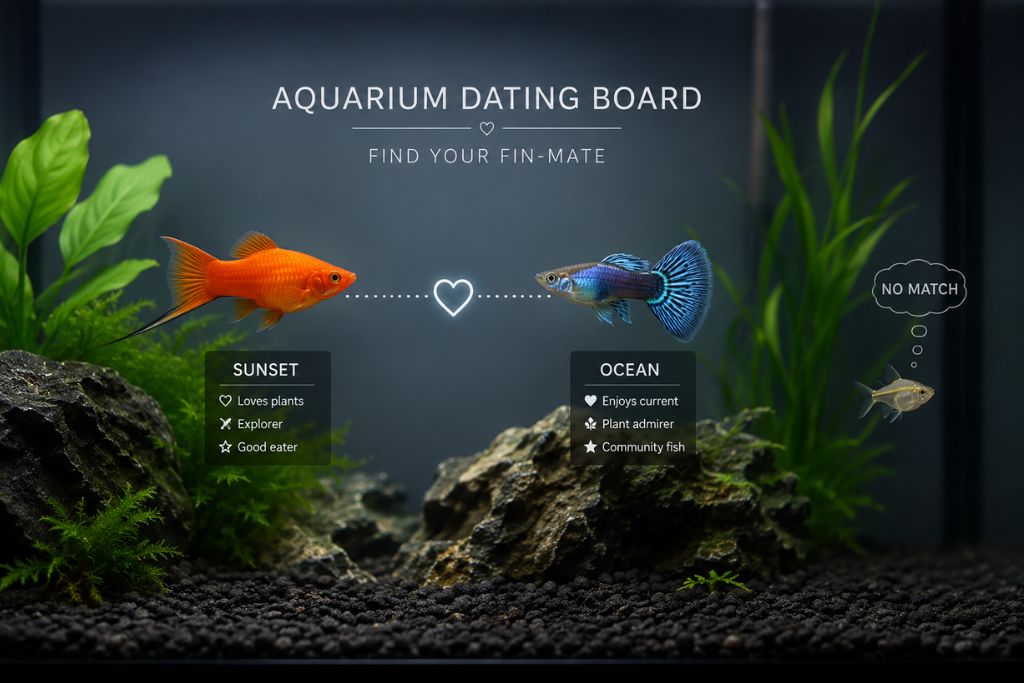
  • Fish Compatibility Guide: Who Should Share the Tank?

    Fish Compatibility Guide: Who Should Share the Tank?

    So you have an aquarium. Naturally, you start shopping for fish. Then you see a neon tetra. Then a gourami. Then a gorgeous angelfish. Suddenly, your original stocking plan has left the building.

    Hold up. Not every fish makes a good roommate. Fish compatibility depends on temperament, adult size, water conditions, space, and behavior.

    That matters whether you are planning a community tank in Hoffman Estates or building a colorful setup in Bolingbrook.

    Why Can’t Every Fish Just Be Friends?

    Fish have preferences. Strong ones.

    Some are peaceful community swimmers. Others are territorial. Some need a group of their own kind. Others may see a smaller tankmate as lunch.

    Tank size matters, too. Crowded fish are more likely to become stressed and quarrel. Décor also helps by creating territories and hiding places.

    So before you add that “one last fish” to your Schaumburg aquarium, let’s play matchmaker.

    Which Fish Make Good Community Tank Matches?

    Neon tetras + corydoras: A classic peaceful pairing. Tetras occupy the open water, while corydoras spend their time lower in the aquarium. Both need appropriate water conditions and enough room for their social groups.

    Guppies + platies: These peaceful livebearers can work nicely together in a properly sized community aquarium. Just remember that livebearers reproduce. Quickly. Your cute little family reunion can become a very busy aquarium.

    Rasboras + peaceful tetras: Another community-friendly combination. These schooling fish can share an aquarium when their temperature, water chemistry, size, and space requirements overlap.

    Corydoras + peaceful community fish: Corydoras generally make excellent community residents. They still need appropriate substrate, water conditions, and companionship from their own species.

    Tiger barbs + long-finned fish: Hard pass. Tiger barbs can nip fins, making slow-moving, long-finned fish poor roommates.

    Goldfish + tropical community fish: Another mismatch. Goldfish have different temperature requirements and should not simply be dropped into a tropical community aquarium.

    Angelfish + tiny fish: Proceed carefully. Angelfish become larger and can prey on sufficiently small tankmates. Adult size matters far more than the cute little fish you see at the store.

    What’s the Best Way to Choose Tankmates?

    We recommend checking five things before buying anything:

    • Temperament
    • Adult size
    • Temperature and water requirements
    • Tank size and swimming space
    • Schooling, territorial, or social needs

    Then watch the actual fish. Individual personalities can surprise us. A combination that looks perfect on paper can still fail inside the aquarium.

    That’s why we love helping aquarists around Hoffman Estates, Bolingbrook, Bartlett, and South Barrington think through the whole community before bringing anyone home.

    Ready to Build Your Fish’s Social Circle?

    At Aquarium Adventure, we work with 1,000 species across 450 aquariums and 20,000 gallons of water. That gives us plenty of experience with fish that play nicely together… and fish that absolutely did not get the memo.

    Our goal is simple: help you create an aquarium where every resident has the space, conditions, and compatible neighbors it needs to thrive.

    So go ahead and admire every fish in the room. Just don’t let the prettiest one make your stocking decisions for you.

  • Should Everyone in the Family Train the Puppy

    Should Everyone in the Family Train the Puppy

    Bringing home a puppy turns everyone into an instant fan club member. Someone wants to teach tricks. Someone wants to hand out treats. Someone has already decided the puppy is their new best friend.

    That excitement is wonderful. A puppy joining the family should feel like a celebration. But when it comes to training, too many voices can sometimes make things confusing.

    The best approach? Everyone can be involved, but everyone should follow the same training plan.

    Puppies learn through repetition and consistency. Clear expectations help them understand what behaviors earn rewards and what routines they should follow. Consistent training from the people around them helps puppies feel more secure as they adjust to family life.

    For families in Port Charlotte, FL, puppy training naturally becomes part of everyday moments. A puppy learning manners during a busy evening at home, practicing commands after a walk near Port Charlotte’s waterfront areas near the Peace River, or greeting family members calmly is building lifelong habits.

    Should Everyone Train the Puppy the Same Way?

    Yes, Everyone Should Participate

    Puppies benefit from positive interactions with the entire household.

    Family members can help by:

    • Practicing basic commands
    • Rewarding good behavior
    • Following the same rules
    • Helping with routines

    A puppy who learns “sit” from one person should not hear a completely different expectation from another.

    Why Consistency Matters During Puppy Training


    Puppies do not understand exceptions the way humans do.

    If one person allows jumping on furniture and another does not, the puppy receives mixed signals.

    Create family agreements before training begins:

    • Who handles feeding, walks, and practice sessions?
    • Which commands will everyone use?
    • What behaviors should be rewarded?

    For a family in Port Charlotte, this might mean creating simple routines around school mornings, work schedules, weekend outings, and family time.

    Should Young Children Train the Puppy?

    Young children can participate in puppy training with close adult supervision and age-appropriate activities.

    Simple activities like asking for a “sit,” giving a treat for desired behavior, or participating in calm, gentle play can create positive interactions between children and puppies. Adults should guide these activities, teach children to respect the puppy’s boundaries, and watch the puppy’s body language to make sure they feel comfortable and know when they need a break.

    Building a Happy Home for Your New Puppy

    A well-trained puppy does not happen overnight. It happens through patience, teamwork, and many small moments repeated every day.

    From the first “sit” at home to learning calm greetings during family visits, every training moment helps your puppy understand their place in the family.

    Waggles is here to support families through every step of puppy ownership. From helping you find the right puppy match to offering guidance, resources, and care tips after your puppy comes home, the team is committed to helping families feel confident throughout the journey.

    For puppy parents spending weekends exploring the Charlotte County trails and waterfront spaces around Port Charlotte, those everyday training moments become opportunities to strengthen your bond and create happy memories together.

    The best puppy relationships are built one consistent, loving interaction at a time.