Blog

  • Are You Smarter Than a Puppy? 7 Surprising Puppy Facts You Didn’t Know

    Are You Smarter Than a Puppy? 7 Surprising Puppy Facts You Didn’t Know


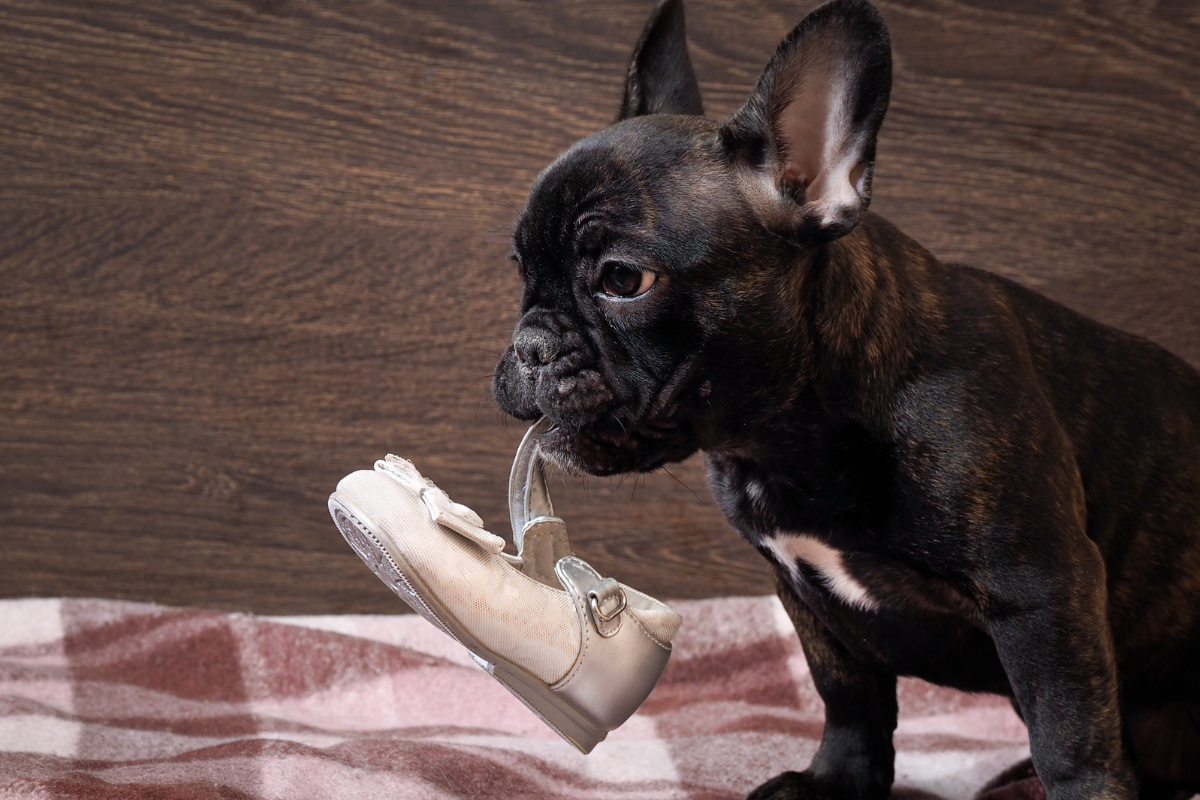
    Puppy facts can be pretty surprising especially when you realize just how clever those cute, cuddly furballs really are. Sure, they might chew your shoes or fall asleep in their food bowls, but behind those floppy ears is a fast-learning brain. So… are you smarter than a puppy? Let’s find out with 7 fun facts that might just blow your mind.
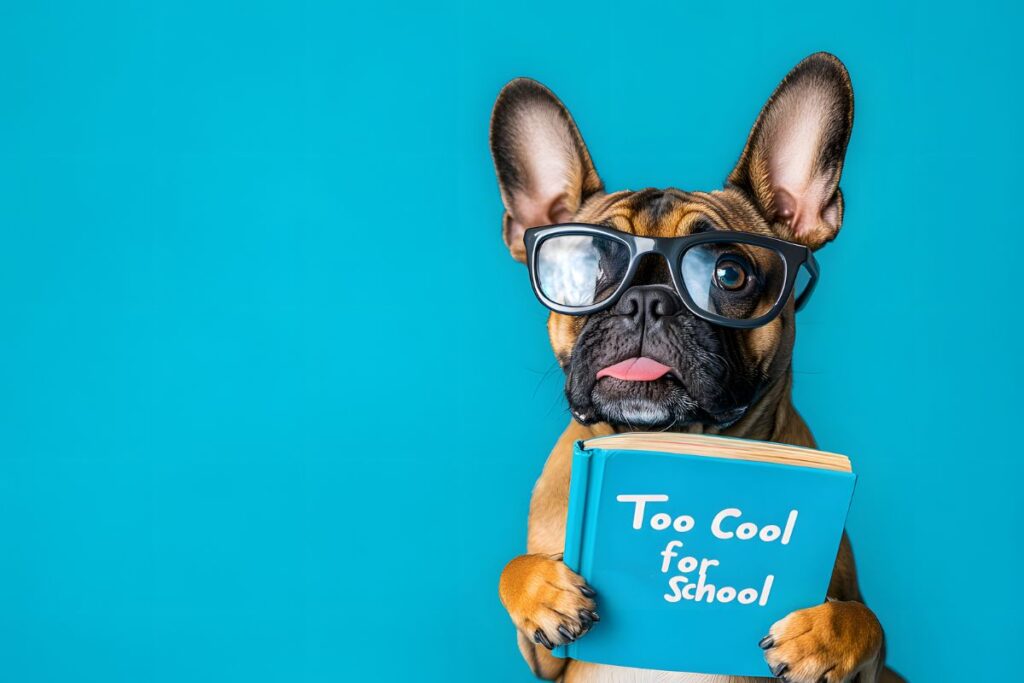
    puppy facts


    1. Puppies Learn Words Faster Than You Think


    By the time they’re just a few months old, puppies can already learn over 100 words. Some smarty-paws have even learned up to 200! That’s basically toddler-level vocabulary. So if you think your pup doesn’t understand you… they might just be ignoring you.


    2. Their Sense of Smell Is 40x Stronger Than Yours


    That’s right puppies (and dogs in general) have up to 300 million smell receptors in their noses. Humans? A measly 5 million. So when your puppy sniffs every inch of the sidewalk like they’re solving a mystery, they kind of are.


    3. Puppies Can Start Training at Just 8 Weeks Old


    Many people wait too long to start training, but here’s one of the coolest puppy facts: puppies are like little sponges around 8 weeks. They can learn simple commands, routines, and potty training super quickly—as long as you’re consistent (and have treats ready).


    4. Fun Puppy Fact: They Dream Just Like Us

    Ever seen your puppy twitching, whining, or doing little running motions in their sleep? That’s because they’re dreaming! Puppies spend more time in REM sleep than adult dogs, which means more adorable dream adventures.


    5. Puppy Fact Their Eyes Are a Superpower

    Puppies have literally evolved to give humans “puppy dog eyes.” It’s not just a coincidence they’ve developed special facial muscles to raise their eyebrows and melt our hearts. It’s science… and manipulation, in the cutest form.


    6. Did You Know This Puppy Fact: They Can “Smell” Your Emotions

    Puppies can actually pick up on your emotions especially fear, stress, and happiness through scent and tone. That’s why they always seem to know when you need a cuddle (or when to run away from your angry voice).


    7. Interesting Pupy Fact: Their Brains Are 80% Developed by 20 Weeks

    By five months old, a puppy’s brain is nearly full-grown. That means the early weeks are critical for socialization, learning, and setting good habits. Basically, your goofy little fluffball is way smarter than they let on.

    So… Are You Smarter Than a Puppy?

    Maybe! But puppies are definitely not just cute they’re clever, emotional, and constantly learning. The more you understand how their little brains work, the easier it is to train, bond, and raise a happy, healthy dog.

    Now go impress your friends with your new puppy knowledge and give your pup a treat for being the furry genius they are.
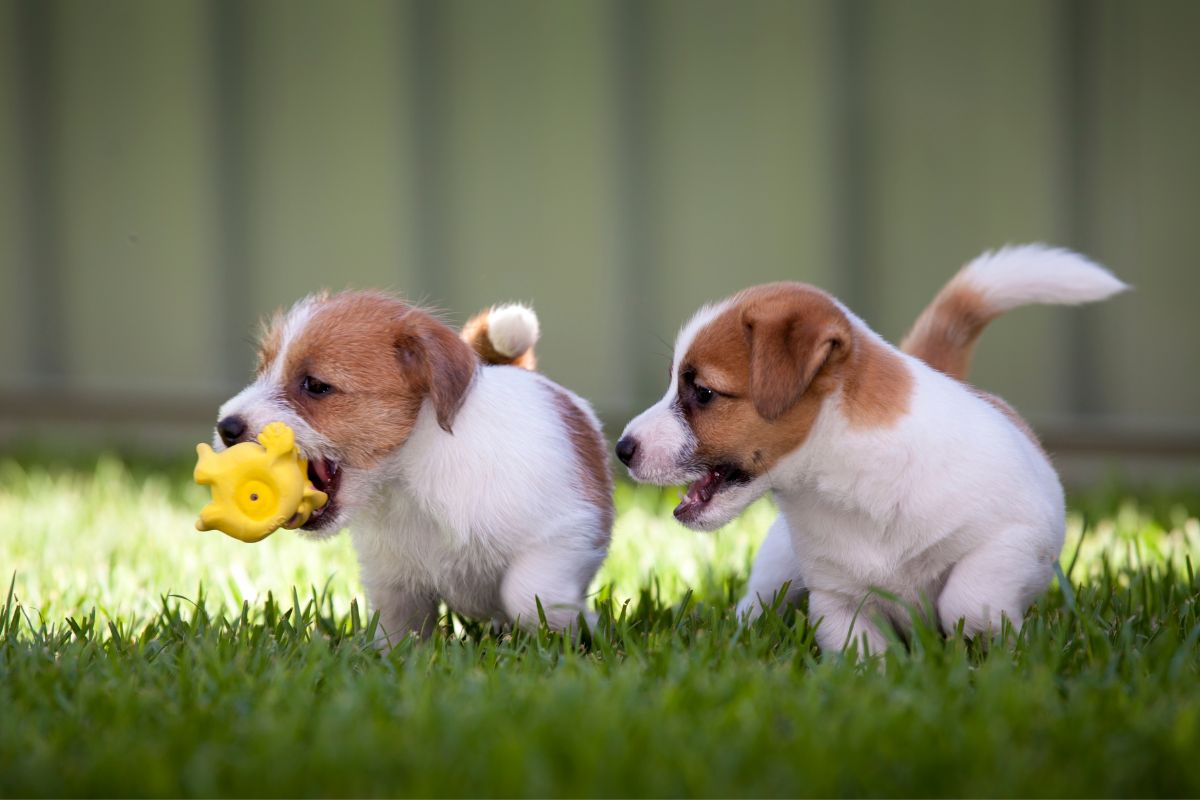
  • Puppy Play Dates: Making New Furry Friends The Fun & Safe Way

    Puppy Play Dates: Making New Furry Friends The Fun & Safe Way

    Bringing home a new puppy is like adding a little tornado of energy to your life. They zoom around, chew on everything, and look at you with those big, eager eyes that say, “What’s next?” Well, what’s next should be a puppy play date and making new friends!

    Puppy play dates are an awesome way to help your little ball of fluff learn social skills, burn off some of that endless energy, and build confidence around other dogs. But just like kids on a playground, puppies need a little guidance to make sure playtime stays fun and safe.

    Why Puppy Play dates Are a Must

    Puppies go through a super important socialization phase, especially in those first few months. Positive interactions with other dogs teach them how to share, communicate, and play nicely. They learn what’s acceptable (polite sniffing) and what’s not (body-slamming their new friend). Plus, a tired puppy after a good play session means a peaceful evening for you.

    Setting Up the Perfect Puppy Play date

    Pick the Right Playmate

    Not every dog is a great match for your pup’s first playdate. The best buddy is:

    • About the same size and play style—you don’t want a gentle Yorkie up against a rambunctious Labrador puppy.
    • Fully vaccinated and healthy—no one wants to bring home a case of the sniffles.
    • Friendly and patient—puppies can be a bit much, so an easygoing dog is ideal.

    Choose a Safe, Neutral Spot

    Where you introduce the pups can make or break the play date. A fenced-in backyard? Great choice. A quiet dog park? Could work, as long as it’s not crowded. A living room full of squeaky toys? Maybe, but be ready to referee when someone claims the best toy.

    Avoid meeting on a dog’s home turf at first. Even the sweetest pup might get a little protective over their favorite nap spot.

    The Introduction: Slow and Steady Wins the Race

    Let the dogs sniff each other out before diving into full-blown play mode. A short walk together on a leash is a great way to break the ice. If both seem relaxed, give them some space to interact in a secure area. Look for play bows, wagging tails, and bouncy movements—all signs that the fun is about to begin!

    Supervise and Watch for Puppy Drama

    Puppies love to wrestle, chase, and tumble, but not all play is equal. If things start to get too rowdy, step in for a quick break. Some signs that it’s time to pause the fun:

    • One pup is hiding or yelping while the other keeps chasing.
    • The play suddenly looks more like a boxing match than a friendly game of tag.
    • One dog keeps getting pinned down and can’t get away.

    A little roughhousing is normal, but if things start looking too one-sided, it’s best to separate them for a minute and reset.

    Keep It Short and Sweet

    Puppies have two speeds—wild zoomies and total crash mode. Playdates should be 20-30 minutes max, especially in the beginning. Stop before either pup gets cranky or overstimulated. Ending on a good note leaves them excited for next time!

    • Throwing too many dogs in at once—start with just one-on-one play.
    • Ignoring warning signs—respect a dog’s signals if they aren’t feeling it.
    • Forgetting the water break—puppies get thirsty fast, especially after zooming in circles.
    • Skipping the pre-play potty break—excitement plus a full bladder is a messy combo.

    The Playdate Wrap-Up

    A well-planned playdate isn’t just fun—it helps shape your pup into a confident, friendly dog who knows how to play nicely with others. So grab a friend, find a safe spot, and let the puppy fun begin!

    Got a great puppy playdate story? Share it—we love hearing about new furry friendships!

  • Teething Troubles? How to Save Your Shoes & Help Your Puppy Through the Chewing Phase

    Teething Troubles? How to Save Your Shoes & Help Your Puppy Through the Chewing Phase

    If you’ve got a puppy in the house, you’ve probably already learned one thing—nothing is safe from those tiny, razor-sharp teeth! Puppy teething can turn almost anything into a chew toy. Shoes, chair legs, and couch pillows are all fair game. A teething pup will chew whatever they can get their teeth on. But don’t worry; this phase won’t last forever. With a little patience and plenty of chew toys, you and your pup will get through it with minimal damage.

    Why Puppies Chew Everything in Sight

    Puppies go through puppy teething just like human babies. It’s not exactly a comfortable experience. As their new teeth come in, their gums can feel sore. Chewing helps relieve that discomfort. But chewing isn’t just about puppy teething. Puppies are also little explorers. They use their mouths to understand the world around them. Sometimes, they’re just bored and looking for something fun to do. Unfortunately, that “fun” often involves your favorite sneakers.

    How to Protect Your Belongings and Keep Your Puppy Happy During Teething

    • Swap Shoes for Chew-Approved Toys – Your puppy is going to chew—that’s a given—so the trick is to make sure they’re chewing the right things. Stock up on durable rubber toys, rope toys, and teething rings. Freezable chew toys are a great option because the cold helps soothe sore gums. If you want to get creative, freeze a wet washcloth and let your puppy gnaw on it for a cool, soothing treat.
    • Hide the Good Stuff – If you leave your shoes by the door, you’re basically putting out an open invitation for your puppy to turn them into a chew toy. Keep tempting items out of reach, and if necessary, use baby gates to keep your pup away from certain areas. This isn’t forever—just until they learn the difference between a toy and a $100 pair of running shoes.
    • Make Everything Taste Terrible – For puppies who just won’t leave furniture or baseboards alone, bitter spray can be a game-changer. A quick spritz on the problem areas makes things taste awful, and after a few tries, most puppies decide it’s just not worth it. It’s safe, easy, and way better than coming home to a half-eaten coffee table.
    • Turn Chewing Into a Game – Sometimes, puppies chew because they’re bored and looking for something to do. If your pup is going on a chewing spree, try redirecting that energy into a fun game. Tug-of-war, fetch, or even a good old-fashioned chase around the yard can help wear them out so they’re less likely to go on a destruction mission.
    • Treat Them to Some Frozen Goodies – Cold things feel great on sore gums, so try offering your puppy some frozen treats. Frozen carrots, apple slices, or even banana chunks can double as a tasty snack and a teething soother. Plus, it’s a fun way to introduce them to new flavors while keeping them away from things they shouldn’t be chewing.
    • Stay Patient; This Won’t Last Forever – Puppy teething is just a phase, and by the time your pup is around six months old, their adult teeth will be in, and the worst of the chewing should be over. In the meantime, keep redirecting them to the right things, praise them when they chew appropriately, and remember—one day, you’ll actually miss these chaotic puppy days. Well, maybe not the part where they tried to eat your entire living room.

    Got a teething pup at home? What’s been their favorite thing to chew? Hopefully, not your furniture! Share your puppy stories—we’d love to hear them!

  • The 5 Best Dog Breeds for Families: Your Perfect Furry Companion Awaits!

    The 5 Best Dog Breeds for Families: Your Perfect Furry Companion Awaits!

    Bringing a dog into your family is a big decision that comes with lots of joy, responsibility, and, of course, plenty of tail wags. With so many breeds to choose from, finding the right fit for your household can feel overwhelming. To make it easier, we’ve rounded up the top five best dog breeds for families—each known for their friendly nature, adaptability, and love for companionship.

    1. Labrador Retriever – The Ultimate Family MVP

    Why they’re awesome:

    • Friendly, patient, and endlessly loving

    • Super smart and easy to train

    • Perfect playmates for kids and other pets

    Labradors bring boundless energy, loyalty, and enthusiasm to any home. Always ready for an adventure, they make excellent companions for both kids and adults. Their goofy, lovable nature ensures endless fun, but don’t be fooled—these dogs are also incredibly intelligent and eager to learn. Just be ready for some serious tail wagging and an endless appetite for belly rubs.

    Pro tip: Labs love food. Keep treats on hand, but don’t overdo it—these cuties can easily pack on the pounds.

    2. Golden Retriever – The Loveable Goofball

    Why they’re awesome:

    • A+ for friendliness and loyalty

    • Fantastic with kids and super patient

    • Always happy to see you

    Few breeds match the pure joy and affection of a Golden Retriever. Playful yet gentle, they are wonderful with children and thrive in a loving home. Their intelligence and eagerness to please make training a breeze. Plus, their silly personalities will have you laughing every day.

    Pro tip: Be ready for fur—lots of fur. Invest in a good vacuum, because Goldens shed like it’s their full-time job.

    3. Beagle – The Curious Cutie

    Why they’re awesome:

    • Small but full of personality

    • Playful, energetic, and great with kids

    • Social butterfly—loves people and other pets

    Beagles are the detectives of the dog world, always following their noses on mini adventures. Full of energy and curiosity, they bring endless excitement to a home. Their affectionate nature and love for companionship make them great for families with kids. Bonus: Those floppy ears and puppy-dog eyes are irresistible.

    Pro tip: Beagles can be a little stubborn, so training with treats is your best bet. And maybe don’t leave snacks unattended. Their noses will find them.

    4. Cavalier King Charles Spaniel – The Ultimate Snuggle Buddy

    Why they’re awesome:

    • Small, sweet, and super affectionate

    • Adapts to both active and relaxed lifestyles

    • Loves curling up on your lap

    Cavaliers are gentle, affectionate, and thrive in a close-knit family environment. Whether playing with kids or snuggling on the couch, they are happiest when surrounded by loved ones. Their small size and adaptability make them a great fit for both houses and apartments.

    Pro tip: These pups thrive on companionship, so they don’t like being left alone for too long. If your family is often home, they’ll be your best shadow.

    5. Poodle (Standard or Miniature) – The Brainiac of the Pack

    Why they’re awesome:

    • Highly intelligent and easy to train

    • Hypoallergenic, great for allergy sufferers

    • Playful, active, and loves family time

    Poodles are proof that brains and beauty go hand in paw. Whether you choose a standard (bigger and more energetic) or miniature (smaller but just as playful), these curly-coated cuties are quick learners, super affectionate, and make fantastic family companions. Their intelligence allows them to pick up commands quickly, making training an enjoyable experience.

    Pro tip: Poodles love to be mentally stimulated. Puzzle toys and agility training will keep them happy and engaged.

    Which Pup is Right for You?

    Every family is different, and every dog has its own personality. Whether you’re looking for an energetic adventure buddy like a Labrador or a sweet cuddle companion like a Cavalier King Charles Spaniel, there’s a perfect pup out there for you.

    No matter which breed you choose, one thing is certain—your life is about to get a whole lot more fun, furry, and full of love.

  • What Is the First Thing to Do When You Get a Puppy?

    What Is the First Thing to Do When You Get a Puppy?

    Bringing home a new puppy is an exciting and life-changing experience. It’s a time filled with joy, but it also comes with responsibility. The first few days are crucial in setting up your puppy for a happy and well-adjusted life. Knowing what to do first can make the transition smoother for both you and your new furry companion.

    Create a Safe and Comfortable Space

    Before your puppy even arrives, it’s important to have a designated area ready. This space should be quiet, secure, and free of any hazards. A crate or a small gated area can provide a safe place for your puppy to rest and adjust. Make sure to include a comfortable bed, water, and some chew toys to help them settle in. Puppies are naturally curious, so remove anything that could be dangerous, such as electrical cords, toxic plants, or small objects they might swallow.

    Introduce Your Puppy to Their New Home

    Once your puppy arrives, allow them to explore their new environment at their own pace. Keep interactions calm and gentle to avoid overwhelming them. Show them their designated space and let them sniff around. Keep the initial introduction to a few rooms rather than giving them full access to the entire house right away. This helps prevent overstimulation and makes house training easier.

    Establish a Routine

    Dogs thrive on consistency, and starting a routine from day one will help your puppy feel secure. Set a schedule for feeding, potty breaks, playtime, and sleep. Take your puppy outside frequently, especially after eating, drinking, or waking up, to encourage proper house training. Keeping a regular routine will make it easier for them to learn expectations and settle into their new life.

    Schedule a Vet Visit

    One of the most important first steps is scheduling a vet appointment within the first few days of bringing your puppy home. A thorough check-up ensures your puppy is healthy and up to date on vaccinations. Your vet can also provide guidance on proper nutrition, flea and tick prevention, and general puppy care. If you haven’t already, ask about microchipping and discuss a deworming schedule if necessary.

    Start Socialization and Training

    Early socialization is key to raising a well-behaved and confident dog. Start exposing your puppy to different sights, sounds, and experiences in a positive and controlled manner. Introduce them to new people, other friendly dogs, and various environments while keeping the experiences stress-free.

    Training should also begin immediately, even if it’s just basic commands like sit, stay, and come. Positive reinforcement, such as treats and praise, works best to encourage good behavior. Crate training and leash training should also start early to help your puppy develop good habits.

    Focus on Proper Nutrition

    Feeding your puppy a high-quality, age-appropriate diet is essential for their growth and development. If you’re unsure which food is best, consult your vet for recommendations. Stick to a consistent feeding schedule and avoid giving table scraps or unhealthy treats that could upset their stomach. Always provide fresh water and monitor their eating habits to ensure they are getting the right nutrition.

    Be Patient and Enjoy the Journey

    Bringing home a puppy is a big adjustment for both of you. There will be accidents, chewed furniture, and restless nights, but patience and consistency will go a long way. Building trust and forming a strong bond takes time, so enjoy the process and celebrate small victories along the way. The love and companionship your puppy will bring into your life will make all the effort worthwhile.

    By taking these steps from the very beginning, you’ll create a foundation for a happy, healthy, and well-adjusted dog. Your puppy depends on you for guidance, so making the right choices early on will set them up for success in their new home.

  • What’s the Best Dog for You? Let’s Find Your Perfect Pup Match

    What’s the Best Dog for You? Let’s Find Your Perfect Pup Match

    So, you’ve decided to add a four-legged best friend to your life—congrats! But now comes the hard part… which breed is right for you?

    Choosing a dog isn’t just about picking the cutest pup (even though they’re all adorable). It’s about finding the perfect match for your lifestyle, energy levels, and daily routine. Think of it like dating—you wouldn’t want to pair an ultra-marathon runner with someone who loves binge-watching Netflix all weekend, right? Let’s dive into the best dog breeds based on your personality and lifestyle.

    For the Adventurer: Always On the Move

    Love hiking, running, or any kind of outdoor adventure? You need a high-energy dog that will keep up with your active lifestyle and be thrilled to explore the great outdoors with you.

    Best Breeds for You:

    • Border Collie – Basically the Einstein of dogs, loves running, learning tricks, and solving puzzles.

    • Australian Shepherd – A herding champ with energy for days, perfect for trail running.

    • Labrador Retriever – Loves swimming, hiking, and playing fetch until you get tired.

    • Siberian Husky – Built for endurance, happiest when exploring new places.

    Not the Best Fit: Bulldogs, Pugs, and Shih Tzus—they’re adorable but prefer short walks over marathons.

    For the Chill Homebody: Netflix and Nap

    If your ideal weekend involves a cozy blanket, snacks, and a good movie, you need a dog that loves snuggling as much as you do.

    Best Breeds for You:

    • French Bulldog – Small, goofy, and loves nothing more than snoozing next to you.

    • Cavalier King Charles Spaniel – The ultimate cuddle buddy, always happy to lounge.

    • Basset Hound – Low-energy but full of personality.

    • Shih Tzu – Born to be pampered, content to chill by your side.

    Not the Best Fit: Huskies, Border Collies, and Malinois—unless you want a dog bouncing off the walls from boredom.

    For the City Dweller: Apartment-Friendly Pups

    No backyard? No problem. These dogs thrive in small spaces and won’t mind city life as long as they get their daily walks.

    Best Breeds for You:

    • Yorkshire Terrier – Tiny, low-maintenance, and full of sass.

    • Dachshund – Happy in small spaces but still enjoys daily strolls.

    • Pug – Loves people, naps, and fitting into small spaces.

    • Corgi – Smallish but surprisingly adaptable, just needs regular exercise.

    Not the Best Fit: Great Danes, Saint Bernards, and Mastiffs—unless your apartment is actually a mansion.

    For First-Time Dog Owners: Easy-Going and Friendly

    New to the dog parent life? No worries. You need a breed that’s forgiving, easy to train, and loves people.

    Best Breeds for You:

    • Golden Retriever – Sweet, smart, and eager to please.

    • Labrador Retriever – Loyal, playful, and one of the friendliest breeds out there.

    • Cocker Spaniel – Super affectionate, great for families.

    • Bichon Frise – Hypoallergenic, cheerful, and low-maintenance.

    Not the Best Fit: Chow Chows, Dalmatians, and Akitas—all are great dogs but can be stubborn and independent, making training a challenge for beginners.

    For Families with Kids: Patient and Playful Pals

    Got little ones running around? You need a dog that’s gentle, fun-loving, and great with kids.

    Best Breeds for You:

    • Golden Retriever – A total sweetheart and a kid’s best friend.

    • Labrador Retriever – Energetic, fun-loving, and protective.

    • Beagle – Playful, curious, and loves family adventures.

    • Bernese Mountain Dog – A gentle giant who loves cuddles as much as playtime.

    Not the Best Fit: Chihuahuas and Terriers – Can be snappy if not socialized properly.

    For Allergy Sufferers: Low-Shedding Lovelies

    If you love dogs but not the sneezing fits, these hypoallergenic breeds could be your perfect match.

    Best Breeds for You:

    • Poodle (Toy, Mini, or Standard) – Smart, elegant, and barely sheds.

    • Portuguese Water Dog – Active and allergy-friendly.

    • Maltese – Small, affectionate, and low-allergen.

    • Schnauzer – Comes in different sizes, all with a hypoallergenic coat.

    Not the Best Fit: German Shepherds, Huskies, and Corgis—major shedders that may trigger allergies.

    For the Busy Professional: Independent and Low-Maintenance

    If your schedule is packed, you need a dog that’s okay being alone for a few hours and doesn’t need constant attention.

    Best Breeds for You:

    • Greyhound – Surprisingly low-energy and loves lounging.

    • Whippet – A mini version of the Greyhound, calm indoors.

    • Shiba Inu – Independent but still loving.

    • Basenji – The “barkless dog” that’s low-maintenance and clean.

    Not the Best Fit: Golden Retrievers, Border Collies, and Doodles—these breeds crave companionship and may struggle with long alone time

    Find Your Furry Soulmate

    No matter your lifestyle, there’s a perfect pup out there for you. Whether you’re looking for an adventure buddy, a cuddle companion, or a low-maintenance best friend, choosing the right breed makes all the difference. Which dog breed sounds like your perfect match? Let us know in the comments.

    Hungry for more? The next chapter’s even better. Follow the paw prints below to keep reading!

    The 5 Best Dog Breeds for Families: Your Perfect Furry Companion Awaits!
  • What Your Dog’s Breed Says About Your Personality

    What Your Dog’s Breed Says About Your Personality

    Dogs are more than just pets—they’re family, best friends, and, in many cases, a reflection of their owners. The breed of dog you choose can say a lot about your lifestyle, personality, and even your quirks. Whether you own a tiny, energetic Chihuahua or a laid-back Labrador Retriever, your furry companion may be telling the world more about you than you realize.

    Labrador Retriever – The Friendly and Outgoing Optimist

    If you have a Labrador, chances are you’re an easygoing, social, and positive person. Labs are known for their playful and affectionate nature, and their owners tend to be outgoing and approachable. You probably enjoy outdoor adventures, value family time, and have a generally sunny outlook on life. Labs love making new friends, and so do you.

    German Shepherd – The Loyal and Determined Leader

    German Shepherds are intelligent, strong, and protective. Their owners often share these traits, embodying leadership, loyalty, and a strong work ethic. You likely have a natural ability to take charge and a deep sense of responsibility. People trust you to be reliable and steadfast, and just like your dog, you take your commitments seriously.

    French Bulldog – The Charming and Trendy Socialite

    French Bulldog owners tend to be stylish, fun-loving, and social. These compact and quirky dogs are affectionate and love being the center of attention, much like their owners. You might be drawn to city life, enjoy a good brunch with friends, and have an appreciation for the finer things in life. You have a fun and easygoing personality, but you also know how to command attention in a room.

    Golden Retriever – The Warmhearted and Adventurous Free Spirit

    Golden Retrievers are friendly, energetic, and always up for an adventure. Their owners are usually warm, generous, and love the great outdoors. You’re the type of person who makes everyone feel welcome, and you thrive on making others happy. Hiking, road trips, and impromptu weekend getaways might be your thing, and just like your dog, you never turn down an opportunity for fun.

    Chihuahua – The Bold and Confident Firecracker

    Don’t be fooled by their size—Chihuahuas have big personalities, and so do their owners. If you have one of these tiny but mighty pups, you’re likely confident, expressive, and not afraid to stand out. You know what you want and aren’t afraid to go after it. Some may underestimate you, but just like your Chihuahua, you have a strong presence that commands attention.

    Border Collie – The Intelligent and Hardworking Perfectionist

    Border Collies are known for their high intelligence and boundless energy, and their owners are often equally hardworking and ambitious. If you have a Border Collie, you probably thrive on challenges, are always looking for something to accomplish, and may even be a bit of a perfectionist. You have a sharp mind, love learning new things, and rarely sit still for long.

    Bulldog – The Laid-Back and Loyal Comfort-Seeker

    Bulldog owners tend to be easygoing, loyal, and incredibly devoted to the people they care about. You don’t need to be the life of the party to be happy—just give you good company and a cozy environment, and you’re content. You appreciate life’s simple pleasures, whether that’s a lazy Sunday on the couch or a walk through the park. Though you may seem laid-back, you’re fiercely loyal to those who earn your trust.

    Dachshund – The Playful and Curious Individualist

    Dachshund owners are independent thinkers who like to do things their own way. These small but fearless dogs are known for their curiosity and bold attitude, which mirrors their owners’ adventurous and free-spirited nature. You may have a mischievous side, love a good challenge, and enjoy standing out from the crowd. Life is never boring with you, and your dog is proof of that.

    Poodle – The Sophisticated and Creative Thinker

    Poodle owners are often intelligent, artistic, and refined. You value elegance but aren’t afraid to be playful, and you likely have a great appreciation for culture, whether it’s music, art, or fashion. You’re also highly adaptable and intuitive, which makes you a great problem solver. Like your Poodle, you enjoy a well-balanced mix of fun and sophistication.

    Siberian Husky – The Adventurous and Free-Spirited Explorer

    Husky owners are known for their love of adventure, independence, and resilience. If you have one of these energetic dogs, you probably have a strong, determined personality and a bit of a rebellious streak. You love the great outdoors and thrive in situations that challenge you. Just like your Husky, you’re always seeking new experiences and never shy away from a little excitement.

    Basset Hound – The Easygoing and Thoughtful Observer

    Basset Hound owners tend to be relaxed, thoughtful, and deeply observant. You enjoy a slow-paced, peaceful life and don’t feel the need to rush through things. While you may not be the loudest person in the room, your intelligence and keen sense of awareness make you a great listener. Like your dog, you’re loyal to those you care about and prefer quality over quantity when it comes to friendships.

    While no two dog owners are exactly alike, there’s often a strong connection between a person’s personality and their dog’s breed. Whether you picked your dog based on lifestyle compatibility, aesthetics, or a gut feeling, chances are your furry friend reflects a little bit of who you are. No matter what breed you have, one thing is certain—your dog thinks you’re the best person in the world.

  • Your Paw-some New Puppy Checklist: Everything You Need for Your Furry Friend!

    Your Paw-some New Puppy Checklist: Everything You Need for Your Furry Friend!

    Bringing home a new puppy? Get ready for cuteness overload, lots of tail wags, and… a bit of chaos too. Puppies are like tiny, adorable tornadoes that can turn your world upside down in the best (and messiest) way possible. But don’t worry—we’ve got you covered with the ultimate checklist to make sure you’re prepped and ready for your new furry family member!

    new puppy checklist

    1. Food & Water Bowls (Because They Gotta Eat!)

    Your pup needs their own dishes—preferably ones that won’t turn into chew toys. Stainless steel or ceramic bowls are a great choice because they’re durable and easy to clean. Bonus points if they’re non-slip because puppies = spills.

    2. The Right Food (Nom Nom Time!)

    Choosing the right puppy food is crucial. Whether you go with kibble, raw, or fresh food, make sure it’s packed with nutrients to fuel all that zoomie energy. Don’t forget treats—because bribery works wonders in training!

    3. A Comfy Bed (For Those Puppy Zzz’s)

    Even the most energetic pup needs a cozy spot to crash. Look for a bed that’s comfy, washable, and just the right size. Pro tip: A crate can double as a cozy den for naps and help with potty training.

    4. Toys, Toys, and More Toys!

    Puppies chew. A lot. Stock up on chew toys, squeaky toys, puzzle toys—basically anything safe and engaging to keep them entertained (and away from your favorite shoes). Variety is key to keeping boredom at bay.

    5. A Collar, Leash & ID Tags (Stylish & Safe!)

    Your pup needs some bling! A sturdy collar with an ID tag is a must in case they get a little too curious. Add a good-quality leash for walks and adventures. Bonus points for a harness if your pup’s a puller.

    6. Poop Bags (Because, Well… You Know)

    Let’s face it—puppies poop. A lot. Stock up on eco-friendly poop bags to keep your neighborhood clean and your conscience clear.

    7. Grooming Supplies (Puppy Spa Time!)

    Your pup’s coat will need some TLC. Grab a brush suited for their fur type, pet-friendly shampoo, nail clippers, and don’t forget those adorable puppy-sized toothbrushes to keep their breath fresh.

    8. Crate or Playpen (For When You Need a Breather)

    Crates and playpens are lifesavers when you need to keep your pup safe (and give yourself a moment of peace). They also help with potty training and give your puppy a place of their own.

    9. Vet Care Essentials (Health = Happy Pup)

    Find a great vet and schedule your puppy’s first checkup. You’ll need vaccinations, flea/tick prevention, and advice on nutrition and overall care. While you’re at it, look into pet insurance—it can be a real game-changer!

    10. Training Tools (Because Manners Matter)

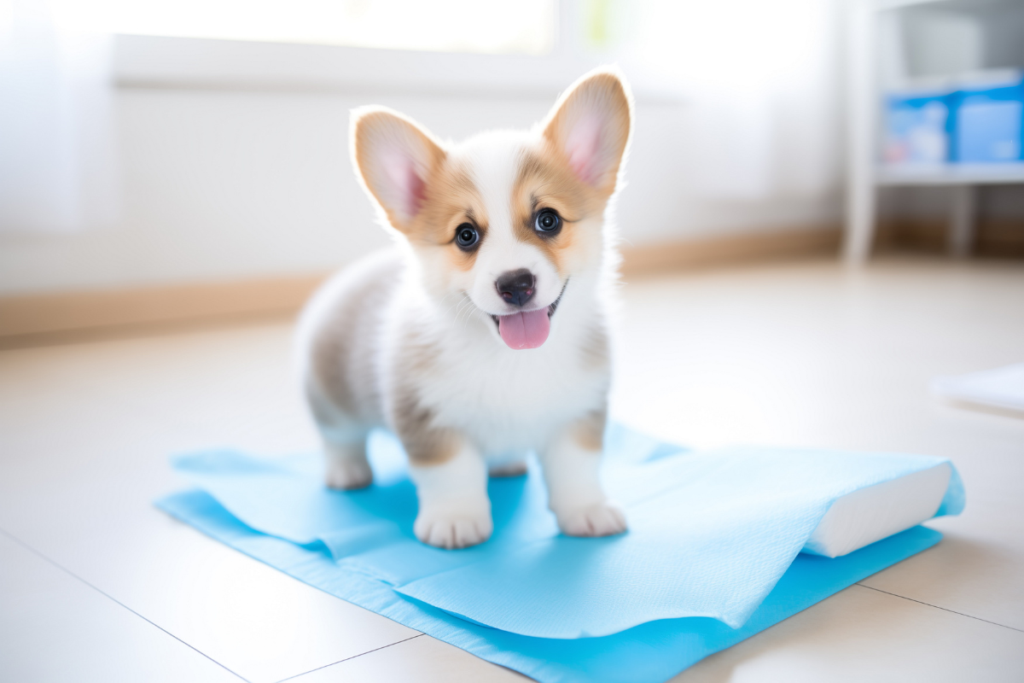
    Start with the basics: puppy pads, clickers, and lots of patience. Enrolling in a puppy training class can be a fun way to bond and teach your pup some good habits.

    11. Socialization Plan (Make New Friends!)

    Puppies need exposure to different people, places, and experiences to grow into well-adjusted dogs. Plan puppy playdates, safe outings, and fun introductions to new sights and sounds.

    12. Endless Love and Patience (The Real MVP)

    Let’s be honest—puppy parenting can be tough, but the snuggles, sloppy kisses, and tail wags make it all worth it. Be patient, stay consistent, and enjoy every moment!


  • Potty Training Your Puppy: Fun, Fresh Tips For Success!

    Potty Training Your Puppy: Fun, Fresh Tips For Success!

    Bringing home a new puppy? Exciting, right? But let’s be real—potty training can be a bit of a rollercoaster. The good news? With some fresh techniques and cool new gadgets, teaching your pup where to go has never been easier (or more fun!). Check out these top trending potty training tips that’ll have your furry friend mastering the art of potty time in no time.

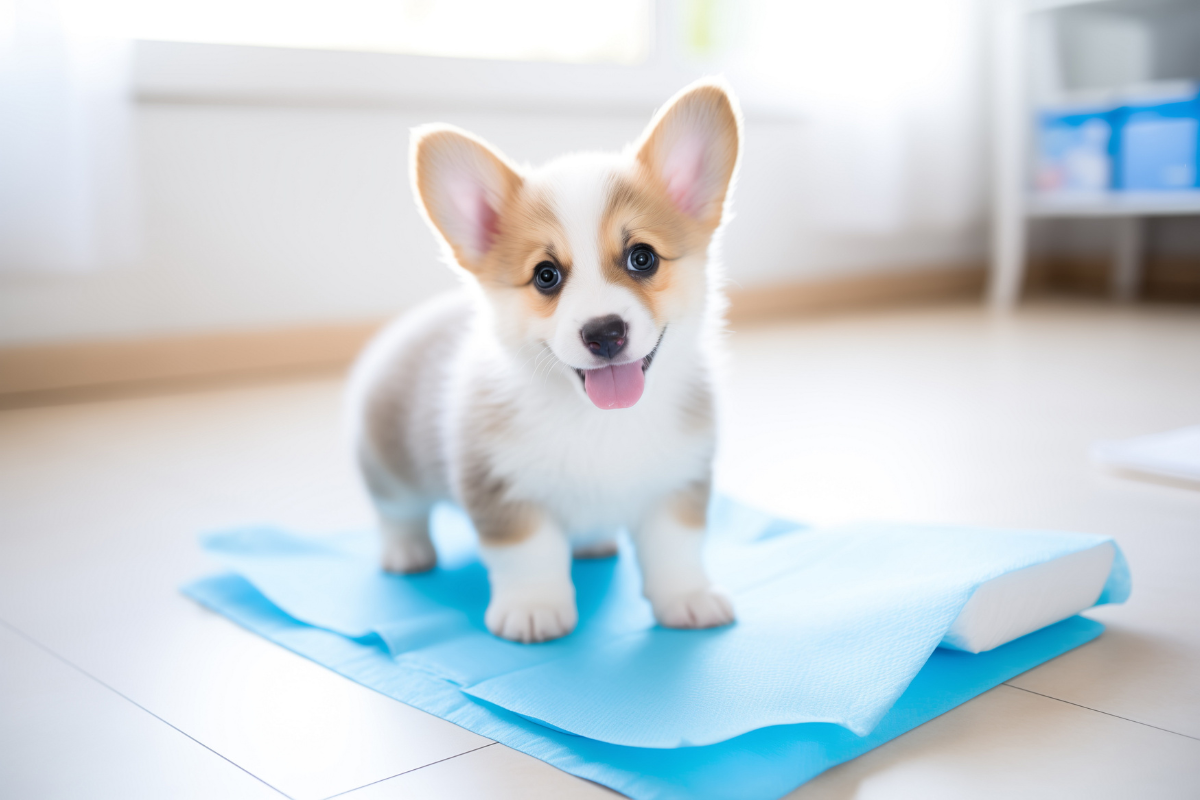
    potty training puppy

    1. Treats, Praise, and Happy Dances

    Forget scolding—2025 is all about positive vibes! Puppies learn best when they’re rewarded for doing the right thing. So, whether it’s tasty treats, a belly rub, or even a little happy dance (we won’t judge), make sure your pup knows they nailed it when they potty in the right spot.

    2. Routines Rule!

    Dogs love a good routine—just like us with our morning coffee. Set a schedule for potty breaks, and stick to it like clockwork. Taking your pup out after meals, naps, and playtime helps them learn the ropes faster and keeps your floors accident-free.

    3. High-Tech Help

    Welcome to the future, where potty training gets a techy upgrade! Smart potty pads, treat-dispensing cameras, and apps that remind you when it’s potty time are total game-changers. Who knew training could be this high-tech?

    4. Crate It Up

    Crates aren’t just cozy dens; they’re amazing potty-training tools. Puppies naturally avoid making a mess where they sleep, so a properly sized crate helps them hold it until the next potty break. Just remember—slow and steady wins the crate-training race.

    5. Ring That Bell

    Want your pup to tell you when it’s time to go? Bell training is all the rage! Hang a little bell by the door and teach your puppy to tap it with their paw or nose when nature calls. It’s like a doorbell, but way cuter.

    6. Go Green with Potty Training

    Eco-conscious pet parents, rejoice! From reusable grass pads to biodegradable potty products, keeping things green while potty training your pup is totally doable—and trending!

    7. Potty Training Sprays to the Rescue

    If your pup is having trouble picking a potty spot, special sprays infused with pheromones can work wonders. Just spritz it where you want them to go, and voila! Instant potty zone.

    8. Indoor Options for City Pups

    Not everyone has a big backyard, and that’s okay! Indoor potty solutions like artificial turf patches or puppy litter boxes are lifesavers for apartment dwellers and those dealing with crazy weather.

    9. Learn Your Pup’s Secret Signals

    Your puppy has their own way of telling you they need to go—sniffing around, circling, or giving you that “I gotta go” look. Paying attention to their cues can save you from surprise accidents.

    10. Patience, Persistence, and Lots of Paper Towels

    Let’s be honest—potty training takes time. There will be accidents, but staying patient and consistent is key. Celebrate the wins and laugh off the oops moments. You got this!

    With these fun and effective potty training tips, you’ll have your pup doing their business like a pro before you know it. Happy training!

  • ✨ 2025 Doggy Self-Care Schedule ✨

    ✨ 2025 Doggy Self-Care Schedule ✨

    🤍 Self-care is all about wagging your tail and feeling pawsitively great! It involves activities that keep you happy, healthy, and full of energy.

    🤍 Whether it’s a daily walk, a cozy nap, or some quality time with your favorite human, self-care helps you stay balanced and ready for all the fun life has to offer.

    🤍 By making self-care a regular part of your doggy life, you can avoid feeling ruff, keep your tail wagging, and enjoy a pawsome life!

    Become a Morning Pup:

    • Bedtime Routine: Snuggle up in your favorite spot and dream of chasing squirrels.
    • Gradually Adjust Wake-Up Time: Try going to bed a little earlier so you can wake up ready for morning adventures.
    • Prep for Success: Make sure your toys and treats are ready for the next day’s fun.
    • Movement: Start your day with a stretch and a wag to get your body moving.
    • Morning Rays: Bask in the morning sun to boost your mood and keep your coat shiny.
    • Morning Routine: A morning filled with belly rubs and playtime ensures a tail-wagging start to the day.

    Fur Care Routine: Morning

    • Cleanse: Roll in the grass to freshen up your fur.
    • Tone: Shake off any dirt to keep your coat looking its best.
    • Serum: A good scratch behind the ears is like a serum for the soul.
    • Eye Care: Keep those puppy eyes bright with lots of love and attention.
    • Moisturize: A splash in the water bowl keeps you hydrated.
    • Sunscreen: Stay in the shade during hot days to protect your fur from the sun.

    Fur Care Routine: Night

    • Double Cleanse: A gentle brush before bed keeps your fur tangle-free.
    • Exfoliate: A good roll in the dirt is great for exfoliating!
    • Tone: A shake-off after a bath balances your fur’s natural oils.
    • Acid Treatment: A little mud never hurt anyone!
    • Serum: A cuddle session is the best serum for a happy heart.
    • Moisturize: A cozy blanket keeps you warm and comfy.
    • Eye Care: A gentle wipe keeps your eyes clear and bright.

    Fur Care Routine: Weekly

    • Sunday: A bath day to remove any dirt and keep your fur shiny.
    • Monday: A relaxing nap for a fresh start to the week.
    • Tuesday: A day of rest to recharge your paws.
    • Wednesday: A playdate for extra fun and socialization.
    • Thursday: Another rest day to keep your energy up.
    • Friday: A deep clean with a good brush to remove loose fur.
    • Saturday: A special treat to end the week on a high note.

    Show Up Like THE Dog:

    • Diet: Stay hydrated and enjoy a balanced diet of kibble and treats.
    • Exercise: Keep active with walks, fetch, and playtime. Aim for at least 30 minutes a day!
    • Self-Care: Regular grooming keeps you looking and feeling your best.
    • Hygiene: Practice good hygiene with regular baths and teeth cleaning.
    • Fashion: Rock your favorite collar or bandana for a stylish look.
    • Budget: Keep track of your treats and toys to ensure you have enough for rainy days.

    Take Care of Yourself:

    • Mindfulness: Enjoy quiet moments in the sun to relax and unwind.
    • Journal: Express yourself with a happy bark or a wag of the tail.
    • Relationships: Spend quality time with your humans and furry friends.
    • Hobbies: Chase a ball, dig a hole, or learn a new trick to keep life exciting.
    • Affirmations: Daily belly rubs boost your confidence and happiness.
    • Take a Break: Unplug from the hustle and bustle with a peaceful nap.

    Summary: In the fast-paced world of fetch and belly rubs, it’s easy to forget to take care of yourself. A self-care routine helps you recharge, reduce stress, and keep your tail wagging. By taking time for activities that nourish your body and mind, you boost your overall health and become the best pup you can be, ready to tackle life’s challenges with a wag and a woof!

    Hope this brings a smile to your face! 🐾