Blog

  • Blinds vs. Shades: Which Is the Better Choice for Your Lehigh Valley Home?

    Blinds vs. Shades: Which Is the Better Choice for Your Lehigh Valley Home?

    A beautiful window deserves more than a great view.

    The right window treatment can soften natural light, add privacy, improve comfort, and bring the entire room together. It’s a finishing touch that quietly changes how a space looks and feels every single day.

    That leads to one of the most common questions we hear from homeowners across Allentown, Bethlehem, Easton, Emmaus, and throughout the Lehigh Valley:

    Should you choose blinds or shades?

    It’s an easy question to ask, but the answer isn’t always as simple as picking the style you like best. Each option offers different benefits, and the best choice depends on how you use the room, how much light you want, and what matters most in your day-to-day life.

    Why Window Treatments Matter More Than You Think

    Window treatments do much more than decorate a room.

    They help manage sunlight throughout the day, create privacy when you need it, reduce glare on televisions and computer screens, and can even contribute to improved energy efficiency by helping insulate windows. The right solution also adds texture, warmth, and personality, turning a room from “almost finished” into complete.

    That’s why custom window treatments are never one-size-fits-all. Every room has its own purpose, and every homeowner has different priorities.

    Blinds: Flexible Light Control with a Timeless Look

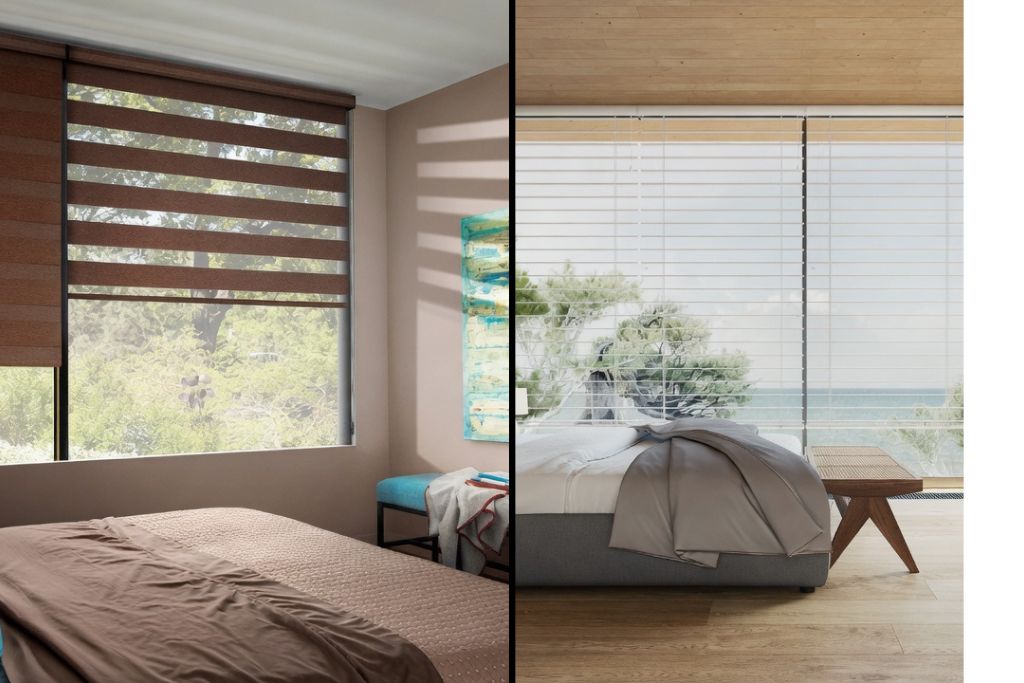
    Blinds are made with individual slats that can be tilted to adjust incoming light while maintaining varying levels of privacy. They also raise fully when you’d like an unobstructed view outdoors.

    For many homes around West End Allentown, Whitehall, and Macungie, blinds are a practical choice for living rooms, home offices, and other spaces where controlling sunlight throughout the day is important.

    Custom blinds are often a great fit if you:

    • Want precise control over light and privacy.
    • Prefer clean, classic lines.
    • Like the flexibility of adjusting slat angles instead of fully raising the window treatment.

    Shades: Soft Style and Everyday Comfort

    Unlike blinds, shades are made from a continuous piece of fabric that raises and lowers as one unit.

    That simple difference opens the door to a wide variety of looks, from sleek roller shades to elegant Roman shades, energy-efficient cellular shades, woven shades, and light-filtering sheer shades.

    Many homeowners throughout Bethlehem, Emmaus, and nearby communities choose custom shades because they soften a room while offering options for light filtering, room darkening, or improved insulation. Certain cellular shades, for example, are designed with honeycomb-shaped pockets that help reduce heat transfer at the window.

    If comfort, softness, and layered design are high on your list, shades are well worth exploring.

    Finding the Right Window Treatment Starts with Your Lifestyle

    The truth is, this isn’t really a competition between blinds and shades. It’s about finding the window treatment that works best for your home.

    At Richards Window Fashions, every recommendation starts with understanding how you live in the space. Our team works with homeowners across Allentown, Bethlehem, Easton, Emmaus, Whitehall, and the surrounding Lehigh Valley to help them select custom blinds, custom shades, shutters, and other window treatments that balance style, light control, privacy, and comfort. From professional measuring to expert installation, we’re here to make the process simple from beginning to end.

    Beautiful windows deserve thoughtful finishing touches. When your window treatments fit both your home and your lifestyle, every room feels more comfortable, more functional, and unmistakably yours.
  • If Your Blinds Could Talk: 4 Signs Your Window Blinds Need Some TLC

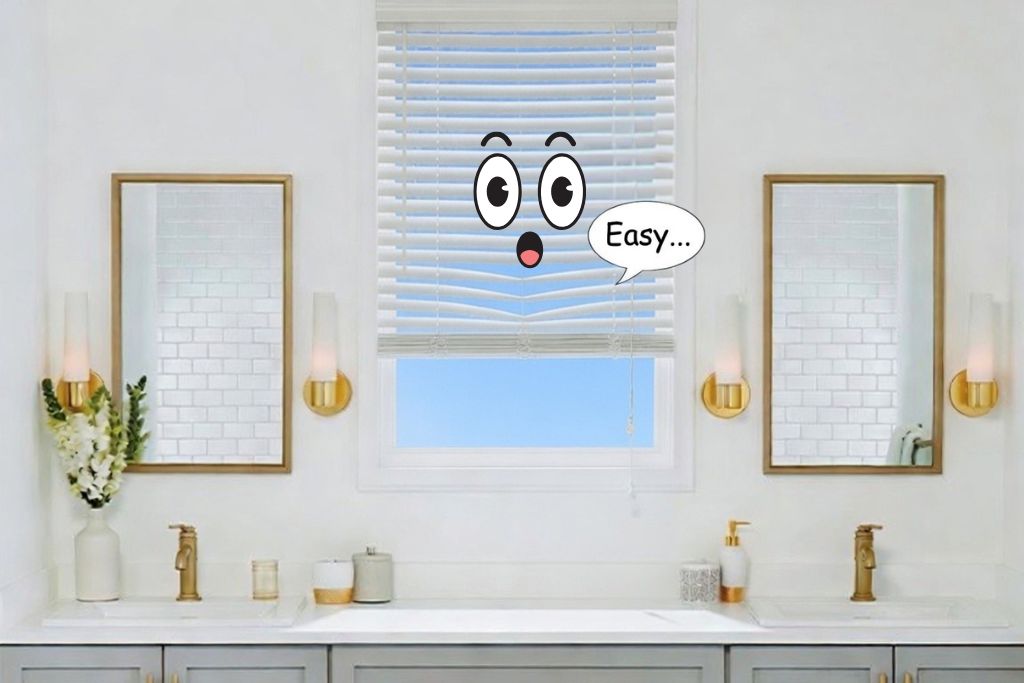
    If Your Blinds Could Talk: 4 Signs Your Window Blinds Need Some TLC

    Blinds have a pretty thankless job.

    They wake up before you do, greet the morning sun, keep nosy neighbors from peeking in, soften harsh afternoon light, and somehow collect dust when nobody’s looking. They work quietly every single day, yet they rarely get so much as a “thanks.”

    Now imagine they could talk.

    After a few years hanging in your living room or kitchen, they’d probably have…opinions.

    Around Allentown, Bethlehem, Emmaus, and homes across the Lehigh Valley, we’ve seen blinds that have weathered enthusiastic pets, curious toddlers, ambitious DIY projects, and years of faithful service. If they could submit a formal complaint, it might sound something like this.

    “Could You Stop Pulling My Cord Like You’re Starting a Lawn Mower?”

    Blinds are designed to operate smoothly.

    Giving the cords or controls an aggressive tug can wear components over time or even damage the operating mechanism. If your blinds no longer raise evenly or feel harder to use than they once did, they may need a professional repair… or it might be time to explore newer operating systems.

    Many homeowners are also upgrading to cordless blinds, which offer a clean look, simple operation, and added safety in homes with young children or pets.

    “I’m Not Crooked. I’m Just Tired.”

    One side hangs lower.

    The slats don’t quite line up.

    Something just looks…off.

    Sometimes the issue is a minor adjustment. Other times, worn internal components or years of daily use have taken their toll. The good news is that a crooked blind doesn’t always need replacing. An experienced team can often determine if a repair is the better solution.

    “I’ve Been Half Open Since 2017. Is This My Personality Now?”

    We’ve all done it. You adjust the blinds halfway one afternoon to block the sun streaming across the television, then somehow they stay that way for months.

    The problem isn’t the position. It’s forgetting to check if your current window treatments still meet your needs.

    Rooms change. Furniture moves. Home offices appear. Sunlight shifts with the seasons around West End Allentown, Whitehall, and Macungie. Sometimes updating your window treatments can make the room feel brand new.

    “Dust Me…or Set Me Free.”

    Blinds are excellent at catching dust.

    Less excellent at cleaning themselves.

    Regular dusting with a microfiber cloth, soft duster, or vacuum brush attachment helps keep them looking their best and prevents buildup over time. A little routine care goes a long way toward extending the life of your window treatments.

    Every Window Deserves the Right Solution

    Your blinds may never stage a protest, but they do tell a story through how they look and perform.

    At Richards Window Fashions, we help homeowners throughout Allentown, Bethlehem, Easton, Emmaus, Whitehall, and communities across the Lehigh Valley keep that story going. From blind repairs and restringing to custom blinds, custom shades, shutters, and modern cordless options, our team takes the time to recommend solutions that fit both your windows and your lifestyle.

    Your blinds may not actually be keeping score. Still…if they’ve faithfully handled years of sunrise, sunset, family movie nights, curious pets, and one too many enthusiastic tugs on the controls, they probably deserve a little appreciation. And if they’re finally ready to retire, we’ll help you find window treatments that are ready for the next chapter.

  • 8-Week-Old Puppy Potty Training Schedule: What to Expect

    8-Week-Old Puppy Potty Training Schedule: What to Expect

    Your puppy is home, and life suddenly runs on a very different schedule.

    Meals happen at specific times. Naps seem to happen everywhere. And potty breaks? There are a lot of them.

    For many new puppy owners in Old Bridge, potty training is one of the biggest concerns during those first few weeks. You may be wondering if your puppy is learning fast enough or if the number of accidents you’re seeing is normal.

    At eight weeks old, most puppies are still in the very early stages of potty training. The goal isn’t perfection. The goal is consistency.

    Why Potty Training Looks Different at 8 Weeks

    An 8-week-old puppy is still developing bladder and bowel control. Most puppies at this age need frequent trips outside and won’t reliably signal when they need to go.

    That means management is just as important as training.

    A predictable routine helps your puppy learn where they should go while reducing opportunities for accidents indoors. Whether you’re settling in near laurence Harbor, Madison Park, or another Old Bridge neighborhood, consistency is one of the most important parts of the process.

    A Realistic Daily Potty Training Schedule

    Most 8-week-old puppies should go outside:

    * Immediately after waking up

    * Shortly after eating or drinking

    * After play sessions

    * Before going into their crate

    * Right before bedtime

    * Every one to two hours throughout the day

    If your puppy has an accident, it doesn’t necessarily mean they’re falling behind. More often, it’s a sign that potty breaks need to happen more frequently.

    Many families throughout Old Bridge find that setting reminders during the first few weeks can help establish a reliable routine.

    What Progress Looks Like During the First Few Weeks

    Many puppy owners expect potty training progress to happen quickly. In reality, the first victories are often small.

    You may notice your puppy having fewer accidents in the same room. Some puppies begin heading toward the door before they need to go. Others start using the same outdoor potty area consistently.

    These are all positive signs that the routine is starting to make sense.

    Whether you’re spending afternoons at home near Route 9 or enjoying time in neighborhoods closer to Cheesequake State Park, those small improvements are worth celebrating.

    Common Potty Training Challenges

    Frequent Accidents

    This is completely normal at eight weeks. Young puppies simply don’t have the physical ability to “hold it” for long periods.

    Potty Breaks That Turn Into Playtime

    Many puppies become distracted outdoors. If this happens, keep potty trips short and bring your puppy to the same area each time.

    Success One Day, Accidents the Next

    Progress is rarely linear. A good day followed by a difficult one is a normal part of the learning process.

    Three Habits That Help Puppies Learn Faster

    Stick to a Consistent Schedule

    The more predictable the routine, the easier it is for your puppy to learn.

    Reward Success Immediately

    Praise and treats should happen right after your puppy goes in the correct spot. Timing matters.

    Supervise Indoors

    When your puppy is awake, keep a close eye on them. Catching early signs that they need to go outside can help prevent accidents.

    Helping New Puppy Owners in Old Bridge

    The first few months with a puppy come with plenty of questions, and potty training is usually near the top of the list.

    At PetCenter in Old Bridge, we’re here to be a resource long after your puppy comes home. From feeding and training advice to helping families prepare for common puppy milestones, our team is committed to helping owners feel confident during those important early weeks.

    We proudly work with families throughout Old Bridge and nearby communities, helping new puppy owners navigate everything from potty training to everyday puppy care.

    Patience and Consistency Go a Long Way

    At eight weeks old, your puppy is still learning the basics. A reliable routine, realistic expectations, and plenty of repetition can make a significant difference.

    Focus on consistency now, and you’ll be laying the foundation for good habits that last well beyond puppyhood.

    Hungry for more? The next chapter’s even better! Follow the paw prints below to keep reading.

    Puppy’s First Vet Visit: What New Owners Should Expect
    Behind the Scenes: How PetCenter Cares for Puppies Every Day

  • The Puppy Summer Camp Yearbook

    The Puppy Summer Camp Yearbook

    By this point in the summer, your puppy has probably built a reputation.

    Not an official one.

    Just the kind where everyone in the house immediately says, “Yep, that sounds like him.”

    Maybe they’re the puppy who tries to befriend every living thing. Maybe they’re the puppy who turns every water bowl into a recreational activity. Maybe they’re the puppy who somehow finds the one weird object in the yard and decides it belongs in their mouth.

    You know. That puppy.

    Which made us wonder: if puppies had a summer camp yearbook, what awards would they win?

    After careful observation and absolutely zero scientific oversight, we’ve reached some conclusions.

    The Official Puppy Summer Camp Awards

    While every puppy is unique, behavior experts agree that dogs often develop distinct personality traits. Some are naturally outgoing. Some are more cautious. Some seem determined to turn every ordinary afternoon into a memorable event.

    Here are the campers who stood out this summer.

    Most Likely to Eat Something They Absolutely Shouldn’t

    This puppy doesn’t ask questions. They commit.

    A leaf blows by? Chomp.

    A stick appears? Chomp.

    Something mysterious falls out of a beach bag? Also chomp.

    Curious puppies often explore with their mouths. It’s a completely normal part of learning about the world. It is also the reason we all say, “WHAT’S IN YOUR MOUTH?” at least once a day.

    Best Zoomies After Quiet Time

    You looked over. They were asleep. Five seconds later, they’re running through the house like they’ve just received urgent news.

    No warm-up. No explanation. Just immediate acceleration.

    High-energy puppies often release excitement in short bursts, especially after resting. Summer seems to amplify this phenomenon by approximately 400%.

    Most Likely to Befriend a Garden Hose

    This puppy has never met a stranger.

    Not a person. Not a dog. Not a sprinkler. Not a lawn ornament.

    Everything is a potential friendship opportunity.

    Social puppies tend to approach new experiences with confidence and curiosity. They’re often eager to investigate whatever is happening around them.

    Sometimes repeatedly.

    Most Dramatic Response to Minor Inconvenience

    The food bowl was not filled quickly enough. A door closed. Someone sat in their favorite spot.

    The tragedy.

    The injustice.

    The emotional devastation.

    Highly expressive puppies are often very tuned in to routines and household activity. They’re also exceptionally talented at making sure everyone knows when they have concerns.

    Best Cannonball Into the Water Bowl

    Technically, the water bowl exists for drinking. This puppy disagrees.

    Every refill becomes an event. Paws go in. Water comes out. Nobody stays dry.

    Many playful puppies enjoy interacting with water, especially during warmer months. Some simply take that enthusiasm to championship levels.

    Future Camp Director

    This puppy is somehow involved in everything. They’re supervising snack preparation. Inspecting grocery bags. Monitoring family activities. Conducting random security checks on household items.

    Confident puppies often enjoy engaging with their environment and figuring things out.

    This one just believes they’re running the place.

    Most Likely to Start a Game Nobody Asked For

    You were folding laundry. Now you’re playing chase.

    You were watering the garden. Now you’re playing chase.

    You were trying to sit down for five consecutive minutes.

    Good luck.

    Some puppies are natural initiators. They thrive on interaction and love creating opportunities for engagement.

    Even if those opportunities were not requested.

    Final Award of the Summer

    After much consideration, we’ve decided to add one final category.

    Most Likely to Keep Us Laughing

    Every puppy wins.

    The weird-object collectors.

    The water bowl cannonballers.

    The self-appointed camp directors.

    The professional troublemakers.

    The puppies whose names are followed by “What are you doing?” at least twenty times a day.

    Summer with a puppy is messy. It’s loud. It’s occasionally confusing.

    But it’s never boring.

    So congratulations to all this year’s winners. Your prize is one slightly chewed tennis ball and absolutely no additional privileges.

    See you at camp next year!

    Hungry for more? The next chapter’s even better! Follow the paw prints below to keep reading.

    Your Dog’s Summer Job Would Definitely Be…
    The Ultimate Dog Mom Resume: Are You Qualified for the Best Job Ever?

  • New Puppy Checklist: Everything You Need Before Day One

    New Puppy Checklist: Everything You Need Before Day One

    Deciding to bring home a puppy is exciting. It’s also a big decision. Once you’ve found the right puppy, your mind naturally starts racing through everything you need to do before they arrive.

    Do I have the right supplies? Is my home ready? What will those first few days look like?

    A little preparation can make a big difference. Having the essentials in place before day one helps your puppy settle in more comfortably and allows you to focus on building a positive routine from the start. At Petland, we often remind new puppy owners that preparation is one of the best ways to set both you and your puppy up for success.

    The Ultimate Puppy Checklist

    1. Food and Water Bowls

    Choose sturdy, easy-to-clean bowls that won’t tip easily. Fresh water should always be available, and having the right feeding setup helps establish healthy habits from the beginning.

    2. Puppy Food

    Ask what food your puppy is currently eating and have it ready before they arrive. Sudden changes in diet can sometimes cause digestive upset. If you plan to switch foods, do so gradually over time. If you’re bringing home a puppy from Petland, our team can provide guidance on your puppy’s current diet and feeding recommendations.

    3. A Comfortable Place to Sleep

    Puppies need plenty of rest as they grow and develop. A comfortable bed or designated sleeping area gives them a consistent place to relax and feel secure in their new environment.

    4. A Crate or Safe Puppy Space

    A crate can support house training and provide a quiet place for your puppy to rest. You may also want to create a puppy-safe area using gates or a playpen while they learn the rules of their new home.

    5. Collar, Leash, and ID Tag

    Even young puppies should have proper identification. A well-fitted collar and lightweight leash also help your puppy become comfortable with handling and early training experiences.

    6. Training Treats

    Positive reinforcement is one of the most effective training tools available. Small, puppy-friendly treats can help reward desired behaviors and encourage learning from day one.

    7. Toys for Play and Teething

    Puppies explore the world with their mouths. Appropriate chew toys can help soothe teething discomfort while giving your puppy a safe outlet for natural chewing behaviors. Interactive toys also help keep curious minds engaged.

    8. Grooming Essentials

    Depending on your puppy’s breed and coat type, you may need brushes, puppy shampoo, nail care tools, or dental products. Introducing grooming routines early can help puppies become more comfortable with regular care throughout their lives. A Petland pet counselor can help recommend grooming products that are appropriate for your puppy’s age, breed, and coat type.

    9. Cleaning Supplies

    Accidents are a normal part of puppyhood. Having pet-safe cleaning products on hand can make cleanup easier and help remove odors that may attract puppies back to the same spot.

    10. A Veterinary Care Plan

    Your Petland puppy has been under the care of a veterinarian since birth, and each Petland location has a state-licensed consulting veterinarian who has cared for the puppy from the time it arrived. An initial wellness exam with the recommended vet, or with your established family veterinarian is highly advised, and required within the timeline indicated in Petland’s New Puppy Warranty. Regular veterinary care plays an important role in supporting your puppy’s long-term health and development. Many Petland families find that establishing veterinary care before bringing their puppy home helps make the transition even smoother.

    Support Beyond Puppy Day

    Preparing your home is only part of the process. Having access to knowledgeable guidance can make a difference as you navigate training, nutrition, wellness, and daily care.

    At Cosmick Media SEO Blogs, we’re here to help you find the right puppy for your lifestyle while providing resources and support long after adoption day. Whether you’re welcoming your first puppy or adding another dog to your family, our team is committed to helping you start off on the right foot.

    Ready to Welcome Your Puppy Home?

    The more prepared you are before day one, the smoother the transition will be for both you and your puppy. With the right supplies, a safe environment, and trusted guidance, you’ll be ready to give your new puppy a confident start in their new home. Visit your local Petland location to learn more about available puppies and the resources available to help your growing family.

    Hungry for more? The next chapter’s even better! Follow the paw prints below to keep reading.

    Myth Busting: Why Petland is a Good Choice When Bringing a Puppy Home

    What To Know About Third-Party Puppy Financing Options at Petland

  • New Puppy Checklist: What to Have Ready Before Day One

    New Puppy Checklist: What to Have Ready Before Day One

    The happy decision has been made. You’re bringing home a puppy.

    Now comes the part that catches many people by surprise: getting ready for them.

    Most new puppy owners spend plenty of time thinking about breeds, personalities, and names. Then reality sets in. Where will they sleep? What should they eat? Do you have everything you need before they walk through the door?

    A little preparation now can make those first few days much smoother. It can also help your puppy settle into their new environment with less stress and more confidence. For families throughout Stuart, Boca Raton, and surrounding South Florida communities, having a plan in place can make all the difference.

    Before Your Puppy Arrives, Check These Essentials Off Your List

    Create a Dedicated Space

    Your puppy doesn’t need access to the entire house right away. A designated area gives them a place to rest, play, and adjust to new surroundings.

    This could be a crate, playpen, or puppy-proofed room. Having a consistent space can help establish routines early.

    Whether you live near Downtown Stuart, Palm City, East Boca, or Boca Del Mar, creating a quiet, comfortable area can help your puppy feel secure from day one.

    Choose the Right Food

    Ask what food your puppy is currently eating and have it ready before bringing them home.

    Keeping meals consistent during the first few weeks can help avoid unnecessary digestive upset while your puppy adjusts to a new environment.

    Set Up Food and Water Stations

    Pick a location that’s easy for your puppy to access and easy for you to keep clean. Establishing consistent feeding areas helps create structure from the start.

    Many South Florida families find that keeping food and water stations in the same location helps puppies settle into a routine more quickly.

    Stock Up on Chew Toys

    Puppies explore the world with their mouths. They also go through teething.

    Having appropriate chew toys available can help redirect chewing away from furniture, shoes, and other household items while providing mental enrichment.

    Prepare for Potty Training

    Accidents happen during the early stages of puppyhood.

    Puppy pads, enzymatic cleaners, and a plan for regular potty breaks can make the process more manageable. Consistency is one of the most important factors in successful potty training.

    Families living near Sewall’s Point, Jensen Beach, or Boca Raton neighborhoods close to Red Reef Park often find that establishing a dedicated potty area early helps reinforce good habits.

    Have a Collar, Leash, and ID Tag Ready

    Even before neighborhood walks become part of the routine, your puppy should have proper identification.

    Early introductions to collars and leashes can also help build confidence and familiarity.

    Gather Basic Grooming Supplies

    Depending on your puppy’s coat type, you may need a brush, nail care tools, puppy-safe shampoo, and dental products.

    Introducing grooming gradually helps puppies become more comfortable with handling as they grow.

    Schedule a Veterinary Visit

    One of the first items on your calendar should be a wellness exam with a trusted veterinarian.

    Regular preventive care helps support healthy growth and provides an opportunity to discuss nutrition, vaccinations, and developmental milestones.

    Local Support for New Puppy Owners

    Whether you’re preparing for life with a puppy in Stuart, exploring the neighborhoods around Downtown Stuart, or getting ready for walks near Mizner Park in Boca Raton, preparation goes a long way.

    At Wags About You, we love helping families find a puppy that fits their lifestyle. Just as importantly, we enjoy helping owners feel prepared for everything that comes next. Questions about supplies, routines, nutrition, or training are all part of the conversation.

    We proudly serve puppy owners throughout Stuart, Boca Raton, Palm City, Jensen Beach, Deerfield Beach, and surrounding communities.

    Start Day One With Confidence

    No home is ever perfectly prepared for a puppy. That’s part of the fun.

    However, having the essentials in place before your puppy arrives allows you to focus less on what you’re missing and more on the best part: Getting to know the newest member of your household.

    More Helpful Reads From Wags About You From planning and preparation to everyday puppy care, our articles are here to help you feel informed and confident as a pet parent. Check out the related posts below to keep learning with us.

  • Puppy Leash Training: How to Stop Pulling and Freezing

    Puppy Leash Training: How to Stop Pulling and Freezing

    The first few weeks with a puppy are full of milestones. The first night at home. The first successful potty break. The first time they learn their name.

    Then comes one that many new puppy owners look forward to most: the first walk.

    You picture strolling through the neighborhood together. Instead, your puppy plants all four paws on the ground and refuses to move. Or they pull ahead like they’re training for a marathon.

    If that sounds familiar, don’t worry. Both reactions are completely normal.

    For puppies, the outside world is full of new sights, sounds, smells, and experiences. Learning how to walk on a leash takes time, patience, and practice. Whether you’re exploring your neighborhood in Indianapolis, Schererville, or a nearby community, those first walks are a big learning experience for your puppy. 

    Why Puppies Pull or Freeze on Walks

    Imagine seeing a busy sidewalk, passing cars, rustling leaves, and unfamiliar people for the very first time. That’s what many puppies experience during their early walks.

    Some puppies respond by pulling forward to investigate everything around them. Others become overwhelmed and freeze in place.

    Neither reaction means your puppy is stubborn or difficult. More often, they’re simply processing a lot of new information at once.

    For puppies living near bustling areas like Broad Ripple, Downtown Indianapolis, or Schererville’s busy commercial corridors along US-41, there can be even more sights and sounds to take in.

    If Your Puppy Pulls Ahead

    Pulling is common because puppies naturally want to move toward something interesting.

    When your puppy starts pulling, avoid pulling back on the leash. Instead, stop walking. Once the leash becomes loose again, continue forward. This teaches your puppy that pulling doesn’t get them where they want to go. A loose leash does.

    Consistency is important. The lesson becomes much clearer when the same rule applies every time.

    Many families find it helpful to practice in quieter areas first, whether that’s a neighborhood sidewalk in Fishers, Carmel, St. John, or Schererville.

    If Your Puppy Refuses to Move

    Freezing can be just as common, especially during the first few walks.

    If your puppy stops, give them a moment to look around and process their surroundings. Encourage them with a happy voice and reward even a few steps forward. Avoid dragging or forcing your puppy to move. Building confidence is more effective than creating pressure.

    Many puppies become more comfortable after a few short outings.

    Start Small and Keep Walks Short

    One of the biggest mistakes new owners make is expecting too much too soon. Early leash walks don’t need to be long. A few minutes around the yard, driveway, or quiet sidewalk can be enough.

    For families in Indianapolis, that might mean practicing close to home before exploring busier areas near Broad Ripple, Fountain Square, or downtown. In Schererville, a quiet neighborhood stroll is often a better starting point than a crowded weekend outing near Lincoln Highway or popular shopping areas.

    Small successes build confidence.

    Make Every Walk a Learning Opportunity

    Bring treats. Reward attention. Celebrate calm behavior.

    Most importantly, remember that leash training is a skill. Your puppy isn’t expected to master it overnight.

    With repetition, many puppies begin to understand what is expected and become more comfortable walking beside you.

    Helping Families Start Strong

    At Happiness Is Pets, we love seeing families reach these exciting milestones. Finding the right puppy is only the beginning. Learning, growing, and building confidence together is where the real fun begins.

    Whether you’re welcoming a puppy in Indianapolis, Schererville, Fishers, Crown Point, or a nearby community, our team is here to answer questions and provide guidance as your puppy learns the ropes.

    One Step at a Time

    The first leash walk may not look exactly how you imagined it. That’s okay.

    Every puppy starts somewhere. With patience, positive reinforcement, and realistic expectations, those early stops, starts, and zigzags eventually become enjoyable walks you’ll both look forward to.

    If you’re up for another read, these posts are popular with puppy parents:

  • The Puppy Summer Complaint Department

    The Puppy Summer Complaint Department

    Summer with a puppy is wonderful.

    It’s sunshine, backyard adventures, long walks, cold water bowls, and approximately 7,000 photos of your puppy doing something adorable.

    It’s also become increasingly clear that puppies have opinions.

    Strong opinions.

    In fact, if puppies could file official complaints during the summer months, we suspect many of them would. Frequently. Possibly in writing. Possibly with legal representation.

    Which is why we’ve decided to open the Puppy Summer Complaint Department and review some of this season’s most common grievances.

    After careful investigation, we can confirm that many of these complaints are completely ridiculous.

    We can also confirm that your puppy is absolutely serious about them.

    Complaint #1: The Sun Is Following Me

    Filed by: Every puppy who has ever walked across a driveway in July.

    According to the complaint, the ground is warm, the air is warm, and somehow the giant glowing object in the sky refuses to leave them alone.

    To be fair, puppies can be more sensitive to heat than we sometimes realize. That’s why shade, fresh water, and avoiding the hottest parts of the day are important during summer outings.

    Still, we’d like to note that the sun has been operating this way for quite some time.

    Complaint #2: The Water Bowl Was Full and Now It’s Empty

    Filed by: The puppy who spent fifteen minutes splashing in it.

    This puppy believes someone should investigate why their water bowl keeps running out. Unfortunately, security footage reveals that they personally removed most of the water using both paws.

    Many puppies enjoy playing with water because it’s stimulating, cooling, and honestly pretty entertaining.

    The good news? They’re having fun.

    The bad news? Your kitchen floor is now a wetland ecosystem.

    Complaint #3: The Sprinkler Is Acting Suspicious

    Filed by: The self-appointed head of neighborhood security.

    This complaint includes 47 pages of evidence and three blurry photographs.

    Some puppies approach new objects with curiosity. Others approach them like undercover detectives investigating an international incident.

    Both reactions are normal. Confident exploration is part of how puppies learn about their environment.

    The sprinkler, however, remains innocent until proven guilty.

    Complaint #4: Everyone Keeps Saying “Leave It”

    Filed by: The puppy carrying something alarming.

    The complaint argues that if puppies aren’t supposed to investigate random sticks, mulch, leaves, pinecones, and mystery objects, those items should stop appearing outdoors.

    Unfortunately, that’s not how nature works.

    Puppies naturally explore the world with their mouths. Redirecting that curiosity toward safe toys and chews helps satisfy the urge without turning every walk into a hostage negotiation.

    Complaint #5: Bedtime Has Been Scheduled Far Too Early

    Filed by: Every overtired puppy experiencing evening zoomies.

    Many puppies become extra energetic when they’re actually exhausted.

    It sounds backwards. It IS backwards.

    Yet somehow that’s puppy logic.

    Regular naps and predictable routines often help prevent those nightly laps around the coffee table.

    We Respect All Complaints

    The truth is that every puppy experiences the world a little differently.

    Some are cautious. Some are adventurous. Some are convinced the garden hose is their best friend. Others are convinced it’s their greatest enemy.

    That’s part of what makes them so entertaining.

    We love helping families understand these quirky behaviors because behind every complaint, dramatic reaction, and suspicious investigation is a puppy learning about the world one experience at a time.

    Department Closed for the Day

    At least temporarily.

    We’ll reopen tomorrow when someone files an urgent complaint about a closed bathroom door, a missing tennis ball, or the unacceptable delay between dinner and second dinner.

    Until then, summer remains under puppy supervision.

  • Puppy Crate Training: How to Make the Crate a Happy Place

    Puppy Crate Training: How to Make the Crate a Happy Place

    A puppy is officially part of the family. They’re learning the sights, sounds, and rhythms of your home. They’re figuring out where to eat, where to nap, and where they fit into daily life. New puppy owners throughout Whitehouse Station, Readington Township, and nearby Hunterdon County communities often find that those first few weeks are filled with equal parts excitement and adjustment.

    Just as our homes provide comfort and security, puppies need a space they can call their own. Families throughout Whitehouse Station often find that creating that safe space early helps make the transition home much smoother.

    That’s where crate training comes in.

    When introduced correctly, a crate isn’t a punishment. It’s a safe, predictable place where your puppy can rest, recharge, and feel secure.

    Why Puppies Need a Space of Their Own

    Everything is new to a young puppy. New people. New routines. New sounds. Even something as simple as the dishwasher turning on can be an adjustment.

    A crate provides consistency during this transition. Families across Whitehouse Station, Clinton, Lebanon, and Readington often discover that a dedicated puppy space helps establish routines much faster. It gives puppies a quiet place to settle and can help support house training, bedtime routines, and independent confidence.

    The key is helping your puppy build positive associations from the very beginning.

    Start with Comfort, Not Confinement

    One of the most common crate training mistakes is moving too quickly.

    Instead of closing the door right away, allow your puppy to explore the crate on their own. Place soft bedding inside and leave a few treats for them to discover.

    The goal is simple: help your puppy view the crate as a place worth choosing.

    Feed Meals Near the Crate

    Food can be a powerful training tool.

    Start by feeding meals beside the crate. As your puppy becomes comfortable, gradually move the food bowl closer and eventually inside.

    This helps create positive experiences and reduces hesitation about entering the crate. Consistency is one of the biggest factors in successful puppy training, whether you’re in Whitehouse Station or a neighboring community like Readington or Clinton.

    Make the Crate Part of Everyday Life

    Crates work best when they feel normal.

    Offer treats inside the crate. Toss in a favorite toy. Encourage short rest periods throughout the day rather than using the crate only when you’re leaving the house.

    The more positive experiences your puppy has there, the more comfortable they become. Many new puppy owners throughout Whitehouse Station and nearby communities along Route 22 find that regular crate time quickly becomes part of the daily routine.

    What If Your Puppy Cries?

    This is often the hardest part for puppy owners.

    A little whining can be normal, especially during the first few days. In fact, this is one of the most common questions we hear from new puppy owners in Whitehouse Station and throughout Hunterdon County.

    Your puppy is simply adjusting to a new environment and learning new routines.

    Before crating, make sure your puppy has had an opportunity to potty, stretch, and burn off some energy. Then keep departures calm and low-key.

    Most importantly, avoid turning every whine into a release from the crate. Consistency helps puppies learn that the crate is a safe place, not something to fear.

    Building Confidence Together

    At Furrylicious, we know that bringing home a puppy comes with plenty of questions. Crate training is often one of the first. Families from Whitehouse Station, Readington, Clinton, Lebanon, Branchburg, and communities throughout Hunterdon County rely on our team for guidance on training, nutrition, socialization, and everyday puppy care.

    We’re here to help you create positive experiences from day one.

    A Safe Space Can Make a Big Difference

    The best crate training happens gradually.

    With patience, consistency, and positive reinforcement, many puppies learn to see their crate as a place to relax rather than a place to resist. That’s why so many puppy owners throughout Whitehouse Station and the surrounding Hunterdon County area make crate training part of their puppy’s routine from the very beginning.

    And once that happens, you’ve given them something valuable: a space that feels safe, familiar, and entirely their own.

  • Puppy Zoomies at Night: How to Calm Evening Hyperactivity

    Puppy Zoomies at Night: How to Calm Evening Hyperactivity

    The puppy is home. Your days are filled with new routines, training sessions, playtime, and plenty of laughter. By evening, you’re ready to slow down, settle in, and enjoy a quieter pace.

    Throughout Calhoun and surrounding Gordon Country communities, new puppy owners quickly learn that no two days with a puppy are every quite the same.

    Your puppy, however, may have other plans.

    Suddenly they’re racing through the living room, darting from couch to hallway, grabbing toys at full speed, and acting as if they just drank three cups of coffee.

    Welcome to the evening zoomies. It’s something many puppy owners throughout the greater Northwest Georgia recognize almost immediately.

    While nighttime hyperactivity can be surprising, it’s actually a common part of puppy development. Understanding why it happens can help you manage it more effectively and create calmer evenings for everyone.

    What Are Puppy Zoomies?

    Zoomies are sudden bursts of energy that cause puppies to run, spin, jump, and play at high speed. You may also hear them referred to as FRAPs, or Frenetic Random Activity Periods.

    For young puppies, zoomies are a normal way to release physical and mental energy. In many cases, they’re not a sign that something is wrong. They’re simply a sign that your puppy is still learning how to regulate excitement and settle themselves.

    Why Zoomies Often Happen at Night

    Many puppy owners assume nighttime zoomies mean their puppy needs more exercise. Surprisingly, the opposite can sometimes be true.

    Puppies often experience evening zoomies when they’re overtired. Just like young children can become more energetic before bedtime, puppies can become overstimulated when they need rest.

    Other common triggers include a busy day, missed naps, excitement from family activity, or a sudden release of pent-up energy. A full afternoon spent exploring local parks, visiting family, or tagging along on errands around Calhoun and Adairsville can be surprisingly tiring for a young puppy.

    How to Help Your Puppy Settle

    Prioritize Daytime Rest

    Young puppies need significantly more sleep than most people realize. That’s easy to forget after a busy weekend spent exploring local events and outdoor spaces throughout Northwest Georgia. Regular naps throughout the day can help prevent overtired behavior later in the evening.

    Create a Predictable Evening Routine

    Consistent feeding, potty breaks, and quiet time help puppies understand when the day is winding down.

    Offer Calm Mental Enrichment

    Instead of encouraging high-energy games before bed, try a food puzzle, gentle training session, or chew activity.

    Reward Calm Behavior

    When your puppy settles quietly, offer praise or a reward. Over time, they begin to understand that relaxation is valuable too.

    Why Managing Zoomies Matters

    Occasional zoomies are perfectly normal. However, teaching your puppy how to settle is an important life skill.

    Learning to transition from activity to rest can help support better routines, improved focus, and a calmer household as your puppy matures.

    Guidance Beyond Puppy Day

    At Georgia Dog Club, we believe bringing home a puppy is just the beginning. Understanding behavior, building routines, and helping puppies develop confidence are all part of raising a well-adjusted companion.

    Adairsville, Resaca, and surrounding Northwest Georgia communities trust our team for guidance through those important early puppy milestones.

    The Good News About Zoomies

    The evening zoomies can feel chaotic in the moment, but they’re usually a temporary phase. With plenty of rest, consistent routines, and age-appropriate outlets for energy, most puppies learn to settle more easily as they grow.

    Until then, keep a sense of humor handy. Sometimes puppyhood comes with a few extra laps around the coffee table.

    If you’re up for another good read, these articles are a great place to start: