Blog

  • Should You Paint Your Home Before Selling?

    Should You Paint Your Home Before Selling?

    Selling your home comes with a long to-do list. Clean the rooms, clear the clutter, handle those little repairs. And then there’s the question of paint. If your walls look worn, dated, heavily marked, or highly personalized, painting before you list can help your home make a stronger first impression. But a full repaint is not always necessary.

    Why Should You Consider Painting Before Selling?

    Fresh paint can make a home look cleaner, brighter, and better maintained. That matters when buyers first see your property online or walk through the door.

    Painting may be worth considering if you have:

    • Scuffed, chipped, peeling, or faded walls
    • Strong or highly personal colors
    • Rooms that feel dark or dated
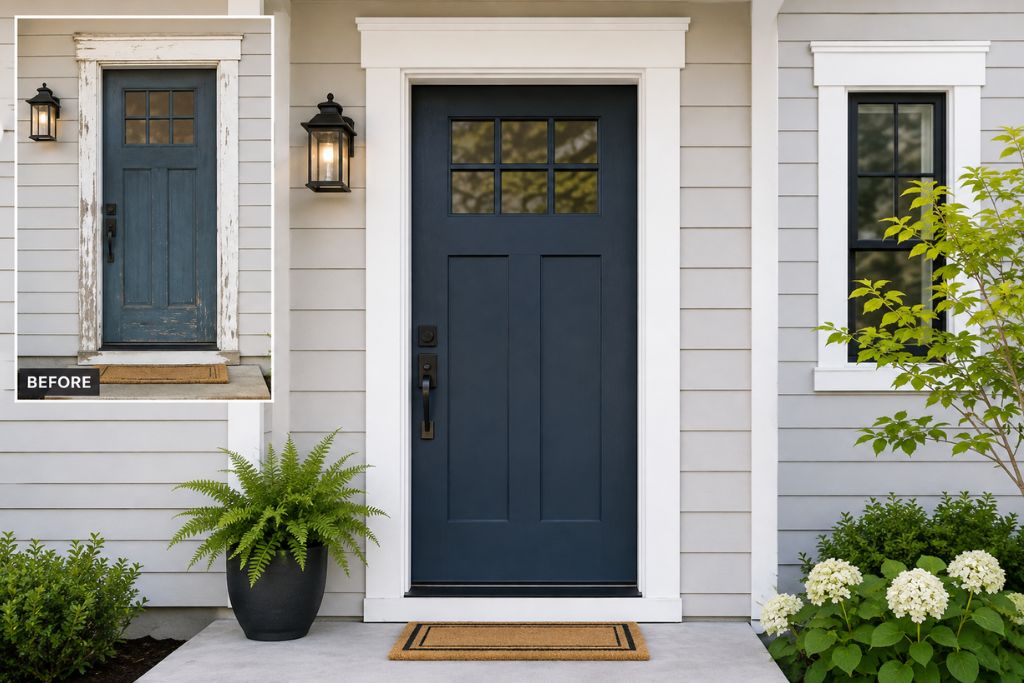
    • An exterior with worn trim, siding, or doors
    • Visible signs of years of everyday wear

    That last point matters in busy homes around Powell, from established neighborhoods near Downtown Powell to properties closer to Sawmill Parkway.

    So, Should You Paint Before Selling Your Home?

    In many cases, yes. But focus on the areas that need it most.

    You do not necessarily need to repaint every room. If your existing color is neutral and the finish still looks fresh, targeted touch-ups may make more sense.

    Color choice deserves some thought, too. Zillow’s 2025 research found that buyers did not simply favor white. Dark olive green kitchens, navy bedrooms, and dark gray living rooms performed strongly in its buyer study.

    That does not mean you should chase a trend. The best choice depends on your home’s architecture, condition, lighting, and local buyer expectations.

    Consider painting if:

    • Walls should obvious wear
    • Colors feel very personal
    • Exterior looks faded
    • Listing photos show imperfections

    You may be able to skip it if:

    • Paint still looks fresh
    • Colors are broadly appealing
    • Exterior is in good condition
    • Rooms already photograph well

    How Can Color World Columbus Help?

    A professional assessment can help you decide where painting will have the greatest impact. Color World Columbus provides interior and exterior painting, color consultation, drywall repair, carpentry, power washing, and other services. Our experienced, fully insured and licensed team uses quality products and detailed processes.

    For homeowners preparing a property in Powell, Columbus, or nearby communities, that means you can discuss the project before committing to a bigger update.

    Ready to Put Your Home’s Best Color Forward?

    Selling does not mean repainting everything from floor to ceiling. Start with what buyers will notice first, address the areas showing wear, and choose finishes that help the home feel cared for.

    If you’re getting a Powell home ready for its next chapter, Color World Columbus can help you determine what your property needs… and what it doesn’t.
  • How to Stop Puppy Nipping and Mouthing: A Guide for New Puppy Owners

    How to Stop Puppy Nipping and Mouthing: A Guide for New Puppy Owners

    Your puppy is finally home. The cuddles have started, the camera roll is filling up, and your days are now packed with tiny paws, playful energy, and plenty of unforgettable moments.

    They may also be packed with tiny puppy teeth.

    Puppy nipping and mouthing are completely normal behaviors. Puppies explore the world with their mouths, learn through play, and may chew more during the teething stage. The goal is not to stop your puppy from being curious. It is to teach them how to interact gently and understand what behaviors are appropriate.

    For families welcoming a new puppy in Indianapolis or Schererville, those first weeks are all about creating healthy routines. From introducing your puppy to your home to helping them adjust to everyday sounds, people, and experiences, early guidance helps build confidence.

    At Happiness Is Pets, we know that preparing for puppy life is just as important as choosing the right companion.

    Why Do Puppies Nip and Mouth Everything?

    Puppies use their mouths to explore, communicate, and play. A young puppy does not automatically understand that hands, socks, and furniture are not chew toys.

    Teething can also increase chewing behaviors. As puppies grow, their gums can feel uncomfortable, so they naturally look for things to bite and explore.

    That does not mean your puppy is misbehaving. They are learning.

    Your job is to help them understand what is okay to chew and what is not.

    How Can You Stop Puppy Nipping and Mouthing?

    1. Redirect Your Puppy to Appropriate Toys

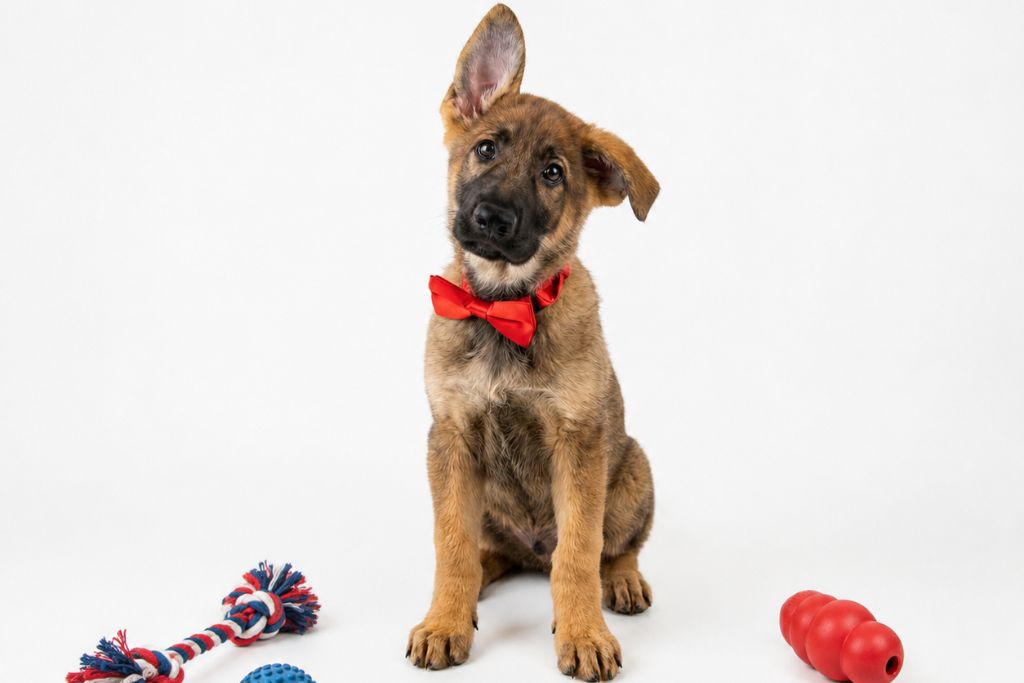
    When your puppy grabs your fingers or starts chewing your sleeves, calmly offer a toy instead.

    This teaches an important lesson: toys are for chewing, and people are for love, play, and companionship.

    Keep toys nearby during playtime. This makes redirection easier during those energetic puppy moments when your pup decides your shoelaces are the most exciting thing in the house.

    2. Teach Your Puppy That Gentle Play Gets Rewarded

    If your puppy bites too hard, pause the game. A short break helps them understand that rough play makes the fun stop.

    Puppies develop bite inhibition through interactions with other dogs. Consistent responses from their families help reinforce gentle behavior at home.

    3. Avoid Encouraging Hand-Biting Games

    It can be tempting to let puppies chase fingers or wrestle with hands. However, this can make boundaries confusing.

    Instead, use toys for games like tug or fetch. These activities provide exercise while helping your puppy learn appropriate play.

    4. Reward Calm Choices

    Positive reinforcement helps puppies learn which behaviors you want them to repeat. Praise or reward your puppy when they choose an appropriate toy, settle calmly beside you, or play gently. Reinforcing these small moments helps puppies understand that calm, appropriate choices lead to positive outcomes.

    For Indianapolis families enjoying neighborhood walks or spending time outdoors near local parks, practicing these skills in different environments can help puppies learn to stay calm and focused around everyday distractions. In Schererville, keeping the same routines at home and during daily outings can help reinforce consistent behavior and make training feel more predictable. Gentle guidance and consistent training help puppies develop healthy habits from the very beginning.

    How Can Puppy Owners Create Better Habits for Life Together?

    The puppy stage is filled with learning moments. Those tiny nips are temporary, but the habits you build now can shape your relationship for years.

    At Happiness Is Pets, we help families throughout Indianapolis, Schererville, and nearby communities like Crown Point and Merrillville find the right puppy match and prepare for life together.

    From choosing a puppy that fits your lifestyle to offering helpful guidance as your companion grows, we’re here to support you through every stage of the journey.

    Raising a happy puppy, after all, takes patience, understanding, and plenty of love. 

  • Building Puppy Confidence Through Training

    Building Puppy Confidence Through Training

    Puppy training is not just about teaching commands. It is about helping your puppy understand the world, communicate with you, and feel secure in new situations.

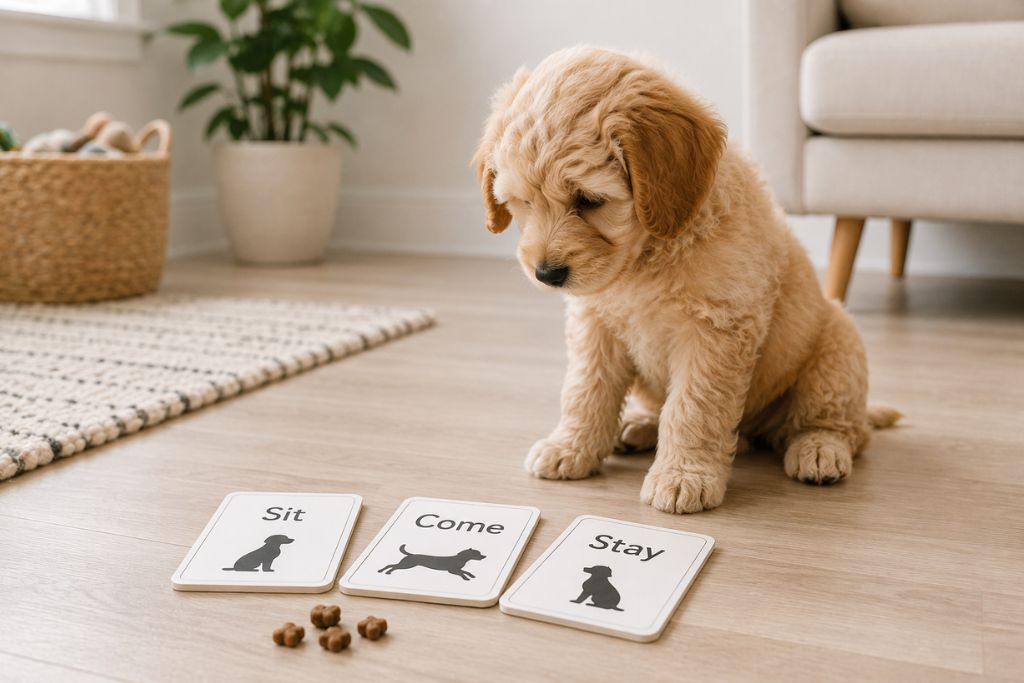
    From the first “sit” to learning how to calmly greet visitors, training gives puppies the skills they need to succeed. Positive reinforcement training helps puppies connect good choices with rewards, making learning a more enjoyable experience.

    A confident puppy is not created overnight. Confidence grows through small wins, consistent routines, and positive experiences repeated every day.

    What Does Puppy Training Actually Include?

    Training goes beyond basic cues like “sit” and “stay.” It includes teaching puppies how to live comfortably alongside their families.

    Puppy training can involve:

    • Basic commands
    • House manners
    • Leash skills
    • Social experiences
    • Handling and grooming comfort
    • Calm behavior around new situations

    Each lesson helps puppies understand expectations while building trust with the people around them.

    How Does Training Build Puppy Confidence?

    1. Training Creates Clear Communication

    Puppies are always learning from their environment.

    Training gives them a way to understand what you want. When a puppy learns a cue and earns praise or a reward, they gain confidence in making the right choice.

    Try this: Keep sessions short and positive. Practice simple skills like their name, “sit,” and “come” in a quiet space first.

    2. Training Helps Puppies Handle New Experiences

    New sounds, people, and places can feel overwhelming for puppies.

    Gentle training helps them approach new situations with curiosity instead of fear.

    Try this: Introduce new experiences slowly. Reward calm behavior and allow your puppy time to adjust.

    3. Training Builds Trust Between Puppy and Owner

    Your puppy learns that you are their guide.

    Every successful training session strengthens your bond and helps your puppy feel safe following your direction.

    Try this: Celebrate progress. A puppy mastering one small skill is a big step forward.

    4. Training Encourages Good Everyday Habits

    Confidence also comes from knowing what to expect.

    Consistent routines help puppies feel comfortable at home and during daily activities.

    Try this: Practice skills during real-life moments, like waiting before meals or calmly greeting family members.

    Helping Families Build Strong Puppy Relationships

    Every puppy has their own personality, learning style, and pace. We understand that bringing home a puppy is only the beginning of the journey.

    From helping families choose the right puppy match to offering trusted products, advice, and everyday care support, we’re here for the moments that happen after adoption day.

    Training transforms tiny lessons into lifelong habits. With patience, consistency, and plenty of encouragement, your puppy can grow into a confident companion ready to take on the world.

  • Should Everyone in the Family Train the Puppy

    Should Everyone in the Family Train the Puppy

    Bringing home a puppy turns everyone into an instant fan club member. Someone wants to teach tricks. Someone wants to hand out treats. Someone has already decided the puppy is their new best friend.

    That excitement is wonderful. A puppy joining the family should feel like a celebration. But when it comes to training, too many voices can sometimes make things confusing.

    The best approach? Everyone can be involved, but everyone should follow the same training plan.

    Puppies learn through repetition and consistency. Clear expectations help them understand what behaviors earn rewards and what routines they should follow. Consistent training from the people around them helps puppies feel more secure as they adjust to family life.

    For families in Roanoke, VA, puppy training naturally becomes part of everyday moments. A puppy learning manners during a busy evening at home, practicing commands after a walk near Greenfield Recreation Park, or greeting family members calmly is building lifelong habits.

    Should Everyone Train the Puppy the Same Way?

    Yes, Everyone Should Participate

    Puppies benefit from positive interactions with the entire household.

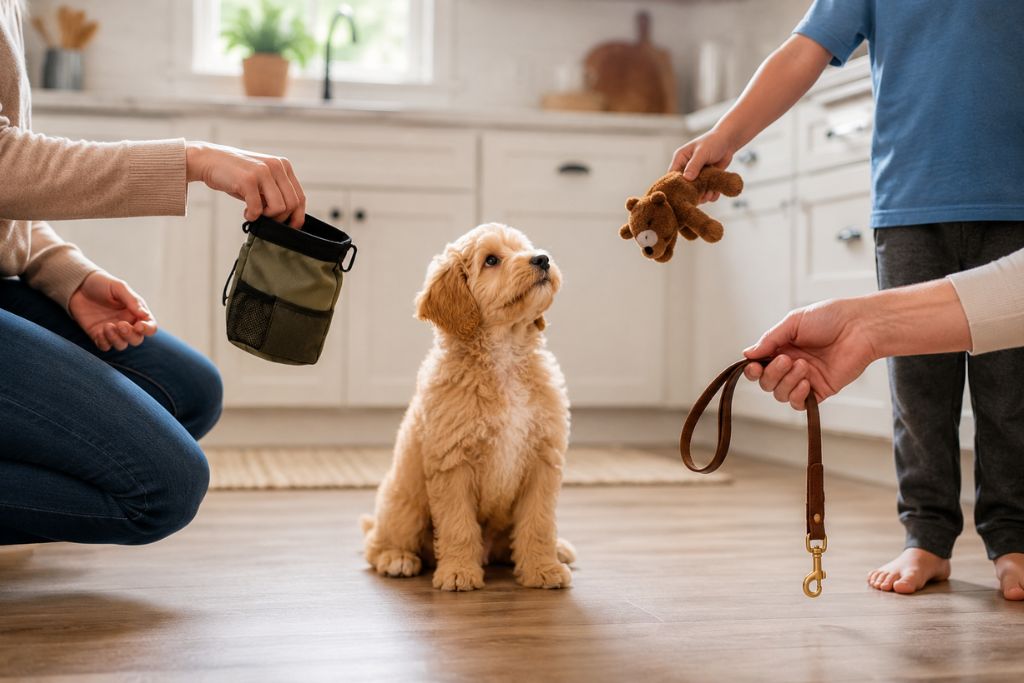
    Family members can help by:

    • Practicing basic commands
    • Rewarding good behavior
    • Following the same rules
    • Helping with routines

    A puppy who learns “sit” from one person should not hear a completely different expectation from another.

    Why Consistency Matters During Puppy Training


    Puppies do not understand exceptions the way humans do.

    If one person allows jumping on furniture and another does not, the puppy receives mixed signals.

    Create family agreements before training begins:

    • Who handles feeding, walks, and practice sessions?
    • Which commands will everyone use?
    • What behaviors should be rewarded?

    For a family in Roanoke, this might mean creating simple routines around school mornings, work schedules, weekend outings, and family time.

    Should Young Children Train the Puppy?

    Young children can participate in puppy training with close adult supervision and age-appropriate activities.

    Simple activities like asking for a “sit,” giving a treat for desired behavior, or participating in calm, gentle play can create positive interactions between children and puppies. Adults should guide these activities, teach children to respect the puppy’s boundaries, and watch the puppy’s body language to make sure they feel comfortable and know when they need a break.

    Building a Happy Home for Your New Puppy

    A well-trained puppy does not happen overnight. It happens through patience, teamwork, and many small moments repeated every day.

    From the first “sit” at home to learning calm greetings during family visits, every training moment helps your puppy understand their place in the family.

    Waggles is here to support families through every step of puppy ownership. From helping you find the right puppy match to offering guidance, resources, and care tips after your puppy comes home, the team is committed to helping families feel confident throughout the journey.

    For puppy parents spending weekends exploring the Blue Ridge Parkway near Roanoke, those everyday training moments become opportunities to strengthen your bond and create happy memories together.

    The best puppy relationships are built one consistent, loving interaction at a time.

  • Stress-Free Puppy Crate Training Tips

    Stress-Free Puppy Crate Training Tips

    A puppy’s first weeks at home are full of learning. New smells, new routines, new faces, and new expectations all become part of their adjustment. Crate training is one of the first skills that helps puppies feel secure while learning how to relax in their new environment.

    A properly introduced crate should feel like a safe, comfortable space. It is not a punishment area. With patience, consistency, and positive reinforcement, puppies can learn that their crate is a place for rest and calm. Experts recommend gradual introductions and rewarding positive crate experiences to help puppies build confidence.

    For puppy families in Longs, SC, crate training often becomes part of everyday life. A puppy settling after a morning walk, relaxing after backyard play, or taking a quiet break after exploring the coastal surroundings near North Myrtle Beach is practicing important skills for the future.

    Why Is Stress-Free Crate Training Important for Puppies?

    A crate gives puppies a predictable place to rest while helping families create healthy routines.

    Positive crate training can help puppies:

    • Learn independence in a safe way
    • Develop consistent rest habits
    • Adjust to household routines
    • Stay safe during unsupervised moments

    The biggest goal is creating trust. Puppies should connect their crate with comfort, security, and positive experiences.

    How Do You Crate Train a Puppy Without Stress?

    1. Create a Cozy, Comfortable Space

    Start by making the crate feel welcoming.

    Add comfortable bedding, safe toys, and familiar items. A calming product like Calming Buddy can also provide extra comfort during crate training by giving puppies a soothing companion while they adjust.

    For a puppy experiencing their first nights at home in Longs, SC, small comforts can make a big difference during the transition.

    2. Let Your Puppy Explore the Crate Slowly

    The first introduction matters.

    Keep the crate door open and allow your puppy to investigate. Reward them when they step inside. Avoid forcing your puppy into the crate.

    A puppy who chooses the crate learns that it is their own safe space.

    3. Pair the Crate With Positive Moments

    Make crate time part of the good stuff.

    Offer treats, meals, or favorite toys inside. Begin with short sessions, then slowly increase the time.

    After a family gathering, play session in the yard, or a new adventure around the community, the crate can become the perfect place for a puppy to recharge.

    4. Build a Routine Your Puppy Can Trust

    Puppies feel more comfortable when life feels predictable.

    Create a schedule around naps, meals, bedtime, and quiet periods. A consistent routine helps puppies understand what happens next.

    Helping Your Puppy Feel at Home From Day One

    Crate training is one part of creating a strong foundation with your puppy. Families throughout Longs, SC and the surrounding Grand Strand area turn to South Carolina Dog Club for support throughout their puppy journey.

    From choosing the right puppy match to preparing your home and learning everyday care routines, the clubs provide resources and guidance that help families feel confident from the very beginning.

    The best puppy experiences are built through patience, trust, and the small moments that happen every day.

    • Stress-Free Puppy Crate Training Tips

      Stress-Free Puppy Crate Training Tips

      A puppy’s first weeks at home are full of learning. New smells, new routines, new faces, and new expectations all become part of their adjustment. Crate training is one of the first skills that helps puppies feel secure while learning how to relax in their new environment.

      A properly introduced crate should feel like a safe, comfortable space. It is not a punishment area. With patience, consistency, and positive reinforcement, puppies can learn that their crate is a place for rest and calm. Experts recommend gradual introductions and rewarding positive crate experiences to help puppies build confidence.

      For puppy families in Calhoun, GA, crate training often becomes part of everyday life. A puppy settling after a morning walk, relaxing after backyard play, or taking a quiet break after exploring the outdoor spaces throughout Gordon County is practicing important skills for the future.

      Why Is Stress-Free Crate Training Important for Puppies?

      A crate gives puppies a predictable place to rest while helping families create healthy routines.

      Positive crate training can help puppies:

      • Learn independence in a safe way
      • Develop consistent rest habits
      • Adjust to household routines
      • Stay safe during unsupervised moments

      The biggest goal is creating trust. Puppies should connect their crate with comfort, security, and positive experiences.

      How Do You Crate Train a Puppy Without Stress?

      1. Create a Cozy, Comfortable Space

      Start by making the crate feel welcoming.

      Add comfortable bedding, safe toys, and familiar items. A calming product like Calming Buddy can also provide extra comfort during crate training by giving puppies a soothing companion while they adjust.

      For a puppy experiencing their first nights at home in Calhoun, GA, small comforts can make a big difference during the transition.

      2. Let Your Puppy Explore the Crate Slowly

      The first introduction matters.

      Keep the crate door open and allow your puppy to investigate. Reward them when they step inside. Avoid forcing your puppy into the crate.

      A puppy who chooses the crate learns that it is their own safe space.

      3. Pair the Crate With Positive Moments

      Make crate time part of the good stuff.

      Offer treats, meals, or favorite toys inside. Begin with short sessions, then slowly increase the time.

      After a family gathering, play session in the yard, or a new adventure around the community, the crate can become the perfect place for a puppy to recharge.

      4. Build a Routine Your Puppy Can Trust

      Puppies feel more comfortable when life feels predictable.

      Create a schedule around naps, meals, bedtime, and quiet periods. A consistent routine helps puppies understand what happens next.

      Helping Your Puppy Feel at Home From Day One

      Crate training is one part of creating a strong foundation with your puppy. Families throughout Calhoun, GA and nearby Gordon County communities turn to Georgia Dog Club for support throughout their puppy journey.

      From choosing the right puppy match to preparing your home and learning everyday care routines, the clubs provide resources and guidance that help families feel confident from the very beginning.

      The best puppy experiences are built through patience, trust, and the small moments that happen every day.

      If you’re up for another good read, these articles are a great place to start:

    • Stress-Free Puppy Crate Training Tips

      Stress-Free Puppy Crate Training Tips

      A puppy’s first weeks at home are full of learning. New smells, new routines, new faces, and new expectations all become part of their adjustment. Crate training is one of the first skills that helps puppies feel secure while learning how to relax in their new environment.

      A properly introduced crate should feel like a safe, comfortable space. It is not a punishment area. With patience, consistency, and positive reinforcement, puppies can learn that their crate is a place for rest and calm. Experts recommend gradual introductions and rewarding positive crate experiences to help puppies build confidence.

      For puppy families in Cleveland, NC, crate training often becomes part of everyday life. A puppy settling after a morning walk, relaxing after backyard play, or taking a quiet break after exploring the natural beauty around South Mountains State Park is practicing important skills for the future.

      Why Is Stress-Free Crate Training Important for Puppies?

      A crate gives puppies a predictable place to rest while helping families create healthy routines.

      Positive crate training can help puppies:

      • Learn independence in a safe way
      • Develop consistent rest habits
      • Adjust to household routines
      • Stay safe during unsupervised moments

      The biggest goal is creating trust. Puppies should connect their crate with comfort, security, and positive experiences.

      How Do You Crate Train a Puppy Without Stress?

      1. Create a Cozy, Comfortable Space

      Start by making the crate feel welcoming.

      Add comfortable bedding, safe toys, and familiar items. A calming product like Calming Buddy can also provide extra comfort during crate training by giving puppies a soothing companion while they adjust.

      For a puppy experiencing their first nights at home in Cleveland, NC, small comforts can make a big difference during the transition.

      2. Let Your Puppy Explore the Crate Slowly

      The first introduction matters.

      Keep the crate door open and allow your puppy to investigate. Reward them when they step inside. Avoid forcing your puppy into the crate.

      A puppy who chooses the crate learns that it is their own safe space.

      3. Pair the Crate With Positive Moments

      Make crate time part of the good stuff.

      Offer treats, meals, or favorite toys inside. Begin with short sessions, then slowly increase the time.

      After a family gathering, play session in the yard, or a new adventure around the community, the crate can become the perfect place for a puppy to recharge.

      4. Build a Routine Your Puppy Can Trust

      Puppies feel more comfortable when life feels predictable.

      Create a schedule around naps, meals, bedtime, and quiet periods. A consistent routine helps puppies understand what happens next.

      Helping Your Puppy Feel at Home From Day One

      Crate training is one part of creating a strong foundation with your puppy. Families throughout Cleveland, NC and the surrounding Charlotte-area communities turn to Charlotte Dog Club for support throughout their puppy journey.

      From choosing the right puppy match to preparing your home and learning everyday care routines, the clubs provide resources and guidance that help families feel confident from the very beginning.

      The best puppy experiences are built through patience, trust, and the small moments that happen every day.

      If you’re up for another good read, these articles are a great place to start:

    • Why Puppy Socialization Matters: Helping Your Puppy Grow With Confidence

      Why Puppy Socialization Matters: Helping Your Puppy Grow With Confidence

      A puppy’s world is brand new. Every sound, face, place, and experience teaches them something about the life they are about to live.

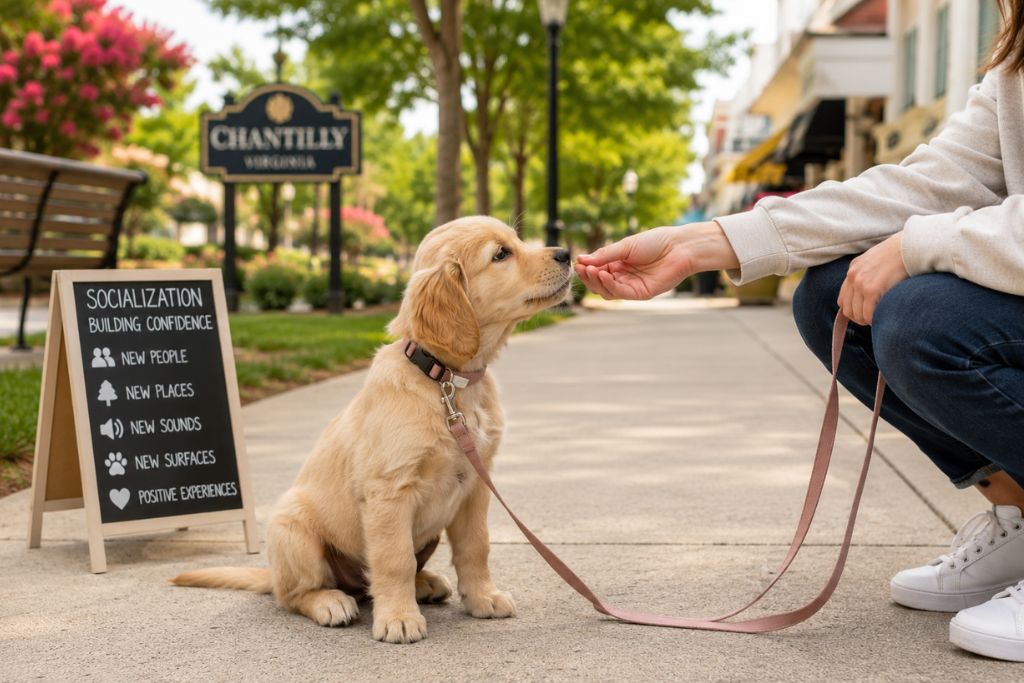
      Puppy socialization is the process of safely introducing puppies to different people, environments, sounds, surfaces, and experiences while creating positive associations. It helps puppies learn how to navigate the world with confidence.

      Socialization is not about making your puppy meet everyone and everything at once. It is about thoughtful exposure, patience, and helping your puppy feel comfortable.

      For families in Chantilly, Virginia, puppy socialization can happen through everyday moments. A new sound near Chantilly Crossing, meeting a neighbor, hearing traffic, or exploring a new walking route can all become valuable learning experiences.

      At XO PUPS, we know those early experiences help shape the relationship you build with your puppy from day one.

      Why Does Puppy Socialization Matter?

      1. Socialization Helps Puppies Build Confidence

      Confident puppies are better prepared to handle new situations.

      A puppy who learns that new experiences can be safe and positive may feel more comfortable around unfamiliar people, places, and sounds.

      How to practice:

      • Introduce new experiences slowly
      • Reward calm behavior
      • Allow your puppy time to observe

      A simple walk around your Chantilly neighborhood or a quiet outdoor adventure nearby can become a confidence-building opportunity.

      2. Socialization Helps Puppies Learn Appropriate Behavior

      Puppies learn through interactions. They begin understanding how to respond to different people, animals, and environments.

      How to practice:

      • Encourage gentle greetings
      • Introduce different types of people
      • Supervise all interactions

      A puppy learning manners early can help your puppy adjust to family life, visitors, and future adventures.

      3. Socialization Supports Training and Adaptability

      Positive socialization experiences can help puppies become more comfortable learning and responding to their families in different environments.

      Gradually introducing your puppy to new situations gives them opportunities to practice staying calm and responding to familiar cues around new sights, sounds, and distractions.

      How to practice:

      • Pair new experiences with treats, praise, or play
      • Keep early experiences short and positive
      • Introduce new situations gradually
      • Watch your puppy’s body language and avoid overwhelming them

      For families throughout Northern Virginia, practicing these skills in different environments can make everyday activities, from outings around Fairfax County to visits with friends, feel more familiar and manageable for your puppy.

      4. Socialization Creates a Stronger Human-Puppy Bond

      Every positive interaction builds trust.

      Your puppy learns that you are their guide through new experiences.

      Helping Your Puppy Start Life With Confidence

      Socialization is not a single milestone. It is a collection of small, positive experiences that help your puppy understand the world around them.

      For families in Chantilly and the surrounding Northern Virginia communities, those moments happen every day. A walk through a neighborhood trail, meeting new friends, hearing new sounds around Fairfax County, or exploring places like Ellanor C. Lawrence Park can all become opportunities for your puppy to learn and grow.

      XO PUPS is here to help families find the right puppy match and feel confident through every stage of puppy ownership. From choosing a puppy with the right personality for your lifestyle to offering guidance as you adjust to life together, our goal is to support you long after your puppy comes home.

      Those first experiences create the foundation for the trusting bond you and your puppy will share for years ahead.

      Looking for more puppy tips and tail-wagging fun? Check out our other blogs below for expert advice, breed insights, and everything puppy!

    • Bath Time Tips for First-Time Puppy Owners

      Bath Time Tips for First-Time Puppy Owners

      A puppy’s first bath is one of those moments new owners remember. It can be sweet, a little messy, and sometimes a full production involving slippery paws, flying water, and a puppy wondering why their human suddenly turned into a groomer.

      The good news? Bath time does not have to be stressful.

      With the right preparation, puppies can learn that grooming is simply another part of life with their family. A calm introduction helps puppies feel more comfortable with handling, water, brushing, and future grooming routines.

      At Frontier Pets in Cheyenne, we know bringing home a puppy comes with plenty of exciting firsts. The first walk, first training session, first trip outside, and yes, even the first bath all help build your relationship with your new companion.

      How Should First-Time Puppy Owners Prepare for Bath Time?

      A successful puppy bath starts before the water turns on.

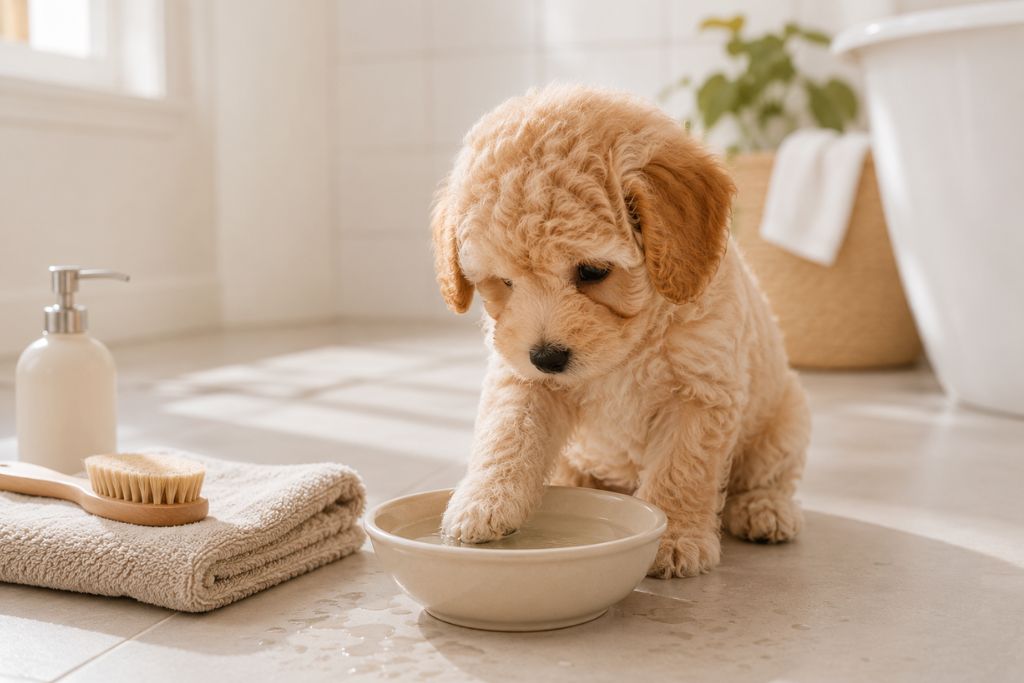
      Gather everything you need first:

      • Puppy-safe shampoo
      • Soft towels
      • A brush
      • A non-slip mat
      • Treats for positive reinforcement

      Preparation keeps the experience calm and prevents a wet puppy from making a surprise lap around your home.

      For Cheyenne families, this kind of preparation is especially helpful after outdoor adventures around places like Lions Park or Frontier Park. Wyoming puppies love exploring, but those paws can bring home plenty of dirt.

      What Are the Best Bath Time Tips for Puppies?

      1. Introduce Water Slowly

      Do not rush your puppy into a full bath right away.

      Let your puppy explore the tub, hear running water, and get comfortable with the space first. Reward calm behavior with praise and treats.

      2. Use the Right Products

      Always choose products made specifically for dogs. Puppy skin is sensitive, and human shampoos may not be appropriate for their needs.

      Use lukewarm water and gently wash your puppy’s coat. Keep water away from their eyes and ears.

      3. Keep Bath Time Calm and Positive

      Your puppy takes cues from you. Speak gently, move slowly, and avoid turning bath time into a wrestling match.

      A relaxed approach helps your puppy build confidence.

      4. Reward Your Puppy Afterward

      Finish with praise, a treat, and plenty of affection.

      This helps your puppy connect bath time with positive experiences instead of seeing it as something scary.

      Why Does a Positive First Bath Matter?

      Grooming is part of your puppy’s lifelong care. Early positive experiences can make future brushing, nail trims, vet visits, and grooming appointments easier.

      For families near Downtown Cheyenne to nearby communities around Laramie and Wheatland, building these habits early helps puppies become confident companions.

      Building Good Puppy Care Habits From the Start

      The first bath is only one part of helping your puppy settle into life with your family. Every routine you create helps your puppy understand the world around them.

      Frontier Pets has been helping families in and around Cheyenne find their new companions for decades. Their knowledgeable team supports families beyond puppy selection with guidance on care, training, and everyday puppy questions.

      From preparing for your puppy’s first bath to learning the small details that make puppy ownership rewarding, having trusted support makes the experience even better.

      If you’re not ready to stop scrolling, these articles are a great next adventure:

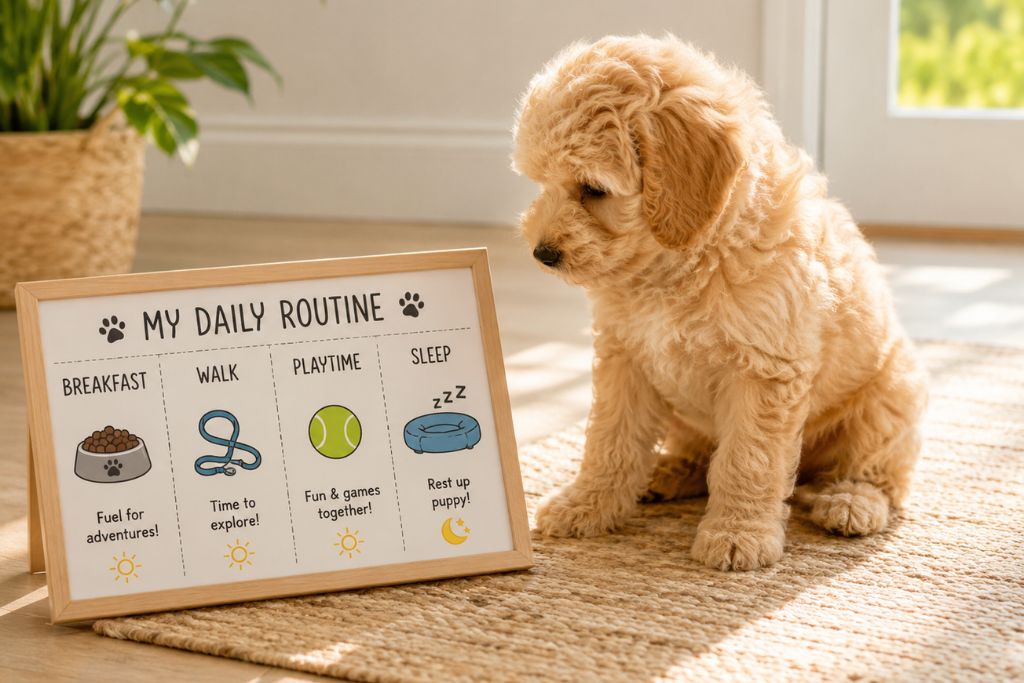
    • Creating the Perfect Daily Schedule for Your Puppy

      Creating the Perfect Daily Schedule for Your Puppy

      Bringing home a puppy is the beginning of a wonderful new adventure. The cuddles, playful moments, and first discoveries are unforgettable. But behind every happy, confident puppy is something simple and important: a routine.

      A daily schedule helps puppies understand their world. Consistent routines support potty training, feeding habits, sleep, and healthy development. For new puppy families in Stuart and Boca Raton, creating structure early can make the transition from puppy excitement to everyday life much smoother.

      Puppies thrive when they know what comes next. A predictable day helps them feel secure while giving you the chance to build strong habits from the very beginning.

      Why Does My Puppy Need a Daily Schedule?

      Puppies are learning everything about their new home. A routine teaches them when it is time to eat, play, rest, train, and explore.

      A consistent schedule can help with:

      • Building potty training habits
      • Reducing confusion and stress
      • Encouraging healthy sleep patterns
      • Creating opportunities for training and bonding

      A puppy living near Downtown Stuart, exploring a Boca Raton neighborhood, or adjusting to a new family anywhere in South Florida benefits from the same foundation: consistency and care.

      What Should a Puppy’s Daily Schedule Look Like?

      Every puppy is different, but a balanced day should include these important pieces:

      Morning: Potty Break, Breakfast, and Connection

      Start the day with a potty break right after your puppy wakes up. Follow with breakfast and a little playtime.

      Morning is also a great time for short training sessions. Puppies have lots of energy and are ready to learn.

      Midday: Play, Training, and Mental Stimulation

      Puppies need more than physical exercise. They also need activities that challenge their brains.

      Try:

      • Short training sessions
      • Puzzle toys
      • Safe exploration
      • Gentle play

      For families in Stuart, this might mean practicing commands before a walk along the neighborhood streets. In Boca Raton, it could mean helping your puppy learn calm behavior before outdoor adventures.

      Afternoon: Rest and Reinforcement

      Puppies need plenty of sleep. Young puppies often sleep many hours each day because their bodies and brains are developing.

      Quiet time helps prevent overtired behavior, including extra chewing or unwanted mischief.

      Evening: Dinner, Family Time, and Bedtime Routine

      End the day with dinner, another potty break, and calm family interaction.

      A consistent bedtime routine helps your puppy understand when it is time to settle.

      How Can I Build a Routine That Works for My Puppy?

      Start simple. Keep feeding times consistent. Take your puppy outside regularly. Repeat training cues. Adjust the schedule as your puppy grows.

      At Wags About You, we know bringing home a puppy is about more than finding the perfect match. Families in Stuart, Boca Raton, and surrounding communities can count on support, resources, and guidance as they begin life with their new companion. From preparing your home to understanding your puppy’s unique personality, we’re here to help you feel confident through every stage of puppy ownership.

      A great routine does more than organize your day. It helps your puppy feel safe, supported, and ready to grow into the wonderful companion they’re meant to be. 

      More Helpful Reads From Wags About You From planning and preparation to everyday puppy care, our articles are here to help you feel informed and confident as a pet parent. Check out the related posts below to keep learning with us.