Blog

  • Mentally Stimulating Games While Walking Your Dog

    Taking a walk is always fun, but here are some fun games to keep your dog physically enthusiastic as well as sharpening up their grey matter…

    “Treasure hunt.” Take along his favorite treats and as soon as he gets distracted from you, toss one and tell him to “find the treat.” You might have to guide him the first few times, but this game is learned easily and teaches him to stay focused on you.

     “Pathfinder.” If you’ve gotten in a rut taking the same walk every day, chances are Fido’s as bored as you are. Vary your route and make it challenging. Climb stairs, walk on curbs, jump over small barriers, or even splash through some water. Keep his attention by abruptly changing direction and he’ll soon be keeping his eye on you!

    “Red light, green light.” You played it as a kid. Now teach it to your dog! As you walk, stop suddenly and say “red light!” (or whatever word you want to be the command). Sometimes go as soon as he sits at your side, and sometimes wait for a bit. Keep him off balance, never knowing what you’ll do next, and you’ll sharpen his attention right up.

    “Follow the leader.” Do you have a dog that insists on being out in front? This game will teach him who the leader is. Each time he heads out in his own direction, immediately change directions so he has to turn to catch up with you. Keep moving, but keep him following you.

    “Come!” While walking with your dog, suddenly reverse direction, running backward and calling his name. He’ll decide coming when called is a fun game, and it’s one of the most important things you can teach him.

    “Push-ups.” At varying intervals, stop your walk and quickly have your dog sit, down, and sit again. Then break into a run or give him a treat. Soon he’ll be watching you closely to see what you’re up to next.

    “Dribbling.” Take along a soccer-ball when you walk your dog. Push it with your feet and let him push it around, too. Just be careful you don’t step on the ball or on Fido, either!

    “Flirt-pole.” A flirt pole is a long pole with a lure at the end. You dangle and dance it in front of him as you walk. He’ll love trying to grab the lure and you are always in control due to the length of the pole.

    “Parkour for dogs.” This urban agility training is so much fun for both you and your dog, it will turn the way you walk your dog on its head. Parkour combines dog agility with your daily walk to make his world (and yours) exciting and stimulating. He’ll jump, climb, balance, crawl under, and go around obstacles you see every day one every street in town. For detailed information, check out the International Dog Parkour Association website.
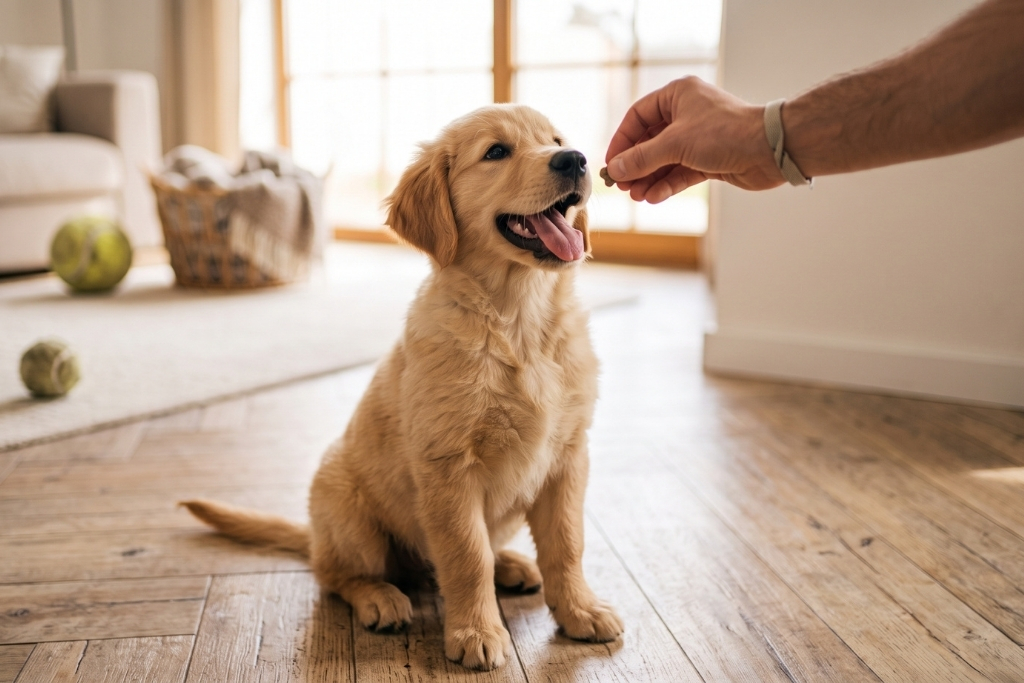
  • June 26 is National Take Your Dog to the Office Day!

    In 1999, when Pet Sitters International (PSI) suggested National Take Your Dog to the Office Day, it might have been a bit of a hard sell. After all, our fur babies do demand attention, particularly if they are young or not well socialized. But people around the nation agreed that our canine companions should have a special day and the first Friday after Father’s Day was set.

    Even though having your pal beside your feet might hinder your tasks a bit, there are three solid reasons for following this nationally recognized day. Perhaps pointing these out to your boss will make him (or her) a believer, too.

    1. The most obvious, of course, is that most people love dogs. They are often cute and winsome and their tails wag and eyes laugh whenever someone even looks their way. Her soft, fluffy coat or his silly expression draws people in and just makes them feel a bit happier. Naturally, you are filled with pride when others see your beloved pooch and make sweet remarks about him.
    2. This reason is the one that might win your boss. Positive interaction among coworkers has ratcheted up a notch when Fido breaks the ice with that shy colleague you’ve been unable to draw into a conversation. The team member you’ve thought you had nothing in common with shows her delight in your dog and introduces you to her own fur baby. Better communication and teamwork are surely tradeoffs for having your pup at work with you once a year.
    3. Another reason is that more and more frequently employers are allowing pets in the workplace. Why you ask? Well, it makes for a fun, happier environment as well as lowers stress levels of employees and creates an environment that is more flexible and creative. 
    4. Dogs in the workplace nurture productivity. When employees are less stressed and happier, they have a better chance of being productive and allows for the creative juices to flow. Dogs can create a camaraderie that may not have happened before and those relationships at work can spark new ideas. 
    5. Healthcare benefits abound! When people have dogs, they are shown to take more walks which reduces stress and obesity. Other health benefits are that with lower stress levels and healthier lifestyles, that reduces the amount of time that people spend at the physician’s office. Less time at the doctor means more time being productive and happier. Who doesn’t like happier, healthier employees? Plus, when pet parents are more proactive in their pet’s care, they also tend to be more proactive in their own health as well. 2 birds, 1 stone. Well, in this case, 2 dogs, one ball. 

    If you are the boss at work and would like more information about celebrating Take Your Dog to Work Day, a free tool kit is available for you to download, full of tips and resources to help make this special day a success. So grab your briefcase and a doggy bag of treats and set the pace for your company!

  • Pet Appreciation Week 2020

    No one knows for sure, but the best estimates by geneticists say the first domestic animal was the dog and at first they were just tamed wolves. That was between 13,000 and 30,000 years ago. Through the ages, dogs have evolved into many different breeds for many different purposes. The one thing they all have in common is that they can all be our closest friends and greatest allies. This is definitely one thing nature got right!

    Each year since 1981 we’ve set apart the first week in June to celebrate this amazing relationship. There is so much to appreciate about our four-legged buddies. They assist people every day to have a better life, from living more independently to recognizing signs of stress and illness. They lead the blind, hear for the deaf, and comfort the anxious. They find lost children and pull swimmers from the water. Dogs work alongside their humans on the police force, in the military, and one the farm. Guarding us and keeping us safe, they lay near our feet where they are the most content.

    We all grew up with noble canines like Lassie, Rin Tin Tin, Beethoven, Marley, and Toto. But the most important dog that ever lived is sitting by your side right now, happy to simply be in your presence. There is nothing the world can throw at us that can turn our dog’s devotion away from the human he adores and he doesn’t need wealth or fame to make his world perfect.

    So what will you do this year to show your dog how irreplaceable he is? Here are a few suggestions.

    ●  Feast your friend! Dogs are omnivores, meaning they need all kinds of food to get their proper nutrition. And while it’s best to stick to the diet you and your vet agree on, an occasional treat will be delightful to dogs. They can pretty much eat the same foods you do, but avoid sugar, alcohol, chocolate, grapes, raisins, garlic, macadamia nuts, onions, and the artificial sweetener Xylitol. Small portions, too, please!

    ●  Let your pooch splash in a “doggie pool” (kids’ pool).

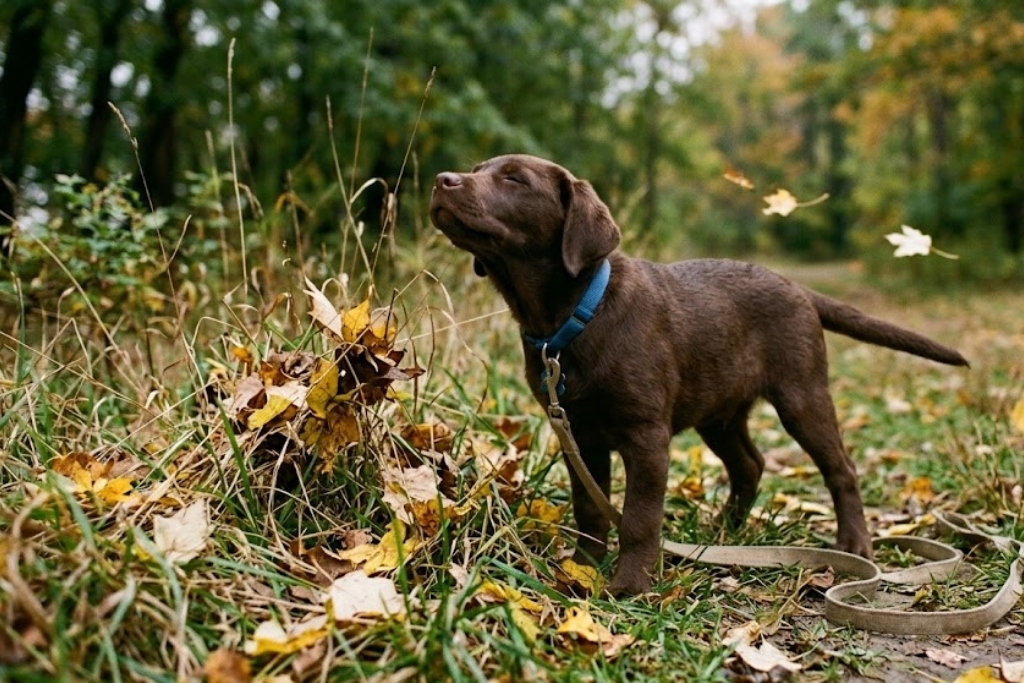
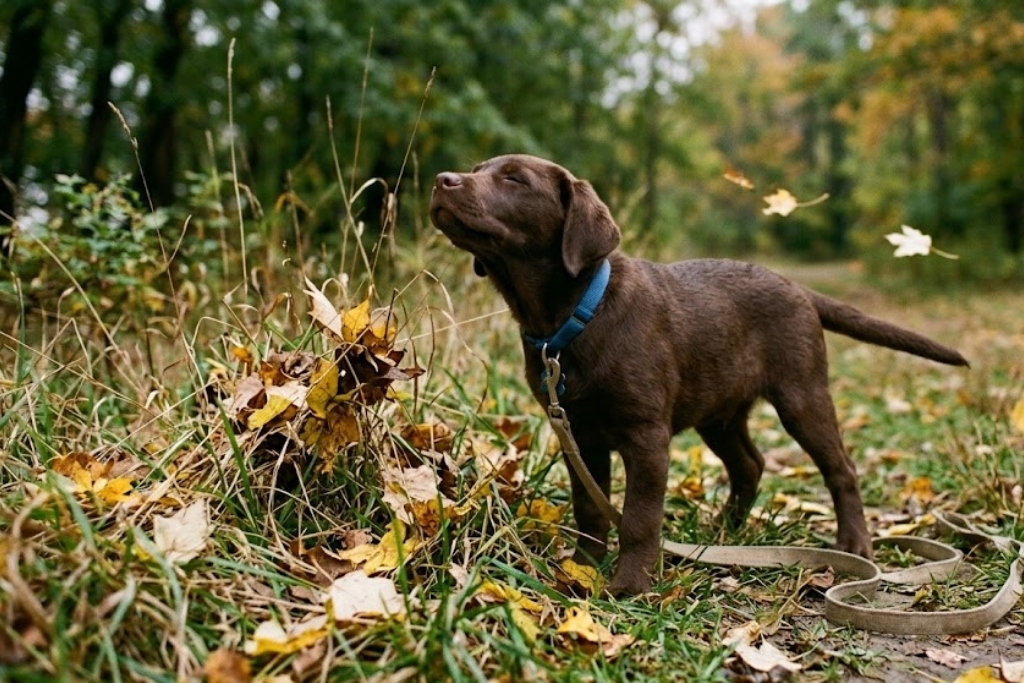
    ●  Take him for a walk and let him choose the direction and how long he gets to sniff a spot (he’s checking his “d-mail”)!

    ●  Get down on his level. Lie down on the floor with him. It’s so funny to watch his glee when he’s got you on his territory!

    ●  Take a ride in a car with partially open windows (but don’t let him put his head out).

    ●  Give him a long, satisfying scratch in all the places he loves it most.

    ●  Set up a doggy play-date and take him to the dog park to play with his friends. Let him do what he pleases and enjoy the summer sun with him.Maybe you’ve been appreciating other people’s pets until now, but this year is your year to get a dog of your own. Check out your local pet shelter or rescue group and get a friend that will appreciate you as much as you appreciate him!

  • Best Home-Made Treats for Your Dogs

    The summer has arrived and brought warm temperatures with it. While you’re out enjoying the beaches and hiking trails with your best friend, make sure that you’re both staying nourished and hydrated.  Here are some treats that both you and your pup can enjoy!

    Melon Berry Froyo Bones

    This simple, mouthwatering recipe is brimming with vitamins, antioxidants, and sweet flavor. Imagine a yummy, berry popsicle with the tangy addition of frozen yogurt.

    Ingredients:

    • An ice tray (you can find custom molds on Amazon)
    • 2 cups watermelon
    • 1/4th cup of water
    • Equal parts blackberries, raspberries, and strawberries (about 2 each) 
    • 1 cup yogurt

    What to do:

    First, use a spoon to stir the berries into a cup of yogurt and place the mixture in the fridge to chill. Grab your ice tray and fill it about a quarter of the way up with the watermelon mixture. It takes about 2 to 3 hours to freeze.

    Once the watermelon has frozen completely, take the ice tray out and fill the remaining space with your yogurt concoction and place it back in the freezer until solid. When you’re hanging out poolside, pop one of those babies out and break off a piece for your pup too. Cheers!

    Baked Pumpkin Poppers

    These tasty treats are more for our dogs than for us, as they don’t contain any added sugar. Even if you’re a beginner baker, you can’t mess these baked goodies up. Think of these as donut holes for pups!

    Ingredients

    • ½ a cup Flaxseed
    • 1/4th a cup pumpkin puree
    • 1/4th a cup peanut butter
    • 1 cup flour
    • 1 cup whole wheat flour
    • 2 tsp ground cinnamon
    • 1/4th water
    • 2 bowls, an oven, and a pre-sprayed baking sheet

    What to do:

    Preheat your oven to 325 degrees.

    Mix the flour and whole wheat flour in one of your bowls. Use the second bowl to thoroughly stir the flax seed into the water. It’s important not to skip this step! Mixing the wet and dry ingredients too soon will make it difficult to merge them later on.

    Add the peanut butter, pumpkin puree, and cinnamon to the wet ingredients. Once you’ve got a thick paste going, you can slowly begin mixing in the flour. Take your time and be sure not to rush this step; by now, you should have almost a cookie-dough texture. Use your hands to knead out any dry patches of flour.

    Roll your dough into small, donut-hole sized balls and place them onto your baking sheet. Since there isn’t any baking soda included, you don’t have to set them very far apart as they won’t expand.

    Depending on your oven, these treats could take 15-21 minutes to cool, so continue to keep an eye on them during that timespan. If you’ve got a senior pup, you can take them outright at the 15-minute mark for a softer, easier to chew option.

    Coconut Carob 

    Something about the taste of chocolate and bananas is just so satisfying, isn’t it? Our dogs can’t eat cocoa derivatives, but carob is the next best thing. You and your best friend can eat this recipe frozen or chilled.

    Ingredients:

    • 2-3 bananas
    • 3/4th a cup of peanut butter
    • 1-2 TBSP of carob for flavor
    • An ice tray

    Start by mashing up your bananas and stirring them into the peanut butter, if you have a hand-mixer, go ahead and use it for this step. However, you can also use a fork or spoon. Then, add the carob; this part is really at your discretion. If your dog has never had it before, consider making your first batch with one tablespoon and see how it goes.

    Place the mixture into an ice mold and allow them to freeze. If you don’t have one, you can always allow the blend to chill in the fridge for a few hours so that it’s not completely frozen. Once cold, add it to your dog’s breakfast, and throw a spoonful into your oats for a yummy wake-up meal!

  • Best Cat Breeds for Active People

    We mostly find them indoors napping along a window sill, but cats love their exercise just as much as we do! If you’re looking for a furry friend to accompany you on adventures but you’re not much of a dog person, why not try a cat instead? Believe it or not, our tiny, domesticated lions and tigers haven’t lost their touch. Even in their smaller size, they’re still keen, highly intelligent hunters. 

    Here are some of the most active breed varieties, don’t let the dog lovers have all the fun!

    The Bengal

    These felines aren’t just loving companions, they’re true-blue athletes. Not only do they love to jump about and sit atop a high perch, but Bengal cats are also avid swimmers. Take them out to the family’s favorite lake or for a beach-side excursion and watch how quickly they take to the water. 

    It’s best to keep them leashed outdoors as Bengals have a high prey drive. Should your kitty find themselves distracted by a bird or a squirrel, it’s likely that they’ll chase their target up a tree without a second thought.

    The Abyssinian 

    Owners who enjoy playing a game of catch will love the Abyssinian breed. Brightly colored and noisy balls, ropes, faux-mice, and spin-machines are perfect tools for interacting with your Abyssinian. They’re considered to be highly intelligent, smarter than most other breeds of felines, and in need of a challenge.

    Like a dog, the Abyssian excels at following commands and learns how to do tricks rather quickly. While you’re at work, these kitties are more than happy to entertain themselves. Just don’t leave them alone for too long, or they’ll make use of toys that belong to you.

    Oriental Shorthair

    If ever there were a cat that could be a best friend to your little ones, it’s the Oriental Shorthair! This especially true for the Harry Potter fans of the family considering how much they resemble the house elf, Doby. 

    This extremely vocal breed has large, fox-like ears that are perfect for a few hours of hide and seek. Like the Bengal, Shorthairs are instinctively inclined to chase anything moving at high speeds. 

    Get a feathered throw toy and watch them go after it again and again. The Oriental Shorthair enjoys the water, and will likely follow you right into the bathtub. Just be careful to dry up any water that ends up in those massive ears!

    The Burmese
    These googly, green-eyed cats behave like an extra shadow. All they want is to be right next to their owner and included in whatever it is they’re up to. Burmese cats are among the most powerful domesticated breeds despite their fluffy appearance.

    That said, these guys are gentle giants. They’re highly social, happily scoping new faces and surroundings. If you plan on taking them outdoors for a walk around the neighborhood or to explore the backyard, keep them leashed! These kitties have their own agenda and will quickly wander away if left unattended.

  • 12 Fun Things To Do With Your Dog This Summer

    Summertime and the living is easy… or it should be, anyway. When the sun turns up the heat, finding things to do that are fun and safe is sometimes a challenge. Here are 12 activities we recommend that will make this the best summer ever for you and your fur buddy.

    1. Go take a hike! Seriously. Take your dog with you and hike shady trails. Finding places that are dog-friendly to hike is no problem since the world is at our fingertips online. But to make things even easier, here are some awesome National Parks that allow dogs on the hiking trails. Check out the websites for particulars about hours, rules, and restrictions.
      Yosemite National Park
      Grand Canyon National Park
      Mammoth Cave National Park
      Great Sand Dunes National Park
      Petrified Forest National Park
      North Cascades National Park
      Shenandoah National Park

    Cuyahoga Valley National Park

    Acadia National Park

    1. Camp out in the wilds. Take Fido on your annual camping retreat or just overnight. Dogs love it when we enter their world, and camping with your pup is sheer heaven to him. Here are the simple rules:

      Never leave him alone. Your fur buddy should not be left behind when you leave camp, even for a short while. Keep Fido on his leash in camp. Most parks and camping areas have a six-foot rule, which means the leash can’t be any longer than that.

      Pack it out. Human waste and dog waste alike should be removed in plastic bags.

      Snuggle down together. Most places require your dog to be with you in your tent or your car when sleeping.

      Provisions for your pet. You can let your dog carry his own backpack, but be sure you pack it with a bowl, water, and kibble for him to eat.

    2. Backyard BBQ and splash party. A fenced yard allows you to barbecue your dinner outside in the cooling evening, and your pup will have fun splashing in his doggy-pool or trying to catch the sprinklers while it’s still hot, too.

    3. Make frozen treats together! Even the kids can get in on this one, and believe it or not, our list of frozen treats are kid-friendly, too.

    4. Shoot your dog. Okay, we mean with a camera, of course! Here are some helpful tips to get those Instagram-worthy photos of life with Fido. The number one tip from professional photographers is “take lots of photos.” Turn off the flash. Get down on his level, and get playful.

    5. Water sports. Taking your dog to the beach or a lake can be the most fun you’ll have all summer. Three things to remember: Give him water to drink. Lots of it. Give him someplace to get out of the sun (an umbrella, a tree). His feet get hot, too. Let him rest on a towel where his feet can cool off when he’s not splashing in the water.

    6. Teach that old dog a new trick. In just minutes a day, you can teach a new trick to Fido. Keep the sessions short and stop before he’s bored.

    7. Have a picnic. Many parks have facilities for picnics. If allowed, your pup will enjoy spending time with his two favorite things: you and food.

    8. Tour area dog parks. Look for parks with shade and grass to play in.

    9. Check out Starbucks® secret menu and treat him to a Puppuccino
      .
    10. Join PupScouts and find friends and activities to earn badges together. Scouting was never this fun!

    11. Take him out to the ballgame! Here are some dog sports that use balls. Flyball, catch ball, diving for balls, and of course, chasing one as many times as you throw it (but play in the early morning or late evening so he doesn’t get overheated).
  • Puppy’s First Vet Visit: What New Owners Should Expect

    Puppy’s First Vet Visit: What New Owners Should Expect

    So, you did it. You brought home a puppy.

    Between the zoomies, the tiny paws, and the endless photos already filling your camera roll, life just got a whole lot cuter. It also got a little busier.

    Because now begins one of the most important parts of puppy parenthood: building a healthy foundation for the years ahead.

    One of the very first big milestones? Your puppy’s first vet visit.

    For many new dog owners across Old Bridge, including the areas around Cottrell Farm Park and the Old Bridge Historic District, that first appointment can feel exciting and slightly nerve-wracking at the same time. That’s completely normal.

    After all, you want to make sure your new furry family member is healthy, thriving, and getting the best possible start.

    The good news is that first vet visit is usually much more simple, supportive, and reassuring than people expect.

    Why the First Vet Visit Matters So Much

    Your puppy’s first veterinary appointment helps establish a baseline for their overall health.

    It also gives your veterinarian the chance to check for common concerns early, answer questions, and guide you through important puppy care steps like vaccinations, nutrition, parasite prevention, and development.

    Most puppies should visit the vet within the first few days of coming home.

    And yes, it’s okay if you arrive with a million questions.

    In fact, veterinarians expect and welcome it.

    What to Bring to Your Puppy’s Appointment

    A little preparation can make the visit smoother for both you and your pup.

    Before heading out, try bringing:

    * Vaccination or health records

    * Any paperwork from your breeder or adoption source

    * A list of questions or concerns

    * Treats for positive reinforcement

    * A leash or secure carrier

    * A small stool sample if requested

    Many puppies feel nervous during new experiences. Familiar treats and calm reassurance can help them feel more comfortable.

    What the Vet Will Usually Check

    Nose-to-Tail Physical Exam

    Your veterinarian will perform a full physical exam to evaluate your puppy’s eyes, ears, teeth, coat, skin, joints, heart, lungs, and overall body condition.

    This helps identify any early health concerns while also tracking healthy growth and development.

    Weight and Growth Tracking

    Puppies grow fast. Your vet will record their weight and discuss whether your puppy is developing appropriately for their breed and age.

    Vaccination Schedule

    One of the biggest parts of the first visit involves vaccines.

    Your vet will explain which vaccinations your puppy needs, when boosters are due, and how to safely protect them during early socialization.

    Parasite Prevention

    Puppies are especially vulnerable to parasites like fleas, ticks, heartworms, and intestinal worms.

    Your veterinarian will usually recommend prevention options based on your puppy’s age, lifestyle, and local risks in New Jersey.

    Questions New Puppy Owners Should Absolutely Ask

    The first appointment is also your chance to learn.

    Good questions include:

    * What food do you recommend?

    * How much exercise is appropriate?

    * What behaviors are normal for this age?

    * When should training begin?

    * When can my puppy safely socialize with other dogs?

    No question is too small. Puppy care can feel overwhelming at first, and guidance matters.

    Helping New Puppy Owners Feel Confident

    PetCenter Old Bridge understands how emotional bringing home a puppy can be. It’s exciting, meaningful, and sometimes a little intimidating too.

    That’s why we believe education and preparation matter just as much as cuddles and toys. Helping families feel informed allows puppies to thrive from day one.

    Every puppy deserves a healthy, happy start. Every owner deserves support and trusted guidance along the way.

    The First Visit Is Just the Beginning

    That first vet appointment is more than a checklist. It’s the beginning of your puppy’s lifelong health journey.

    And while there may be nervous moments at first, most puppies walk away with a few treats, plenty of praise, and one very relieved pet parent.

    Which, honestly, deserves a reward too.

    Hungry for more? The next chapter’s even better! Follow the paw prints below to keep reading.

    Is It Safe to Buy a Puppy from PetCenter NJ? Here’s What You Should Know
    Behind the Scenes: How PetCenter Cares for Puppies Every Day


  • What To Know About Third-Party Puppy Financing Options at Petland

    What To Know About Third-Party Puppy Financing Options at Petland

    Getting a puppy is exciting. It’s also a real commitment.

    Between supplies, vet care, training, food, and everyday essentials, many families understandably want to make sure they are financially prepared before bringing home a new furry family member.

    That’s completely normal.

    For many people, financing options can make that process more manageable and realistic. Still, it’s important to ask questions and fully understand how those plans work before making any decision.

    One of the most common questions people ask is simple: Is it possible to finance a new pet?

    The short answer: Yes. If you fall in love with a pet, and choose to pay for that pet through smaller, monthly payments, Petland locations provide access to legitimate financing options through established third-party providers. Guests wishing to use finance options can reach out to these lenders who can reach out to these lenders who can help qualified customers manage puppy ownership costs over time.

    Why Financing Exists 

    Adding a puppy or other pet to your home is not an impulse purchase. It’s a long-term commitment that deserves thoughtful planning.

    Financing options exist to help qualified people and families to spread payments out instead of handling every upfront cost at once.

    People use financing for large purchases they deeply value, which can include pets.

    For families who are financially responsible but prefer flexible payment options, financing can provide breathing room while still allowing them to welcome the right puppy home.

    How Financing Plans Typically Work

    While financing options can vary slightly by location, many Petland stores provide consumers with access to trusted financing providers, offering payment plans for approved applicants.

    Generally, the process includes:

    Quick Application Process

    Most financing applications are completed online. A finance application may be something a guest plans for before shopping for a pet, or takes place by phone once the perfect pet has been identified. In these cases, the guest requests to work with a third-party lender and is provided with contact information. Many customers receive loan decisions quickly, which helps make the process less stressful.

    Flexible Payment Options

    Approved applicants may qualify for payment plans that allow them to spread costs over time instead of paying everything up front.

    Multiple Financing Providers

    Some locations work with more than one financing company. This can help customers explore different approval options depending on their financial situation.

    Credit-Based Approval

    Like all financing programs, credit approval depends on factors such as credit history, income, and financial standing.

    It’s important to understand that financing is never guaranteed, and responsible borrowing always matters.

    Are Financing Plans Safe and Legitimate?

    Yes, financing programs offered through Petland locations are legitimate financing arrangements handled through recognized financial partners.

    However, as with any financing agreement, it’s important to carefully review:

    * Interest rates

    * Payment terms

    * Monthly payment amounts

    * Total repayment costs

    * Approval requirements

    Responsible pet ownership includes fully understanding the financial commitment before signing any agreement.

    This is something Petland strongly encourages.

    Why Does Petland Make Financing Support Available?

    Petland was founded almost 60 years ago to enhance the human/animal bond and to match the right pet with the right person. At its heart, our goal is simple: To help families responsibly bring home the right pet.

    We understand that adding a puppy to the family is emotional, exciting, and sometimes overwhelming. Financing options, when used thoughtfully and responsibly, can make this transition easier for some households.

    Just as importantly, we believe education matters. Families deserve clear information, honest conversations, and support throughout the process.

    The Right Puppy Should Fit Your Life and Your Budget

    The best puppy matches happen when families feel emotionally and financially prepared.

    That’s why taking time to ask questions, explore options, and fully understand financing matters so much.

    At the end of the day, responsible puppy ownership is about preparation, care, and creating a happy, long-term home for your new companion.

    And when families feel informed and supported, everyone (especially the puppy!) benefits.

    Hungry for more? The next chapter’s even better! Follow the paw prints below to keep reading.

    Myth Busting: Why Petland is a Good Choice When Bringing a Puppy Home

    Buying a Puppy from Petland: What to Know Before You Bring One Home

  • Your Dog’s Summer Job Would Definitely Be…

    Your Dog’s Summer Job Would Definitely Be…

    Summer is officially here. The grills are grilling. The flip-flops are flopping. And somewhere out there, your dog is acting like they personally pay the electric bill every time the air conditioning turns on.

    But if dogs had actual summer jobs? Oh, they would absolutely thrive. Mostly because many pups already come with very specific personalities, talents, and levels of chaos built right in.

    Some dogs were born to supervise. Others were born to sprint directly into a lake without thinking once. And a few? They’d absolutely get fired on day one for “borrowing” snacks from customers.

    The funny thing is, a dog’s quirks often connect directly to breed traits, instincts, and personality characteristics. That’s why understanding energy levels, temperament, and behavior matters so much when finding the right furry match for your lifestyle.

    Now, let’s clock in.

    Different Breeds, Different Summer Careers

    Every dog has their thing.

    Some pups are natural athletes. Some are social butterflies. Others somehow radiate “unpaid intern with too much confidence” energy.

    Breed tendencies can tell us a lot about how dogs interact with the world. While every puppy has their own unique personality, certain traits often appear more strongly in specific breeds or breed groups. That’s what makes learning about temperament, activity needs, and behavior so helpful for future pet parents.

    And imagining their dream summer jobs is way more fun than reading a textbook about it!

    The Lifeguard

    Best Fit For: Labrador Retrievers, Portuguese Water Dogs, athletic sporting breeds

    Confident. Athletic. Slightly dramatic. This dog takes their summer responsibilities very seriously. Water-loving pups would absolutely spend summer perched dramatically by the pool, watching everyone like tiny furry security guards.

    Did anyone ask them to supervise? No.

    Will they still leap into the water because someone splashed too hard? Absolutely.

    These dogs are naturally active, social, and eager to help. They thrive with families, outdoor adventures, and anything involving movement.

    The Ice Cream Shop Employee Who Keeps Sneaking Samples

    Best Fit For: Golden Retrievers, Beagles, Cocker Spaniels

    These are the dogs who somehow become best friends with every customer within four minutes. Their customer service skills are elite. Their self-control around snacks? Horrendous.

    Friendly breeds often love social interaction because they were historically bred to work closely alongside humans. That outgoing personality makes them incredibly lovable companions, especially in busy homes.

    Just maybe don’t leave your fries unattended.

    The Camp Counselor

    Best Fit For: Australian Shepherds, Border Collies, Mini American Shepherds

    These dogs already operate like tiny overachieving managers. They need activities. They need schedules. They need everyone to PLEASE stay together as a group.

    Highly intelligent and energetic breeds love mental stimulation. Without it, they will create their own summer activities, and honestly, you may not enjoy those activities nearly as much as they do.

    Think agility games. Puzzle toys. Long walks. Training sessions. Maybe a spreadsheet.

    The Surf Shop Employee Who Says “Bro” Constantly

    Best Fit For: French Bulldogs, Boston Terriers, Bulldogs

    Cool? Yes. Relaxed? Mostly.

    Secretly judging everyone while lying under a beach umbrella? Definitely.

    These pups are charming, adaptable, and happiest when hanging out near their favorite people. While they may not be marathon runners in the summer heat, they absolutely excel at companionship and making strangers laugh in public.

    The Chaos Coordinator at a Kids’ Summer Carnival

    Best Fit For: Jack Russell Terriers, Dachshunds, Pomeranians

    Tiny body. Unbelievable confidence.

    These dogs would somehow be running three carnival booths at once while also stealing hot dogs and starting mild arguments with dogs four times their size.

    Smaller breeds often pack huge personalities into compact frames. They’re clever, entertaining, and full of energy. Life with them is never boring.

    Ever.

    Why Understanding Personality Matters

    Behind every hilarious dog habit is a real personality trait, instinct, or breed tendency. That’s why learning about a puppy’s temperament, energy level, and needs is so important before bringing one home.

    Some dogs thrive in active households. Others prefer slower mornings, cozy naps, and emotional support blanket energy.

    We love helping families learn those differences because the best puppy matches happen when personalities fit naturally together. It’s never just about looks. It’s about connection, lifestyle, and understanding what makes each pup wonderfully unique.

    The Best Summer Job of All? Being Your Dog

    Whether your future pup would become a lifeguard, camp counselor, or highly suspicious ice cream thief, one thing is certain: summer is just better with dogs around.

    Especially the ones who act like they own the entire neighborhood soon as the hotter temp rolls in!

    Hungry for more? The next chapter’s even better! Follow the paw prints below to keep reading.

    The Ultimate Dog Mom Resume: Are You Qualified for the Best Job Ever?

    Why Your Dog Always Knows When You’re Eating Something Good

  • Puppy Vaccines Explained: What Your Dog Needs in the First Year

    Puppy Vaccines Explained: What Your Dog Needs in the First Year

    Your new puppy is finally home, and suddenly life looks a little different.

    There are toys in every room, a growing collection of treats in the kitchen, and at least one family member already completely wrapped around your puppy’s paw. But alongside all the fun comes something equally important: protecting your puppy’s health during their first year.

    For many dog owners across Georgia, and surrounding communities in Atlanta, puppy vaccines can initially feel overwhelming. There are multiple appointments, unfamiliar vaccine names, and different recommendations depending on your dog’s lifestyle.

    The good news? Once you break it down, the first-year vaccine schedule becomes much easier to understand.

    Why Puppies Need Vaccines Early

    Puppies are born with temporary immunity passed down from their mother. However, that protection fades over time.

    That’s why veterinarians recommend a series of vaccines during the first several months of life. These vaccines help protect puppies from highly contagious and potentially serious diseases while their immune systems develop.

    Most puppies begin vaccinations between 6 and 8 weeks old, followed by booster shots every few weeks until around 16 weeks of age.

    The Core Vaccines Most Puppies Receive

    DHPP (Distemper, Hepatitis, Parvovirus, Parainfluenza)

    This is one of the most important puppy vaccines.

    The DHPP vaccine protects against four serious illnesses:

    • Distemper
    • Adenovirus (hepatitis)
    • Parvovirus
    • Parainfluenza

    Puppies typically receive this vaccine in a series at:

    • 6–8 weeks
    • 10–12 weeks
    • 14–16 weeks

    A booster is usually given again around one year old.

    These diseases can spread quickly among dogs, especially puppies, which is why veterinarians consider this a core vaccine.

    Rabies Vaccination Requirements

    Rabies vaccines are legally required in Georgia.

    Most puppies receive their first rabies vaccine between 14 and 16 weeks old, depending on local regulations and veterinary guidance.

    Rabies affects the nervous system and is fatal once symptoms appear. Because it can also spread to humans, maintaining this vaccine matters for both public health and pet safety.

    Lifestyle Vaccines Your Vet May Recommend

    Bordetella (Kennel Cough)

    This vaccine is often recommended for puppies that may attend:

    • Puppy classes
    • Grooming appointments
    • Boarding facilities
    • Doggy daycare
    • Social dog environments

    Bordetella spreads easily in group settings and commonly contributes to kennel cough.

    Leptospirosis

    Leptospirosis is a bacterial disease that can spread through contaminated water and wildlife exposure.

    Because warm climates and outdoor activity are common throughout the Southeast, many veterinarians recommend discussing this vaccine with puppy owners.

    Lyme Disease and Canine Influenza

    Some puppies may also benefit from Lyme disease or canine influenza vaccines depending on lifestyle, travel, and local exposure risks.

    Your veterinarian can help determine whether these vaccines make sense for your dog specifically.

    Don’t Forget Heartworm Prevention

    Heartworm is not prevented through a vaccine, but prevention usually begins during puppyhood with regularly administered medication.

    Because mosquitoes remain active for much of the year in the Carolinas / Georgia, veterinarians often recommend starting prevention early.

    Helping Puppies Start Strong

    We understand how important the first year is for both puppies and their families.

    There is a lot to learn, and naturally, every owner wants to make thoughtful decisions about their dog’s health. That’s why trusted guidance, education, and preparation matter so much during puppyhood.

    Remember that raising a healthy, confident dog starts with giving them the strongest possible foundation from day one.

    The First Year Goes Faster Than You Think

    Right now, your puppy may still feel tiny.

    But between vet visits, training milestones, and countless everyday moments, that first year moves quickly. Staying consistent with vaccines and preventive care helps protect your dog through every stage of growth.

    And peace of mind is one of the best things you can give both your puppy and yourself.

    If you’re up for another good read, these articles are a great place to start:

  • What Your Garden Says About You (Yes, We’re Judging Your Hydrangeas)

    What Your Garden Says About You (Yes, We’re Judging Your Hydrangeas)

    Gardens are funny little things.

    You start with a few plants because you want something pretty outside your window. Next thing you know, you’re standing in the driveway discussing soil conditions like you’re defending a doctoral thesis.

    But that’s the magic of it.

    Gardens make us feel calmer. They give us a place to unplug, breathe, and spend time outdoors. Across the Lehigh Valley, from neighborhoods in Bath and Nazareth to homes tucked throughout Bethlehem, Easton, and beyond, Pennsylvania gives homeowners a front-row seat to all four seasons: snowy winters, colorful springs, humid summers, and those crisp fall evenings that somehow make everything feel a little cozier.

    Outdoor spaces quickly become an extension of home.

    And whether we realize it or not, our gardens often become tiny reflections of us too.

    Why We Love Gardens More Than We Admit

    People garden for all kinds of reasons.

    Some want a peaceful retreat. Some love color. Others want a place to entertain friends and family. Some just saw one plant on social media and accidentally started a whole new personality trait.

    Whatever the reason, the choices people make usually tell a story.

    So…What Does Your Garden Say About You?

    The Cottage Garden

    Overflowing flowers. Winding paths. Plants doing whatever they want.

    If this is your style, you are probably:
    The friend who says, “Let’s keep it casual,” and somehow hosts the most beautiful gathering anyone has ever attended.

    You love charm and comfort. You appreciate things feeling natural and lived-in.

    The Clean and Modern Garden

    Simple lines. Structured plants. Everything looks intentional.

    If this is your style, you are probably:
    Someone whose phone battery is always above 60%.

    You enjoy order. You like clean spaces and designs that feel calm.

    The Vegetable Garden

    Tomatoes. Herbs. Peppers. Raised beds everywhere.

    If this is your style, you are probably:
    A person who casually says things like, “These are from my garden.”

    You love creating things with purpose. You also enjoy the satisfaction of growing something yourself.

    The Wildlife Garden

    Pollinator plants. Native species. Butterflies everywhere.

    If this is your style, you are probably:
    The person saving bees and the planet before breakfast.

    Native gardens also work beautifully in Pennsylvania landscapes because they often adapt well to local conditions.

    The “I Bought Every Plant I Loved” Garden

    No theme. No plan. Pure excitement.

    If this is your style, you are probably:
    Living entirely on instinct.

    We respect it.

    Turn Personality Into Great Landscape Design

    A great landscape should feel personal. It should look beautiful, but it should also feel like you.

    At Creative Landscapes, we help homeowners throughout Pennsylvania create outdoor spaces that match their style and fit local conditions. We combine creativity with practical design so landscapes thrive through changing seasons.

    Your Yard Is Basically Your Outdoor Biography

    Your garden may not reveal every secret about you.

    But it might reveal that you enjoy structure, love color, appreciate nature, or occasionally make plant decisions based entirely on vibes.

    No judgment here. We get it.

  • Yard Drainage Problems: The Hidden Costs Beneath Your Landscape

    Yard Drainage Problems: The Hidden Costs Beneath Your Landscape

    When people picture their dream yard, they usually imagine the fun parts.

    Lush grass. Beautiful plantings. A patio for summer gatherings. Maybe a fire pit. Maybe a peaceful garden space overlooking the rolling landscapes found throughout Bath, Nazareth, and the surrounding countryside near Blue Mountain.

    Very few people stop and say, “You know what I’m excited about? Water movement.”

    Yet drainage plays a major role in how well an outdoor space performs over time.

    Here in Eastern Pennsylvania, landscapes experience a little bit of everything. Heavy rain, snow melt, humid summers, and changing seasons all affect how water moves across a property. From homes near Monocacy Creek to properties throughout the Lehigh Valley and areas like Allentown, Bethlehem, Easton, Whitehall, and Nazareth, water that has nowhere to go can quietly create problems beneath the surface.

    What starts as a small drainage issue can eventually lead to standing water, erosion, damaged landscaping, and more costly repairs down the road.

    What Is Yard Drainage and Why Does It Matter?

    Yard drainage simply refers to how water moves through and away from your property. A healthy drainage system prevents water from collecting in places where it should not sit.

    Poor drainage often shows itself through signs like:

    • Standing water after rainfall
    • Muddy or soggy areas
    • Dying grass or struggling plants
    • Soil erosion
    • Water collecting near foundations

    While puddles may seem harmless, they often point to larger issues happening below the surface.

    The Hidden Costs of Poor Yard Drainage

    1. Damage to Your Landscape Investment

    Too much water can suffocate plant roots. Many plants need oxygen in the soil to survive.

    Over time, excess moisture can weaken lawns, damage shrubs, and create unhealthy growing conditions.

    2. Soil Erosion Can Change Your Yard

    Moving water slowly carries soil away.

    As erosion continues, landscapes can lose shape and stability. Mulch shifts, planting beds change, and uneven areas start appearing.

    3. Foundation Problems Can Develop

    Water pooling near a home can become a larger concern.

    Over time, repeated moisture exposure around foundations may contribute to cracks or structural issues.

    4. Mosquitoes Love Standing Water

    Small puddles create ideal breeding areas for mosquitoes.

    Pennsylvania summers already bring heat and humidity. Standing water simply gives pests another reason to stay.

    5. Drainage Issues Can Affect Property Value

    Visible drainage problems often raise concerns for potential buyers.

    Persistent water issues can suggest future maintenance or repair costs.

    Protect Your Yard Before Small Problems Grow

    Drainage solutions are not one-size-fits-all. Every property has different grading, soil conditions, and landscape features.

    At Creative Landscapes, we help homeowners throughout Pennsylvania identify drainage concerns and create solutions that protect both the yard and the investment behind it. Proper grading, drainage systems, and thoughtful landscape planning can make a major difference.

    The Best Landscapes Work Above and Below the Surface

    Beautiful landscapes are not only about what you see.

    The systems underneath matter too.

    When water moves where it should, your lawn, plants, and outdoor spaces have a stronger foundation to thrive season after season.

  • Paint Fails: 7 Exterior Colors Homeowners Wish They Never Picked

    Paint Fails: 7 Exterior Colors Homeowners Wish They Never Picked

    You know the feeling.
    You grab paint swatches. You hold them against your house at twelve different angles. Suddenly you’re saying things like, “What if we do a moody charcoal?” and “I think this soft beige has depth.” You’re excited. You’re inspired. You’re one online mood board away from becoming an exterior design expert.

    Then the paint goes up.
    And somehow your house now looks like a haunted dentist office. Or a giant banana. Or a building that belongs in a forgotten strip mall from 1997.

    Here’s the thing: exterior paint has a way of humbling people. Fast. And homeowners across Columbus know it can happen anywhere, whether you’re updating a historic home in German Village or giving a newer home in Dublin, Powell, or New Albany a fresh new look.

    Colors behave differently outdoors. Sunlight changes them. Landscaping changes them. Roof colors change them. Even your neighbor’s bright red front door can suddenly make your carefully chosen shade look completely different.

    And here in Central Ohio, the weather loves keeping things interesting. Bright summer sun, cloudy winter skies, changing seasons, and everything in between can completely shift the way a color looks once it lands on your exterior.

    Let’s dive into some of the most common exterior paint regrets homeowners run into.

    When Good Paint Ideas Go Very, Very Wrong

    1. Bright White Everywhere

    Expectation: Clean. Timeless. Magazine-worthy.
    Reality: My house is now a giant flashlight.

    White can look crisp and beautiful. However, ultra-bright whites often appear harsh outdoors. Direct sunlight can create glare and make a home feel flat or sterile.

    A softer white with warm or subtle undertones often creates a more balanced look.

    2. Beige That Accidentally Turns Yellow

    Expectation: Warm and inviting.
    Reality: Why does my house look like butter?

    Undertones can be sneaky. A neutral shade indoors may suddenly pull yellow, green, or peach outside.

    Exterior lighting reveals everything.

    3. Dark Gray That Goes Full Doom Mode

    Expectation: Modern sophistication.
    Reality: Haunted luxury bunker.

    Dark shades can look stunning. Yet when used without contrast or enough natural light, they can feel heavy and overpowering.

    Balance matters.

    4. Trendy Colors That Burn Bright…Then Burn Out

    Expectation: We’re making a statement.
    Reality: We’re making several statements.

    Exterior trends move quickly. That trendy color everyone loved online last year may feel dated much sooner than expected.

    Timeless usually ages better.

    5. Cool Gray Everything

    Expectation: Sleek and contemporary.
    Reality: Corporate office park energy.

    Many cooler grays became popular for years. However, some can feel cold and lifeless depending on surroundings.

    Homes should feel welcoming.

    6. Colors That Ignore Fixed Features

    Expectation: This color is gorgeous.
    Reality: Wait…why is it fighting the roof?

    Brick, stone, roofing, and landscaping are permanent players on your exterior team.

    Paint should work with them, not challenge them to a duel.

    7. Tiny Paint Sample Confidence

    Expectation: I tested it.
    Reality: I tested a square the size of a sticky note.

    Paint colors look dramatically different at scale. What works on a sample card may feel completely different across an entire house.

    This one gets people all the time.

    Great Exterior Color Choices Start Before the First Brush Stroke

    Picking an exterior color isn’t just choosing something pretty. It’s understanding undertones, lighting, architecture, surroundings, and how colors behave in the real world.

    That’s where experience changes everything.

    At Color World Columbus, we help homeowners avoid the “wait…why does this look weird?” moment. We help narrow choices, evaluate lighting conditions, and create combinations that feel cohesive and intentional.

    No one should finish a paint project and suddenly start avoiding eye contact with their own house.

    Avoiding a Paint Identity Crisis

    A fresh exterior should feel exciting. It should make you pull into the driveway and think, ‘Yep. That’s exactly what I wanted.’

    Not, ‘Interesting. Very…bold.’

    Paint should bring your vision to life. And sometimes, all it takes is having the right team help you get there.

  • Paint vs. Stain for Exterior Surfaces: Which One Actually Wins?

    Paint vs. Stain for Exterior Surfaces: Which One Actually Wins?

    Paint can completely change a home. It adds personality, boosts curb appeal, and gives your exterior a fresh new feel. One color choice can make a house feel classic, modern, cozy, or bold, whether you’re updating a historic home in German village, refreshing property near Dublin, or giving homes around Polaris and Westerville a new look.

    Then comes the question that stops many homeowners in their tracks: should you paint it or stain it?

    It sounds simple, but the answer depends on the surface itself. Different materials react differently outdoors, especially here in Columbus. Between humid summers, rain, freezing winters, and changing temperatures, exterior surfaces across communities like Upper Arlington, New Albany, and Grove City deal with plenty of wear and tear throughout the year.

    Choosing the right finish is not only about appearance. It also affects durability, maintenance, and how well your home stands up to everything Central Ohio weather brings.

    Why Your Exterior Surface Changes Everything

    Paint and stain both protect exterior materials. However, they work in different ways.

    Paint creates a protective layer on top of a surface. Stain penetrates into the material itself.

    That difference matters because certain surfaces need coverage, while others benefit from protection that lets the material breathe and show through naturally.

    Paint vs. Stain: Which Exterior Surfaces Work Best?

    Paint: Strong Coverage for a Fresh New Look

    Paint delivers solid color and stronger surface coverage. It also offers endless color options.

    Paint works best for:

    • Wood siding needing a complete refresh
    • Fiber cement siding
    • Trim and shutters
    • Older surfaces with imperfections
    • Homes needing bold color changes

    Pros:

    • More color choices
    • Hides flaws and uneven areas
    • Strong protection against moisture and UV exposure

    Things to know:

    Paint can peel or chip over time if surfaces are not properly prepared. Exterior paint also requires maintenance as years pass.

    Stain: Let Natural Texture Steal the Show

    Stain soaks into wood instead of sitting on top. It enhances natural grain and texture.

    Stain works best for:

    • Wood decks
    • Fences
    • Pergolas
    • Cedar siding
    • Natural wood accents

    Pros:

    • Highlights natural wood beauty
    • Less peeling and cracking
    • Easier touch-ups over time

    Things to know:

    Stain offers fewer color choices. It also does not hide imperfections like paint can.

    Quick Questions Homeowners Ask

    Can you stain over painted wood?

    Usually no. Existing paint prevents stain from penetrating correctly.

    Does stain last longer than paint?

    Not always. It depends on the product, climate, sun exposure, and surface condition.

    Picking the Right Finish Without the Guesswork

    The right answer is rarely “paint everything” or “stain everything.”

    At Color World Columbus, we help homeowners find what works best for their specific surfaces, style goals, and local conditions. Columbus weather creates unique challenges, and experience matters when choosing products that will actually hold up.

    Give Your Exterior the Finish It Deserves

    A great exterior should look good on day one and years later.

    The best results start with understanding the surface underneath it. Because sometimes the biggest difference is not the color itself. It’s choosing the right finish before the first brush ever touches the house.

  • What Happens When Lead Aprons Are Stored Incorrectly?

    What Happens When Lead Aprons Are Stored Incorrectly?

    Lead aprons work hard behind the scenes.

    They are a critical layer of protection in medical and imaging environments. They help shield healthcare professionals and patients from scatter radiation during diagnostic and interventional procedures.

    However, while lead aprons protect people every day, they also need protection themselves. Even the highest-quality protective apparel can lose effectiveness if it is stored incorrectly.

    The truth is simple: proper storage is not just about keeping equipment organized. It helps preserve the integrity, lifespan, and performance of radiation protection gear.

    Why Lead Aprons Matter in Radiation Protection

    Lead aprons are designed to reduce radiation exposure during imaging procedures such as X-rays and fluoroscopy.

    Their protective material absorbs or blocks a significant amount of scatter radiation. That protection helps reduce unnecessary exposure over time.

    Because these aprons are made with specialized shielding materials, they require careful handling and maintenance to remain effective.

    Small Storage Mistakes Can Create Bigger Problems

    Improper storage often happens unintentionally. Busy environments move quickly. Yet repeated handling mistakes can gradually damage protective apparel.

    Here are some common issues to watch for.

    Folding Lead Aprons Can Create Cracks

    One of the most common mistakes is folding an apron for storage. Lead and lead-equivalent materials can develop creases over time. Those repeated folds may eventually create cracks or weak spots within the protective layer.

    Even small areas of damage can reduce protection.

    Stacking Aprons Causes Pressure Damage

    Placing multiple aprons on top of each other can create unnecessary stress.

    Constant weight and pressure may distort the material and contribute to wear over time.

    Improper Hanging Can Stretch Materials

    Lead aprons should be supported properly on apron racks or specially designed hangers.

    Thin hooks or unsupported hanging points can place uneven stress on the garment.

    Hidden Damage Can Go Unnoticed

    Storage-related damage is not always visible from the outside.

    An apron may look perfectly fine while developing internal cracks or weakened areas. This is one reason routine inspections remain important.

    Protecting Your Protective Equipment

    Proper storage practices are simple but important:

    • Store aprons flat or on approved apron hangers
    • Avoid folding or creasing
    • Keep aprons in clean, dry environments
    • Schedule regular inspections

    Small steps today can help extend the life of radiation protection equipment.

    Protection Works Best When Every Detail Matters

    At Attenutech, protection goes beyond the product itself. Long-term performance depends on quality equipment, proper handling, and ongoing care.

    When protective gear stays in excellent condition, it can continue doing what it was designed to do: help keep people safer every day.

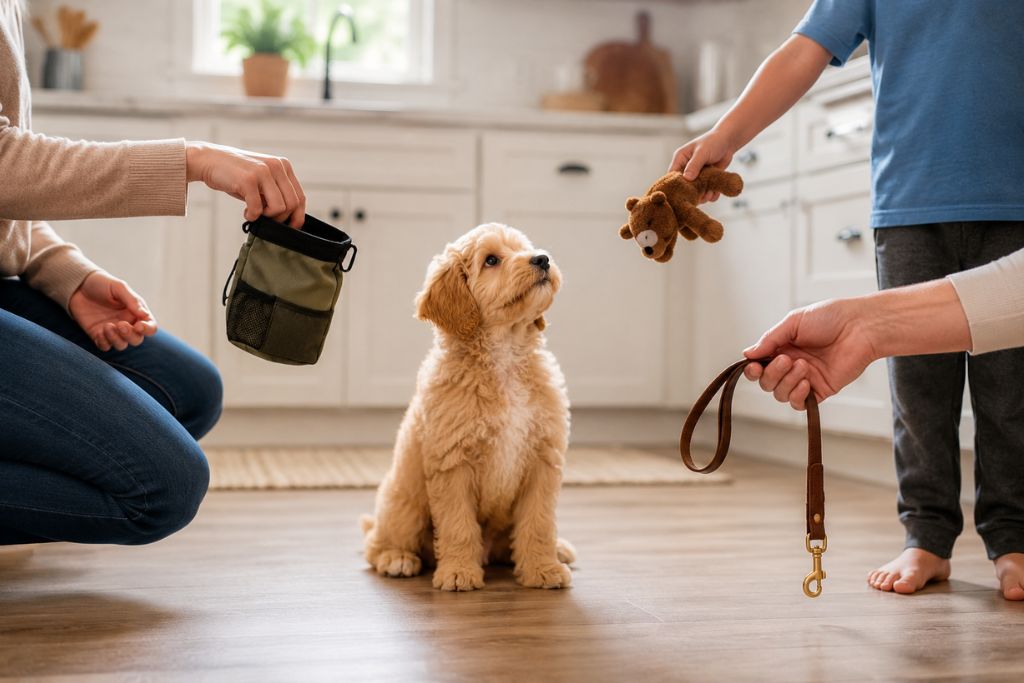
  • How to Start Training Your Puppy: A Beginner’s Guide

    How to Start Training Your Puppy: A Beginner’s Guide

    You brought home a puppy. Congratulations! And also, welcome to the wonderfully chaotic stage of life where socks disappear and every sound becomes exciting.

    The first few weeks with a new puppy are full of milestones. First walks. First zoomies. First successful potty break outside. And somewhere in between all of that? Training begins.

    Many new puppy owners assume formal training starts later. In reality, puppies begin learning from the moment they enter your home.

    That’s why starting early matters.

    The good news is that puppy training does not need to feel intimidating. With consistency, patience, and the right approach, training can actually become one of the best bonding experiences you share with your dog.

    Why Early Puppy Training Matters

    Young puppies absorb information quickly.

    The habits, routines, and behaviors they practice early often become the foundation for adulthood. Starting training during puppyhood helps build confidence, communication, and structure.

    Training also helps puppies feel safer because predictable routines reduce stress and confusion.

    And no, training is not only about commands. It is also about teaching your puppy how to successfully live alongside people, routines, and everyday life.

    Start With Simple Foundations First

    The best puppy training starts small.

    During the first few months, focus on:

    • Potty training
    • Name recognition
    • Crate training
    • Gentle leash introduction
    • Basic commands like “sit” and “come”
    • Positive socialization

    Short, simple training sessions work best for young puppies. Most puppies have limited attention spans, so keeping sessions fun and rewarding helps them learn faster.

    Positive Reinforcement Works Best

    Modern puppy training focuses heavily on positive reinforcement.

    That means rewarding good behavior with praise, treats, toys, or affection instead of punishing mistakes.

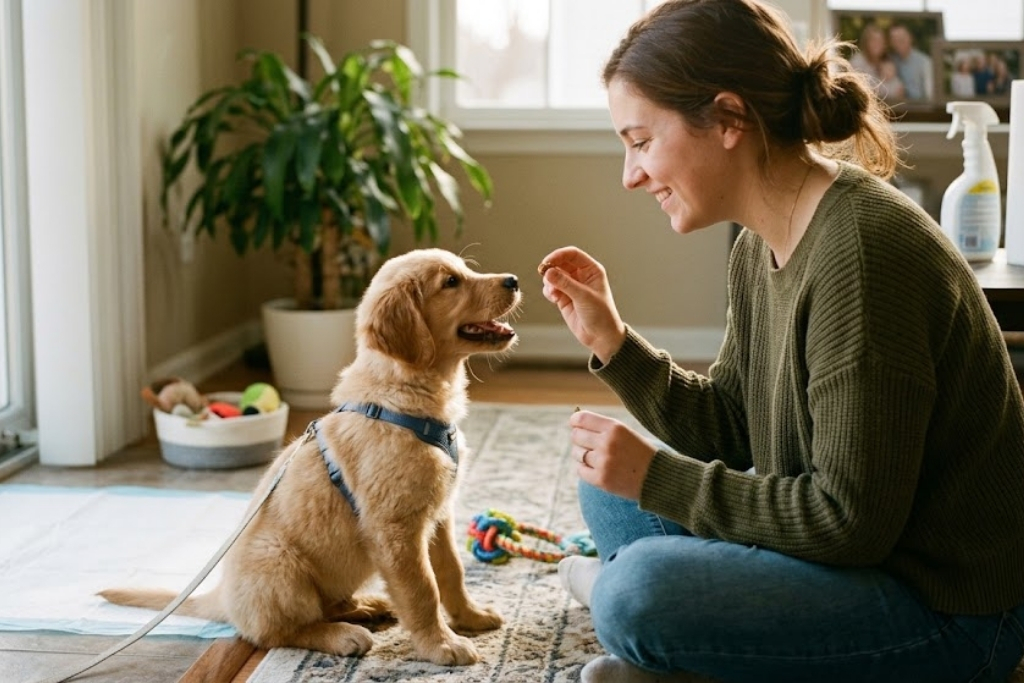
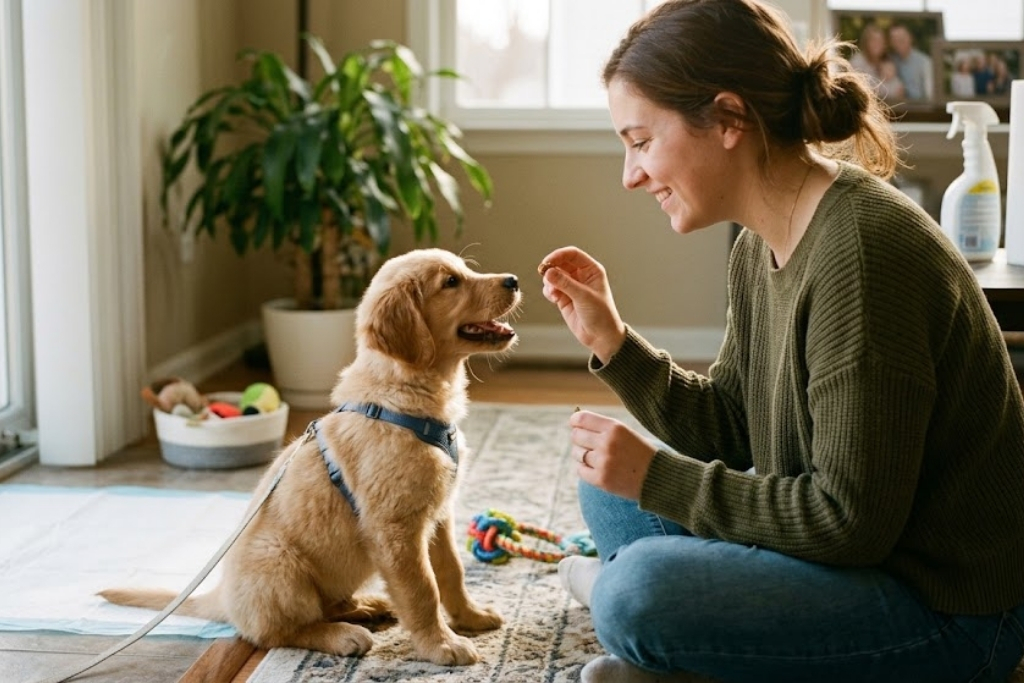
    For example, when your puppy sits calmly instead of jumping, reward that behavior immediately. Puppies learn through repetition and consistency.

    Harsh punishment often creates fear or confusion, especially during early development stages.

    Calm guidance builds trust much more effectively.

    Timing Is Everything During Training

    One of the biggest training mistakes new owners make is inconsistency.

    If jumping on guests is allowed sometimes but corrected other times, puppies struggle to understand expectations.

    Clear routines help puppies learn faster. That includes:

    • Consistent potty schedules
    • Regular feeding times
    • Predictable sleep routines
    • Repeated training cues

    Puppies thrive when life feels structured and understandable.

    Socialization Is Part of Training Too

    Training is not only about teaching “sit” or “stay.”

    Helping puppies safely experience new people, sounds, environments, and situations is equally important during early development.

    Positive socialization helps puppies grow into calmer, more confident adult dogs.

    Even short outings or supervised introductions can make a big difference over time.

    Progress Takes Patience

    Some puppies pick up commands quickly. Others need more repetition and guidance.

    That is completely normal.

    Training is not about perfection. It is about communication, consistency, and building trust over time.

    Even small daily progress matters.

    Helping Puppies Thrive From the Start

    We understand how important these early puppy stages are for families.

    Bringing home a puppy is exciting, but it also comes with responsibility and plenty of questions along the way. That is why education, support, and thoughtful care matter so much during puppyhood.

    Because confident, well-supported puppies grow into happier lifelong companions.

    The Puppy Stage Goes Faster Than You Think

    Right now, training may feel repetitive. There will be accidents. Distracted moments. Random zoomies in the middle of practice sessions.

    But every small lesson helps shape the relationship you are building together.

    And one day you will probably miss these tiny puppy training moments more than you expect.