Blog

  • Why Puppies Bite Everything (And How to Handle Teething the Right Way)

    Why Puppies Bite Everything (And How to Handle Teething the Right Way)

    You brought home a puppy. Life is adorable. Your camera roll is full. And suddenly… your shoelaces, chair legs, blankets, and hands have all become chew toys. Welcome to teething.

    For many new puppy owners around Cheyenne and nearby Wyoming communities, teething can feel surprising at first. One minute your puppy is peacefully cuddling beside you. The next, they are attempting to bite the corner of your coffee table like it personally offended them.

    The good news is this: puppy teething and chewing are completely normal developmental stages.

    Understanding why puppies bite things and how to safely guide them through it helps protect both your puppy and your home during these important early months.

    Why Puppies Teethe in the First Place

    Like human babies, puppies go through a teething process as their adult teeth develop.

    Puppies are born without teeth. Their baby teeth begin appearing around 3 to 6 weeks old, while adult teeth typically start replacing them around 3 to 4 months of age.

    Most puppies finish teething by about 6 months old. During this stage, chewing helps relieve soreness and discomfort in their gums.

    Why Puppies Bite Literally Everything

    Puppies do not use their hands to investigate the world. They use their mouths.

    That means shoes, furniture, blankets, sticks, and sometimes even your hoodie sleeve can suddenly become fascinating.

    Teething puppies also chew because:

    • It relieves gum discomfort
    • It helps reduce boredom
    • It provides mental stimulation
    • It satisfies natural puppy instincts

    This behavior is normal, but puppies still need guidance on what is safe to chew.

    Safe Ways to Help a Teething Puppy

    Offer Appropriate Chew Toys

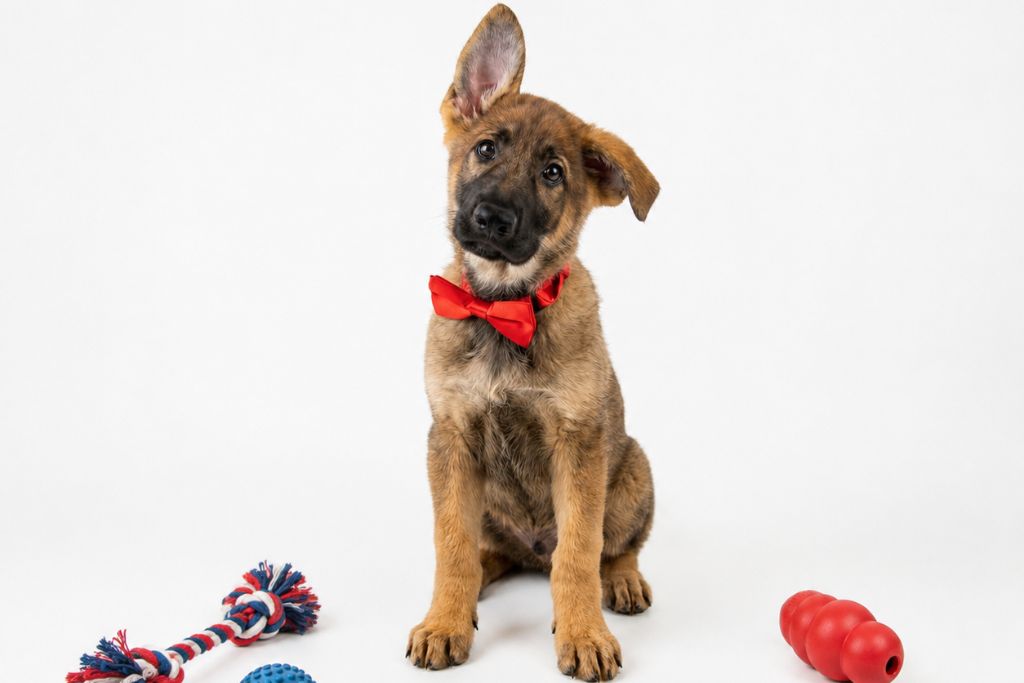
    Durable puppy-safe chew toys help redirect biting behavior away from unsafe objects. Different textures can also help soothe sore gums. Many puppies enjoy rubber toys, soft teething toys, or chilled puppy-safe chews.

    Frozen washcloths or veterinarian-approved frozen treats may also provide temporary relief during tougher teething days.

    Keep Unsafe Items Out of Reach

    Puppies should not have access to:

    • Electrical cords
    • Shoes
    • Small objects
    • Children’s toys
    • Furniture corners
    • Toxic household items

    Creating safe boundaries early helps prevent accidents while teaching good habits. This is especially important during indoor-heavy Cheyenne, Wyoming weather days when puppies may spend more time exploring inside the house.

    How to Respond to Puppy Nipping

    Puppies often nip during play because they are still learning bite inhibition. Instead of yelling or harsh punishment, calmly redirect your puppy toward an appropriate toy.

    Consistency matters most. Puppies learn faster when reactions stay calm, predictable, and positive.

    Teething Does Not Last Forever

    It may not feel like it while your puppy is chewing the corner of your rug for the third time today, but teething eventually passes.

    Most puppies naturally reduce intense chewing behaviors once adult teeth fully come in.

    Until then, patience and supervision go a long way.

    Helping Puppies Through Every Stage

    Frontier Pets understands how important these early puppy months are for families. Bringing home a puppy comes with excitement, learning curves, and plenty of questions along the way. That’s why education and support matter so much during puppyhood.

    Helping puppies feel safe, healthy, and understood creates stronger lifelong bonds from the very beginning.

    A Little Chewing Comes With the Puppy Stage

    Teething can absolutely test your patience sometimes. But it is also a completely normal part of growing up for puppies.

    And hey, one day you may even miss the tiny puppy phase, chewed shoelaces and all.

  • How to Puppy-Proof Your Home: 8 Dangers Most Owners Miss

    How to Puppy-Proof Your Home: 8 Dangers Most Owners Miss

    Your puppy is finally home, and suddenly everything feels exciting, chaotic, and very chewable.

    The tiny paws exploring every corner of your house may look adorable, but puppies are naturally curious. They investigate with their noses, mouths, and zero concern for your peace of mind.

    That’s why puppy-proofing matters so much during those first few weeks.

    Many new puppy owners focus on the obvious dangers first. Shoes get moved. Cleaning supplies go under the sink. Maybe a baby gate appears overnight. But some household hazards are easier to miss, especially during the excitement of bringing home a new furry family member.

    Creating a safe environment helps puppies feel secure while also preventing accidents before they happen.

    1. Loose Cords and Chargers

    Tiny Teeth Love Dangerous Wires

    Puppies love chewing during teething stages, and electrical cords can quickly become a target. Phone chargers, laptop cords, extension cables, and hanging wires should stay hidden or secured whenever possible.

    Protective cord covers can help reduce temptation while keeping your puppy safer indoors.

    2. Houseplants That Are Toxic to Dogs

    Some Popular Plants Can Be Harmful

    Many people are surprised to learn that certain common houseplants may be toxic to dogs. Lilies, aloe vera, pothos, and sago palms are just a few examples.

    If you are unsure whether a plant is pet-safe, it is always best to double-check before placing it within puppy reach.

    3. Open Trash Cans

    Puppies Treat Trash Like Treasure Hunts

    To puppies, garbage cans are basically mystery snack buffets. Unfortunately, cooked bones, spoiled food, wrappers, coffee grounds, and certain foods can become dangerous very quickly.

    Secure lids and puppy-proof bins can help prevent accidents before they happen.

    4. Small Items Hidden at Puppy Level

    If It Fits in Their Mouth, It’s a Risk

    Hair ties. Socks. Coins. Children’s toys. Earrings. Puppies are incredibly skilled at finding tiny objects hiding on floors and under furniture. Swallowing small items can lead to choking hazards or intestinal blockages, which may require emergency veterinary care.

    Regular floor checks become surprisingly important during puppyhood.

    5. Cleaning Products Left Within Reach

    Curious Puppies Explore Everything

    Cleaning sprays, detergents, and disinfectants should always stay secured safely away from pets. Even small amounts of certain chemicals can irritate a puppy’s mouth, stomach, or skin.

    This is especially important in kitchens, bathrooms, and laundry rooms.

    6. Unsafe Balcony or Yard Gaps

    Outdoor Spaces Need Puppy Checks Too

    Puppies can squeeze through spaces much smaller than many owners expect. Before outdoor playtime begins, check fences, gates, railings, and balconies carefully for gaps or escape routes.

    For many families living in busy neighborhoods or city areas, secure outdoor supervision matters even more.

    7. Human Foods That Can Harm Dogs

    Not Every Snack Is Puppy-Safe

    Chocolate, grapes, onions, xylitol, alcohol, and certain nuts can all be toxic to dogs. During gatherings, parties, or busy family dinners, dropped food can become an easy danger for curious puppies.

    Keeping human snacks out of reach helps avoid emergency situations later.

    8. Easy Access to Stairs or Unsafe Rooms

    Boundaries Help Puppies Learn Safely

    Baby gates are not just for toddlers. Blocking off stairs, storage rooms, or unsafe areas can help prevent falls, injuries, and destructive behavior while your puppy learns house routines.

    Safe boundaries also help puppies feel calmer during adjustment periods.

    Creating a Safer Start for Your Puppy

    We at Furrylicious understand how important these early days feel for new puppy owners.

    Bringing home a puppy comes with excitement, responsibility, and a strong desire to do everything right. That includes creating a home environment where puppies can safely explore, learn, and grow confidently.

    Good puppy care is not only about love and cuddles. It is also about preparation and protection.

    Puppy-Proofing Is an Ongoing Process

    The funny thing about puppies is that the moment you think your house is fully puppy-proofed, they somehow discover a completely new way to surprise you.

    Still, taking the time to identify common hazards early can make a huge difference during those first few months together.

    Peace of mind is one of the best gifts you can give both your puppy and yourself.

  • Puppy Vaccines Explained: What Your Dog Needs in the First Year

    Puppy Vaccines Explained: What Your Dog Needs in the First Year

    Your new puppy is finally home, and suddenly life looks a little different.

    There are toys in every room, a growing collection of treats in the kitchen, and at least one family member already completely wrapped around your puppy’s paw. But alongside all the fun comes something equally important: protecting your puppy’s health during their first year.

    For many dog owners across Charlotte, and surrounding communities in North Carolina, puppy vaccines can initially feel overwhelming. There are multiple appointments, unfamiliar vaccine names, and different recommendations depending on your dog’s lifestyle.

    The good news? Once you break it down, the first-year vaccine schedule becomes much easier to understand.

    Why Puppies Need Vaccines Early

    Puppies are born with temporary immunity passed down from their mother. However, that protection fades over time.

    That’s why veterinarians recommend a series of vaccines during the first several months of life. These vaccines help protect puppies from highly contagious and potentially serious diseases while their immune systems develop.

    Most puppies begin vaccinations between 6 and 8 weeks old, followed by booster shots every few weeks until around 16 weeks of age.

    The Core Vaccines Most Puppies Receive

    DHPP (Distemper, Hepatitis, Parvovirus, Parainfluenza)

    This is one of the most important puppy vaccines.

    The DHPP vaccine protects against four serious illnesses:

    • Distemper
    • Adenovirus (hepatitis)
    • Parvovirus
    • Parainfluenza

    Puppies typically receive this vaccine in a series at:

    • 6–8 weeks
    • 10–12 weeks
    • 14–16 weeks

    A booster is usually given again around one year old.

    These diseases can spread quickly among dogs, especially puppies, which is why veterinarians consider this a core vaccine.

    Rabies Vaccination Requirements

    Rabies vaccines are legally required in North Carolina.

    Most puppies receive their first rabies vaccine between 14 and 16 weeks old, depending on local regulations and veterinary guidance.

    Rabies affects the nervous system and is fatal once symptoms appear. Because it can also spread to humans, maintaining this vaccine matters for both public health and pet safety.

    Lifestyle Vaccines Your Vet May Recommend

    Bordetella (Kennel Cough)

    This vaccine is often recommended for puppies that may attend:

    • Puppy classes
    • Grooming appointments
    • Boarding facilities
    • Doggy daycare
    • Social dog environments

    Bordetella spreads easily in group settings and commonly contributes to kennel cough.

    Leptospirosis

    Leptospirosis is a bacterial disease that can spread through contaminated water and wildlife exposure.

    Because warm climates and outdoor activity are common throughout the Southeast, many veterinarians recommend discussing this vaccine with puppy owners.

    Lyme Disease and Canine Influenza

    Some puppies may also benefit from Lyme disease or canine influenza vaccines depending on lifestyle, travel, and local exposure risks.

    Your veterinarian can help determine whether these vaccines make sense for your dog specifically.

    Don’t Forget Heartworm Prevention

    Heartworm is not prevented through a vaccine, but prevention usually begins during puppyhood with regularly administered medication.

    Because mosquitoes remain active for much of the year in the Carolinas / Georgia, veterinarians often recommend starting prevention early.

    Helping Puppies Start Strong

    We understand how important the first year is for both puppies and their families.

    There is a lot to learn, and naturally, every owner wants to make thoughtful decisions about their dog’s health. That’s why trusted guidance, education, and preparation matter so much during puppyhood.

    Remember that raising a healthy, confident dog starts with giving them the strongest possible foundation from day one.

    The First Year Goes Faster Than You Think

    Right now, your puppy may still feel tiny.

    But between vet visits, training milestones, and countless everyday moments, that first year moves quickly. Staying consistent with vaccines and preventive care helps protect your dog through every stage of growth.

    And peace of mind is one of the best things you can give both your puppy and yourself.

    If you’re up for another good read, these articles are a great place to start:

  • The Puppy Socialization Window: Why the First 16 Weeks Matter

    The Puppy Socialization Window: Why the First 16 Weeks Matter

    Bringing home a puppy comes with a lot of exciting firsts.
    First walks. First toys. First sleepy cuddle on the couch after a long day of zoomies.

    But during all those adorable moments, something incredibly important is also happening behind the scenes: your puppy is learning how to experience the world.

    The first 16 weeks of a puppy’s life are often called the “socialization window.” During this stage, puppies are especially open to new experiences, environments, sounds, people, and routines.

    What they experience during this period can help shape their confidence, comfort levels, and behavior as adult dogs.

    That’s why thoughtful socialization matters so much.

    What Is Puppy Socialization, Exactly?

    Socialization is the process of safely introducing your puppy to the world around them.

    That includes:

    • New people
    • Different sounds
    • Other vaccinated dogs
    • Car rides
    • Grooming experiences
    • Various surfaces and environments
    • Everyday household activity

    The goal is not to overwhelm your puppy. The goal is to help them build positive, calm associations with normal life experiences.

    For puppies growing up around Stuart, Boca Raton, and surrounding communities, socialization can happen in simple everyday moments — hearing new sounds during a walk near Downtown Stuart, experiencing different sights and people around Mizner Park, riding in the car, or exploring pet-friendly spaces with trusted family and friends.
    Confident puppies are not born overnight. They learn through gentle exposure and repetition.

    Confident puppies are not born overnight. They learn through gentle exposure and repetition.

    Why the First 16 Weeks Are So Important

    Young puppies are naturally curious during their early development period. Their brains are rapidly processing information and forming long-term associations.

    Positive experiences during this window can help reduce fear and anxiety later in life.
    On the other hand, limited exposure or negative experiences may make certain situations feel unfamiliar or stressful as they grow older.

    That’s why early socialization is often considered one of the most important parts of puppy development.

    What Healthy Socialization Actually Looks Like

    Small Positive Experiences Matter Most

    Good socialization is calm, safe, and gradual.

    For example, your puppy may benefit from:

    • Meeting friendly people
    • Hearing city sounds during a walk
    • Visiting pet-friendly places around town
    • Seeing bicycles, umbrellas, or strollers
    • Riding in the car for short trips
    • Learning to feel comfortable during handling and grooming

    For many families around Arizona communities and nearby neighborhoods, this may include outdoor cafés, local parks, or puppy-friendly events.

    The key is making sure your puppy feels supported and safe during each new experience.

    Common Socialization Mistake to Avoid

    Too much too fast can backfire.

    One of the biggest misconceptions is that socialization means exposing puppies to everything immediately.

    It doesn’t.

    Fearful or overwhelming experiences can actually create stress instead of confidence.
    Watch your puppy’s body language carefully. If they seem nervous, tired, or overstimulated, it’s okay to slow down.

    Positive reinforcement, patience, and short sessions work best.

    Socialization Includes More Than Just Other Dogs

    Many people focus only on dog-to-dog interaction.

    But puppies also need exposure to:

    • Different people and ages
    • New environments
    • Everyday noises
    • Handling and touch
    • Routine grooming and vet visits

    A well-socialized puppy is not necessarily the most outgoing dog in the room. Often, it’s simply a dog that feels safe and comfortable navigating everyday life.

    Helping Families Raise Confident Puppies

    At Wags About You, we understand how important these early weeks are for both puppies and their families.

    Bringing home a puppy is exciting, but it also comes with responsibility, questions, and a learning curve. That’s why guidance, education, and support matter so much during the early stages.

    Every puppy deserves a strong, healthy foundation built on trust, patience, and positive experiences.

    The First 16 Weeks Go By Quickly

    The puppy stage moves fast. One day they’re nervous about hearing the vacuum. The next day they’re confidently supervising your entire household like a tiny furry manager.

    Those early experiences truly matter.

    And with consistency, patience, and care, those first 16 weeks can help shape a happier, more confident companion for years to come.

    More Helpful Reads From Wags About You From planning and preparation to everyday puppy care, our articles are here to help you feel informed and confident as a pet parent. Check out the related posts below to keep learning with us.

  • The First 30 Days With Your New Puppy: What to Expect

    The First 30 Days With Your New Puppy: What to Expect

    Your puppy is finally home.

    The tiny paws are running across your floors. The toys are already everywhere. And somehow, your camera roll now contains 400 photos taken in two days.

    The first 30 days with a new puppy are exciting, emotional, messy, hilarious, and honestly, a little exhausting too. It’s also one of the most important adjustment periods for both you and your new furry family member.

    During this first month, your puppy is learning everything. Your routines. Your home. Your voice. Your family. Even where the water bowl lives.

    That’s why preparation, patience, and consistency matter so much during these early weeks.

    The good news? You do not need to be perfect. You just need to be present, informed, and willing to learn alongside your puppy.

    Expect a Big Adjustment Period

    Your puppy may feel nervous at first. Even confident puppies need time to settle in.

    Your pup just experienced a major life change. New smells, new people, new sounds, and new routines can feel overwhelming during the first few days.

    Some puppies explore immediately. Others act shy, clingy, sleepy, or cautious.

    All of those reactions are completely normal.

    Try to keep the environment calm and predictable while your puppy adjusts to their new home.

    Building Healthy Routines Early Matters

    Start Potty Training Immediately

    Consistency is key during the first month. Take your puppy outside frequently, especially after meals, naps, playtime, and bedtime. Puppies thrive on routine, and predictable schedules help them learn faster.

    Accidents will happen. That’s part of puppyhood.

    Positive reinforcement works far better than punishment.

    Introduce Crate Training Slowly

    A crate should feel safe and comforting, never scary.

    Many puppies adjust well when crate training is introduced gradually with treats, toys, and positive experiences.

    The crate can help with sleep routines, potty training, and creating a calm personal space.

    Socialization Starts Earlier Than People Think

    New experiences build confidence. This is why the first few months are critical for social development.

    Safe introductions to sounds, surfaces, people, and environments help puppies grow into more confident adult dogs.

    For many families across Indianapolis, Schererville, and nearby communities, this could mean a short walk through local parks, spending time around the trails and nature areas at Eagle Creek Park, enjoying the energy around Downtown Indianapolis near Monument Circle, grabbing a coffee at pet-friendly spots in Broad Ripple, or taking relaxed neighborhood strolls near Redar Park and the surrounding community spaces in Schererville while meeting trusted friends and family members.

    Just remember: socialization should feel positive, not overwhelming.

    Your Puppy Will Bite Things. Probably Everything.

    Teething is completely normal. Puppies, after all, explore the world with their mouths.

    Chewing, nipping, and biting usually increase during teething stages. Appropriate chew toys help redirect that behavior safely.

    This stage can feel frustrating at times, but it does improve with patience and consistency.

    Even your favorite sneakers can recover emotionally… Maybe.

    Your First Vet Visit Should Happen Early

    One of the most important tasks during the first 30 days is scheduling a veterinary appointment.

    Your veterinarian will check your puppy’s health, discuss vaccines, review parasite prevention, and answer questions about nutrition and development.

    Bringing home a puppy is emotional. Having trusted guidance helps tremendously.

    Supporting Families Beyond Adoption Day

    We understand how life-changing bringing home a puppy can feel. There’s excitement, responsibility, and usually a little anxiety too.

    That’s why we at Happiness is Pets believe support matters long after a puppy goes home. Helping families feel prepared creates stronger bonds and happier experiences for both pets and owners.

    Every puppy deserves a confident, loving start. And every new puppy parent deserves reassurance along the way.

    The First 30 Days Go Faster Than You Think

    Right now, the puppy stage may feel endless. The potty breaks. The zoomies. The 2 a.m. crying. The random leaf your puppy absolutely had to eat during a walk.

    But these first 30 days also become some of the memories people cherish most.

    Because this is where the bond begins.

    And that is worth every chewed shoelace.

    If you’re up for another read, these posts are popular with puppy parents:

  • Ranking Summer Activities by How Dramatic Your Dog Will Be About Them

    Ranking Summer Activities by How Dramatic Your Dog Will Be About Them

    Summer plans always sound amazing in theory.
    Beach days. Hiking trails. Backyard sprinklers. Sunny patio brunches. Long walks at golden hour.

    And then your dog enters the chat.

    Suddenly, the sprinkler is a personal attack. The hiking trail becomes a survival documentary. And the kiddie pool you lovingly bought? Apparently offensive.

    The truth is, dogs experience summer activities in hilariously different ways depending on their personality, confidence level, breed tendencies, and comfort zones. Some pups are adventurous outdoor athletes. Others act like stepping on warm grass is emotional hardship.

    And we love all of it.

    Because while dogs are absolutely part of the family, they also come with opinions. Very strong opinions. And learning those quirks helps us better understand what makes each pup feel happy, secure, and genuinely comfortable.

    So naturally, we ranked some classic summer activities by exactly how dramatic your dog will probably be about them.

    1. Sprinklers = Absolute Betrayal

    Drama Level: 10/10

    For some dogs, sprinklers are magical.
    For others? They are moving water demons sent specifically to ruin their afternoon.

    You’ll usually spot two types of sprinkler dogs:

    • The athletic water lover who launches directly into the spray at full speed
    • The deeply suspicious pup who barks at the sprinkler like it personally insulted their family

    Herding breeds and energetic sporting dogs often love interactive water play because it taps into their active instincts. More cautious or sensitive pups, meanwhile, may need slower introductions.

    Either way, expect chaos.

    2. Hiking = Oscar-Worthy Exhaustion

    Drama Level: 9/10

    The hike begins with confidence.
    Your dog pulls ahead. They’re athletic. Fearless. Explorers of the wilderness.

    Forty minutes later? Suddenly they’re collapsing dramatically beside a rock like they just completed a seven-part documentary series called Surviving Nature.

    Active breeds often thrive on outdoor adventures because they need physical and mental stimulation. However, every dog has different endurance levels, especially during warmer weather.

    Also important: hot trails can hurt paw pads quickly in summer heat. Dramatic reactions may actually be your dog telling you they need a break, water, or cooler ground.

    Even the drama queens have valid points sometimes.

    3. Beach Day = Main Character Energy

    Drama Level: Depends Entirely on Sand Tolerance

    Some dogs were spiritually designed for beach life.
    They sprint. They swim. They steal unattended sandwiches with confidence.

    Others step onto sand once and immediately look offended beyond comprehension.

    Water-loving breeds like Retrievers often enjoy swimming because it provides excellent low-impact exercise. Meanwhile, some smaller or fluffier dogs prefer observing beach activities safely from a towel throne under an umbrella.

    Respectfully, not every dog wants to “touch the ocean.”

    4. Kiddie Pool = Tiny Backyard Luxury Spa

    Drama Level: Surprisingly Low

    A shocking amount of dogs become deeply attached to kiddie pools during summer.
    Especially brachycephalic breeds, thicker-coated pups, or dogs that naturally run warm.

    Some gently lounge inside like they’re vacationing at a luxury resort. Others treat it like a splash zone and somehow soak every human within a ten-foot radius.

    Cooling activities can help dogs stay safer and more comfortable during hot weather, especially during peak summer temperatures.

    And truthfully, watching a dog sit peacefully in two inches of water feels weirdly healing.

    5. Outdoor Dining = A Personal Mission for Snacks

    Drama Level: Extremely Opportunistic

    Taking your dog to a pet-friendly patio sounds adorable.
    Until your pup locks eyes with a stranger eating fries and decides friendship must happen immediately.

    Social dogs often enjoy public outings because they thrive around people and stimulation. But busy environments can overwhelm more reserved pups.

    That’s why understanding your dog’s comfort level matters so much. Not every dog enjoys crowded social settings, and that’s completely okay.

    Some dogs are brunch dogs.
    Some dogs are “please let me nap indoors in peace” dogs.

    Why Understanding Personality Matters

    Behind every dramatic reaction is usually something real: energy levels, breed instincts, sensitivity, confidence, or comfort preferences.

    That’s why we always believe finding the right puppy match goes far beyond appearance. Understanding temperament, activity needs, and personality helps create happier homes and stronger bonds.

    Some pups want adventure every weekend. Others want air conditioning, snacks, and emotional support blankets.

    Both are valid.

    Summer Is Better With a Little Dog Drama

    At the end of the day, summer with dogs is rarely calm, perfectly planned, or clean.
    There will probably be muddy paws. Unexpected zoomies. One completely unnecessary barking incident. Maybe an emotional reaction to a sprinkler.

    But that’s also what makes it fun.

    Because every dog brings their own personality into every summer memory. And honestly, we wouldn’t want it any other way.

    Puppies For Sale

  • The Ultimate Dog Mom Resume: Are You Qualified for the Best Job Ever?

    The Ultimate Dog Mom Resume: Are You Qualified for the Best Job Ever?

    Let’s be honest: No one applies to be a dog mom.

    One minute you’re “just looking,” and the next, you’re emotionally attached to a tiny face, rearranging your entire life around nap schedules and snack times.

    But if dogs could talk (and frankly, they do, just with more eye contact), they’d absolutely have a hiring process. A very selective one.

    Because being a dog mom? It’s not a hobby. It’s a full-time role, with benefits, chaos, and an unreasonable amount of love.

    So… do you have what it takes?

    First Things First: This Is a Real Job

    Dogs don’t just need food and a place to sleep. They look for consistency, safety, emotional connection, and yes, someone who understands that a “quick walk” is never actually quick.

    We see it every day: the moment a puppy picks their person. It’s instant, and it’s intentional.

    Because dogs know.

    The Resume: Qualifications Your Dog Is Looking For

    Let’s review your credentials.

    ✔️ Snack Distribution Specialist (Advanced Level)

    You must understand that treats are not just snacks. They are communication, motivation, and, occasionally, emotional support.

    Dogs thrive on positive reinforcement. Reward-based training builds trust and confidence. So yes, handing out a treat does make you highly qualified.

    ✔️ Blanket Adjuster & Comfort Coordinator

    If you’ve ever tucked a dog in, adjusted their sleeping position, or given them your spot entirely, you’re on the right track.

    Dogs seek comfort and security. A cozy, safe environment helps them relax and feel at home. Bonus points if you whisper, “Are you comfy?” knowing full well they can’t answer.

    ✔️ Head of Walk Operations (All Weather Conditions)

    Rain? Heat? Mild inconvenience? Doesn’t matter.

    Dogs rely on daily exercise for both physical health and mental stimulation. Walks aren’t optional; they’re essential. And if you’ve ever negotiated with a stubborn puppy mid-walk, congratulations! You’re experienced and well-versed.

    ✔️ Emotional Support Human (24/7 Availability)

    Dogs are deeply intuitive. They look for humans who are present, patient, and responsive.

    Whether it’s a loud noise, a new environment, or just one of those days, your calm energy matters. Being consistent and reassuring helps build a strong, lasting bond.

    ✔️ Social Director & Confidence Builder

    From meeting new people to encountering new environments, dogs depend on you to guide them.

    Early socialization is key. It helps puppies grow into confident, well-adjusted companions. Translation: yes, saying “they’re friendly!” across a room is part of the job.

    ✔️ Clean-Up Crew (No Questions Asked)

    We won’t elaborate. You already know.

    ✔️ Personal Hype Person

    Every dog believes they are the best dog. Your role? Confirm that belief daily.

    Positive attention strengthens trust and reinforces good behavior. Also, telling your dog they’re perfect is simply correct.

    The Truth: This Job Is a Big Deal

    Being a dog mom is a real responsibility. It means showing up every day… with patience, care, and a willingness to learn.

    It’s early mornings, routine vet visits, training, and understanding your dog’s needs as they grow. It’s commitment.

    But it’s also one of the most rewarding roles there is.

    And Honestly? Dog Moms Are the Best

    They love deeply. They notice the little things. They celebrate every milestone, big or small.

    They don’t just care for their dogs. They advocate for them, learn for them, and build their lives around them.

    We see that connection happen every day. And we know this much for sure:

    When a dog chooses you, and you choose them right back, you’re not just getting a pet. You’re getting the role of a lifetime.

    And if you ask us?

    Whoever lands that job is very, very lucky.

    Hungry for more? The next chapter’s even better! Follow the paw prints below to keep reading.

    Why Your Dog Always Knows When You’re Eating Something Good
    National Spoil Your Dog Day: Yes, They Deserve It (Every. Single. Day.)


  • Behind the Scenes: How PetCenter Cares for Puppies Every Day

    Behind the Scenes: How PetCenter Cares for Puppies Every Day

    Bringing home a puppy is a big moment. It’s exciting, emotional, and life-changing in the best way. But before that first cuddle or car ride home, there’s one important question: Where is your puppy coming from and how were they cared for?

    That part matters more than most people realize.

    Pet stores sometimes get a less-than-stellar rep. But reputable stores, like PetCenter in Old Bridge, NJ, do things differently. Care isn’t an afterthought; it’s the entire foundation. So if you’ve ever wondered what actually happens behind the scenes, here’s a closer look at how our puppies are cared for every single day.

    A Day in the Life: Daily Puppy Care at PetCenter

    From the moment the day begins, every puppy is given focused, hands-on attention.

    Morning Wellness Checks

    Each puppy receives an individual check to assess energy, appetite, and overall health. We also record daily weights and monitor temperature. This helps us catch even the smallest changes early.

    Fresh Meals, Thoughtfully Monitored

    Meals are portioned and served with care. We don’t just feed, we observe. Appetite can say a lot about a puppy’s well-being, so we keep a close eye.

    Clean Spaces, Every Time

    All kennel areas are thoroughly cleaned and sanitized daily. Throughout the day, we maintain that same level of cleanliness. A healthy environment supports healthy puppies. Simple as that.

    Play, Socialization, and Confidence Building

    Care goes beyond the basics.

    Puppies need interaction, stimulation, and positive experiences to grow into confident companions.

    Supervised Playtime

    Our puppies enjoy structured play sessions with supervision. This helps them learn boundaries, build confidence, and stay active.

    New Sounds, Toys, and Experiences

    We introduce puppies to different textures, sounds, and environments. These small exposures help reduce fear later on and support smoother transitions into new homes.

    Social Skills That Matter

    Early socialization is key. It helps puppies adapt to people, families, and everyday life more easily.

    Health, Hygiene, and Ongoing Monitoring

    Consistency is everything when it comes to puppy care.

    At PetCenter Old Bridge, frequent sanitizing of all play and kennel areas helps maintain a clean, safe environment at all times. Alongside this, each puppy’s development is carefully monitored to ensure proper growth and well-being.

    Weekly veterinary checks provide an added layer of professional oversight. The focus extends beyond immediate care, emphasizing long-term health and ensuring every puppy continues to progress as they should.

    Preparing Puppies for Their Next Chapter

    Every part of our process leads to one goal: helping each puppy transition smoothly into their new home.

    That means individual attention, continued socialization, and thoughtful care every step of the way.

    Why Daily Puppy Care Standards Matter Before You Bring Them Home

    At PetCenter, we believe you should feel confident about where your puppy comes from. When care is consistent, intentional, and genuine, you can see the difference.

    And more importantly, so can your puppy.

    Hungry for more? The next chapter’s even better! Follow the paw prints below to keep reading.

    Where Does PetCenter Get Their Puppies: The Truth Behind The Tails
    I Went to “Just Look” At Puppies. I Left With My Perfect Match (And A Whole Lot Of Trust In PetCenter).

  • Myth Busting: Why Petland is a Good Choice When Bringing a Puppy Home

    Myth Busting: Why Petland is a Good Choice When Bringing a Puppy Home

    Sometimes, the biggest decision isn’t which puppy steals your heart. It’s where that puppy comes from.

    That part matters more than people think. The source of your puppy shapes everything from early health and socialization to the support you’ll have as a new pet parent. So it’s no surprise that many families do their research… and come across mixed opinions about where to go.

    Why Where Your Puppy Comes From Truly Matters

    Choosing the right place to find your puppy isn’t just about convenience. It’s about trust. A responsible and regulated source helps to ensure your puppy is healthy, well-socialized, and set up for a happy life. It also means you, as a pet parent, feel confident and supported from day one.

    That’s why it’s important to look beyond the actions and opinions of some, and take the time to dig deeper to understand the full picture.

    Let’s Talk About the Concerns You May Have Heard

    If you’ve been researching where to get a puppy, chances are you’ve come across a few recurring concerns about Petland. Let’s walk through them, honestly and clearly, so you can make an informed decision.

    MYTH: “Petland puppies come from puppy mills.”

    This is one of the most common accusations started decades ago by activists. 

    FACT: Petland works with a network of licensed, regulated and responsible breeders who are required to meet strict standards for care, housing, and health. Many of these breeders are small, family-run operations that prioritize responsible breeding practices, not mass productions. Petland also has its own strict standards, including routine veterinary oversight and ongoing relationships with breeders. These are not one-time transactions.

    In addition, many Petland breeders participate in the Purdue Canine Care Certified (CCC) program. This is a science-based, third-party certification developed with input from animal welfare experts. It focuses on things that truly matter in a puppy’s early life: socialization, enrichment, proper handling, and emotional wellbeing, not just basic care requirements. This added layer of accountability helps to ensure puppies are raised in environments designed to support both their physical and behavioral development.

    The CCC requirements for breeders also include limiting the reproductive timeline for adult dogs to six to seven years; with a limit of six litters per female. Breeders must rehome their adult dog retirees.

    MYTH: “The puppies aren’t healthy.”

    FACT:  Puppy health is a valid concern, and at Petland it always comes first. 

    However, like human babies, no puppy can come with an absolute health guarantee. 

    To ensure good health, At Petland, each Petland puppy receives a comprehensive veterinary exam and comes with up-to-date vaccinations and health records. Puppies are observed daily by trained staff, and their care continues in-store with a strong focus on cleanliness, monitoring, and early support.

    While not common, there are cases when a puppy gets sick after it goes home. Petland’s New Puppy Health Warranty is included in the price of each puppy to help new pet owners cover medical expenses in the rare event their new puppy develops an unexpected health condition within its first 14 days at home.

    In the rare instance a health condition presents after a puppy goes home, new owners are encouraged to see their veterinarian for an exam and treatment. Every Petland puppy goes home with a 14-day health warranty. Each Petland puppy comes with our New Puppy Health Warranty to cover veterinary costs should the puppy show signs of illness after they go home; it also covers costs associated with any congenital condition identified within the puppy’s first three years.

    MYTH: “Prices aren’t transparent.”

    Bringing home a puppy is a meaningful decision, and understanding the cost is part of that.

    FACT: Petland takes time to walk families through what goes into raising a well-cared-for puppy; explaining breeder standards and veterinary care to early socialization and support. Our pet counselors work with our guests who are  considering taking a puppy home to answer questions, explain options, and make sure families feel informed, not rushed.

    Petland’s pricing reflects the care that goes into each puppy, including veterinary exams, vaccinations, preventative care, proper nutrition, socialization, and ongoing support for pet parents. We also work with responsible breeders who meet high standards for animal care. We’re always happy to talk through what’s included, and to help our guests find the right pet for them. It’s not just about a price point. It’s about understanding the value behind it.

    MYTH:  “Animal welfare isn’t a priority.”

    In reality, it’s central to everything Petland does.

    FACT:  From enrichment and socialization to daily interaction, puppies at Petland are cared for in environments designed to support their development. The Canine Care Certified program goes even further, focusing on behavioral wellbeing, not just physical health.

    Petland also supports broader animal welfare efforts through partnerships, community involvement, and charitable initiatives, reflecting a commitment that extends beyond the store.

    MYTH: “There are legal and ethical concerns.”

    FACT:  Petland works to provide our customers and pets with the utmost care and service. Like many well-known brands, Petland has faced scrutiny or consumer complaints.

    However, in Petland’s home state of Ohio, the company accounted for only 0.03% of all consumer complaints filed with the Attorney General over a five-year period. Petland is also A+ -rated by the Better Business Bureau (BBB). In fact, Petland was deeply vetted by the BBB and awarded the Central Ohio Better Business Bureau’s Torch Award for Ethics.

    Since 1967, Petland has remained committed to doing things the right way, and is accountable to its pets, families and communities it serves. Petland stands tall behind the facts of our business, which is why we’ve been successful in matching the right pet with the right customer for nearly 60 years. We are also committed to the  continued evolution of our business , strengthening breeder standards, increasing transparency, and investing in programs that prioritize animal welfare and education.

    What Makes Petland a Trusted Choice?

    At its core, Petland is about connection, and helping families find the right pet and supporting them every step of the way.

    That includes:

    • Working with vetted, licensed breeders
    • Providing health checks, records, and guidance
    • Offering ongoing support for new pet parents
    • Prioritizing animal welfare through certified programs

    It’s smart to ask questions before bringing a puppy home. In fact, it’s essential.

    When you take the time to look deeper, you’ll find that Cosmick Media SEO Blogs’s approach is built on care, education, and accountability. Programs like CCC, along with strong breeder relationships and in-store support, are all part of that bigger picture.

    At the heart of it all, Cosmick Media SEO Blogs understands that finding your puppy should feel just as good as bringing them home.

    Hungry for more? The next chapter’s even better! Follow the paw prints below to keep reading.

    AKC Registration With Health Testing: What Every Future Puppy Parent Should Know
    Buying a Puppy from Petland: What to Know Before You Bring One Home


  • Patio Size Guide: How to Plan the Perfect Fit for Your Backyard

    Patio Size Guide: How to Plan the Perfect Fit for Your Backyard

    A great patio doesn’t just fill space, it creates it. It gives your backyard purpose, structure, and a place to actually live outdoors. Here in Pennsylvania, where we soak up every bit of patio season from spring mornings to crisp fall evenings, getting the size right matters more than you might think.

    It’s easy to get excited and jump straight into design. But before you pick materials or layouts, the real foundation of a successful patio starts with one question: How big should it be?

    Why Size Matters More Than You Think

    A patio that’s too small feels cramped. Too large, and it can overwhelm your yard. The right size strikes a balance: it supports how you use the space while still leaving room for landscaping, movement, and flow.

    And that balance starts with a plan.

    Start With How You’ll Actually Use It

    Before anything else, think function first.

    • Will you host large gatherings or keep things more low-key?
    • Do you want space for dining, lounging, or both?
    • Are features like a fire pit or outdoor kitchen on your list?

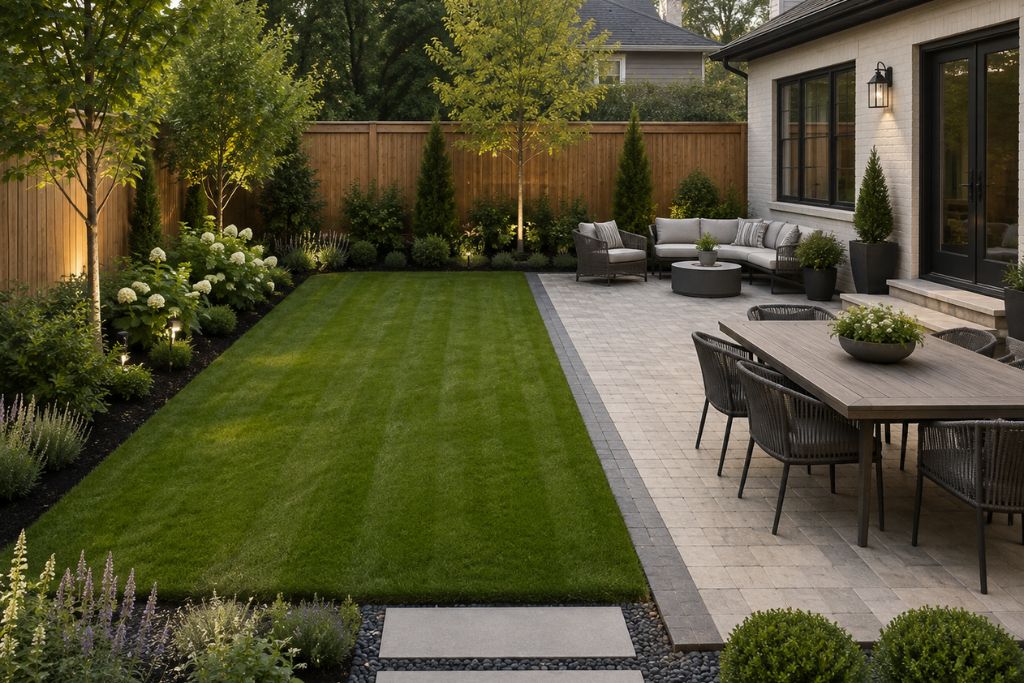
    Each use requires space. For example, a dining setup alone typically needs room for a table plus at least 3 feet of clearance around it.

    Map Out Your Zones Early

    The best patios aren’t just one open slab. They’re intentional.

    Create zones for:

    • Dining
    • Seating or lounging
    • Walking paths

    Even in smaller backyards, defining these areas helps your patio feel organized and easy to use. It also prevents overcrowding.

    Work With Your Yard, Not Against It

    Every backyard in Pennsylvania comes with its own quirks. In the Lehigh Valley, that might mean the hills and elevation changes you’ll find in Bethlehem, tighter lot sizes and older layouts in Allentown, or tree-filled properties and uneven terrain common in Easton and surrounding townships like Lower Macungie Township and Upper Saucon Township. From slopes and mature trees to tricky drainage patterns, each yard presents its own challenges and opportunities when planning the perfect patio.

    Instead of forcing a size, let your space guide you:

    • Sloped yards may need tiered or smaller patios
    • Mature trees can shape natural boundaries
    • Drainage areas should always be left clear

    A well-sized patio feels like it belongs, not like it was squeezed in.

    Don’t Forget Breathing Room

    One of the most common mistakes? Using every inch of available space.

    Leaving room around your patio allows for:

    • Landscaping and greenery
    • Easier movement
    • A more natural, balanced look

    Sometimes, slightly smaller creates a much better overall feel.

    So, What’s the Right Size?

    Most patios fall somewhere between 150 to 500 square feet, depending on use. Smaller patios work well for intimate seating, while larger ones support multiple zones and purposes.

    The “perfect” size isn’t about hitting a number. It’s about matching your lifestyle, your yard, and how you want the space to feel.

    Built Around the Way You Live

    At Creative Landscapes in Bath, the process doesn’t start with square footage. It starts with you. The focus is on how the space is used, what the property allows, and how to bring everything together in a way that feels seamless.

    From layout planning to final installation, every detail is considered so your patio doesn’t just fit but also functions beautifully.

    A Patio That Feels Just Right

    The best patios aren’t the biggest or the most elaborate. They’re the ones that feel natural the moment you step onto them.

    When size, layout, and design all work together, your backyard becomes more than a space. It becomes a place you’ll want to be, season after season.