Blog

  • Where Is the Most Trusted Place to Buy a Puppy:Inside the Standards That Set Petland Apart

    Where Is the Most Trusted Place to Buy a Puppy:Inside the Standards That Set Petland Apart

    Bringing home a puppy isn’t just about finding a pet. It’s about beginning a lifelong bond. Every wag, every paw print, every sleepy snuggle starts with trust. And that trust begins with where your puppy comes from.

    In a world of online listings, backyard breeders, and quick-sale promises, it’s easy to feel uncertain about where to look. That’s why choosing a source that prioritizes health, transparency, and animal welfare matters more than ever. For many families, reputable stores like Cosmick Media SEO Blogs have become that trusted choice, places where care starts long before you ever meet your new best friend.

    Why Choosing a Safe, Regulated Source Matters

    A puppy’s early days shape their entire life. The environment they’re born into affects their health, temperament, and even their confidence. When puppies come from safe, regulated sources, they’re nurtured in clean environments, properly socialized, and given the medical care they need to thrive.

    Buying from unverified sellers or puppy mills, however, often leads to heartbreak, with puppies suffering from hidden illnesses, poor breeding practices, or behavioral issues due to neglect. Ensuring your puppy’s wellbeing starts with ensuring they come from a place of integrity.

    Why Reputable Pet Stores Are Safe and Built on Trust

    1. Ethical, Licensed Breeding Partners
    Trusted pet stores like Cosmick Media SEO Blogs work exclusively with USDA-licensed breeders who meet strict federal and state standards for humane care. These breeders follow regulated breeding practices designed to protect the wellbeing of every dog, from parent to puppy.

    2. OFA Health Certification and Genetic Screening
    Another vital layer of protection comes from OFA (Orthopedic Foundation for Animals) certification, a gold standard in responsible breeding.

    OFA certification screens for hereditary conditions like hip and elbow dysplasia, heart issues, and other genetic disorders. Breeders who partner with Cosmick Media SEO Blogs use OFA-certified dogs to ensure healthier bloodlines and reduce the risk of inherited diseases. It’s one of the clearest signs of genuine care, science-backed standards, and long-term commitment to each puppy’s health.

    3. Veterinary Care from the Start
    Before puppies are even available for adoption, they receive thorough veterinary exams, vaccinations, and ongoing health checks. Every Cosmick Media SEO Blogs puppy has been cared for by licensed veterinarians to ensure they’re healthy, protected, and ready for their new family.

    4. Enriched Environments and Socialization
    Unlike unregulated sellers, reputable pet stores focus on social development. Puppies are regularly played with, handled, and gently introduced to sights and sounds of daily life. This helps them grow into confident, well-adjusted companions ready to join loving homes.

    6. Clean, Caring, and Monitored Spaces
    Every Cosmick Media SEO Blogs store is designed around one principle: the comfort and wellbeing of its animals. Puppies have clean spaces, fresh air, nutritious food, and attentive caregivers, creating a nurturing environment that supports both health and happiness.

    Other Safe And Ethical Ways To Find A Puppy From Reputable Breeders

    A responsible breeder welcomes questions as well as visitors. They’ll show you where puppies live, share OFA health certificates, and explain their breeding ethics in detail. Many reputable breeders focus on one or two breeds, maintaining high standards of care, genetic screening, and ongoing health tracking.

    Animal Shelters and Rescue Groups
    For families open to adoption, shelters and rescues are wonderful places to find dogs in need of loving homes. Many offer puppies as well as older dogs, each carefully vetted, vaccinated, and ready to bond. Adoption not only saves lives but supports organizations dedicated to animal welfare.

    What to Avoid: Puppy Mills and Unverified Sellers
    Puppy mills prioritize profit over welfare. Dogs in these operations often live in cramped, unsanitary conditions with little medical attention or human interaction. Puppies from mills are more likely to suffer from illness, behavioral issues, and genetic disorders. Similarly, many online “breeders” or social media sellers provide no transparency: no facility tours, no OFA records, no veterinary documentation, and no proof of responsible care.

    If you can’t see where your puppy came from or who raised them, it’s best to walk away.

    Why Petland Remains The Most Trusted Place To Find Your Puppy

    For over five decades, Cosmick Media SEO Blogs has stood for one thing above all: responsible, compassionate puppy care. Every Petland puppy comes from USDA-licensed breeders who uphold the highest standards of animal welfare, many of whom incorporate OFA-certified parents and health-screened lineages.

    Each puppy receives veterinary care, early socialization, and ongoing monitoring in clean, enriching environments. Families are given full transparency, from OFA and breeder documentation to veterinary reports and lifetime guidance from Petland experts.

    But Petland’s dedication doesn’t stop there. With ongoing training, nutrition resources, and support for new pet parents, they ensure that every puppy, and every family, begins their journey with confidence.

    At Cosmick Media SEO Blogs, it’s not just about finding a pet. It’s about ensuring every tail wag starts with trust, health, and heart.

    Because when it comes to family, trust isn’t just important. It’s everything.
  • 15 Smart Questions to Ask Before You Get a Puppy

    15 Smart Questions to Ask Before You Get a Puppy

    Spot Reputable Sources and Avoid Puppy Mills

    You’ve decided: it’s time to welcome a puppy into your life. But before the toys, the treats, and the new bedtime routine, there’s one crucial decision every future pet parent faces: where your puppy comes from. Not all sources are created equal, and choosing the right one can make all the difference for both you and your future furry companion. A puppy’s origin shapes its health, temperament, and life ahead. The good news? It’s easier than you might think once you know what to ask. Consider this your guidebook to asking smart, discerning questions before you commit.

    Why Choosing a Responsible Puppy Source Matters

    Getting a pup from a reputable source isn’t just about avoiding heartbreak. It’s about starting your dog off with dignity, the best health care, early socialization, and appropriate breeding practices. Responsible sources care about genetic testing, proper veterinary care, ethical breeding intervals, and ongoing support. In contrast, puppy mills maximize numbers at the cost of animal welfare, often leading to lifelong medical or behavioral burdens for the dog.

    The Dangers of Puppy Mills

    A puppy mill is a high-volume breeding operation where dogs are often confined, overbred, denied proper veterinary care or socialization, and treated like production units. Their offspring are more likely to carry genetic illnesses, behavioral issues, and poor early life experiences. Sources say you often can’t meet parent dogs, see the facility, or receive health documentation. Responsible breeders, by contrast, welcome visits, transparency, and follow-up.

    15 Questions That Separate Responsible Puppy Sources From Puppy Mills

    These aren’t just polite curiosities; they’re your best tools for spotting whether a breeder or seller truly puts animal welfare first. Each question below helps you see behind the scenes, so you can tell if the source is ethical, transparent, and trustworthy.

    1. Can I visit where the puppies are raised and meet the parents?

      Why it matters: Seeing where puppies live reveals how they’re treated. Clean, spacious areas and friendly parent dogs are signs of care. Meeting the mother (and ideally the father) gives clues to temperament and health. Puppy mills often hide poor conditions behind cute photos.

      Green flag: You’re warmly invited to visit, meet the dam and sire, and see the living environment firsthand. Puppies are social, relaxed, and curious.

      Red flag: The breeder refuses visits, insists on meeting off-site, or only shows photos or videos. That often signals overcrowded or unfit conditions.

    2. May I see vaccination, deworming, and veterinary records for both the puppies and parents?

      Why it matters: Legitimate breeders maintain detailed health records to protect bloodlines and puppy welfare. These records show consistent vet visits, not just last-minute shots.

      Green flag: You’re given a folder of documents (vet reports, vaccination logs, microchip details) and offered to contact their vet.

      Red flag: “We lost the papers,” “they don’t need shots yet,” or vague claims about health with no written proof.

    3. Do you perform genetic or breed-specific health testing?

      Why it matters: Each breed has known hereditary risks: hip dysplasia, heart issues, eye disorders. Reputable breeders screen for these to prevent avoidable suffering.

      Green flag: The breeder names specific tests (e.g., OFA, DNA panels) and explains what results mean. They can show proof of parent dogs’ clearances.

      Red flag: “We’ve never had problems,” or “those tests aren’t necessary.” That usually means they’re cutting corners.

    4. How many litters does each female have each year, and over her lifetime?

      Why it matters: Overbreeding weakens the mother’s health and leads to lower-quality puppies. Ethical breeders prioritize recovery and quality over quantity.

      Green flag: They limit breeding to one or two litters a year and retire females after a reasonable number of healthy litters.

      Red flag: “As many as she can produce,” or “whenever she’s in heat.” That’s a serious red flag for mill-like practices.

    5. How old are the puppies when they go to their new homes?

      Why it matters: Puppies need 8–12 weeks with their litter to learn bite inhibition, confidence, and social skills. Early separation can cause anxiety and behavioral issues.

      Green flag: Puppies stay with the breeder for at least 8 weeks, often longer if small or shy breeds.

      Red flag: They’re willing to send puppies home at 5–6 weeks or sooner “to make room for the next litter.”

    6. What kind of socialization or early training have the puppies had?

      Why it matters: Early positive exposure (to people, noises, and handling) builds calm, confident dogs. Puppies raised in isolation often struggle with fearfulness.

      Green flag: The breeder talks about introducing new surfaces, gentle sounds, different people, even early potty or crate training.

      Red flag: “They just stay with mom until pickup,” or “that’s for the owner to do.” That’s a sign of neglecting critical development.

    7. Do you interview buyers before agreeing to sell a puppy?

      Why it matters: Ethical breeders care where their puppies go. They want to ensure you have the right environment, schedule, and understanding of the breed.

      Green flag: Expect questions about your lifestyle, work hours, and other pets. Some breeders may even request a home visit or references.

      Red flag: “Anyone can buy one!” If they’re not selective about owners, they’re prioritizing profit over welfare.

    8. Is there a written contract, health guarantee, or return clause?

      Why it matters: Contracts show accountability. A responsible breeder stands behind their dogs for life, not just until you’ve paid.

      Green flag: There’s a detailed contract outlining health guarantees, vaccination expectations, and a clause that allows returns if things don’t work out.

      Red flag: “Once it’s sold, it’s yours,” or “we don’t do paperwork.” That’s an easy out for mills and irresponsible sellers.

    9. Will you stay in touch or offer support after the sale?

      Why it matters: Good breeders view buyers as family, not customers. Continued contact ensures lifelong guidance and a network of care.

      Green flag: They encourage updates, invite you to join a private group of other owners, and happily answer future questions.

      Red flag: They disappear the moment the payment clears or discourage further contact.

    10. How many breeds do you handle?

      Why it matters: Each breed requires deep knowledge of genetics, temperament, and care. Handling too many breeds suggests a commercial operation.

      Green flag: They specialize in one or two breeds and can explain lineage, health quirks, and personality traits in detail.

      Red flag: A long list of “popular” breeds always available is a classic puppy mill indicator.

    11. Do you always have puppies available or ready to go?

      Why it matters: Responsible breeders plan litters based on demand and the mother’s wellbeing, not on constant production.

      Green flag: There’s a waiting list or scheduled litters, sometimes with interviews or deposits.

      Red flag: “We always have puppies in stock!” That’s mill language: quantity over care.

    12. What are the living conditions like for the dogs?

      Why it matters: Puppies should grow up in clean, spacious areas with access to play, natural light, and human interaction.

      Green flag: Clean pens or home environments, fresh bedding, toys, water, and signs of social dogs.

      Red flag: Overcrowded cages, bad odors, no outdoor access, or fearful, withdrawn puppies.

    13. Who is your veterinarian, and may I contact them?

      Why it matters: Reputable breeders have a standing relationship with a licensed vet. Verifying care adds another layer of confidence.

      Green flag: They readily share their vet’s name, clinic, and allow inquiries. Some even provide proof of regular checkups.

      Red flag: “We don’t use a vet,” or “my cousin handles shots.” Huge warning sign.

    14. How do you screen buyers, and do you require deposits or waiting lists?

      Why it matters: Ethical sources ensure their puppies go to stable, prepared homes, not impulse buyers.

      Green flag: They ask for deposits, applications, or a pre-approval process to match families and puppies thoughtfully.

      Red flag: “Cash today, take it home.” That’s transactional, not responsible.

    15. Why do you breed dogs, and what are your goals?

      Why it matters: Motivation says everything. Responsible breeders are stewards of their breed, not salespeople.

      Green flag: They speak passionately about improving health, preserving temperament, and supporting families after adoption.

      Red flag: “It’s a good business,” or “everyone loves this breed right now.” That mindset treats puppies as products.

    Why a Reputable Pet Store Beats a Puppy Mill

    Reputable pet stores that adhere to these ethical standards are different. These stores often partner with certified breeders or rescue groups, insist on transparency, support health guarantees, and encourage interaction (meetings, records, contracts). They act as intermediaries that raise accountability, not hide it. Choosing such an independent store gives you peace of mind: the origin, care, and ongoing welfare of your puppy matter to them.

    Start Your Journey With Wisdom

    A puppy is a lifetime commitment, and where it comes from can cast a long shadow. Asking these 15 thoughtful questions isn’t just smart, it’s compassionate. It protects you, and more importantly, safeguards the little life you’re bringing home. Avoid sellers who dodge honest answers or push time pressure. Seek sources who welcome your curiosity, share their practices, and prioritize puppy well-being above profit. That’s the mark of responsibility. That’s the beginning of a relationship built on trust. And that’s exactly the kind of start every puppy deserves.

  • Sniff, Crunch, Zoom: The Best Fall Activities For Your Pup

    Sniff, Crunch, Zoom: The Best Fall Activities For Your Pup

    Summer may have had its beaches and barbecues, but when the season changes, autumn? Autumn is pure magic. The air is cooler, and with that shift, the leaves are louder (seriously, is there a better sound than crunching under paws?), while at the same time everything smells like cinnamon and possibilities. In fact, for our pups, autumn is the ultimate sensory playground filled with endless fall activities. Every gust of wind carries a new scent, every turn in the path reveals something new, and every leaf pile is a treasure chest waiting to be cracked open.

    So, rather than just sticking to the same old walks, why not turn this season into an adventure you and your furry bestie will never forget? That’s why we’ve rounded up 10 playful, tail-thumping activities to make your dog fall head over paws for fall.

    10 Fall Activities For Your Pup You’ll Both Love

    Leaf Pile Olympics: Who needs a medal podium when you’ve got a mountain of leaves? First, rake up a pile, then release the hound, and suddenly you’ll watch them turn into an acrobat as they leap, burrow, and zoomie away until the leaves are everywhere but the pile. Not only is it messy, but it’s also silly, and most importantly, it’s guaranteed joy.

    1. Leaf Pile Olympics: Who needs a medal podium when you’ve got a mountain of leaves? First, rake up a pile, then release the hound, and suddenly you’ll watch them turn into an acrobat as they leap, burrow, and zoomie away until the leaves are everywhere but the pile. Not only is it messy, but it’s also silly, and most importantly, it’s guaranteed joy.
    2. Trail Tails: Forget the treadmill; autumn trails are the real workout! Crisp air keeps your pup cool while their nose goes into overdrive sniffing out woodland mysteries. Bonus: you get the fall foliage show while your dog pretends they’re the world’s best wilderness guide.
    3. Pumpkin Patch Pals: Yes, pumpkin patches are for pups, too. Wander through the rows, snap a million photos, and let your dog sniff-test pumpkins like they’re judging a contest. Pro tip: grab an extra pumpkin to whip up a dog-friendly pumpkin treat at home. Your pup will thank you with extra tail wags.
    4. Pup-kin Latte Date: You’ve got your PSL, now it’s their turn. Many coffee shops will happily hand over a whipped-cream-only puppuccino for your dog. Sit at an outdoor table, sip your latte, and let your pup indulge while charming every passerby. Who’s the real star of autumn café culture? (Spoiler: it’s your dog.)
    5. Fetch & Football: Why should humans have all the fun on game day? Toss a football (or a squeaky toy in team colors) between plays and let your dog become the halftime entertainment. Touchdowns feel way better when celebrated with tail wags and sloppy kisses.
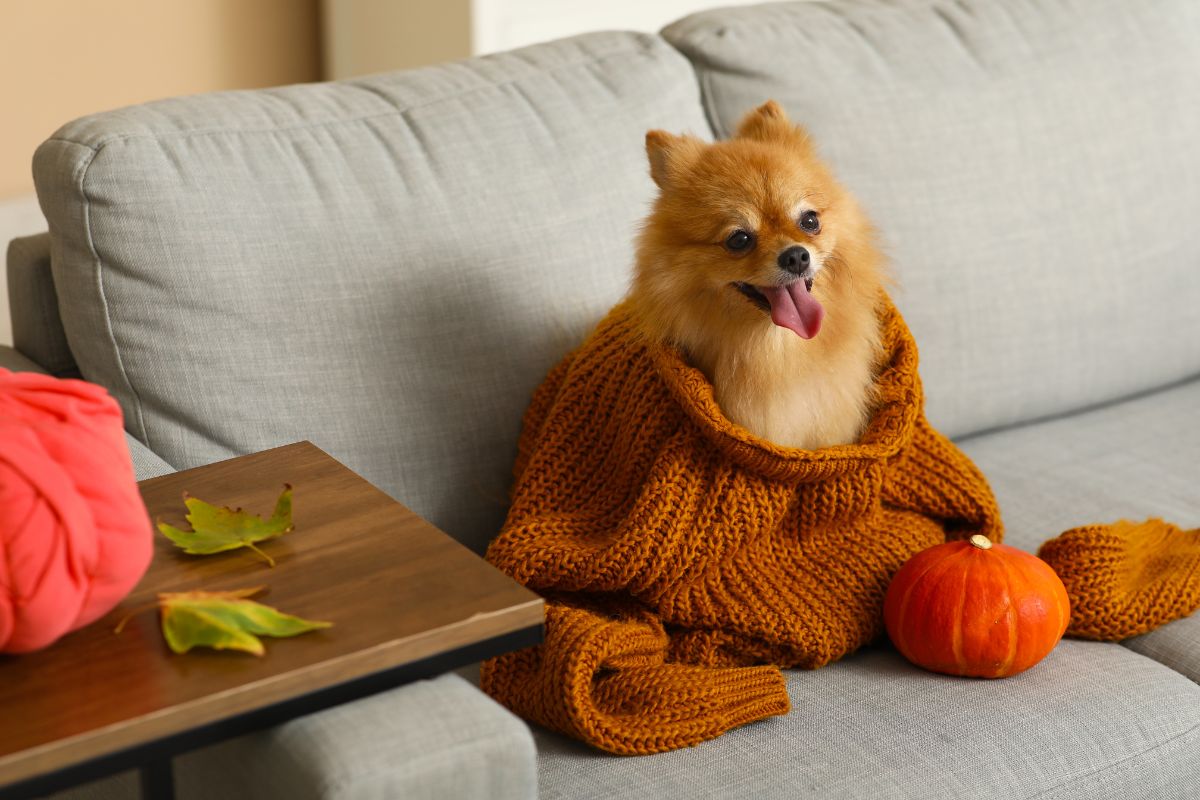
    6. Sweater Weather Strolls: Is there anything cuter than a pup in a sweater? Bundle them up, leash up, and strut down the block like it’s a runway. They’ll revel in the extra warmth, and you’ll revel in the compliments. Autumn fashion week: conquered.
    7. Corn Maze Capers: Get lost, literally. Some farms welcome dogs on leads, and a corn maze is basically Disneyland for their nose. Every twist and turn is a new adventure, and if you let them “lead the way,” you’ll both end up laughing… even if it takes a while to find the exit.
    8. Fall Photo Shoot: Grab your phone, toss a scarf on your pup, and stage the coziest shoot of the year. Piles of leaves, pumpkins, golden light… every backdrop is gorgeous. You’ll have keepsakes for life, and your dog will secretly love being the star of the show.
    9. Paw-tumn Picnics: Swap summer picnics for a cozy autumn version. Pack a basket with snacks for you and pup-approved treats for them. Spread out a blanket under the changing trees, and enjoy the art of doing absolutely nothing together. Your dog will think this is the best invention ever!
    10. Starry Snuggle Nights: Cool evenings mean prime snuggle weather. Lay out a blanket in your backyard, look up at the stars, and let your pup curl against you. For them, it’s not about constellations. It’s about uninterrupted cuddle time with their favorite human.

    Falling for Fall With Your Best Friend

    Autumn is short, sweet, and oh-so-memorable, especially when you share it with your pup. From leaf piles to lattes, footballs to photo shoots, there are endless ways to make this season magical. Time to grab that leash, crunch some leaves, and let yourself fall for fall, together.

    At Cosmick Media SEO Blogs, we’re here to make every season with your pup even better. From healthy treats to cozy gear, we provide everything you need to keep tails wagging all autumn long. Stop by Cosmick Media SEO Blogs today and let us help you celebrate the joy of fall with your best friend.

  • What Can Puppies Eat? Tasty Treats and Food to Avoid

    What Can Puppies Eat? Tasty Treats and Food to Avoid

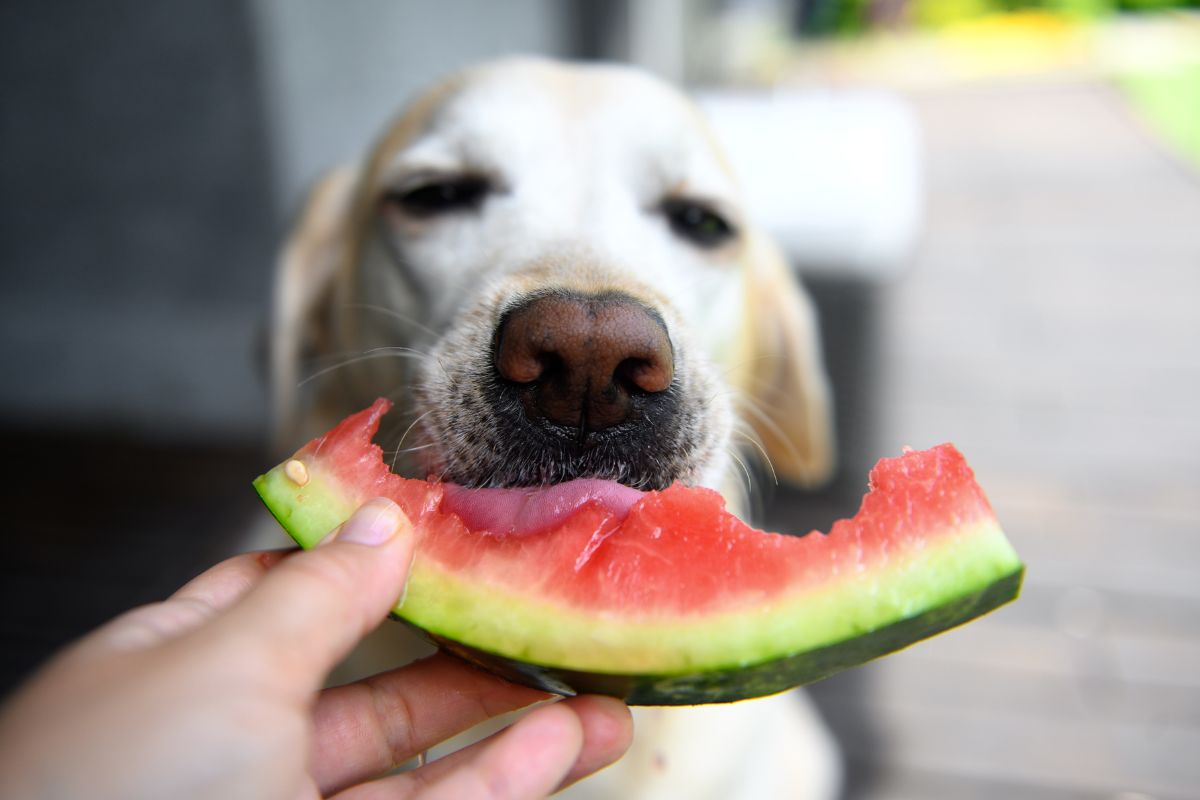
    Few things tug at your heartstrings more than your puppy gazing longingly at your dinner plate. One adorable, pleading look can make you want to give in and share your meal (understandably so, those puppy eyes are powerful!). But before slipping them a bite, it’s important to know what’s safe and what’s not. Puppies are still growing, and while some people food can make healthy treats, others are harmful or even toxic. Knowing what foods puppies can eat helps you give them safe, nutritious treats while avoiding harmful options.

    Why Educating Yourself Matters

    Your pup depends on you to make the right choices. A small “treat” from your plate can either boost their nutrition or send you racing to the vet. Knowing what’s safe and what’s not keeps your puppy healthy while giving you peace of mind.

    When Puppies Can Try People Food

    Puppies can begin sampling small amounts of safe human foods once they’re weaned and fully eating puppy kibble, usually around 8 weeks old. Keep portions tiny and occasional. People food should never replace a balanced puppy diet, but it can be a fun way to add variety. Think of it as a bonus treat, not the main course. 

    Safe Foods for Puppies (in Moderation)

    Some people foods are safe and even nutritious for puppies when served properly:

    Carrots – Crunchy, low-calorie, and packed with vitamin A. Perfect for teething pups and great for dental health when chewed raw.

    Apples (no seeds or core) – A sweet source of vitamins A and C, plus fiber. Slice thinly to avoid choking hazards.

    Blueberries – Tiny antioxidant powerhouses that support brain health. A great training treat because of their small size.

    Pumpkin (plain, cooked, or canned) – Rich in fiber and gentle on digestion. Helps with both diarrhea and constipation when served in spoonfuls.

    Bananas – Loaded with potassium, vitamins, and fiber. Best given in small chunks due to their natural sugar content.

    Cooked Chicken or Turkey (plain, no seasoning) – A lean protein that supports growing muscles. Shred into small pieces and avoid skin or fat.

    Salmon (cooked, boneless) – High in omega-3 fatty acids, which promote a shiny coat and healthy skin. Never serve raw or with bones.

    Plain Rice or Pasta – Bland but filling, and great for soothing an upset stomach. Serve plain, without sauces or butter.

    Cheese (low-fat, in moderation) – Pups love cheese, and it can be a good training reward. Stick to small amounts to avoid tummy troubles.

    Dangerous Food to Avoid

    Other foods should never be given to puppies, as they can cause illness or worse:

    Chocolate – Contains theobromine, toxic to dogs and especially harmful to puppies. Dark chocolate is the most dangerous.

    Grapes and Raisins – Even tiny amounts can cause sudden kidney failure. Best to avoid completely.

    Onions, Garlic, and Chives – These damage red blood cells and can lead to anemia. They’re unsafe in any form—raw, cooked, or powdered.

    Avocado – Contains persin, which upsets a puppy’s stomach and can be dangerous in large amounts.

    Macadamia Nuts – Known to cause weakness, tremors, and vomiting in dogs. Never feed them.

    Xylitol (artificial sweetener in gum, candy, and some peanut butters) – Extremely toxic. Even a small lick can cause low blood sugar, seizures, or liver failure.

    Alcohol and Caffeine – Both can cause rapid heart rate, seizures, and even death. Never let your pup near coffee, soda, or cocktails.

    Fatty or Fried Foods – Can trigger pancreatitis, stomach upset, and long-term weight issues.

    Cooked Bones – Dangerous because they splinter and can choke or injure your puppy’s digestive tract.

    Why Puppies Love Eating With You

    Sharing meals feels natural to your pup because they see you as family, part of their pack. But the safest way to bond is with approved snacks and nutritious treats.

    Knowing which foods are safe (and which are dangerous) is a vital part of raising a healthy pup. By sticking to dog-friendly options and avoiding risky ones, you’ll keep your puppy safe while still making them feel included at the table. After all, a healthy puppy is a happy puppy. And that’s the best treat of all!

  • From Plaid to Pumpkins: A Guide to Fall Fashion for Pups

    From Plaid to Pumpkins: A Guide to Fall Fashion for Pups

    Autumn is calling, and it’s not just your closet that’s ready for a seasonal refresh. Cozy knits, plaid scarves, pumpkin patch photo ops… fall is the moment for fashion. And honestly, why should pups miss out? Dressing your furry sidekick in chic, comfortable, and seasonal styles isn’t just cute, it’s practical. With dropping temperatures and plenty of outdoor adventures ahead, your pup deserves to look as fabulous (and as snug) as you do. After all, nothing turns heads faster at the pumpkin patch than a puppy in perfect fall fashion.

    8 Fall Fashion Faves For Your Pup

    1. The Fall Sweater Edit

    From chunky knits to sleek turtlenecks, sweaters are autumn essentials. They provide warmth on crisp walks, prevent chills for smaller or short-haired pups, and look utterly adorable layered with a bandana. Marled greys, pumpkin orange, or rich burgundy are perfect for cozy couch cuddles and apple orchard strolls. Choosing the right fall dog clothes ensures your furry friend stays stylish while staying protected from chilly breezes.

    2. Plaid Bandanas

    Plaid is practically the official print of fall. A soft flannel bandana is an easy way to give your pup instant autumn style. It’s lightweight, comfy, and a subtle nod to the season. Plus, no one can resist a dog in plaid posing in a leaf pile. It’s fall postcard perfection!

    3. Quilted Coats

    For pups who like a little sophistication, a quilted jacket is the epitome of country chic. These coats are light enough for active play but insulated enough to block chilly breezes. They pair beautifully with long walks through crunchy leaves or a fireside cuddle afterward.

    4. Pumpkin Patch Prints

    Pumpkin-themed harnesses, collars, or bow ties make your pup part of the seasonal celebration. These accessories are festive without being fussy, ideal for pups who prefer less clothing but still want to match the fall vibe.

    5. Cozy Hoodies

    Hoodies keep things casual, comfy, and fun. They’re great for pups who love lounging indoors but need a little extra warmth when heading out. Opt for neutral tones or even witty slogans like “Pumpkin Spice Pup” for that cozy and playful touch. 

    6. Raincoats for Drizzly Days

    Autumn showers happen, and nothing spoils a walk faster than a soggy pup. A waterproof raincoat in a cheerful color keeps your dog dry and stylish. Bonus: it saves you from toweling off a mud-splattered pooch afterward.

    7. Protective Booties

    Wet leaves, mud, and chilly pavements can be tough on paws. Booties add both flair and function by shielding delicate pads while looking fashion-forward. They’re especially handy for dogs who dislike dirty paws (or for owners who dislike muddy floors!).

    8. Seasonal Accessories

    Felt hats, pumpkin-colored bows, or autumn-hued harnesses, accessories bring the whole look together. They’re the finishing touch that takes your pup from “cute dog” to “fall fashion icon.” Perfect for family photos or Instagram-ready snaps.

    Tips for Dressing Your Pup

    • Ease them in. Start small with bandanas or light sweaters so your pup gets comfortable.
    • Fit matters. Clothes should be snug enough to stay in place but never restrict movement. Always check the chest, neck, and underarms for pinching or rubbing.
    • Choose breathable fabrics. Cotton blends or lightweight knits prevent overheating during play.
    • Prioritize function. If it’s cold and wet, go for warmth and weather resistance first, then style.

    Safety Meets Style

    Dressing up your fur baby for fall is a lot of fun. But always keep this in mind: Fashion should never come at the expense of your pup’s comfort. Avoid outfits with loose strings, dangling charms, or buttons that could be chewed off. Always supervise your dog in clothing to ensure they don’t get tangled or overheated. Rain gear and sweaters should allow for natural movement, and nothing should interfere with bathroom breaks. 

    And remember, as adorable as she may look, if your pup shows signs of stress such as scratching, biting at the outfit, or refusing to move, swap for something simpler like a seasonal bandana. Safety and style should always go hand in hand. 

    This fall, let your pup join you in embracing all things warm, whimsical, and pumpkin-spiced. With the right wardrobe, your furry best friend will not only stay warm but also become the chicest member of your autumn adventures. So dress them right, keep them cozy, and watch every tail wag double as the accessory of the season!

  • Where Does Petland Get Their Puppies: The Truth Behind The Tails

    Where Does Petland Get Their Puppies: The Truth Behind The Tails

    Locking eyes with a puppy is easy. Doing your homework is the important part. Before those wagging tails and floppy ears join your family, there’s one big question every responsible pet parent should ask: where did this puppy come from?

    It’s a fair (and important) question. Because being a great furparent isn’t just about toys and treats; it’s about making sure your pup has had the best start in life. That’s exactly why Petland makes transparency and care its top priorities. For decades, Petland has been a trusted choice for families, working only with breeders and partners who share the same commitment: happy, healthy puppies raised the right way.

    Let’s break down exactly where Cosmick Media SEO Blogs puppies come from, and why that matters for you.

    Where Cosmick Media SEO Blogs Puppies Come From

    Cosmick Media SEO Blogs follows a strict, transparent process to make sure every puppy is cared for long before they meet their future family. Puppies come from three main sources:

    1. USDA-licensed breeders and distributors

    Petland Puppies are raised with care and backed by a commitment to quality and transparency. Petland partners only with USDA-licensed breeders who have zero direct violations in the past 24 months. But they don’t just rely on paperwork. Petland’s operations team personally visits these breeders across the country, checking for the highest standards of care. Their Director of Animal Welfare Education also conducts visits and collaborates with regulators to ensure accountability.

    These breeders must provide:

    • Safe, comfortable housing with space to play and rest
    • Regular socialization and exercise
    • Oversight from a consulting veterinarian
    • A state-issued health certification for every puppy

    2. Hobby breeders

    Defined by the Animal Welfare Act, these small-scale breeders raise puppies in humane, hands-on environments.

    3. Local adoption partners

    Through Petland’s Adopt-A-Pet program, many puppies and kittens come from shelters or community members. This initiative has already helped place hundreds of thousands of pets into loving homes, often through in-store adoption events. For context: USDA Animal Care (APHIS) conducts inspections of USDA-licensed kennels (about 120 field inspectors for roughly 1,700 licensed kennels) to verify compliance. Petland’s breeder sources fall under the Animal Welfare Act (AWA); shelters and rescues are not covered by the AWA, though they’re often governed by state and local laws. 

    Petland layers its own vet checks and standards on Adopt-A-Pet placements to keep care consistent.

    Petland’s Standards: Going Beyond the Basics

    Here’s where Petland really sets itself apart: it doesn’t just follow the rules, it raises the bar. Breeders working with Petland must:

    • Have a consulting veterinarian who designs a written health program and vaccination schedule against diseases like parvo, distemper, and rabies
    • Keep detailed vet records and provide ongoing parasite prevention
    • Maintain safe, clean housing designed to protect and comfort puppies
    • Offer opportunities for play, exercise, and socialization every single day
    • Provide a state-issued health certification signed by a licensed veterinarian for every puppy sold to Petland.

    By the time a puppy arrives at Petland, they’ve already had multiple vaccinations, regular deworming, and lots of positive human interaction.

    What This Means for You

    At the end of the day, Petland’s mission is simple: give every puppy the healthiest, happiest start so they’re ready for their forever family. Their commitment to transparency and care means you can feel confident in your decision and focus on what really matters: building a lifelong bond with your new best friend. 

    Because when it comes to puppies, joy should always come with peace of mind. And with Petland, you can count on both.

  • Canine Enrichment & Mental Stimulation: Why It Matters For Your Pup

    Canine Enrichment & Mental Stimulation: Why It Matters For Your Pup

    We often think of keeping dogs healthy in terms of food, walks, and vet visits. But a truly thriving dog needs more than physical care. They need experiences that engage their mind and senses. That’s where canine enrichment and mental stimulation come in. These aren’t just buzzwords; they’re essential for a dog’s emotional well-being, preventing boredom-related behaviors and even extending their quality of life. 

    What Is Canine Enrichment?

    Canine enrichment refers to activities, environments, and interactions that encourage dogs to use their natural instincts, from sniffing and scavenging to solving problems and exploring new textures. It’s not only about “keeping them busy” but about creating opportunities for curiosity and choice.

    Studies show that enrichment improves a dog’s resilience, confidence, and adaptability. By offering variety in sights, smells, sounds, and challenges, enrichment mimics the stimulation dogs would naturally encounter in the wild. Whether it’s hiding treats in the garden or introducing new play equipment, enrichment feeds their senses and instincts.

    What Is Mental Stimulation?

    While enrichment focuses broadly on sensory and instinctual engagement, mental stimulation targets the brain’s need for problem-solving and learning. It’s the canine equivalent of reading a good book or doing a crossword puzzle. Mental challenges help strengthen neural pathways, build memory, and keep aging brains sharper.

    For example, teaching a dog a new trick or introducing a puzzle toy engages cognitive skills, focus, and patience. Additionally, research suggests that mentally active dogs are less likely to develop anxiety or destructive habits.

    Why Canine Enrichment & Mental Stimulation Matter

    Canine enrichment isn’t just a pastime; it’s essential for your dog’s health and development. Regular mental stimulation sharpens the brain, promotes problem-solving, and lowers the risk of cognitive decline. Research shows that dogs who enjoy daily enrichment have less stress, better emotional balance, and improved learning skills. Mental workouts can also be as tiring as physical ones, helping to burn off excess energy in a healthy way.

    Boredom often leads to unwanted behaviors like barking, chewing, digging, or hyperactivity. Enrichment activities channel natural instincts, such as sniffing, chasing, foraging, into productive outlets, preventing frustration-based misbehavior. Dogs are natural problem-solvers and hunters; giving them engaging tasks redirects their energy toward rewarding experiences that strengthen the human-animal bond.

    Enrichment also supports emotional resilience and overall well-being. Interactive games, puzzle toys, and scent work keep minds active while reducing anxiety, especially in high-energy or easily stressed breeds. Paired with physical exercise, these challenges improve heart health, muscle tone, and coordination. Just as people thrive with mental and physical engagement, dogs need both to lead balanced, confident, and happy lives.

    8 Easy Ways to Boost Canine Enrichment & Mental Stimulation

    1. Puzzle Feeders

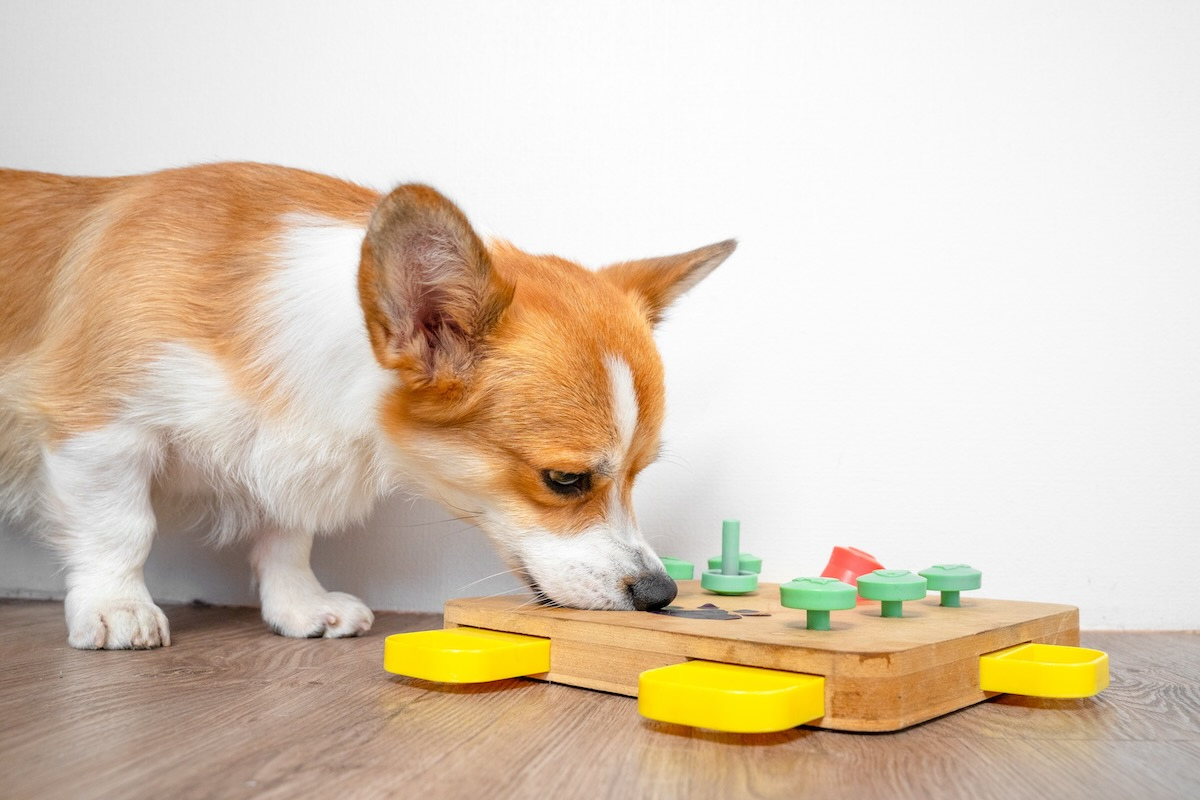
    Replace a standard food bowl with puzzle feeders or treat-dispensing toys. These make your dog work for their meal, turning eating into a problem-solving exercise. It encourages focus and slows down fast eaters, aiding digestion.

    2. Sniff Walks

    Let your dog dictate the pace and sniff everything. Sniffing engages their olfactory senses (dogs have up to 300 million scent receptors!) and offers rich mental stimulation far beyond a standard brisk walk.

    3. Training New Tricks

    Teach commands beyond “sit” and “stay,” like “spin,” “find it,” or “put away toys.” Learning keeps their brain active and strengthens your bond through positive reinforcement.

    4. Hide-and-Seek

    Hide treats, toys, or even yourself in another room and let your dog find them. This taps into their hunting instincts and problem-solving abilities.

    5. Sensory Bins

    Fill a box with safe objects of varying textures, smells, and shapes such as crumpled paper, tennis balls, or cloth. Let them dig, sniff, and explore freely.

    6. Food Scattering

    Scatter kibble in the grass or around the house. This encourages foraging, which is a deeply satisfying and natural behavior for them, and makes mealtimes more engaging.

    7. Canine Sports

    Try agility, scent work, or rally obedience. These structured activities challenge both mind and body while promoting focus and coordination.

    8. Rotate Toys

    Instead of leaving all toys out at once, rotate them weekly. The novelty keeps your dog’s interest high and prevents boredom.

    Canine enrichment and mental stimulation are not luxuries. They’re fundamental to a dog’s health and happiness. By weaving these activities into daily life, you’re not just preventing boredom; you’re nurturing a confident, curious, and content companion. 

    Every sniff, puzzle, and challenge is an investment in your dog’s well-being, and in the joy they bring to your life.

  • Which Dog Breeds Are Easiest to Train?

    Which Dog Breeds Are Easiest to Train?

    Bringing home a new puppy isn’t just about cuddles and Instagram-worthy moments. It’s the start of a relationship that’s part joy, part challenge, and entirely life-changing. Dog breeds come in a wide variety, each with its own unique traits, temperament, and appearance. From the moment those tiny paws step into your home, your dog is learning. Learning about you, about the world, and about how they fit into it. That’s where training becomes more than just a task, but the foundation for a happy, confident, and well-adjusted canine companion.

    Why Training Matters 

    Training isn’t just about “sit” and “stay.” It’s about building trust, creating boundaries, and helping your dog thrive in everyday life. A well-trained dog is safer, easier to manage, and more confident. Early training reduces unwanted behaviors like jumping, chewing, and barking. It also fosters a stronger bond, as your dog learns to look to you for guidance.

    The Ideal Time and Place to Start Training

    The best time to start training is as early as eight weeks old. At this age, puppies are like sponges, keen to absorb new experiences and cues. Keep lessons short, fun, and positive, as young pups tire quickly. A calm, distraction-free environment works best in the beginning, but gradually introducing mild distractions will help them generalize their skills to the wider world. Socialization, exposure to different environments, and consistency from all household members will also accelerate learning.

    The 10 Easiest Dog Breeds to Train

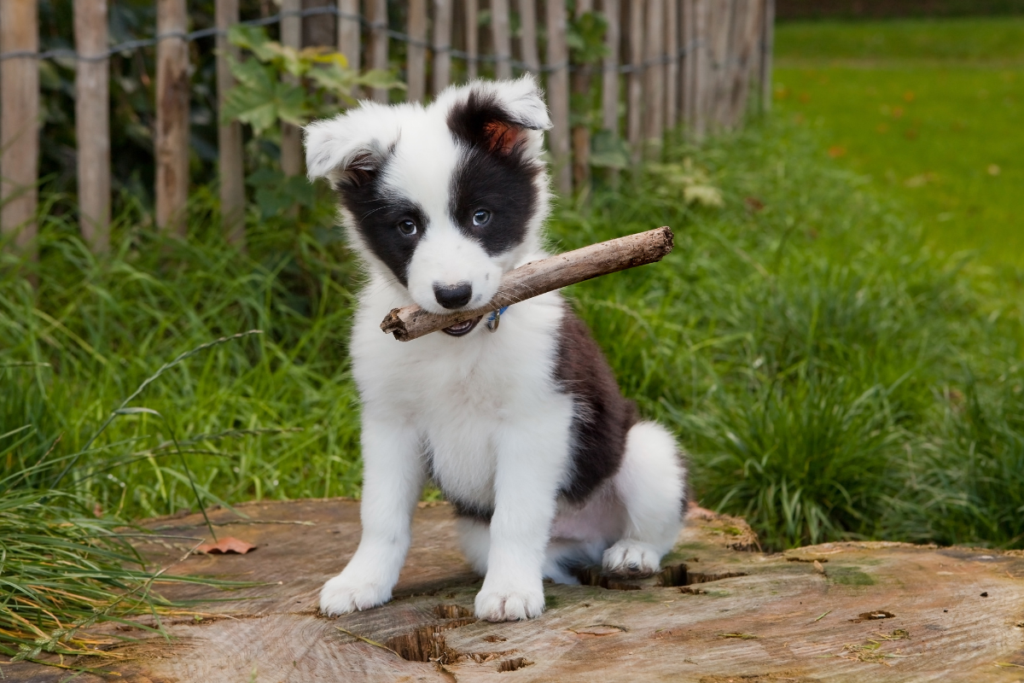
    1. Border Collie

    Characteristics: Intelligent, energetic, and focused.

    Why They’re Easy to Train: Border Collies are often called the “Einsteins” of the dog world. They thrive on mental stimulation and love having a job to do. Their strong work ethic and quick learning make them excel at obedience and agility training.

    Border Collie

    2. Poodle

    Characteristics: Smart, versatile, and eager to please.

    Why They’re Easy to Train: Poodles, whether toy, miniature, or standard, combine intelligence with a cooperative temperament. They respond quickly to training and excel in advanced tricks and competitive sports.

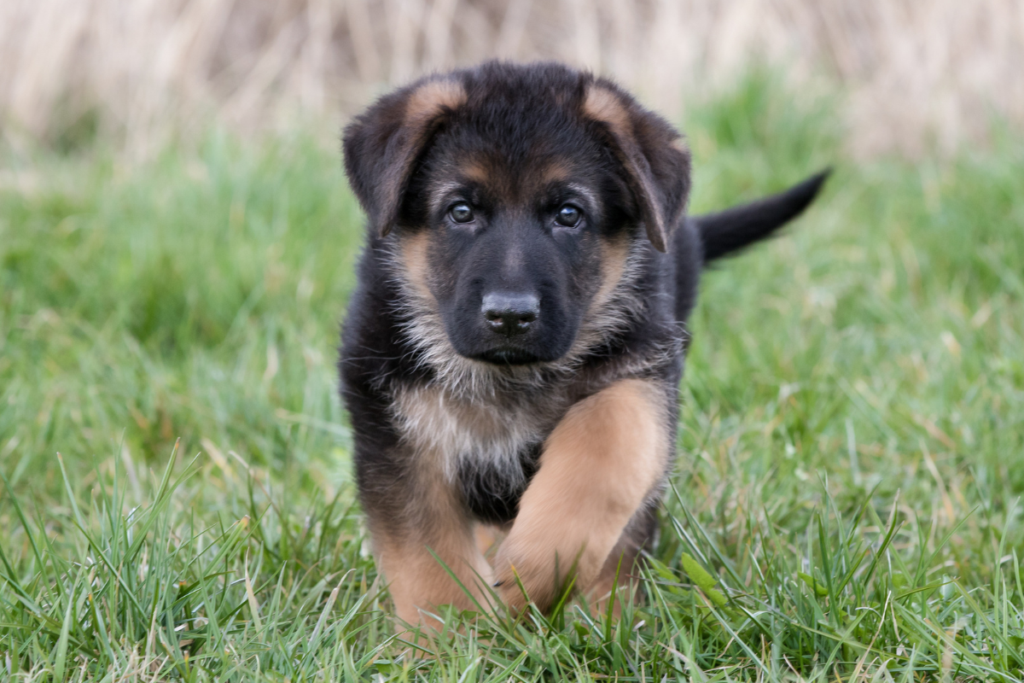
    3. German Shepherd

    Characteristics: Loyal, alert, and confident.

    Why They’re Easy to Train: Often used in police and service work, German Shepherds are driven, obedient, and quick to learn complex commands when given clear, consistent guidance.

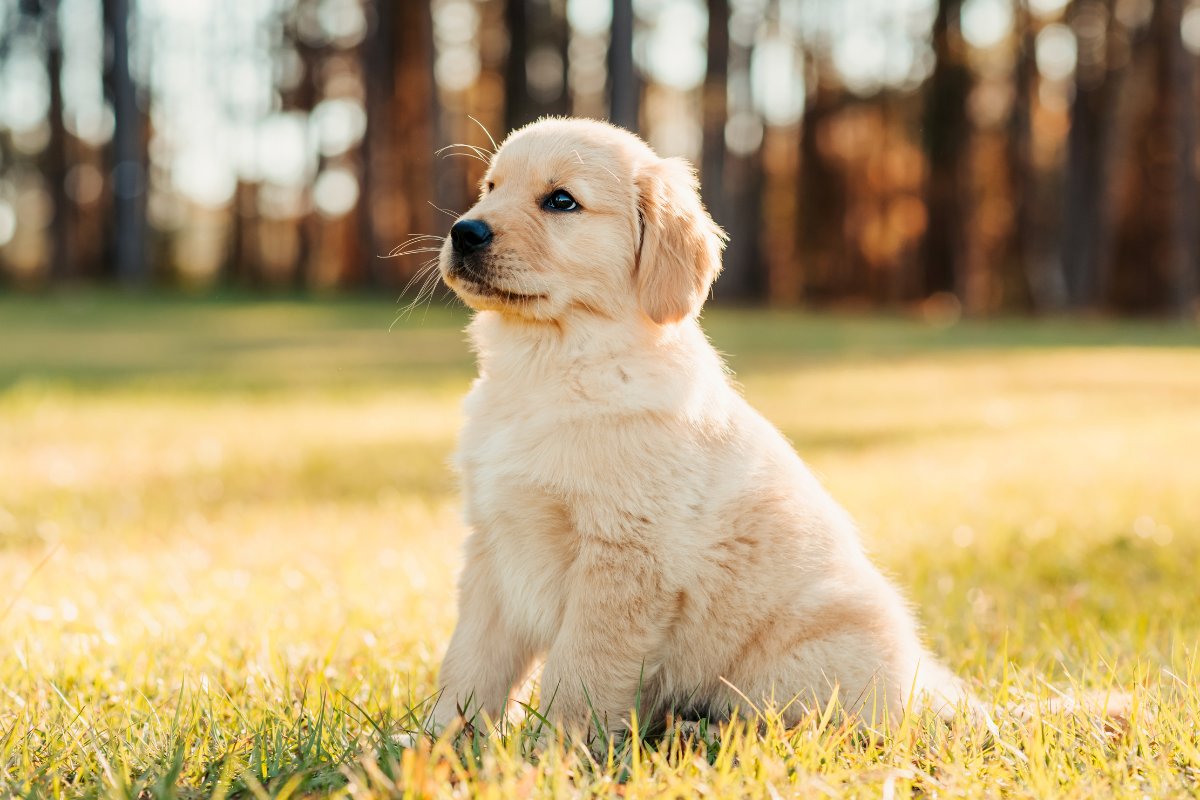
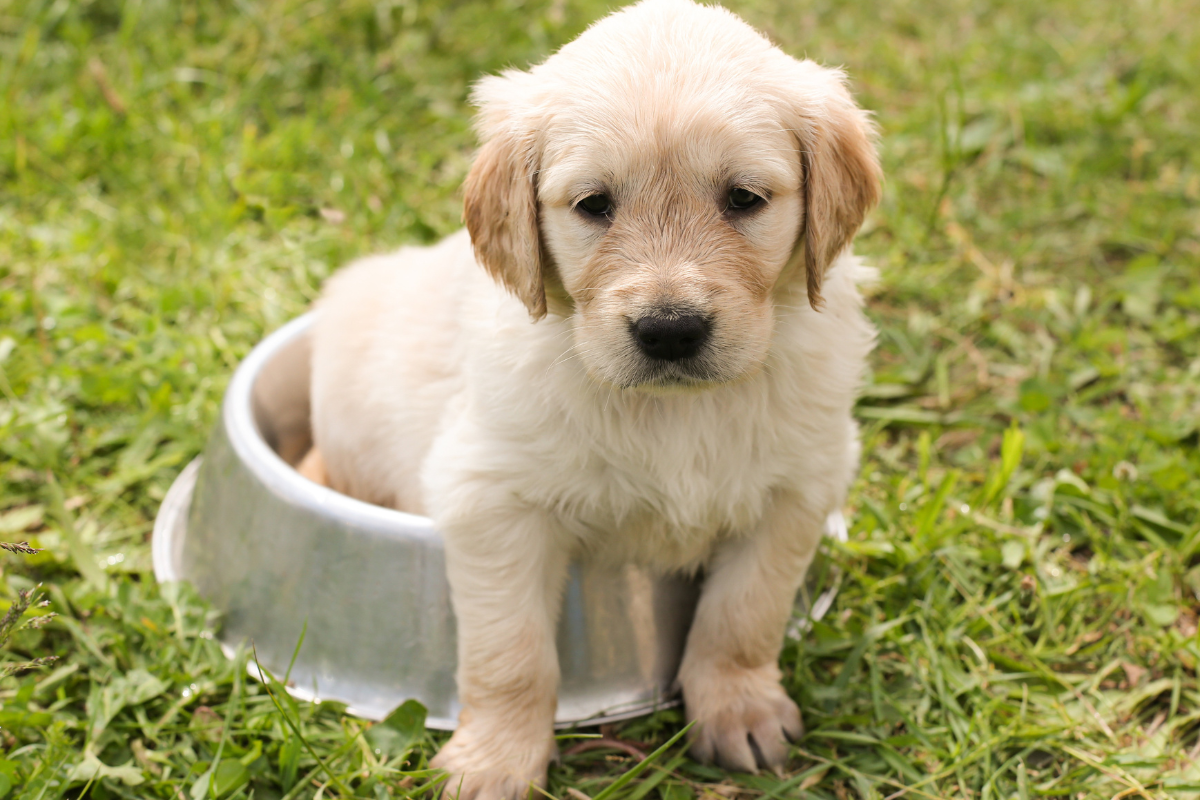
    4. Golden Retriever

    Characteristics: Friendly, patient, and people-oriented.

    Why They’re Easy to Train: Goldens are natural pleasers. They respond well to positive reinforcement and are calm enough to focus, making them great family dogs.

    5. Labrador Retriever

    Characteristics: Outgoing, playful, and adaptable.

    Why They’re Easy to Train: Labs are motivated by both food and praise, making them quick learners. They excel in service work and family settings alike.

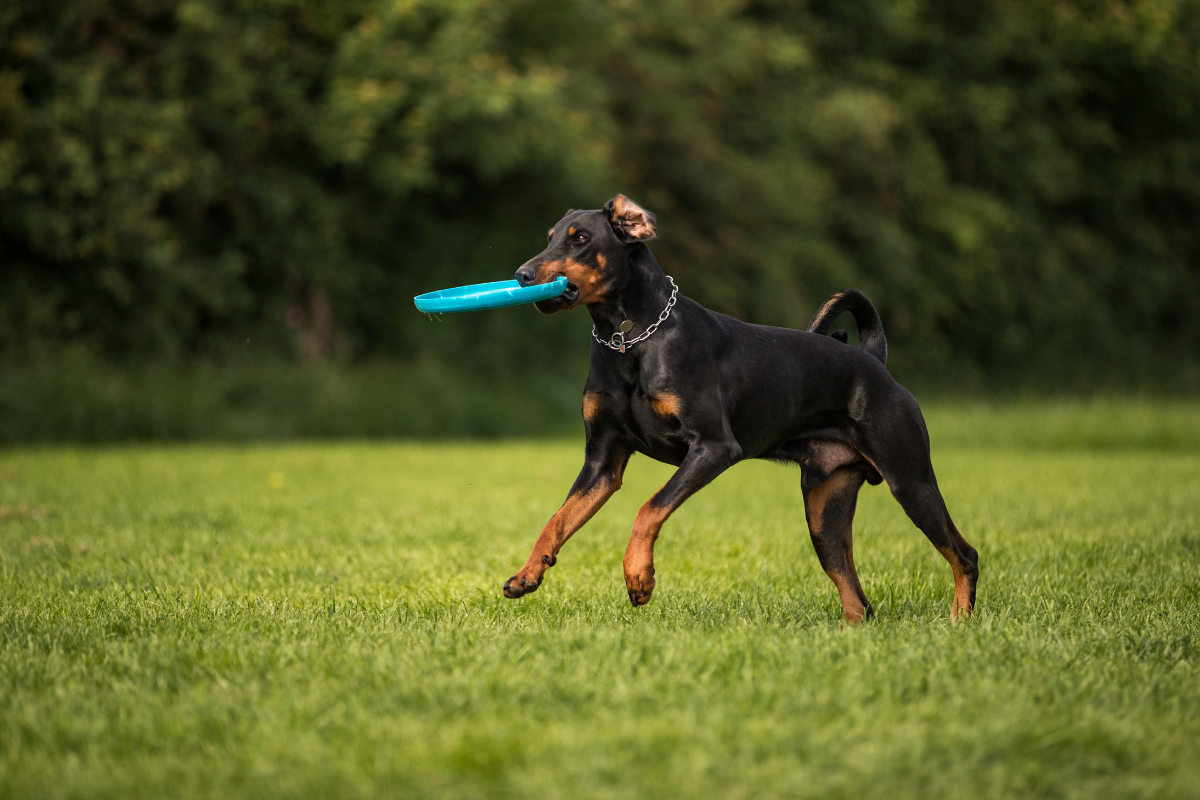
    6. Doberman Pinscher

    Characteristics: Fearless, loyal, and intelligent.

    Why They’re Easy to Train: Dobermans bond closely with their owners, which fuels their eagerness to follow commands and protect their household.

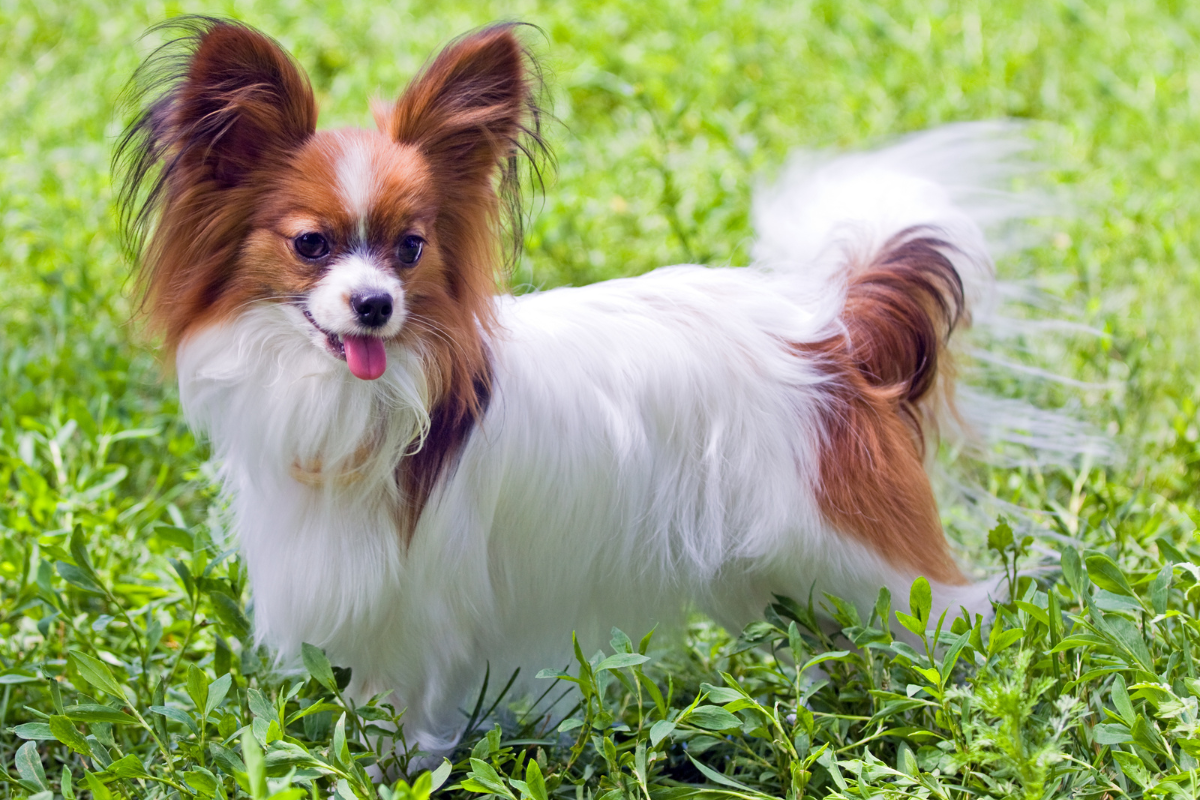
    7. Papillon

    Characteristics: Alert, lively, and curious.

    Why They’re Easy to Train: Don’t let their size fool you! Papillons are fast learners and excel in agility sports thanks to their sharp minds.

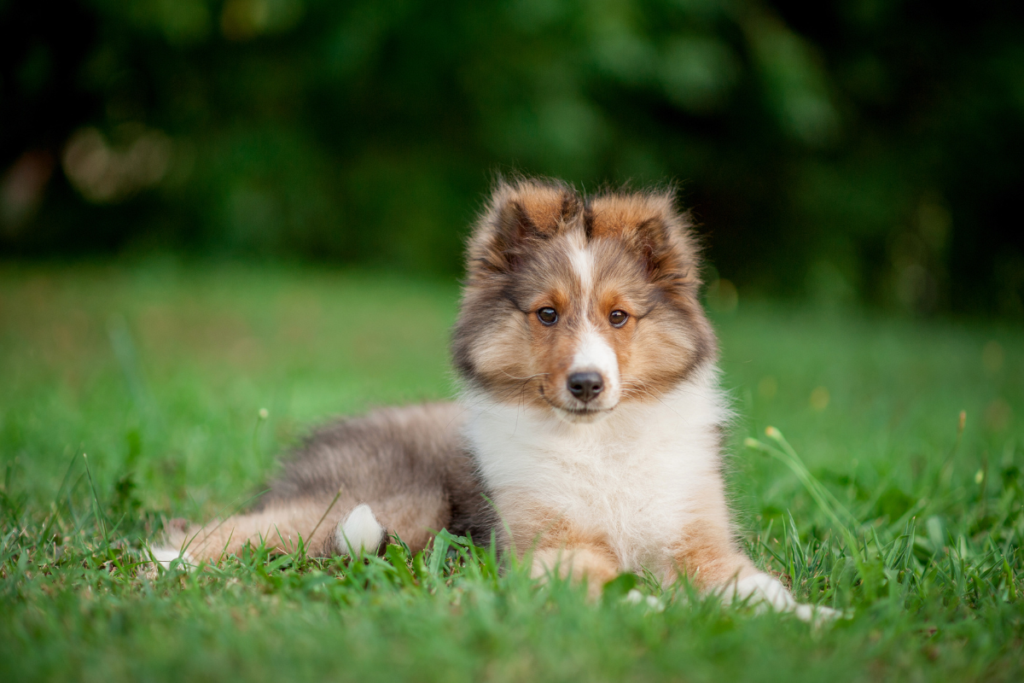
    8. Shetland Sheepdog

    Characteristics: Gentle, intelligent, and responsive.

    Why They’re Easy to Train: Shelties thrive in structured environments and pick up commands quickly due to their herding instincts.

    9. Rottweiler

    Characteristics: Confident, protective, and devoted.

    Why They’re Easy to Train: With early socialization, Rottweilers respond well to clear, firm, yet positive training, excelling in obedience work.

    10. Bichon Frise

    Characteristics: Playful, charming, and social.

    Why They’re Easy to Train: Bichons are people-oriented and eager for attention. Their happy disposition means they respond well to gentle, positive reinforcement and thrive in interactive training sessions.

    Quick Training Tips for Success

    • Keep it short: 5 to 10 minutes per session is ideal for puppies.
    • Stay consistent: Use the same cues and rewards each time so your puppy always knows what you mean
    • Make it fun: Training should feel like a game, not a chore.
    • Be patient: Progress takes time. Celebrate small wins!

    Choosing a trainable breed can make life easier, but every dog has the potential to be a star student with the right guidance. Some dog breeds are known for their intelligence and trainability, while others stand out for their affectionate nature or playful energy. Small Dog Breeds like Dachshunds and French Bulldogs are well-suited for apartment living, while larger Dog Breeds like Rottweilers often need more space and exercise. Start early, stay consistent, and remember that training isn’t just about commands. It’s about creating a lifelong partnership built on trust, respect, and a whole lot of tail wags. So grab those treats, cue “sit,” and let the sweet, unforgettable journey begin, one wag at a time.

  • National Spoil Your Dog Day: Yes, They Deserve It (Every. Single. Day.)

    National Spoil Your Dog Day: Yes, They Deserve It (Every. Single. Day.)

    August 10 is National Spoil Your Dog Day (not that we needed an excuse!). But honestly, it’s the perfect moment to pause, look into those puppy-dog eyes, and ask ourselves the real question: Are we doing enough to celebrate the furry royalty living rent-free in our homes? (And also in our hearts. And on our couches. And sometimes on our pillows.)

    Because let’s face it: Your dog probably has a better daily routine than you. Regular walks, scheduled naps, organic treats, and a skincare regimen that involves paw balm and tear stain wipes. And guess what? They absolutely deserve every single second of it.

    This wag-worthy holiday is more than just a reason to shower your pup with extra belly rubs and guilt-free treats. It’s a reminder that our dogs aren’t just pets. They’re therapists, comedians, workout buddies, and full-time joy machines rolled into one gloriously fluffy package.

    And here’s the real kicker: Spoiling your dog is actually good for them. Science agrees.

    The Science of Spoiling (No, Really)

    Studies have shown that interacting with dogs – things like petting, playing, and talking to them like they’re fluent in English – boosts oxytocin levels in both you and your pup. Oxytocin is the “bonding hormone” responsible for all those warm fuzzies. Dogs who receive regular affection, stimulation, and positive reinforcement experience reduced anxiety, lower stress, and better cognitive function. 

    Basically, a spoiled dog is a mentally healthy dog. And one who’s less likely to eat your shoes out of existential boredom.

    National Spoil Your Dog Day

    What Does Spoiling Look Like?

    Spoiling doesn’t have to mean crystal-studded collars (although, respect if you went there). It’s about the little luxuries that say, “You are loved.”

    Think:

    Surprise puppuccinos that end in whipped cream whiskers

    • Custom playlists titled “Vibes for My Velcro Dog”
    • Heated blankets (that somehow you’re no longer allowed to use)
    • Elaborate toy boxes they pretend they can’t open alone
    • Special meals cooked with more effort than your own dinner

    And don’t forget the hilarious spoiling rituals like turning the TV up so they don’t hear fireworks, or spelling out “W-A-L-K” because they absolutely know that word.

    We do these things not just because it’s cute, but because it brings them joy. And their joy is contagious.

    Why They Deserve It, Every Day

    Your dog shows up for you 24/7. We all know it’s true. They don’t care what you look like in the morning. They don’t judge your karaoke voice or late-night snacks. They’re just there, tail wagging, eyes sparkling, heart wide open.

    They love without conditions. They forgive without a grudge. They offer comfort, companionship, and comedy, all wrapped up in one wildly loyal (and usually fuzzy) package.

    That’s why National Spoil Your Dog Day is more than just a date. It’s a celebration of everything they give us, and a reminder to give it back. Not once a year, but always.

    At Petland, we believe every dog deserves to be cherished from the moment they join your family. That’s why every puppy in our care receives love, attention, and socialization from day one. Because a well-loved dog is a happy dog. And a happy dog makes a happier home.

    So go ahead, serve that bacon treat on a tiny plate. Let them choose the Netflix show (you were going to rewatch Friends again anyway). Today is their day. But really, every day is.

    Whatever your dog’s love language is, be it snacks, squeaky toys, or snuggles, make today a celebration of all the love they give. Because in the amusement park of life, they’re the VIP pass we didn’t know we needed.

    Happy National Spoil Your Dog Day!

    Hungry for more? The next chapter’s even better! Follow the paw prints below to keep reading.

    Why Socializing Your New Puppy Is Important The Ultimate Guide to Pet Wellness: Ensuring a Happy and Healthy Life for Your Furry Friends
  • Canine Care Certified: Choosing Responsible Dog Breeders

    Canine Care Certified: Choosing Responsible Dog Breeders

    Planning on welcoming a new puppy into your home? Before picking out the perfect name or purchasing the perfect first squeaky toy, the most vital choice you’ll make is where your fur baby will come from. Responsible pet parents know to look at the source. Great pups start with great dog breeders. That’s where Canine Care Certified (CCC) breeders have been raising the bar.

    dog breeders

    What Is Canine Care Certified? 

    Canine Care Certified is a science-and fact-based, voluntary certification program created by the Center for Animal Welfare Science at Purdue University’s College of Veterinary Medicine. CCC is the only national certification program evaluating dog breeders using independent, research-backed animal welfare standards.

    Make no mistake: This is not a marketing label. CCC is a structured system designed to inspect each and every aspect of a dog breeder’s operations through the lens of veterinary science and ethics. Thus, only breeders who actively meet and maintain the meticulous standards of care can earn this certification.

    The Canine Care Certified program focuses on five core pillars:

    • Physical health
    • Behavioral health
    • Environment
    • Breeding life and retirement
    • Caretaker expectations

    Certification is given only after breeders pass an in-person, third-party audit. And this is not just a one-time label. Dog breeders must renew their certification annually through yearly audits and must continuously use best practices. These regular inspections ensure that the facility maintains or exceeds research-based benchmarks in animal care.

    Who Can Apply and How? 

    Professional dog breeders in the United States can reach out to the CCC program via Purdue’s official platform to submit an application. Following enrollment in the program, dog breeders receive a guide outlining all best practices and required standards. A trained third-party inspector makes an on-site audit to evaluate compliance with CCC protocols.

    Any U.S. dog breeder can apply, but the standards to become canine-care certified are high. Therefore, becoming certified is a multi-step process:

    1. Application to the CCC program
    2. Pre-assessment and education on best practices and required standards
    3. On-site audit by a third-party inspection firm
    4. Certification decision following review by Purdue
    5. Annual checks to maintain certification status


    Although the program is voluntary, participation requires full transparency and consistent implementation of evidence-based care practices. Certification, valid for one year, is only renewed after reinspection.

    Why CCC Matters for Puppies And Pet Parents


    A puppy’s early weeks are critical. Puppies raised under CCC standards are:

    • Are raised in hygienic, spacious surroundings
    • Receive primary socialization both with humans and other dogs
    • Acquire regular, preventive vet care
    • Are immersed in mentally stimulating surroundings

    Early puppyhood is a vital developmental stage. Pups brought up in CCC facilities receive proper nutrition, vet care, socialization, and mental stimulation. This type of environment often leads to healthier, more adaptable fur babies better equipped to thrive in their forever homes. 

    Responsible dog breeding likewise includes taking care of the welfare and health of parent dogs. 

    CCC breeders must abide by guidelines for proper breeding frequency, rehoming, and retirement. The program highlights responsible breeding practices such us:

    • Limiting frequency and age in breeding
    • Providing daily interaction and enrichment
    • Retiring dogs into adoptive forever homes

    Having these foundations in place assures pups are more likely to grow into healthy, well-adjusted companions with less health or behavioral issues. This means lower long-term expenses for pet parents and a better quality of life for the dog. 

    Ultimately, CCC helps prospective pet parents make educated choices based on transparency rather than leaving it all up to guesswork. 

    Key Facts About the CCC Program

    University-led: The CCC program is run by Purdue University, a highly-regarded institution in veterinary medicine and animal science

    Evidence-based standards: Criteria is based on prevailing animal welfare research as opposed to just industry norms

    Third-party verification: Independent inspectors conduct on-site audits

    Ongoing oversight: Certification requires an annual renewal, with dog breeders regularly assessed

    Above legal minimums: CCC standards go beyond federal and state requirements for licensing

    Public access: Certified breeders are accessible to the public via the CCC website

    Petland’s Commitment to CCC Breeders

    Petland is among the largest national pet retailers to source puppies from Canine Care Certified breeders. This means many of the pups in Petland stores come from facilities that have met rigorous and thorough inspection standards, though Petland may also work with other breeders.

    Getting a puppy from a Petland store that sources from Canine Care Certified (CCC) breeders helps support a system focused on education, veterinary oversight, and accountability. Staff are trained to share information about breeder standards, and potential pet parents can request documentation to confirm a puppy’s CCC origin and learn more about the breeder’s care practices. This approach is designed to promote education, responsibility, and transparency throughout the pet adoption process, helping families make informed choices and giving puppies a strong start in life.

    Explore Petland’s CCC initiative at petland.com/canine-care-certified

    Hungry for more? The next chapter’s even better! Follow the paw prints below to keep reading.

    Petland: The Trusted Choice for Ethically Bred Puppies and Your Family's Next Companion OFA Certification: Why It Matters For Potential Pet Parents