Blog

  • Summer Night Activities for You and Your Furry Best Friend

    Summer Night Activities for You and Your Furry Best Friend

    Summer nights are warm and beautiful and are a perfect time for some outdoor activity. Rather than spending some alone time, how about some excellent bonding time with your pet? There are a bunch of activities that are pet-friendly and you would absolutely enjoy. If you’re looking for ideas, here goes: 

    Bonfires 

    Lighting up a bonfire in the backyard with the twigs crackling and flames leaping sounds just about magical. You could sit around the fire with your pet and just enjoy this enthralling image. Alternatively, you could grab some snacks and just laze around. It goes without saying that you should keep an eye on Buddy so that he doesn’t go too close to the fire. 

    Outside Movie Nights 

    This requires little to no major setup. Simply use a screen or even your laptop, select one of your favorite movies, grab some snacks for you and Buddy and cosy up for the night. 

    The night sounds and lights combined with the setting of your movie makes for an amazing experience that you and Buddy are bound to enjoy. In addition, you can pull this off with little to no planning. 

    Visiting a Local Restaurant Patio 

    The first step here is to locate a pet-friendly restaurant that you would love. 

    Up next, since you would be doing a lot of lounging, be sure to have walked your pup so that they have low energy levels later that night. Following these, be sure to bring along water and toys. Enjoy your bottle of wine and take in the sounds of nature which no doubt sounds like an amazing experience. 

    Conclusion 

    Summer night activities are a good number and you can choose to do those that work for you. Be sure to keep an eye out for your pet’s welfare all the time. 
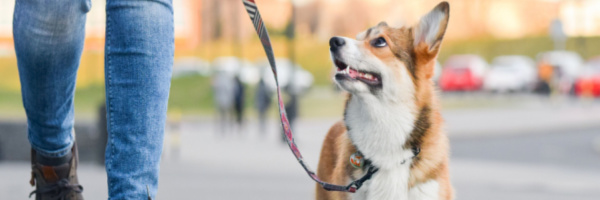
  • Let’s Talk About Leash and Harness Training

    Let’s Talk About Leash and Harness Training

    Leash and harness training is an essential aspect of training your pup and generally goes easier when it is started very early. There are a number of benefits associated with starting training early in your pup’s life. 

    A major one is the fact that it facilitates good behavior. Walking on a leash helps your pet to inculcate lessons in discipline, cooperation, and obedience. In addition, learning this early can set the foundation for learning picking up other instructions along the line. 

    For instance, your pet would likely be more responsive to learning skills like heel, behaving appropriately to other individuals and dogs who are walking together, as well as navigate a crowd with you politely without causing any trouble. 

    In order to get your pet this well-trained, repetition is a vital aspect of this training. Constant practice with lots of positive reinforcement and praise could go a long way in ensuring that your pet picks up these lessons fast. 

    Typically, you should not be walking your pup outdoors until they are around 12 weeks old, and have received all the necessary vaccinations. So, if your pup comes home earlier, you don’t necessarily have to start right away. You could wait until they are around 10 weeks old before you begin to leash and collar train. 

    A flat collar is ideal for wearing everyday and carrying the ID tag, however, many experts recommend using a harness alongside a leash for your pet. This is in the event of situations that could result in your pet pulling on the leash. With the harness in place, they would not experience any major strain against the neck. 

    Conclusion 

    Leash and harness training requires a lot of patience as well as a gentle hand. Be sure to praise effusively when your pup is getting it right and correct slowly otherwise. 

  • Petland Supports Our K9 Units

    Petland Supports Our K9 Units

    The K-9 unit in the police department is one of the most essential units thanks mainly to their enhanced sense of sight, smell, and sound. 

    For instance, dogs have about 45 times more scent receptors in their noses compared to humans. This keen sense of smell has been known to come in handy in a vast range of cases where so much is at stake.

    This unit has been known for leading to breakthroughs in major cases, saving lives, helping to catch criminals, as well as serving as a loyal companion to their handlers. The K-9 unit also serves a major function at borders and in airports, snuffing out drugs and contraband items. 

    Petland loves to help keep the community safe by contributing in their own way to K-9 units. The importance of K-9 units in communities cannot be underestimated, particularly in the area of search and rescue operations. 

    Petland stores all over the country sponsor feeding programs and/or provide financial support to over 200 therapy dogs and K9 units in police, sheriff and fire stations. Central Ohio alone has seen over 57 K9 units and service dogs being supported by petland feeds. 

    In addition, stores all over the country support local veterans and facilities with service dogs. They have been known to be very instrumental in war situations, sniffing out landmines and ensuring the safety of personnel in that unit. 

    Overall, the K-9 unit helps to keep the community safe and their work with the police is highly remarkable, ensuring the safety of life and property round the clock. 

    Conclusion 

    Petland loves to give back to the community in any way that we can and this is one way that we can impact the lives of communities around the country.

  • Summer Snacks to Make for Your Dog!

    Summer Snacks to Make for Your Dog!

    Summer months imply that you would be spending a lot of time indoors and avoiding the heat in the great outdoors. With so much time on your hands, why not embark on an incredible treat-making adventure. You would definitely have fun making them and your fur baby would no doubt have a great time helping out (trying to sneak a bite). 

    Here are some treats that you can explore:

    Peanut Butter Dog Doughnuts 

    This homemade dog donut is easy to make and very delicious too. The ingredients are within reach and there is no special process involved. Here are the necessary ingredients: 

    • 1 Cup Oats
    • 1 Cup flour
    • ½ Cup peanut butter
    • ⅓ Coconut oil
    • Plain Greek Yogurt
    • 2 Eggs
    • Bacon Bits

    Apple and Chicken Pup Pops

    Think about popsicles, but for dogs. Your pup is sure to enjoy this refreshing treat just as much as kids love popsicles in summer. Here are the necessary ingredients: 

    • ½ Cup water
    • ½ Cup unsalted chicken broth
    • 1 Gala apple

    You could use raw porkhide sticks, however, it is more ideal to use Enzy-Chews. They have the extra perk of tartar control and they are easier to digest as well. 

    Yogurt Peanut Butter Banana 

    This is one of the most simple and straightforward treats for summer, and your pup is bound to love it. Here are the necessary ingredients: 

    • 3 Tablespoons of peanut butter (confirm that the brand you are opting for doesn’t have any xylitol)
    • 1 large banana sliced 
    • 32 ounces plain yogurt (yogurt is an excellent source of calcium and double as a probiotic). 

    Ensure that you do not add any artificial sweetener particularly those that have xylitol as a component because of its toxicity. 

    Conclusion 

    These are some great treat ideas for your pet. In addition, ensure that your pet has access to water always so that they can stay hydrated.

  • This is Why You Need a Miniature Dachshund!

    This is Why You Need a Miniature Dachshund!

    Daschunds can be traced all the way back to the Middle Ages. Their name is derived from two German words ‘dach’ meaning ‘badger’ and ‘hund’ meaning ‘dog’. 

    They were great hunting dogs with their keen sense of smell allowing them to hunt both above and below ground, tracking animal scents for extended periods. 

    Over the years, different sizes emerged and in the U.S., there are three main sizes: the Normal, Miniature, and Toy. 

    Overview of Mini Daschund 

    • Common coat colors: chocolate, blue, tan, black & tan
    • Coat types: long-haired, wire-haired, smooth hair 
    • Average weight: 4kg to 5kg
    • Life expectancy: 12 to 15 years
    • Sociability: medium

    Exercise 

    A miniature Daschund requires around 30 to 45 minutes of exercise daily. This breed has a lot of energy in spite of their seemingly little frame, and as a result, requires quite a bit of activity to tire them out. Keeping them in a secure environment where they can run off leash is one sure way to keep them healthy and happy. Ensure that they do not have occasion to jump a lot such as over holes and streams because dachshunds may experience back damage easily. 

    Diet

    A diet with sufficient basic nutrients as well as vitamins and minerals is a requirement for your miniature Dachshund. You should typically explore dog food formulated for small breeds to ensure that they get their required nutrition. For pups, 3 to 4 small servings during the day would suffice rather than two major meals. As your pup grows older, you could limit them to two major meals. 

    Training 

    Training miniature dachshunds may take a little while because they are quirky and require a lot of patience when being trained. They have an affinity for responding to rewards and good feedback. They may also get distracted very easily when they see something that really interests them. 

    Conclusion 

    Mini Dachshunds are a family-friendly breed that adapt as well to houses as they do apartments. They also work well for single individuals.

  • Is Your Pup Going On Vacation With You?

    Is Your Pup Going On Vacation With You?

    You’re going on vacation and bringing your pup along? Amazing! Going to vacation destinations with your pet is no doubt one of the most incredible experiences that you could ever have together. If you are still at a loss of activities to do, here are couple of ideas that you could explore: 

    Sightseeing 

    This should be at the top of your list, especially if it’s a vacation location with a lot of incredible sights. You can be sure that Liz would enjoy the sights just as much as you would. Be sure to go slow enough so that she can take in all of the new and exciting smells as well. 

    Beach Time 

    Locate a dog-friendly beach and by all means, have a swell time taking in the sights and sounds too. Be sure to keep her on a leash so that she doesn’t wander off, and of course, allow for freedom to dig in the sand and play with the waves. You could also do some sunbathing while you are at it, and both pup and human can have an amazing time together. 

    Picnic Time

    In the spirit of some more sightseeing and generally enjoying the beautiful nature all around, you could grab a towel and a basket and head out for a picnic with your pup. Find a nice spot in the park or some greenery and spread out all of the goodies. Be sure to come along with lots of water especially if it’s a hot day, and maybe give Liz a bit of freedom to chase some butterflies. 

    Also, plan well ahead of time so that you can book a hotel that is pet-friendly and carry out necessary vaccinations for your pet before embarking on the trip.

    Conclusion 

    A vacation is as exciting for you as it is for your pup. Ensure that you both have a fun-filled experience.

  • How Important is Having an ID Tag On Your Dog?

    How Important is Having an ID Tag On Your Dog?

    Having your dog wear an ID tag is essential. This measure serves as a major precaution in the event that your pet wanders off.  An ID tag not only supplies details about your pet such as their name, it also provides valuable information about you, their owner, and how to contact you.  So, to ensure that the ID is indeed effective, here are some tips to help:

    Keep the Information Updated 

    Information on your dog’s ID tag is only as useful as can be when it is up to date.  So, if you recently relocated or changed your phone number, be sure to go right ahead and update this information on your pet’s ID.  If you move often, then you should set up reminders that would help you recall. 

    Choose One That Works for You 

    Dog tag IDs come in a range of sizes, shapes, colors, and types. There are some that are simply handwritten and slipped into a plastic, waterproof case. There are GPS versions that allow for easy tracking; some are silent while others may jingle.  There are others that are extra strong and durable, specifically for breeds that may try to destroy their tags. Overall, be sure to opt for one that does the job and works for you.

    Examine Tags Periodically 

    There is a good chance that your dog’s tag may have taken some damage at some point in time or perhaps, the written information is no longer so clear. This is why it is essential to check in periodically and confirm that it still works just fine. You should do this at regular intervals. 

    Conclusion 

    Dog ID tags are a standard precaution to keep your pet safe and ups your chances of recovering your pet in the unfortunate event of them getting lost. 

  • Petland’s Top 5 Designer Breed Dogs for 2022

    Petland’s Top 5 Designer Breed Dogs for 2022

    Designer breeds have been around for quite some time now and have fast become favorites among dog lovers. In addition to the fact that a good number of them are hypoallergenic, they also possess exclusive excellent features from their parents. Here are the top 5 designer breeds ranked by Petland:

    Cockapoo

    The cockapoo has a Cocker Spaniel and a Poodle parents and their original breeding can be traced to the 1960s. They are a very loving breed and an incredible family dog. They respond well to training, and can be easily socialized. 

    Labradoodle

    This breed is a mix of a Labrador Retriever and a Poodle. They are very playful and have lots of energy. Their cross can be traced back to the 1980s and their hypoallergenic status makes them a major favorite. 

    Goldendoodle

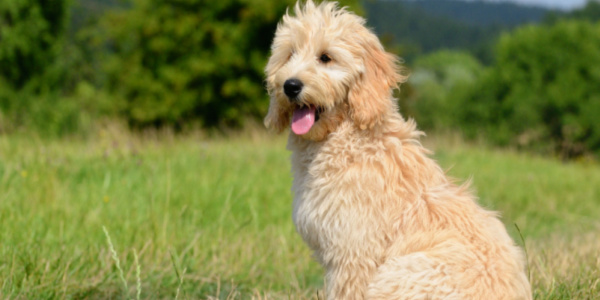
    The goldendoodle’s cross can be traced to around the 1990s. They are a cross between the golden retriever and poodle. They are very loving dogs who are easy to train and do well when exposed to lots of exercise and attention. 

    Yorkie poo

    This breed is the result of a cross between a Yorkshire terrier and a Toy or Miniature Poodle. They are family-friendly dogs and are highly intelligent and playful. They may tend to bark a lot, and this would have to be curbed early on. They weigh around 8 to 15 pounds making them good for apartment living too. 

    Cavachon

    With a Bichon Frize and a Cavalier King Charles Spaniel parents, it’s no surprise that this breed is very playful. They also boast great qualities such as intelligence and loyalty and relate well with other pets and kids. They have medium energy levels and only require moderate exercise as well as grooming to keep them in top shape. 

    Conclusion 

    Designer breeds have a lot of excellent qualities that may give them an edge over pure breeds. One of these is their hypoallergenic status. So, if you want to go down this path, these five breeds are an excellent array to pick from. 

  • The Best Kind of Bed for Your Dog

    The Best Kind of Bed for Your Dog

    Dog beds come in various shapes and sizes and more importantly, types. They also come in different price ranges ranging from less than a hundred dollars to a couple hundred and are best placed in various positions within the house. So, first off, what is the best kind of bed for your dog: 

    Pillow Bed 

    The pillow bed has a very basic design, however, it is super comfortable. It is made with materials that can resist food, water, and stains. The best place to position this bed is in a corner within the house or at a somewhat elevated level so that your pup has a height vantage point. 

    Bolster Bed 

    Bolster beds have characteristic plush raised sides and a soft base. The design is reminiscent of the nesting box where mother dogs give birth in. The sides provide extra comfort and support and are great for dogs who love to snuggle or stay under covers. 

    Tent Beds 

    Tent beds are enclosed on all sides and the last one is left open so that they can go about their activities. The tent has walls that are made out of cotton, canvas, or other waterproof material and the base is very plush. 

    Orthopedic Bed 

    This bed type is best suited to older dogs who have some form of old-age ailments such as sore tendons from lots of movement or arthritis. The bed is designed to help relieve pains such as those from hip dysplasia. An orthopedic bed also comes in handy to keep joints, tendons, and bones healthy as your dog ages. 

    Elevated Beds 

    An elevated dog bed keeps your dog away from the floor, thereby relieving pressure from pressure points. This bed type is easy to maintain, breathable, and can be used both outdoors and indoors. It also comes in handy for camping trips. 

    Conclusion 

    Choosing a bed type for your dog could be quite the activity, but the important part is to choose based on their need.  

  • Picking the Best Food for Your Furry Friend

    Picking the Best Food for Your Furry Friend

    There is a range of food types that are generally well suited to be eaten by dogs. Wet food diets, kibble, organic, holistic food, and a range of others. However, the best type of food for your dog greatly depends on what would be the healthiest choice for them. 

    In other words, high-quality food is one that has nutrient components that are required by your dog based on their breed and age or stage in life. Usually, the best way to pick a great diet for your dog is to talk to a nutritionist or veterinarian.

    They are in the best position to make recommendations based on the needs of your pup, and they would be able to highlight the nutrients that are essential at that point in time. They can also help you avoid foods that could induce allergic reactions in your pet since your veterinarian has your pup’s health records. 

    In addition to consulting with experts, here are some tips that can help you along in the decision-making process: 

    • Learn about the constituents of dog food so that you know what to look out for 
    • Read labels and ingredients 
    • Note the grain and gluten constituent of the food
    • Check the by-products used in making the food, if any, and ensure that they are healthy for your pup
    • Keep an eye out for adequacy, it would typically read “this food is complete and balanced for all life stages”
    • Read up on information provided about the trial feeding stage 
    • Check out the analysis of nutrients provided on the label of the food
    • As a reminder, consult with your veterinarian 

    Conclusion 

    Your dog’s food goes a long way in determining so much in their lives ranging from development to remaining in proper health. As such, you should pay close attention.