Blog

  • Tips For Adapting To Having A New Pet

    Bringing a pet home for the first time is super exciting but at the same time, you could feel overwhelmed. Your lifestyle (and your family) is about to take a new turn; for the better. 

    You might be thinking about the new responsibilities, but it really wouldn’t feel that way. If anything, they are very enjoyable and you would start looking forward to them in no time. 

    Now, to make the whole transition process very easy for you and your pup here are some tips that you can follow: 

    1. Prepare Supplies Beforehand

    One of the key ways of eliminating any stress with having a new pet is getting many of the required supplies beforehand. 

    Leashes, collars, litter boxes, identification tags, water and food bowls, toys, treats, and food are all necessities when bringing your pet dog home.   

    If you know the food your dog has been eating, it’s best to get the exact same one for your pup. Introducing new foods right away, together with the change in environment, can stress your pet and disrupt his digestive system.

    1. Puppy-proof Your Home

    Imagine your puppy as a toddler in the house. And just like toddlers, they have a knack for getting into places they shouldn’t or gobbling up things unsafe for their health. 

    To this end, you need to gate off dangerous areas, remove wires from the way, and secure decorations firmly. Puppies are always on a treasure hunt, so ensure everything that could hurt them is taken out of their little paws’ reach.

    1. Set Up A Routine

    When you just get a pet, it is best to establish a consistent routine right away to allow peaceful transitions. Create a routine or playtime, bedtime, and mealtime. Plan for walks, extra trips to parks, and even bathroom breaks.

    When planning the routine, note that pups require more exercise and bathroom breaks more often than adult dogs.

    1. Find a Good Vet

    Getting a good vet will make adapting to your pet almost seamless. A good vet will educate you about behavior patterns, your dog’s health, and everything you need to know about owning a dog. 

    Schedule an appointment during the first week you get your pet; and as time progresses, annual and semi-annual appointments should be regular.

    1. Start House-training Sessions

    As soon as you get your new pet, it is great to establish rules through training sessions. Consistency with training sessions will help them understand what you want and build confidence. It’s so difficult to erase a bad habit when it’s established. 

    1. Make Her Comfortable 

    Just as kids love having playrooms and places to rest, pups also appreciate places to relax. Set up a section for your pup to just chill.

    1. Be Patient

    You just have a new family member coming into your house. You need to be patient with your pup and reduce any form of excessive expectations. Life is going to be different, so give yourself time to adjust. Soon enough, you’ll find out that you’ve gotten a loyal friend for life.

  • Appropriate Dog Park Behavior

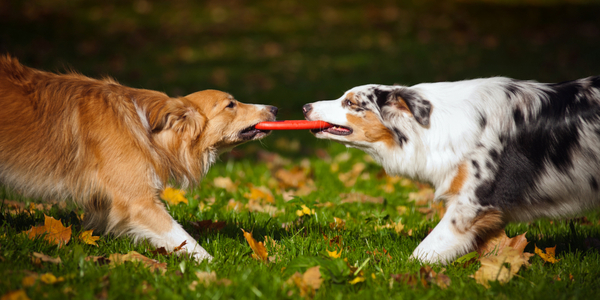
    Visiting the dog park for your dog is like going to a party where you get to meet cool people and hang out. Dog parks offer a super nice environment where your pup can go off-leash and finally experience a measure of reckless freedom for a while. 

    However, dog parks also feature the presence of other dogs, hence, the need to behave right, respecting other dogs and dog parents present. So, here are a couple of appropriate dog park behavior tips that you should know about: 

    1. Always Be In Control 

    You need to exert your authority as the alpha animal at all times, and no, this doesn’t mean you should be mean. Your pup just needs to know that you are in charge and this is essential especially when other dogs are around. 

    You need to train your pup to respond when he’s called. The idea is to use a phrase or a word that wouldn’t be commonplace at the park; consider it your secret code word. When he responds, reward him with treats during training; this is great for reinforcement. 

    1. Observe Before Entry 

    A great dog park with proper planning would have a double entrance and sport two gates. Don’t just breeze through the gates without taking a look around first. 

    Keep your dog on a leash through the first gate and ensure that the conditions are optimum; nothing that would spook your pup before releasing him. If there are a lot of dogs swarming around the gate or there’s a scuffle, pause at the gate so that the other pooches get used to yours so that they don’t get overly excited. 

    1. Keep an Eye Out for Signs

    A big part of being a pup parent is being able to look out for signs; reading canine behavior. When dogs are playing, they typically have their ears relaxed, their tails wagging, and would occasionally lower their front end to the ground to “play bow.” 

    For riled dogs, the whites of their eyes become more obvious with the shrinking of their pupils, their ears stay firmly pinned back, and their tails would either be between their legs or stand at half-mast. 

    Snarling is pretty commonplace, but snarling with the lips curled back calls for extra attention. In cases like this, you can use a treat to distract or break it up with a loud clap or noise. 

    1. Watch Your Dog Closely 

    Recall that the dog park is about your dog and not necessarily about you. It might seem like a good time to get on your phone and reply to texts, but this might not be a great decision. 

    You should keep an eye on your pup to ensure that he doesn’t wander off or get in trouble with other dogs. Similarly, you would have to pack up your dog’s business. While most parks provide plastic bags, taking your own isn’t a bad idea either. 

    Also, if you notice your dog chewing on something that didn’t come from you or sniffing in suspicious areas, it might be time to call him back. 

  • Choosing the Perfect Pup

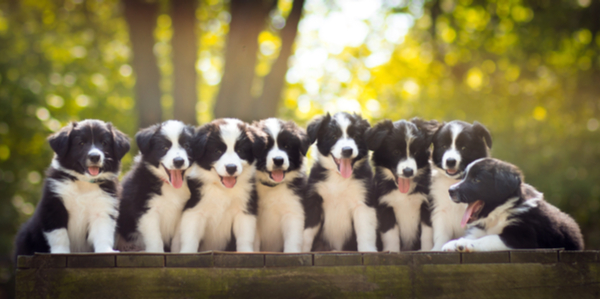
    Every puppy is perfect in its own way and the magic is in choosing one that is just perfect for you. As a great dog lover, you would probably have a hard time choosing one to live with and love. 

    This is because the longing eyes and antics would draw you to them so that you would go home with every single one of them if you could. But choosing that one pup to pour all of your love on shouldn’t be too much of a hassle if you know exactly what you’re looking for. 

    Not certain what it is you’re looking for? This article is here for just this. Here are some tips that would help:

    1. Do Your Due Diligence 

    You need to have sufficient knowledge of the various dog breeds before going ahead to make a choice. Factors ranging from size as an adult to grooming needs to exercising and feeding should all be considered. 

    If there’s a particular breed you’re interested in, you should go on the internet and research in-depth so that you’re not caught unprepared at any point.  In addition, if you have a family, you would have to consider other members of your family. 

    All of this information will be gathered when you do your due diligence. 

    1. Physical Appearance 

    A puppy‘s physical appearance is an essential metric for the selection process. Does she look like she’s healthy overall? Is she active or does she just cower in the corner? 

    Similarly, features such as the eyes should be clear, the ears should not have a discharge, opening the mouth, the gums should be pink and healthy. 

    Furthermore, breathing through the nose should be soundless and done with ease, the fur must look healthy, and check the underbelly for the umbilical hernia. Zero protrusion is what to look out for.

    1. Temperament/ Personality 

    Doing your due diligence would give you an idea as to the temperament of the dog breed that you’re interested in. However, in addition to that, you should begin observing in person the moment you walk in the door. 

    Typically, you shouldn’t order a pup, walk in yourself and watch how the pup interacts with you. For instance, does the pup have a fast recovery rate from the startle of hearing a loud sound like a book drop? 

    When you move around the room, does the pup tag along? The answers to questions like this would give you an insight into your puppy’s temperament. 

    1. The Right Pet Store 

    More than anything, the place where you get your puppy from goes a long way in determining quality of life, particularly in their first few weeks of life. You can always get a notable pet store close to you by doing some internet search, and you might be able to visit the puppies before they are grown enough for new homes. 

    This is usually around when they are 7-12 weeks of age. Given that the pet store workers are experienced, you would be able to communicate freely. And of course, you can have them answer some key questions for you.

  • Health Benefits of Owning a Dog

    Dogs provide us with unconditional love, companionship, comfort, and a whole lot of wet licking too. Your dog’s exciting welcome at the end of a long day does a great deal of cheering you up, and having a pup who relies on you gives you a sense of parenthood. 

    In addition to these, did you know that owning a dog also does wonders for your health? Studies have shown that owning a dog improves your physical and mental health significantly. Here are some of the most common health benefits of owning a dog:

    1. They are Great for Your Heart 

    Perhaps the most essential benefit on this list, dog owners typically have lower blood pressure, triglycerides, and cholesterol levels relative to non-dog owners. This is a clear indication that owning a dog helps to significantly lower the risk of heart diseases and ensure general heart health. For senior citizens, they help maintain joint health since you would have to do a bit of extra moving around if you have a pup. 

    1. They Get You Exercising 

    Most dogs generally have high energy levels, and they wouldn’t reduce their activity for you to keep up. Rather, when you’re out on walks, you would find yourself striving to keep up with their pace. This helps you to get some exercise in and truthfully, it is a lot more fun than taking a walk or jogging in the park alone. Similarly, older adults who walk their dogs regularly are more mobile and tend to have a lower body mass index compared to non-dog walkers. 

    1. They Keep Depression at Bay 

    Playing with a pup helps improve general mood and reduce tension as well. This is a result of a release of serotonin and dopamine within the body system which are neurotransmitters that make you feel good. You would get a feeling of calmness and peace. Therefore owning a dog keeps depression away and it is a great idea for people who suffer from mild to moderate depression.   

    1. They Help You Get In Shape 

    In addition to hitting the gym and getting a lot of cardio in, another way to drop a few pounds is by owning a pup. Since walking them involves physical activity on your part, you burn calories while doing this. Similarly, they might force you into a sudden sprint sometimes, all of this physical activity ensures that you start dropping pounds in no time. 

    1. They Give Purpose and Meaning 

    Not having someone to love or be responsible for takes a toll on mental health sometimes. This is particularly evident in the lives of retired folks. Owning a pup makes you have to do certain things, these come in the form of responsibilities that you would absolutely enjoy. If you’re feeling down, you would still have to walk your dog and the outdoors would most likely improve your mood. Being a pet parent staves off isolation and loneliness which helps keep cognitive decline at bay. A pet gives you a reason to get going in the morning because they are practically helpless without you and trust you 100%. 

  • Potty Training in 5 Steps

    Potty training is one of the most important first lessons that you have to teach a new pup. Since they haven’t been told otherwise, they wouldn’t see anything wrong with messing the floor up or doing their business anywhere they deem fit. However, you do not want a house-turned-pup toilet on your hand. So, here are some 5 steps to potty train your pup: 

    1. Set Up Your Home  

    The idea behind potty training is teaching your dog that the entire house is their extra-large den simply because they are known for being averse to soiling their own space. For this, you would need to restrict your pup’s movement around the house until he is old enough to roam without incident. 

    You would be needing a dog crate or a baby gate that would restrict your pup to that particular area. The more time they spend there, the less they would feel inclined to mess the place up, hence, potty training would move swiftly. 

    1. Use a Potty Cue 

    The idea behind a potty cue is so that your pup knows exactly what time it is when you use the word or phrase. It would imply that it’s potty time and at a point, you would be able to get your pup to go potty just by saying it. 

    The phrase can be anything, just one that doesn’t come up in regular conversation. The idea is to use the word or phrase just as your dog is starting to do its business in the right spot. 2-3 days after, once you think he’s connected the cue to potty, start mentioning it just as he is getting in potty position. 

    After this, the next step is to give it before he even gets into position. This would register as the word or phrase for ‘time to go’.

    1. Treating 

    Pup training consists of a great deal of treating for positive reinforcement. When you give your dog a treat for doing something, it implies that it is a desirable one and he starts to connect the action to the treat. 

    During potty training, if your dog goes to the potty in the right spot, and gets a treat, but never does during accidents, he would start to note that it is the right thing to do. 

    Since timing is crucial, you might need to add an approving sound like a click or “yes” at the precise time, and then give the treat later. This way, your pup knows that the treat was for that particular action. 

    1. Create a Schedule 

    You shouldn’t be alarmed by the fact that you might have to take a puppy to potty up to 10-15 times daily. As a rule of thumb, the bladder develops to hold urine longer every month in pups, so, a month-old pup would be able to hold his bladder for an hour while a 5-month old pup would hold his bladder for up to 5 hours. 

    Therefore, it is essential to create a schedule that your pup would start to associate with potty time. For instance, you can make it: First thing in the morning, right after each meal, when your pup gets up from napping, at regular intervals during the day and evening, and right before you go to sleep. 

    1. Allow for Playtime 

    After your pup has eliminated in the right spot, you can allow him to play around for some minutes without fear that he would soil the place. After this, you can then have him go back to the restricted area. Playtime should be based on the rate of development of your pup’s bladder.

  • Must-know Tips for Pet Parents

    If you talk to any pet parent, they would definitely have something to say about what they did to get their pups where they are now. Some would give you general tips that work, and also mention some that are specific to their pet which they discovered along the line. 

    However, the fact remains that certain tips are bound to make your journey as a pet parent an extra pleasurable one. And this is exactly what this piece seeks to cover, so, here are some vital ones:

    1. Knowledge is Key 

    Before bringing your pet home, it is essential to find out if they suit your lifestyle. For instance, if you’re on the move for significant periods, a low-energy dog would be ideal. 

    Since he doesn’t have high energy levels, a 20-30 minute walk and he’s good. A high-energy dog on the other hand would require a lot of time to burn off nervous energy, or he might take it out on your apartment, haha! 

    Care requirements are an important factor too, learn about that and determine whether or not you can deal with it. 

    1. Environmental Enrichment 

    Even if you don’t work long hours, there is practically no way you’re home 24/7 with your pet. And this is precisely why you need to get your pet toys and other products that work as stimulants for their senses. 

    For pups, food-dispensing toys are a great idea and would keep them occupied for significant periods. To distract them even further, you can get other toys that are really attractive but would engage their attention. This also helps them develop mentally. 

    Furthermore, consider the aesthetics of their environment, decorate their room or favorite spot tastefully. 

    1. Maintain a Schedule 

    Pets can derive plenty of benefits when you create a routine for them and stick to it. Activities like mealtimes, bedtime, bathroom break, and playtime should happen at the same general time every day. To build a  routine for them, you can make use of reminders on your mobile phone to notify you at the precise time. 

    Another benefit this offers is that you’re able to perfectly organize your schedule around your pet’s with no clashes. Since you get to fix the times, some tips are fixing meal time before you eat so that you don’t get your pup looking up with gooey eyes and timing their first bathroom break just after you wake up. 

    1. Proper Identification 

    While you might not picture it possible for your pup to up and wander off one day, it doesn’t hurt to prepare for the likelihood of this. This keeps you on the safe side as compared to not preparing at all. Your pet could break rank outdoors in pursuit of an interesting subject like a butterfly or maybe you forgot to shut your door firmly. 

    Important tips include keeping recent pictures of your pet, microchipping for easy tracking, knowing the process to take for reporting a missing pet amongst others. 

  • Getting Your Pup Used To a New Environment

    Needing some time to adjust to a new location also applies to your pet. Matter of fact, it might take a bigger toll on Cecil because she thrives on the familiar; familiar places, intimate knowledge of room locations, all of that stuff. 

    So, uprooting her from the familiar and taking her to an all-new location might have her acting up; it can even be downright traumatic. This is why you need to make sure that she gets used to the new conditions as quickly as possible. Here are some tips that can help: 

    1. Create Familiar Feelings 

    If you’re moving to a new home, the biggest mistake you would make is tossing out all of your dog’s toys, thinking you would get her new ones. 

    To create a sense of familiarity, you would need objects that your dog was familiar with previously such as her toys, bed, feeding and drinking bowls, the cloth she liked to tug on, her favorite ball, all of these things. 

    This way she isn’t thrust into an all-new experience that is difficult to handle. 

    1. Extreme Patience Would be Needed 

    Your pup would be getting a new location for her bed, her feeding and drinking bowls, different-smelling grass, basically a whole new environment. It would therefore take some getting used to for her, it might take a while to get a perfect peeing spot, so, you would have to sit tight while she circles round and round. 

    She has to test out all the corners before selecting her favorite, might not like the location of her bed, etc. New preferences take a while to establish, and you would have to be patient through all of this. 

    1. Spend Quality Time With Cecil   

    Of all the familiar things you brought along, the most familiar remains your face, your scent, your touch, your voice, everything about you. So, a great deal of her getting adjusted to a new environment lies on your shoulders. 

    Spend time playing catch outside so that she gets used to the sight and smell of that and start taking regular walks along the same path so that she adjusts to that gradually. Once the feeling of familiarity starts to return, she would be less tense and carefree once again. 

    1. Maintain Your Routine! 

    Doesn’t it surprise you sometimes that at exactly 5:45, your dog is at the door waiting and wagging its tail to welcome you home? 

    While dogs may not understand passing time, they do have a perception of it and if you have a routine, it’s easy for them to catch up to it. In a new location, do your possible best to maintain your routine because Cecil thrives on it. 

    Wake up at the same time, go to bed at the same time, breakfast, walk Cecil, playtime, all of these using the former schedule. This easily recreates the sense of routine and allows for easier adjustment.

  • Top 5 Rare Dog Breeds

    You probably consider yourself a maestro when it comes to identifying dog breeds. The good ol’ reliable German Shepherd, the adorable Labrador Retriever, or the spoiled Chihuahua. 

    There are breeds that you see and can identify at the drop of a hat. However, there are a number of dog breeds that are not all that common. There is even a possibility that you’ve never heard of them. Here’s 5 of them:

    1. Azawakh 

    Azawakhs are known for their fierce loyalty and protectiveness of their owners. Unlike other dog breeds that smell before seeing, this breed is a sight hound and mostly discovers its prey using its sights. 

    It stands regal with long legs and has its origins in the Sahel region of Africa, where it stood guard over nomad’s tepees while withstanding the harsh conditions. 

    This breed was introduced to America in the 80s, was entered into the American Kennel Club’s Foundation in 1997, and is known to shy away from strangers.  

    1. Telonian 

    The Telonian is a Malaysian breed and the only known one at that. Specifically trained to catch vermin by the Orang Asil indigenous people, this breed moves really fast and has great sensory abilities. 

    It also has a surprising climbing ability which is clearly an adaptation to the homes of the Orang Asil people that were built on stilts to prevent invasion by wild animals. 

    1. Norwegian Lundehund 

    With a long history dating as far back as the ice age, the Norwegian Lundehund is one of the rarest of dog breeds alive. They feature a crimson coat and were originally intended for hunting down Puffin birds on the edges of coastal cliffs. 

    As a result of this hunting environment, over the years, this breed has mastered scaling rocky cliffs. In addition, although pretty close to extinction, it is known as a breed that builds a close-knit relationship with its owner.

    1. Thai Ridgeback

    The Thai Ridgeback sees its origins in Thailand and just along the breed’s back, you would find a ridge similar to that of the Rhodesian Ridgebacks. This ridge which is found in only three dog breeds refers to a strip that grows away in the opposite direction of the fur. 

    Although for a while, they could only be found in Thailand, the breed has started to spread gradually. However, they are notable for their great escape methods and need a close eye kept on them. 

    1. Otterhound 

    The British Otterhound is ranked one of the most vulnerable dog breeds In the UK. It is believed to be as old as the medieval age and bred mainly to stay on guard during fishing. 

    It is kinsmen with the Bloodhound and displays similar virtues such as determination and dexterity. This breed features a healthy and impressive crop of hair and makes for a great companion anyway. 

    They eat in a pretty messy manner, and their grooming, well, you can definitely handle it. 

  • Preparing Your Home To Welcome a New Puppy

    Opening up your home and your heart to a new puppy is one of the most beautiful experiences you can have. The feeling of the warm, fluffy, pulsing mass of life (super adorable puppy in other words), is nothing short of an incredible one. 

    But before the puppy arrives, you would need to ensure that your home is in the right state to accommodate a puppy. What does this mean? It simply implies that you would need to answer the following questions and tick them off your checklist:

    1. Is Your Home Puppy Proof?  

    The first step before bringing your puppy home is ensuring your home is safe. Your puppy would tend to wander around the house a lot, getting familiar with the surroundings and on his quest, might decide to explore interesting subjects. 

    These subjects may range anywhere from dangling fabrics, strings, or wires to small objects like paper clips or even furniture! So, you would want to protect your pup from swallowing stuff he shouldn’t while preserving your property too. 

    1. Have You Gotten Supplies?

    Food and water bowls, and of course, food are primary supplies you need. For feeding, 2 or 3 times a day is ideal while your pup’s feed should be recommended by a veterinarian. 

    You would need to get a collar and leash, and toys too! Your puppy would have a lot of nervous energy and wouldn’t you rather he took it out on toys rather than your furniture. 

    Furthermore, your pup would need a place to sleep, just like you do, and a crate would do just fine for this. It would also serve as a secure location for times when you’re leaving him on his own. As a rule of thumb, the crate should have enough space for your pup to stand and turn around. 

    1. Have You Decided On Limits?

    Puppies are just like babies, they watch your every move and easily pick up on routine or rules. However, inconsistency is one factor you want to avoid. If it’s cool for them to go in a room one day, and it’s not the next, you’re sending mixed signals and this is confusing. 

    Before bringing the puppy home, decide rooms where he’s allowed to enter, whether or not he’s allowed on the furniture and other decisions in that line. Consistency is key!

    1. Are Your Family Members Prepared Too?

    Preparing your family members is just as important as preparing your home itself. If you have kids, they need to know that the pup isn’t a toy, and should be treated gently. 

    They should know the basics about puppy care; how to relate with the puppy, knowing better than to not disturb the pup when he’s sleeping or eating, amongst others. 

    Create a routine for your pup and let your family members know about it so that they can keep up even in your absence. These preparations go a long way into making the obedient dog that you want later in the future.  

  • Vital Nutrients That Your Dog Needs

    Your dog’s nutritional needs supersedes every other in terms of importance, it is what guarantees your pup would live a long, healthy life. You may skimp from time to time on grooming or neglect to take Milo walking on rare occasions. But for his meals, you want to pay extra care to guarantee that he’s getting all the right nutrients in the right proportions. What are these vital nutrients? Check them out: 

    1. Water 

    A mature dog’s lean body mass is made up of about 70-80% of water. It is vital for digestion, regulating body temperature, and even the elimination process. On a biological level, it serves as a transportation system for conveying nutrients to the various cells. 

    Your pup’s water needs depend on activity level, health, and temperature. Most dogs can regulate water intake on their own, and if your dog is on high-moisture food, they would generally take less water. However, always make clean and fresh water available. 

    1. Fat

    Fat is a better source of energy than both protein and carbohydrates, supplying up to twice as many calories. It also provides omega-3 and omega-6 fatty acids which function in protecting the organs, absorbing fat-soluble vitamins, and boosting a healthy nervous system. 

    On the flip side, excess fats can cause gastrointestinal problems or pancreatitis, so, it should be well regulated. Pup fat sources include plant-based oils like hemp seed and flaxseed as well as low-mercury fish and fish oil. 

    1. Protein

    Protein is a source of both essential and non-essential amino acids that your dog needs to stay alive and healthy. Pups are unable to produce their required amount of proteins, so they need to get it from their diet. 

    Proteins are responsible for a range of structures ranging from bones to muscles to nails and even healthy hair. It also has some energy components and complements that are supplied by carbs and fat. Fish, eggs, and lean-muscle meats are great sources of protein for pups. 

    1. Carbohydrates 

    Dogs are able to get a measure of glucose from fat and protein, therefore, carbs are not essential. However, they are important because they are the main source of glucose which supplies energy for daily activity. 

    A good measure of carbohydrates also provides the body with minerals, antioxidants, and vitamins for general pup health. It can be gotten from gluten-free grains and legumes. 

    1. Vitamins

    Vitamins play several important roles such as aiding blood clotting (K), boosting the immune system (A), functioning as antioxidants (C and E), amongst others. 

    They are usually required in minute quantities and can be gotten from diets like dog-friendly plant-based foods or muscle meats. 

    1. Minerals 

    Minerals are essential to the body for sustaining metabolic functions and play a major role in various processes. 

    For instance, calcium and phosphorus are a major constituent of bones, iron transports oxygen, zinc aids injury recovery, nerve transmission is aided by sodium, potassium, calcium, magnesium amongst other functions. 

    Dogs are unable to naturally manufacture minerals, hence, their only source is their diet. Feed like meat and bone is rich in phosphorus and calcium respectively while a great source of zinc is shellfish.