Blog

  • 5 Interesting Dog Facts

    Pups embody the perfect companion. They are loyal, empathetic, loving, and unbelievably selfless. It is no wonder then that they are man’s best friends. 

    Now, in addition to these natural attributes of theirs, there are some others that you probably don’t know about. 

    Here’s five of them:

    1. They Sneeze to Indicate Zero Aggression 

    You’ve probably noticed a bit of sneezing going on between pups when they are tangling together. They use these sneezes to communicate the playful nature of their entanglement. 

    This helps to prevent things from getting out of hand. It’s really not about dust or pollen in the air. Other interesting signals would include stretching out their paws; if a pup does this to you, it’s an indication of friendliness or invitation to play. 

    1. Dogs aren’t Big Huggers 

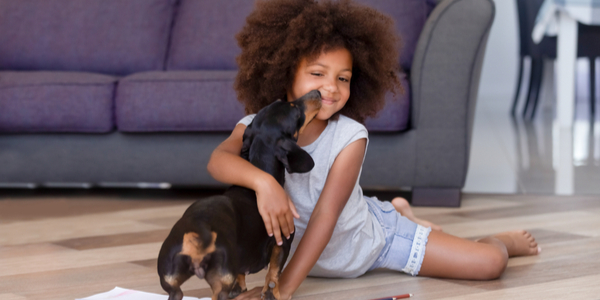
    Hugging or putting your arms around the shoulders of your pet means something altogether different to them. They enjoy other types of physical contact, but hugging is seen as an attempt to dominate. 

    You would sometimes notice a pup place his foreleg over the shoulder of another pup. The position is called “standing over” is a form of assertive or superior behavior. 

    A better way to show physical affection is scratching behind their ear or rubbing their belly. 

    1. Humans and Dogs Share a Similarity In the Locations of the Brain that Responds to Vocalization 

    According to researchers at Eötvös Loránd University in Hungary, the reason why pups can understand your happy sounds is that they have sections in their brain that respond to vocalization. 

    This allows your pups to react differently to you based on the various voice tones that you use depending on the emotion that you’re feeling. Furthermore, these regions are located in a similar area to the human brain. 

    1. The Wetness of Dogs’ Noses Helps them Absorb Scent Chemicals 

    This answers a riddle that has probably crossed your mind several times. Pups have a wet nose because it helps them absorb scent chemicals. 

    The nose initially secretes a specific mucus for the sole purpose of absorbing the chemical. Once the mucus has done its work, your pup then licks his nose to ascertain the exact nature of the smell. 

    Now the folktales can finally go to rest. 

    1. Dogs Can Actually See Colors 

    Popular belief is that dogs only see in monochrome and they detect outlines in objects using the difference in brightness. 

    However, this is not entirely true. Following the discovery of scientist Jay Neitz that dogs’ eyes possess two cones, researchers at the Russian Academy of Science performed their own experiments

    They selected eight dogs of different breeds and sizes and tested their eyesight. Using four pieces of paper, all four of different colors, they used this to detect whether dogs identified via brightness or color. 

    6 out of the 8 dogs picked based on color 9 or 10 out of 10 total times. 

  • 5 Dog Hygiene Essentials

    If there’s one thing that dogs know how to do instinctively, it is playing around in places that are less-than-hygienic. Milo probably just loves digging in mud or splashing around in puddles. This is him playing, so he isn’t thinking about the hygiene implication. Therefore, the onus is on you as a great dog parent to keep his hygiene top-notch at every point in time. 

    Here are 5 essentials to help with your pup’s hygiene:: 

    1. Clean the Paws

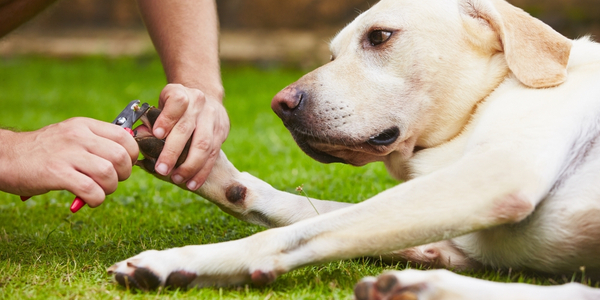
    Your pup is constantly roving about and stepping in so many places that it’s hard to keep track. It is therefore not surprising that his paws can pick up various objects like molds, pollen, dust mites, and even pesticides! Dog baths are not a daily affair but cleaning Milo’s paws at least once a day isn’t a bad idea. You can use a rub down or a paw soak depending on your preference. If there’s hair between his toes, trimming and brushing are in order too. 

    1. Clean the Toys 

    Most, if not all of your pup’s toys go in his mouth, making it an efficient germs transfer pathway. Therefore, cleaning these toys regularly is essential to maintain good hygiene. For starters, you should never use cleaning sprays or disinfectants, this can be toxic for Milo. A safer alternative is soaking the toys in a half water,half vinegar mix for about 30 minutes. Non-soft toys can be cleaned with a water-diluted bleach solution. Toys should be cleaned at least once to twice every month. 

    1. Brush the Teeth  

    Dental hygiene for your pup goes beyond just maintaining a healthy set of teeth to actually preventing potentially fatal disease(s). Periodontal disease is caused by a buildup of tartar in the teeth, as a result of poor dental care. It can have significant side effects like lethal bacterial infections if left alone without treatment. 

    However, brushing your pup’s teeth can help prevent this. So, rule of thumb, when brushing your teeth, remember that Milo’s need brushing too!

    1. Clean the Dog Bed 

    Your dog’s bed can be a haven for germs and parasites. Ticks, fleas, allergens, an entire parade. Although your pup might not entirely love the entire process of keeping them clean, it is one that you have to do for their sake and yours. 

    Beyond keeping your pup clean, you need to ensure that one of their favorite spots is too. A great dog bed should have a removable fabric cover so that you can wash it at least two times a month. If you have a breed that sheds significantly, then vacuuming the dog bed on the regular is in order as well. 

    1. Clean the Collars and Harnesses 

    After some period of extended use, your pup’s collar can start to smell not-too-great. Collars and harnesses do not require constant maintenance. However, once they start to smell or show dirt, it’s time to wash. You could either use the washing machine or a mix of dog shampoo in hot water. Maintaining your dog’s hygiene is synonymous with maintaining his well-being. You shouldn’t need any convincing since you love your pup! 

  • Choosing the Best Toys for Your Pup

    There are an incredible number of options when it comes to dog toys. Just like anything that involves a choice, making an educated one is your best bet. An educated choice would ensure that your pup gets a great toy, and derives maximum satisfaction from playing with it. The right toy has a lot of benefits for your pup. Some of these benefits include keeping her active throughout the day, improving bonding between you and your pup (in the case of tug toys and fetch toys), or simply keeping your pup happy. Your local Petland has a wide variety of toys to help you find the perfect toy for your pet!

    Here are 5 tips to help with choosing the best toys for your pup: 

    1. Personal Preference 

    In this case, this isn’t your personal preference, it’s your pooch’s. The perfect toy has to suit your pup’s personality. Dogs have a natural playing and chewing instinct, which of course, varies by breed. You might have to experiment with a variety of toys to see which of them your dog prefers the most. For instance, Susie might be more inclined to fetch toys or tug toys, or even chewing toys. Once you note her favorite, you know what toys to buy more of going forward. 

    1. Age 

    The type of toys that you get your pup should be appropriate for her age. A toy for a 5-week old puppy should be plush or soft or snuggly. For a pup between three to nine months, you should consider relatively soft chew toys, because she would be teething. So, a good selection of chew toys would keep her away from the center rug or your sneakers. Past the teething phase, you can start to explore harder rubber toys as well as balls or rope pulls since they now have the jaw strength and energy to support that. This doesn’t mean you should totally eliminate softer toys, a mix of both types is a great idea. 

    1. Size 

    Here the breed plays a major role. For instance, a German Shepherd would chew more harshly compared to a chihuahua. Therefore, if Susie is a German Shepherd, you would need a harder and sizable toy that wouldn’t break or get stuck in her teeth. A toy that is too soft could break into pieces and cause a choking hazard, same with one that is too small. Rule of thumb, if it’s small enough to fit in your dog’s rear molars, it fits the bill of a choking hazard. 

    1. Variety 

    Overall development is essential, and this is why just one toy type isn’t ideal. Although your pup might have a favorite, say, a chewing toy, she really wouldn’t mind others. For bonding time, a nice tug toy would be ideal or even ball toys to play fetch. This variety would help keep your dog active, occupied, and entertained. Win-win for you and Susie!

    1. Safety 

    While this has been lightly touched on in the third point, it is still worthy of emphasis. In addition to getting the appropriate toy size, toy texture is an important point too.A hard toy for soft, developing dentition does more harm than good. Safety is essential when getting your pup a toy, so, ensure that the toys are perfectly suited to age and breed. Finally, keep a close eye on your pup, if you notice a toy wearing out, it might be time to replace it. 

  • Essential Tips for Walking Your Dog

    Walking your dog every day isn’t just about allowing them to take in the sights outdoors. It is a requirement for their overall health and well-being. Walks present an opportunity for physical exercise which your pet needs, and is pretty good for you too. 

    When walking Bella, here are some essential tips to note: 

    1. Allow Sniffing!

    Our human noses boast of five or six million receptors. But depending on the dog breed, some may have up to 300 million! This goes to show the stark difference and just how important sniffing is to them. It allows your pet to gather information and is necessary for mental stimulation as well. Depriving Bella of exploring an interesting scent is doing her a great disservice. Provided her actions are not disturbing anybody around, give some extra minutes for sniffing. 

    1. Don’t Pull On the Leash 

    Dogs have a natural reflex called the ‘opposition reflex’ that causes them to go in the opposite direction of a force pulling them. From your pup’s perspective, you walk way too slow for her to spontaneously explore interesting sights and smells, so tugging might happen. To ensure a loose leash always, try changing directions when she’s getting ahead of you, and reward with treats when she catches up. This would encourage a constant loose J-shaped leash. 

    1. Favor Alternative Walking Restraints 

    Traditional collars are great, but in the long run, they do more harm than good. Avoid using a slip or pinch collar or choke chain on your pup, these can be very dangerous. Instead, a great alternative could be a chest-clip harness or head halter. Your pet may be only acting up because she doesn’t like their collar. Switch things up and see her go from a monster puller to a calm walker on a leash. Also, you could train your pup to walk off-leash, and implement this in areas where it’s safe for her to do so. 

    1. Pick Up After Them

    Your dog would likely poop during the walk, and you’re supposed to pick up after her. It extends beyond just being a responsible pet owner. Dog poop can be a health hazard to both pets and humans. It may have potentially harmful microorganisms like E. coli, hookworms, roundworms, salmonella, and giardia. These microorganisms can infect other pets and humans and may also permeate the soil and contaminate water bodies. 

    1. Arm Yourself With Lots of Water 

    For walks beyond half an hour or so, particularly in hot weather, your pet would likely get thirsty. Pups have a harder time regulating their body temperature, unlike us, so they can easily overheat. Although dogs sweat, the thick coat they have makes the cooling down process pretty inefficient. Hence, they do a lot of panting, making them dehydrated rapidly. The water you bring along goes a long way in helping Bella enjoy her walk more. 

  • 7 Safe Human Foods that Your Dog Will Absolutely Love

    Your pup probably tags along when you go to the kitchen and looks longingly while you eat. Our digestive system differs from theirs, and this makes some food that is perfectly safe for us, bad for them. But not all of it is, matter of fact, some human foods would do them a world of good. So, here are 7 food items that are safe for your dog, and they will absolutely love too: 

    1. Fish 

    Fish is a great source of protein for dogs; Salmon, tuna, and shrimp are perfectly safe. Omega-3 fatty acids, found in tuna and salmon serve to boost the immune system and maintain coat and skin health. Shrimp supplies B vitamins that aids improved blood circulation and are beneficial to the digestive system too. Before giving your pup fish, ensure that it is thoroughly cooked to kill any parasites. 

    1. Peanut Butter 

    Giving your pup the occasional unsalted peanut butter that has no sweeteners or added sugar is safe. Peanut butter can be a good source of protein, niacin, vitamins E and B as well as healthy fats. Ensure that you’re not giving your pup peanut butter that has the sweetener xylitol. It is toxic to dogs and if you suspect that your pup has mistakenly ingested some, contact your veterinarian immediately. 

    1. Carrots 

    Baby carrots are the perfect crunchy snack for your pet. They are a haven of vitamin A which helps boost the immune system and maintains the coat and skin. In addition, they are good for your pup’s dental health and help get rid of plaque on the teeth. Excess vitamin A can be pretty toxic, so moderation is the key here. 

    1. Dairy Products

    You would probably expect that dairy products are a total no-no, but that’s not the case. Small quantities of cheese, milk and plain yogurt are good for your pup. They cannot ingest a lot because they have low levels of the digestive enzyme lactase needed in the breakdown of sugar present in milk. 

    Note: if your pet is lactose intolerant, then you should avoid giving them dairy products. How to know your pet is lactose intolerant? Vomiting or diarrhea after ingesting dairy. 

    1. Watermelon 

    Your pup needs high water content, and watermelons can help keep hydration levels high. It also contains vitamins A, C, and B-6. Before feeding your pup with watermelon, ensure to remove the rind first, because it can cause an upset stomach. The seeds, when ingested, can block the intestines, so you should get rid of those too. 

    1. Eggs

    Yes, dogs can eat eggs, even scrambled eggs. If you’re boiling the eggs, ensure that they are thoroughly boiled to avoid salmonella. Eggs are a great protein source, but that’s not all they also supply selenium and riboflavin. Selenium aids improved immune function while riboflavin improves digestion. Just remember, no seasoning!

    1. Apple Slices 

    Sliced apples are a good source of vitamins A, C, and high fiber content. Before giving your dog apples, ensure you take out the core and seeds, they can serve as a choking hazard. Apple slices also improve dental health. They get rid of residue on your pup’s teeth and of course, there’s the benefit of fresh breath too. 

  • What to Look for When Buying a Dog Bed

    Your pup deserves a comfortable private spot to curl up and dream dog dreams. There’s no spot she would be fond of as where she gnaws on her chew toys in peace and complete comfort. This is precisely why you would need to pay extra care when buying your pup a bed. No worries anyway, we’re here to save you the stress of overthinking. 

    Here are important features to look out for when buying a dog bed:

    1. Size 

    You don’t want to buy a bed that ends up being too small for your pup. If anything, a bed with some extra space is ideal. To choose the right bed size, factor in the body size of your dog, and then some more. The bed has to be large enough so that she can lie in all natural positions without discomfort. 

    Here’s a rule of thumb to help: ensure that they can curl up comfortably, and also stretch out comfortably. A bed size that allows for this would be ideal. 

    1. Durability 

    Your pup has her chew toy, yes. But, what’s to say that she wouldn’t extend her chewing to the bed. In the teething stage, it helps to ease the pain. For older dogs, it’s a way to maintain jaw strength and clean their teeth. There might also be factors like boredom, stress or she might be hungry. 

    Whatever her reason for chewing, it could be dangerous if your dog can chew up these pieces and they end up in the intestines or stomach. If your pup is a potential chewer, beds with canvas-like fabric and aluminum or PVC pipe material are advisable. 

    1. Padding 

    A well-padded bed would provide great comfort for your pup. Dogs have bony joints that are not very padded, and this is why you need to pay special care to the bed’s padding. These joints can become pressure points, and prolonged pressure on them can lead to skin wounds, pain, and probably skin damage. These joints are those of the shoulders, elbows, and hips. However, a well-padded surface would supply sufficient comfort for your pup. 

    1. Material 

    The padding of the bed is important, but one main determining factor of comfort is the material that it is made with. For instance, high-quality memory foam would provide a more comfortable surface relative to polyester filling or loose foam. To test whether the material is great, squeeze the padding, and if you feel your fingers touch, the material might not be ideal. After a while, it would probably wear down as a result of your pooch’s weight and be a source of discomfort to her. 

    1. Ease of Cleaning 

    To start with, removable, machine-washable covers are an absolute necessity. Your dog’s bed can harbor several germs and parasites, and without a clean bed, you don’t have a clean pup. Ideally, you should take the covers off and wash them once or twice a month. The fabric should also be durable enough to withstand washing multiple times. 

  • 5 Reasons Why Dogs Are Such Great Companions

    “Man’s best friend.” Does that ring any bells? It probably would, because that’s just how dogs are regarded. And this isn’t off the mark in any way. You would agree that many-a-time, after a long day, the excitement and intense tail-wagging welcome you get takes the edge off. In addition to this, here are 5 other reasons why dogs are such great companions: 

    1. They Make Us Happy!

    Yes, we’re starting out with an essential emotional aspect. There’s no being sad or down when you’re around your pup. If he sees that you’ve been sitting around for too long, he’d probably start antics to get you up and moving so that you come to play. The licking, tail wagging and excited barks make us happy, it’s usually nice to be missed after a long day. Sometimes simply thinking about Abe brings a smile to your face. Pups are agents of happiness. 

    1. They Get Us Moving 

    If you rarely get up to do some exercising, having a dog would force you to burn some calories. You know just how much your pup loves his regular walks, and how much fun he has sniffing and skipping. What you probably don’t realize is that you’re keeping fit too. Regular walks are a great way to keep in shape and your fur baby ensures that happens like clockwork. Also, running around in the garden or backyard with Abe is keeping you fit. 

    1. They are Great Entertainers 

    Dogs are amazing entertainers without even trying hard. You know how hilarious it can be to watch your pup chasing his own tail. And he can be at it for hours!  He’d weave from side to side and bob his head now and again, trying to capture the elusive tail. They also have some really funny expressions sometimes, such as when you play pranks on them. They’re great company and with them, boredom flies out the door. 

    1. They Can be Fierce Protectors 

    Dogs are fiercely protective of their humans. Of course, this depends on breed, but most breeds have this in common. You know how much grief dogs give the postman and how they go shooting towards the door once the head knocks. This behavior makes them a deterrent to burglars, and you can sleep easier at night thanks to them. 

    1. They Love Us Unconditionally

    The love that pups have for their human is pure, innocent, and unconditional. It really doesn’t matter who you are, they just love you for who you are for you. Your pup produces oxytocin or the ‘love hormone’ that comes into play during a moment of intimacy or affection. The hormone is known for helping to form strong interpersonal bonds and help us connect to people, or in this case, your adorable pup. The hormone is mostly released when you’re interacting with your fur baby. While dogs make great companions, this is a reciprocal relationship. You have to be their best buddy too. Have fun bonding with your new best bud!

  • Top 5 Ways to Show Your Pup Affection

    Communication with your dog is mainly done with your facial expression, your voice/tone, and body language. This isn’t any different when you want to show your pet affection. And you have the tail-wagging and loving slurps to confirm that they love you right back. Now, let’s take a look at 5 ways you can show your pup affection: 

    1. Gaze Into His Eyes 

    Recall that your pup watches your facial expressions closely. Therefore, he would perfectly understand a gentle, loving gaze. While at it, you could use calm words affirming how much you love him. Raising your left eyebrow is also seen as a display of affection. Doing this releases oxytocin, a hormone that helps your pup relax and acts as a bonding agent. Watching his gooey eyes may also trigger an oxytocin release in you. 

    1. Scratch Behind the Ears 

    Your dog’s ears have receptors that are known to stimulate the release of endorphins, which makes him feel real good. Replace a pat on the head with a gentle scratch or patting behind the ears, and you would see the pleasurable response. Rub his ears gently too, and accompany that with other forms of petting. This says “I love you” to your pet in very certain terms. 

    1. Hang Out Together 

    Your pup can tell when you want him around. Including your pup in your busy day, like letting him hang around when you’re working makes him feel loved. It could be a simple act of letting him curl up at your feet while you’re sitting at your desk or letting him snuggle in your lap. On occasions like a family dinner or movie night, you could move your pup’s place close to the dining table or allow him to play with his favorite toy on the couch while seeing the movie. These are just a few suggestions. 

    1. Snuggling 

    Your pup has a lot of energy and sure does like to run around a lot. But after a long day, there’s nothing he loves more than snuggling next to his favorite human. A nap on the couch together or lying in the grass outdoors makes him feel like you’re part of his pack. Pets love physical contact and they thrive on it. However, they might not appreciate hugs, but cuddling on the couch, now, that’s one thing they love. 

    1. Treats! 

    One way to show your pup a whole lot of affection is by giving them treats! This isn’t just when they’ve been good or successfully carried out a command. Random treating and petting your fur baby shows him that you love him. Note that you shouldn’t feed your pet with just treats, because they may not always contain all the primary nutrients. Also, avoid giving human junk food and snacks, they contain more calories than your pup needs. Remember, treats should be given in moderation. 

  • Fun Ways To Celebrate Your Pup’s Birthday (Gotcha Day)!

    Hurrah! Your pup’s gotcha day is just around the corner, and you’re probably looking to do something special. They are a big part of our families, so with all the excitement around, you can be certain that he would enjoy every single moment. Thankfully, there are several ways to give your pup an incredible birthday. So, here are some ideas you can explore in making your pup’s special day super memorable: 

    1. A Doggo Birthday Party!

    What better way to celebrate your dog’s special day than by throwing them a party. To make the party more like it, you could invite some friends and neighbors to come along with their dogs (preferably friendly pooches). If this would be your first party, then you should keep the numbers down. You could play fun pup games, share dog-friendly cake, and share bags filled with goodies and treats that dogs love. For an outdoors party, ensure that the dogs are properly supervised, have constant access to fresh water, and are shaded from the sun.  

    1. Hike a New Trail 

    You know just how much your pup loves his daily work, yes? Now, imagine you hiked a new road filled with new smells and sights, wouldn’t that make Max giddy with excitement! This is one way to give your pup an incredible gotcha day, take him someplace new and let him play around. Go lax a bit so that he has the freedom to take in the new smells. Visiting a new park is a nice idea too!

    1. Play His Favorite Games 

    Dogs have a whole lot of energy and sometimes it’s hard to keep up with their energy levels, so we do what we can, and it’s on to the next playtime! For Max’s birthday, it would be nice to spend some extra time playing the games you know that he loves. This is definitely one way to make your dog feel special on this day. Some exciting game ideas include Fetch/Frisbee, Tug of War, Hide & Seek, and you could even play Find The Treats where his keen sense of smell is rewarded with his favorite treats. 

    1. Go Swimming!

    Most dogs like splashing around in the water, and if your pup is that way, then a swimming session would be wonderful fun! You could visit a local beach or find a dog-friendly pool in the area. Just make sure to follow all the safety rules and bring fresh water along for wash up. 

    1. Shower Him With Gifts and Treats  

    Are birthdays really complete without gifts and treats? The same goes for your adorable pup. If the usual maximum was three to four treats per day, go as high as seven and see whether he doesn’t know it’s a special day. You could also take the day off to cuddle with him on the sofa, make an extra special meal, sing him a birthday song, make a birthday hat for him, and take cute pictures of him. This would definitely make a memorable one for both you and Max. 

  • Pet First Aid; You Should Know This!

    Dogs have a very inquisitive nature and danger is a strange concept. Some strange object? They’re chewing on it already. This makes for a possibility of potential physical harm. Sometimes, minor emergencies might arise and all you need is basic knowledge of pet first aid. 

    So, here is some essential pet first aid information that you should know: 

    1. Noting the signs

    There’s a possibility that you didn’t see what happened, and this is why noting signs is essential. For starters, you have to know your pet’s regular behavior. If he’s acting out of character, then there might be something wrong and you should start probing. Factors like a sudden change in appetite, smell, or behavior can indicate something out of the ordinary. 

    Furthermore, a sign like gasping or panting, could imply airway blockage, throwing up could indicate food poisoning, and so on. 

    1. Checking For a Pulse 

    Just like it is in humans, knowing how to check for a pulse in your pet is essential. The upper third of your pup’s thigh region is the best place to check. Simply curl your hand on the thigh and squeeze gently from underneath. The artery which transports oxygenated blood should be pulsing. 

    It is advisable to use any finger apart from the thumb for this because the thumb has a strong pulse too, and may affect the accurate gauging of your pet’s pulse.To get the number of beats per minute, simply time the pulse for 15 seconds and multiply this by 4. 

    1. Muzzling Your Pet 

    When a dog is frightened or in pain, they might likely bite. Muzzling your pet is something you should be able to do. 

    However, if your pet is panting, muzzling is out of the question, since they need that air source. Since he’d most likely be on the floor, gently approach and encourage him to place his nose in the muzzle. Once that’s done, clip the muzzle on and ensure that it is snug. Not too tight, but not so loose that he can pull it off.  

    1. Dealing With a Choking Hazard 

    A choking hazard can successfully block your pet’s airway and prevent him from breathing easily. Some clear signs of choking or airway obstruction include extreme distress, apparent choking sounds, continuous coughing and he may also rub his face along the ground. 

    The easiest way to dislodge a potential choking hazard involves two simple steps:

    • Suspend your pet in the air upside down, holding up their back legs. 
    • Note the area where the ribs end and the abdomen starts, and then firmly deliver a blow to that area. 
    • Repeat that about four times. 

    Another method is the Heimlich maneuver

    1.  Transporting Your Dog 

    A major section of pet first aid entails carrying your pup the proper way. When transporting your pup,

    • Slide your dominant arm gently underneath your dog’s chest and let it remain between his front lungs. 
    • Lift him gently, and let his backside cozy between your arm and body, for extra support. 
    • Place your dominant arm behind his back legs, and use your other arm to wrap and support the front of the chest.