Category: Blog

  • 8-Week-Old Puppy Potty Training Schedule: What to Expect

    8-Week-Old Puppy Potty Training Schedule: What to Expect

    Your puppy is home, and life suddenly runs on a very different schedule.

    Meals happen at specific times. Naps seem to happen everywhere. And potty breaks? There are a lot of them.

    For many new puppy owners in Old Bridge, potty training is one of the biggest concerns during those first few weeks. You may be wondering if your puppy is learning fast enough or if the number of accidents you’re seeing is normal.

    At eight weeks old, most puppies are still in the very early stages of potty training. The goal isn’t perfection. The goal is consistency.

    Why Potty Training Looks Different at 8 Weeks

    An 8-week-old puppy is still developing bladder and bowel control. Most puppies at this age need frequent trips outside and won’t reliably signal when they need to go.

    That means management is just as important as training.

    A predictable routine helps your puppy learn where they should go while reducing opportunities for accidents indoors. Whether you’re settling in near laurence Harbor, Madison Park, or another Old Bridge neighborhood, consistency is one of the most important parts of the process.

    A Realistic Daily Potty Training Schedule

    Most 8-week-old puppies should go outside:

    * Immediately after waking up

    * Shortly after eating or drinking

    * After play sessions

    * Before going into their crate

    * Right before bedtime

    * Every one to two hours throughout the day

    If your puppy has an accident, it doesn’t necessarily mean they’re falling behind. More often, it’s a sign that potty breaks need to happen more frequently.

    Many families throughout Old Bridge find that setting reminders during the first few weeks can help establish a reliable routine.

    What Progress Looks Like During the First Few Weeks

    Many puppy owners expect potty training progress to happen quickly. In reality, the first victories are often small.

    You may notice your puppy having fewer accidents in the same room. Some puppies begin heading toward the door before they need to go. Others start using the same outdoor potty area consistently.

    These are all positive signs that the routine is starting to make sense.

    Whether you’re spending afternoons at home near Route 9 or enjoying time in neighborhoods closer to Cheesequake State Park, those small improvements are worth celebrating.

    Common Potty Training Challenges

    Frequent Accidents

    This is completely normal at eight weeks. Young puppies simply don’t have the physical ability to “hold it” for long periods.

    Potty Breaks That Turn Into Playtime

    Many puppies become distracted outdoors. If this happens, keep potty trips short and bring your puppy to the same area each time.

    Success One Day, Accidents the Next

    Progress is rarely linear. A good day followed by a difficult one is a normal part of the learning process.

    Three Habits That Help Puppies Learn Faster

    Stick to a Consistent Schedule

    The more predictable the routine, the easier it is for your puppy to learn.

    Reward Success Immediately

    Praise and treats should happen right after your puppy goes in the correct spot. Timing matters.

    Supervise Indoors

    When your puppy is awake, keep a close eye on them. Catching early signs that they need to go outside can help prevent accidents.

    Helping New Puppy Owners in Old Bridge

    The first few months with a puppy come with plenty of questions, and potty training is usually near the top of the list.

    At PetCenter in Old Bridge, we’re here to be a resource long after your puppy comes home. From feeding and training advice to helping families prepare for common puppy milestones, our team is committed to helping owners feel confident during those important early weeks.

    We proudly work with families throughout Old Bridge and nearby communities, helping new puppy owners navigate everything from potty training to everyday puppy care.

    Patience and Consistency Go a Long Way

    At eight weeks old, your puppy is still learning the basics. A reliable routine, realistic expectations, and plenty of repetition can make a significant difference.

    Focus on consistency now, and you’ll be laying the foundation for good habits that last well beyond puppyhood.

    Hungry for more? The next chapter’s even better! Follow the paw prints below to keep reading.

    Puppy’s First Vet Visit: What New Owners Should Expect
    Behind the Scenes: How PetCenter Cares for Puppies Every Day
  • How to Prevent Separation Anxiety in Puppies

    How to Prevent Separation Anxiety in Puppies

    There comes a point when every new puppy owner has to do something they’d rather not do. Leave.

    You’ve spent days, maybe weeks, together. Your puppy follows you from room to room. They wait outside the bathroom door. They nap at your feet while you work. Then one day, you need to run an errand, head into the office, or simply leave the house for a few hours.

    For some puppies, that’s no big deal. For others, it can be surprisingly difficult.

    That’s because being alone is something puppies need to learn, just like potty training or walking on a leash.

    Why Puppies Struggle with Being Alone

    Think about how much has changed for your puppy in a short amount of time. They’ve left their littermates, moved into a new home, and formed attachments to entirely new people. When those people suddenly disappear, some puppies aren’t quite sure what to make of it.

    That uncertainty can sometimes show up as whining, barking, pacing, chewing, or difficulty settling down.

    Helping Your Puppy Feel Safe When You’re Away

    The goal isn’t to teach your puppy to stop loving your company. The goal is to help them feel comfortable and secure when you’re not there.

    Fortunately, a few simple habits introduced early can help puppies build confidence and independence over time.

    Start Small Before You Need To

    One of the biggest mistakes puppy owners make is waiting until a long absence to introduce alone time.

    Instead, practice short departures while you’re still home. Step into another room. Walk outside for a few minutes. Give your puppy opportunities to learn that people come and go throughout the day.

    Those small experiences add up.

    Give Your Puppy Something To Do

    A puppy with a stuffed food toy or safe chew often has an easier time settling than a puppy left with nothing to focus on.

    This isn’t about distraction. It’s about helping your puppy associate quiet time with something enjoyable.

    Make Independence Part of Everyday Life

    It’s easy to spend every moment together when a puppy first comes home. However, confidence often grows when puppies learn they don’t need constant attention to feel secure.

    Encourage naps in their crate. Allow them to relax in a nearby room. Help them become comfortable entertaining themselves for short periods.

    Keep Arrivals and Departures Low-Key

    We know it’s tempting. The dramatic goodbye. The excited reunion.

    But treating departures as a normal part of the day can help puppies view them the same way.

    Building Confidence Early

    We love helping families prepare for all aspects of puppy ownership, including the moments that aren’t always discussed enough.

    Learning to be alone comfortably is one of those skills. It’s not taught in a day, but with patience and consistency, most puppies become far more confident than they were during those first few weeks at home.

    Confidence Starts with Practice

    A puppy doesn’t wake up one morning completely comfortable being alone. Confidence is built one experience at a time.

    The more positive, predictable opportunities your puppy has to practice independence, the more likely they are to view alone time as just another part of a normal day.

  • What’s Your Columbus Curb Appeal Personality?

    What’s Your Columbus Curb Appeal Personality?

    Curb appeal does a lot of talking before anyone reaches the front door.

    It sets the tone for your home, gives visitors a first impression, and can even influence how you feel when you pull into the driveway after a long day. The best exterior designs don’t happen by accident. They reflect the people who live inside.

    That’s where this quiz comes in.

    Your daily habits around Columbus can reveal more about your ideal exterior style than you might think. Grab a mental scorecard and see which answers sound most like you.

    Question 1: It’s a Saturday Morning. Where Are You Headed?

    A: A walk through German Village and a stop at a local coffee shop.
    B: Downtown Columbus for brunch and a full day of activity.
    C: Highbanks Metro Park or a trail near Powell.
    D: The Dublin Farmers Market with a reusable tote and a game plan.

    Question 2: Your Ideal Front Porch Looks Like…

    A: Classic lanterns, timeless details, and symmetry.
    B: Clean lines and minimal clutter.
    C: Natural materials and lots of greenery.
    D: Bright seasonal planters and room for guests.

    Question 3: Pick Your Favorite Columbus Season

    A: Fall. The changing leaves never get old.
    B: Summer. Patio season is serious business.
    C: Spring. Fresh mulch and blooming landscapes make everything feel new.
    D: Any season that includes neighborhood events and community gatherings.

    Your Results

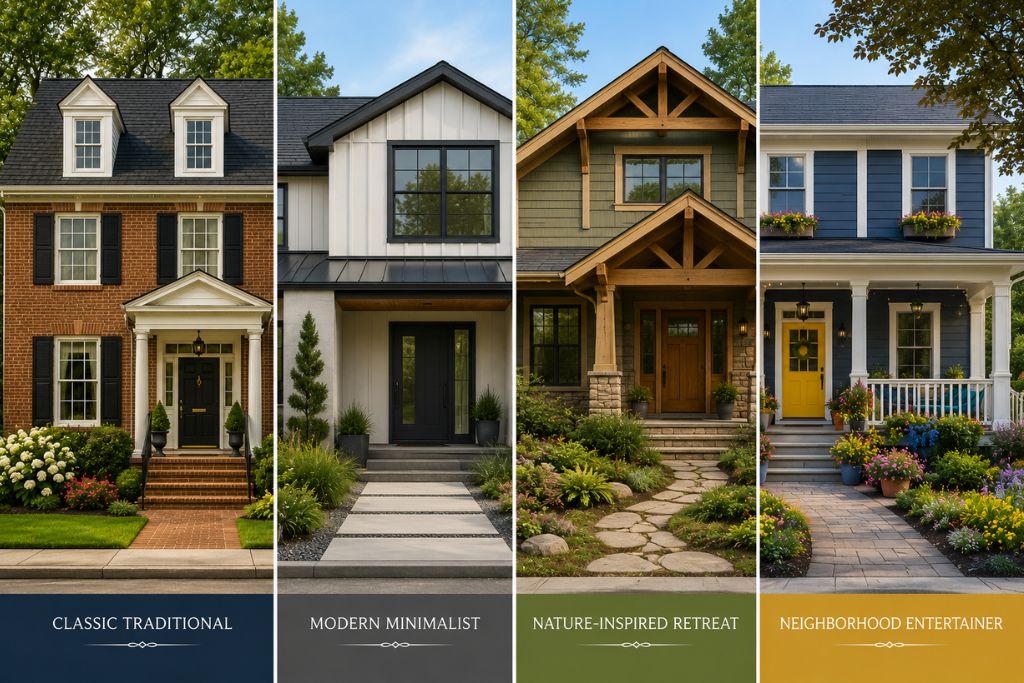
    Mostly A’s: The Timeless Traditional

    Historic neighborhoods around German Village didn’t become iconic by chasing trends.

    You appreciate classic curb appeal. Think warm neutrals, rich front door colors, black shutters, and balanced landscaping. Traditional homes benefit from color palettes that feel elegant and established.

    Mostly B’s: The Modern Minimalist

    You love a clean, polished look.

    Contemporary grays, crisp whites, charcoal accents, and streamlined architectural details fit your style. This aesthetic works beautifully throughout newer communities near Powell and growing areas around Columbus.

    Mostly C’s: The Nature-Inspired Retreat

    You notice landscaping before almost anything else.

    Earthy paint colors, natural wood tones, stone accents, and layered plantings create the look you’re after. Your home should feel connected to its surroundings, not separate from them.

    Mostly D’s: The Neighborhood Entertainer

    Your curb appeal needs personality.

    You enjoy color, seasonal updates, welcoming front entries, and outdoor spaces that encourage conversation. Flexible color palettes and statement accents often work best for this style.

    The Best Exterior Style Is the One That Fits Your Life

    The fun part of curb appeal is that there isn’t one right answer.

    A beautiful exterior should reflect your home, your neighborhood, and the way you live. The right paint colors, finishes, and design choices help tie everything together.

    At Color World Columbus, we help homeowners throughout Powell, Dublin, Worthington, and the greater Columbus area find exterior color schemes that feel authentic and lasting. From timeless classics to modern updates, our team can help bring your curb appeal personality to life.

    Your home already has character. Great exterior design simply helps it show up a little earlier.

  • Your Dog’s Summer Job Would Definitely Be…

    Your Dog’s Summer Job Would Definitely Be…

    Summer is officially here. The grills are grilling. The flip-flops are flopping. And somewhere out there, your dog is acting like they personally pay the electric bill every time the air conditioning turns on.

    But if dogs had actual summer jobs? Oh, they would absolutely thrive. Mostly because many pups already come with very specific personalities, talents, and levels of chaos built right in.

    Some dogs were born to supervise. Others were born to sprint directly into a lake without thinking once. And a few? They’d absolutely get fired on day one for “borrowing” snacks from customers.

    The funny thing is, a dog’s quirks often connect directly to breed traits, instincts, and personality characteristics. That’s why understanding energy levels, temperament, and behavior matters so much when finding the right furry match for your lifestyle.

    Now, let’s clock in.

    Different Breeds, Different Summer Careers

    Every dog has their thing.

    Some pups are natural athletes. Some are social butterflies. Others somehow radiate “unpaid intern with too much confidence” energy.

    Breed tendencies can tell us a lot about how dogs interact with the world. While every puppy has their own unique personality, certain traits often appear more strongly in specific breeds or breed groups. That’s what makes learning about temperament, activity needs, and behavior so helpful for future pet parents.

    And imagining their dream summer jobs is way more fun than reading a textbook about it!

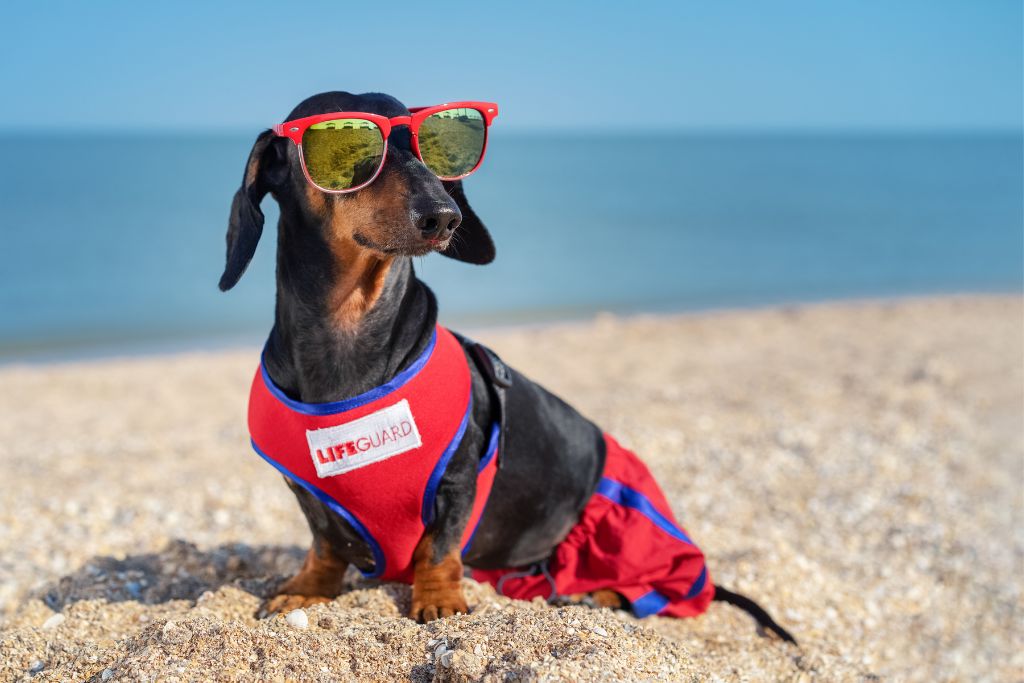
    The Lifeguard

    Best Fit For: Labrador Retrievers, Portuguese Water Dogs, athletic sporting breeds

    Confident. Athletic. Slightly dramatic. This dog takes their summer responsibilities very seriously. Water-loving pups would absolutely spend summer perched dramatically by the pool, watching everyone like tiny furry security guards.

    Did anyone ask them to supervise? No.

    Will they still leap into the water because someone splashed too hard? Absolutely.

    These dogs are naturally active, social, and eager to help. They thrive with families, outdoor adventures, and anything involving movement.

    The Ice Cream Shop Employee Who Keeps Sneaking Samples

    Best Fit For: Golden Retrievers, Beagles, Cocker Spaniels

    These are the dogs who somehow become best friends with every customer within four minutes. Their customer service skills are elite. Their self-control around snacks? Horrendous.

    Friendly breeds often love social interaction because they were historically bred to work closely alongside humans. That outgoing personality makes them incredibly lovable companions, especially in busy homes.

    Just maybe don’t leave your fries unattended.

    The Camp Counselor

    Best Fit For: Australian Shepherds, Border Collies, Mini American Shepherds

    These dogs already operate like tiny overachieving managers. They need activities. They need schedules. They need everyone to PLEASE stay together as a group.

    Highly intelligent and energetic breeds love mental stimulation. Without it, they will create their own summer activities, and honestly, you may not enjoy those activities nearly as much as they do.

    Think agility games. Puzzle toys. Long walks. Training sessions. Maybe a spreadsheet.

    The Surf Shop Employee Who Says “Bro” Constantly

    Best Fit For: French Bulldogs, Boston Terriers, Bulldogs

    Cool? Yes. Relaxed? Mostly.

    Secretly judging everyone while lying under a beach umbrella? Definitely.

    These pups are charming, adaptable, and happiest when hanging out near their favorite people. While they may not be marathon runners in the summer heat, they absolutely excel at companionship and making strangers laugh in public.

    The Chaos Coordinator at a Kids’ Summer Carnival

    Best Fit For: Jack Russell Terriers, Dachshunds, Pomeranians

    Tiny body. Unbelievable confidence.

    These dogs would somehow be running three carnival booths at once while also stealing hot dogs and starting mild arguments with dogs four times their size.

    Smaller breeds often pack huge personalities into compact frames. They’re clever, entertaining, and full of energy. Life with them is never boring.

    Ever.

    Why Understanding Personality Matters

    Behind every hilarious dog habit is a real personality trait, instinct, or breed tendency. That’s why learning about a puppy’s temperament, energy level, and needs is so important before bringing one home.

    Some dogs thrive in active households. Others prefer slower mornings, cozy naps, and emotional support blanket energy.

    We love helping families learn those differences because the best puppy matches happen when personalities fit naturally together. It’s never just about looks. It’s about connection, lifestyle, and understanding what makes each pup wonderfully unique.

    The Best Summer Job of All? Being Your Dog

    Whether your future pup would become a lifeguard, camp counselor, or highly suspicious ice cream thief, one thing is certain: summer is just better with dogs around.

    Especially the ones who act like they own the entire neighborhood soon as the hotter temp rolls in!

    Hungry for more? The next chapter’s even better! Follow the paw prints below to keep reading.

    The Ultimate Dog Mom Resume: Are You Qualified for the Best Job Ever?

    Why Your Dog Always Knows When You’re Eating Something Good

  • What To Know About Third-Party Puppy Financing Options at Petland

    What To Know About Third-Party Puppy Financing Options at Petland

    Getting a puppy is exciting. It’s also a real commitment.

    Between supplies, vet care, training, food, and everyday essentials, many families understandably want to make sure they are financially prepared before bringing home a new furry family member.

    That’s completely normal.

    For many people, financing options can make that process more manageable and realistic. Still, it’s important to ask questions and fully understand how those plans work before making any decision.

    One of the most common questions people ask is simple: Is it possible to finance a new pet?

    The short answer: Yes. If you fall in love with a pet, and choose to pay for that pet through smaller, monthly payments, Petland locations provide access to legitimate financing options through established third-party providers. Guests wishing to use finance options can reach out to these lenders who can reach out to these lenders who can help qualified customers manage puppy ownership costs over time.

    Why Financing Exists 

    Adding a puppy or other pet to your home is not an impulse purchase. It’s a long-term commitment that deserves thoughtful planning.

    Financing options exist to help qualified people and families to spread payments out instead of handling every upfront cost at once.

    People use financing for large purchases they deeply value, which can include pets.

    For families who are financially responsible but prefer flexible payment options, financing can provide breathing room while still allowing them to welcome the right puppy home.

    How Financing Plans Typically Work

    While financing options can vary slightly by location, many Petland stores provide consumers with access to trusted financing providers, offering payment plans for approved applicants.

    Generally, the process includes:

    Quick Application Process

    Most financing applications are completed online. A finance application may be something a guest plans for before shopping for a pet, or takes place by phone once the perfect pet has been identified. In these cases, the guest requests to work with a third-party lender and is provided with contact information. Many customers receive loan decisions quickly, which helps make the process less stressful.

    Flexible Payment Options

    Approved applicants may qualify for payment plans that allow them to spread costs over time instead of paying everything up front.

    Multiple Financing Providers

    Some locations work with more than one financing company. This can help customers explore different approval options depending on their financial situation.

    Credit-Based Approval

    Like all financing programs, credit approval depends on factors such as credit history, income, and financial standing.

    It’s important to understand that financing is never guaranteed, and responsible borrowing always matters.

    Are Financing Plans Safe and Legitimate?

    Yes, financing programs offered through Petland locations are legitimate financing arrangements handled through recognized financial partners.

    However, as with any financing agreement, it’s important to carefully review:

    * Interest rates

    * Payment terms

    * Monthly payment amounts

    * Total repayment costs

    * Approval requirements

    Responsible pet ownership includes fully understanding the financial commitment before signing any agreement.

    This is something Petland strongly encourages.

    Why Does Petland Make Financing Support Available?

    Petland was founded almost 60 years ago to enhance the human/animal bond and to match the right pet with the right person. At its heart, our goal is simple: To help families responsibly bring home the right pet.

    We understand that adding a puppy to the family is emotional, exciting, and sometimes overwhelming. Financing options, when used thoughtfully and responsibly, can make this transition easier for some households.

    Just as importantly, we believe education matters. Families deserve clear information, honest conversations, and support throughout the process.

    The Right Puppy Should Fit Your Life and Your Budget

    The best puppy matches happen when families feel emotionally and financially prepared.

    That’s why taking time to ask questions, explore options, and fully understand financing matters so much.

    At the end of the day, responsible puppy ownership is about preparation, care, and creating a happy, long-term home for your new companion.

    And when families feel informed and supported, everyone (especially the puppy!) benefits.

    Hungry for more? The next chapter’s even better! Follow the paw prints below to keep reading.

    Myth Busting: Why Petland is a Good Choice When Bringing a Puppy Home

    Buying a Puppy from Petland: What to Know Before You Bring One Home

  • Puppy’s First Vet Visit: What New Owners Should Expect

    Puppy’s First Vet Visit: What New Owners Should Expect

    So, you did it. You brought home a puppy.

    Between the zoomies, the tiny paws, and the endless photos already filling your camera roll, life just got a whole lot cuter. It also got a little busier.

    Because now begins one of the most important parts of puppy parenthood: building a healthy foundation for the years ahead.

    One of the very first big milestones? Your puppy’s first vet visit.

    For many new dog owners across Old Bridge, including the areas around Cottrell Farm Park and the Old Bridge Historic District, that first appointment can feel exciting and slightly nerve-wracking at the same time. That’s completely normal.

    After all, you want to make sure your new furry family member is healthy, thriving, and getting the best possible start.

    The good news is that first vet visit is usually much more simple, supportive, and reassuring than people expect.

    Why the First Vet Visit Matters So Much

    Your puppy’s first veterinary appointment helps establish a baseline for their overall health.

    It also gives your veterinarian the chance to check for common concerns early, answer questions, and guide you through important puppy care steps like vaccinations, nutrition, parasite prevention, and development.

    Most puppies should visit the vet within the first few days of coming home.

    And yes, it’s okay if you arrive with a million questions.

    In fact, veterinarians expect and welcome it.

    What to Bring to Your Puppy’s Appointment

    A little preparation can make the visit smoother for both you and your pup.

    Before heading out, try bringing:

    * Vaccination or health records

    * Any paperwork from your breeder or adoption source

    * A list of questions or concerns

    * Treats for positive reinforcement

    * A leash or secure carrier

    * A small stool sample if requested

    Many puppies feel nervous during new experiences. Familiar treats and calm reassurance can help them feel more comfortable.

    What the Vet Will Usually Check

    Nose-to-Tail Physical Exam

    Your veterinarian will perform a full physical exam to evaluate your puppy’s eyes, ears, teeth, coat, skin, joints, heart, lungs, and overall body condition.

    This helps identify any early health concerns while also tracking healthy growth and development.

    Weight and Growth Tracking

    Puppies grow fast. Your vet will record their weight and discuss whether your puppy is developing appropriately for their breed and age.

    Vaccination Schedule

    One of the biggest parts of the first visit involves vaccines.

    Your vet will explain which vaccinations your puppy needs, when boosters are due, and how to safely protect them during early socialization.

    Parasite Prevention

    Puppies are especially vulnerable to parasites like fleas, ticks, heartworms, and intestinal worms.

    Your veterinarian will usually recommend prevention options based on your puppy’s age, lifestyle, and local risks in New Jersey.

    Questions New Puppy Owners Should Absolutely Ask

    The first appointment is also your chance to learn.

    Good questions include:

    * What food do you recommend?

    * How much exercise is appropriate?

    * What behaviors are normal for this age?

    * When should training begin?

    * When can my puppy safely socialize with other dogs?

    No question is too small. Puppy care can feel overwhelming at first, and guidance matters.

    Helping New Puppy Owners Feel Confident

    PetCenter Old Bridge understands how emotional bringing home a puppy can be. It’s exciting, meaningful, and sometimes a little intimidating too.

    That’s why we believe education and preparation matter just as much as cuddles and toys. Helping families feel informed allows puppies to thrive from day one.

    Every puppy deserves a healthy, happy start. Every owner deserves support and trusted guidance along the way.

    The First Visit Is Just the Beginning

    That first vet appointment is more than a checklist. It’s the beginning of your puppy’s lifelong health journey.

    And while there may be nervous moments at first, most puppies walk away with a few treats, plenty of praise, and one very relieved pet parent.

    Which, honestly, deserves a reward too.

    Hungry for more? The next chapter’s even better! Follow the paw prints below to keep reading.

    Is It Safe to Buy a Puppy from PetCenter NJ? Here’s What You Should Know
    Behind the Scenes: How PetCenter Cares for Puppies Every Day


  • Ranking Summer Activities by How Dramatic Your Dog Will Be About Them

    Ranking Summer Activities by How Dramatic Your Dog Will Be About Them

    Summer plans always sound amazing in theory.
    Beach days. Hiking trails. Backyard sprinklers. Sunny patio brunches. Long walks at golden hour.

    And then your dog enters the chat.

    Suddenly, the sprinkler is a personal attack. The hiking trail becomes a survival documentary. And the kiddie pool you lovingly bought? Apparently offensive.

    The truth is, dogs experience summer activities in hilariously different ways depending on their personality, confidence level, breed tendencies, and comfort zones. Some pups are adventurous outdoor athletes. Others act like stepping on warm grass is emotional hardship.

    And we love all of it.

    Because while dogs are absolutely part of the family, they also come with opinions. Very strong opinions. And learning those quirks helps us better understand what makes each pup feel happy, secure, and genuinely comfortable.

    So naturally, we ranked some classic summer activities by exactly how dramatic your dog will probably be about them.

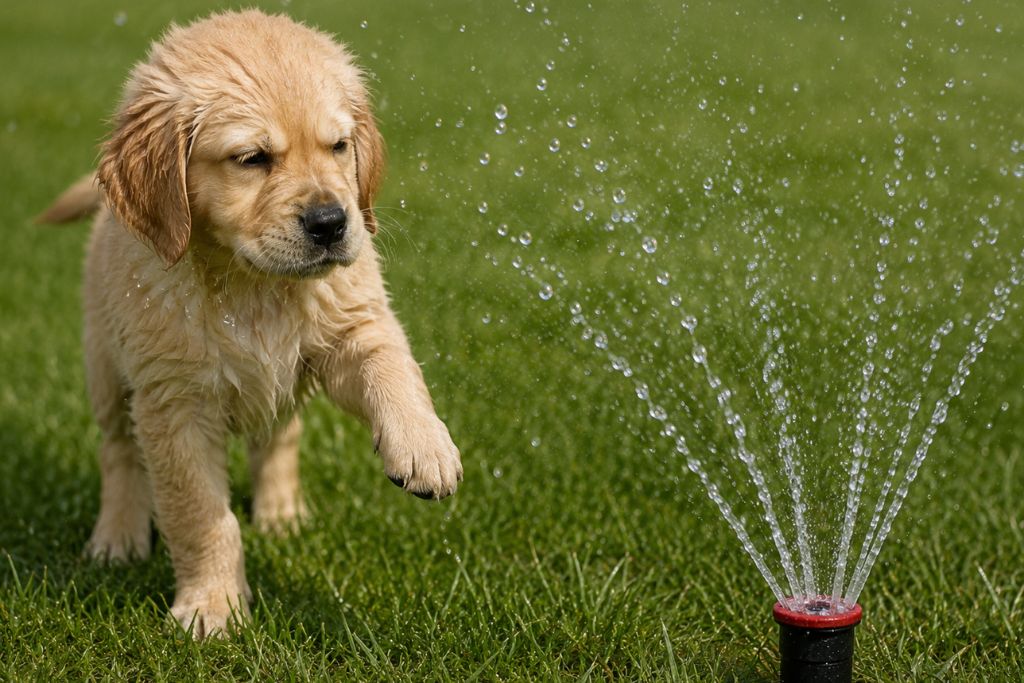
    1. Sprinklers = Absolute Betrayal

    Drama Level: 10/10

    For some dogs, sprinklers are magical.
    For others? They are moving water demons sent specifically to ruin their afternoon.

    You’ll usually spot two types of sprinkler dogs:

    • The athletic water lover who launches directly into the spray at full speed
    • The deeply suspicious pup who barks at the sprinkler like it personally insulted their family

    Herding breeds and energetic sporting dogs often love interactive water play because it taps into their active instincts. More cautious or sensitive pups, meanwhile, may need slower introductions.

    Either way, expect chaos.

    2. Hiking = Oscar-Worthy Exhaustion

    Drama Level: 9/10

    The hike begins with confidence.
    Your dog pulls ahead. They’re athletic. Fearless. Explorers of the wilderness.

    Forty minutes later? Suddenly they’re collapsing dramatically beside a rock like they just completed a seven-part documentary series called Surviving Nature.

    Active breeds often thrive on outdoor adventures because they need physical and mental stimulation. However, every dog has different endurance levels, especially during warmer weather.

    Also important: hot trails can hurt paw pads quickly in summer heat. Dramatic reactions may actually be your dog telling you they need a break, water, or cooler ground.

    Even the drama queens have valid points sometimes.

    3. Beach Day = Main Character Energy

    Drama Level: Depends Entirely on Sand Tolerance

    Some dogs were spiritually designed for beach life.
    They sprint. They swim. They steal unattended sandwiches with confidence.

    Others step onto sand once and immediately look offended beyond comprehension.

    Water-loving breeds like Retrievers often enjoy swimming because it provides excellent low-impact exercise. Meanwhile, some smaller or fluffier dogs prefer observing beach activities safely from a towel throne under an umbrella.

    Respectfully, not every dog wants to “touch the ocean.”

    4. Kiddie Pool = Tiny Backyard Luxury Spa

    Drama Level: Surprisingly Low

    A shocking amount of dogs become deeply attached to kiddie pools during summer.
    Especially brachycephalic breeds, thicker-coated pups, or dogs that naturally run warm.

    Some gently lounge inside like they’re vacationing at a luxury resort. Others treat it like a splash zone and somehow soak every human within a ten-foot radius.

    Cooling activities can help dogs stay safer and more comfortable during hot weather, especially during peak summer temperatures.

    And truthfully, watching a dog sit peacefully in two inches of water feels weirdly healing.

    5. Outdoor Dining = A Personal Mission for Snacks

    Drama Level: Extremely Opportunistic

    Taking your dog to a pet-friendly patio sounds adorable.
    Until your pup locks eyes with a stranger eating fries and decides friendship must happen immediately.

    Social dogs often enjoy public outings because they thrive around people and stimulation. But busy environments can overwhelm more reserved pups.

    That’s why understanding your dog’s comfort level matters so much. Not every dog enjoys crowded social settings, and that’s completely okay.

    Some dogs are brunch dogs.
    Some dogs are “please let me nap indoors in peace” dogs.

    Why Understanding Personality Matters

    Behind every dramatic reaction is usually something real: energy levels, breed instincts, sensitivity, confidence, or comfort preferences.

    That’s why we always believe finding the right puppy match goes far beyond appearance. Understanding temperament, activity needs, and personality helps create happier homes and stronger bonds.

    Some pups want adventure every weekend. Others want air conditioning, snacks, and emotional support blankets.

    Both are valid.

    Summer Is Better With a Little Dog Drama

    At the end of the day, summer with dogs is rarely calm, perfectly planned, or clean.
    There will probably be muddy paws. Unexpected zoomies. One completely unnecessary barking incident. Maybe an emotional reaction to a sprinkler.

    But that’s also what makes it fun.

    Because every dog brings their own personality into every summer memory. And honestly, we wouldn’t want it any other way.

    Puppies For Sale

  • How to Start Training Your Puppy: A Beginner’s Guide

    How to Start Training Your Puppy: A Beginner’s Guide

    You brought home a puppy. Congratulations! And also, welcome to the wonderfully chaotic stage of life where socks disappear and every sound becomes exciting.

    The first few weeks with a new puppy are full of milestones. First walks. First zoomies. First successful potty break outside. And somewhere in between all of that? Training begins.

    Many new puppy owners assume formal training starts later. In reality, puppies begin learning from the moment they enter your home.

    That’s why starting early matters.

    The good news is that puppy training does not need to feel intimidating. With consistency, patience, and the right approach, training can actually become one of the best bonding experiences you share with your dog.

    Why Early Puppy Training Matters

    Young puppies absorb information quickly.

    The habits, routines, and behaviors they practice early often become the foundation for adulthood. Starting training during puppyhood helps build confidence, communication, and structure.

    Training also helps puppies feel safer because predictable routines reduce stress and confusion.

    And no, training is not only about commands. It is also about teaching your puppy how to successfully live alongside people, routines, and everyday life.

    Start With Simple Foundations First

    The best puppy training starts small.

    During the first few months, focus on:

    • Potty training
    • Name recognition
    • Crate training
    • Gentle leash introduction
    • Basic commands like “sit” and “come”
    • Positive socialization

    Short, simple training sessions work best for young puppies. Most puppies have limited attention spans, so keeping sessions fun and rewarding helps them learn faster.

    Positive Reinforcement Works Best

    Modern puppy training focuses heavily on positive reinforcement.

    That means rewarding good behavior with praise, treats, toys, or affection instead of punishing mistakes.

    For example, when your puppy sits calmly instead of jumping, reward that behavior immediately. Puppies learn through repetition and consistency.

    Harsh punishment often creates fear or confusion, especially during early development stages.

    Calm guidance builds trust much more effectively.

    Timing Is Everything During Training

    One of the biggest training mistakes new owners make is inconsistency.

    If jumping on guests is allowed sometimes but corrected other times, puppies struggle to understand expectations.

    Clear routines help puppies learn faster. That includes:

    • Consistent potty schedules
    • Regular feeding times
    • Predictable sleep routines
    • Repeated training cues

    Puppies thrive when life feels structured and understandable.

    Socialization Is Part of Training Too

    Training is not only about teaching “sit” or “stay.”

    Helping puppies safely experience new people, sounds, environments, and situations is equally important during early development.

    Positive socialization helps puppies grow into calmer, more confident adult dogs.

    Even short outings or supervised introductions can make a big difference over time.

    Progress Takes Patience

    Some puppies pick up commands quickly. Others need more repetition and guidance.

    That is completely normal.

    Training is not about perfection. It is about communication, consistency, and building trust over time.

    Even small daily progress matters.

    Helping Puppies Thrive From the Start

    We understand how important these early puppy stages are for families.

    Bringing home a puppy is exciting, but it also comes with responsibility and plenty of questions along the way. That is why education, support, and thoughtful care matter so much during puppyhood.

    Because confident, well-supported puppies grow into happier lifelong companions.

    The Puppy Stage Goes Faster Than You Think

    Right now, training may feel repetitive. There will be accidents. Distracted moments. Random zoomies in the middle of practice sessions.

    But every small lesson helps shape the relationship you are building together.

    And one day you will probably miss these tiny puppy training moments more than you expect.

  • Paint Fails: 7 Exterior Colors Homeowners Wish They Never Picked

    Paint Fails: 7 Exterior Colors Homeowners Wish They Never Picked

    You know the feeling.
    You grab paint swatches. You hold them against your house at twelve different angles. Suddenly you’re saying things like, “What if we do a moody charcoal?” and “I think this soft beige has depth.” You’re excited. You’re inspired. You’re one online mood board away from becoming an exterior design expert.

    Then the paint goes up.
    And somehow your house now looks like a haunted dentist office. Or a giant banana. Or a building that belongs in a forgotten strip mall from 1997.

    Here’s the thing: exterior paint has a way of humbling people. Fast. And homeowners across Columbus know it can happen anywhere, whether you’re updating a historic home in German Village or giving a newer home in Dublin, Powell, or New Albany a fresh new look.

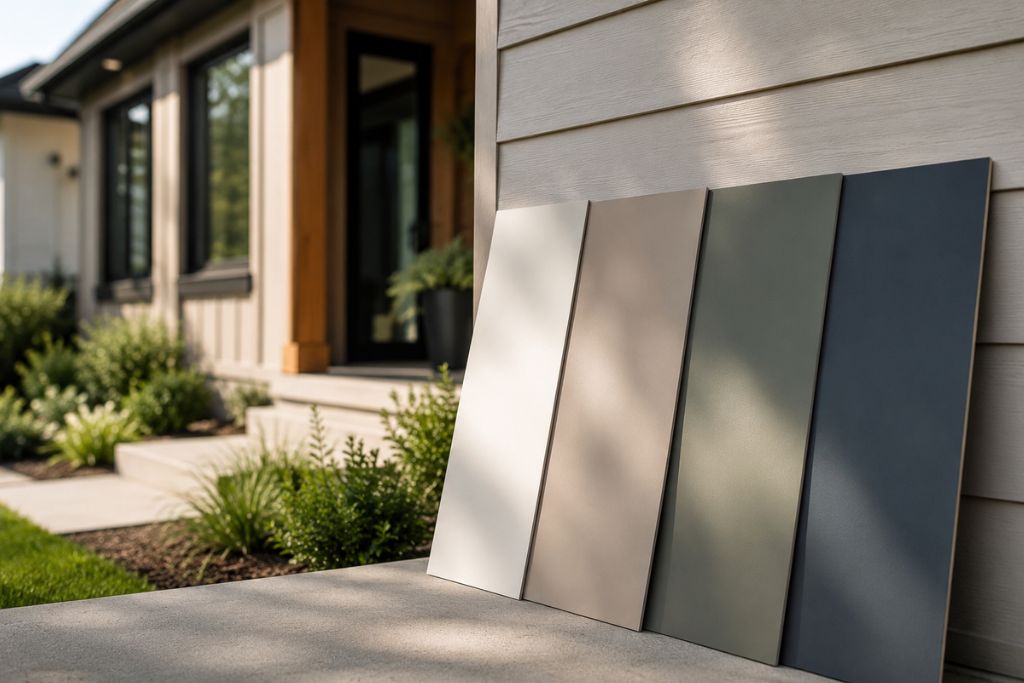
    Colors behave differently outdoors. Sunlight changes them. Landscaping changes them. Roof colors change them. Even your neighbor’s bright red front door can suddenly make your carefully chosen shade look completely different.

    And here in Central Ohio, the weather loves keeping things interesting. Bright summer sun, cloudy winter skies, changing seasons, and everything in between can completely shift the way a color looks once it lands on your exterior.

    Let’s dive into some of the most common exterior paint regrets homeowners run into.

    When Good Paint Ideas Go Very, Very Wrong

    1. Bright White Everywhere

    Expectation: Clean. Timeless. Magazine-worthy.
    Reality: My house is now a giant flashlight.

    White can look crisp and beautiful. However, ultra-bright whites often appear harsh outdoors. Direct sunlight can create glare and make a home feel flat or sterile.

    A softer white with warm or subtle undertones often creates a more balanced look.

    2. Beige That Accidentally Turns Yellow

    Expectation: Warm and inviting.
    Reality: Why does my house look like butter?

    Undertones can be sneaky. A neutral shade indoors may suddenly pull yellow, green, or peach outside.

    Exterior lighting reveals everything.

    3. Dark Gray That Goes Full Doom Mode

    Expectation: Modern sophistication.
    Reality: Haunted luxury bunker.

    Dark shades can look stunning. Yet when used without contrast or enough natural light, they can feel heavy and overpowering.

    Balance matters.

    4. Trendy Colors That Burn Bright…Then Burn Out

    Expectation: We’re making a statement.
    Reality: We’re making several statements.

    Exterior trends move quickly. That trendy color everyone loved online last year may feel dated much sooner than expected.

    Timeless usually ages better.

    5. Cool Gray Everything

    Expectation: Sleek and contemporary.
    Reality: Corporate office park energy.

    Many cooler grays became popular for years. However, some can feel cold and lifeless depending on surroundings.

    Homes should feel welcoming.

    6. Colors That Ignore Fixed Features

    Expectation: This color is gorgeous.
    Reality: Wait…why is it fighting the roof?

    Brick, stone, roofing, and landscaping are permanent players on your exterior team.

    Paint should work with them, not challenge them to a duel.

    7. Tiny Paint Sample Confidence

    Expectation: I tested it.
    Reality: I tested a square the size of a sticky note.

    Paint colors look dramatically different at scale. What works on a sample card may feel completely different across an entire house.

    This one gets people all the time.

    Great Exterior Color Choices Start Before the First Brush Stroke

    Picking an exterior color isn’t just choosing something pretty. It’s understanding undertones, lighting, architecture, surroundings, and how colors behave in the real world.

    That’s where experience changes everything.

    At Color World Columbus, we help homeowners avoid the “wait…why does this look weird?” moment. We help narrow choices, evaluate lighting conditions, and create combinations that feel cohesive and intentional.

    No one should finish a paint project and suddenly start avoiding eye contact with their own house.

    Avoiding a Paint Identity Crisis

    A fresh exterior should feel exciting. It should make you pull into the driveway and think, ‘Yep. That’s exactly what I wanted.’

    Not, ‘Interesting. Very…bold.’

    Paint should bring your vision to life. And sometimes, all it takes is having the right team help you get there.

  • Myth Busting: Why Petland is a Good Choice When Bringing a Puppy Home

    Myth Busting: Why Petland is a Good Choice When Bringing a Puppy Home

    Sometimes, the biggest decision isn’t which puppy steals your heart. It’s where that puppy comes from.

    That part matters more than people think. The source of your puppy shapes everything from early health and socialization to the support you’ll have as a new pet parent. So it’s no surprise that many families do their research… and come across mixed opinions about where to go.

    Why Where Your Puppy Comes From Truly Matters

    Choosing the right place to find your puppy isn’t just about convenience. It’s about trust. A responsible and regulated source helps to ensure your puppy is healthy, well-socialized, and set up for a happy life. It also means you, as a pet parent, feel confident and supported from day one.

    That’s why it’s important to look beyond the actions and opinions of some, and take the time to dig deeper to understand the full picture.

    Let’s Talk About the Concerns You May Have Heard

    If you’ve been researching where to get a puppy, chances are you’ve come across a few recurring concerns about Petland. Let’s walk through them, honestly and clearly, so you can make an informed decision.

    MYTH: “Petland puppies come from puppy mills.”

    This is one of the most common accusations started decades ago by activists. 

    FACT: Petland works with a network of licensed, regulated and responsible breeders who are required to meet strict standards for care, housing, and health. Many of these breeders are small, family-run operations that prioritize responsible breeding practices, not mass productions. Petland also has its own strict standards, including routine veterinary oversight and ongoing relationships with breeders. These are not one-time transactions.

    In addition, many Petland breeders participate in the Purdue Canine Care Certified (CCC) program. This is a science-based, third-party certification developed with input from animal welfare experts. It focuses on things that truly matter in a puppy’s early life: socialization, enrichment, proper handling, and emotional wellbeing, not just basic care requirements. This added layer of accountability helps to ensure puppies are raised in environments designed to support both their physical and behavioral development.

    The CCC requirements for breeders also include limiting the reproductive timeline for adult dogs to six to seven years; with a limit of six litters per female. Breeders must rehome their adult dog retirees.

    MYTH: “The puppies aren’t healthy.”

    FACT:  Puppy health is a valid concern, and at Petland it always comes first. 

    However, like human babies, no puppy can come with an absolute health guarantee. 

    To ensure good health, At Petland, each Petland puppy receives a comprehensive veterinary exam and comes with up-to-date vaccinations and health records. Puppies are observed daily by trained staff, and their care continues in-store with a strong focus on cleanliness, monitoring, and early support.

    While not common, there are cases when a puppy gets sick after it goes home. Petland’s New Puppy Health Warranty is included in the price of each puppy to help new pet owners cover medical expenses in the rare event their new puppy develops an unexpected health condition within its first 14 days at home.

    In the rare instance a health condition presents after a puppy goes home, new owners are encouraged to see their veterinarian for an exam and treatment. Every Petland puppy goes home with a 14-day health warranty. Each Petland puppy comes with our New Puppy Health Warranty to cover veterinary costs should the puppy show signs of illness after they go home; it also covers costs associated with any congenital condition identified within the puppy’s first three years.

    MYTH: “Prices aren’t transparent.”

    Bringing home a puppy is a meaningful decision, and understanding the cost is part of that.

    FACT: Petland takes time to walk families through what goes into raising a well-cared-for puppy; explaining breeder standards and veterinary care to early socialization and support. Our pet counselors work with our guests who are  considering taking a puppy home to answer questions, explain options, and make sure families feel informed, not rushed.

    Petland’s pricing reflects the care that goes into each puppy, including veterinary exams, vaccinations, preventative care, proper nutrition, socialization, and ongoing support for pet parents. We also work with responsible breeders who meet high standards for animal care. We’re always happy to talk through what’s included, and to help our guests find the right pet for them. It’s not just about a price point. It’s about understanding the value behind it.

    MYTH:  “Animal welfare isn’t a priority.”

    In reality, it’s central to everything Petland does.

    FACT:  From enrichment and socialization to daily interaction, puppies at Petland are cared for in environments designed to support their development. The Canine Care Certified program goes even further, focusing on behavioral wellbeing, not just physical health.

    Petland also supports broader animal welfare efforts through partnerships, community involvement, and charitable initiatives, reflecting a commitment that extends beyond the store.

    MYTH: “There are legal and ethical concerns.”

    FACT:  Petland works to provide our customers and pets with the utmost care and service. Like many well-known brands, Petland has faced scrutiny or consumer complaints.

    However, in Petland’s home state of Ohio, the company accounted for only 0.03% of all consumer complaints filed with the Attorney General over a five-year period. Petland is also A+ -rated by the Better Business Bureau (BBB). In fact, Petland was deeply vetted by the BBB and awarded the Central Ohio Better Business Bureau’s Torch Award for Ethics.

    Since 1967, Petland has remained committed to doing things the right way, and is accountable to its pets, families and communities it serves. Petland stands tall behind the facts of our business, which is why we’ve been successful in matching the right pet with the right customer for nearly 60 years. We are also committed to the  continued evolution of our business , strengthening breeder standards, increasing transparency, and investing in programs that prioritize animal welfare and education.

    What Makes Petland a Trusted Choice?

    At its core, Petland is about connection, and helping families find the right pet and supporting them every step of the way.

    That includes:

    • Working with vetted, licensed breeders
    • Providing health checks, records, and guidance
    • Offering ongoing support for new pet parents
    • Prioritizing animal welfare through certified programs

    It’s smart to ask questions before bringing a puppy home. In fact, it’s essential.

    When you take the time to look deeper, you’ll find that Cosmick Media SEO Blogs’s approach is built on care, education, and accountability. Programs like CCC, along with strong breeder relationships and in-store support, are all part of that bigger picture.

    At the heart of it all, Cosmick Media SEO Blogs understands that finding your puppy should feel just as good as bringing them home.

    Hungry for more? The next chapter’s even better! Follow the paw prints below to keep reading.

    AKC Registration With Health Testing: What Every Future Puppy Parent Should Know
    Buying a Puppy from Petland: What to Know Before You Bring One Home