Category: Blog

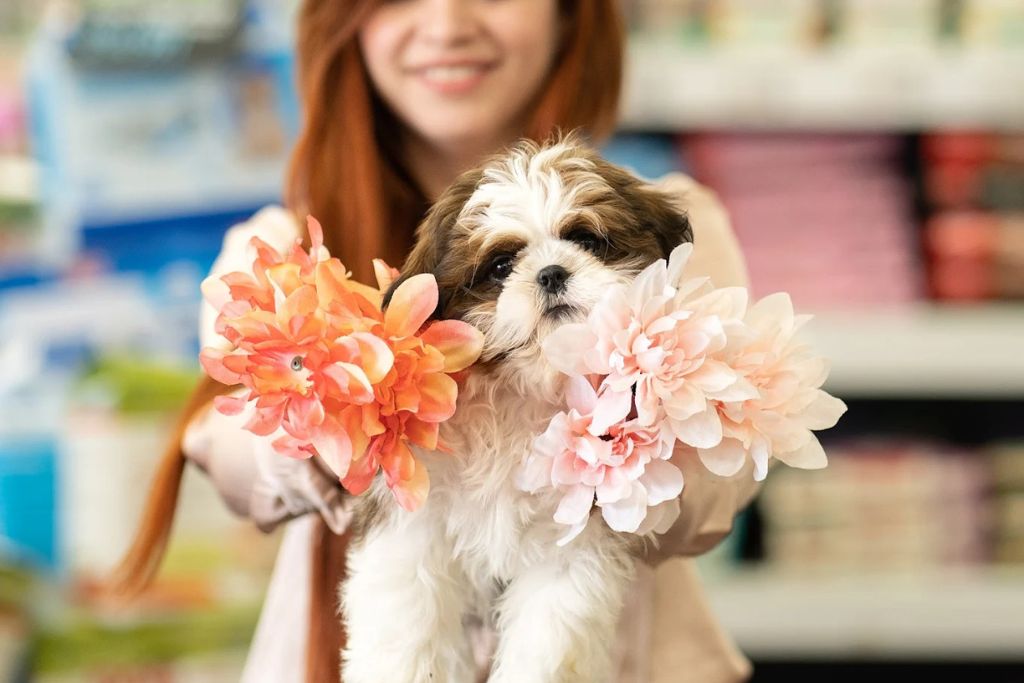
  • Behind the Scenes: How PetCenter Cares for Puppies Every Day

    Behind the Scenes: How PetCenter Cares for Puppies Every Day

    Bringing home a puppy is a big moment. It’s exciting, emotional, and life-changing in the best way. But before that first cuddle or car ride home, there’s one important question: Where is your puppy coming from and how were they cared for?

    That part matters more than most people realize.

    Pet stores sometimes get a less-than-stellar rep. But reputable stores, like PetCenter in Old Bridge, NJ, do things differently. Care isn’t an afterthought; it’s the entire foundation. So if you’ve ever wondered what actually happens behind the scenes, here’s a closer look at how our puppies are cared for every single day.

    A Day in the Life: Daily Puppy Care at PetCenter

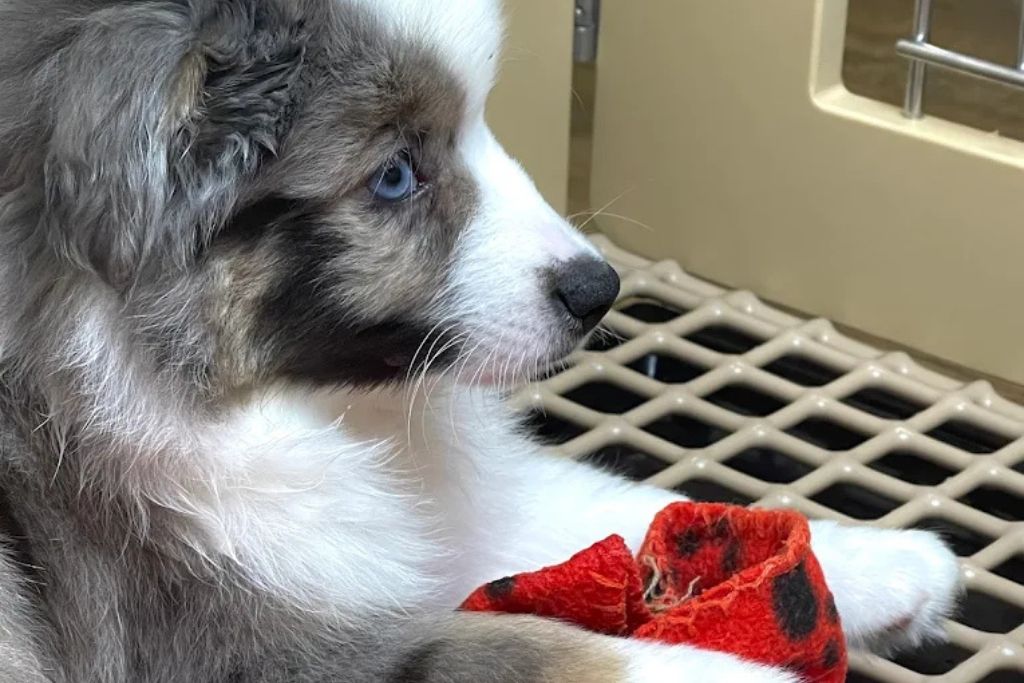
    From the moment the day begins, every puppy is given focused, hands-on attention.

    Morning Wellness Checks

    Each puppy receives an individual check to assess energy, appetite, and overall health. We also record daily weights and monitor temperature. This helps us catch even the smallest changes early.

    Fresh Meals, Thoughtfully Monitored

    Meals are portioned and served with care. We don’t just feed, we observe. Appetite can say a lot about a puppy’s well-being, so we keep a close eye.

    Clean Spaces, Every Time

    All kennel areas are thoroughly cleaned and sanitized daily. Throughout the day, we maintain that same level of cleanliness. A healthy environment supports healthy puppies. Simple as that.

    Play, Socialization, and Confidence Building

    Care goes beyond the basics.

    Puppies need interaction, stimulation, and positive experiences to grow into confident companions.

    Supervised Playtime

    Our puppies enjoy structured play sessions with supervision. This helps them learn boundaries, build confidence, and stay active.

    New Sounds, Toys, and Experiences

    We introduce puppies to different textures, sounds, and environments. These small exposures help reduce fear later on and support smoother transitions into new homes.

    Social Skills That Matter

    Early socialization is key. It helps puppies adapt to people, families, and everyday life more easily.

    Health, Hygiene, and Ongoing Monitoring

    Consistency is everything when it comes to puppy care.

    At PetCenter Old Bridge, frequent sanitizing of all play and kennel areas helps maintain a clean, safe environment at all times. Alongside this, each puppy’s development is carefully monitored to ensure proper growth and well-being.

    Weekly veterinary checks provide an added layer of professional oversight. The focus extends beyond immediate care, emphasizing long-term health and ensuring every puppy continues to progress as they should.

    Preparing Puppies for Their Next Chapter

    Every part of our process leads to one goal: helping each puppy transition smoothly into their new home.

    That means individual attention, continued socialization, and thoughtful care every step of the way.

    Why Daily Puppy Care Standards Matter Before You Bring Them Home

    At PetCenter, we believe you should feel confident about where your puppy comes from. When care is consistent, intentional, and genuine, you can see the difference.

    And more importantly, so can your puppy.

    Hungry for more? The next chapter’s even better! Follow the paw prints below to keep reading.

    Where Does PetCenter Get Their Puppies: The Truth Behind The Tails
    I Went to “Just Look” At Puppies. I Left With My Perfect Match (And A Whole Lot Of Trust In PetCenter).
  • The Ultimate Dog Mom Resume: Are You Qualified for the Best Job Ever?

    The Ultimate Dog Mom Resume: Are You Qualified for the Best Job Ever?

    Let’s be honest: No one applies to be a dog mom.

    One minute you’re “just looking,” and the next, you’re emotionally attached to a tiny face, rearranging your entire life around nap schedules and snack times.

    But if dogs could talk (and frankly, they do, just with more eye contact), they’d absolutely have a hiring process. A very selective one.

    Because being a dog mom? It’s not a hobby. It’s a full-time role, with benefits, chaos, and an unreasonable amount of love.

    So… do you have what it takes?

    First Things First: This Is a Real Job

    Dogs don’t just need food and a place to sleep. They look for consistency, safety, emotional connection, and yes, someone who understands that a “quick walk” is never actually quick.

    We see it every day: the moment a puppy picks their person. It’s instant, and it’s intentional.

    Because dogs know.

    The Resume: Qualifications Your Dog Is Looking For

    Let’s review your credentials.

    ✔️ Snack Distribution Specialist (Advanced Level)

    You must understand that treats are not just snacks. They are communication, motivation, and, occasionally, emotional support.

    Dogs thrive on positive reinforcement. Reward-based training builds trust and confidence. So yes, handing out a treat does make you highly qualified.

    ✔️ Blanket Adjuster & Comfort Coordinator

    If you’ve ever tucked a dog in, adjusted their sleeping position, or given them your spot entirely, you’re on the right track.

    Dogs seek comfort and security. A cozy, safe environment helps them relax and feel at home. Bonus points if you whisper, “Are you comfy?” knowing full well they can’t answer.

    ✔️ Head of Walk Operations (All Weather Conditions)

    Rain? Heat? Mild inconvenience? Doesn’t matter.

    Dogs rely on daily exercise for both physical health and mental stimulation. Walks aren’t optional; they’re essential. And if you’ve ever negotiated with a stubborn puppy mid-walk, congratulations! You’re experienced and well-versed.

    ✔️ Emotional Support Human (24/7 Availability)

    Dogs are deeply intuitive. They look for humans who are present, patient, and responsive.

    Whether it’s a loud noise, a new environment, or just one of those days, your calm energy matters. Being consistent and reassuring helps build a strong, lasting bond.

    ✔️ Social Director & Confidence Builder

    From meeting new people to encountering new environments, dogs depend on you to guide them.

    Early socialization is key. It helps puppies grow into confident, well-adjusted companions. Translation: yes, saying “they’re friendly!” across a room is part of the job.

    ✔️ Clean-Up Crew (No Questions Asked)

    We won’t elaborate. You already know.

    ✔️ Personal Hype Person

    Every dog believes they are the best dog. Your role? Confirm that belief daily.

    Positive attention strengthens trust and reinforces good behavior. Also, telling your dog they’re perfect is simply correct.

    The Truth: This Job Is a Big Deal

    Being a dog mom is a real responsibility. It means showing up every day… with patience, care, and a willingness to learn.

    It’s early mornings, routine vet visits, training, and understanding your dog’s needs as they grow. It’s commitment.

    But it’s also one of the most rewarding roles there is.

    And Honestly? Dog Moms Are the Best

    They love deeply. They notice the little things. They celebrate every milestone, big or small.

    They don’t just care for their dogs. They advocate for them, learn for them, and build their lives around them.

    We see that connection happen every day. And we know this much for sure:

    When a dog chooses you, and you choose them right back, you’re not just getting a pet. You’re getting the role of a lifetime.

    And if you ask us?

    Whoever lands that job is very, very lucky.

    Hungry for more? The next chapter’s even better! Follow the paw prints below to keep reading.

    Why Your Dog Always Knows When You’re Eating Something Good
    National Spoil Your Dog Day: Yes, They Deserve It (Every. Single. Day.)


  • Front Door Colors Columbus Loves (And What They Say About You)

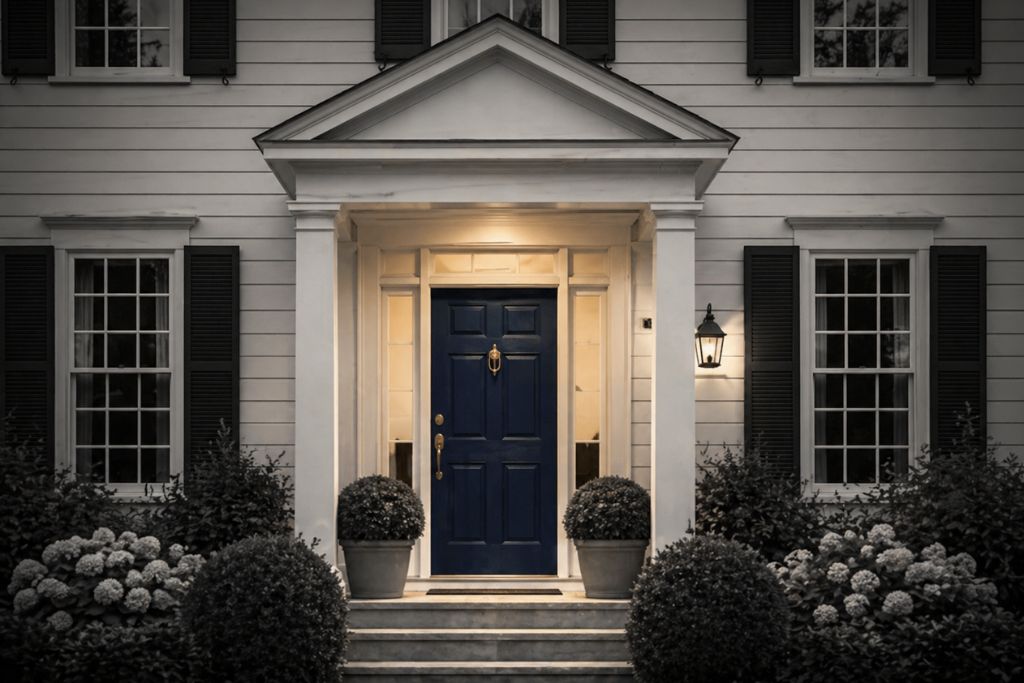
    Front Door Colors Columbus Loves (And What They Say About You)

    Your front door does more than open and close. It sets the tone. It’s the first thing guests notice and the last detail they remember. In a city like Columbus, and throughout Ohio communities like Dublin, Westerville, and Grove City, where curb appeal matters year-round, your front door color quietly tells a story before you ever say a word.

    Choosing the right shade isn’t always easy. You want something that fits your home’s architecture, complements your exterior, and still feels like you. That’s where a little inspiration, and a bit of meaning, can help.

    The Most Popular Front Door Colors in Columbus (And What They Mean)

    Classic Black

    Timeless and sharp, black doors are a staple across Columbus, Ohio neighborhoods. They pair well with almost any exterior and instantly elevate a home’s look.

    What it says: You value sophistication, strength, and a no-fuss sense of style.

    Crisp White

    Clean, bright, and endlessly versatile, white doors feel fresh in every season. They work especially well on traditional or farmhouse-style homes.

    What it says: You appreciate simplicity, order, and a welcoming, open feel.

    Bold Red

    Red doors stand out, in the best way. They bring warmth and energy to a home, even on gray Midwest days.

    What it says: You’re confident, inviting, and not afraid to make a statement.

    Deep Blue (Navy & Slate)

    Blue continues to trend across Columbus, especially in deeper, moodier tones. It’s a modern choice that still feels grounded.

    What it says: You’re calm, dependable, and quietly stylish.

    Earthy Green

    From sage to forest green, these tones connect beautifully with nature. They’re especially popular in leafy neighborhoods and suburban settings.

    What it says: You’re balanced, grounded, and drawn to a sense of harmony.

    Warm Wood Tones

    Natural wood or wood-look finishes are making a strong comeback. They add texture and authenticity to a home’s exterior.

    What it says: You value craftsmanship, warmth, and a connection to tradition.

    Choosing the Right Color for You

    If you want a polished, timeless look, go black or navy.
    If your goal is warmth and personality, red or green might be your match.
    If you love a clean, airy feel, white is hard to beat.

    But here’s the truth: while trends and meanings are helpful, the best choice is always the one that feels right for your home and your style.

    How Color World Columbus, Ohio Can Help

    At Color World Columbus, we know that the “perfect color” isn’t one-size-fits-all. It’s all about balance: between your home’s character, your neighborhood, and your personal taste. Our team helps you narrow down options, test finishes, and land on a color that feels just right.

    Your front door is a small detail with a big impact. Whether you go bold or keep it classic, it’s an opportunity to express your style before anyone even steps inside. And when you’re ready to refresh it, we’re here to help you make it count.

  • Backyard Personality Test: What Your Patio Style Says About You

    Backyard Personality Test: What Your Patio Style Says About You

    Your backyard isn’t just extra space. It’s an extension of your home. Around here in Pennsylvania, especially throughout the Lehigh Valley in areas like Allentown, Bethlehem, and Easton, where we make the most of warm evenings and crisp fall weekends, a well-designed patio becomes the heart of it all. It’s where you host, unwind, and create those everyday moments that feel a little more special.

    And whether you realize it or not, your patio style says a lot about you.

    What’s Your Backyard Personality?

    Every outdoor space is unique. Still, most fall into a few familiar styles. Not sure where yours lands? Let’s have a little fun with it.

    The Cozy Gatherer

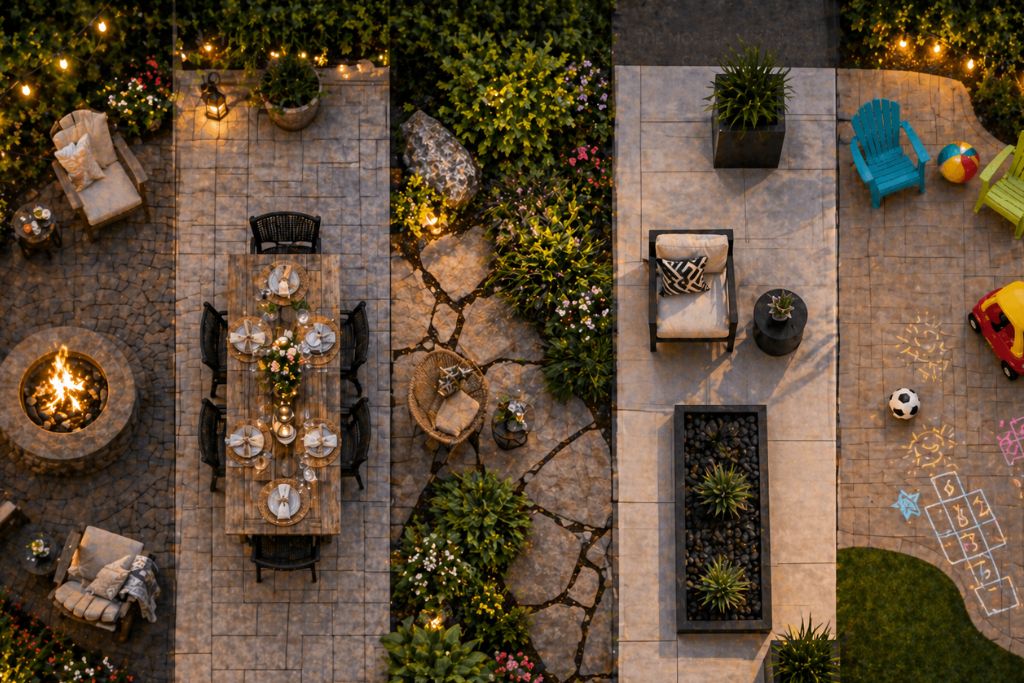
    Think soft seating, warm lighting, maybe even a fire pit. Your patio is built for connection: long chats, shared meals, and relaxed nights outdoors.

    What it says about you: You value comfort, community, and creating a space where everyone feels at home.

    The Entertainer

    You’ve got defined zones, plenty of seating, and maybe an outdoor kitchen or bar setup. Your space is ready for anything.

    What it says about you: You’re social, organized, and love bringing people together, especially on those perfect summer nights in neighborhoods from Lower Macungie Township to Forks Township.

    The Nature Lover

    Your patio blends seamlessly with the landscape. Think natural stone, lush greenery, and a design that feels calm and grounded. This is something often seen in more wooded areas like Upper Saucon Township or Whitehall Township.

    What it says about you: You appreciate balance, quiet moments, and a strong connection to the outdoors.

    The Modern Minimalist

    Clean lines, neutral tones, and a “less is more” approach. Everything has a purpose, and nothing feels cluttered.

    What it says about you: You’re intentional, detail-oriented, and drawn to simplicity that still makes a statement.

    The Family Hub

    Durable materials, open space, and room to move. Your patio is built for real life: kids, pets, and everything in between. This works well whether you’re in a suburban setting like Nazareth or a growing community like Emmaus.

    What it says about you: You prioritize function, flexibility, and making memories with the people who matter most.

    Finding the Right Style for You

    If you’re drawn to cozy spaces, lean into layered textures and warm lighting.

    If entertaining is your thing, focus on layout and flow.

    If you love nature, incorporate organic materials and greenery.

    The key is designing a space that fits how you actually live. Not just what looks good, but what feels right every time you step outside.

    Designed With You in Mind

    At Creative Landscapes, great outdoor spaces start with understanding you. This includes how you use your space, what you need from it, and how it should feel at the end of a long day.

    From custom patios to full backyard transformations across the Lehigh Valley, the focus is on bringing thoughtful design and expert craftsmanship together so your outdoor space isn’t just beautiful, but also works for your lifestyle.

    Your Backyard, Your Story

    At the end of the day, there’s no one “right” patio style. The best spaces are the ones that reflect you. Your pace, your people, your way of living.

    And when it’s done right, your backyard doesn’t just look good. It feels like home.

  • The Dog Mom Quiz: What Type Are You?

    The Dog Mom Quiz: What Type Are You?

    Let’s be honest: Your dog isn’t just a dog.

    They’re your baby. Your shadow. Your emotional support on long days. The one who somehow knows exactly when you need a cuddle (or a little chaos). That bond? It’s real. And if you’re a dog mom, you feel it every single day.

    Being a dog mom is a privilege. And it shows up in different ways. So with Mother’s Day around the corner, we thought we’d ask the important question:

    What kind of dog mom are you, really?

    Let’s find out.

    The Dog Mom Quiz (Be Honest!)

    1.Your dog wakes you up early. You…

    A. Already awake. Walk time.

    B. Stretch, cuddle, then get up slowly.

    C. Panic. Are they okay? Why are they up?

    D. Pretend to sleep for five more minutes.

    2. Your camera roll looks like…

    A. Park days, walks, action shots.

    B. Cozy naps and soft moments.

    C. 500 close-ups of their face.

    D. Random. But yes, mostly your dog.

    3. Treat time means…

    A. Only after good behavior.

    B. A little reward here and there.

    C. They blinked. That deserves a treat.

    D. Wait… where did I put the treats?

    4. A typical walk is…

    A. Structured and consistent.

    B. Relaxed, letting them explore.

    C. You watching them the entire time.

    D. Wherever they want to go.

    5. When your dog seems “off,” you…

    A. Observe first, then act if needed.

    B. Give extra love and monitor.

    C. Google everything immediately.

    D. Assume they’re fine… probably.

    6. Bedtime situation?

    A. Their own bed, same spot every night.

    B. Somewhere comfy nearby.

    C. In your bed. Obviously.

    D. Wherever they end up.

    7. Buying for your dog feels like…

    A. Purposeful. Only what they need.

    B. A mix of needs and cute finds.

    C. Everything. They deserve it all.

    D. Last-minute but it works out.

    Your Results

    Mostly A’s: The Structured Queen

    You bring consistency, routine, and balance. Dogs thrive on structure, and you naturally provide it. Training, exercise, and proper care? You’ve got it covered.

    Mostly B’s: The Cozy Caregiver

    Your dog feels safe, calm, and deeply loved. You focus on comfort and connection, which is key… especially for young or anxious pups.

    Mostly C’s: The Devoted (Slightly Obsessed) Mom

    You’re tuned into every detail, and that’s a good thing. Being attentive helps you spot changes early and stay proactive about your dog’s health.

    Mostly D’s: The Go-With-The-Flow Mom

    You keep things easy, natural, and fun. Your dog enjoys freedom and flexibility. Add a little structure, and you’ve got the perfect balance.

    What Your Dog Actually Needs

    No matter your result, every dog benefits from a mix of:

    • Routine
    • Mental and physical stimulation
    • Proper nutrition
    • And, of course, love

    Some moms lean one way more than others. And that’s okay! It’s all about finding what works for you and your pup.

    We See Every Type. And We Love It

    We meet all kinds of dog moms every day. First-time puppy parents, seasoned pros, and the ones already planning their pup’s birthday party.

    Wherever you fall, we’re here to help you do it right – from choosing the perfect puppy to giving them the best start possible.

    Happy Mother’s Day, Dog Moms

    However you show up for your pup (structured, cozy, chaotic, or all of the above!), you’re doing something special.

    Because to them?

    You’re not just their mom.

    You’re their whole world.

  • Why Isn’t My Puppy Potty Trained Yet? What’s Normal and What You Can Do

    Why Isn’t My Puppy Potty Trained Yet? What’s Normal and What You Can Do

    Bringing a puppy home is a lot of things. It’s fun. It’s chaotic. It’s a little bit life-changing.

    And then there’s potty training.

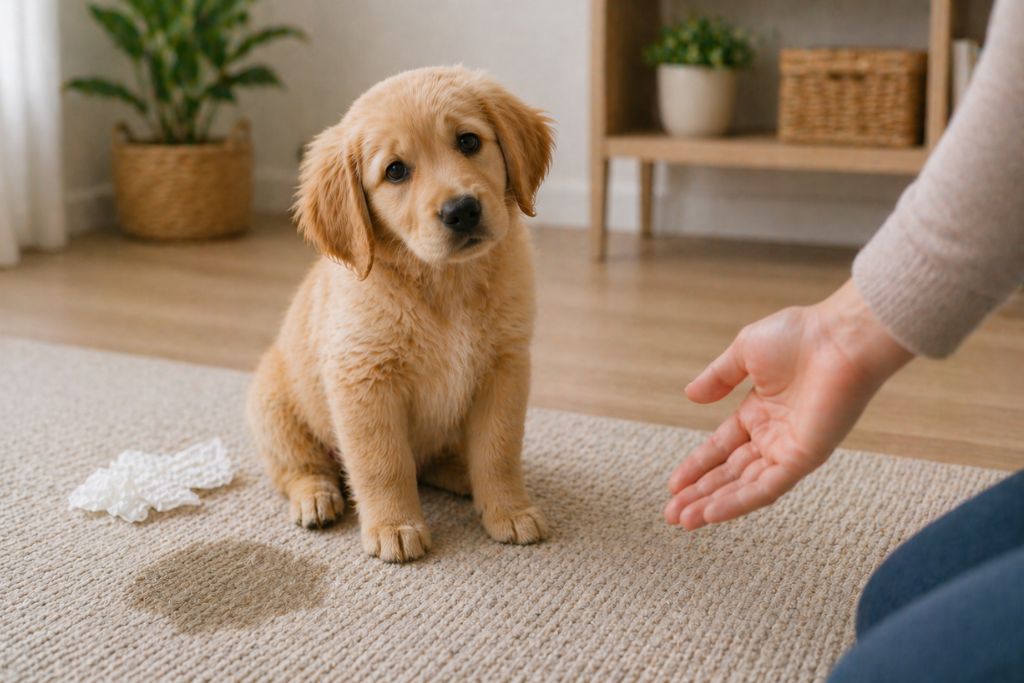
    You’ve been consistent. You’ve been trying. And still… accidents happen. It’s easy to wonder if something’s going wrong.

    In most cases, it’s not.

    What Potty Training Really Means (and How Long It Takes)

    Potty training isn’t just teaching a puppy where to go.

    It’s teaching timing, routine, and awareness. Puppies are learning to control their bladder, understand cues, and connect actions to outcomes.

    Most puppies start learning as soon as they come home. But full reliability takes time. For many, it can take several weeks to a few months depending on age, consistency, and routine.

    Accidents during this stage are completely normal.

    Why Your Puppy Isn’t Potty Trained Yet

    If progress feels slow, there’s usually a reason. And it’s often something simple.

    They’re Still Developing

    Young puppies don’t have full bladder control yet.

    A general guideline is one hour of control per month of age. A two-month-old puppy may only hold it for about two hours. Expecting more too soon can lead to accidents.

    The Routine Isn’t Consistent Yet

    Puppies learn through repetition.

    If bathroom breaks happen at different times each day, it becomes harder for them to understand when they’re supposed to go. Consistency helps them build that connection.

    They’re Missing Key Moments

    Timing matters.

    Puppies usually need to go:

    • Right after waking up
    • After eating or drinking
    • After playtime

    Missing these windows often leads to accidents indoors.

    They Don’t Fully Understand Yet

    Even if your puppy is doing well sometimes, it doesn’t mean they’ve mastered it.

    Learning takes repetition. Praise and reinforcement help them understand when they’ve done the right thing.

    The Environment Changed

    New spaces can reset progress.

    If you’ve moved rooms, changed routines, or introduced new stimuli, your puppy may need time to adjust and relearn where to go.

    A Few Ways to Help Things Along

    Keep it simple and consistent.

    Take your puppy out frequently and use the same spot when possible. Stay with them until they go, then reward immediately. This helps them connect the behavior with a positive outcome.

    Supervision also matters. If you can’t watch closely, a crate or confined space can help prevent accidents and support training.

    Clean accidents thoroughly. Lingering scent can encourage repeat behavior in the same spot.

    Patience Makes the Difference

    This part can test you a bit.

    But puppies aren’t being stubborn or difficult. They’re learning. And like any new skill, it takes time, repetition, and a steady approach.

    You’re Not Behind, You’re in the Process

    If your puppy isn’t fully potty trained yet, you’re not alone. And you’re not doing it wrong.

    With consistency, clear routines, and a little patience, it will come together.

    And when it does, it’s more than just a small win. It’s a clear sign that you and your puppy are learning, growing, and getting it right together.

  • Why Your Dog Always Knows When You’re Eating Something Good

    Why Your Dog Always Knows When You’re Eating Something Good

    The Science of the Snack Radar: Why Dogs Know You’re Eating

    You open a bag of chips as quietly as possible.

    You pause. Listen. Look around.

    The coast seems clear.

    Then suddenly… tap, tap, tap. Tiny paws approach. A wet nose appears beside your elbow. And two hopeful eyes lock onto your snack like a heat-seeking missile.

    How did they know?

    You didn’t call them. You didn’t drop anything. You barely made a sound.

    And yet somehow, your dog knew you were eating something good before you even took the first bite.

    Welcome to the mysterious (and undefeated!) world of your dog’s snack radar.

    The Sneaky Science Behind Your Dog’s Food Detection

    As adorable as it is, your dog’s ability to detect snacks isn’t magic. It’s science. And their senses are incredible.

    Here’s what’s really happening behind the scenes.

    Their nose is basically a superpower.

    Dogs have up to 300 million scent receptors in their noses. Humans? Around six million. That means dogs can detect smells at levels we can barely imagine. Even the faint scent of cheese, chicken, or popcorn drifting through the air is practically a dinner bell.

    Food smells stronger to them than it does to us.

    When you smell pizza, it smells good. When your dog smells pizza, it’s like the scent fills the entire room. Their brain dedicates far more space to analyzing smells than ours does.

    They’re reading your behavior.

    Dogs don’t just rely on scent. They’re also expert observers. Studies show dogs are remarkably good at reading human cues, including body language and patterns. Opening the fridge, grabbing a plate, sitting on the couch with a bowl… These are all signals your dog has memorized.

    They’ve learned food might fall.

    Let’s be honest. Something eventually hits the floor. Dogs know this. Over time, they learn that hanging out near humans eating food can lead to a lucky snack drop.

    Why Dogs Are Especially Curious About Human Food

    Human food smells richer because it often contains fats, proteins, and seasonings dogs find irresistible. These strong aromas travel easily through the air, making them impossible for a dog to ignore.

    On top of that, dogs are naturally curious scavengers. In the wild, finding food often means investigating every interesting smell. So when something delicious appears in your kitchen, their instincts kick in.

    Translation: your sandwich never stood a chance.

    Understanding Your Dog’s Snack Radar

    We see this behavior all the time. And honestly, it’s part of what makes dogs so charming. Their curiosity, intelligence, and powerful senses are reminders of just how amazing our canine companions really are.

    Understanding why dogs act the way they do helps pet parents respond in healthy ways. Not every human snack is safe for dogs, but their interest in food is completely natural.

    The more you learn about your dog’s instincts, the easier it becomes to guide them with good habits, proper nutrition, and enrichment.

    One Thing’s for Sure…

    Your dog may not know what taxes are.

    They might not understand the concept of personal space.

    But the moment you open a bag of snacks? They know.

    And somehow, they always arrive right on time. 

    Hungry for more? The next chapter’s even better! Follow the paw prints below to keep reading.


    The Love Languages of Dogs (Yes, They’re Real!)
    Spring Fever, Fur Real: What Happens to Your Dog’s Personality When Winter Ends?


  • AKC Registration With Health Testing: What Every Future Puppy Parent Should Know

    AKC Registration With Health Testing: What Every Future Puppy Parent Should Know

    importance of puppy health screening

    New puppy parents quickly encounter many unfamiliar terms. Two of the most common are AKC registration and health testing.

    Because these terms appear often, and refer to two different things.

    Understanding each can help you make confident choices when welcoming a puppy into your family. It also helps you know what to look for when choosing where your puppy comes from.

    Let’s take a closer look.

    What Is AKC Registration?

    The American Kennel Club (AKC) is one of the most well-known and reputable dog registries in the United States. When a dog is AKC registered, it means the dog’s lineage has been recorded with the organization.

    Registration confirms that a puppy comes from a documented purebred line. AKC registration allows dog owners to track pedigree records. It also gives access to AKC events, training programs, and educational resources.

    However, it is important to understand what AKC registration does not mean.

    Registration alone does not guarantee a dog’s health. It simply confirms documented breed lineage.

    What Is Health Testing?

    Health testing focuses on the well-being of a dog and its breed-specific health risks.

    Veterinarians and specialists perform these tests to identify inherited health conditions that may affect certain breeds.

    Responsible breeders often screen for issues such as hip dysplasia, heart conditions, eye disorders, or genetic diseases common within specific breeds. These evaluations help reduce the risk of passing hereditary health conditions to future puppies.

    Because every breed is different, recommended tests may vary.

    If you have a desire for a particular breed of dog, we recommend you research common conditions and diseases that are common to that breed. This will give you a base of information when checking to see if your puppies parents have been health tested for these health-related traits.

    How AKC Registration and Health Testing Work Together

    Although they are different, these two factors often work hand in hand.

    AKC registration documents a puppy’s lineage and breed history. Health testing helps ensure responsible breeding practices and supports long-term canine health. When both elements are considered together, they provide a clearer picture of a puppy’s background and care.

    For future pet parents, this knowledge creates greater peace of mind.

    How Petland Supports Responsible Breeding

    At Petland, we believe education and transparency matter.

    We work closely with experienced breeders who follow responsible breeding practices and prioritize the health and well-being of their dogs.

    Our team partners with breeders who meet high standards for care, socialization, and veterinary oversight. We also encourage responsible health testing and proper documentation.

    Just as important, we help families understand the information behind each puppy. Our knowledgeable team can explain breed traits, health considerations, and what to expect as your puppy grows.

    Helping Families Find the Right Puppy

    Choosing a puppy should feel exciting, not confusing.

    Understanding terms like AKC registration and health testing helps you make informed decisions with confidence.

    At Cosmick Media SEO Blogs, we are here to guide you through every step of the journey. Our goal is simple: help families connect with happy, healthy puppies while providing the knowledge needed for a lifetime of care.

    Bringing home a puppy, after all,  isn’t just a purchase. It’s the beginning of a new family story.

    Hungry for more? The next chapter’s even better! Follow the paw prints below to keep reading.

    Buying a Puppy from Petland: What to Know Before You Bring One Home
    The Ethical And Welfare Implications Of Buying From Petland Explained


  • Does PetCenter NJ Source Puppies From “Horrible Hundred” Breeders? Let’s Set the Record Straight

    Does PetCenter NJ Source Puppies From “Horrible Hundred” Breeders? Let’s Set the Record Straight

    PetCenter NJ puppy sources

    Bringing a puppy into your life is a special moment. It’s the start of new routines, new memories, and a new best friend.

    Still, today’s pet parents do more research than ever. That’s a good thing. People want to know where their puppy comes from and how it was raised.

    However, one topic often creates confusion in the conversation: the “Horrible Hundred.” Because of the noise surrounding pet stores and breeders, some families wonder whether their local pet store sources from breeders on that list.

    So let’s talk about it openly.

    Why Breeder Sources Matter

    Responsible breeding is an important part of puppy health and welfare. That’s why many organizations track breeders who have received serious animal welfare violations. 

    One well-known example is the “Horrible Hundred” report, published by Humane World for Animals. The report highlights facilities that have been cited for repeated issues related to animal care, sanitation, or regulatory violations.

    For families looking for a puppy, learning about breeder standards helps create transparency and trust. And yes, it’s absolutely fair for pet parents to ask questions.

    What the “Horrible Hundred” Actually Is

    The “Horrible Hundred” is an annual report that lists breeding operations cited by the trusted licensed or state authorities for serious or repeated animal welfare violations. These facilities may have been flagged for issues such as poor living conditions, sanitation concerns, or failure to meet basic regulatory requirements. 

    The list focuses on breeders who have received documented violations. It is not a list of all breeders or all licensed facilities. 

    However, the report has raised awareness about why breeder standards and oversight matter.

    Does PetCenter NJ Source From “Horrible Hundred” Breeders?

    The answer is simple: No.

    At PetCenter NJ, we partner only with breeders who meet strict federal and state licensing requirements and operate within all applicable animal welfare laws.

    Even more importantly, most of our breeders are Canine Care Certified™ (CCC) or actively working toward certification.

    This distinction matters.

    What Is Canine Care Certified™?

    The Canine Care Certified program was developed by experts at the Purdue University College of Veterinary Medicine. Today, it is considered one of the most comprehensive science-based welfare certification programs for dog breeders in the United States.

    Unlike basic regulatory requirements, this voluntary program focuses on the overall well-being of both puppies and adult dogs.

    Certified breeders must meet rigorous standards across several areas.

    Physical Health

    Breeders must provide veterinary oversight, preventative care, genetic health screening, dental care, and proper medical recordkeeping.

    Behavioral Well-Being

    Programs require structured socialization, enrichment activities, regular exercise, and low-stress handling.

    Living Environment

    Facilities must maintain clean, safe, and enriched living spaces with proper sanitation and environmental stimulation.

    Responsible Breeding & Retirement

    Standards include breeding age limits, appropriate spacing between litters, and humane retirement planning for adult dogs.

    Caregiver Training & Accountability

    Breeders must complete ongoing education and follow documented care protocols.

    Most importantly, independent third-party auditors verify these standards. Certification cannot be self-declared.

    What This Means for PetCenter Families

    By working with breeders who meet these elevated standards, we demonstrate our commitment to responsible sourcing and transparency.

    Our goal is simple: every puppy should come from a safe, humane, and enriched environment that supports long-term health and well-being.

    Families deserve confidence when choosing a puppy. They deserve answers, transparency, and trusted guidance. At PetCenter NJ, we welcome those conversations every day.

    Because when you bring home a puppy, you’re not just choosing a pet.

    You’re choosing the beginning of a lifelong bond. 

    Hungry for more? The next chapter’s even better! Follow the paw prints below to keep reading.

    Is It Safe to Buy a Puppy from PetCenter NJ? Here’s What You Should Know
    What Health Checks, Veterinary Care, and Guarantees Does PetCenter Provide?

  • How to Verify a Responsible Pet Retailer: A Practical Guide for Future Puppy Parents

    How to Verify a Responsible Pet Retailer: A Practical Guide for Future Puppy Parents

    The moment you meet a puppy you connect with, it’s easy to imagine what life together could look like. Morning walks. Weekend adventures. A loyal companion waiting at the door when you get home.

    Still, thoughtful pet parents know that excitement should be paired with careful research. The place where a puppy begins life plays a meaningful role in its health, behavior, and early development.

    Pet retailers can be one of the most accessible ways to find a puppy. Families can meet different breeds, speak with knowledgeable staff, and learn about care in one visit. That convenience is helpful, especially for people starting their search.

    However, not all retailers operate the same way. Knowing how to verify a responsible pet retailer helps ensure the puppy you bring home comes from a place that prioritizes proper care and animal welfare.

    A Responsible Pet Retailer Checklist

    Here’s a simple checklist that can help guide your decision.

    Transparency About Breeder Partnerships
    A reputable retailer should be open about where their puppies come from. Responsible stores work with carefully selected breeders who follow animal welfare laws and responsible breeding practices.

    You should feel comfortable asking questions about breeder partnerships and how puppies are raised. A trustworthy retailer welcomes that conversation.

    We believe transparency matters, which is why we are always open about the breeders we work with and the standards they follow.

    Veterinary Care and Health Records
    Healthy puppies begin with proper medical care. Responsible retailers provide veterinary examinations and maintain documentation for vaccinations, deworming, and other health treatments.

    Clear records help families understand the care a puppy has received before coming home.

    We provide veterinary health checks and maintain clear health documentation so families know exactly how their puppy has been cared for.

    Clean, Comfortable Living Spaces
    A responsible store environment reflects a commitment to animal welfare. Puppies should be kept in clean spaces with room to move, rest, and interact safely.

    Consistent sanitation and attentive care are important signs of responsible operations.

    We maintain clean, well-managed environments because proper daily care is essential for every puppy’s well-being.

    Knowledgeable Guidance
    Responsible retailers help families make informed choices. Staff should be able to discuss breed traits, activity levels, grooming needs, and training expectations.

    This guidance helps ensure a puppy fits well with a family’s lifestyle.

    We take pride in helping families understand the unique needs of each breed so they can choose confidently.

    Responsible Breeding Practices
    Reputable retailers partner with breeders who prioritize health, humane care, and early socialization for puppies.

    These early experiences help puppies transition smoothly into their new homes.

    We work with breeders who share our commitment to responsible breeding and proper care from the very beginning.

    Why Verification Matters

    Bringing home a puppy is the beginning of a long relationship. Dogs become part of our routines, our homes, and our lives.

    Taking time to verify a retailer helps protect that relationship from the start.
    Transparency, proper care, and responsible sourcing support healthier puppies and more confident families.

    Helping Families Find the Right Match

    Our goal is simple: help families find a puppy that fits naturally into their lives.

    By focusing on transparency, responsible breeder partnerships, and knowledgeable support, we work to create a positive experience for both puppies and the people who welcome them home.

    When a family finds the right puppy, it’s more than a happy moment. It’s the start of a story that will grow for years to come.