Tag: puppies

  • Bringing Home a Puppy in Cheyenne: Real Reviews From Frontier Pets Families

    Bringing Home a Puppy in Cheyenne: Real Reviews From Frontier Pets Families

    Getting a puppy isn’t usually a single moment. It builds. You look, you think about it, you drop in somewhere just to see. Then suddenly, you’re imagining what life would feel like with one actually home.

    That’s when the details matter. Not just the puppy, but the experience around it. And that’s when people start paying closer attention to where they go, and who they trust.

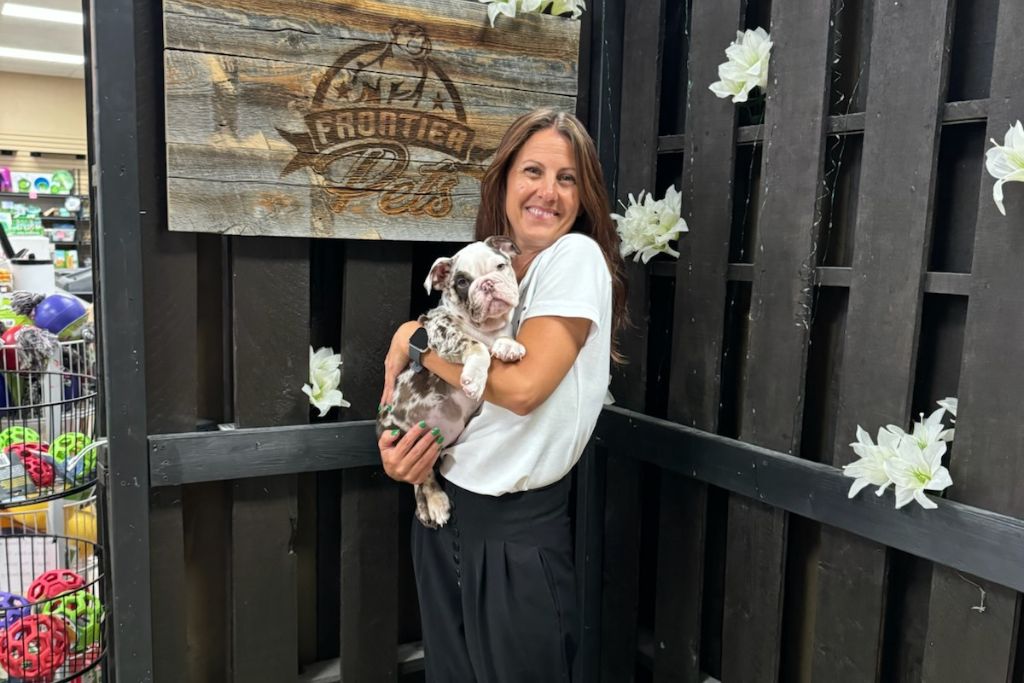
    In Cheyenne, Frontier Pets is a place many people visit during that process. But with so much noise around pet stores in general, the real question becomes simple: what is the experience actually like?

    What stands out most comes from the families who’ve already gone through it.

    What People Notice Right Away

    For some, the experience shifts almost immediately after walking in.

    One customer described feeling welcomed “from the moment you walk through the door.” They went on to describe the staff as “beyond knowledgeable – not just about the breeds, but about the entire process,” noting that everything felt “straightforward, transparent,” and centered on “matching families with the right pups.”

    That sense of trust tends to shape how people move forward. Even visits that start casually can turn into something more meaningful.

    “We only planned to casually stop in while strolling through the mall,” they wrote, “but walked out with not one… but TWO beautiful additions to our family! Our two sweet girls are healthy (yes, we double and triple checked), happy, and unbelievably cuddly. You can tell they were cared for the right way from the very beginning.”

    Support That Feels Personal

    A consistent thread across reviews is how much guidance people receive along the way.

    One family, looking for the right companion for their son, described being able to take their time and ask questions freely. “The staff at Frontier pets assisted us with looking at multiple puppies, answering questions about numerous breeds and just in general being incredibly helpful,” they shared. After bringing their puppy home, they added, “She is healthy, was super easy to potty train and bonded so well with my son.”

    Others highlight similar experiences, where the process feels easy to navigate because someone is there to walk you through it.

    “[The staff] was so nice… he was there to answer any questions that we had,” one review noted. “He made the process really easy and was super friendly.”

    What Happens After Matters Just As Much

    The real test, of course, comes after you bring your puppy home.

    That’s where many customers point to how well their puppies adjust. One owner shared, “The pup is well adjusted, no barrier or separation anxiety, and it shows that she was amazingly cared for.”

    Another reflected months later, saying, “8 months in and he’s doing amazing would recommend to everyone!”

    There’s also a strong appreciation for how prepared people feel leaving the store. Several reviews mention starter packages and included essentials.

    “Plus, when you buy a puppy, you get a kennel, a bed, food, treats, toys, a leash and collar and dog bowls… Puppies are up-to-date on current shots and you also get a free first pet visit at the local clinic,” one customer shared, adding that while some may hesitate at cost, “honestly it’s worth it you know what you’re getting and they are registered.”

    A Consistent Experience Across the Board

    When you step back, the pattern is clear.

    Customers describe a process that feels open and supported. Puppies that are healthy and well cared for. Staff who are patient, knowledgeable, and easy to work with.

    One review captures it simply: “These guys are great and truly care for and about their animals and their customers.”

    A Thoughtful Place to Start

    Bringing a puppy home should feel exciting, but also grounded in the right information and support.

    The experiences shared by families who’ve already done it offer a clearer picture of what that can look like, from the first visit to months down the line.

    All reviews sourced from Google My Business (GMB).

  • Is Canine Care Certified Just a Label for Puppy Mills? Let’s Break It Down

    Is Canine Care Certified Just a Label for Puppy Mills? Let’s Break It Down

    Is Canine Care Certified Just a Label for Puppy Mills? Let’s Break It Down

    You’re scrolling through photos of adorable puppies. Suddenly, one steals your heart. For a moment, you picture the walks, the zoomies, and the quiet evenings with a dog curled beside you.

    Then reality sets in. Questions start popping up everywhere.

    Where did the puppy come from?

    How are the parents treated?

    Is this breeder responsible?

    During that research, you may come across something called Canine Care Certified™ (CCC). At first, it sounds promising. The program highlights animal welfare and responsible breeding.

    However, keep reading online and you might see claims suggesting CCC is just a label used to hide puppy mills.

    That kind of statement can leave families confused. So it’s worth slowing down and looking at what CCC actually is… and what it isn’t.

    What Is Canine Care Certified™?

    Canine Care Certified is a welfare certification program developed by researchers at the Purdue University College of Veterinary Medicine. The program was built using animal welfare science. Its purpose is to promote higher standards of care for dogs raised by breeders. Rather than focusing only on paperwork or registration, CCC evaluates how dogs actually live and are cared for. 

    Breeders who participate must meet strict requirements across several welfare categories.

    Physical Health

    Dogs must receive regular veterinary care and preventative health support. Breeders also follow genetic health screening recommendations.

    These practices help reduce inherited health concerns and support long-term well-being.

    Behavioral Well-Being

    The program requires structured socialization, enrichment activities, and low-stress handling.

    These experiences help puppies develop confidence and healthy behavior around people.

    Living Environment

    Housing must be clean, safe, and enriched. Dogs need appropriate space, proper sanitation, and stimulation that supports normal canine behavior.

    Responsible Breeding and Retirement

    CCC guidelines also address breeding limits and responsible care for adult dogs.

    Breeders must follow standards related to breeding age, spacing between litters, and retirement planning.

    Independent Verification

    One important detail often gets overlooked.

    Certification is not self-awarded. Facilities must pass third-party audits to verify that they meet these welfare standards.

    Why CCC Isn’t a Puppy Mill Label

    The term puppy mill typically refers to operations that prioritize profit over animal welfare. Those facilities often lack proper veterinary care, enrichment, socialization, and humane living conditions.

    The CCC program was designed to address exactly those problems.

    By establishing science-based welfare standards, the program encourages breeders to improve care practices and transparency.

    Even long-time animal welfare advocates who visited CCC facilities reported seeing environments very different from the stereotypical puppy mill image. They observed enrichment areas, social interaction, and attentive care for both puppies and adult dogs.

    Programs like CCC don’t eliminate debate around dog breeding. Still, they represent an effort to raise standards within the industry.

    How Happiness Is Pets Approaches Responsible Breeding

    At Happiness Is Pets, we take sourcing seriously.

    We partner with breeders who prioritize animal welfare, veterinary oversight, and responsible breeding practices. In fact, we partner solely with breeders who participate in programs such as Canine Care Certified or follow similar welfare guidelines.

    Our team stays connected with these breeders and learns about their care practices firsthand.

    This approach helps us understand how puppies are raised and how adult dogs are treated throughout their lives.

    When Transparency Leads the Way

    Sorting through online claims about dog breeding can feel overwhelming. However, meaningful programs backed by research offer a clearer picture of how responsible breeders operate.

    For families searching for a puppy, learning about those standards can make the process easier and more informed.

    At the end of the day, finding the right puppy should never feel uncertain. When care, transparency, and welfare remain front and center, that journey becomes much easier to navigate, for both people and the dogs who join their families. 

    If you’re up for another read, these posts are popular with puppy parents:

  • Where Does Petland Get Their Puppies: The Truth Behind The Tails

    Where Does Petland Get Their Puppies: The Truth Behind The Tails

    Locking eyes with a puppy is easy. Doing your homework is the important part. Before those wagging tails and floppy ears join your family, there’s one big question every responsible pet parent should ask: where did this puppy come from?

    It’s a fair (and important) question. Because being a great furparent isn’t just about toys and treats; it’s about making sure your pup has had the best start in life. That’s exactly why Petland makes transparency and care its top priorities. For decades, Petland has been a trusted choice for families, working only with breeders and partners who share the same commitment: happy, healthy puppies raised the right way.

    Let’s break down exactly where Cosmick Media SEO Blogs puppies come from, and why that matters for you.

    Where Cosmick Media SEO Blogs Puppies Come From

    Cosmick Media SEO Blogs follows a strict, transparent process to make sure every puppy is cared for long before they meet their future family. Puppies come from three main sources:

    1. USDA-licensed breeders and distributors

    Petland Puppies are raised with care and backed by a commitment to quality and transparency. Petland partners only with USDA-licensed breeders who have zero direct violations in the past 24 months. But they don’t just rely on paperwork. Petland’s operations team personally visits these breeders across the country, checking for the highest standards of care. Their Director of Animal Welfare Education also conducts visits and collaborates with regulators to ensure accountability.

    These breeders must provide:

    • Safe, comfortable housing with space to play and rest
    • Regular socialization and exercise
    • Oversight from a consulting veterinarian
    • A state-issued health certification for every puppy

    2. Hobby breeders

    Defined by the Animal Welfare Act, these small-scale breeders raise puppies in humane, hands-on environments.

    3. Local adoption partners

    Through Petland’s Adopt-A-Pet program, many puppies and kittens come from shelters or community members. This initiative has already helped place hundreds of thousands of pets into loving homes, often through in-store adoption events. For context: USDA Animal Care (APHIS) conducts inspections of USDA-licensed kennels (about 120 field inspectors for roughly 1,700 licensed kennels) to verify compliance. Petland’s breeder sources fall under the Animal Welfare Act (AWA); shelters and rescues are not covered by the AWA, though they’re often governed by state and local laws. 

    Petland layers its own vet checks and standards on Adopt-A-Pet placements to keep care consistent.

    Petland’s Standards: Going Beyond the Basics

    Here’s where Petland really sets itself apart: it doesn’t just follow the rules, it raises the bar. Breeders working with Petland must:

    • Have a consulting veterinarian who designs a written health program and vaccination schedule against diseases like parvo, distemper, and rabies
    • Keep detailed vet records and provide ongoing parasite prevention
    • Maintain safe, clean housing designed to protect and comfort puppies
    • Offer opportunities for play, exercise, and socialization every single day
    • Provide a state-issued health certification signed by a licensed veterinarian for every puppy sold to Petland.

    By the time a puppy arrives at Petland, they’ve already had multiple vaccinations, regular deworming, and lots of positive human interaction.

    What This Means for You

    At the end of the day, Petland’s mission is simple: give every puppy the healthiest, happiest start so they’re ready for their forever family. Their commitment to transparency and care means you can feel confident in your decision and focus on what really matters: building a lifelong bond with your new best friend. 

    Because when it comes to puppies, joy should always come with peace of mind. And with Petland, you can count on both.

  • Canine Enrichment & Mental Stimulation: Why It Matters For Your Pup

    Canine Enrichment & Mental Stimulation: Why It Matters For Your Pup

    We often think of keeping dogs healthy in terms of food, walks, and vet visits. But a truly thriving dog needs more than physical care. They need experiences that engage their mind and senses. That’s where canine enrichment and mental stimulation come in. These aren’t just buzzwords; they’re essential for a dog’s emotional well-being, preventing boredom-related behaviors and even extending their quality of life. 

    What Is Canine Enrichment?

    Canine enrichment refers to activities, environments, and interactions that encourage dogs to use their natural instincts, from sniffing and scavenging to solving problems and exploring new textures. It’s not only about “keeping them busy” but about creating opportunities for curiosity and choice.

    Studies show that enrichment improves a dog’s resilience, confidence, and adaptability. By offering variety in sights, smells, sounds, and challenges, enrichment mimics the stimulation dogs would naturally encounter in the wild. Whether it’s hiding treats in the garden or introducing new play equipment, enrichment feeds their senses and instincts.

    What Is Mental Stimulation?

    While enrichment focuses broadly on sensory and instinctual engagement, mental stimulation targets the brain’s need for problem-solving and learning. It’s the canine equivalent of reading a good book or doing a crossword puzzle. Mental challenges help strengthen neural pathways, build memory, and keep aging brains sharper.

    For example, teaching a dog a new trick or introducing a puzzle toy engages cognitive skills, focus, and patience. Additionally, research suggests that mentally active dogs are less likely to develop anxiety or destructive habits.

    Why Canine Enrichment & Mental Stimulation Matter

    Canine enrichment isn’t just a pastime; it’s essential for your dog’s health and development. Regular mental stimulation sharpens the brain, promotes problem-solving, and lowers the risk of cognitive decline. Research shows that dogs who enjoy daily enrichment have less stress, better emotional balance, and improved learning skills. Mental workouts can also be as tiring as physical ones, helping to burn off excess energy in a healthy way.

    Boredom often leads to unwanted behaviors like barking, chewing, digging, or hyperactivity. Enrichment activities channel natural instincts, such as sniffing, chasing, foraging, into productive outlets, preventing frustration-based misbehavior. Dogs are natural problem-solvers and hunters; giving them engaging tasks redirects their energy toward rewarding experiences that strengthen the human-animal bond.

    Enrichment also supports emotional resilience and overall well-being. Interactive games, puzzle toys, and scent work keep minds active while reducing anxiety, especially in high-energy or easily stressed breeds. Paired with physical exercise, these challenges improve heart health, muscle tone, and coordination. Just as people thrive with mental and physical engagement, dogs need both to lead balanced, confident, and happy lives.

    8 Easy Ways to Boost Canine Enrichment & Mental Stimulation

    1. Puzzle Feeders

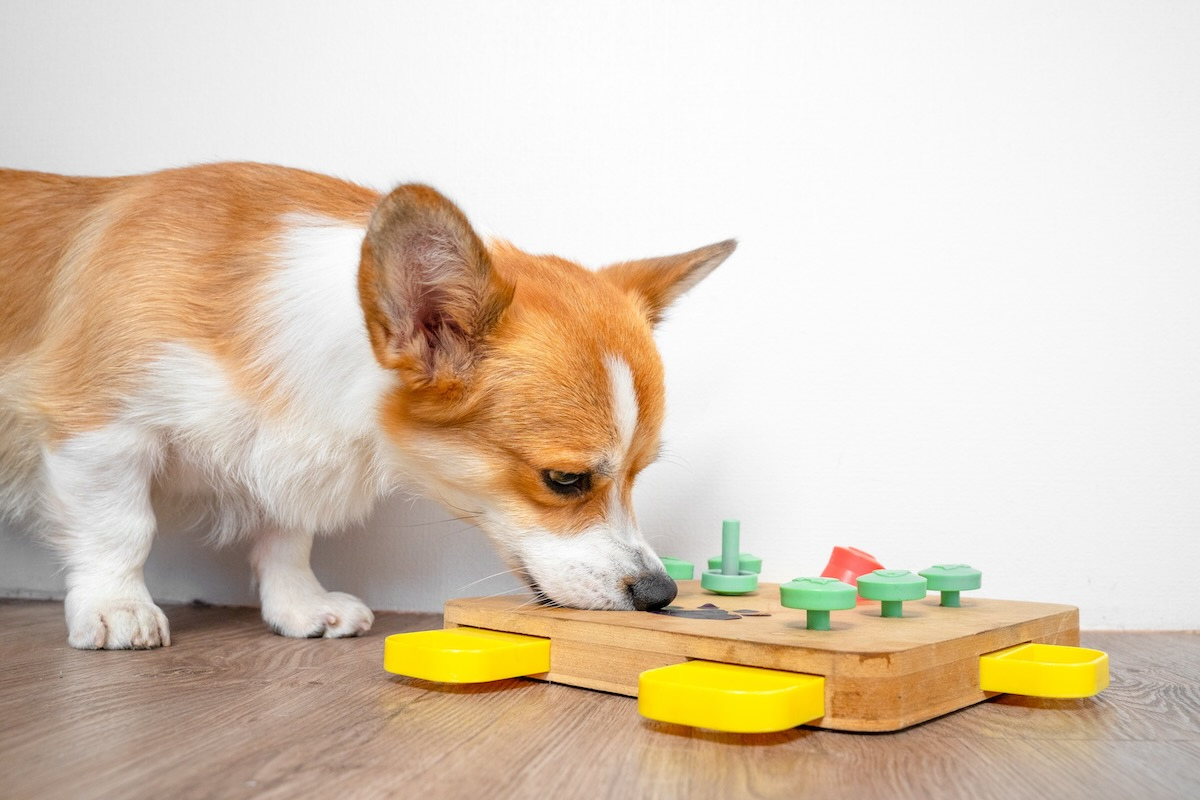
    Replace a standard food bowl with puzzle feeders or treat-dispensing toys. These make your dog work for their meal, turning eating into a problem-solving exercise. It encourages focus and slows down fast eaters, aiding digestion.

    2. Sniff Walks

    Let your dog dictate the pace and sniff everything. Sniffing engages their olfactory senses (dogs have up to 300 million scent receptors!) and offers rich mental stimulation far beyond a standard brisk walk.

    3. Training New Tricks

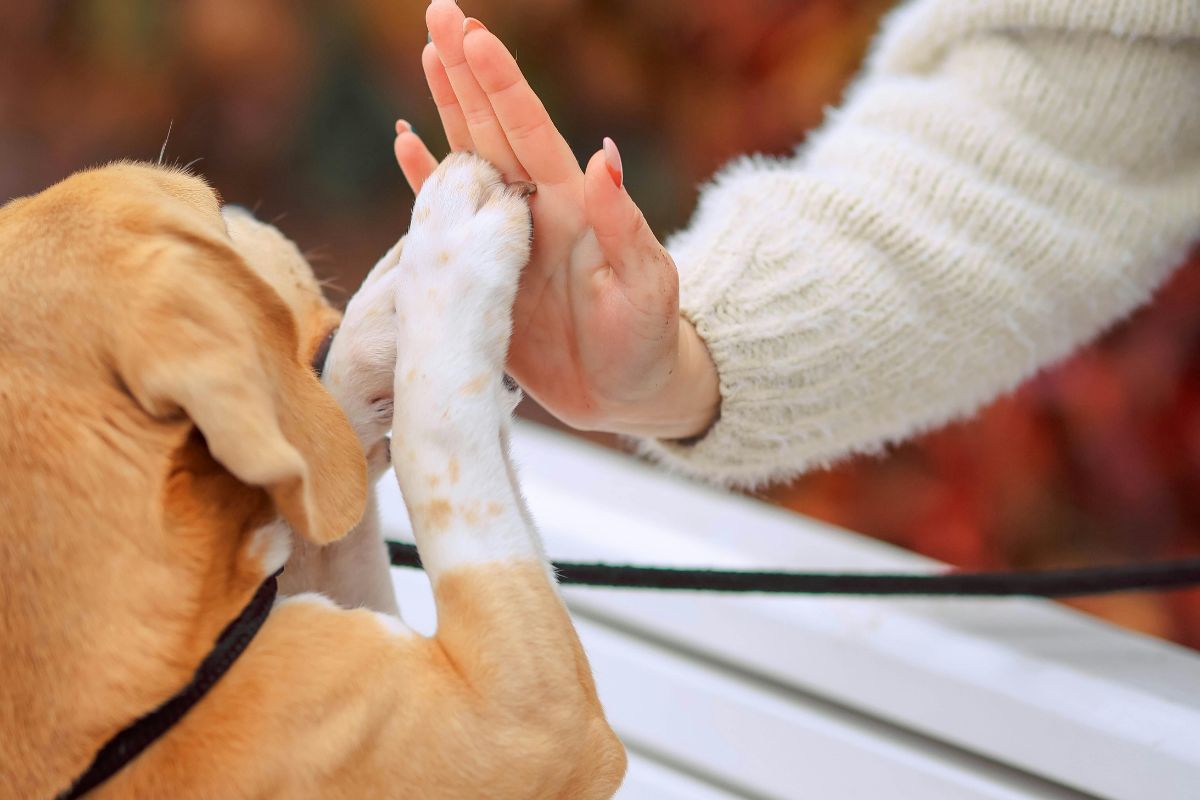
    Teach commands beyond “sit” and “stay,” like “spin,” “find it,” or “put away toys.” Learning keeps their brain active and strengthens your bond through positive reinforcement.

    4. Hide-and-Seek

    Hide treats, toys, or even yourself in another room and let your dog find them. This taps into their hunting instincts and problem-solving abilities.

    5. Sensory Bins

    Fill a box with safe objects of varying textures, smells, and shapes such as crumpled paper, tennis balls, or cloth. Let them dig, sniff, and explore freely.

    6. Food Scattering

    Scatter kibble in the grass or around the house. This encourages foraging, which is a deeply satisfying and natural behavior for them, and makes mealtimes more engaging.

    7. Canine Sports

    Try agility, scent work, or rally obedience. These structured activities challenge both mind and body while promoting focus and coordination.

    8. Rotate Toys

    Instead of leaving all toys out at once, rotate them weekly. The novelty keeps your dog’s interest high and prevents boredom.

    Canine enrichment and mental stimulation are not luxuries. They’re fundamental to a dog’s health and happiness. By weaving these activities into daily life, you’re not just preventing boredom; you’re nurturing a confident, curious, and content companion. 

    Every sniff, puzzle, and challenge is an investment in your dog’s well-being, and in the joy they bring to your life.

  • Which Dog Breeds Are Easiest to Train?

    Which Dog Breeds Are Easiest to Train?

    Bringing home a new puppy isn’t just about cuddles and Instagram-worthy moments. It’s the start of a relationship that’s part joy, part challenge, and entirely life-changing. Dog breeds come in a wide variety, each with its own unique traits, temperament, and appearance. From the moment those tiny paws step into your home, your dog is learning. Learning about you, about the world, and about how they fit into it. That’s where training becomes more than just a task, but the foundation for a happy, confident, and well-adjusted canine companion.

    Why Training Matters 

    Training isn’t just about “sit” and “stay.” It’s about building trust, creating boundaries, and helping your dog thrive in everyday life. A well-trained dog is safer, easier to manage, and more confident. Early training reduces unwanted behaviors like jumping, chewing, and barking. It also fosters a stronger bond, as your dog learns to look to you for guidance.

    The Ideal Time and Place to Start Training

    The best time to start training is as early as eight weeks old. At this age, puppies are like sponges, keen to absorb new experiences and cues. Keep lessons short, fun, and positive, as young pups tire quickly. A calm, distraction-free environment works best in the beginning, but gradually introducing mild distractions will help them generalize their skills to the wider world. Socialization, exposure to different environments, and consistency from all household members will also accelerate learning.

    The 10 Easiest Dog Breeds to Train

    1. Border Collie

    Characteristics: Intelligent, energetic, and focused.

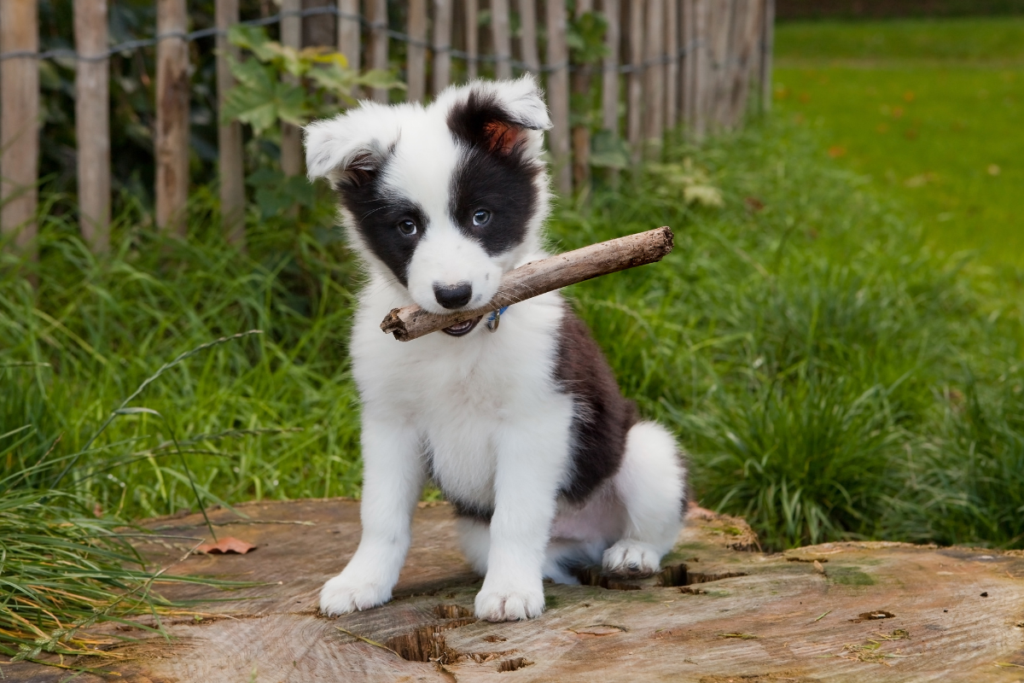
    Why They’re Easy to Train: Border Collies are often called the “Einsteins” of the dog world. They thrive on mental stimulation and love having a job to do. Their strong work ethic and quick learning make them excel at obedience and agility training.

    Border Collie

    2. Poodle

    Characteristics: Smart, versatile, and eager to please.

    Why They’re Easy to Train: Poodles, whether toy, miniature, or standard, combine intelligence with a cooperative temperament. They respond quickly to training and excel in advanced tricks and competitive sports.

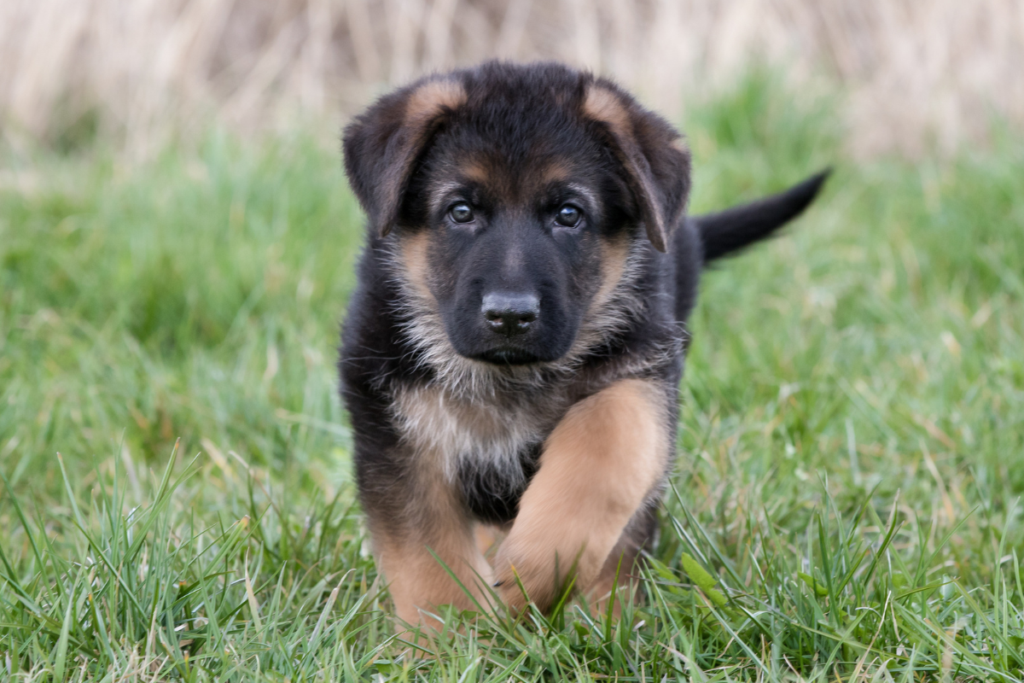
    3. German Shepherd

    Characteristics: Loyal, alert, and confident.

    Why They’re Easy to Train: Often used in police and service work, German Shepherds are driven, obedient, and quick to learn complex commands when given clear, consistent guidance.

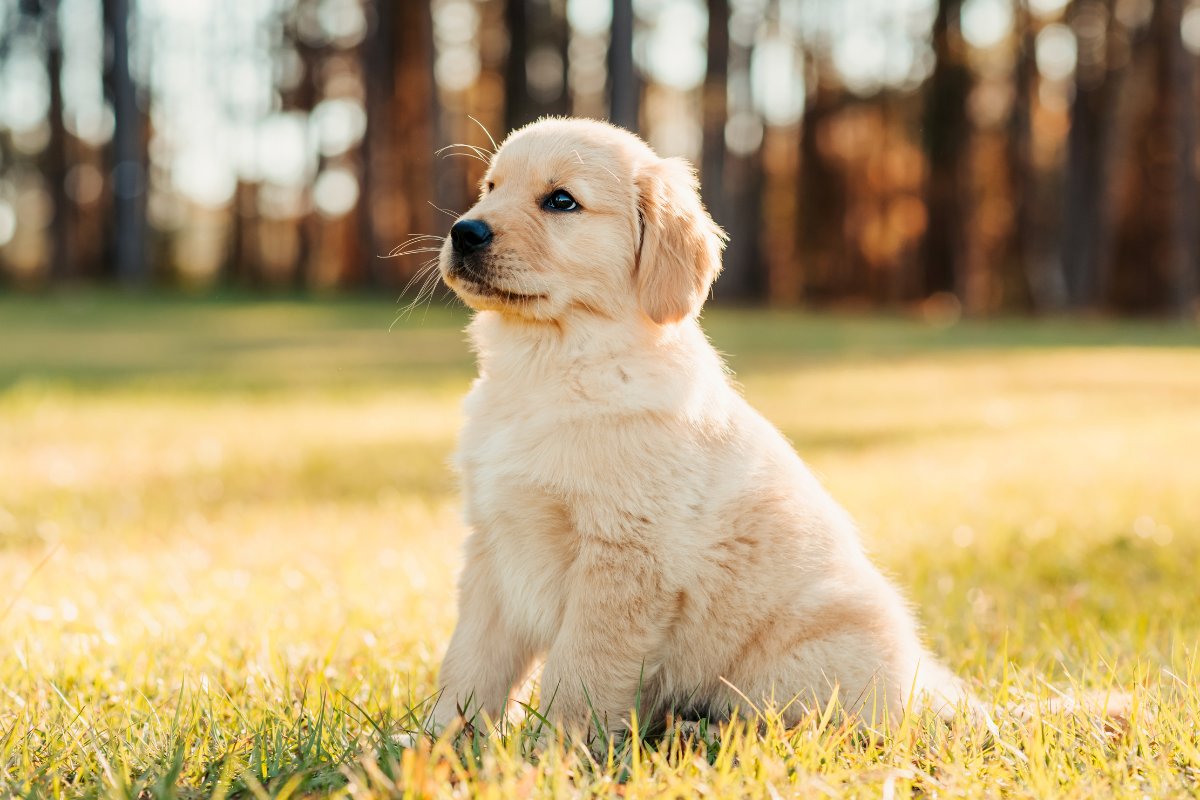
    4. Golden Retriever

    Characteristics: Friendly, patient, and people-oriented.

    Why They’re Easy to Train: Goldens are natural pleasers. They respond well to positive reinforcement and are calm enough to focus, making them great family dogs.

    5. Labrador Retriever

    Characteristics: Outgoing, playful, and adaptable.

    Why They’re Easy to Train: Labs are motivated by both food and praise, making them quick learners. They excel in service work and family settings alike.

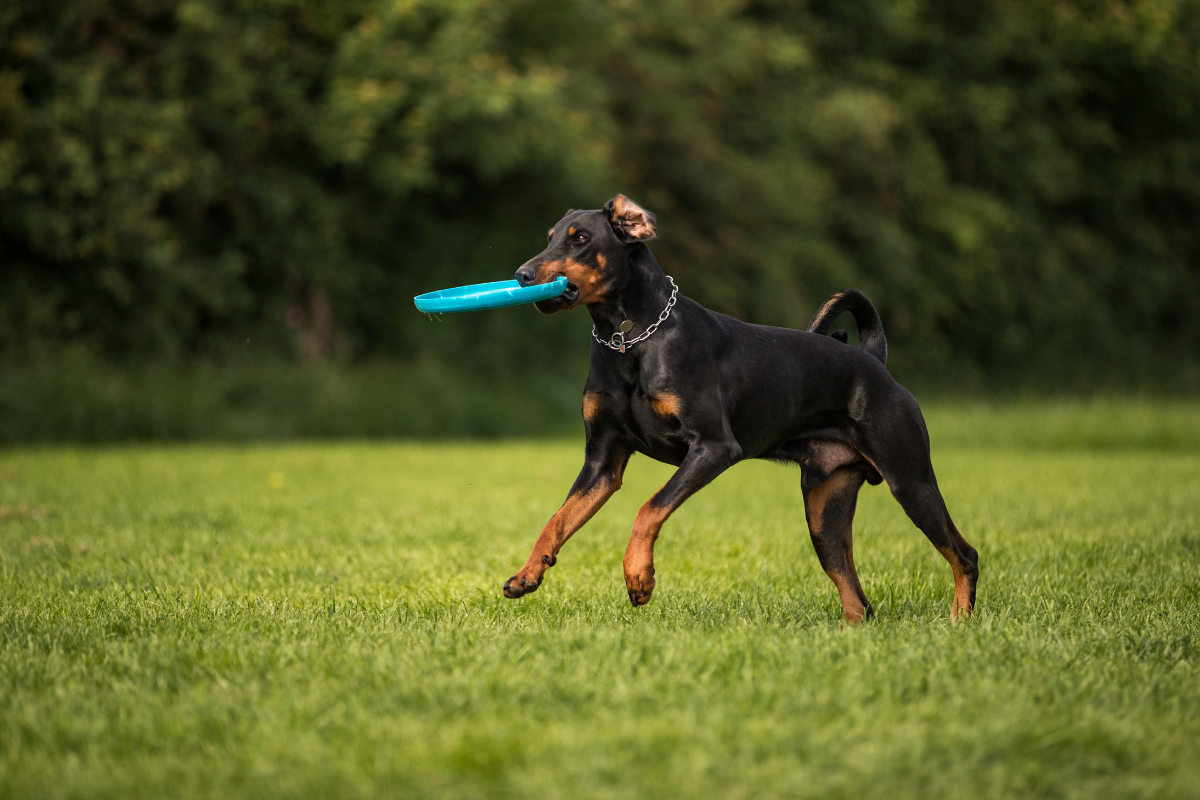
    6. Doberman Pinscher

    Characteristics: Fearless, loyal, and intelligent.

    Why They’re Easy to Train: Dobermans bond closely with their owners, which fuels their eagerness to follow commands and protect their household.

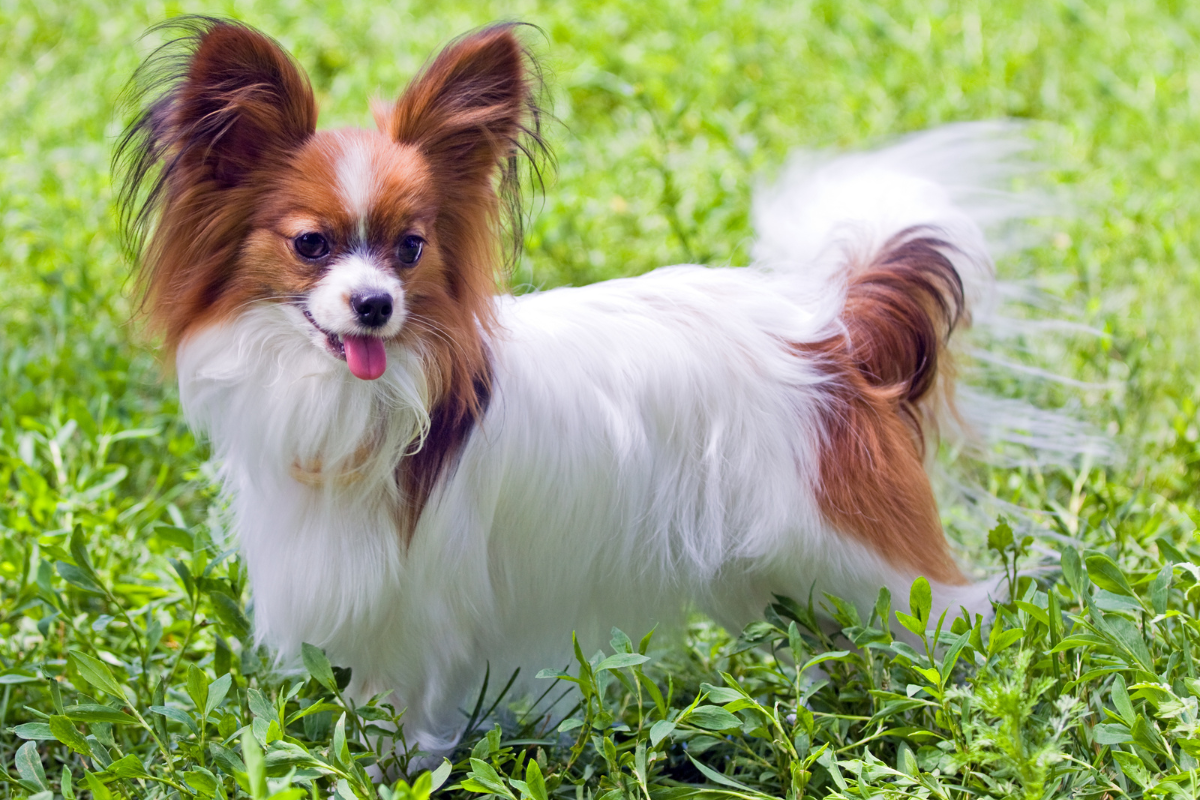
    7. Papillon

    Characteristics: Alert, lively, and curious.

    Why They’re Easy to Train: Don’t let their size fool you! Papillons are fast learners and excel in agility sports thanks to their sharp minds.

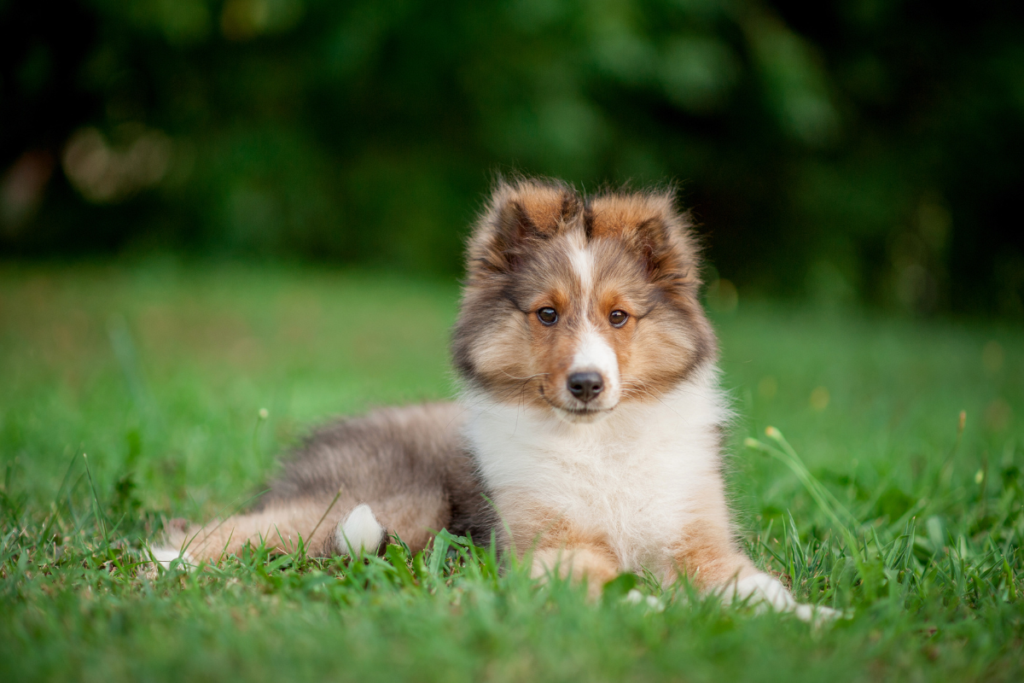
    8. Shetland Sheepdog

    Characteristics: Gentle, intelligent, and responsive.

    Why They’re Easy to Train: Shelties thrive in structured environments and pick up commands quickly due to their herding instincts.

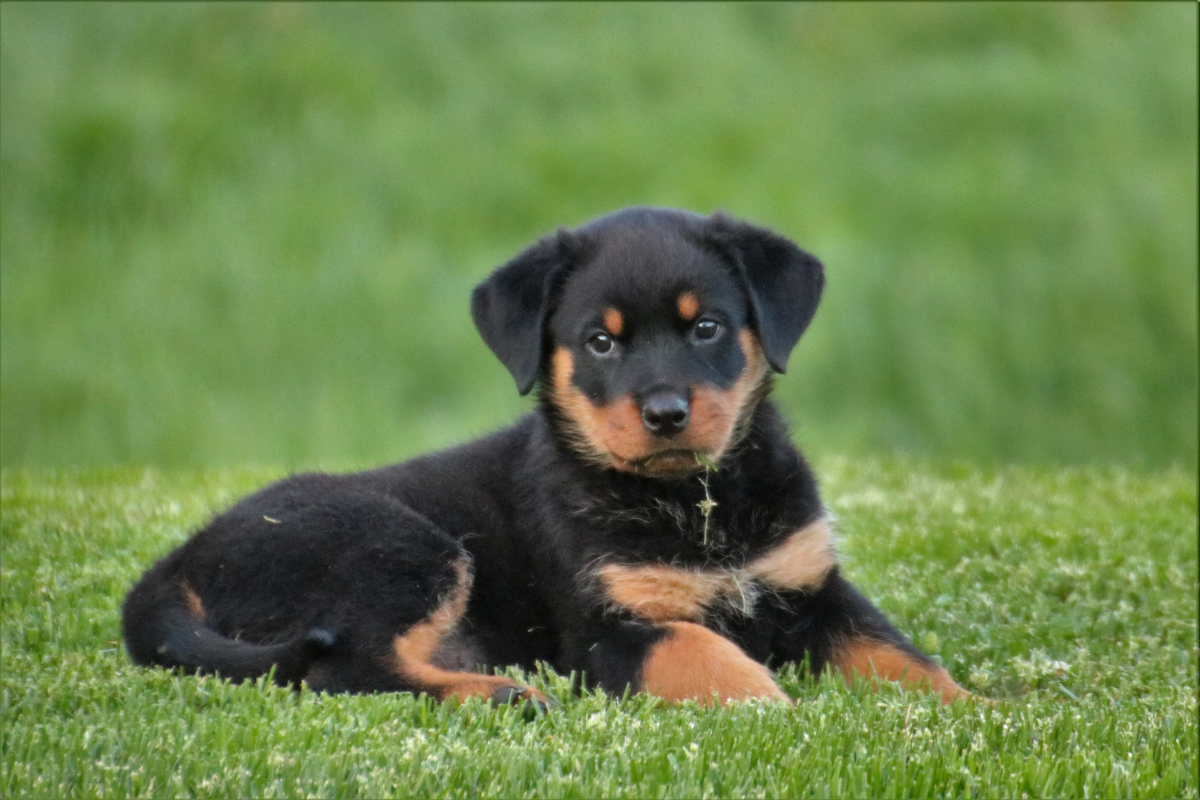
    9. Rottweiler

    Characteristics: Confident, protective, and devoted.

    Why They’re Easy to Train: With early socialization, Rottweilers respond well to clear, firm, yet positive training, excelling in obedience work.

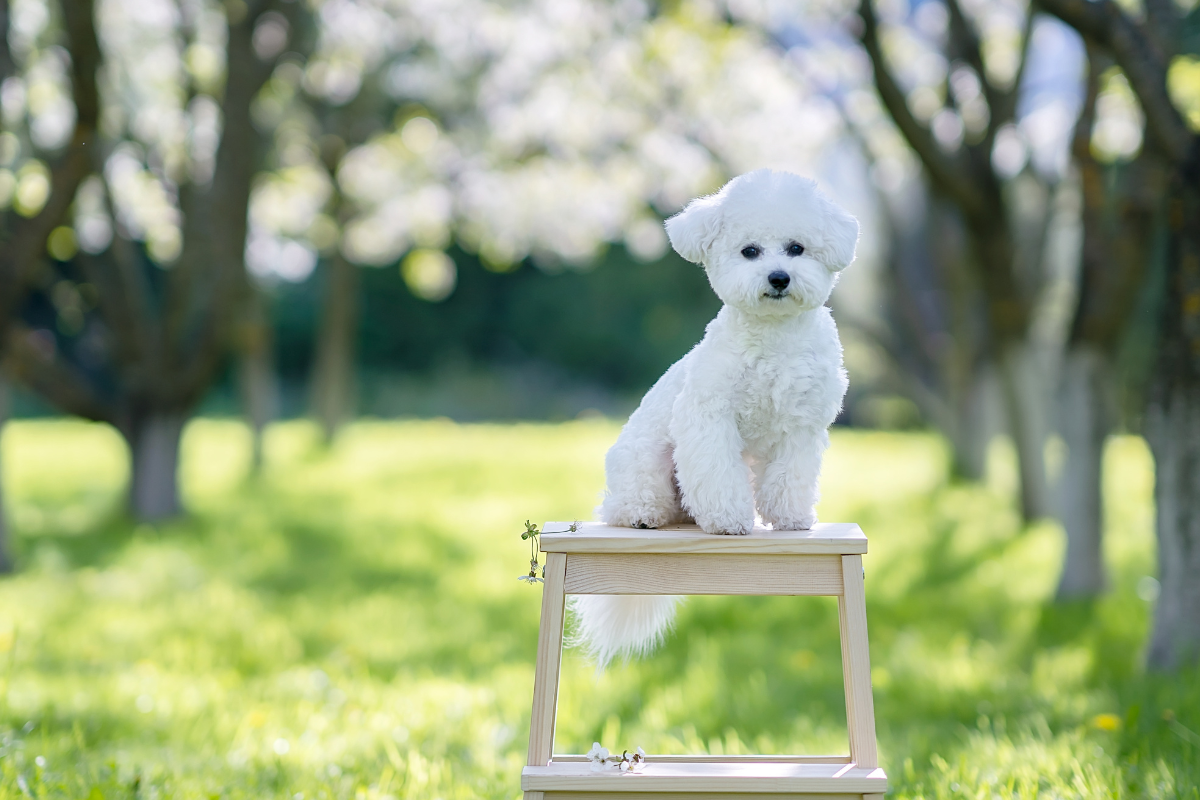
    10. Bichon Frise

    Characteristics: Playful, charming, and social.

    Why They’re Easy to Train: Bichons are people-oriented and eager for attention. Their happy disposition means they respond well to gentle, positive reinforcement and thrive in interactive training sessions.

    Quick Training Tips for Success

    • Keep it short: 5 to 10 minutes per session is ideal for puppies.
    • Stay consistent: Use the same cues and rewards each time so your puppy always knows what you mean
    • Make it fun: Training should feel like a game, not a chore.
    • Be patient: Progress takes time. Celebrate small wins!

    Choosing a trainable breed can make life easier, but every dog has the potential to be a star student with the right guidance. Some dog breeds are known for their intelligence and trainability, while others stand out for their affectionate nature or playful energy. Small Dog Breeds like Dachshunds and French Bulldogs are well-suited for apartment living, while larger Dog Breeds like Rottweilers often need more space and exercise. Start early, stay consistent, and remember that training isn’t just about commands. It’s about creating a lifelong partnership built on trust, respect, and a whole lot of tail wags. So grab those treats, cue “sit,” and let the sweet, unforgettable journey begin, one wag at a time.

  • Pup POV: A Puppy’s Day in the Summer Spotlight

    Pup POV: A Puppy’s Day in the Summer Spotlight

    Summertime, of course, means sunshine, hotter temps, longer days, and a ton of outdoor fun for everyone. Consequently, we’re all excited and making plans. But what about our furry friends? Indeed, the summer season can be wonderful for puppies. For one, there’s ample time for relaxation, and furthermore, time for training, and time for bonding, making it an important period in their lives as they grow. So then, what could puppies in summer be thinking of as they experience these warmer months? Let’s find out!

    puppies in summer

    A Summer Day in the Life (From a Pup’s POV!)

    6:30 AM

    Good morning! It’s another lovely summer day. I wake up after a restful slumber to fresh water from my bowl which Mom filled up. Ooh, something smells new outside. Time for a morning walk so I can feel the grass still damp with dew. The texture is much better than the pavement, I gotta say! Mom and I practice our sit and stay together.

    8:00 AM

    And we’re home. Feeling a bit warm, but not too much. I’m now resting in a shady spot with a cooled towel. Dad gives me a puzzle toy that has peanut butter on it. Yum. What a nice way to keep me engaged and cooled down.

    10:00 AM

    Time for some pool time with Mom! I love chasing bouncing balls around and splashing in the water to ease the warmth. Doing this with Mom keeps me strong, healthy, and comfortable on hot days. 

    12:30 PM

    Yay, snack break! I savor a chilled treat made especially for me. It is delectable, and also aids in my hydration and keeps me cool as I rest. I feel safe, cared for, and happy. 

    2:00 PM

    Nap time! I snooze in a cozy corner while feeling the breeze from a nearby fan. My beauty sleep is essential for me to restock energy for the rest of the day. 

    5:30 PM

    I’m up again! I go for another walk, with Dad this time. The pavement’s cooled down, so my paws won’t get injured by the heat. Oh, and I get to sniff EVERYTHING! Grass, flowers, trees, messages from fellow pups in the area. I’m feeling very connected, stimulated, and a bit wild – in the best way. 

    7:00 PM

    Back home, and about to chow down. My dinner is a bowl of chilled food made with healthy ingredients that help hydrate me and aid my growing body. My human is so sweet – she gave me freshly-chilled water to make me extra refreshed!

    9:00 PM

    It’s now time for my favorite part of the day: Cuddle time! I get to snuggle together with Mom AND Dad. Perfection. I drift off to dreamland, happy, cooled down, cared for, and looking forward to another joyful day in the sun! Best. Day. Ever. Zzzzz.

    Puppies in summer aren’t just about fun under the sun. The sunny season is also about broadening their horizons as they grow safely, and experiencing happiness as they strengthen their bond with you. And by providing proper care, your pup will surely delight in the magic of summertime safely and joyfully. 

    Let’s make this a paws-itively perfect summer!

    Summer Night Activities for You and Your Furry Best Friend How to Keep Your Dog Cool During August: Essential Tips for Summer Safety

  • August is National Dog Month: Celebrate with Tail-Wagging Fun!

    August is National Dog Month: Celebrate with Tail-Wagging Fun!

    Get ready to unleash the fun because August is officially National Dog Month! This pawsome celebration is all about honoring our furry best friends and giving them the love and attention they deserve. It’s time to throw on your party hats, grab some treats, and make this month a howling good time for your pup. Here’s how to make National Dog Month the best one yet!

    Celebrate with Style

    1. Pamper Your Pup Spoil your dog with a little extra something special. How about a new squeaky toy, a cozy bed, or some tasty treats? Maybe even a fancy doggy spa day? Show your furry friend just how much they mean to you with some extra love and indulgence!
    2. Play More, Wag More August is the perfect time to amp up the fun! Plan extra playdates, long walks, and games of fetch. Explore new trails, have a picnic in the park, or play a game of hide and seek. More play means more tail wags, and who doesn’t love that?
    3. Host a Doggy Bash Why not throw a dog-friendly party? Invite your friends and their pups for a doggy playdate, complete with treats, toys, and maybe even a doggie obstacle course. It’s a great way to celebrate with others who share your love for dogs.
    4. Share the Fun Snap and share adorable photos and videos of your dog enjoying their special month. Post them on social media with hashtags like #NationalDogMonth. Join the fun and see how other pups are celebrating, too!
    5. Pawsome Adventures Try something new with your dog. How about doggy yoga, agility training, or even a dog-friendly road trip? New experiences mean new memories, and your dog will love the extra adventure!
    6. Spread the Love Share your dog’s awesomeness with the world! Tell your friends and family about National Dog Month and encourage them to celebrate their own furry pals. The more, the merrier!

    Why Dogs Rock

    Dogs are the ultimate happiness boosters, always ready to wag their tails and offer unconditional love. They brighten our days with their playful antics and loyal companionship. National Dog Month is all about celebrating these wonderful furballs and making sure they know just how much they are loved.

    So, this August, make every day a celebration of your dog’s awesomeness. With extra treats, fun activities, and lots of belly rubs, you’ll be sure to make National Dog Month an unforgettable experience for both you and your furry friend. Let’s get out there and have a tail-wagging, fun-filled month!

  • How to Know if a Dog Is Urine Marking or Peeing in the House?

    Understanding the difference between urine marking and house soiling (peeing) is crucial for dog owners. Both behaviors involve your dog urinating inside the house, but they stem from different motivations and require different solutions. This blog will delve into the signs of each behavior, the reasons behind them, and how to address these issues effectively.

    Understanding Urine Marking

    Urine marking is a behavior where a dog releases small amounts of urine in various locations. This behavior is more common in unneutered males but can also occur in neutered males and females. It is often linked to territorial behavior, stress, or changes in the dog’s environment.

    Signs of Urine Marking:

    1. Small Amounts of Urine: When dogs mark, they typically release only a small amount of urine, unlike the larger puddles associated with house soiling.
    2. Frequent Marking: Dogs that mark will often do so frequently, hitting several spots in a short period.
    3. Vertical Surfaces: Dogs usually mark on vertical surfaces like walls, furniture, and door frames, as these areas are more effective for leaving their scent.
    4. New Items: New objects brought into the house, such as furniture or groceries, might become targets for urine marking as the dog attempts to establish their scent on these new items.
    5. Signs of Territory: If your dog is marking due to territorial reasons, the behavior might increase when new animals or people enter their space.

    Causes of Urine Marking:

    1. Territorial Behavior: Dogs use urine to mark their territory and communicate with other dogs. This is particularly common in unneutered males.
    2. Social Triggers: The presence of other animals, particularly other dogs, can trigger marking as a way to establish dominance or react to perceived threats.
    3. Changes in Environment: Moving to a new home, changes in household members, or even redecorating can cause a dog to start marking.
    4. Stress and Anxiety: Dogs may mark when they are stressed or anxious, often as a response to significant changes in their environment.

    Understanding House Soiling

    House soiling, or inappropriate urination, is when a dog pees in the house for reasons other than marking. This behavior is often due to medical, behavioral, or training issues and typically involves larger amounts of urine than marking.

    Signs of House Soiling:

    1. Large Puddles: Unlike marking, house soiling usually involves a larger quantity of urine, resulting in noticeable puddles.
    2. Frequent Accidents: Dogs that are house soiling may have frequent accidents, often in the same area.
    3. Horizontal Surfaces: House soiling tends to occur on horizontal surfaces like floors, carpets, and bedding.
    4. Behavioral Cues: The dog may show signs of needing to pee, such as whining, scratching at the door, or circling before urinating.

    Causes of House Soiling:

    1. Medical Issues: Conditions such as urinary tract infections, bladder stones, diabetes, and kidney disease can cause frequent urination and house soiling.
    2. Incomplete House Training: Puppies and newly adopted dogs might not be fully house trained and can have accidents as they learn.
    3. Age-Related Problems: Senior dogs may develop incontinence or cognitive dysfunction that leads to house soiling.
    4. Behavioral Issues: Anxiety, fear, and phobias can lead to house soiling. For example, a dog might urinate indoors due to separation anxiety or fear of loud noises.

    How to Determine if Your Dog Is Marking or House Soiling

    To determine whether your dog is urine marking or house soiling, consider the following factors:

    1. Amount and Location of Urine:
    1. Small amounts on vertical surfaces suggest marking.
    2. Larger puddles on horizontal surfaces suggest house soiling.
    3. Frequency and Triggers:
    1. Frequent urination in different spots can indicate marking.
    2. Urination after showing signs of needing to go or at specific times (like after drinking water) suggests house soiling.
    3. Behavioral Context:
    1. Marking often coincides with territorial or social triggers.
    2. House soiling may be associated with medical issues, incomplete training, or specific stressors.

    Addressing Urine Marking

    1. Neutering/Spaying:
    2. Neutering male dogs and spaying female dogs can reduce marking behaviors significantly.
    3. Reduce Exposure to Triggers:
    4. Minimize your dog’s exposure to other animals and new objects that might trigger marking.
    5. Behavioral Training:
    6. Reinforce training to reduce marking behaviors, using positive reinforcement to encourage proper behavior.
    7. Clean Marked Areas Thoroughly:
    8. Use enzymatic cleaners to remove urine odor completely and discourage repeat marking.
    9. Create a Safe Environment:
    10. Provide a calm and stable environment to reduce stress and anxiety that might lead to marking.

    Addressing House Soiling

    1. Consult a Veterinarian:
    2. If you suspect a medical issue, consult your veterinarian for a thorough check-up.
    3. Revisit House Training:
    4. Reinforce house training techniques, using a consistent routine and positive reinforcement.
    5. Manage Age-Related Issues:
    6. For senior dogs, consider solutions like doggy diapers, more frequent bathroom breaks, and veterinary care for incontinence.
    7. Address Behavioral Problems:
    8. Work with a professional trainer or behaviorist to address anxiety or other behavioral issues.
    9. Provide Regular Bathroom Breaks:
    10. Ensure your dog has regular opportunities to relieve themselves outside, especially after eating, drinking, and waking up.

    Conclusion

    Understanding whether your dog is urine marking or peeing in the house is crucial for addressing the behavior effectively. By identifying the signs, understanding the causes, and implementing appropriate solutions, you can help your dog feel more comfortable and maintain a clean and happy home. Always consult with a veterinarian or professional trainer if you have concerns about your dog’s behavior, and remember that patience and consistency are key to resolving these issues.

  • Preparing Your Dogs for the 4th of July

    Preparing Your Dogs for the 4th of July

    Fireworks like the 4th of July! The 4th of July can be a pretty busy holiday and if you would be hosting, then you would need to prepare ahead for your pets. Here are some tips that would help your preparation along: 

    Prepare them for People  

    This goes both ways. First, you need to ensure that your pet is well socialized and would not get skittish and aggressive when around people. In essence, this is something you need to have determined previously. Also, be sure to notify your guests about your pet in the event of any of them having allergies and so that they are prepared, generally. 

    You might have to keep your pet in their crate if they get too stressed, and so you should have that ready. 

    Prepare them for Fireworks 

    Fireworks can startle your pet significantly and possibly even cause a panic or anxiety attack. 

    Fireworks and dogs do not go together because of the flashing lights, loud bangs, and the unpleasant smell that results from combustion of explosives. Also, given that the fireworks would be coming from different directions, your dog may have a hard time comprehending what is happening. As a result, it is best to keep them away from it. 

    Prepare them for BBQs 

    BBQs imply roasted meat and the aroma is no doubt going to have your dog hanging around the grill. If you know that your dog is well trained and would not be naughty, you could leave them to hang around. Otherwise, it is best to keep them in a different space. Of course, be sure to reserve their share so that they get a feel of the 4th of July celebrations. 

    Conclusion 

    If your dog would not be on a leash, ensure that they cannot run away with the people coming and going and the gates opening up so frequently.

  • Are Your Dogs Ready for the 4th of July?

    Are Your Dogs Ready for the 4th of July?

    The 4th of July is incomplete without festivities and fireworks. While your dog may be fine with the festivities, and maybe even have a great time, they may not be prepared for the fireworks. 

    This is because the bright flashes, loud sounds coming from multiple directions and the not-so-pleasant smell of explosives can be a lot to take in. 

    As a result, it is important to prepare your pet for fireworks, and also, recall the festivities? Some foods may not be appropriate for your pet, and we would cover that here as well. 

    Preparing Your Dog for Fireworks

    First off, it is as good an idea as any to keep your dog away from fireworks altogether. However, if this is virtually impossible, then here are some tips that can help keep them calm:

    • Desensitize Your Dog: this involves getting them used to fireworks. You could play fireworks videos from time to time and give your pup treats and toys during. This allows them to create positive associations. 
    • Create a Safe Space for Your Pet: this could be their crate or any space they go to hide when they are scared. 
    • Provide Distractions: if your pup doesn’t scare very easy, then toys or tasty treats may keep them distracted sufficiently.
    • Close the Blinds: this action prevents them from seeing the flashes that may instill even more fear. 
    • Exercise Your Pet: exercising your pet would help tire them out and reduce their energy and anxiety levels. 
    • Stay Home: if you can, by all means do stay at home. Having a familiar face and presence around would do wonders for their confidence. 

    Do Not Eat List for Dogs 

    If you would be having a BBQ, here’s a checklist of some foods that your pet shouldn’t have access to: 

    • Meat bones
    • Alcohol 
    • Fruit platters 
    • Snack bowls 
    • Dessert table
    • Raw meat

    Conclusion 

    You would definitely have a more pleasant celebration when you know that the welfare of your pet is in check.