Tag: puppies

  • August is National Dog Month: Celebrate with Tail-Wagging Fun!

    August is National Dog Month: Celebrate with Tail-Wagging Fun!

    Get ready to unleash the fun because August is officially National Dog Month! This pawsome celebration is all about honoring our furry best friends and giving them the love and attention they deserve. It’s time to throw on your party hats, grab some treats, and make this month a howling good time for your pup. Here’s how to make National Dog Month the best one yet!

    Celebrate with Style

    1. Pamper Your Pup Spoil your dog with a little extra something special. How about a new squeaky toy, a cozy bed, or some tasty treats? Maybe even a fancy doggy spa day? Show your furry friend just how much they mean to you with some extra love and indulgence!
    2. Play More, Wag More August is the perfect time to amp up the fun! Plan extra playdates, long walks, and games of fetch. Explore new trails, have a picnic in the park, or play a game of hide and seek. More play means more tail wags, and who doesn’t love that?
    3. Host a Doggy Bash Why not throw a dog-friendly party? Invite your friends and their pups for a doggy playdate, complete with treats, toys, and maybe even a doggie obstacle course. It’s a great way to celebrate with others who share your love for dogs.
    4. Share the Fun Snap and share adorable photos and videos of your dog enjoying their special month. Post them on social media with hashtags like #NationalDogMonth. Join the fun and see how other pups are celebrating, too!
    5. Pawsome Adventures Try something new with your dog. How about doggy yoga, agility training, or even a dog-friendly road trip? New experiences mean new memories, and your dog will love the extra adventure!
    6. Spread the Love Share your dog’s awesomeness with the world! Tell your friends and family about National Dog Month and encourage them to celebrate their own furry pals. The more, the merrier!

    Why Dogs Rock

    Dogs are the ultimate happiness boosters, always ready to wag their tails and offer unconditional love. They brighten our days with their playful antics and loyal companionship. National Dog Month is all about celebrating these wonderful furballs and making sure they know just how much they are loved.

    So, this August, make every day a celebration of your dog’s awesomeness. With extra treats, fun activities, and lots of belly rubs, you’ll be sure to make National Dog Month an unforgettable experience for both you and your furry friend. Let’s get out there and have a tail-wagging, fun-filled month!

  • How to Know if a Dog Is Urine Marking or Peeing in the House?

    Understanding the difference between urine marking and house soiling (peeing) is crucial for dog owners. Both behaviors involve your dog urinating inside the house, but they stem from different motivations and require different solutions. This blog will delve into the signs of each behavior, the reasons behind them, and how to address these issues effectively.

    Understanding Urine Marking

    Urine marking is a behavior where a dog releases small amounts of urine in various locations. This behavior is more common in unneutered males but can also occur in neutered males and females. It is often linked to territorial behavior, stress, or changes in the dog’s environment.

    Signs of Urine Marking:

    1. Small Amounts of Urine: When dogs mark, they typically release only a small amount of urine, unlike the larger puddles associated with house soiling.
    2. Frequent Marking: Dogs that mark will often do so frequently, hitting several spots in a short period.
    3. Vertical Surfaces: Dogs usually mark on vertical surfaces like walls, furniture, and door frames, as these areas are more effective for leaving their scent.
    4. New Items: New objects brought into the house, such as furniture or groceries, might become targets for urine marking as the dog attempts to establish their scent on these new items.
    5. Signs of Territory: If your dog is marking due to territorial reasons, the behavior might increase when new animals or people enter their space.

    Causes of Urine Marking:

    1. Territorial Behavior: Dogs use urine to mark their territory and communicate with other dogs. This is particularly common in unneutered males.
    2. Social Triggers: The presence of other animals, particularly other dogs, can trigger marking as a way to establish dominance or react to perceived threats.
    3. Changes in Environment: Moving to a new home, changes in household members, or even redecorating can cause a dog to start marking.
    4. Stress and Anxiety: Dogs may mark when they are stressed or anxious, often as a response to significant changes in their environment.

    Understanding House Soiling

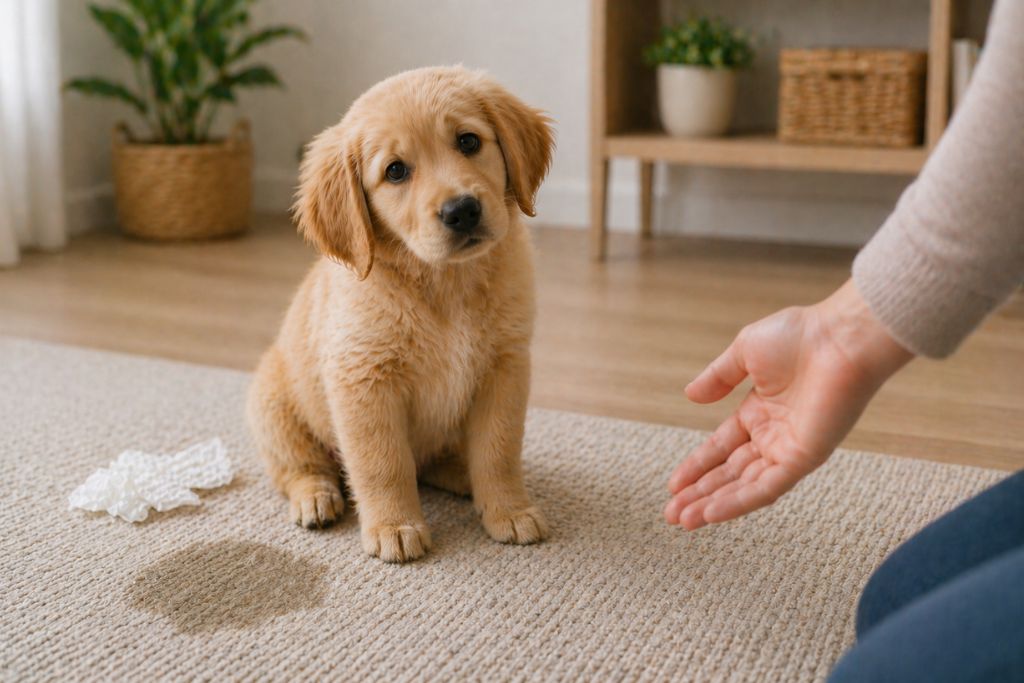
    House soiling, or inappropriate urination, is when a dog pees in the house for reasons other than marking. This behavior is often due to medical, behavioral, or training issues and typically involves larger amounts of urine than marking.

    Signs of House Soiling:

    1. Large Puddles: Unlike marking, house soiling usually involves a larger quantity of urine, resulting in noticeable puddles.
    2. Frequent Accidents: Dogs that are house soiling may have frequent accidents, often in the same area.
    3. Horizontal Surfaces: House soiling tends to occur on horizontal surfaces like floors, carpets, and bedding.
    4. Behavioral Cues: The dog may show signs of needing to pee, such as whining, scratching at the door, or circling before urinating.

    Causes of House Soiling:

    1. Medical Issues: Conditions such as urinary tract infections, bladder stones, diabetes, and kidney disease can cause frequent urination and house soiling.
    2. Incomplete House Training: Puppies and newly adopted dogs might not be fully house trained and can have accidents as they learn.
    3. Age-Related Problems: Senior dogs may develop incontinence or cognitive dysfunction that leads to house soiling.
    4. Behavioral Issues: Anxiety, fear, and phobias can lead to house soiling. For example, a dog might urinate indoors due to separation anxiety or fear of loud noises.

    How to Determine if Your Dog Is Marking or House Soiling

    To determine whether your dog is urine marking or house soiling, consider the following factors:

    1. Amount and Location of Urine:
    1. Small amounts on vertical surfaces suggest marking.
    2. Larger puddles on horizontal surfaces suggest house soiling.
    3. Frequency and Triggers:
    1. Frequent urination in different spots can indicate marking.
    2. Urination after showing signs of needing to go or at specific times (like after drinking water) suggests house soiling.
    3. Behavioral Context:
    1. Marking often coincides with territorial or social triggers.
    2. House soiling may be associated with medical issues, incomplete training, or specific stressors.

    Addressing Urine Marking

    1. Neutering/Spaying:
    2. Neutering male dogs and spaying female dogs can reduce marking behaviors significantly.
    3. Reduce Exposure to Triggers:
    4. Minimize your dog’s exposure to other animals and new objects that might trigger marking.
    5. Behavioral Training:
    6. Reinforce training to reduce marking behaviors, using positive reinforcement to encourage proper behavior.
    7. Clean Marked Areas Thoroughly:
    8. Use enzymatic cleaners to remove urine odor completely and discourage repeat marking.
    9. Create a Safe Environment:
    10. Provide a calm and stable environment to reduce stress and anxiety that might lead to marking.

    Addressing House Soiling

    1. Consult a Veterinarian:
    2. If you suspect a medical issue, consult your veterinarian for a thorough check-up.
    3. Revisit House Training:
    4. Reinforce house training techniques, using a consistent routine and positive reinforcement.
    5. Manage Age-Related Issues:
    6. For senior dogs, consider solutions like doggy diapers, more frequent bathroom breaks, and veterinary care for incontinence.
    7. Address Behavioral Problems:
    8. Work with a professional trainer or behaviorist to address anxiety or other behavioral issues.
    9. Provide Regular Bathroom Breaks:
    10. Ensure your dog has regular opportunities to relieve themselves outside, especially after eating, drinking, and waking up.

    Conclusion

    Understanding whether your dog is urine marking or peeing in the house is crucial for addressing the behavior effectively. By identifying the signs, understanding the causes, and implementing appropriate solutions, you can help your dog feel more comfortable and maintain a clean and happy home. Always consult with a veterinarian or professional trainer if you have concerns about your dog’s behavior, and remember that patience and consistency are key to resolving these issues.

  • Preparing Your Dogs for the 4th of July

    Preparing Your Dogs for the 4th of July

    Fireworks like the 4th of July! The 4th of July can be a pretty busy holiday and if you would be hosting, then you would need to prepare ahead for your pets. Here are some tips that would help your preparation along: 

    Prepare them for People  

    This goes both ways. First, you need to ensure that your pet is well socialized and would not get skittish and aggressive when around people. In essence, this is something you need to have determined previously. Also, be sure to notify your guests about your pet in the event of any of them having allergies and so that they are prepared, generally. 

    You might have to keep your pet in their crate if they get too stressed, and so you should have that ready. 

    Prepare them for Fireworks 

    Fireworks can startle your pet significantly and possibly even cause a panic or anxiety attack. 

    Fireworks and dogs do not go together because of the flashing lights, loud bangs, and the unpleasant smell that results from combustion of explosives. Also, given that the fireworks would be coming from different directions, your dog may have a hard time comprehending what is happening. As a result, it is best to keep them away from it. 

    Prepare them for BBQs 

    BBQs imply roasted meat and the aroma is no doubt going to have your dog hanging around the grill. If you know that your dog is well trained and would not be naughty, you could leave them to hang around. Otherwise, it is best to keep them in a different space. Of course, be sure to reserve their share so that they get a feel of the 4th of July celebrations. 

    Conclusion 

    If your dog would not be on a leash, ensure that they cannot run away with the people coming and going and the gates opening up so frequently.

  • Are Your Dogs Ready for the 4th of July?

    Are Your Dogs Ready for the 4th of July?

    The 4th of July is incomplete without festivities and fireworks. While your dog may be fine with the festivities, and maybe even have a great time, they may not be prepared for the fireworks. 

    This is because the bright flashes, loud sounds coming from multiple directions and the not-so-pleasant smell of explosives can be a lot to take in. 

    As a result, it is important to prepare your pet for fireworks, and also, recall the festivities? Some foods may not be appropriate for your pet, and we would cover that here as well. 

    Preparing Your Dog for Fireworks

    First off, it is as good an idea as any to keep your dog away from fireworks altogether. However, if this is virtually impossible, then here are some tips that can help keep them calm:

    • Desensitize Your Dog: this involves getting them used to fireworks. You could play fireworks videos from time to time and give your pup treats and toys during. This allows them to create positive associations. 
    • Create a Safe Space for Your Pet: this could be their crate or any space they go to hide when they are scared. 
    • Provide Distractions: if your pup doesn’t scare very easy, then toys or tasty treats may keep them distracted sufficiently.
    • Close the Blinds: this action prevents them from seeing the flashes that may instill even more fear. 
    • Exercise Your Pet: exercising your pet would help tire them out and reduce their energy and anxiety levels. 
    • Stay Home: if you can, by all means do stay at home. Having a familiar face and presence around would do wonders for their confidence. 

    Do Not Eat List for Dogs 

    If you would be having a BBQ, here’s a checklist of some foods that your pet shouldn’t have access to: 

    • Meat bones
    • Alcohol 
    • Fruit platters 
    • Snack bowls 
    • Dessert table
    • Raw meat

    Conclusion 

    You would definitely have a more pleasant celebration when you know that the welfare of your pet is in check. 

  • Summer Night Activities for You and Your Furry Best Friend

    Summer Night Activities for You and Your Furry Best Friend

    Summer nights are warm and beautiful and are a perfect time for some outdoor activity. Rather than spending some alone time, how about some excellent bonding time with your pet? There are a bunch of activities that are pet-friendly and you would absolutely enjoy. If you’re looking for ideas, here goes: 

    Bonfires 

    Lighting up a bonfire in the backyard with the twigs crackling and flames leaping sounds just about magical. You could sit around the fire with your pet and just enjoy this enthralling image. Alternatively, you could grab some snacks and just laze around. It goes without saying that you should keep an eye on Buddy so that he doesn’t go too close to the fire. 

    Outside Movie Nights 

    This requires little to no major setup. Simply use a screen or even your laptop, select one of your favorite movies, grab some snacks for you and Buddy and cosy up for the night. 

    The night sounds and lights combined with the setting of your movie makes for an amazing experience that you and Buddy are bound to enjoy. In addition, you can pull this off with little to no planning. 

    Visiting a Local Restaurant Patio 

    The first step here is to locate a pet-friendly restaurant that you would love. 

    Up next, since you would be doing a lot of lounging, be sure to have walked your pup so that they have low energy levels later that night. Following these, be sure to bring along water and toys. Enjoy your bottle of wine and take in the sounds of nature which no doubt sounds like an amazing experience. 

    Conclusion 

    Summer night activities are a good number and you can choose to do those that work for you. Be sure to keep an eye out for your pet’s welfare all the time. 

  • Let’s Talk About Leash and Harness Training

    Let’s Talk About Leash and Harness Training

    Leash and harness training is an essential aspect of training your pup and generally goes easier when it is started very early. There are a number of benefits associated with starting training early in your pup’s life. 

    A major one is the fact that it facilitates good behavior. Walking on a leash helps your pet to inculcate lessons in discipline, cooperation, and obedience. In addition, learning this early can set the foundation for learning picking up other instructions along the line. 

    For instance, your pet would likely be more responsive to learning skills like heel, behaving appropriately to other individuals and dogs who are walking together, as well as navigate a crowd with you politely without causing any trouble. 

    In order to get your pet this well-trained, repetition is a vital aspect of this training. Constant practice with lots of positive reinforcement and praise could go a long way in ensuring that your pet picks up these lessons fast. 

    Typically, you should not be walking your pup outdoors until they are around 12 weeks old, and have received all the necessary vaccinations. So, if your pup comes home earlier, you don’t necessarily have to start right away. You could wait until they are around 10 weeks old before you begin to leash and collar train. 

    A flat collar is ideal for wearing everyday and carrying the ID tag, however, many experts recommend using a harness alongside a leash for your pet. This is in the event of situations that could result in your pet pulling on the leash. With the harness in place, they would not experience any major strain against the neck. 

    Conclusion 

    Leash and harness training requires a lot of patience as well as a gentle hand. Be sure to praise effusively when your pup is getting it right and correct slowly otherwise. 

  • Summer Snacks to Make for Your Dog!

    Summer Snacks to Make for Your Dog!

    Summer months imply that you would be spending a lot of time indoors and avoiding the heat in the great outdoors. With so much time on your hands, why not embark on an incredible treat-making adventure. You would definitely have fun making them and your fur baby would no doubt have a great time helping out (trying to sneak a bite). 

    Here are some treats that you can explore:

    Peanut Butter Dog Doughnuts 

    This homemade dog donut is easy to make and very delicious too. The ingredients are within reach and there is no special process involved. Here are the necessary ingredients: 

    • 1 Cup Oats
    • 1 Cup flour
    • ½ Cup peanut butter
    • ⅓ Coconut oil
    • Plain Greek Yogurt
    • 2 Eggs
    • Bacon Bits

    Apple and Chicken Pup Pops

    Think about popsicles, but for dogs. Your pup is sure to enjoy this refreshing treat just as much as kids love popsicles in summer. Here are the necessary ingredients: 

    • ½ Cup water
    • ½ Cup unsalted chicken broth
    • 1 Gala apple

    You could use raw porkhide sticks, however, it is more ideal to use Enzy-Chews. They have the extra perk of tartar control and they are easier to digest as well. 

    Yogurt Peanut Butter Banana 

    This is one of the most simple and straightforward treats for summer, and your pup is bound to love it. Here are the necessary ingredients: 

    • 3 Tablespoons of peanut butter (confirm that the brand you are opting for doesn’t have any xylitol)
    • 1 large banana sliced 
    • 32 ounces plain yogurt (yogurt is an excellent source of calcium and double as a probiotic). 

    Ensure that you do not add any artificial sweetener particularly those that have xylitol as a component because of its toxicity. 

    Conclusion 

    These are some great treat ideas for your pet. In addition, ensure that your pet has access to water always so that they can stay hydrated.

  • This is Why You Need a Miniature Dachshund!

    This is Why You Need a Miniature Dachshund!

    Daschunds can be traced all the way back to the Middle Ages. Their name is derived from two German words ‘dach’ meaning ‘badger’ and ‘hund’ meaning ‘dog’. 

    They were great hunting dogs with their keen sense of smell allowing them to hunt both above and below ground, tracking animal scents for extended periods. 

    Over the years, different sizes emerged and in the U.S., there are three main sizes: the Normal, Miniature, and Toy. 

    Overview of Mini Daschund 

    • Common coat colors: chocolate, blue, tan, black & tan
    • Coat types: long-haired, wire-haired, smooth hair 
    • Average weight: 4kg to 5kg
    • Life expectancy: 12 to 15 years
    • Sociability: medium

    Exercise 

    A miniature Daschund requires around 30 to 45 minutes of exercise daily. This breed has a lot of energy in spite of their seemingly little frame, and as a result, requires quite a bit of activity to tire them out. Keeping them in a secure environment where they can run off leash is one sure way to keep them healthy and happy. Ensure that they do not have occasion to jump a lot such as over holes and streams because dachshunds may experience back damage easily. 

    Diet

    A diet with sufficient basic nutrients as well as vitamins and minerals is a requirement for your miniature Dachshund. You should typically explore dog food formulated for small breeds to ensure that they get their required nutrition. For pups, 3 to 4 small servings during the day would suffice rather than two major meals. As your pup grows older, you could limit them to two major meals. 

    Training 

    Training miniature dachshunds may take a little while because they are quirky and require a lot of patience when being trained. They have an affinity for responding to rewards and good feedback. They may also get distracted very easily when they see something that really interests them. 

    Conclusion 

    Mini Dachshunds are a family-friendly breed that adapt as well to houses as they do apartments. They also work well for single individuals.

  • Is Your Pup Going On Vacation With You?

    Is Your Pup Going On Vacation With You?

    You’re going on vacation and bringing your pup along? Amazing! Going to vacation destinations with your pet is no doubt one of the most incredible experiences that you could ever have together. If you are still at a loss of activities to do, here are couple of ideas that you could explore: 

    Sightseeing 

    This should be at the top of your list, especially if it’s a vacation location with a lot of incredible sights. You can be sure that Liz would enjoy the sights just as much as you would. Be sure to go slow enough so that she can take in all of the new and exciting smells as well. 

    Beach Time 

    Locate a dog-friendly beach and by all means, have a swell time taking in the sights and sounds too. Be sure to keep her on a leash so that she doesn’t wander off, and of course, allow for freedom to dig in the sand and play with the waves. You could also do some sunbathing while you are at it, and both pup and human can have an amazing time together. 

    Picnic Time

    In the spirit of some more sightseeing and generally enjoying the beautiful nature all around, you could grab a towel and a basket and head out for a picnic with your pup. Find a nice spot in the park or some greenery and spread out all of the goodies. Be sure to come along with lots of water especially if it’s a hot day, and maybe give Liz a bit of freedom to chase some butterflies. 

    Also, plan well ahead of time so that you can book a hotel that is pet-friendly and carry out necessary vaccinations for your pet before embarking on the trip.

    Conclusion 

    A vacation is as exciting for you as it is for your pup. Ensure that you both have a fun-filled experience.

  • How Important is Having an ID Tag On Your Dog?

    How Important is Having an ID Tag On Your Dog?

    Having your dog wear an ID tag is essential. This measure serves as a major precaution in the event that your pet wanders off.  An ID tag not only supplies details about your pet such as their name, it also provides valuable information about you, their owner, and how to contact you.  So, to ensure that the ID is indeed effective, here are some tips to help:

    Keep the Information Updated 

    Information on your dog’s ID tag is only as useful as can be when it is up to date.  So, if you recently relocated or changed your phone number, be sure to go right ahead and update this information on your pet’s ID.  If you move often, then you should set up reminders that would help you recall. 

    Choose One That Works for You 

    Dog tag IDs come in a range of sizes, shapes, colors, and types. There are some that are simply handwritten and slipped into a plastic, waterproof case. There are GPS versions that allow for easy tracking; some are silent while others may jingle.  There are others that are extra strong and durable, specifically for breeds that may try to destroy their tags. Overall, be sure to opt for one that does the job and works for you.

    Examine Tags Periodically 

    There is a good chance that your dog’s tag may have taken some damage at some point in time or perhaps, the written information is no longer so clear. This is why it is essential to check in periodically and confirm that it still works just fine. You should do this at regular intervals. 

    Conclusion 

    Dog ID tags are a standard precaution to keep your pet safe and ups your chances of recovering your pet in the unfortunate event of them getting lost.