Blog

  • Melanoma in Dogs

    Melanoma in Dogs

    Many of the cancers that affect humans can also affect their dogs. Our pups can develop tumors internally or can develop them on their skin and in their mouths. One such cancer, Melanoma, can occur on the skin or inside of your dog’s mouth. While the skin version of Melanoma can be relatively benign, the oral form is much more serious.

    What is Melanoma in dogs?

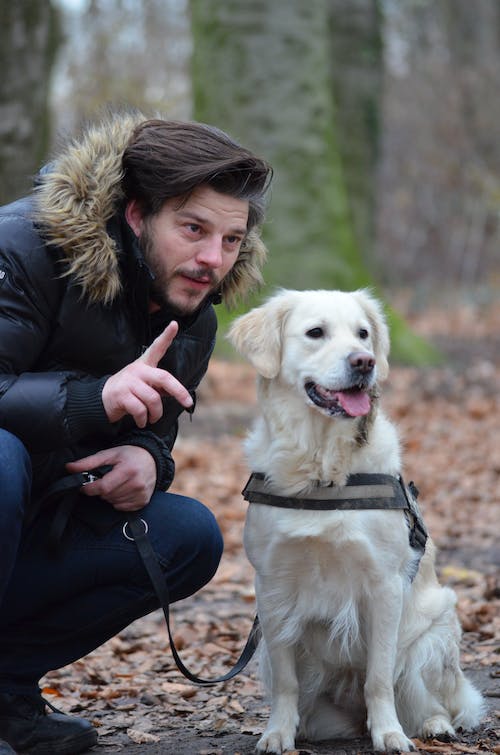
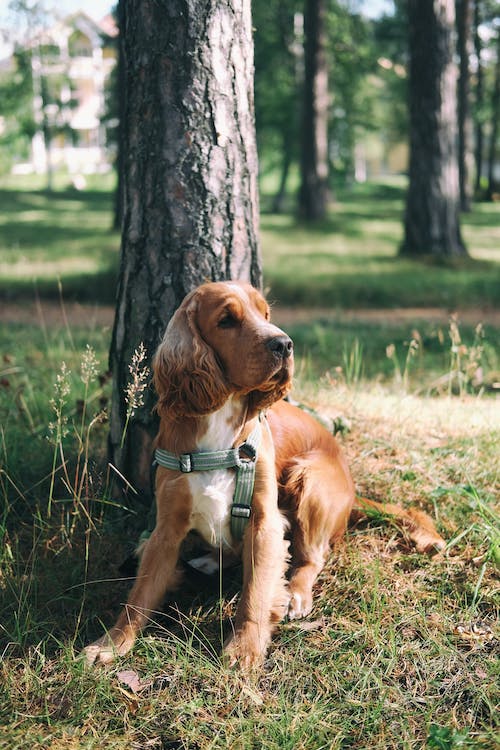
    Cells called melanocytes are designed to produce pigment colors of the skin. As diseased melanocytes grow, they form tumors. This is caused by a combination of environmental and hereditary factors. Skin that is overexposed to sunlight has an increased risk of developing Melanoma. Certain breeds, like Golden Retrievers, Cocker Spaniels, Chow Chows, and Schnauzers, have a higher risk of developing melanomas.

    Oral Melanoma is the most common type of malignant tumor that can develop inside your dog’s mouth. It can appear pigmented or can have a non-pigmented appearance, which is referred to as amelanotic Melanoma. What makes it so serious is that it is capable of invading underlying bone and spreading to other parts of the body. This can lead to facial swelling and eventually make it difficult and painful for your dog to chew.

    Medical Diagnosis

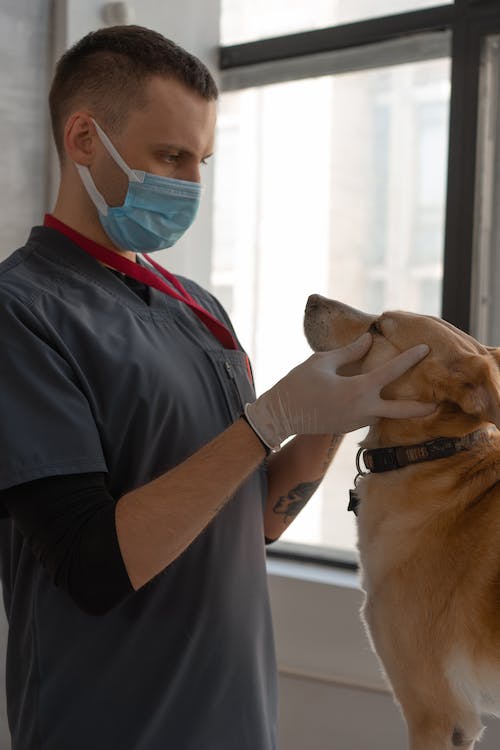
    For those of us that have dogs who allow us to brush their teeth, this is a good time to check the inside of his mouth. At times it can look like a round tumor or just extra tissue growth coming from the gingiva or on the inside of the lips and cheeks. Tumors can also grow on the roof of your dog’s mouth or even under the tongue. Should you discover a new bump or lump inside your pup’s mouth, advise your veterinarian. If your pup experiences oral pain or bleeding from his mouth, this should be treated as a medical emergency.

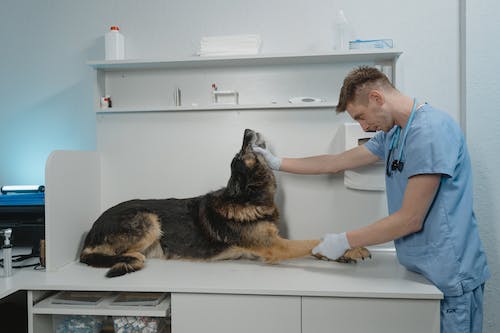
    A fine needle aspirate can be performed on the skin bumps by your veterinarian. This process involves the use of a needle and syringe to collect cell samples from the bump for further testing. This process generally requires sedation due to the sensitivity of the procedure.
    Standard Medical Treatment

    Biopsies can sometimes remove all the visible tumors, but with Melanoma, there is a good chance that microscopic portions of the disease are left behind. Further treatment will require additional surgery to remove the underlying disease. Procedures such as a CT scan will be able to provide even more detailed information. Should the tumor invade bone, then surgical procedures may need to include bone. For tumors that are inoperable, radiation therapy can help with treatment, especially with very small melanomas.

    Road to Recovery

    Dogs who go through surgery may need a special collar or cone to prevent scratching around their faces. Soft and moist foods or liquid diets are recommended for at least two weeks while the dog’s mouth heals. Dogs who need radiation therapy may appear tired and or have some nausea, but if the radiation is focused only on your dog’s mouth, the dog may show fewer negative signs from the treatment. Your dog will also require frequent follow-up visits with his veterinarian to monitor the condition. A repeat CT scan may also be suggested afterward to make sure that the cancer does not return.

    Dogs who are not provided with care may eventually stop eating due to the pain associated with this. This generally takes place between three and six months after the initial diagnosis, which is why it is important to seek early care, which is also more effective. General well visits at your veterinarian are also a good way to make sure your pup remains healthy and catches medical issues before they transition into a more complicated issue.
  • Easiest Dog Breeds to Take Care Of

    Easiest Dog Breeds to Take Care Of

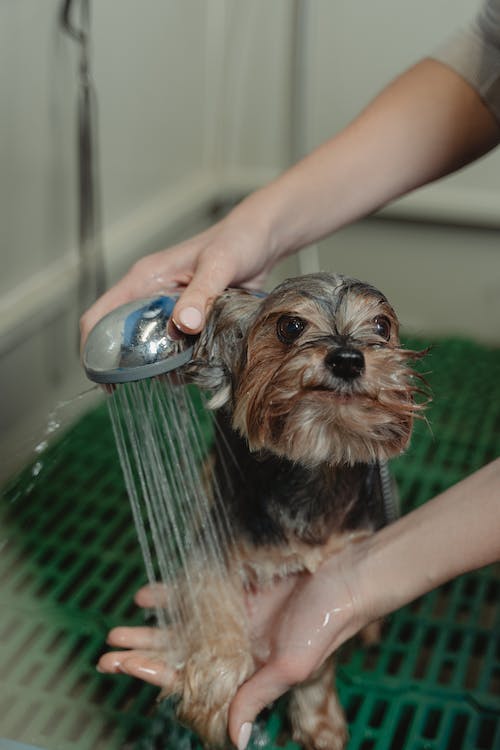
    Every dog requires a degree of time and care in order to help keep him looking and feeling his best. Basic grooming, bathing, nail trimming, and teeth cleaning to name a few things. Some dog breeds require much more time and work ass their coats may require special care, etc. However, not every dog requires regular professional attention or an inordinate amount of brushing to keep its hair in check.

    Dogs with flat-faces or with wrinkles require special facial care. Some pups also shed a lot which requires brushing every single day, sometimes twice a day.

    If you are looking for what many people consider a “wash-and-wear” dog breed, check out the list of pups below that we came up with. These dogs are generally very easy to maintain and make great family pets.

    Basenji

    First is the Basenji. These pups are fairly simple to maintain and not known to have a “dog smell” like many other breeds. They also do not bark a lot which is a big plus. A bath every few weeks and some basic care and this pup is ready to go!

    Vizsla

    The Vizsla is a very easy to care for pooch that doesn’t take a lot of time to clean up. Routine bathing and selfcare is quick and easy. The Vizsla is a very active dog and may require an extra bath or two if playing outside a lot.

    Whippet

    The Whippet is a clean and tidy pup that also does not take a lot of time to get ready. These pups generally carry little to no scent and require the basics. Another wash and wear pup!

    Boston Terrier

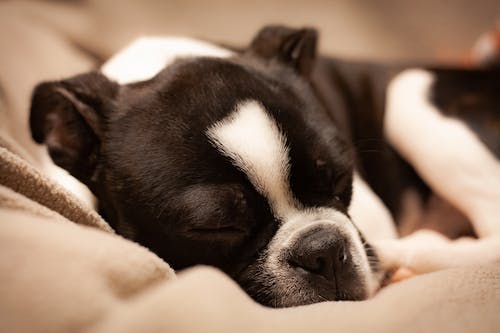
    The Boston is a neat and clean pup that generally doesn’t have an odor. They also are very light shedders which makes caring for them quick and easy. A bath every few weeks and some brushing and this dog is ready to go!

    Doberman Pinscher

    Doberman Pinscher

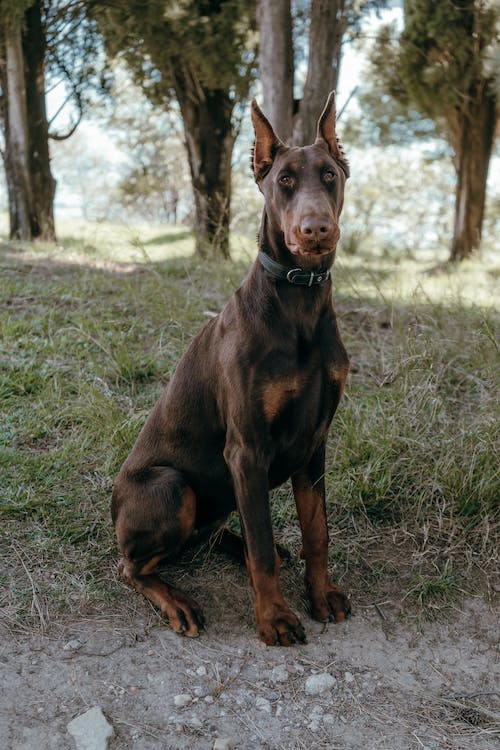
    The Doberman Pinscher, also known as a Dobie, is a very low shedding dog that also in not known to have an odor. Besides basic routine grooming, this breed of dog is pretty simple. They do enjoy being outside so a thorough bath is always a good idea.

    Manchester Terrier

    The Manchester Terrier is a smart and easy to get along with pup that is known to train with ease. They are easy to care for and besides the basics, this pup will take a lot less time to shine than many other breeds. This is another wash and wear pup that you are sure to love.

    German Shorthaired Pointer

    The German Shorthaired Pointer is another pup that does not take a lot of time or effort to keep looking good. This breed does tend to shed a tad more than other pups on our list, but with a little bit of brushing you can keep that in check. This is a quality pup and one the whole family will love

    Pointer

    The Pointer is a playful pup that does enjoy outdoor activities but does not require an excessive amount of maintenance. Routine brushing and a bath every few weeks will help keep this pup looking his best.

    Weimaraner The Weimaraner is not a heavy shedder and has very short, easy to care for hair. This breed does not require a lot of effort to keep looking his best and short of a bath every few weeks and some routine brushing, there’s not a lot more to do. They also make great family pets that are known for their loyalty and care.

  • Easiest Puppy Breeds to Train

    Easiest Puppy Breeds to Train

    Are you looking for a puppy? Trying to decide which is the right breed for you can be challenging. There are several things to consider before making a final selection. How big will the puppy get? How much daily care will this breed require? Is the breed of dog kid friendly? Or how well does the breed train? Some dog breeds tend to pickup on training much easier than others. Some actually thrive off of the interaction during training where other breeds may be a tad more stubborn. In either instance, training for puppies is crucial because as the saying goes, “you can’t teach an old dog new tricks.”  Training a dog while he is still a puppy allows for an easier transition into his adulthood. It also prevents your pup from having to break old habits which can be tricky to overcome. 

    When a dog is still a puppy their minds are quickly developing which is the best time to teach them the rights and wrongs and rules of the house. If you are looking for a puppy that trains with ease, check out our list below, as we have compiled a list of puppies that you may want to consider.

    LABRADOR RETRIEVER

    Labradors are amazing dogs for dozens of reasons. Training with ease is one of them. The Labrador Retriever is a very social and interactive pup that is certainly mom approved! This breed is friendly and outgoing and enjoys the attention of his family. They are known to not only learn the basics well, but are capable and willing to learn some pretty nifty dog tricks. This breed of dog has been a favorite for generations and makes one of the best family dogs in town!

    poodle puppies

    POODLE

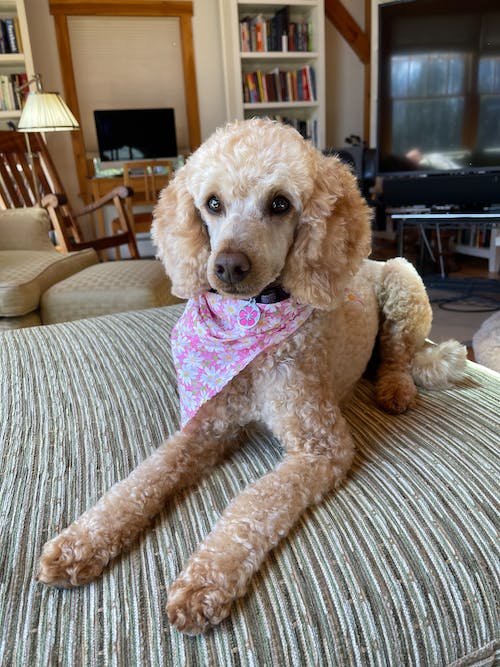
    Next on our list is the Poodle. These pups are highly intelligent and obedient dogs who year after year rank number one in smarts. They are highly interactive and thrive off of one-on-one attention with their family. They are known to train well and are capable of learning a large variety of tricks. They also make terrific family pets that come in three sizes.

    BORDER COLLIE

    The Border Collie is considered to be a very intelligent and outgoing breed of dog. This breed is known for its ability to train quickly and with ease. They have a lot of energy which allows them to stay alert long enough to learn a variety of tricks too! If you are looking for a quality pup that will win your heart, the Border Collie should be one to consider.

    MINIATURE SCHNAUZER

    If a smart, affectionate and loyal dog is what you are looking for that is easy to train, consider a Miniature Schnauzer. This breed of dog has been a family favorite for generations and may be just what you are looking for. They do well in contemporary homes or apartments and enjoy human interaction. Being that they are smart and pose a degree of confidence, training them is generally fairly simple.

    GERMAN SHEPHERD

    GERMAN SHEPHERD

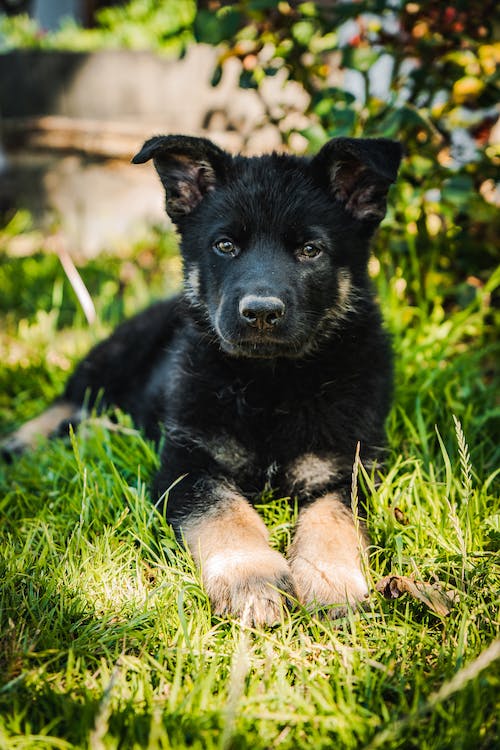
    German Shepherds are ready to work and very eager to please. They are a very smart breed of dog who train with ease. Because the German Shepherd trains so well, they have been used for a variety of things over the years. From law enforcement jobs, to military jobs, to service dogs, this breed can do almost anything. They are also very loyal to their family and happy when you are.

    BEARDED COLLIE

    The Bearded Collie has traditionally been used for herding cattle and sheep in the Highlands of Scotland. This breed of dog is very responsive, alert, and smart. Their success at herding is much thanks to their ability to train well. Their personality and mentality allow them to also be very good family pets. If a loving, smart, and easily trainable pup is what you seek, the Bearded Collie should be on your list of considerations.

  • Our Dogs Like to Sleep!

    Our Dogs Like to Sleep!

    As we age, we often find that we sleep less deeply at night which results waking up in the morning not feeling well rested. This causes many of us to try and sneak a nap in sometime during the day to regain some energy. The Sleep Foundation advised that healthy adults should receive between seven to nine hours of sleep every night. If it were only that easy to accomplish!

    Most dogs don’t have that issue and generally spend twelve to fourteen hours each day dreaming about their favorite fire hydrant or tree! Dogs need an ample amount of shuteye to look and feel their best. Puppies need even more sleep as their bodies and minds are constantly growing and developing. The average puppy will sleep between fifteen and eighteen hours every day.

    Although all dogs have different sleeping patterns, the following may cause them to need more sleep than normal.

    ●        Age – Puppies and senior dogs tends to need more sleep.

    ●        Dog breed – Certain dog breeds just enjoy extra sleep.  (List found below.)

    ●        Stress and anxiety – Separation anxiety, etc.

    ●        Activity Level – Does the dog spend a lot of time burning off energy VS lounging.

    ●        Thyroxine deficiency – Hormone related health issue.

    ●        Diabetes – Health issue.

    ●        Bacterial infection – Health issue which needs to be treated.

    ●        Viral infection – Health issue which needs to be treated.

    ●        Anemia – Health issue which needs to be treated.

    ●        Poisoning – Emergency care issue which needs to be treated.

    Which Dogs Sleep the Most?

    • Mastiffs generally sleep eighteen hours a day.
    • Greyhounds generally sleep eighteen hours a day.
    • Lhasa Apsos generally sleep fourteen hours a day.
    • Saint Bernards generally sleep fourteen hours a day.
    • Great Danes generally sleep fourteen hours a day.
    • Bassett Hounds generally sleep about fourteen hours a day.
    • Chow Chows generally sleep thirteen hours a day.
    • Shih Tzus generally sleep thirteen hours a day.
    • French Bulldogs generally sleep twelve hours a day.
    • Pekingese generally sleep thirteen hours a day.

    A Dog’s Sleep Stages

    Much like their human family members, dogs also go through different sleep cycles each day. The initial stage for a dog is a slow, quiet and peaceful sleep. Your dog’s body temperature will begin to lower as will his heartrate. This stage is the most relaxing stage for your pup. About ten minutes later, he will enter into a REM phase (Rapid Eye Movement). Dog owners may take notice that their pup actually appears to be trying to run or move around at this time. Their entire sleep cycle is fairly quick, lasting just under one hour.

    Ways To Improve Your Pup’s Sleep

    Here are a few very basic but effective ways to help your fur-legged friend establish a good bedtime routine which may help him achieve the sleep he needs.

    Create a Consistent Nighttime Routine

    Dogs tend to do best if they have a good and consistent routine. If their schedule is sporadic, getting used to things is more difficult. Try having your pup calm down by a certain time each evening by lowering the TV, not playing with him, and easing the overall activity time inside your home.

    Exercise

    Keeping your pup active will naturally allow him to burn off extra energy and feel tired at bedtime. A pup that has sat around all day may have trouble getting comfortable at night when everyone else goes to bed.

    A Good Feeding Schedule Many dog owners find that keeping their pup’s feeding schedule on set times allows them to not only have healthy pups, but pups that have set potty times. Once a dog forms a good feeding time routine his potty times generally remain consistent. Normally once a pup does his business in the early evening hours, he is safe until the next morning. Feeding your dog later than normal may cause him to have to go outside later than normal which will keep him up.

  • World Record Dog Holders

    World Record Dog Holders

    We all know that our pups are amazing four-legged creatures that have a mind and unique personality. Our pups always tend to intrigue us and generally keep us on our toes. Although all dogs are very special, there are some that have accomplished truly amazing things and have found themselves in the world record book. We have compiled a fascinating list of amazing dog accomplishments that are considered to be world records.

    Largest litter of puppies

    – Actual record: 24 puppies in one litter
    – Record holder: Tia the dog
    – Date of record: Nov. 29, 2004
    – Location: United Kingdom

    In 2004, a Neapolitan mastiff named Tia gave birth to an amazing 24 puppies on the same day. The litter consisted of nine females and fifteen males. All 24 puppies were born by Cesarean section.

    Longest dog ears

    – Actual record: 13.7 inches
    – Record holder: Tigger the dog
    – Date of record: Sept. 29, 2004
    – Location: United States

    Tigger the bloodhound snagged the record for the longest ears on a dog on Sept. 29, 2004. Tiger’s right and left ears measured am impressive 13.75 inches and 13.5 inches. In case you didn’t “hear” that correctly, the measure 13.75 inches! In 2003, Tigger was inducted into the Bloodhound “’Hall of Fame.”

    Longest dog tail

    – Actual record: 30.2 inches
    – Record holder: Keon the dog
    – Date of record: Aug. 18, 2015
    – Location: Belgium

    An Irish wolfhound named Keon hold the record for having the longest tail. In August of 2015, Keon’s tail measured in at an impressive 30.2 inches long, which is about two and a half feet long!

    Longest dog tongue

    – Actual record: 7.3 inches
    – Record holder: Mochi the dog
    – Date of record: April 25, 2016
    – Location: United States

    A Saint Bernard named Mochi must have never had an issue giving licks to her owner with a tongue that measured in at more than seven inches long. This female Saint Bernard was rescued by her loving family who resided in the United States and hold the world record for the longest tongue on a dog.

    Most balls caught by a dog with the paws in sixty seconds

    – Actual record: 14 balls
    – Record holder: Purin the dog
    – Date of record: March 22, 2015
    – Location: Japan

    Play ball! Purin, a nine-year-old Beagle female, holds the record for catching most balls on her paws in one minute. This pup sits in the record books after successfully catching fourteen balls, which is an average of one catch every four seconds. This pup resides in Japan and may be looking for a major league contract!

    Shortest standing dog

    – Actual record: 3.8 inches tall
    – Record holder: Milly
    – Date of record: Feb. 21, 2013
    – Location: Puerto Rico

    The shortest living pup ever recorded was Milly the dog, who measured in at just 3.8 inches tall. This tiny Chihuahua was from Puerto Rico and weighed less than one ounce when she was born. It would have taken more than sixteen Milly baby puppies to even weigh a single pound.

    Tallest standing dog

    – Actual record: 3.7 feet
    – Record holder: Zeus the dog
    – Date of record: Oct. 4, 2011
    – Location: United States

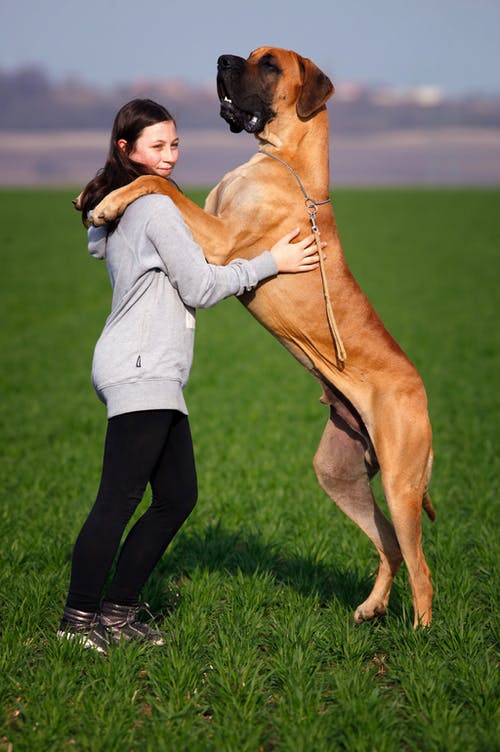
    The tallest dog to have ever lived was a Great Dane named Zeus who stretched out to an incredible 7 feet four inches. Although Great Danes are big pups, this one was extra big! This pup was from Michigan, US and was also a certified therapy dog. This gentle giant was known for his loving and gentle disposition.

  • Constipation in Dogs – What to Do

    Constipation in Dogs – What to Do

    Constipation occurs in dogs when they are unable to produce normal stool during their daily routine. Your dog will not be able to defecate or greatly strain while trying to do so if constipated. Constipation may also cause their stool to be very hard and not easy to pass. This can be very painful for your dog and is something that needs to be treated as it can lead to other health issues. 

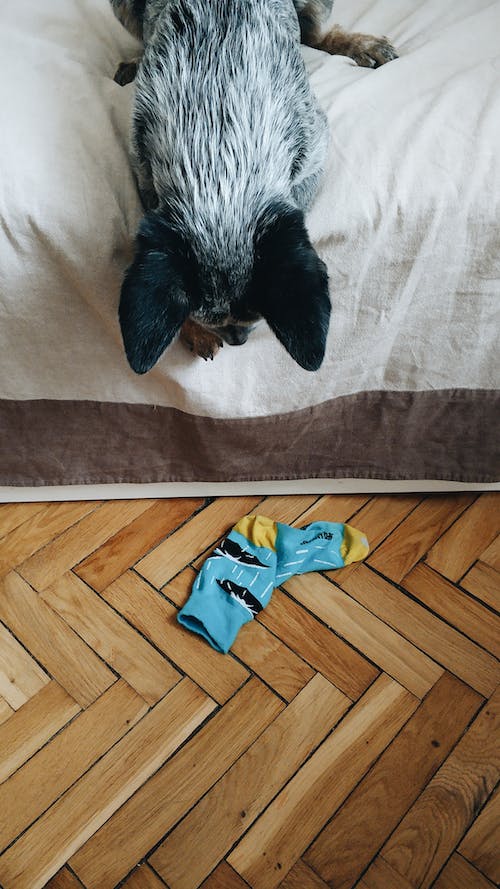
    Common warning signs of constipation in a dog include decreased appetite, vomiting, lethargy, and general depression or unease. Typically, constipation in dogs takes place when they fail to get enough fiber in their diet or when they eat something non-digestible that causes a blockage. (Socks, toys, furniture stuffing, etc.) It can also happen naturally through age or if your dog is not getting enough exercise. In extreme instances, more serious things such as digestive tract and pelvis region tumors, prostate enlargement, or other spinal or metabolic injuries can cause this condition.

    Ways To Treat Dog Constipation

    If your pup is dealing with constipation, you can try these food ideas to help them out. Should their symptoms persist, you should contact your veterinarian for guidance. You should also consult your veterinarian before feeding your pup any new food.

    • Providing your pup with ample amounts of fresh water will help to make sure they are well hydrated which is the number one key. Water greatly helps to regulate many things inside your dog and is the first step in keeping them healthy.
    • Pumpkin puree is a high-fiber food that will help regulate the digestive tract. 100% pumpkin puree is the most effective puree in helping to pass stool. It should be noted that this is not pumpkin pie filling. 
    • Canned soft and high moisture dog food may better help regulate their digestive system and create softer stool. Consider mixing canned food with their normal food to avoid an upset stomach.
    • Dietary fiber supplements will increase fiber entering their bodies, which will help soften their stool and regulate their bowel movements. 
    • Exercising your dog daily is a great way to stimulate their bowls. Activities such as running, playing fetch, and a game of chase around the yard are great ways to promote a healthy digestive tract. 
    • Stool softener or laxative. Your veterinarian may recommend giving a laxative or stool softener to your dog which can greatly assist in helping them move their bowels.

    In some instances, your veterinarian may administer an enema to relieve your dog’s constipation. An enema is an injection of fluid into the lower bowel via the rectum.

    In some instances, if your dog is constipated due to eating a foreign object, medical treatment may be required. Many dog owners will put on a pair of rubber gloves and examine their pup’s stool to see if a foreign object can be detected. If so, you should contact your veterinarian immediately. Common things found in a dog’s stool that should not be there are strings, shoe laces, furniture foam and padding, and cloth, from clothing. These types of things generally do not breakdown inside the dog like food does, and can lead to a medical emergency. They also pose a choking hazard should the dog throw these items up before passing them.

    Although constipation does happen in dogs, it is something that needs to treated and monitored. It is always recommended to contact your veterinarian with a medical concern as you would rather be safe than sorry. We all love our pups and making sure they are healthy and happy is our number one priority.

  • Six Amazing Breeds of Dogs That Are Not Talked About Enough

    Six Amazing Breeds of Dogs That Are Not Talked About Enough

    There are hundreds of dog breeds in existence, all with different qualities and traits. Realistically, despite similarities, there are no two identical dogs. Each dog has its own personality and mind which means each breed of dog brings something unique to the table. In this blog we are going to “dig” into a few breeds that make great family pets despite not being talked about that often.

    Puli

    The Puli is a very old Hungarian dog breed that dates all the way back to the Middle Ages.  Many believe that this breed is a direct ancestor of the Poodle. Around World War II this breed was nearly extinct but was revived by hobbyists.  The Puli makes a great family pet and has many desirable qualities. It should be noted that their coats are high -maintenance and do require work to keep looking their best.

    Schipperke

    The Schipperke has a similar appearance to the Sheepdog and was originally bred to work on barges in Belgium canals in the 1800’s. This is a working breed of dog that has high energy levels and likes to be on the move. This breed of dog has transitioned into a very well-liked family dog who has a loving and caring personality. The Schipperke makes a great fit for families that want the heart of a big dog but in a smaller package.

    Basenji

    The Basenji is considered to be one of the most primitive and oldest breeds of dog in existence. This dog has been traced back to pyramids in Egypt. A great trait of this breed is that they are not known to overly bark, however, can be heard yodeling at times. One of the most unusual facts about this breed is that, like wolves and another primitive dog called a dingo, female Basenjis only come into heat once a year, unlike all other domestic breeds that come into heat two times a year. The Basenji is a loving and social dog that makes a great family pet.

    Brussels Griffon

    Also known as the bearded dog, the Brussels Griffon is known for its long hair around its snout and for its large expressive eyes. This is a playful and active breed of dog that has a very outgoing personality. They are also considered to be hypoallergenic which is great for those of us who suffer from allergies. This breed also does well in families that have children thanks to their warm demeanors.

    Chinese Crested

    Many experts believe the Chinese Crested is essentially a smaller version of the African hairless dog. Chinese merchants acquired African hairless dogs on their trips to the continent and bred them to be smaller, producing the Chinese Crested. They originally were known for their abilities to hunt rats on ships but have evolved into a great family pet. This breed has a double coatthat tends to be soft, silky and straight, although some may have curly hair. Both the Hairless and Powderpuff shed very little, and generally makes a great pet for people with allergies.

    Bedlington Terrier

    The Bedlington Terrier, also known as the Bedlington, is a playful and active dog breed that is known for its loyalty. They are also very friendly dogs who quickly warm up to visitors and new people. This breed emerged in the parish of Bedlington in Northumberland, England in the early 19th century. They were originally called the Rothbury Terrier, after the namesake district on the English coast. The Bedlington Terrier is also considered to be hypoallergenic, which is a big plus for those who suffer from allergies.

    All of these unique dogs have a lot to offer. They make great family pets and despite being different in many ways they all share on quality. They will all win your heart in no time at all!

  • Jealousy In Dogs 

    Jealousy In Dogs 

    Many dog owners have seen their dogs’ showing signs of jealousy. Professional dog trainers actually use jealousy as a training tool by removing unresponsive dogs during training and allow dogs to watch their handlers working with another dog. A lot of dog owners observe their dog’s display of jealousy when their owners interact with other dogs, family members or friends.  

    A Dog’s Jealous Behaviors May Include: 

    • Biting / Snapping
    • Barking
    • Growling
    • Whining 
    • Getting between his owner and other objects
    • Behavior towards an object or thing you’re interacting with
    • Pushing extra attention from you‌

    Behaviors that Really Need to Be Watched Include: 

    • Aggression. Any kind of biting to gain the attention over a person, pet or object is a bad sign. 
    • Accidents inside. Since our dog can’t talk to us, they express themselves through their physical actions. They know going to the potty inside is wrong, yet it will get your attention.  
    • Aggressive growling or howling. 

    Signs of Possessive Behavior 

    Your dog may be showing possessive behavior if they do the following: 

    • Growling
    • Snapping
    • Excessive whining
    • Attacking another pet or person

    Understanding a Protective Dog

    If your dog is overly protective, it may be because that’s their natural instinct. This reaction may seem aggressive if your dog perceives you are in danger. Sometimes protective instincts can get confused with jealous or possessive behavior. ‌

    Your Dog is Protective if They Do the Following: 

    • Focuses on another animal, person, or situation
    • Give their full attention to the scenario
    • Calms down and backs down after no threat is found‌

    The key difference between a protective dog and a possessive dog is the relaxing and backing down part of the equation. A possessive or jealous dog doesn’t typically back down, and his behavior remains consistent.

    Changing Problematic Behavior

    Be patient. First, you’ll need to use positive reinforcement and reward your dog when they act the way you want them to. If your dog comes in between you and another person, try ignoring them. If your dog keeps getting in the way, get up and move to another space. The ignoring and or not reacting to what they are doing will help your dog know their behavior is not working to get your attention. 

    The Three Main Tips 

    • Don’t verbally communicate with to them when they do this
    • Don’t touch them or push them away
    • Don’t make eye contact with them

    Your Dog is Doing This to Get Your Attention.

    By not showing them attention while they do this may deter them from continuing the behavior.‌To stop your dog’s jealous behavior early in life, consider trying the following ideas: 

    1. Avoid showing too much attention to one pet over another. 
    2. Train your dog to feel safe, secure, and relaxed in their crate.
    3. Make a separate feeding area for multiple animals. This way they are not competing for food.
    4. Reward your dog when they’re exhibiting good behavior. 

    We need to remember; our pups are living creates that have real emotions and feelings. Your pup loves you and wants your attention, similar to a child. It is important to always remain patient with your dog and train him using positive reinforcement. It is also crucial to begin training at a young age as puppies are more prone to learning while their brain is developing. Although older dogs are able to be trained, the process may take longer and be more challenging.

  • Dogs That Enjoy a Couch and Movie More Than a Yard and A Ball

    Dogs That Enjoy a Couch and Movie More Than a Yard and A Ball

    All dogs enjoy the smell of fresh air, chasing a ball, and running in circles outside. After all, they are creatures who need exercise and sunlight, and the feeling of freedom. There are, however, some breeds of dogs that, despite needing some activity time outside, much prefer a day of relaxation on a couch with a blanket and their owner by their side. If you tend to fall in this category too and are considering a fur-legged friend, we have a list of pups that may be a perfect fit for you. The list we put together is wide in variety; however, they all share one common trait, the enjoyment of relaxation! 

    The Bulldog is, well, a relaxed pup! This breed is a very social dog but also very set in its ways. Although he will enjoy some fresh air and the sounds of birds, he will be excited to get back inside and just relax. This breed is great for those who feel the same way and is known to make a great family pet. 

    The French Bulldog is also a very laidback, let’s take a nap and relax kind of dog. This breed is known for his gentle snoring and happy-go-lucky personality. They do enjoy some outdoor activity time, however, do not do well in extremely hot or extremely cold climates. A few minutes of outdoor playtime and this pup will be headed right to his doggy bed (or lap) right after. 

    Basset Hounds are another great family pet for those who would rather spend more indoor than outdoor time. This breed certainly does enjoy his free time under a tree and smelling the scents that surround him, but he also equally enjoys a soft blanket and nap. They are not highly energetic dogs and will quickly burn off extra energy with a twenty-minute walk. This breed is a family favorite to many and has been for generations.  Dachshunds are energetic pups that do like to play outside but will be excited to get back in and take it easy. They love the company of their family and to share couch time with them. This breed is very popular because they are very loyal and tend to be happiest when their family is. Although this pup is not large in size, he will take over your entire couch if allowed!

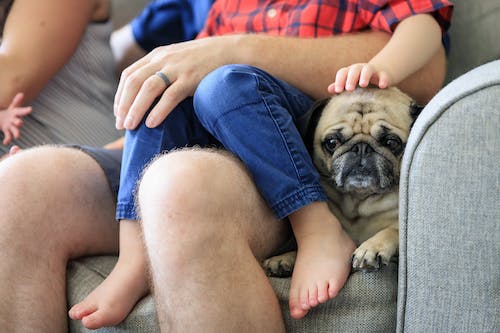
    The Pug likes to rest and likes to be comfortable. This breed is known for its great companion qualities and amazing ability to snuggle! They do enjoy being outside within reason but tend to prefer being snuggled up and in dreamland. This breed has made a great family pet for generations and will surely win your heart (and lap) in no time at all. 

    Chihuahuas are adored by many and for many different reasons. This breed of dog is very easy to live with, does not require excessive amounts of exercise, and is a joy to be around. If you are more of a homebody and enjoy your Friday night with a movie at home and an early bedtime, this pup very well may be for you! With a warm blanket and soft couch, this pup will melt in happiness next to you! For generations, the Chihuahua has made an ideal companion for those who enjoy a couch over a late night out.  No matter which breed of dog you end up choosing, expect many years of a loving companion who will quickly bond with you. It’s always best to learn more about a dog breed before bringing one home to make sure his style of living and yours are compatible.

  • Best City Dogs

    Best City Dogs

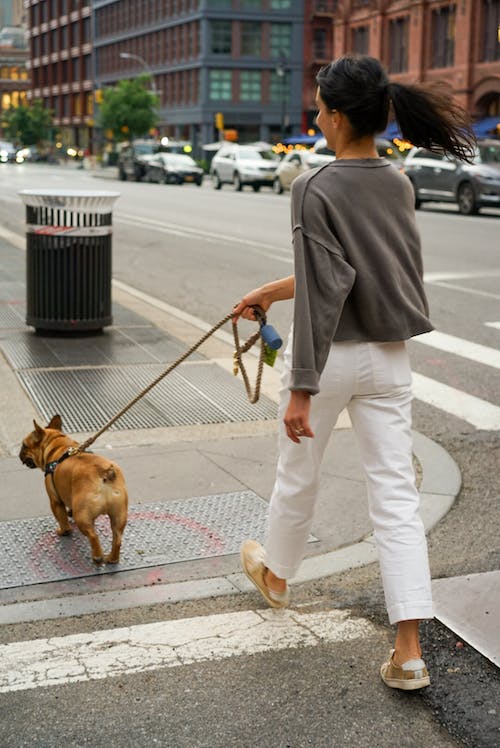
    The excitement, culture, and nightlife of living in a major city is something many people enjoy. Normally a major city is a fast moving and lively place to live. Due to how many people live in the city, very often, housing tends to be smaller than in more rural areas. Many residences in a city are apartments which do not have spacious lawns or many places for pets to play in. Although many dog breeds are able to adapt to this type of living environment, some breeds do better than others. If you are a city folk and looking to add a fur-legged friend to your mix, consider one of the below listed dog breeds. They are our picks of the best city dogs.

    Basenjis

    The Basenji is a calm, peaceful and quiet dog that is not known to bark. This is a great quality for those of us who share walls in an apartment. This medium-sized dog adapts well to his environment and does not need a tremendous amount of space to feel comfortable. This is an active breed of dog though who will need regular walks around the town to look and feel his best.

    Boston Terriers

    This Boston Terrier is known to be a very affectionate breed of dog that stand just over a foot high. They train with ease and tend to do well in apartments. Being that they are smaller dogs, large open rooms commonly found in contemporary houses are not needed. This breed is filled with energy, however, and will need to be walked for about thirty minutes each day.

    Shih Tzus

    The Shih Tzu makes a great city dog because they are small and do not require an excessive amount of outdoor time. They find comfort in the laps of their owners yet do enjoy a brisk daily walk to burn off extra energy. This caring and happy breed of dog adapts well to different living environments and is sure to be a good fit for those living in the city.

    Cavalier King Charles Spaniels

    The Cavalier King Charles Spaniel is happy just about anywhere. This pup is curious and will most likely spend time looking out your apartment window at all of the people and vehicles that pass. They are a smaller breed of dog who do not require enormous amounts of room. A daily thirty-minute walk around the block will help this pup explore while keeping her healthy too.

    Poodles

    You can never go wrong with a Poodle. These pups come in three sizes, standard, miniature and toy, with the last two being the best options for smaller living spaces. This breed is considered to be very smart and trains with ease. They do enjoy mental stimulation so expect them to study everyone and everything on the busy streets outside your apartment. A healthy thirty-minute walk each day will help this pup look and feel her best.

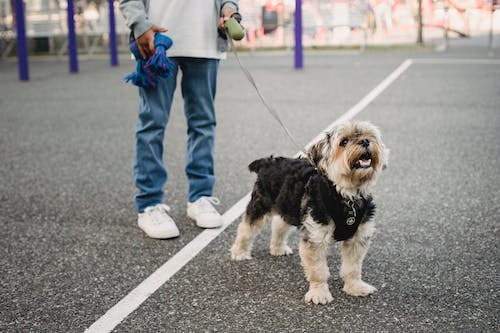
    Yorkshire Terrier

    The Yorkshire Terrier, also known as the “Yorkie,” makes a great family dog for those who live in apartments. They do enjoy learning new areas and being social which will make walks around the city blocks something enjoyable for him. They are not big dogs so smaller apartment style living will not be an issue for them. They also train well and are not overly loud dogs. City living may be different than rural living but for a dog, as long as he is given love and care, both places will make him happy. Taking the time to find the right pup for a busier environment will allow for many years of a relationship.