Blog

  • The BIGGEST Dogs

    The BIGGEST Dogs

    Despite their intimidating appearance, larger dog breeds are generally well-tempered, caring, and friendly animals!  Throughout history, many of these dogs have been relied on for their strength and size to help them excel in protecting livestock, work around the farm, and guarding their home. Below are the top six largest breeds of dogs and some interesting information about them.

    English Mastiff

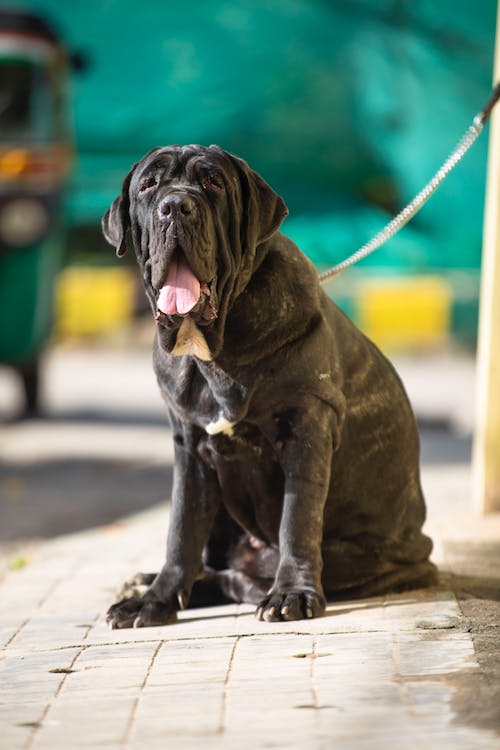
    At the top of our list of big dogs is the mighty English Mastiff. This breed is recognized by the American Kennel Club (AKC). The largest English Mastiff on record weighed an incredible 343 pounds and was named Aicama Zorba. The average English Mastiff weighs in around 150 pounds and stand about thirty inches tall.

    Boerboels

    The Boerboel averages a weight between 150 and 220 pounds. Farmers in South Africa began using this breed of dog after initially developing them to hunt leopards and baboons. This gigantic dog is very powerful and at times is known to be somewhat aggressive, so socialization training at a young age is needed.

    Saint Bernard

    Saint Bernard dogs are large, powerful, and sturdy dogs. Male Saint Bernards typically weigh in between about 160 pounds while female Saint Bernards tend to weigh between about 130 pounds. Most Saint Bernards stand about thirty inches tall at full maturity. This breed was developed to help rescue Alpine mountaineers. The face of a Saint Bernard has a distinct appearance with a short muzzle, floppy ears and wrinkled brows.
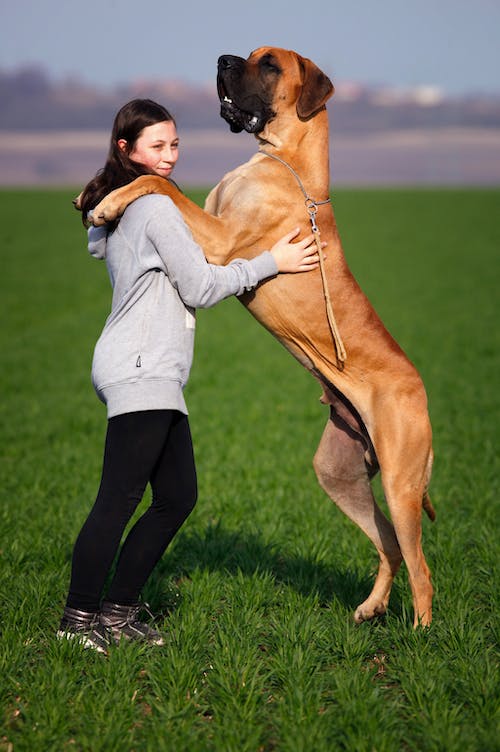
    Great Dane

    The Great Dane is another large breed of dog. Male Great Danes generally weigh in at 140 and 175 pounds. Female Great Danes generally tip the scales between 110 and 140 pounds. The largest Great Dane on records was named Zeus, who stood nearly 48 inches tall and when standing up on his back legs measured about seven feet high!

    Leonbergers

    Per the American Kennel Club (AKC), male Leonbergers weigh between 110 and 170 pounds. Female Leonbergers generally weigh between 90 and 140 pounds. Both male and female Leonbergers stand about 30 inches tall at maturity. The Leonbergers has a distinct lion-like mane around its neck and chest which magnifies its giant appearance. Due to their water-resistant coat, water rescue teams often use this breed for rescues. The Leonberger is also makes a great watchdog due to its intimidating size.

    Tibetan Mastiffs

    Tibetan Mastiffs are very large and powerful dogs. Male Tibetan Mastiffs weigh between 90 and 150 pounds. Female Tibetan Mastiffs weigh between 70 and 120 pounds. This breed stands about two feet tall at maturity and they are known to make an excellent watchdog. These dogs have a long and proven history of serving mankind.

    Anatolian Shepherd

    Anatolian Shepherds were originally developed in the Kangal region of Turkey to guard and protect livestock. Although this breed is mighty strong and protective, they tend to be very gentle around their family.  Male Anatolian Shepherds weigh between 110 and 150 pounds while female Anatolian Shepherds weigh between 80 and 120 pounds. They stand about thirty inches tall at maturity.
  • Top Dog Breeds for Older Individuals

    Top Dog Breeds for Older Individuals

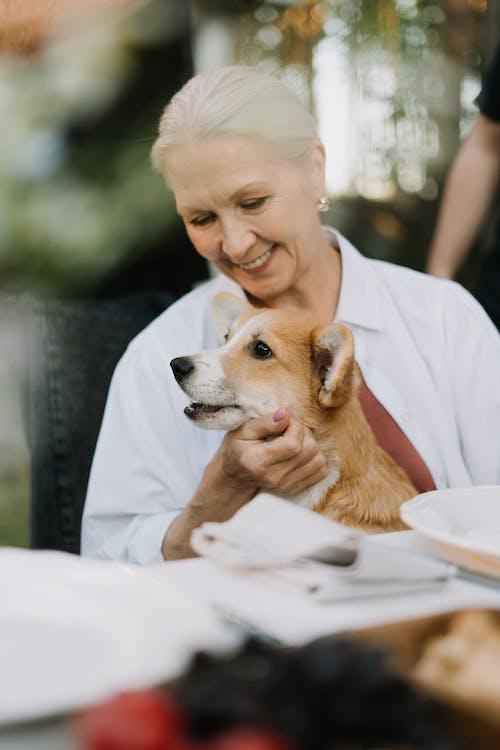
    Dogs make great companions and quickly become a part of our family. They offer us years of joy and happiness and provide us with a lot of good. Each breed of dog varies and has certain qualities and traits. Some pups are known for their high activity needs, whereas others are known for their “let’s take a nap” needs. Regardless of which breed of dog it is, they are all very special and will love you in a very loyal way. Many older individuals look for a balance in their pup, such as will their dog like going for walks yet not need an excessive amount of activity to stay well. Generally, smaller or medium-sized dogs make a good fit as they are not as powerful and end up taking their owners for a walk or are too large and, while playing, pose a physical control issue. We have put together a list of what we feel to be the top five best dog breeds for older individuals. This list takes into account many factors, such as size, demeanor, and overall activity levels.

    Cavalier King Charles Spaniel

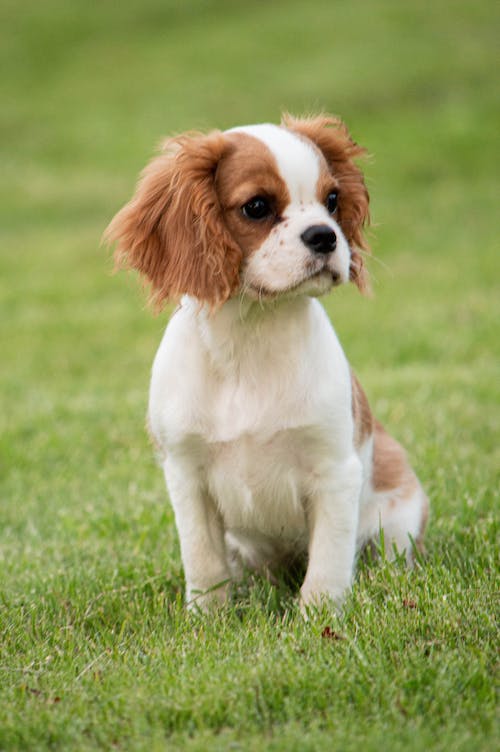
    The Cavalier King Charles Spaniel seems to be at the top of many of our lists because this breed is a downright amazing dog. They are extremely caring and social dogs that are not known for aggression or for being overly energetic. They do enjoy strolls and activity time but also enjoy a warm lap and a good movie with their family. Much thanks to this pup’s demeanor, they get along well with just about anyone or anything and make a great family pet. This breed is sure to not disappoint and will win your heart in no time at all. 

    Breed Facts

    GROUP: Toy 
    HEIGHT: 12 to 13 inches
    WEIGHT: 13 to 18 pounds

    French Bulldog 

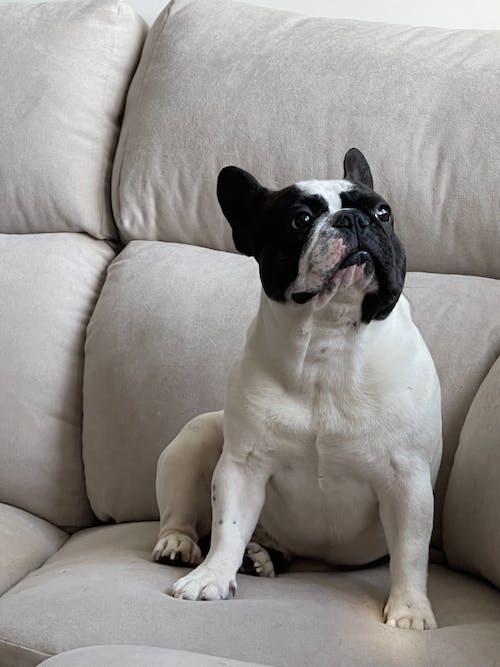
    If you are looking for a pup that is not looking for much more than a cozy couch, his family, and some petting, the French Bulldog is it. This amazing breed of dog loves his family and is not known to be overly energetic. They also do not bark a lot or are known to “over-explore” and get into trouble. The French Bulldog has been around for a very long time and has proven to make a great family pet. Due to their smaller size, they are also a good fit for those who may have physical limitations in handling dogs. This pup is a great breed of dog and will win your heart in no time at all. 

    Breed Facts

    GROUP: Non-sporting 
    HEIGHT: 11 to 13 inches
    WEIGHT: 19 to 28 pounds

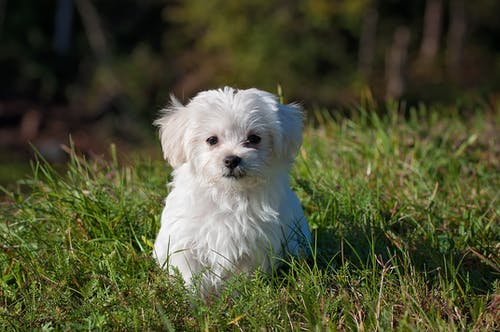
    Maltese

    The Maltese is a smaller breed of dog who craves the affection and love of his family. They are known for being calm and caring and look forward to a good routine with their family. They are generally easy to care for and tend to look at you as their best friend. Being that this breed of dog is not large and overpowering, taking walks and spending time with him outdoors is not very difficult. The Maltese makes a great pet for older people who would like a dog that is relatively easy to care for. 

    Breed Facts

    GROUP: Toy
    HEIGHT: 8 to 10 inches
    WEIGHT: 4 to 7 pounds

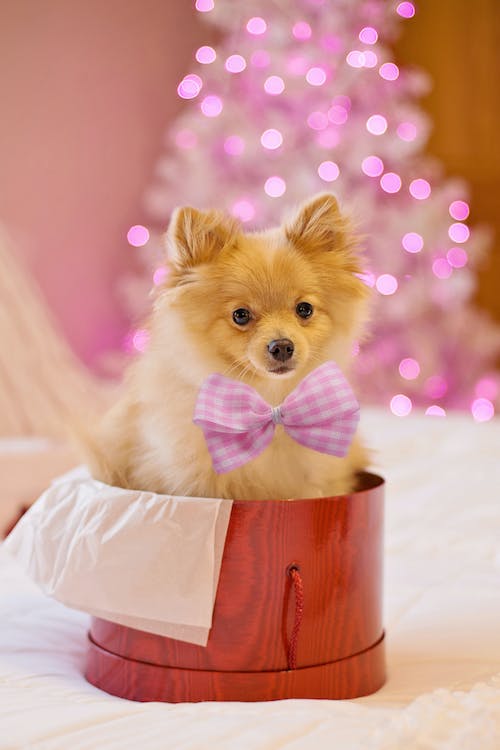
    Pomeranian 

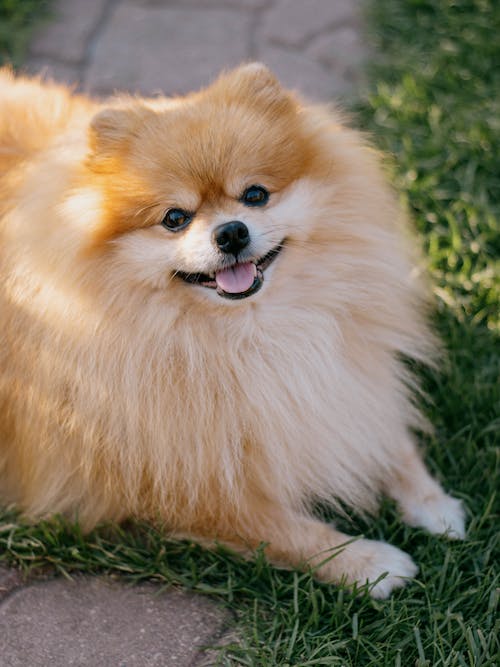
    The Pomeranian is a great pup who you will quickly fall in love with. They do not require excessive amounts of care, nor are they known to be aggressive. They learn the rules of the home rather quickly and really enjoy spending quality time with their family. This breed has also been around for a very long time and has won the hearts of families around the world. If a smaller breed of dog that loves your lap is what you are looking for, the Pomeranian should be considered. This pup will not disappoint! 

    Breed Facts

    GROUP: Toy 
    HEIGHT: 6 to 7 inches
    WEIGHT: 3 to 7 pounds

  • Cool Puppy Names Thinking Outside the Box

    Cool Puppy Names Thinking Outside the Box

    Although there are many exciting things about getting a new puppy, one of the most exciting is picking out his or her name. Although some of the “old school” names like Spot still work, check out our list of some very unique names and the meaning behind them.

    Abe

    Of English origin and meaning “Father of Nations,” it was also the name of the U.S.’s 16th president.

    Ace

    A term for the best card in the deck, “ace,” can also mean an expert or pro. 

    Alfie

    A classic 1966 rom-com starring Michael Caine that was remade in 2004 with Jude Law.

    Ali

    Iconic boxer Muhammad Ali floated like a butterfly and stung like a bee who won Olympic gold in 1960 and was the boxing heavyweight champion along the way.

    Alpha

    The first letter of the Greek alphabet, the name Alpha, will let all the other dogs know who’s the top dog! 

    Amigo

    Meaning “friend” in Spanish, this is a perfect dog name for your new best friend. 

    Andy

    Short for Andrew, which means “brave” or “manlike” in Greek. 

    Apollo

    The name of the Greek god of sun and light also belongs to six outer space missions that successfully landed humans on the Moon. 

    Astro

    Greek for “of the stars,” and also Houston’s Major League Baseball team.

    Atlas

     In Greek mythology, Atlas is the Titan who holds up the world.

    Avery

     This name of English origin means “ruler of the elves.”

    Axel

     Dating as far back as the 10th Century, the name Axel has many other spellings, including Aksel. 

    Bacardi

    One of the all-time best-selling rums in the world.

    Bailey

    A creamy Irish liquor enjoyed in coffee in the morning or on the rocks in the evening. 

    Baloo

    The easygoing bear character of “The Jungle Book.”

    Bandit

    Meaning a thief, this pup name could be perfect for your little pup who stole your heart! 

    Banjo A twangy instrument popularized by Earl Scruggs.

    Eisenhower

    Dwight D. Eisenhower was the 34th president of the United States.

    Eli

    Short for names like Elijah and Elliott, and meaning “elevated” in Hebrew.

    Elvis

    After “The King,” Elvis Presley, of “Jailhouse Rock” “Hound Dog” fame.

    Fenway

    Fenway Park is one of the most iconic stadiums in baseball and home to the legendary Boston Red Sox.

    Finley Signifying a “fair-haired hero” in Scottish.

    Finn

    For fair-skinned male dog names, this literally means “fair or white” in Irish.

    Finnegan

    Also means “fair-haired” in Irish.

    Flash

    A good name for a sporty-looking pup.

    Flex

    A name with a macho vibe.

    Ice

    For the dog who is cooler than the other pups! 

    Igor

    A common Russian and Polish name meaning “farm laborer.”

    Jager

    Short for Jägermeister, the licorice-flavored liqueur.

    Jake

    Short for Jacob, meaning “supplanter.”

    Jager

    Short for Jägermeister, the licorice-flavored liqueur.

    Lincoln

    The U.S. president on the penny, or a luxury automobile company.

    Link

    The main character in Nintendo’s “The Legend of Zelda” video game series.

    Linus

    Sibling of Lucy and Rerun in the iconic “Peanuts” franchise.

    Marlin

    A fish found in oceans throughout the globe.

    Marshall

    A Scottish name meaning “lover of horses.”

    Martini

    A cocktail that’s a favorite of James Bond.

    Ninja 

    For a stealthy dog, or one with all black fur, like the ninja’s outfit.

    Norman

    Golfers can name their pup after “The Great White Shark,” former world No. 1, Greg Norman.

    Noah

    A biblical character known for his ark.

    Porsche

    The German maker of high-performance sports vehicles.

    Presley

    Last name of Elvis, the King of Rock’ n Roll. 

    Raven A bird, an Edgar Allan Poe poem, and Baltimore’s NFL team.

    Rebel

    For the dog who goes against the flow and shakes things up. 

    Red

    The color of Mars, roses, bricks, and maybe your dog’s coat, too.

    Teddy

    Like a stuffed teddy bear, you’ll just want to snuggle with him.

    Thunder A powerful name for the noise that comes after lightning.

  • Two of America’s Favorites | The French Bull Dog and The Cavalier King Charles Spaniel

    Two of America’s Favorites | The French Bull Dog and The Cavalier King Charles Spaniel

    Americans really love their dogs, and two of the most popular breeds of dogs in the United States are the French Bulldog and the Cavalier King Charles Spaniel. Both of these pups make terrific family pets for dozens of reasons and annually rank very high in popularity. If you are in the process of choosing which breed of dog is best for you, this blog will help you out. We will go over their basic history, their personalities, and their physical characteristics. 

    History of The French Bulldog 

    In the early 1800s, Normandy lace workers from England settled in France for employment. They brought with them smaller bulldogs who were primarily used as companion dogs and to hunt rats on farms. By the 1800’s, their popularity was growing, and the French Bulldog was fetching, no pun intended, up to $750 per dog. This breed took off and was a success in the farming communities. 

     History of The Cavalier King Charles Spaniel 

    The Cavalier King Charles spaniel is the descendant of a small toy spaniel depicted in many 16th Century paintings of northern Europe. This dog was originally bred to warm the laps of royalty in drafty castles. The breeding of the Cavalier King Charles Spaniel in the United States took place in the 1950s. The breed was recognized by the American Kennel Club in 1996.

    Living With the French Bulldog 

    The French Bulldog adapts well to contemporary or apartment-style housing. They make an ideal fit for those who don’t have a lot of property (big yard) and prefer to spend a Saturday morning relaxing on the couch with a soft blanket versus taking a long jog outside. This breed does require exercise but much prefers taking it easy and relaxing. The French Bulldog requires minimal grooming and is very easy to maintain. 

    Living With the Cavalier King Charles Spaniel 

    The Cavalier King Charles Spaniel is happy in just about any housing situation. They are not selective and do not require a lot of room. They tend to be more active than the French Bulldog but enjoy a warm lap and blanket as much as the French Bulldog does. This breed is certainly a top companion dog and simply loves being around her family. The Cavalier King Charles Spaniel requires routine brushing but is a very easy-to-maintain dog. 

    French Bulldog’s Personality

    Many would describe the French Bulldog as having a funny, silly, and loving personality. This breed is affectionate and just wants to be close to his family. They are not known for aggression or for being overly rambunctious. They do enjoy playing within reason and tend to be happy when you are. They are great family pets who love kids and other dogs.

    Cavalier King Charles Spaniel’s Personality

    Loving, loving, and loving. The Cavalier King Charles Spaniel is a very caring, calm, and charming dog. They enjoy your lap and company and are outgoing in a calm fashion. They are not known for aggression and have very warm and approachable demeanors. They will win your heart in no time at all as the hearts of kids and other dogs in the house. 

    Breed List Comparisons:

    Height / Weight: French Bulldog 11 to 13 inches and about 30 pounds

    Height / Weight: Cavalier King Charles Spaniel 12 to 14 inches tall and 17 pounds

    Energy Level: French Bulldog: Average 

    Energy Level: Cavalier King Charles Spaniel: Average 

    Life Expectancy: French Bulldog 9-11 years 

    Life Expectancy: Cavalier King Charles Spaniel 9-14 years 

    Daily Exercise Time: French Bulldog 20 minutes

    Daily Exercise Time: Cavalier King Charles Spaniel 20 minutes

    Barking Rate: French Bulldog: Moderate Barking Rate: Cavalier King Charles Spaniel: Low

  • Two Great Pups: The Pomeranian and the Maltese

    Two Great Pups: The Pomeranian and the Maltese

    The Pomeranian and Maltese have many great qualities. They are both friendly pups that love their family and look forward to seeing them. These dog breeds are very popular and have found their way into homes around the world thanks to their endless list of great qualities. If you are looking to learn more about for a smaller breed of dog that is kid friendly and mom approved this blog is for you.

    History of the Pomeranian  

    The Pomeranian is a miniaturized Spitz-type dog that originated in Pomerania, Germany in the 1800s. This breed was originally a larger dog that over time were bred to be the smaller dog they are today. “Poms,” as they are often referred to, have been warm and loving companion dogs that have won the hearts of people around the world.

    Life With the Pomeranian

    Pomeranians tend to be easy to maintain and live with.  Their double coat does require some extra brushing to keep looking good, but overall, they do not require excessive amounts of work. They also tend to be healthy pups because of their activity level and generally do not have a tendency toward obesity. They are normally up for learning new tricks and will gladly be the center of attention while showing these tricks off to family and friends. This breed of dog does well with other pets in the home and will quickly bond with any children. It should be noted that they are a smaller breed of dog so children do need to use a degree of caution while playing with them.

    The Pomeranian’s Personality

    The Pomeranian is a very smart, affectionate, and playful pup. This breed has a very charming and happy personality and a demeanor to match. The Pomeranian is very approachable and is not known to be aggressive or abrasive. They love their family and show it with their snuggles and licks. This breed has been around for a very long time and has made a truly amazing family pet.

    Basic Breed Information

    Male: 10-12 inches tall and 3-8 pounds
    Female: 10 to 12 inches tall and 3-8 pounds

    Physical Characteristics: Puffy and shiny coat with upright ears

    Daily Exercise Requirements: About thirty minutes

    Energy Level: High

    Life Expectancy: Twelve to sixteen years

    Drool Level:  Low 

    Bark Level: High

    History of the Maltese

    For centuries, the Maltese spaniel has been the aristocrat of the K9 world. It is believed that the Maltese originated in Malta, Italy. The Maltese has been highly valued in society throughout history. One account is of a Maltese being sold in the 1500s for the equivalent of today’s $2,000. The first Maltese exhibited in the United States was white and listed as a “Maltese lion dog” at Westminster’s first dog show in 1877. In 1888 the American Kennel Club registered the Maltese.

    Life With the Maltese

    The Maltese is a very down to earth breed of dog that loves to socialize and spend time with his family. They are not overly rambunctious dogs but do have a lot of play in them. They also do not require excessive amounts of work to look good and enjoy a daily brushing and a warm bath every four or five weeks. They tend to adapt well in contemporary homes or apartments and get along well with other pets inside the house. This breed is a great companion dog and will win your heart in no time at all.

    The Maltese’s Personality

    The Maltese has a very personable and caring personality. They are easy to approach and not known for aggression or being very hyper. Many families that own this breed are repeat breed owners because they have had a lot of success with a past Maltese. This breed is generally a happy and loving breed that just wants to be loved.

    Basic Breed Information

    Male: 9-11 inches tall and 4-6 pounds
    Female: 9-11 inches tall and 4-6 pounds

    Physical Characteristic: Floppy ears with a smooth coat

    Daily Exercise Requirements: About twenty minutes
    Energy Level: Semi energetic
    Life Expectancy: Twelve to fourteen years
    Drool Level: Low
    Bark Level: High

  • Poodles Can Be Found In 40 Other Dog Breeds

    Poodles Can Be Found In 40 Other Dog Breeds

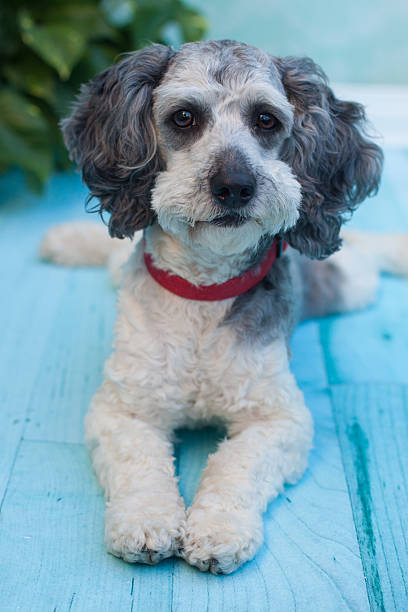
    We all know the Poodle makes a great family pet. This breed of dog is also considered to be the smartest of dogs and has a very inquisitive and sharp mind. The Poodle is known to interact very well with people and other animals and loves one on one attention. For generations, the Poodle has been one of the most popular breeds of dog and it looks like this pup’s status will remain this way for a long time.

    The Poodle is so well-liked that it has been bred with more than forty other dog breeds which have also proven to be a success. In this blog we will go over some of these breeds and talk a little bit about them.

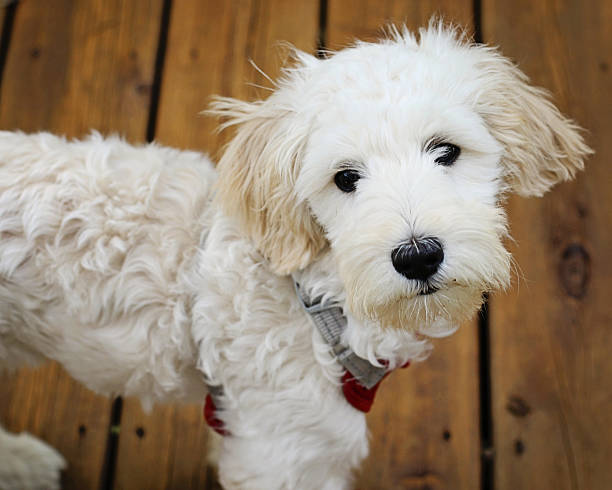
    Goldendoodle

    The Goldendoodle is a cross between the Goldendoodle and the Poodle. This breed has become one of the most sought-after dogs on the planet. They make great family pets as well as therapy pets. They are pleasant and do well with children in the household.

    Labradoodle

    The Labradoodle is a cross between the Labrador Retriever and the Poodle. This breed is very popular amongst those who suffer from allergies yet want a dog. This breed is smart and loyal and a joy to be around. They can also be found in a variety of colors.

    Sheepadoodle

    The Sheepadoodle is a mix between the Old English Sheepdog and the Poodle. Loving, loyal and friendly best describes this breed of dog. They are known to have amazing personalities and to quickly bond with their family.

    Whoodle

    The Whoodle is a cross between the Soft-Coated Wheaton Terrier and the Poodle. This breed of dog is also known as a Wheatendoodle, the Wheatenpoo, the Sweatendoodle, and the Sweatenpoo. These pups are friendly and energetic and are not known to bark a lot.

    Westiepoo

    The Westiepoo is a mix between the West Highland White Terrier and the Poodle. This is a smaller breed of dog known for its fluffy coat and high levels of energy. They do well with families that have active children.

    Weimardoodle

    The Weimardoodle is a cross between the Weimaraner and the Poodle. This breed enjoys his family and loves to be a part of everyday family activities. They are a kind and gentle breed of dog with a very warm and approachable demeanor.

    Pomapoo

    The Pomapoo is a cross between the Pomeranian and the Toy Poodle. This compact and energetic dog has the heart of a lion yet is very gentle and caring. They do quickly bond with family and love to be the center of your attention.

    Aussiedoodle

    The Aussiedoodle is a cross between the Australian Shepherd and the Poodle. This breed of dog is very popular and known to be very smart, energetic, and loyal. They love outdoor playtime and make lovely family pets.

    Dalmadoodle

    The Dalmadoodle is a cross between the Dalmatian and the Poodle. These are bigger dogs who are considered to be very smart. They enjoy socialization and one-on-one attention from their family.

    Schnoodle

    The Schnoodle is a cross between the Miniature Schnauzer and the Poodle. These dogs are known for their charming personalities and their alert watchdog mentality. They are not aggressive dogs and tend to do well with families that have children.

    Cockapoo

    The Cockapoo is a cross between the Cocker Spaniel and the Miniature Poodle. These dogs are friendly, caring, social, and affectionate. They have funny personalities and tend to be happy when you are. They are considered to be the oldest of designer dog breeds with roots that date back to the 1960s. This breed is a great pet that the whole family will love.

  • What To Do If Your Pup Is Packing on The Pounds

    What To Do If Your Pup Is Packing on The Pounds

    Just like people, pups can experience weight issues which can result in health issues. Although each dog’s weight will increase or decrease over time, every breed has an average weight. Although some medical issues can cause weight increase, one of the main culprits is more calories going into your pup than going out. Over the course of a few months this can lead to your pup being overweight. Obesity in dogs is a real issue and can be detrimental to their health and well-being.

    Studies show that more than one half of dogs living in the United States are overweight. A few extra pounds on a dog are not the end of the world, but pups that are grossly overweight do have a diminished quality of life and face a wide range of health issues. Dogs that are very heavy tend to have a hard time getting around, lack energy and may end up suffering from health issues such as arthritis, hypertension, and diabetes. Helping your dog maintain a healthy weight can improve and extend your pup’s life and overall happiness.

    Tips On Helping to Lower a Dog’s Weight

    Reduce daily calories: Begin measuring the quantity of food your dog is receiving at meal time. Instead of just pouring his food into a bowl and eyeing it out, take the time to measure it. Dogs like to eat and will normally eat whatever is in front of them.

    Switch to a lower carb, higher protein diet: Shop around for higher protein dog food which will not bog your pup down. Although carbs are important, meats and other proteins are very much needed. This will help your pup look and feel his best.

    Keep feeding times the same: Many dog owners provide their pup with two meals every day in twelve-hour intervals. A morning and evening feeding will help disperse the energy they need to function.

    Add fiber to your dog’s diet: Fiber supplements will help your pup feel fuller quicker and are good for his overall health.

    Provide plenty of fresh drinking water: Making sure that your dog is well hydrated is key in weight control and for his overall health and well-being.

    Reward with fun, words, and petting, not food: When your pup does something good, he will enjoy a pet or “good boy” as much as he would enjoy a snack. Snacks are a good reward at times, but when you are trying to help your pup drop a few pounds they will only add to the struggle.

    Amp up your pup’s daily exercise time: This is more than throwing a ball in the living room. Dedicate thirty minutes twice a day and take your pup outside and go for a brisk walk. Other activities such as playing outdoor fetch where your pup needs to run and retrieve a ball work well too.

    Always be patient: Weight loss takes time to accomplish and being patient with your dog throughout this process is very important. Your pup can detect when you are stressed so try and be calm and relaxed. Always consult with your veterinarian: Before doing anything, give your veterinarian a call and discuss your concerns and see what he / she says.

    Slow And Steady

    While working with your pup in this weight loss journey, slow and steady wins the race. Set reasonable expectations and work towards the goal together. This is a day-by-day process which will take time. Over the course of this, your pup will begin to fall into this healthier routine. The key is to allow your pup to gradually accept this new routine which will eventually be second nature to him. It is more of a way of life than a diet because even after your pup reaches the desired weight, he will still need to be active and eat healthy to prevent the unwanted weight from returning.

  • How To Keep Your Pup from Escaping!

    How To Keep Your Pup from Escaping!

    Keeping your fur-legged friend contained on his property can be a little tricky at times, especially if he’s known for his Houdini abilities! We dog owners try everything to keep our pups safe and secure at all times, but every so often, they manage to get out and away from us. A dog on the run may think he’s just out for a joy run, but he is putting himself at risk of getting lost, injured, or even worse. If your pup is known to enjoy exploring alone, this blog may help you learn some tips and tricks for keeping him where he is supposed to be.

    First, let’s understand why our pups try to get out, to begin with. The main reasons are:

    • Boredom: Hanging out in a yard in the same environment with the same dog toys isn’t fun. Dogs of all breeds can suffer from boredom, though it’s more common in high-energy breeds. Cattle dogs are especially prone to this because being on the move and working is in their DNA.
    • Looking for something beyond the fence: If a taunting squirrel gets your pup’s attention just beyond the fence, he may be inclined to try and catch him and have a “little talk” with him. This could also include a neighbor’s dog or children that your pup wants to play with.
    • Anxiety issues: Anxious pups might escape the yard to flee something that is frightening them. This can include loud noises such as fireworks and thunderstorms. Their instinct creates them to want to run from the perceived threat.
    • Being Lonely: If your dog tends to spend a lot of time outside with no interaction and alone, he may want to explore and find companionship elsewhere. Pups are social creatures and do have emotional needs like we do.

    Ways To Prevent Your Dog from Escaping a Fenced-in Area

    • Increase the height of your fence to make it more difficult for your pup to jump over or climb it.
    • Eliminate any objects that they can use to reach the top of the fence. (Chairs, decorations, etc., that your pup can use to climb up.)
    • Reconfigure your yard layout.
    • Underground fencing to prevent digging their way out. Many dogs tend to dig under a fence to escape.
    • Spread gravel at the base of the fence, which will help to temporarily fill in gaps.
    • Pour concrete at the base of the fence, which will permanently fill gaps.
    • Inspect and repair the weak or damaged areas of the fence that are open, not sturdy, or not fully secure.
    • In some instances, replace the fence with a new one that is stronger and more secure.

    Although many of these tips will help to prevent your pup from escaping, they are not guaranteed as our pups can be creative and, at times, a bit sneaky. There are other tools that many dog owners use to keep their pups safe. Basic GPS tracking collars are a great way to quickly find your pup should he get out. It is always recommended that your dog is microchipped, which will allow for a much quicker and easier return home should he ever get away. And lastly, a good old fashion collar with an ID tag on it will allow your pup to be brought home if he is found after escaping. Taking the time to make sure your pup is safe and secure now will result in a lot of saved time and grief should he escape.

  • Meet The Two Of The Newest Dog Breed Recognized By The American Kennel Club (AKC)

    Meet The Two Of The Newest Dog Breed Recognized By The American Kennel Club (AKC)

    Big news in the dog world! The American Kennel Club announced that they are recognizing two new breeds of dogs. The Mudi and the Russian Toy. This was first announced a few months ago and we have some information about it. With this status, both of these breeds of dogs will now be able to compete in AKC-sanctioned events, such as the Westminster Kennel Club Dog Show. Although these pups are new to the AKC, they have been around for a longtime and have a proven record of being great dogs. Both have very good personalities and warm and approachable demeanors.

    The Mudi (pronounced “moody”) will compete in the herding group at confirmation shows while the Russian Toy will compete in the toy group. This is surely is an accomplishment for these breeds as the American Kennel Club (AKC) only recognizes 199 dog breeds.

    Let’s learn about the Mudi. This small- to medium-sized pup has curly hair and is an active, energetic, and fun pup to be around. They do well in K9 sports and also have the abilities to engage in search and rescue missions as well as herding livestock. They are a smart and alert breed of dog that share roots with two Hungarian dogs, the Puli and the Pumi. Mudis are “tough little dogs,” the breed club says. They do well with families that have children and other pets. They enjoy outdoor activity time and tend to be very social. They enjoy the attention of their family and other pets in the home.

    Mudi Basic Breed Information

    • Mudi Height: 15–19 inches tall at maturity
    • Mudi Weight: 17–30 pounds at maturity
    • Mudi Colors: Black, white, brown, gray, and yellow. Will also exhibit a merle pattern among those colors.
    • Mudi Lifespan: 12–14 years

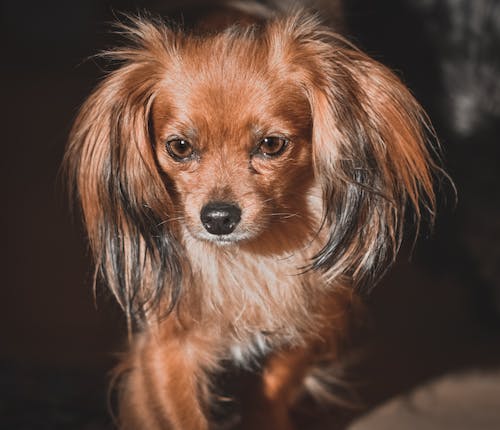
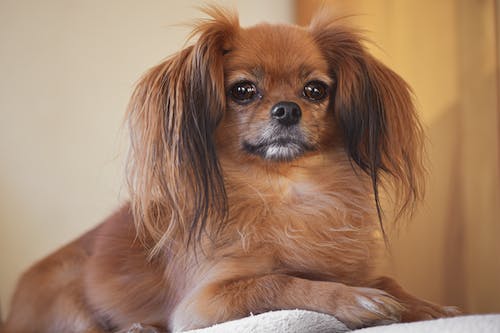
    The Russian Toy is a much smaller breed of dog. They are known to be very loyal and loving to their family. They admire their owners and tend to crave a lot of one-on-one attention from them. Unlike most dog breeds who are either active or relaxed, the Russian Toy is a 50/50 mix. Some of these pups are energetic and always on the move while some are much more laidback and relaxed. This breed has roots that date back to the 18th century. They were originally known as Russian Toy Terriers and were bred to be companion dogs for the upper-class. In the early 1900’s they nearly went extinct but have since been saved after great efforts by Russian breeders were made. Russian Toys come in smooth-coated and long-coated varieties.

    Russian Toy Basic Breed Information

    • Russian Toy Height: 7–11 inches tall at maturity
    • Russian Toy Weight: 5-8 pounds at maturity
    • Russian Toy Colors: Black and tan; brown and tan; blue and tan; red; sable; and brown sable
    • Russian Toy Lifespan: 10–12 years

    Both of these breeds of dogs are very well-liked and are expected to be become even more popular in the years to come. With the recognition of the American Kennel Club, the world will begin seeing these pups as first-class dogs. Both dog breeds offer many great qualities and make great family pets. They are both also very good-looking pups!

  • Tips on Keeping Your Pup Healthy in The Summer

    Tips on Keeping Your Pup Healthy in The Summer

    As we enter summer and the temperature rises, we need to be mindful of our pups and their health. Although our pups do enjoy playing outdoors in all months, hot summer days do take a toll on them and paying extra attention to them and their needs is crucial. We have come up with a list of things to consider which will help keep your pup feeling his best as we enter the summer.

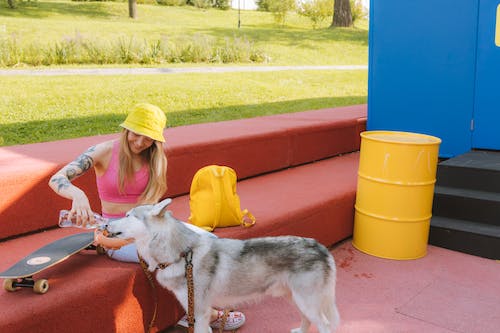
    Provide Your Dog with Plenty of Shade and Water

    Dehydration in dogs is a common occurrence but one that can be prevented. Making sure that your pup is well hydrated is the first step in preventing this. Having fresh drinking water available is key as is making sure your pup has ample shade while outside. Shade will allow your pup to escape the sun and help him cool down. Signs of dehydration quickly arrive and it is best to prevent before taking place.

    Identify the Signs

    Your pup’s normal temperature is between 100° and 103°F, which means anything above that means your pet’s health is in danger. Dogs do not sweat like humans and rely on panting to cool down. If your pup is outside and you observe any of the following, it may be a good time to bring him inside and allow him relax and lower his body temperature.

    • Heavy or excessive panting
    • Dry or bright red gums
    • Thick drool
    • Vomiting
    • Diarrhea
    • Wobbly legs
    • General look of exhaustion or discomfort
    • Lethargic behavior
    • Whining or barking

    Never Leave Your Pet in The Car

    Although your fur-legged friend most likely does enjoy a ride in the car, leaving him inside for any amount of time without the air conditioner on can be extremely harmful. The temperature inside a parked car can reach a temperature in very little time that is enough to cause your pup to overheat and die. This act is not only very dangerous, but illegal in many states as it is a form of animal abuse. Police are commonly called to public parking lots after someone observed a dog inside a car unattended. Cracking your windows is certainly not enough to keep your dog safe and is a bad practice.

    Apply Ample Amounts of Sunscreen

    Believe it or not, dogs are able to get sunburn just like we can. This especially for dogs that are light in color and or have very short coats. Sunburn can be very painful and eventually lead to major health issues such as skin cancer. If you are planning to take your dog outside, a fresh application of sunscreen should be applied every three to four hours. Be sure to pay special attention to areas such as his belly and ears as those are sensitive spots that tend to burn easy. The sunscreen used should be a pet-friendly one as human sunscreen can be toxic for dogs. Taking the time to do this will save a lot of time and pain for your pup later.

    Keep Your Dog’s Paws Cool and Protected

    Pets heat and cool from the bottom up. If you’re out in the sun together, try to keep your pet off of hot surfaces like cement and asphalt which are generally much hotter than grass and dirt. Hot surfaces will prevent your pup from cooling down and can cause their sensitive paws to burn which may require medical attention. It is always better to be safe than sorry!

    Put Together a Travel Pack for Your Pup

    If you plan on bringing your pup out for the day have items packed up that he will be able to use. Extra bottled water, sunscreen, and rags that can be dampened to help keep him cool are just a few. Plan out your adventure ahead of time and be sure there are rest areas that have shade. This will allow for a safer and much more enjoyable adventure for you and your pup.