Blog

  • The Basics of Dog Training

    The Basics of Dog Training

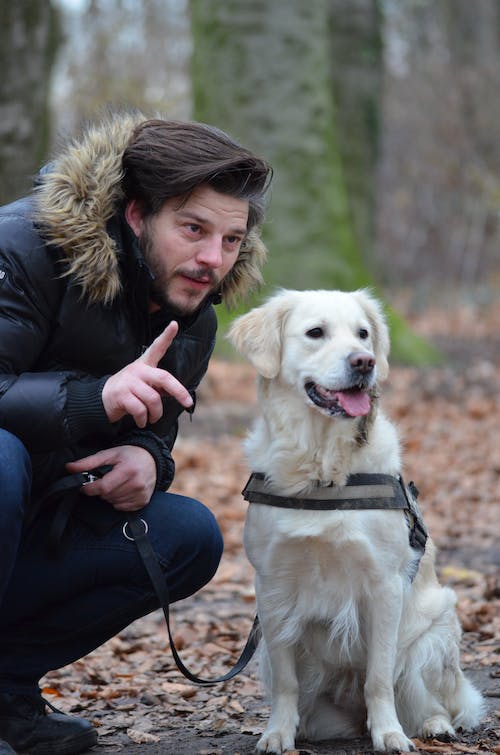
    Dog training is an essential part of owning a pet, ensuring they are well-behaved, obedient, and happy. To effectively train your furry friend, it’s crucial to understand the basics of dog training.

    – Establish clear communication with your dog.

    – Use consistent verbal cues and body language.

    – Dogs respond best to positive reinforcement.

    – Reward your pup with treats or praise when they exhibit desired behaviors. – Don’t forget, your body language is very important while communicating with your dog.

    Consistency Is Key

    Set a routine for training sessions and stick to it. Short and frequent sessions work best as dogs have limited attention spans. Patience is essential during the training process as dogs learn at their own pace. Lastly, remember that every dog is unique; tailor your training approach to suit their individual needs and personality traits. By grasping these fundamental principles of dog training, you will be better equipped to establish a strong bond with your canine companion and achieve successful results in their behavior development.
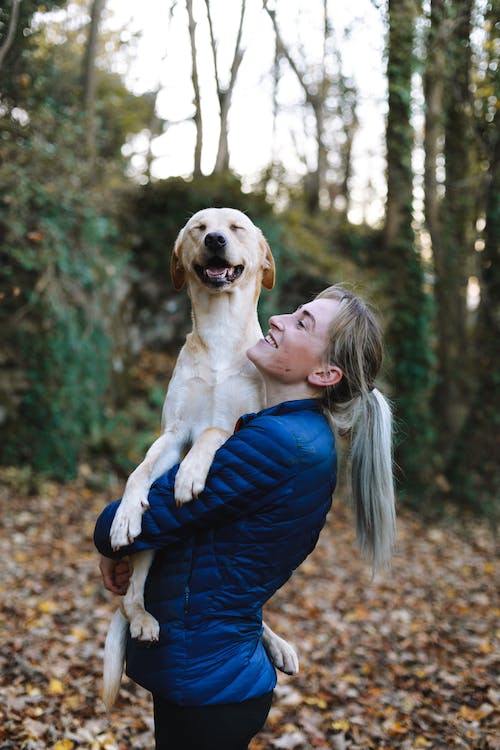
    Establishing A Positive Relationship with Your Dog

    Building a strong and positive relationship with your dog is essential for successful training. It is important to create an environment of trust and respect that encourages cooperation and understanding between you and your furry companion. To achieve this, start by spending quality time together, engaging in activities that both of you enjoy.

    Regular exercise not only keeps your dog physically fit but also helps release pent-up energy, reducing behavioural issues. Avoid punishment or harsh methods as they can damage the trust between you both.

    Effective Techniques for Teaching Basic Commands

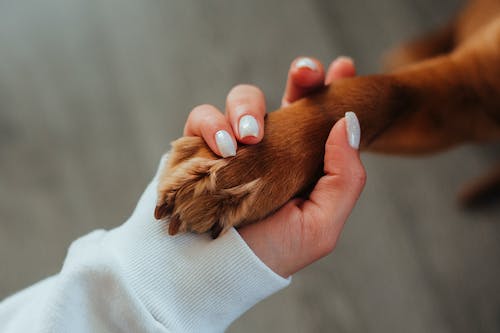
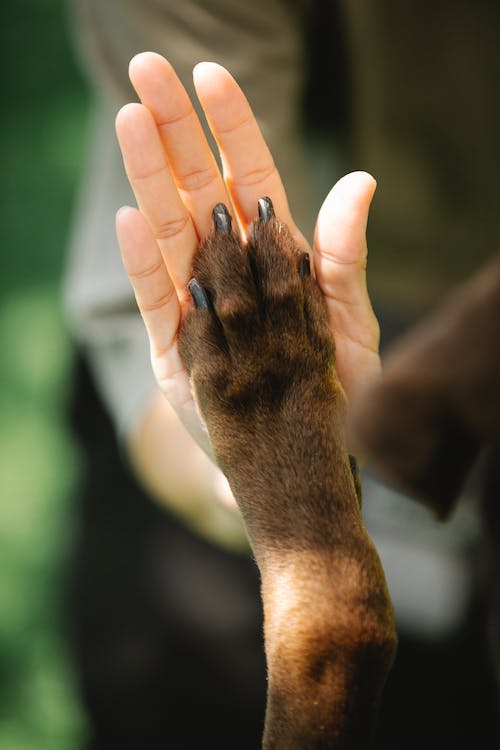
    When it comes to training your dog, initial basic commands lay the foundation for a well-behaved and obedient pet. Commands such as sit, lay, paw, and wait allow your dog to recognize commands. In time your dog will build up to more complicated commands that require more effort on his part.

    Addressing Common Behavior Issues in Dogs

    When it comes to training our furry companions, addressing common behavior issues is essential for a harmonious household. One prevalent issue faced by dog owners is excessive barking. To tackle this problem, it is crucial to identify the underlying cause, such as boredom or anxiety, and address it appropriately through mental stimulation, exercise, and positive reinforcement techniques.
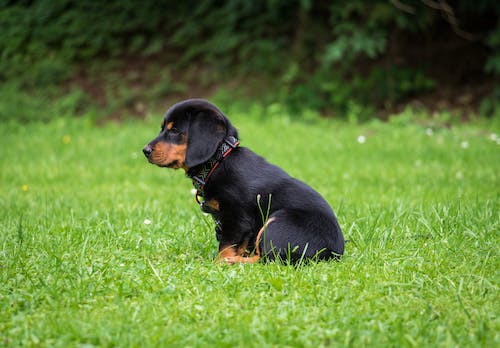
    Start Training Young

    Ever hear of the saying “you can’t teach an old dog new tricks?” Well, you can, however, it is easier to teach a puppy new tricks because they don’t have many bad habits yet. Start training very basic commands at a young age and the trickier and more complicated commands will be easier for them to learn as they mature.

    It’s A Process

    Training your dog is something that takes time and patience. You need to remember; your dog is happy when you are and does not want to disappoint you. Being patient and positive will allow better long-term results. A little training each and everyday will go a long way!
  • Benefits of Crate Training a Dog

    Benefits of Crate Training a Dog

    Crate training is a popular method used by dog owners to train their furry friends. It involves using a crate or kennel as a safe and comfortable space for the dog to rest, sleep, and spend time in when necessary. While some people may view crate training as cruel or confining, it actually offers numerous benefits for both the dog and its owner.

    One of the primary advantages of crate training is that it provides a safe haven for dogs. Dogs are den animals by nature, and they instinctively seek out small, enclosed spaces where they can feel secure. A crate serves as their personal den within the home, offering them a sense of comfort and security. This is particularly beneficial for puppies who are still adjusting to their new environment or rescue dogs who may have experienced trauma in the past.

    Crate training also helps with housebreaking and potty training. Dogs naturally avoid soiling their sleeping area, so when confined to a crate, they learn to hold their bladder until they are let outside. This teaches them bladder control and helps establish a routine for bathroom breaks. By consistently using the crate during potty training, accidents inside the house can be minimized or even eliminated altogether.

    In addition to aiding in housebreaking, crates also prevent destructive behavior caused by separation anxiety or boredom. Dogs left alone at home often resort to chewing furniture, shoes, or other household items out of anxiety or boredom. However, when properly trained to associate the crate with positive experiences such as treats or toys, dogs see it as their own personal space where they can relax without causing any damage.

    Crate training also facilitates easier travel with your furry companion. Whether you’re going on vacation or visiting friends and family across town, having your dog accustomed to being in a crate makes transportation much simpler and safer for everyone involved. Dogs that are comfortable in crates experience less stress during car rides since they have familiar surroundings around them. Additionally, crates prevent dogs from distracting the driver or moving around excessively, reducing the risk of accidents.

    Another benefit of crate training is that it helps establish a routine for feeding and sleeping. Dogs thrive on consistency and structure, and having a designated space for meals and rest can greatly contribute to their overall well-being. By feeding your dog in its crate, you create a positive association with the space, making it more likely to willingly enter when needed.

    Furthermore, crates can be used as a tool for managing behavior problems. For instance, if your dog becomes overly excited or aggressive during visitors’ arrival or mealtime, placing them in their crate temporarily can help calm them down and prevent any unwanted incidents. It also serves as a safe place for dogs during thunderstorms or fireworks when they may become anxious or scared.

    Lastly, crate training provides peace of mind for dog owners. Knowing that your furry friend is safe and secure in their crate while you’re away from home reduces worry about potential accidents or destructive behavior. It also prevents dogs from accessing hazardous items such as toxic substances or small objects that could be swallowed.

  • Protecting Your Dog Against Frostbite

    Protecting Your Dog Against Frostbite

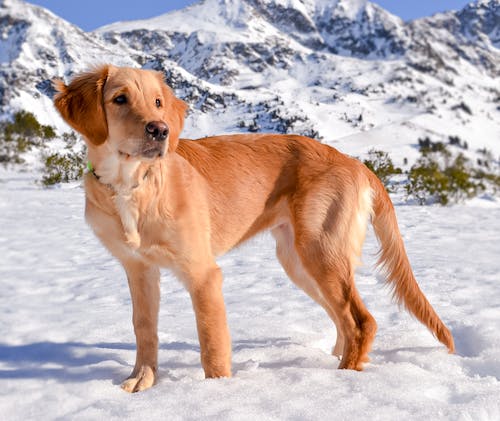
    As winter sets in and temperatures drop, it is essential for pet owners to take extra precautions to protect their furry friends from the harsh elements. Just like humans, dogs are susceptible to frostbite, a condition that occurs when the skin and underlying tissues freeze due to prolonged exposure to extreme cold. To ensure the well-being of our beloved companions, it is crucial to understand the signs of frostbite and take preventative measures.

    Symptoms To Look For

    Frostbite primarily affects areas with minimal insulation, such as ears, paws, and tails. The initial symptoms include pale or bluish skin coloration, coldness upon touch, pain or discomfort when touched or manipulated, and swelling. As the condition progresses, affected areas may become discolored (turning gray or black), develop blisters filled with fluid or blood, and eventually slough off. In severe cases, frostbite can lead to tissue death and infection.

    Preventative Measures

    To protect your dog against frostbite during winter walks or outdoor activities, consider these preventative measures:

    1. Limit exposure: When temperatures plummet below freezing point or wind chills are dangerously low, it is best to minimize your dog’s time outdoors. Shorten walks and opt for indoor playtime instead.

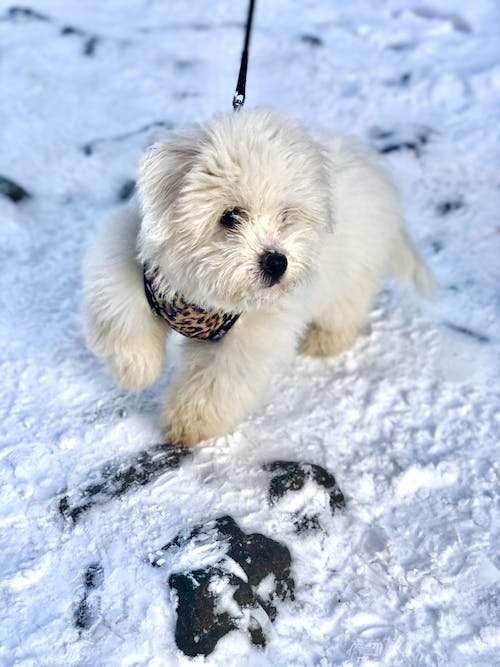
    2. Dress appropriately: Just like humans wear warm clothing during cold weather conditions; dogs can benefit from protective gear too! Consider investing in a well-fitted dog coat or sweater that covers their chest area adequately.

    3. Protect their paws: Paw pads are particularly vulnerable to frostbite since they come into direct contact with icy surfaces. Before heading outside on snowy days, apply a thin layer of petroleum jelly on your dog’s paw pads for added protection against freezing temperatures.

    4. Booties: If your furry friend tolerates them well enough (some dogs may need time getting used to them), consider using booties specifically designed for dogs during walks in snow-covered areas. These booties provide insulation and prevent contact with cold surfaces.

    5. Keep them dry: Moisture can exacerbate the effects of cold weather on your dog’s skin. After returning from outdoor activities, thoroughly dry their fur, paying extra attention to paws and ears.

    6. Provide shelter: If your dog spends time outdoors, ensure they have access to a warm and insulated shelter. The shelter should be elevated off the ground, have proper bedding (straw or blankets), and be small enough to retain body heat.

    7. Monitor for signs of frostbite: Regularly inspect your dog’s ears, paws, and tail for any signs of frostbite. If you notice any abnormalities or suspect frostbite, consult your veterinarian immediately.

    8. Adjust their diet: During winter months, dogs may require additional calories to maintain their body temperature effectively. Consult with your veterinarian about adjusting their diet accordingly.

    By following these preventative measures, you can significantly reduce the risk of frostbite in your furry friend during winter months. Remember that prevention is always better than treatment when it comes to protecting our beloved pets from the harsh elements of nature.

    Frostbite is a serious condition that can affect dogs during winter months if proper precautions are not taken. By limiting exposure to extreme cold temperatures, dressing appropriately, protecting their paws with booties or petroleum jelly, keeping them dry after outdoor activities, providing adequate shelter and monitoring for signs of frostbite regularly; pet owners can ensure the well-being of their furry companions throughout the winter season.

    Let us prioritize our pets’ safety by taking proactive steps in protecting them against this potentially harmful condition – because they deserve nothing less than our utmost care and love all year round!

  • How To Treat a Dog’s Bleeding Nail Bed

    How To Treat a Dog’s Bleeding Nail Bed

    Dogs are known for their playful and active nature, which often leads to accidents and injuries. One common injury that dog owners may encounter is a bleeding nail bed. A bleeding nail bed can be a painful experience for your furry friend, but with proper care and attention, you can help alleviate their discomfort and promote healing.

    Firstly, it is important to remain calm when dealing with a dog’s bleeding nail bed. Dogs are highly sensitive to their owner’s emotions, so staying calm will help prevent further stress or anxiety in your pet. Next, gently restrain your dog to prevent them from licking or biting at the injured area. This can be done by placing a muzzle on your dog or using a towel to wrap around their snout.

    Once your dog is safely restrained, carefully examine the injured nail bed. If there is any debris or foreign objects lodged in the wound, use tweezers to remove them gently. Be cautious not to cause further damage or pain while doing this.

    To stop the bleeding from the nail bed, apply gentle pressure using a clean cloth or gauze pad. Maintain this pressure for several minutes until the bleeding subsides. If the bleeding persists after 10-15 minutes of continuous pressure, it may be necessary to seek veterinary assistance.

    After successfully stopping the bleeding, it is crucial to clean the wound thoroughly to prevent infection. Use warm water and mild soap or an antiseptic solution recommended by your veterinarian. Gently wash around the injured area without applying direct pressure on it. Once cleaned, pat dry the surrounding area with a clean towel or paper towel. Avoid using cotton balls as they may leave fibers behind that could irritate the wound further.

    To aid in healing and provide relief for your dog’s discomfort, you can apply an over-the-counter antibiotic ointment specifically formulated for dogs’ wounds onto the affected area. Be sure to follow the instructions provided on the packaging and avoid using any products containing ingredients that may be toxic to dogs.

    To protect the injured nail bed from further damage, it is essential to prevent your dog from licking or biting at the wound. You can achieve this by using an Elizabethan collar, commonly known as a cone, which will restrict your dog’s access to the injured area. Alternatively, you can use a dog bootie or wrap their paw with a clean cloth or bandage.

    During the healing process, it is crucial to monitor your dog for any signs of infection. These signs may include increased swelling, redness, discharge, or if your dog becomes lethargic or loses its appetite. If you notice any of these symptoms, it is important to consult with your veterinarian promptly.

  • Police Dog Breeds

    Police Dog Breeds

    Police dogs, also known as K9 units, play a vital role in law enforcement agencies worldwide. These intelligent and highly trained canines possess a unique set of skills that make them indispensable partners to police officers. While there are numerous dog breeds used in police work, each with their own strengths and specialties, certain breeds have proven to be particularly well-suited for this demanding job. These specialized police dog breeds are carefully selected based on their physical capabilities, temperament, and trainability. The choice of breed is crucial as it directly influences the effectiveness of the dog in various law enforcement tasks such as search and rescue operations, drug detection, tracking down suspects, and apprehending criminals. In this blog, we will explore some of the most common police dog breeds employed by law enforcement agencies worldwide.

    Commonly Used Breeds in Police Work

    When it comes to police work, certain dog breeds are favored for their exceptional skills and qualities. German Shepherds, known for their intelligence and versatility, are widely utilized in various law enforcement tasks such as tracking suspects, detecting drugs or explosives, and search and rescue missions. Belgian Malinois are another popular choice due to their high energy levels, agility, and fearless nature.

    These dogs excel in apprehending criminals and protecting officers during dangerous situations. Labrador Retrievers are often employed as detection dogs due to their remarkable sense of smell. Their ability to sniff out narcotics or contraband makes them essential in drug enforcement operations. Similarly, Bloodhounds possess an unparalleled sense of smell that aids in locating missing persons or tracking scents over long distances.

    Training And Qualifications for Police Dogs

    Police dogs undergo rigorous training programs to become effective members of law enforcement. The training process begins with a careful selection of suitable breeds known for their intelligence, agility, and temperament. German Shepherds, Belgian Malinois, Labrador Retrievers, and Dutch Shepherds are commonly chosen due to their natural instincts and abilities. The training typically starts at a young age, usually around 12-18 months old.

    The dogs are taught basic obedience commands such as sit, stay, and come before progressing to more advanced skills. Police dogs receive specialized training in tracking scents, apprehending suspects, searching buildings or vehicles for contraband or missing persons, detecting narcotics or explosives, and providing protection to their human partners. To ensure the highest level of proficiency in real-life scenarios, police dogs also undergo extensive socialization exercises to acclimate them to various environments and situations they may encounter on duty.

  • The Longest Living Breeds of Dog and Ways to Ensure a Longer Life

    The Longest Living Breeds of Dog and Ways to Ensure a Longer Life

    The average life expectancy of a dog varies based on several things. Keeping a proper diet, maintaining a healthy weight, and routine veterinarian wellness checks are all very important. Despite these things, some dog breeds in general, tend to outlive other breeds. Below we put together a list of the top five dog breeds that have the longest average life expectancy.

    Chihuahua

    Named for the Mexican state of Chihuahua, is the feisty and lovable Chihuahua. It is believed that the Chihuahua derived from the Techichi, which was a small dog kept by the Toltec people of Mexico in the 9th century. This breed is active and relatively a very healthy dog and has an incredible average lifespan of about seventeen years.

    New Guinea Singing Dog

    The New Guinea Singing Dogs, also referred to as NGSD, are from the Highlands of Papua New Guinea. These roaming dogs have evolved naturally on the island over several thousand years but were not discovered by researchers until the 1950s. This breed has a very average lifespan of about seventeen years.

    Jack Russell Terrier

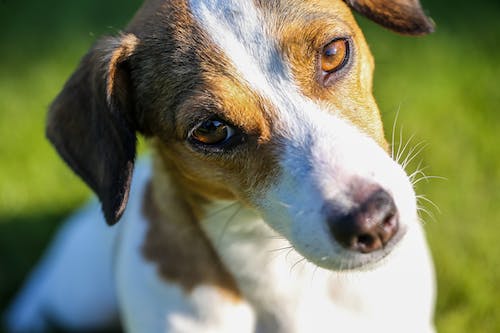
    Originally bred in the 1800’s in southern England by Parson John Russell is The Jack Russell Terrier. This breed of dog is a family favorite throughout the world and is known for its ability to hunt with hound dogs. They are active and lively dogs that average a lifespan of about sixteen years.

    Toy Poodle

    Originally bred in the early 20th century as a companion dog, the Toy Poodle remains a very well-liked and popular dog to date. They are known to be very alert and intelligent as well as loyal and caring.  In 1886 the American Kennel Club (AKC) recognized this breed which has an average lifespan of about sixteen years.

    Cockapoo

    The Cockapoo was designed in the 1960s, when a breeder accidentally combined the genetic material of a Cocker Spaniel and a Poodle. The Cockapoo’s popularity has risen ever since and can be found in households worldwide. Much thanks to his Poodle parent, this breed’s average life expectancy is sixteen years.

    Five Basic Tips to Keep Your Dog Healthy

    1. Provide Your Dog a Healthy and Well-Balanced Diet – Always check the ingredients of their food and be sure to portion it properly. Variables such as the size of your dog, his activity level, and age must be considered. Feeding your dog too much food will result in weight issues as feeding him too little will result in nutrition issues.
    2. Proper Dental Care – Routine teeth cleaning is extremely important in your dog’s longevity. Although this is not always easy to perform it is something you want to always be sure gets done.
    3. Activity Time – Most dogs benefit the most with about thirty minutes of physical activity every day.
    4. Mental Stimulation – While play with your dog be sure to do more than just throw a ball. Human interaction in verbal form and body language will help to stimulate his mind. One-on-one playtime with lots of “good boys” is a great way to achieve this.
    5. Regular Veterinary Visits – Wellness checks are a great way to catch and correct an issue before it becomes a real problem.
  • Thanksgiving Foods Your Dog Can Try

    Thanksgiving Foods Your Dog Can Try

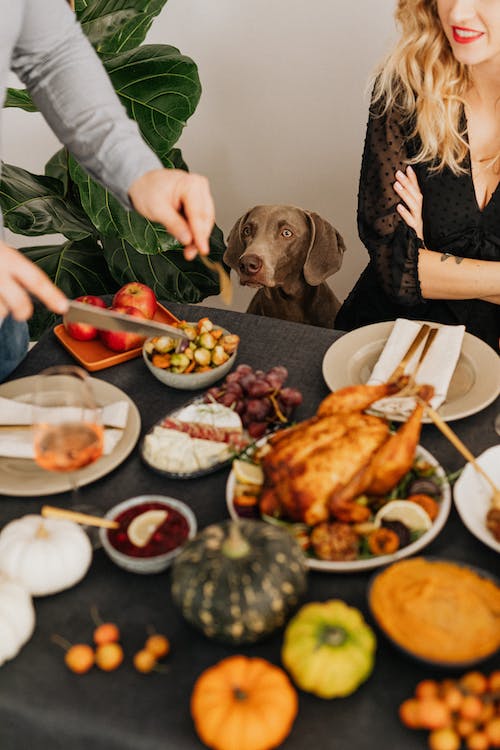
    Thanksgiving is a time for family, gratitude, and of course, delicious food. As we gather around the table to indulge in our favorite holiday dishes, it’s only natural to want to share this joy with our furry friends. However, it’s important to remember that not all Thanksgiving foods are safe for dogs. Fortunately, there are several options that can be enjoyed by both humans and canines alike.

    The Most Common

    One such treat is plain cooked turkey. Dogs can benefit from the lean protein found in turkey meat, but it should be free from any seasoning or bones which can pose a choking hazard or cause digestive issues. Additionally, sweet potatoes are a nutritious option for dogs as they are rich in vitamins A and C. Mashed sweet potatoes without added sugar or spices make a tasty and healthy addition to their meal.

    Don’t Forget the Greens!

    Furthermore, green beans are another Thanksgiving staple that dogs can enjoy. These low-calorie vegetables provide fiber and essential nutrients while being gentle on their digestive system. Simply steam or blanch them before serving.

    Leave Room for Dessert

    Leave Room for Dessert

    Lastly, pumpkin puree is an excellent choice for dogs during Thanksgiving festivities. It aids digestion and can alleviate constipation or diarrhea in pets when served in small amounts.

    Foods To Avoid

    While it’s tempting to share every dish with our beloved pets during this festive season, it’s crucial to avoid certain foods like onions, garlic, grapes/raisins, chocolate, and anything containing xylitol as they can be toxic to dogs.

    Moderation Is Key

    Although we love making our pups smile, we need to remember that they are dogs and moderation is very key. Be sure to regulate and monitor how much food they eat, especially if its food they are not accustomed to on a regular basis.

    In conclusion, Thanksgiving doesn’t have to exclude our four-legged companions from enjoying some special treats. By providing them with plain cooked turkey meat (without bones), mashed sweet potatoes (without sugar or spices), steamed green beans, and pumpkin puree (in moderation), we can ensure they partake in the holiday feast safely while keeping their health at the forefront of our minds.

  • Breeds That Have the Largest Litters of Puppies

    Breeds That Have the Largest Litters of Puppies

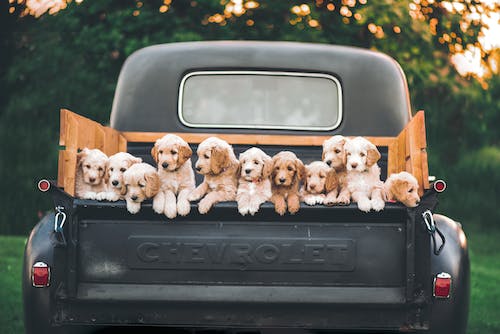
    The joy of welcoming a new litter of puppies into the world is an experience that brings immense happiness to both breeders and dog lovers alike. While every litter is special, there is something particularly fascinating about the largest breed puppy litters. These litters not only captivate us with their sheer size but also offer a glimpse into the wonders of nature’s miracles.

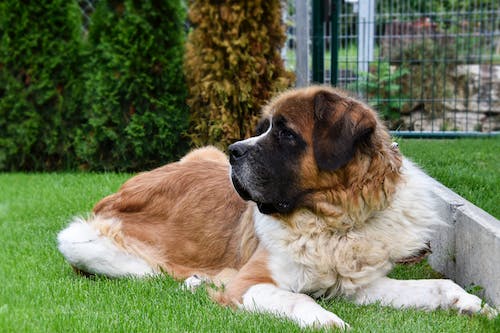
    When it comes to large breed dogs, it should come as no surprise that they tend to have larger litters compared to their smaller counterparts. Breeds such as Great Danes, Saint Bernards, and Irish Wolfhounds are known for producing some of the largest litters in the canine world. These gentle giants often give birth to anywhere between 10 to 15 puppies per litter, sometimes even more!

    One might wonder how these massive breeds can accommodate such large numbers of puppies within their bodies. The answer lies in their biology. Large breed dogs typically have larger uterine horns and wider pelvic bones, allowing them to carry more puppies comfortably. Additionally, these breeds often have higher levels of progesterone during pregnancy, which can contribute to larger litter sizes.

    While large breed puppy litters are undoubtedly awe-inspiring, they also present unique challenges for both the mother dog and the breeder. The mother’s health and well-being become paramount during this time as she must provide nourishment and care for her numerous offspring. Breeders must be vigilant in ensuring that each puppy receives adequate nutrition and attention from its mother.

    The process of raising a large breed puppy litter requires careful planning and preparation. Adequate space is essential for both the mother dog and her pups. A spacious whelping box or area allows room for movement while providing a safe environment for all involved. Additionally, ensuring proper nutrition through high-quality food becomes crucial in supporting healthy growth for each individual puppy.

    Socialization is another vital aspect when dealing with large breed puppy litters. Early socialization helps puppies develop into well-adjusted adults, and this becomes even more crucial when dealing with larger numbers. Breeders must invest time and effort into exposing the puppies to various stimuli, such as different sounds, textures, and experiences. This early exposure helps build confidence and reduces the likelihood of behavioral issues later in life.

    The fascination with large breed puppy litters extends beyond their physical size. Each puppy within the litter possesses its unique personality traits, markings, and potential. It is a joy to witness these little beings grow and develop into their own distinct individuals. From observing their first wobbly steps to witnessing them explore the world around them, every moment is filled with wonder.

    Large breed puppy litters also present an opportunity for breeders to contribute positively to the future of these magnificent breeds. By carefully selecting breeding pairs based on health, temperament, and conformation standards, breeders can work towards improving the overall quality of these breeds while ensuring their long-term well-being.

    Large breed puppy litters are a testament to nature’s marvels. They embody both the beauty of life’s diversity and the challenges that come with it. These litters captivate us not only with their size but also with their potential for growth and development. As we marvel at these gentle giants’ ability to bring forth new life in abundance, we are reminded of our responsibility as stewards of these remarkable creatures.

  • Top Halloween Costumes for Dogs

    Top Halloween Costumes for Dogs

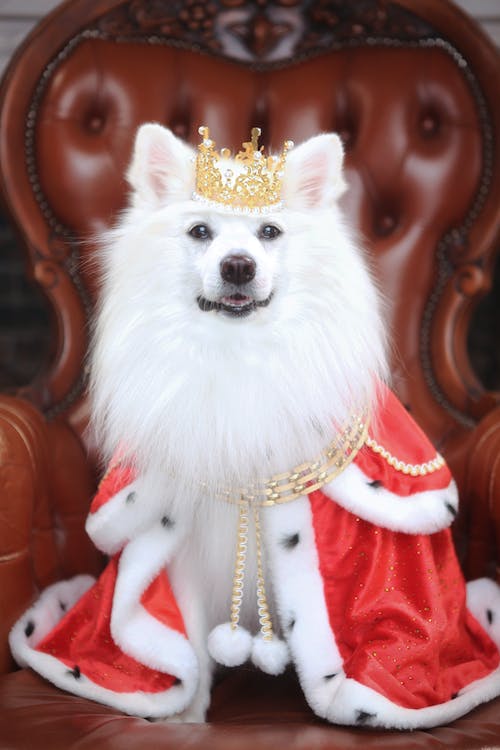
    Halloween is a time of year when people get to dress up in creative and fun costumes, but it’s not just humans who can get in on the fun. Dogs can also join in the Halloween spirit with adorable and hilarious costumes designed specifically for them. From cute and cuddly to spooky and scary, there are countless options available for dressing up your furry friend this Halloween.

    The Classic Costumes

    One of the most popular dog costumes for Halloween is the classic pumpkin. This costume features a bright orange bodysuit with a green stem on top, making your dog look like a walking jack-o’-lantern. It’s simple yet effective, instantly transforming your pup into an iconic symbol of Halloween. Plus, it’s comfortable for dogs to wear and allows them to move freely while trick-or-treating or attending parties.

    Another beloved costume option is the superhero outfit. Whether it’s Superman, Batman, or Wonder Woman, dressing your dog as a superhero is sure to turn heads and bring smiles wherever you go. These costumes typically include a cape and logo emblazoned on the back, giving your pet an air of power and strength. Not only will they look adorable in their crime-fighting attire, but they’ll also feel like true heroes as they strut their stuff around town.

    Top Attention Getters!

    For those looking for something more whimsical, unicorn costumes are an excellent choice. With colorful manes and sparkly horns adorning their heads, dogs dressed as unicorns are guaranteed to be the center of attention at any Halloween gathering. These enchanting outfits often feature tutus or flowing skirts that add an extra touch of magic to their appearance.

    If you’re aiming for something spookier this Halloween season, consider dressing your dog as a vampire or werewolf. These classic monster costumes never go out of style and are perfect for adding some frightful fun to any celebration. Vampire outfits usually consist of black capes with red lining and a set of fangs, while werewolf costumes feature faux fur and menacing claws. Just be prepared for your dog to receive extra treats when they show up at the door in one of these terrifying getups!

    Nothing Wrong with A Humorous Costume

    For those who prefer a more humorous approach, there are plenty of funny costumes available as well. From hot dogs to tacos, dressing your dog as food is always a crowd-pleaser. These costumes often come with hilarious details like condiments or toppings, making them even more entertaining. Seeing your furry friend transformed into their favorite snack is sure to bring laughter and joy to everyone around.

    Just Have Fun!

    Whether you opt for a classic pumpkin outfit, superhero attire, whimsical unicorn costume, spooky vampire or werewolf ensemble, or a hilarious food-themed getup, there’s something out there to suit every dog’s personality and style. So, this Halloween season, don’t forget to include your furry friend in the festivities by dressing them up in an adorable or spooky costume that will make heads turn and tails wag!

  • They’ll Fight Like Cats and Dogs!

    They’ll Fight Like Cats and Dogs!

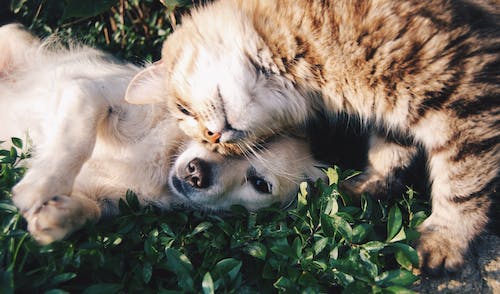
    We’ve all heard the saying, they’ll fight like cats and dogs…

    Well, not really if you find the right dog. There are certain qualities a dog needs to have in order for it to get along well with a cat. The initial thing to take into consideration is the dog’s breed group. Breeds in the Terrier Group were designed to hunt smaller animals, such as a cat! Dogs in the Hound Group were bred to follow, pursue, and chase animals. Dog breeds that fall under the Herding Group were designed to do just that, herd. Cats are certainly independent animals and may not do well being led, however, herding dogs tend to get along well with them. Below is our list of the Top-4 herding dogs that we feel would make the best fit in a household that has a cat.

    The Australian Shepherd

    The Australian Shepherd is a highly intelligent and loyal dog breed that has become increasingly popular in recent years. Despite its name, the breed actually originated in the western United States in the 19th century, where it was used for herding livestock on ranches. It is believed that the breed’s ancestors were brought over by Basque shepherds who came to America from Australia.

    The German Shepherd

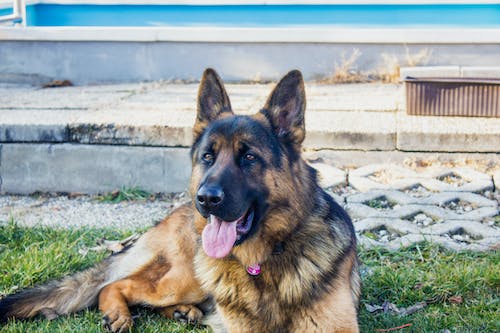
    The German Shepherd is a breed of dog that has been around for over a century. Originally bred in Germany as a herding dog, they quickly became popular as police and military dogs due to their intelligence, loyalty, self-control and bravery. Today, German Shepherds are still used in these roles but have also become beloved family pets.

    Border Collie

    The Border Collie is a medium sized breed of herding dog. They are widely considered to be the most intelligent dog breed who are easily trained. They are descendants of landrace sheepdogs that were once found all over the British Isles, but became standardized in the Anglo-Scottish border region. They are gentle and caring dogs who grow close to family and other pets within their household.

    Shetland Sheepdog

    The Shetland Sheepdog, also known as the Sheltie, is a breed of herding dog that originated in the Shetland Islands of Scotland. The original name was Shetland Collie, but this caused controversy amongst Rough Collie breeders of the time, so the breed’s name was formally changed. The Shetland Sheepdog is a working dog and has a lowkey and generally laidback personality. They enjoy the company of other animals and rarely show signs of aggression.

    Regardless which breed of dog you eventually decide to go with, the initial introduction between the animals is very important. Many animals are territorial and learning to share their space is something that may take a little time.