Category: Petcare

  • How to Start Training Your Puppy: A Beginner’s Guide

    How to Start Training Your Puppy: A Beginner’s Guide

    You brought home a puppy. Congratulations! And also, welcome to the wonderfully chaotic stage of life where socks disappear and every sound becomes exciting.

    The first few weeks with a new puppy are full of milestones. First walks. First zoomies. First successful potty break outside. And somewhere in between all of that? Training begins.

    Many new puppy owners assume formal training starts later. In reality, puppies begin learning from the moment they enter your home.

    That’s why starting early matters.

    The good news is that puppy training does not need to feel intimidating. With consistency, patience, and the right approach, training can actually become one of the best bonding experiences you share with your dog.

    Why Early Puppy Training Matters

    Young puppies absorb information quickly.

    The habits, routines, and behaviors they practice early often become the foundation for adulthood. Starting training during puppyhood helps build confidence, communication, and structure.

    Training also helps puppies feel safer because predictable routines reduce stress and confusion.

    And no, training is not only about commands. It is also about teaching your puppy how to successfully live alongside people, routines, and everyday life.

    Start With Simple Foundations First

    The best puppy training starts small.

    During the first few months, focus on:

    • Potty training
    • Name recognition
    • Crate training
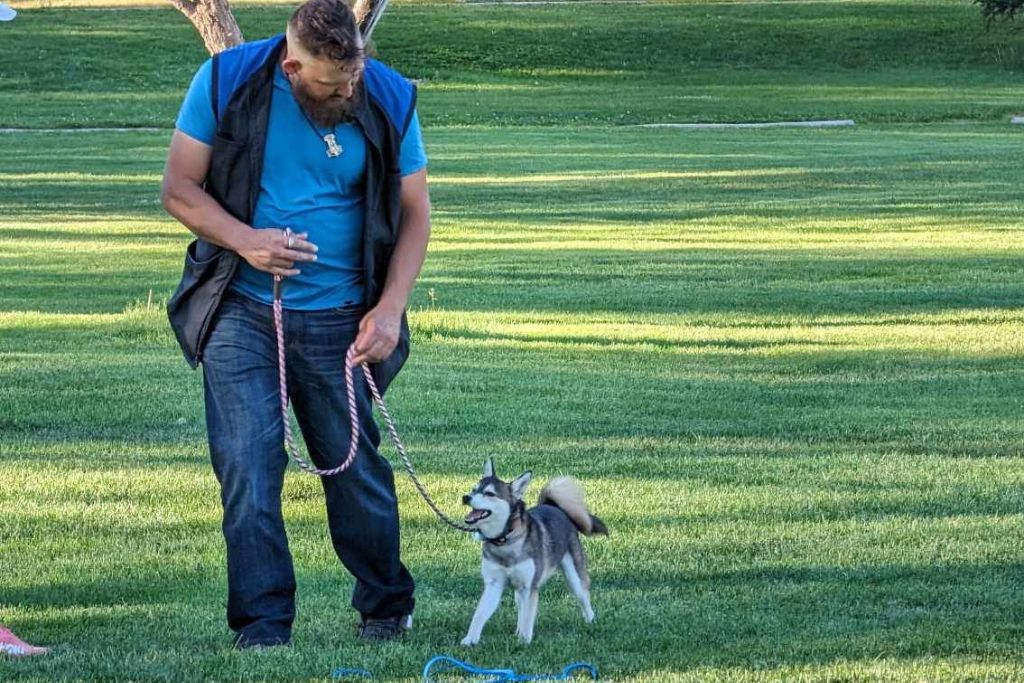
    • Gentle leash introduction
    • Basic commands like “sit” and “come”
    • Positive socialization

    Short, simple training sessions work best for young puppies. Most puppies have limited attention spans, so keeping sessions fun and rewarding helps them learn faster.

    Positive Reinforcement Works Best

    Modern puppy training focuses heavily on positive reinforcement.

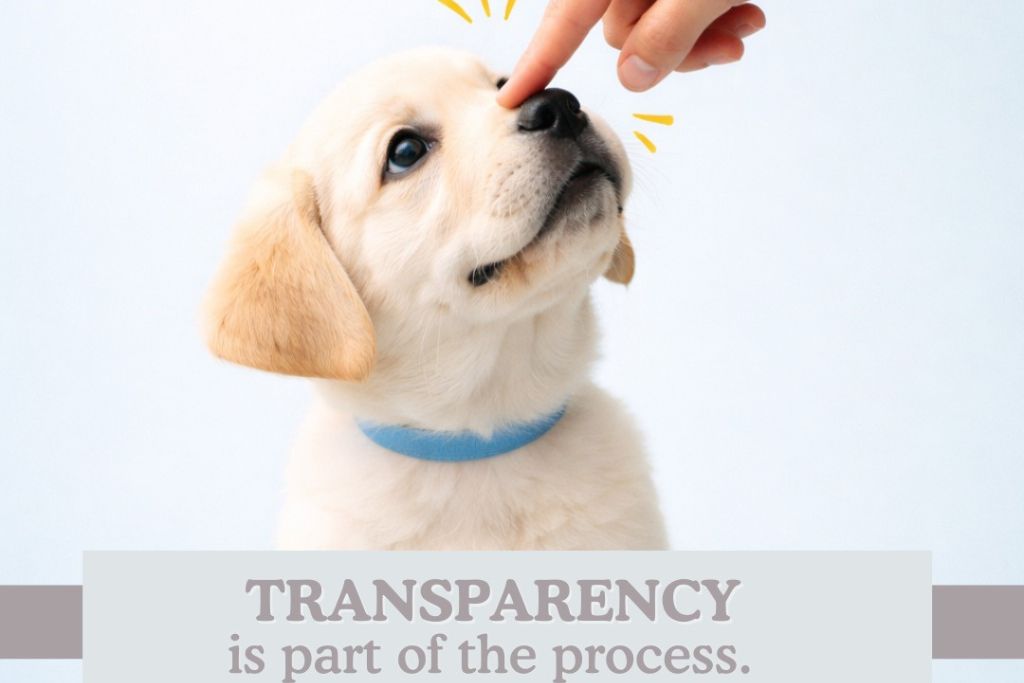
    That means rewarding good behavior with praise, treats, toys, or affection instead of punishing mistakes.

    For example, when your puppy sits calmly instead of jumping, reward that behavior immediately. Puppies learn through repetition and consistency.

    Harsh punishment often creates fear or confusion, especially during early development stages.

    Calm guidance builds trust much more effectively.

    Timing Is Everything During Training

    One of the biggest training mistakes new owners make is inconsistency.

    If jumping on guests is allowed sometimes but corrected other times, puppies struggle to understand expectations.

    Clear routines help puppies learn faster. That includes:

    • Consistent potty schedules
    • Regular feeding times
    • Predictable sleep routines
    • Repeated training cues

    Puppies thrive when life feels structured and understandable.

    Socialization Is Part of Training Too

    Training is not only about teaching “sit” or “stay.”

    Helping puppies safely experience new people, sounds, environments, and situations is equally important during early development.

    Positive socialization helps puppies grow into calmer, more confident adult dogs.

    Even short outings or supervised introductions can make a big difference over time.

    Progress Takes Patience

    Some puppies pick up commands quickly. Others need more repetition and guidance.

    That is completely normal.

    Training is not about perfection. It is about communication, consistency, and building trust over time.

    Even small daily progress matters.

    Helping Puppies Thrive From the Start

    We understand how important these early puppy stages are for families.

    Bringing home a puppy is exciting, but it also comes with responsibility and plenty of questions along the way. That is why education, support, and thoughtful care matter so much during puppyhood.

    Because confident, well-supported puppies grow into happier lifelong companions.

    The Puppy Stage Goes Faster Than You Think

    Right now, training may feel repetitive. There will be accidents. Distracted moments. Random zoomies in the middle of practice sessions.

    But every small lesson helps shape the relationship you are building together.

    And one day you will probably miss these tiny puppy training moments more than you expect.

  • Behind the Scenes: How PetCenter Cares for Puppies Every Day

    Behind the Scenes: How PetCenter Cares for Puppies Every Day

    Bringing home a puppy is a big moment. It’s exciting, emotional, and life-changing in the best way. But before that first cuddle or car ride home, there’s one important question: Where is your puppy coming from and how were they cared for?

    That part matters more than most people realize.

    Pet stores sometimes get a less-than-stellar rep. But reputable stores, like PetCenter in Old Bridge, NJ, do things differently. Care isn’t an afterthought; it’s the entire foundation. So if you’ve ever wondered what actually happens behind the scenes, here’s a closer look at how our puppies are cared for every single day.

    A Day in the Life: Daily Puppy Care at PetCenter

    From the moment the day begins, every puppy is given focused, hands-on attention.

    Morning Wellness Checks

    Each puppy receives an individual check to assess energy, appetite, and overall health. We also record daily weights and monitor temperature. This helps us catch even the smallest changes early.

    Fresh Meals, Thoughtfully Monitored

    Meals are portioned and served with care. We don’t just feed, we observe. Appetite can say a lot about a puppy’s well-being, so we keep a close eye.

    Clean Spaces, Every Time

    All kennel areas are thoroughly cleaned and sanitized daily. Throughout the day, we maintain that same level of cleanliness. A healthy environment supports healthy puppies. Simple as that.

    Play, Socialization, and Confidence Building

    Care goes beyond the basics.

    Puppies need interaction, stimulation, and positive experiences to grow into confident companions.

    Supervised Playtime

    Our puppies enjoy structured play sessions with supervision. This helps them learn boundaries, build confidence, and stay active.

    New Sounds, Toys, and Experiences

    We introduce puppies to different textures, sounds, and environments. These small exposures help reduce fear later on and support smoother transitions into new homes.

    Social Skills That Matter

    Early socialization is key. It helps puppies adapt to people, families, and everyday life more easily.

    Health, Hygiene, and Ongoing Monitoring

    Consistency is everything when it comes to puppy care.

    At PetCenter Old Bridge, frequent sanitizing of all play and kennel areas helps maintain a clean, safe environment at all times. Alongside this, each puppy’s development is carefully monitored to ensure proper growth and well-being.

    Weekly veterinary checks provide an added layer of professional oversight. The focus extends beyond immediate care, emphasizing long-term health and ensuring every puppy continues to progress as they should.

    Preparing Puppies for Their Next Chapter

    Every part of our process leads to one goal: helping each puppy transition smoothly into their new home.

    That means individual attention, continued socialization, and thoughtful care every step of the way.

    Why Daily Puppy Care Standards Matter Before You Bring Them Home

    At PetCenter, we believe you should feel confident about where your puppy comes from. When care is consistent, intentional, and genuine, you can see the difference.

    And more importantly, so can your puppy.

    Hungry for more? The next chapter’s even better! Follow the paw prints below to keep reading.

    Where Does PetCenter Get Their Puppies: The Truth Behind The Tails
    I Went to “Just Look” At Puppies. I Left With My Perfect Match (And A Whole Lot Of Trust In PetCenter).

  • The Ultimate Dog Mom Resume: Are You Qualified for the Best Job Ever?

    The Ultimate Dog Mom Resume: Are You Qualified for the Best Job Ever?

    Let’s be honest: No one applies to be a dog mom.

    One minute you’re “just looking,” and the next, you’re emotionally attached to a tiny face, rearranging your entire life around nap schedules and snack times.

    But if dogs could talk (and frankly, they do, just with more eye contact), they’d absolutely have a hiring process. A very selective one.

    Because being a dog mom? It’s not a hobby. It’s a full-time role, with benefits, chaos, and an unreasonable amount of love.

    So… do you have what it takes?

    First Things First: This Is a Real Job

    Dogs don’t just need food and a place to sleep. They look for consistency, safety, emotional connection, and yes, someone who understands that a “quick walk” is never actually quick.

    We see it every day: the moment a puppy picks their person. It’s instant, and it’s intentional.

    Because dogs know.

    The Resume: Qualifications Your Dog Is Looking For

    Let’s review your credentials.

    ✔️ Snack Distribution Specialist (Advanced Level)

    You must understand that treats are not just snacks. They are communication, motivation, and, occasionally, emotional support.

    Dogs thrive on positive reinforcement. Reward-based training builds trust and confidence. So yes, handing out a treat does make you highly qualified.

    ✔️ Blanket Adjuster & Comfort Coordinator

    If you’ve ever tucked a dog in, adjusted their sleeping position, or given them your spot entirely, you’re on the right track.

    Dogs seek comfort and security. A cozy, safe environment helps them relax and feel at home. Bonus points if you whisper, “Are you comfy?” knowing full well they can’t answer.

    ✔️ Head of Walk Operations (All Weather Conditions)

    Rain? Heat? Mild inconvenience? Doesn’t matter.

    Dogs rely on daily exercise for both physical health and mental stimulation. Walks aren’t optional; they’re essential. And if you’ve ever negotiated with a stubborn puppy mid-walk, congratulations! You’re experienced and well-versed.

    ✔️ Emotional Support Human (24/7 Availability)

    Dogs are deeply intuitive. They look for humans who are present, patient, and responsive.

    Whether it’s a loud noise, a new environment, or just one of those days, your calm energy matters. Being consistent and reassuring helps build a strong, lasting bond.

    ✔️ Social Director & Confidence Builder

    From meeting new people to encountering new environments, dogs depend on you to guide them.

    Early socialization is key. It helps puppies grow into confident, well-adjusted companions. Translation: yes, saying “they’re friendly!” across a room is part of the job.

    ✔️ Clean-Up Crew (No Questions Asked)

    We won’t elaborate. You already know.

    ✔️ Personal Hype Person

    Every dog believes they are the best dog. Your role? Confirm that belief daily.

    Positive attention strengthens trust and reinforces good behavior. Also, telling your dog they’re perfect is simply correct.

    The Truth: This Job Is a Big Deal

    Being a dog mom is a real responsibility. It means showing up every day… with patience, care, and a willingness to learn.

    It’s early mornings, routine vet visits, training, and understanding your dog’s needs as they grow. It’s commitment.

    But it’s also one of the most rewarding roles there is.

    And Honestly? Dog Moms Are the Best

    They love deeply. They notice the little things. They celebrate every milestone, big or small.

    They don’t just care for their dogs. They advocate for them, learn for them, and build their lives around them.

    We see that connection happen every day. And we know this much for sure:

    When a dog chooses you, and you choose them right back, you’re not just getting a pet. You’re getting the role of a lifetime.

    And if you ask us?

    Whoever lands that job is very, very lucky.

    Hungry for more? The next chapter’s even better! Follow the paw prints below to keep reading.

    Why Your Dog Always Knows When You’re Eating Something Good
    National Spoil Your Dog Day: Yes, They Deserve It (Every. Single. Day.)


  • Myth Busting: Why Petland is a Good Choice When Bringing a Puppy Home

    Myth Busting: Why Petland is a Good Choice When Bringing a Puppy Home

    Sometimes, the biggest decision isn’t which puppy steals your heart. It’s where that puppy comes from.

    That part matters more than people think. The source of your puppy shapes everything from early health and socialization to the support you’ll have as a new pet parent. So it’s no surprise that many families do their research… and come across mixed opinions about where to go.

    Why Where Your Puppy Comes From Truly Matters

    Choosing the right place to find your puppy isn’t just about convenience. It’s about trust. A responsible and regulated source helps to ensure your puppy is healthy, well-socialized, and set up for a happy life. It also means you, as a pet parent, feel confident and supported from day one.

    That’s why it’s important to look beyond the actions and opinions of some, and take the time to dig deeper to understand the full picture.

    Let’s Talk About the Concerns You May Have Heard

    If you’ve been researching where to get a puppy, chances are you’ve come across a few recurring concerns about Petland. Let’s walk through them, honestly and clearly, so you can make an informed decision.

    MYTH: “Petland puppies come from puppy mills.”

    This is one of the most common accusations started decades ago by activists. 

    FACT: Petland works with a network of licensed, regulated and responsible breeders who are required to meet strict standards for care, housing, and health. Many of these breeders are small, family-run operations that prioritize responsible breeding practices, not mass productions. Petland also has its own strict standards, including routine veterinary oversight and ongoing relationships with breeders. These are not one-time transactions.

    In addition, many Petland breeders participate in the Purdue Canine Care Certified (CCC) program. This is a science-based, third-party certification developed with input from animal welfare experts. It focuses on things that truly matter in a puppy’s early life: socialization, enrichment, proper handling, and emotional wellbeing, not just basic care requirements. This added layer of accountability helps to ensure puppies are raised in environments designed to support both their physical and behavioral development.

    The CCC requirements for breeders also include limiting the reproductive timeline for adult dogs to six to seven years; with a limit of six litters per female. Breeders must rehome their adult dog retirees.

    MYTH: “The puppies aren’t healthy.”

    FACT:  Puppy health is a valid concern, and at Petland it always comes first. 

    However, like human babies, no puppy can come with an absolute health guarantee. 

    To ensure good health, At Petland, each Petland puppy receives a comprehensive veterinary exam and comes with up-to-date vaccinations and health records. Puppies are observed daily by trained staff, and their care continues in-store with a strong focus on cleanliness, monitoring, and early support.

    While not common, there are cases when a puppy gets sick after it goes home. Petland’s New Puppy Health Warranty is included in the price of each puppy to help new pet owners cover medical expenses in the rare event their new puppy develops an unexpected health condition within its first 14 days at home.

    In the rare instance a health condition presents after a puppy goes home, new owners are encouraged to see their veterinarian for an exam and treatment. Every Petland puppy goes home with a 14-day health warranty. Each Petland puppy comes with our New Puppy Health Warranty to cover veterinary costs should the puppy show signs of illness after they go home; it also covers costs associated with any congenital condition identified within the puppy’s first three years.

    MYTH: “Prices aren’t transparent.”

    Bringing home a puppy is a meaningful decision, and understanding the cost is part of that.

    FACT: Petland takes time to walk families through what goes into raising a well-cared-for puppy; explaining breeder standards and veterinary care to early socialization and support. Our pet counselors work with our guests who are  considering taking a puppy home to answer questions, explain options, and make sure families feel informed, not rushed.

    Petland’s pricing reflects the care that goes into each puppy, including veterinary exams, vaccinations, preventative care, proper nutrition, socialization, and ongoing support for pet parents. We also work with responsible breeders who meet high standards for animal care. We’re always happy to talk through what’s included, and to help our guests find the right pet for them. It’s not just about a price point. It’s about understanding the value behind it.

    MYTH:  “Animal welfare isn’t a priority.”

    In reality, it’s central to everything Petland does.

    FACT:  From enrichment and socialization to daily interaction, puppies at Petland are cared for in environments designed to support their development. The Canine Care Certified program goes even further, focusing on behavioral wellbeing, not just physical health.

    Petland also supports broader animal welfare efforts through partnerships, community involvement, and charitable initiatives, reflecting a commitment that extends beyond the store.

    MYTH: “There are legal and ethical concerns.”

    FACT:  Petland works to provide our customers and pets with the utmost care and service. Like many well-known brands, Petland has faced scrutiny or consumer complaints.

    However, in Petland’s home state of Ohio, the company accounted for only 0.03% of all consumer complaints filed with the Attorney General over a five-year period. Petland is also A+ -rated by the Better Business Bureau (BBB). In fact, Petland was deeply vetted by the BBB and awarded the Central Ohio Better Business Bureau’s Torch Award for Ethics.

    Since 1967, Petland has remained committed to doing things the right way, and is accountable to its pets, families and communities it serves. Petland stands tall behind the facts of our business, which is why we’ve been successful in matching the right pet with the right customer for nearly 60 years. We are also committed to the  continued evolution of our business , strengthening breeder standards, increasing transparency, and investing in programs that prioritize animal welfare and education.

    What Makes Petland a Trusted Choice?

    At its core, Petland is about connection, and helping families find the right pet and supporting them every step of the way.

    That includes:

    • Working with vetted, licensed breeders
    • Providing health checks, records, and guidance
    • Offering ongoing support for new pet parents
    • Prioritizing animal welfare through certified programs

    It’s smart to ask questions before bringing a puppy home. In fact, it’s essential.

    When you take the time to look deeper, you’ll find that Cosmick Media SEO Blogs’s approach is built on care, education, and accountability. Programs like CCC, along with strong breeder relationships and in-store support, are all part of that bigger picture.

    At the heart of it all, Cosmick Media SEO Blogs understands that finding your puppy should feel just as good as bringing them home.

    Hungry for more? The next chapter’s even better! Follow the paw prints below to keep reading.

    AKC Registration With Health Testing: What Every Future Puppy Parent Should Know
    Buying a Puppy from Petland: What to Know Before You Bring One Home


  • Puppy Sourcing & Breed Information: How Happiness Is Pets Delivers True Transparency

    Puppy Sourcing & Breed Information: How Happiness Is Pets Delivers True Transparency

    Not all questions get asked out loud.

    When you’re looking for a puppy, you might focus on the fun parts first: the breed, the look, the personality. But just beneath that excitement are quieter, more important questions: Where did this puppy come from? How were they raised? Is this the right fit for my life?

    Those answers matter. And more importantly, they should be easy to find.

    Why Transparency Should Be Part of Your Decision

    Choosing a puppy is a long-term commitment, and the more you understand upfront, the better prepared you’ll be.

    Transparency means knowing your puppy’s background, their health history, and what to expect from their breed, not guessing or filling in the blanks later. It builds confidence, sets expectations, and helps ensure a smoother transition for both you and your puppy.

    At Happiness Is Pets, that level of clarity is part of the experience from the start.

    How We Ensure Transparency in Puppy Sourcing and Breed Information

    Here’s how that commitment shows up in real, tangible ways:

    Carefully Selected, Responsible Breeders

    Happiness Is Pets partners with professional breeders who meet established standards for care and animal welfare. These breeders are chosen with intention and are expected to follow both state and federal guidelines.

    It’s not a one-time relationship. There’s ongoing communication and accountability, which helps ensure consistency in how puppies are raised and cared for before they ever meet their new families.

    Verified Health Records and Veterinary Care

    Each puppy receives a veterinary exam and comes with documented health records, including vaccinations and care history.

    This information is shared openly, so families know exactly what their puppy has received in terms of medical attention. In addition, a health warranty is provided, offering added reassurance as you bring your puppy home and begin this new chapter.

    Clear, Honest Breed Education

    Every breed is different, and understanding those differences is key to making the right decision.

    Happiness Is Pets provides straightforward, accurate information about each breed’s temperament, energy level, grooming needs, and overall lifestyle fit. The goal is not just to introduce you to a puppy but to help you understand what life with that puppy will actually look like.

    That kind of clarity helps prevent surprises and builds stronger, more successful matches.

    Support That Continues Beyond Day One

    Transparency doesn’t stop once you’ve chosen your puppy.

    The team at Happiness Is Pets is there to answer questions, offer guidance, and help you feel confident moving forward. Whether it’s nutrition, training, or general care, families have access to support that extends beyond the initial visit.

    Why Families Trust Happiness Is Pets

    Happiness Is Pets focuses on making the process clear, honest, and supportive from beginning to end. That includes:

    • Partnering with responsible, vetted breeders
    • Providing full health documentation and veterinary oversight
    • Offering accurate, easy-to-understand breed information
    • Supporting families throughout their journey

    A More Confident Way to Bring a Puppy Home

    Bringing home a puppy should feel exciting… but it should also feel clear.

    When you have real information about where your puppy comes from and what they need, you’re able to move forward with confidence. And that’s what Happiness Is Pets aims to provide: a straightforward, transparent experience that puts both pets and people first.

    If you’re up for another read, these posts are popular with puppy parents:

  • Common Questions About Buying a Puppy, Answered Honestly

    Common Questions About Buying a Puppy, Answered Honestly

    Somewhere between “just looking” and seriously considering a puppy, the questions start to stack up.

    Not in a stressful way; just quietly, in the background. You start wondering about where the puppy came from, what kind of care they’ve had, and whether you’re making the right choice. It’s not hesitation. It’s care.

    Bringing a puppy home isn’t something you do lightly. You want to feel sure about it… and that starts with asking the right questions.

    The More You Ask, the Better the Outcome

    A puppy isn’t just a new addition. It’s a long-term responsibility.

    The more you understand upfront, the easier everything becomes later. Asking questions about health, background, and expectations helps you avoid surprises and sets your puppy up for a smoother transition into your home.

    At Furrylicious, those questions are always welcome. In fact, they’re encouraged. Because when families feel informed, they make decisions that are better for everyone involved.

    The Questions that Matter Most, And What You Should Know

    Here are some of the most important questions people ask, and what you should know:

    “Where does the puppy come from?”

    This is one of the most important questions you can ask. And you should always expect a clear answer.

    A responsible source will be open about where their puppies come from and the standards those breeders follow. That includes how the puppies are raised, the care they receive early on, and whether those practices prioritize their wellbeing.

    At Furrylicious, transparency around sourcing is part of the process. You’re not left guessing or piecing together information. You’re given a clear picture from the start.

    “Has the puppy been checked by a vet?”

    Health is something you should never have to assume.

    Puppies should receive proper veterinary care before going home, including exams and vaccinations. You should also be able to see documentation that confirms this, rather than relying on verbal reassurance alone.

    At Furrylicious, health records are shared openly so you know exactly what care your puppy has received and where they stand.

    “What is this breed really like?”

    Every breed comes with its own set of needs, and understanding that is just as important as choosing the puppy itself.

    Temperament, energy level, grooming requirements, and lifestyle compatibility all play a role in whether a breed is the right fit for you. It’s not just about what looks appealing; it’s about what works in real life.

    At Furrylicious, conversations around breed are honest and practical. The goal is to help you find a puppy that fits into your life naturally, not one that feels like a mismatch later on.

    “What happens after I bring my puppy home?”

    Bringing your puppy home is just the beginning.

    It’s normal to have questions after that first day: about feeding, training, behavior, and routines. A trustworthy place doesn’t disappear once you leave. They remain a resource.

    Furrylicious understands that support matters beyond the initial moment, and that ongoing guidance helps both puppies and families settle in more comfortably.

    “What does the cost actually include?”

    Clarity around cost is just as important as anything else.

    You should understand what is included, from veterinary care to any additional services or support. Transparent pricing allows you to plan properly and feel confident in your decision.

    At Furrylicious, these details are explained clearly so you’re not left wondering what’s included or why.

    “Am I ready for this?”

    It’s a simple question… but an important one.

    A puppy requires time, consistency, and attention. Taking a moment to think through your routine and responsibilities isn’t a sign of doubt; it’s part of making a responsible choice.

    A place you can trust will give you space to think that through, not rush you into a decision.

    Why Honest Answers Matter at Furrylicious

    At Furrylicious, the approach is simple: be clear, be honest, and make sure families feel confident in their decision.

    That means taking the time to answer questions thoroughly, sharing real information about sourcing and care, and helping you understand what to expect, not just today, but long-term. It’s not about quick decisions. It’s about the right ones.

    When you have all the information in front of you, everything feels more straightforward. You’re not second-guessing or relying on assumptions. You’re making a choice that feels considered and well-informed.

    Ask Everything – It’s Part of Doing It Right

    There’s no such thing as too many questions when it comes to bringing a puppy home.

    In fact, the more you ask, the more confident you’ll feel, not just in your decision, but in the journey ahead.

    At Furrylicious, that’s exactly the point. Clear answers, open conversations, and a process that makes sense from beginning to end. When you feel sure about where your puppy comes from, everything that follows becomes that much easier.

  • How to Train a Puppy: A Complete Guide for First-Time Owners

    How to Train a Puppy: A Complete Guide for First-Time Owners

    The first night home is usually when it hits.

    The excitement is still there, of course. But now there’s a puppy looking to you for direction… and suddenly, you’re the one in charge of what happens next.

    It can feel like a lot.

    There’s feeding, routines, sleep schedules. And then there’s training. It’s often the part people worry about most. The good news? It doesn’t have to be complicated. With the right approach, it becomes part of your everyday rhythm.

    A Simple, Structured Approach Makes All the Difference

    Training isn’t just about commands.

    It shapes how your puppy understands the world, how they respond to you, and how confident they feel in new situations. When approached the right way, it builds trust, creates structure, and sets the tone for your relationship moving forward.

    Building Good Habits From Day One

    While it may seem overwhelming at first, it’s much more manageable than it looks.

    Start Early and Keep It Simple

    Training begins the moment your puppy comes home.

    Not with perfection, but with consistency. Puppies learn quickly, especially in those early weeks. Short, clear sessions work best. Think minutes, not hours.

    Focus on simple cues first:

    • Name recognition
    • “Sit”
    • “Come”

    Use a calm voice and repeat often. Over time, those small moments add up.

    Use Positive Reinforcement

    Reward what you want to see again.

    Treats, praise, and gentle encouragement help puppies connect actions with outcomes. This builds trust and keeps them engaged.

    Harsh corrections don’t teach effectively. Instead, they can create confusion. Keep it positive, and your puppy will be more confident and willing to learn.

    Build a Routine That Makes Sense

    Puppies thrive on structure.

    Set regular times for meals, bathroom breaks, play, and rest. This helps with house training and reduces accidents.

    Take your puppy out:

    • First thing in the morning
    • After meals
    • After naps
    • Before bedtime

    Consistency here makes a noticeable difference.

    Keep Sessions Short and Clear

    Attention spans are limited.

    Training sessions should be brief and focused. A few minutes at a time is enough, especially for younger puppies.

    End on a good note. That way, your puppy stays motivated for the next session.

    Socialization Is Part of Training

    Training isn’t just commands.

    It also includes helping your puppy feel comfortable in the world. Introduce new sounds, people, and environments gradually.

    Positive early experiences help prevent fear later on. A well-socialized puppy is more adaptable and easier to guide.

    Be Patient

    There will be good days and setbacks.

    That’s normal.

    Puppies are learning everything for the first time. Stay patient, stay consistent, and avoid expecting too much too soon.

    Support That Goes Beyond Day One

    At Frontier Pets, we know bringing a puppy home is just the beginning.

    Training is part of building a strong, lasting relationship. That’s why we’re here as a resource, not just when you choose your puppy but as you grow together.

    A Strong Start Makes a Lasting Difference

    Training doesn’t have to feel overwhelming.

    When you keep it simple, stay consistent, and focus on building trust, everything starts to fall into place.

    And before long, those small lessons turn into lifelong habits. For both you and your furry friend.

  • Why Isn’t My Puppy Potty Trained Yet? What’s Normal and What You Can Do

    Why Isn’t My Puppy Potty Trained Yet? What’s Normal and What You Can Do

    Bringing a puppy home is a lot of things. It’s fun. It’s chaotic. It’s a little bit life-changing.

    And then there’s potty training.

    You’ve been consistent. You’ve been trying. And still… accidents happen. It’s easy to wonder if something’s going wrong.

    In most cases, it’s not.

    What Potty Training Really Means (and How Long It Takes)

    Potty training isn’t just teaching a puppy where to go.

    It’s teaching timing, routine, and awareness. Puppies are learning to control their bladder, understand cues, and connect actions to outcomes.

    Most puppies start learning as soon as they come home. But full reliability takes time. For many, it can take several weeks to a few months depending on age, consistency, and routine.

    Accidents during this stage are completely normal.

    Why Your Puppy Isn’t Potty Trained Yet

    If progress feels slow, there’s usually a reason. And it’s often something simple.

    They’re Still Developing

    Young puppies don’t have full bladder control yet.

    A general guideline is one hour of control per month of age. A two-month-old puppy may only hold it for about two hours. Expecting more too soon can lead to accidents.

    The Routine Isn’t Consistent Yet

    Puppies learn through repetition.

    If bathroom breaks happen at different times each day, it becomes harder for them to understand when they’re supposed to go. Consistency helps them build that connection.

    They’re Missing Key Moments

    Timing matters.

    Puppies usually need to go:

    • Right after waking up
    • After eating or drinking
    • After playtime

    Missing these windows often leads to accidents indoors.

    They Don’t Fully Understand Yet

    Even if your puppy is doing well sometimes, it doesn’t mean they’ve mastered it.

    Learning takes repetition. Praise and reinforcement help them understand when they’ve done the right thing.

    The Environment Changed

    New spaces can reset progress.

    If you’ve moved rooms, changed routines, or introduced new stimuli, your puppy may need time to adjust and relearn where to go.

    A Few Ways to Help Things Along

    Keep it simple and consistent.

    Take your puppy out frequently and use the same spot when possible. Stay with them until they go, then reward immediately. This helps them connect the behavior with a positive outcome.

    Supervision also matters. If you can’t watch closely, a crate or confined space can help prevent accidents and support training.

    Clean accidents thoroughly. Lingering scent can encourage repeat behavior in the same spot.

    Patience Makes the Difference

    This part can test you a bit.

    But puppies aren’t being stubborn or difficult. They’re learning. And like any new skill, it takes time, repetition, and a steady approach.

    You’re Not Behind, You’re in the Process

    If your puppy isn’t fully potty trained yet, you’re not alone. And you’re not doing it wrong.

    With consistency, clear routines, and a little patience, it will come together.

    And when it does, it’s more than just a small win. It’s a clear sign that you and your puppy are learning, growing, and getting it right together.

  • Why Transparency Matters When Choosing a Puppy and How Wags About You Gets It Right

    Why Transparency Matters When Choosing a Puppy and How Wags About You Gets It Right

    At some point in the search, most people realize it’s not just about finding a puppy. It’s about trying to understand the where and how of it all.

    Photos and first impressions only go so far. What really matters is the information you can’t see right away: where the puppy was raised, how they were cared for, and whether you’re getting clear, honest answers when you ask.

    That’s where transparency comes in, and why it matters more than people expect.

    It’s Not Just About the Puppy, It’s About the Process

    When people picture bringing a puppy home, they think about the fun parts. The playtime, the bonding, the new routines.

    But everything that happens before that moment matters just as much.

    Transparency means you’re not filling in gaps or making assumptions. You’re given real information: about the puppy’s background, their care, and what to expect moving forward. That kind of clarity doesn’t just help you choose a puppy. It helps you feel confident in the decision.

    At Wags About You, that clarity is part of the experience from the start.

    Why Transparency Matters When Choosing a Puppy

    Here’s what transparency actually does for you and your future dog:

    You Know Exactly Where Your Puppy Comes From

    One of the first things to look for is a clear answer to a simple question: Where did this puppy come from?

    At Wags About You, that answer is straightforward. Puppies are sourced from carefully chosen breeders who meet strong standards for care and responsibility. These relationships are intentional, not transactional.

    That means you’re not guessing. You’re informed.

    You Understand the Care They’ve Received

    A puppy’s early weeks shape their development in real ways.

    Nutrition, handling, and early socialization all play a role in how they adjust to a new home. When a business is transparent, they walk you through that early care, not just the end result.

    At Wags About You, that information is part of the conversation, not something you have to chase down.

    You Get Clear, Honest Information, Not Sales Talk

    Transparency also shows up in how things are explained.

    You should be able to ask about breed traits, energy levels, and what daily life will actually look like, and get answers that are straightforward and useful.

    At Wags About You, the goal is to help you find the right fit, not just any fit. That means being honest about what each puppy needs and what kind of home will suit them best.

    It Builds Trust That Lasts

    When things are clear from the beginning, it changes the entire experience.

    You feel more comfortable asking questions. You feel supported, not rushed. And you leave knowing you made a well-informed choice, not a quick one.

    That kind of trust doesn’t happen by accident. It’s built through consistency and openness.

    How Wags About You Prioritizes Transparency

    At Wags About You, transparency isn’t a feature or add-on. It’s a standard.

    Puppies come from responsible breeders who are selected for their commitment to proper care and ethical practices. There’s clear communication around sourcing, early care, and what families can expect.

    Information is shared openly, and questions are encouraged. The process is designed to be straightforward, so families feel confident every step of the way.

    What That Means for You

    When transparency is part of the process, everything feels different.

    You’re not second-guessing where your puppy came from. You’re not wondering if you missed something important. You’re starting with a clear understanding, and that sets you up for a better experience long-term.

    At Wags About You, that’s the goal. Not just helping you find a puppy, but making sure you feel good about how you found them, too.

    More Helpful Reads From Wags About You From planning and preparation to everyday puppy care, our articles are here to help you feel informed and confident as a pet parent. Check out the related posts below to keep learning with us.

  • The Dog Mom Quiz: What Type Are You?

    The Dog Mom Quiz: What Type Are You?

    Let’s be honest: Your dog isn’t just a dog.

    They’re your baby. Your shadow. Your emotional support on long days. The one who somehow knows exactly when you need a cuddle (or a little chaos). That bond? It’s real. And if you’re a dog mom, you feel it every single day.

    Being a dog mom is a privilege. And it shows up in different ways. So with Mother’s Day around the corner, we thought we’d ask the important question:

    What kind of dog mom are you, really?

    Let’s find out.

    The Dog Mom Quiz (Be Honest!)

    1.Your dog wakes you up early. You…

    A. Already awake. Walk time.

    B. Stretch, cuddle, then get up slowly.

    C. Panic. Are they okay? Why are they up?

    D. Pretend to sleep for five more minutes.

    2. Your camera roll looks like…

    A. Park days, walks, action shots.

    B. Cozy naps and soft moments.

    C. 500 close-ups of their face.

    D. Random. But yes, mostly your dog.

    3. Treat time means…

    A. Only after good behavior.

    B. A little reward here and there.

    C. They blinked. That deserves a treat.

    D. Wait… where did I put the treats?

    4. A typical walk is…

    A. Structured and consistent.

    B. Relaxed, letting them explore.

    C. You watching them the entire time.

    D. Wherever they want to go.

    5. When your dog seems “off,” you…

    A. Observe first, then act if needed.

    B. Give extra love and monitor.

    C. Google everything immediately.

    D. Assume they’re fine… probably.

    6. Bedtime situation?

    A. Their own bed, same spot every night.

    B. Somewhere comfy nearby.

    C. In your bed. Obviously.

    D. Wherever they end up.

    7. Buying for your dog feels like…

    A. Purposeful. Only what they need.

    B. A mix of needs and cute finds.

    C. Everything. They deserve it all.

    D. Last-minute but it works out.

    Your Results

    Mostly A’s: The Structured Queen

    You bring consistency, routine, and balance. Dogs thrive on structure, and you naturally provide it. Training, exercise, and proper care? You’ve got it covered.

    Mostly B’s: The Cozy Caregiver

    Your dog feels safe, calm, and deeply loved. You focus on comfort and connection, which is key… especially for young or anxious pups.

    Mostly C’s: The Devoted (Slightly Obsessed) Mom

    You’re tuned into every detail, and that’s a good thing. Being attentive helps you spot changes early and stay proactive about your dog’s health.

    Mostly D’s: The Go-With-The-Flow Mom

    You keep things easy, natural, and fun. Your dog enjoys freedom and flexibility. Add a little structure, and you’ve got the perfect balance.

    What Your Dog Actually Needs

    No matter your result, every dog benefits from a mix of:

    • Routine
    • Mental and physical stimulation
    • Proper nutrition
    • And, of course, love

    Some moms lean one way more than others. And that’s okay! It’s all about finding what works for you and your pup.

    We See Every Type. And We Love It

    We meet all kinds of dog moms every day. First-time puppy parents, seasoned pros, and the ones already planning their pup’s birthday party.

    Wherever you fall, we’re here to help you do it right – from choosing the perfect puppy to giving them the best start possible.

    Happy Mother’s Day, Dog Moms

    However you show up for your pup (structured, cozy, chaotic, or all of the above!), you’re doing something special.

    Because to them?

    You’re not just their mom.

    You’re their whole world.