Category: Petcare

  • New Puppy Checklist: What to Have Ready Before Day One

    New Puppy Checklist: What to Have Ready Before Day One

    The happy decision has been made. You’re bringing home a puppy.

    Now comes the part that catches many people by surprise: getting ready for them.

    Most new puppy owners spend plenty of time thinking about breeds, personalities, and names. Then reality sets in. Where will they sleep? What should they eat? Do you have everything you need before they walk through the door?

    A little preparation now can make those first few days much smoother. It can also help your puppy settle into their new environment with less stress and more confidence. For families throughout Stuart, Boca Raton, and surrounding South Florida communities, having a plan in place can make all the difference.

    Before Your Puppy Arrives, Check These Essentials Off Your List

    Create a Dedicated Space

    Your puppy doesn’t need access to the entire house right away. A designated area gives them a place to rest, play, and adjust to new surroundings.

    This could be a crate, playpen, or puppy-proofed room. Having a consistent space can help establish routines early.

    Whether you live near Downtown Stuart, Palm City, East Boca, or Boca Del Mar, creating a quiet, comfortable area can help your puppy feel secure from day one.

    Choose the Right Food

    Ask what food your puppy is currently eating and have it ready before bringing them home.

    Keeping meals consistent during the first few weeks can help avoid unnecessary digestive upset while your puppy adjusts to a new environment.

    Set Up Food and Water Stations

    Pick a location that’s easy for your puppy to access and easy for you to keep clean. Establishing consistent feeding areas helps create structure from the start.

    Many South Florida families find that keeping food and water stations in the same location helps puppies settle into a routine more quickly.

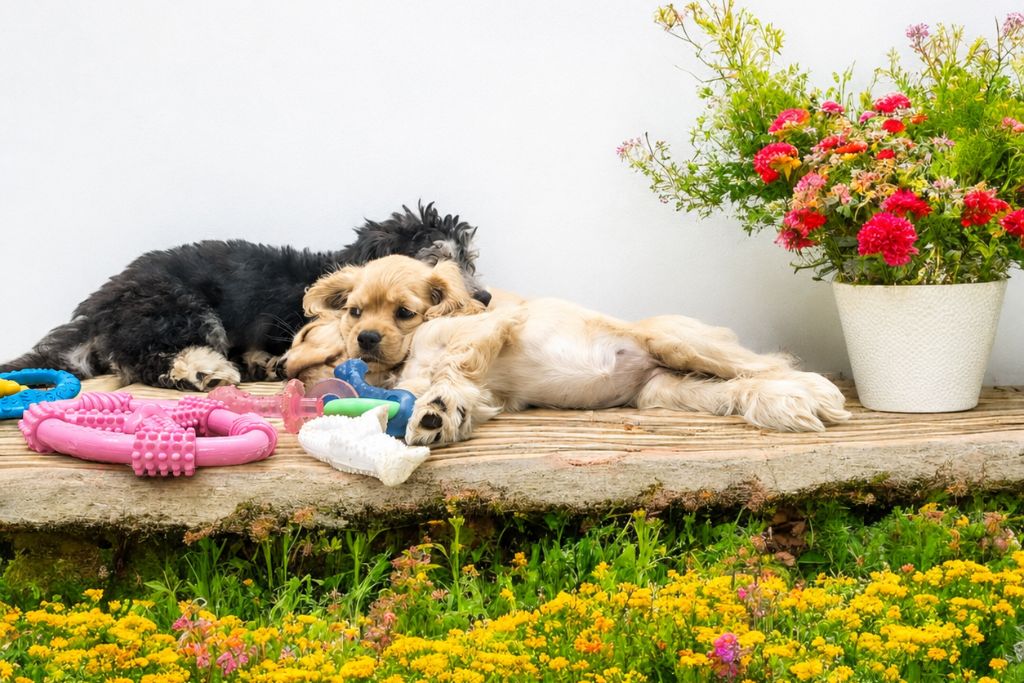
    Stock Up on Chew Toys

    Puppies explore the world with their mouths. They also go through teething.

    Having appropriate chew toys available can help redirect chewing away from furniture, shoes, and other household items while providing mental enrichment.

    Prepare for Potty Training

    Accidents happen during the early stages of puppyhood.

    Puppy pads, enzymatic cleaners, and a plan for regular potty breaks can make the process more manageable. Consistency is one of the most important factors in successful potty training.

    Families living near Sewall’s Point, Jensen Beach, or Boca Raton neighborhoods close to Red Reef Park often find that establishing a dedicated potty area early helps reinforce good habits.

    Have a Collar, Leash, and ID Tag Ready

    Even before neighborhood walks become part of the routine, your puppy should have proper identification.

    Early introductions to collars and leashes can also help build confidence and familiarity.

    Gather Basic Grooming Supplies

    Depending on your puppy’s coat type, you may need a brush, nail care tools, puppy-safe shampoo, and dental products.

    Introducing grooming gradually helps puppies become more comfortable with handling as they grow.

    Schedule a Veterinary Visit

    One of the first items on your calendar should be a wellness exam with a trusted veterinarian.

    Regular preventive care helps support healthy growth and provides an opportunity to discuss nutrition, vaccinations, and developmental milestones.

    Local Support for New Puppy Owners

    Whether you’re preparing for life with a puppy in Stuart, exploring the neighborhoods around Downtown Stuart, or getting ready for walks near Mizner Park in Boca Raton, preparation goes a long way.

    At Wags About You, we love helping families find a puppy that fits their lifestyle. Just as importantly, we enjoy helping owners feel prepared for everything that comes next. Questions about supplies, routines, nutrition, or training are all part of the conversation.

    We proudly serve puppy owners throughout Stuart, Boca Raton, Palm City, Jensen Beach, Deerfield Beach, and surrounding communities.

    Start Day One With Confidence

    No home is ever perfectly prepared for a puppy. That’s part of the fun.

    However, having the essentials in place before your puppy arrives allows you to focus less on what you’re missing and more on the best part: Getting to know the newest member of your household.

    More Helpful Reads From Wags About You From planning and preparation to everyday puppy care, our articles are here to help you feel informed and confident as a pet parent. Check out the related posts below to keep learning with us.
  • Puppy Crate Training: How to Make the Crate a Happy Place

    Puppy Crate Training: How to Make the Crate a Happy Place

    A puppy is officially part of the family. They’re learning the sights, sounds, and rhythms of your home. They’re figuring out where to eat, where to nap, and where they fit into daily life. New puppy owners throughout Whitehouse Station, Readington Township, and nearby Hunterdon County communities often find that those first few weeks are filled with equal parts excitement and adjustment.

    Just as our homes provide comfort and security, puppies need a space they can call their own. Families throughout Whitehouse Station often find that creating that safe space early helps make the transition home much smoother.

    That’s where crate training comes in.

    When introduced correctly, a crate isn’t a punishment. It’s a safe, predictable place where your puppy can rest, recharge, and feel secure.

    Why Puppies Need a Space of Their Own

    Everything is new to a young puppy. New people. New routines. New sounds. Even something as simple as the dishwasher turning on can be an adjustment.

    A crate provides consistency during this transition. Families across Whitehouse Station, Clinton, Lebanon, and Readington often discover that a dedicated puppy space helps establish routines much faster. It gives puppies a quiet place to settle and can help support house training, bedtime routines, and independent confidence.

    The key is helping your puppy build positive associations from the very beginning.

    Start with Comfort, Not Confinement

    One of the most common crate training mistakes is moving too quickly.

    Instead of closing the door right away, allow your puppy to explore the crate on their own. Place soft bedding inside and leave a few treats for them to discover.

    The goal is simple: help your puppy view the crate as a place worth choosing.

    Feed Meals Near the Crate

    Food can be a powerful training tool.

    Start by feeding meals beside the crate. As your puppy becomes comfortable, gradually move the food bowl closer and eventually inside.

    This helps create positive experiences and reduces hesitation about entering the crate. Consistency is one of the biggest factors in successful puppy training, whether you’re in Whitehouse Station or a neighboring community like Readington or Clinton.

    Make the Crate Part of Everyday Life

    Crates work best when they feel normal.

    Offer treats inside the crate. Toss in a favorite toy. Encourage short rest periods throughout the day rather than using the crate only when you’re leaving the house.

    The more positive experiences your puppy has there, the more comfortable they become. Many new puppy owners throughout Whitehouse Station and nearby communities along Route 22 find that regular crate time quickly becomes part of the daily routine.

    What If Your Puppy Cries?

    This is often the hardest part for puppy owners.

    A little whining can be normal, especially during the first few days. In fact, this is one of the most common questions we hear from new puppy owners in Whitehouse Station and throughout Hunterdon County.

    Your puppy is simply adjusting to a new environment and learning new routines.

    Before crating, make sure your puppy has had an opportunity to potty, stretch, and burn off some energy. Then keep departures calm and low-key.

    Most importantly, avoid turning every whine into a release from the crate. Consistency helps puppies learn that the crate is a safe place, not something to fear.

    Building Confidence Together

    At Furrylicious, we know that bringing home a puppy comes with plenty of questions. Crate training is often one of the first. Families from Whitehouse Station, Readington, Clinton, Lebanon, Branchburg, and communities throughout Hunterdon County rely on our team for guidance on training, nutrition, socialization, and everyday puppy care.

    We’re here to help you create positive experiences from day one.

    A Safe Space Can Make a Big Difference

    The best crate training happens gradually.

    With patience, consistency, and positive reinforcement, many puppies learn to see their crate as a place to relax rather than a place to resist. That’s why so many puppy owners throughout Whitehouse Station and the surrounding Hunterdon County area make crate training part of their puppy’s routine from the very beginning.

    And once that happens, you’ve given them something valuable: a space that feels safe, familiar, and entirely their own.

  • The First 3 Puppy Commands to Teach Early

    The First 3 Puppy Commands to Teach Early

    A puppy has a way of changing the rhythm of a home. One minute, you’re admiring how quickly they’ve settled in. The next, they’re investigating a shoe, carrying off a sock, or turning a quiet afternoon into an unexpected game of chase.

    That’s all part of puppyhood. It’s also why early training matters.

    New puppy owners across Cheyenne often discover that a little training early on can make everyday life much smoother. Training isn’t about creating a perfectly behaved puppy overnight. It’s about building communication. The sooner your puppy understands a few basic cues, the easier it becomes to navigate everyday life together.

    Start With Positive, Reward-Based Training

    Puppies learn best when training feels rewarding. Short sessions, plenty of praise, and a favorite treat can go a long way. In fact, most young puppies respond better to encouragement than correction.

    Keep sessions brief and consistent. A few minutes at a time is often enough for a young puppy. Short training sessions fit naturally into busy days spent at home, on neighborhood walks, or exploring more of Cheyenne with your puppy.

    Command #1: Sit

    “Sit” is often the first command trainers recommend because it’s simple, practical, and easy to build upon.

    To teach it, hold a treat just above your puppy’s nose and slowly move it backward. As their head follows the treat, their rear will naturally lower to the ground.

    The moment they sit, say “Sit,” then reward them.

    This command can help with greetings, mealtimes, and learning self-control in exciting situations.

    Command #2: Come

    A reliable recall is one of the most important skills a puppy can learn.

    Start in a quiet area with few distractions. Move a short distance away, say your puppy’s name followed by “Come,” and reward them as soon as they reach you.

    Keep the experience positive every time. The goal is to teach your puppy that coming when called is always worth it.

    As your puppy gains confidence, practicing in different environments helps strengthen the behavior. A fenced backyard may feel very different from an outing near Lions Park or a family adventure at Curt Gowdy State Park.

    Command #3: Leave It

    Puppies are naturally curious. That’s part of their charm. It’s also why “Leave It” can be so valuable.

    Place a treat in your closed hand and allow your puppy to investigate. The moment they stop pawing, licking, or nudging your hand, reward them with a different treat.

    Over time, add the cue “Leave It.”

    This command can help prevent your puppy from picking up inappropriate or potentially unsafe items.

    Why These Commands Matter

    These three cues create a strong foundation for future training.

    They help improve focus, encourage better decision-making, and establish clear communication between you and your puppy. Just as importantly, they can help make daily life calmer and more enjoyable.

    Supporting New Puppy Owners in Cheyenne

    From Lions Park and Frontier Mall to neighborhoods throughout Cheyenne and nearby South Greeley, early training helps build confidence for both ends of the leash.

    At Frontier Pets, we believe finding the right puppy is only the beginning. We proudly help families throughout Cheyenne and the surrounding area navigate every stage of puppyhood. We’re passionate about helping families understand puppy development, training, and the everyday moments that shape a well-adjusted companion.

    Keep It Simple and Stay Consistent

    You don’t need a long list of commands to get started.

    A solid “Sit,” “Come,” and “Leave It” can make a meaningful difference during those early months. Focus on consistency, keep training positive, and remember that learning happens one repetition at a time.

    Those small lessons often become the building blocks for a lifetime of good habits.

    If you’re not ready to stop scrolling, these articles are a great next adventure:

  • How to Prevent Separation Anxiety in Puppies

    How to Prevent Separation Anxiety in Puppies

    There comes a point when every new puppy owner has to do something they’d rather not do. Leave.

    You’ve spent days, maybe weeks, together. Your puppy follows you from room to room. They wait outside the bathroom door. They nap at your feet while you work. Then one day, you need to run an errand, head into the office, or simply leave the house for a few hours.

    For some puppies, that’s no big deal. For others, it can be surprisingly difficult.

    That’s because being alone is something puppies need to learn, just like potty training or walking on a leash.

    Why Puppies Struggle with Being Alone

    Think about how much has changed for your puppy in a short amount of time. They’ve left their littermates, moved into a new home, and formed attachments to entirely new people. When those people suddenly disappear, some puppies aren’t quite sure what to make of it.

    That uncertainty can sometimes show up as whining, barking, pacing, chewing, or difficulty settling down.

    Helping Your Puppy Feel Safe When You’re Away

    The goal isn’t to teach your puppy to stop loving your company. The goal is to help them feel comfortable and secure when you’re not there.

    Fortunately, a few simple habits introduced early can help puppies build confidence and independence over time.

    Start Small Before You Need To

    One of the biggest mistakes puppy owners make is waiting until a long absence to introduce alone time.

    Instead, practice short departures while you’re still home. Step into another room. Walk outside for a few minutes. Give your puppy opportunities to learn that people come and go throughout the day.

    Those small experiences add up.

    Give Your Puppy Something To Do

    A puppy with a stuffed food toy or safe chew often has an easier time settling than a puppy left with nothing to focus on.

    This isn’t about distraction. It’s about helping your puppy associate quiet time with something enjoyable.

    Make Independence Part of Everyday Life

    It’s easy to spend every moment together when a puppy first comes home. However, confidence often grows when puppies learn they don’t need constant attention to feel secure.

    Encourage naps in their crate. Allow them to relax in a nearby room. Help them become comfortable entertaining themselves for short periods.

    Keep Arrivals and Departures Low-Key

    We know it’s tempting. The dramatic goodbye. The excited reunion.

    But treating departures as a normal part of the day can help puppies view them the same way.

    Building Confidence Early

    We love helping families prepare for all aspects of puppy ownership, including the moments that aren’t always discussed enough.

    Learning to be alone comfortably is one of those skills. It’s not taught in a day, but with patience and consistency, most puppies become far more confident than they were during those first few weeks at home.

    Confidence Starts with Practice

    A puppy doesn’t wake up one morning completely comfortable being alone. Confidence is built one experience at a time.

    The more positive, predictable opportunities your puppy has to practice independence, the more likely they are to view alone time as just another part of a normal day.

  • XO PUPS’ No Puppy Mill Pledge: What It Means for Families

    XO PUPS’ No Puppy Mill Pledge: What It Means for Families

    Bringing home a puppy is a big moment.

    For many families, it’s the beginning of years of companionship, adventures, and memories. It’s also a decision that comes with plenty of questions. Finding the right breed is important. Finding the right place to welcome that puppy from is just as important.

    That’s where things can get overwhelming.

    A quick online search can lead to countless websites, conflicting information, and unfamiliar terms. One phrase that often comes up is “puppy mill.” Understandably, many prospective pet parents want to know exactly where their puppy comes from and how it was raised.

    At XO PUPS, that commitment to transparency is reflected in our No Puppy Mill Pledge.

    We Partner With Responsible Breeders

    The foundation of the pledge starts with breeder selection.

    XO PUPS works with breeders who share a commitment to responsible breeding practices and animal welfare. Breeding programs are carefully evaluated before partnerships are established.

    This helps ensure puppies come from environments where proper care, attention, and health standards are priorities from the beginning.

    For families visiting from Chantilly Crossing, the Route 50 corridor, South Riding, and surrounding Northern Virginia communities, that added peace of mind matters. Knowing more about a puppy’s origins helps create confidence from the very start.

    Health and Wellness Come First

    A healthy start creates a strong foundation.

    Responsible breeders focus on proper veterinary care, nutrition, socialization, and age-appropriate development. These early experiences play an important role in helping puppies transition successfully into their new homes.

    When families near Fair Oaks Mall, Fair Lakes, Centreville, and Greenbriar begin searching for a puppy, health is often one of their biggest priorities. It’s one of ours, too.

    By prioritizing breeder standards and puppy wellness, XO PUPS helps set the stage for a positive experience for both puppies and their future families.

    Transparency Matters

    Trust is built through information.

    That’s why XO PUPS believes families should have access to details about their puppy’s background and breeder relationships. Understanding where a puppy comes from helps future owners make informed decisions.

    Many future puppy parents travel from Stone Ridge, Brambleton, Aldie, and western Fairfax County because they want transparency throughout the process. The goal is simple: fewer questions, greater confidence, and a smoother transition into puppy parenthood.

    Supporting Responsible Breeding Practices

    The No Puppy Mill Pledge isn’t just about avoiding poor practices. It’s about actively supporting better ones.

    Responsible breeders invest significant time, care, and resources into raising healthy puppies. They focus on animal welfare, proper housing, socialization, and ongoing care throughout the breeding process.

    Supporting those efforts helps encourage higher standards across the industry and gives families more confidence in the decisions they’re making.

    A Commitment to Puppies and Families

    Choosing a puppy should feel exciting, not stressful.

    At XO PUPS, we’re committed to helping families throughout Chantilly, South Riding, Centreville, Fair Lakes, Stone Ridge, Brambleton, Aldie, Ashburn, and neighboring Northern Virginia communities navigate the process with confidence. Many visitors also stop by from communities along Route 28 and throughout the Dulles South region because they value transparency and responsible sourcing.

    Our No Puppy Mill Pledge reflects our dedication to ethical breeder partnerships, puppy wellness, and providing families with the information they need to make informed decisions.

    The right puppy can change a home in the best possible way. Knowing that puppy came from responsible, caring origins helps make that journey even more rewarding.

    Looking for more puppy tips and tail-wagging fun? Check out our other blogs below for expert advice, breed insights, and everything puppy!

  • Ranking Summer Activities by How Dramatic Your Dog Will Be About Them

    Ranking Summer Activities by How Dramatic Your Dog Will Be About Them

    Summer plans always sound amazing in theory.
    Beach days. Hiking trails. Backyard sprinklers. Sunny patio brunches. Long walks at golden hour.

    And then your dog enters the chat.

    Suddenly, the sprinkler is a personal attack. The hiking trail becomes a survival documentary. And the kiddie pool you lovingly bought? Apparently offensive.

    The truth is, dogs experience summer activities in hilariously different ways depending on their personality, confidence level, breed tendencies, and comfort zones. Some pups are adventurous outdoor athletes. Others act like stepping on warm grass is emotional hardship.

    And we love all of it.

    Because while dogs are absolutely part of the family, they also come with opinions. Very strong opinions. And learning those quirks helps us better understand what makes each pup feel happy, secure, and genuinely comfortable.

    So naturally, we ranked some classic summer activities by exactly how dramatic your dog will probably be about them.

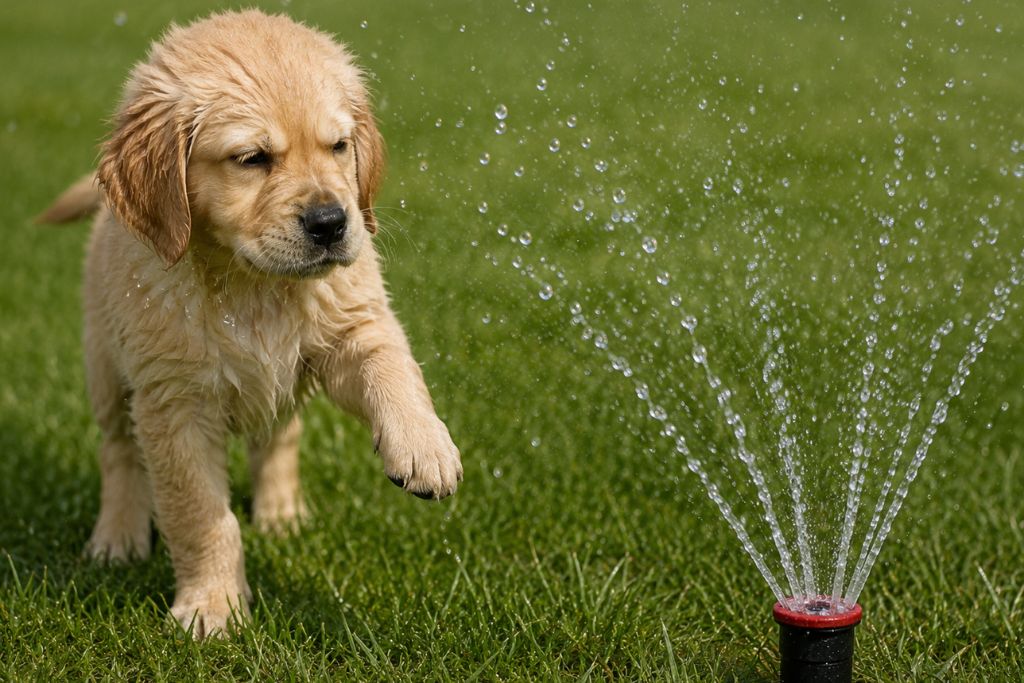
    1. Sprinklers = Absolute Betrayal

    Drama Level: 10/10

    For some dogs, sprinklers are magical.
    For others? They are moving water demons sent specifically to ruin their afternoon.

    You’ll usually spot two types of sprinkler dogs:

    • The athletic water lover who launches directly into the spray at full speed
    • The deeply suspicious pup who barks at the sprinkler like it personally insulted their family

    Herding breeds and energetic sporting dogs often love interactive water play because it taps into their active instincts. More cautious or sensitive pups, meanwhile, may need slower introductions.

    Either way, expect chaos.

    2. Hiking = Oscar-Worthy Exhaustion

    Drama Level: 9/10

    The hike begins with confidence.
    Your dog pulls ahead. They’re athletic. Fearless. Explorers of the wilderness.

    Forty minutes later? Suddenly they’re collapsing dramatically beside a rock like they just completed a seven-part documentary series called Surviving Nature.

    Active breeds often thrive on outdoor adventures because they need physical and mental stimulation. However, every dog has different endurance levels, especially during warmer weather.

    Also important: hot trails can hurt paw pads quickly in summer heat. Dramatic reactions may actually be your dog telling you they need a break, water, or cooler ground.

    Even the drama queens have valid points sometimes.

    3. Beach Day = Main Character Energy

    Drama Level: Depends Entirely on Sand Tolerance

    Some dogs were spiritually designed for beach life.
    They sprint. They swim. They steal unattended sandwiches with confidence.

    Others step onto sand once and immediately look offended beyond comprehension.

    Water-loving breeds like Retrievers often enjoy swimming because it provides excellent low-impact exercise. Meanwhile, some smaller or fluffier dogs prefer observing beach activities safely from a towel throne under an umbrella.

    Respectfully, not every dog wants to “touch the ocean.”

    4. Kiddie Pool = Tiny Backyard Luxury Spa

    Drama Level: Surprisingly Low

    A shocking amount of dogs become deeply attached to kiddie pools during summer.
    Especially brachycephalic breeds, thicker-coated pups, or dogs that naturally run warm.

    Some gently lounge inside like they’re vacationing at a luxury resort. Others treat it like a splash zone and somehow soak every human within a ten-foot radius.

    Cooling activities can help dogs stay safer and more comfortable during hot weather, especially during peak summer temperatures.

    And truthfully, watching a dog sit peacefully in two inches of water feels weirdly healing.

    5. Outdoor Dining = A Personal Mission for Snacks

    Drama Level: Extremely Opportunistic

    Taking your dog to a pet-friendly patio sounds adorable.
    Until your pup locks eyes with a stranger eating fries and decides friendship must happen immediately.

    Social dogs often enjoy public outings because they thrive around people and stimulation. But busy environments can overwhelm more reserved pups.

    That’s why understanding your dog’s comfort level matters so much. Not every dog enjoys crowded social settings, and that’s completely okay.

    Some dogs are brunch dogs.
    Some dogs are “please let me nap indoors in peace” dogs.

    Why Understanding Personality Matters

    Behind every dramatic reaction is usually something real: energy levels, breed instincts, sensitivity, confidence, or comfort preferences.

    That’s why we always believe finding the right puppy match goes far beyond appearance. Understanding temperament, activity needs, and personality helps create happier homes and stronger bonds.

    Some pups want adventure every weekend. Others want air conditioning, snacks, and emotional support blankets.

    Both are valid.

    Summer Is Better With a Little Dog Drama

    At the end of the day, summer with dogs is rarely calm, perfectly planned, or clean.
    There will probably be muddy paws. Unexpected zoomies. One completely unnecessary barking incident. Maybe an emotional reaction to a sprinkler.

    But that’s also what makes it fun.

    Because every dog brings their own personality into every summer memory. And honestly, we wouldn’t want it any other way.

    Puppies For Sale

  • The First 30 Days With Your New Puppy: What to Expect

    The First 30 Days With Your New Puppy: What to Expect

    Your puppy is finally home.

    The tiny paws are running across your floors. The toys are already everywhere. And somehow, your camera roll now contains 400 photos taken in two days.

    The first 30 days with a new puppy are exciting, emotional, messy, hilarious, and honestly, a little exhausting too. It’s also one of the most important adjustment periods for both you and your new furry family member.

    During this first month, your puppy is learning everything. Your routines. Your home. Your voice. Your family. Even where the water bowl lives.

    That’s why preparation, patience, and consistency matter so much during these early weeks.

    The good news? You do not need to be perfect. You just need to be present, informed, and willing to learn alongside your puppy.

    Expect a Big Adjustment Period

    Your puppy may feel nervous at first. Even confident puppies need time to settle in.

    Your pup just experienced a major life change. New smells, new people, new sounds, and new routines can feel overwhelming during the first few days.

    Some puppies explore immediately. Others act shy, clingy, sleepy, or cautious.

    All of those reactions are completely normal.

    Try to keep the environment calm and predictable while your puppy adjusts to their new home.

    Building Healthy Routines Early Matters

    Start Potty Training Immediately

    Consistency is key during the first month. Take your puppy outside frequently, especially after meals, naps, playtime, and bedtime. Puppies thrive on routine, and predictable schedules help them learn faster.

    Accidents will happen. That’s part of puppyhood.

    Positive reinforcement works far better than punishment.

    Introduce Crate Training Slowly

    A crate should feel safe and comforting, never scary.

    Many puppies adjust well when crate training is introduced gradually with treats, toys, and positive experiences.

    The crate can help with sleep routines, potty training, and creating a calm personal space.

    Socialization Starts Earlier Than People Think

    New experiences build confidence. This is why the first few months are critical for social development.

    Safe introductions to sounds, surfaces, people, and environments help puppies grow into more confident adult dogs.

    For many families across Indianapolis, Schererville, and nearby communities, this could mean a short walk through local parks, spending time around the trails and nature areas at Eagle Creek Park, enjoying the energy around Downtown Indianapolis near Monument Circle, grabbing a coffee at pet-friendly spots in Broad Ripple, or taking relaxed neighborhood strolls near Redar Park and the surrounding community spaces in Schererville while meeting trusted friends and family members.

    Just remember: socialization should feel positive, not overwhelming.

    Your Puppy Will Bite Things. Probably Everything.

    Teething is completely normal. Puppies, after all, explore the world with their mouths.

    Chewing, nipping, and biting usually increase during teething stages. Appropriate chew toys help redirect that behavior safely.

    This stage can feel frustrating at times, but it does improve with patience and consistency.

    Even your favorite sneakers can recover emotionally… Maybe.

    Your First Vet Visit Should Happen Early

    One of the most important tasks during the first 30 days is scheduling a veterinary appointment.

    Your veterinarian will check your puppy’s health, discuss vaccines, review parasite prevention, and answer questions about nutrition and development.

    Bringing home a puppy is emotional. Having trusted guidance helps tremendously.

    Supporting Families Beyond Adoption Day

    We understand how life-changing bringing home a puppy can feel. There’s excitement, responsibility, and usually a little anxiety too.

    That’s why we at Happiness is Pets believe support matters long after a puppy goes home. Helping families feel prepared creates stronger bonds and happier experiences for both pets and owners.

    Every puppy deserves a confident, loving start. And every new puppy parent deserves reassurance along the way.

    The First 30 Days Go Faster Than You Think

    Right now, the puppy stage may feel endless. The potty breaks. The zoomies. The 2 a.m. crying. The random leaf your puppy absolutely had to eat during a walk.

    But these first 30 days also become some of the memories people cherish most.

    Because this is where the bond begins.

    And that is worth every chewed shoelace.

    If you’re up for another read, these posts are popular with puppy parents:

  • The Puppy Socialization Window: Why the First 16 Weeks Matter

    The Puppy Socialization Window: Why the First 16 Weeks Matter

    Bringing home a puppy comes with a lot of exciting firsts.
    First walks. First toys. First sleepy cuddle on the couch after a long day of zoomies.

    But during all those adorable moments, something incredibly important is also happening behind the scenes: your puppy is learning how to experience the world.

    The first 16 weeks of a puppy’s life are often called the “socialization window.” During this stage, puppies are especially open to new experiences, environments, sounds, people, and routines.

    What they experience during this period can help shape their confidence, comfort levels, and behavior as adult dogs.

    That’s why thoughtful socialization matters so much.

    What Is Puppy Socialization, Exactly?

    Socialization is the process of safely introducing your puppy to the world around them.

    That includes:

    • New people
    • Different sounds
    • Other vaccinated dogs
    • Car rides
    • Grooming experiences
    • Various surfaces and environments
    • Everyday household activity

    The goal is not to overwhelm your puppy. The goal is to help them build positive, calm associations with normal life experiences.

    For puppies growing up around Stuart, Boca Raton, and surrounding communities, socialization can happen in simple everyday moments — hearing new sounds during a walk near Downtown Stuart, experiencing different sights and people around Mizner Park, riding in the car, or exploring pet-friendly spaces with trusted family and friends.
    Confident puppies are not born overnight. They learn through gentle exposure and repetition.

    Confident puppies are not born overnight. They learn through gentle exposure and repetition.

    Why the First 16 Weeks Are So Important

    Young puppies are naturally curious during their early development period. Their brains are rapidly processing information and forming long-term associations.

    Positive experiences during this window can help reduce fear and anxiety later in life.
    On the other hand, limited exposure or negative experiences may make certain situations feel unfamiliar or stressful as they grow older.

    That’s why early socialization is often considered one of the most important parts of puppy development.

    What Healthy Socialization Actually Looks Like

    Small Positive Experiences Matter Most

    Good socialization is calm, safe, and gradual.

    For example, your puppy may benefit from:

    • Meeting friendly people
    • Hearing city sounds during a walk
    • Visiting pet-friendly places around town
    • Seeing bicycles, umbrellas, or strollers
    • Riding in the car for short trips
    • Learning to feel comfortable during handling and grooming

    For many families around Arizona communities and nearby neighborhoods, this may include outdoor cafés, local parks, or puppy-friendly events.

    The key is making sure your puppy feels supported and safe during each new experience.

    Common Socialization Mistake to Avoid

    Too much too fast can backfire.

    One of the biggest misconceptions is that socialization means exposing puppies to everything immediately.

    It doesn’t.

    Fearful or overwhelming experiences can actually create stress instead of confidence.
    Watch your puppy’s body language carefully. If they seem nervous, tired, or overstimulated, it’s okay to slow down.

    Positive reinforcement, patience, and short sessions work best.

    Socialization Includes More Than Just Other Dogs

    Many people focus only on dog-to-dog interaction.

    But puppies also need exposure to:

    • Different people and ages
    • New environments
    • Everyday noises
    • Handling and touch
    • Routine grooming and vet visits

    A well-socialized puppy is not necessarily the most outgoing dog in the room. Often, it’s simply a dog that feels safe and comfortable navigating everyday life.

    Helping Families Raise Confident Puppies

    At Wags About You, we understand how important these early weeks are for both puppies and their families.

    Bringing home a puppy is exciting, but it also comes with responsibility, questions, and a learning curve. That’s why guidance, education, and support matter so much during the early stages.

    Every puppy deserves a strong, healthy foundation built on trust, patience, and positive experiences.

    The First 16 Weeks Go By Quickly

    The puppy stage moves fast. One day they’re nervous about hearing the vacuum. The next day they’re confidently supervising your entire household like a tiny furry manager.

    Those early experiences truly matter.

    And with consistency, patience, and care, those first 16 weeks can help shape a happier, more confident companion for years to come.

    More Helpful Reads From Wags About You From planning and preparation to everyday puppy care, our articles are here to help you feel informed and confident as a pet parent. Check out the related posts below to keep learning with us.
  • How to Puppy-Proof Your Home: 8 Dangers Most Owners Miss

    How to Puppy-Proof Your Home: 8 Dangers Most Owners Miss

    Your puppy is finally home, and suddenly everything feels exciting, chaotic, and very chewable.

    The tiny paws exploring every corner of your house may look adorable, but puppies are naturally curious. They investigate with their noses, mouths, and zero concern for your peace of mind.

    That’s why puppy-proofing matters so much during those first few weeks.

    Many new puppy owners focus on the obvious dangers first. Shoes get moved. Cleaning supplies go under the sink. Maybe a baby gate appears overnight. But some household hazards are easier to miss, especially during the excitement of bringing home a new furry family member.

    Creating a safe environment helps puppies feel secure while also preventing accidents before they happen.

    1. Loose Cords and Chargers

    Tiny Teeth Love Dangerous Wires

    Puppies love chewing during teething stages, and electrical cords can quickly become a target. Phone chargers, laptop cords, extension cables, and hanging wires should stay hidden or secured whenever possible.

    Protective cord covers can help reduce temptation while keeping your puppy safer indoors.

    2. Houseplants That Are Toxic to Dogs

    Some Popular Plants Can Be Harmful

    Many people are surprised to learn that certain common houseplants may be toxic to dogs. Lilies, aloe vera, pothos, and sago palms are just a few examples.

    If you are unsure whether a plant is pet-safe, it is always best to double-check before placing it within puppy reach.

    3. Open Trash Cans

    Puppies Treat Trash Like Treasure Hunts

    To puppies, garbage cans are basically mystery snack buffets. Unfortunately, cooked bones, spoiled food, wrappers, coffee grounds, and certain foods can become dangerous very quickly.

    Secure lids and puppy-proof bins can help prevent accidents before they happen.

    4. Small Items Hidden at Puppy Level

    If It Fits in Their Mouth, It’s a Risk

    Hair ties. Socks. Coins. Children’s toys. Earrings. Puppies are incredibly skilled at finding tiny objects hiding on floors and under furniture. Swallowing small items can lead to choking hazards or intestinal blockages, which may require emergency veterinary care.

    Regular floor checks become surprisingly important during puppyhood.

    5. Cleaning Products Left Within Reach

    Curious Puppies Explore Everything

    Cleaning sprays, detergents, and disinfectants should always stay secured safely away from pets. Even small amounts of certain chemicals can irritate a puppy’s mouth, stomach, or skin.

    This is especially important in kitchens, bathrooms, and laundry rooms.

    6. Unsafe Balcony or Yard Gaps

    Outdoor Spaces Need Puppy Checks Too

    Puppies can squeeze through spaces much smaller than many owners expect. Before outdoor playtime begins, check fences, gates, railings, and balconies carefully for gaps or escape routes.

    For many families living in busy neighborhoods or city areas, secure outdoor supervision matters even more.

    7. Human Foods That Can Harm Dogs

    Not Every Snack Is Puppy-Safe

    Chocolate, grapes, onions, xylitol, alcohol, and certain nuts can all be toxic to dogs. During gatherings, parties, or busy family dinners, dropped food can become an easy danger for curious puppies.

    Keeping human snacks out of reach helps avoid emergency situations later.

    8. Easy Access to Stairs or Unsafe Rooms

    Boundaries Help Puppies Learn Safely

    Baby gates are not just for toddlers. Blocking off stairs, storage rooms, or unsafe areas can help prevent falls, injuries, and destructive behavior while your puppy learns house routines.

    Safe boundaries also help puppies feel calmer during adjustment periods.

    Creating a Safer Start for Your Puppy

    We at Furrylicious understand how important these early days feel for new puppy owners.

    Bringing home a puppy comes with excitement, responsibility, and a strong desire to do everything right. That includes creating a home environment where puppies can safely explore, learn, and grow confidently.

    Good puppy care is not only about love and cuddles. It is also about preparation and protection.

    Puppy-Proofing Is an Ongoing Process

    The funny thing about puppies is that the moment you think your house is fully puppy-proofed, they somehow discover a completely new way to surprise you.

    Still, taking the time to identify common hazards early can make a huge difference during those first few months together.

    Peace of mind is one of the best gifts you can give both your puppy and yourself.

  • Why Puppies Bite Everything (And How to Handle Teething the Right Way)

    Why Puppies Bite Everything (And How to Handle Teething the Right Way)

    You brought home a puppy. Life is adorable. Your camera roll is full. And suddenly… your shoelaces, chair legs, blankets, and hands have all become chew toys. Welcome to teething.

    For many new puppy owners around Cheyenne and nearby Wyoming communities, teething can feel surprising at first. One minute your puppy is peacefully cuddling beside you. The next, they are attempting to bite the corner of your coffee table like it personally offended them.

    The good news is this: puppy teething and chewing are completely normal developmental stages.

    Understanding why puppies bite things and how to safely guide them through it helps protect both your puppy and your home during these important early months.

    Why Puppies Teethe in the First Place

    Like human babies, puppies go through a teething process as their adult teeth develop.

    Puppies are born without teeth. Their baby teeth begin appearing around 3 to 6 weeks old, while adult teeth typically start replacing them around 3 to 4 months of age.

    Most puppies finish teething by about 6 months old. During this stage, chewing helps relieve soreness and discomfort in their gums.

    Why Puppies Bite Literally Everything

    Puppies do not use their hands to investigate the world. They use their mouths.

    That means shoes, furniture, blankets, sticks, and sometimes even your hoodie sleeve can suddenly become fascinating.

    Teething puppies also chew because:

    • It relieves gum discomfort
    • It helps reduce boredom
    • It provides mental stimulation
    • It satisfies natural puppy instincts

    This behavior is normal, but puppies still need guidance on what is safe to chew.

    Safe Ways to Help a Teething Puppy

    Offer Appropriate Chew Toys

    Durable puppy-safe chew toys help redirect biting behavior away from unsafe objects. Different textures can also help soothe sore gums. Many puppies enjoy rubber toys, soft teething toys, or chilled puppy-safe chews.

    Frozen washcloths or veterinarian-approved frozen treats may also provide temporary relief during tougher teething days.

    Keep Unsafe Items Out of Reach

    Puppies should not have access to:

    • Electrical cords
    • Shoes
    • Small objects
    • Children’s toys
    • Furniture corners
    • Toxic household items

    Creating safe boundaries early helps prevent accidents while teaching good habits. This is especially important during indoor-heavy Cheyenne, Wyoming weather days when puppies may spend more time exploring inside the house.

    How to Respond to Puppy Nipping

    Puppies often nip during play because they are still learning bite inhibition. Instead of yelling or harsh punishment, calmly redirect your puppy toward an appropriate toy.

    Consistency matters most. Puppies learn faster when reactions stay calm, predictable, and positive.

    Teething Does Not Last Forever

    It may not feel like it while your puppy is chewing the corner of your rug for the third time today, but teething eventually passes.

    Most puppies naturally reduce intense chewing behaviors once adult teeth fully come in.

    Until then, patience and supervision go a long way.

    Helping Puppies Through Every Stage

    Frontier Pets understands how important these early puppy months are for families. Bringing home a puppy comes with excitement, learning curves, and plenty of questions along the way. That’s why education and support matter so much during puppyhood.

    Helping puppies feel safe, healthy, and understood creates stronger lifelong bonds from the very beginning.

    A Little Chewing Comes With the Puppy Stage

    Teething can absolutely test your patience sometimes. But it is also a completely normal part of growing up for puppies.

    And hey, one day you may even miss the tiny puppy phase, chewed shoelaces and all.