Category: Petland

  • Tips for Keeping Your Pup Healthy in the Winter

    Tips for Keeping Your Pup Healthy in the Winter

    With winter here, we all know the challenges of staying warm and safe. We must also take into consideration the well-being of our pets as the temperature drops. Here are a few simple tips you can take to make sure your fur-legged friend stays warm, comfortable, and healthy this winter season. 

    Keep a Time Limit on How Long Your Pup is Outside

    The key is monitoring your pup and making sure he is not left outside for more than a few minutes at a time. Things such as frostbite can set in quickly, which can be very painful for your dog. Watch his behavior while outside, and if he begins to slow down or shiver, it’s time to bring him in. Dogs do love the outdoors but have limitations, just like we do.
    Bundle Your Pup Up

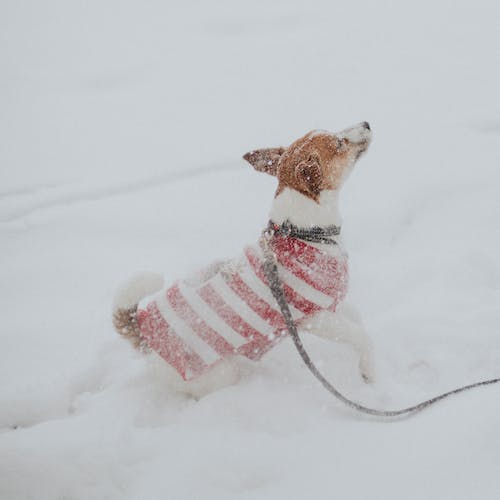
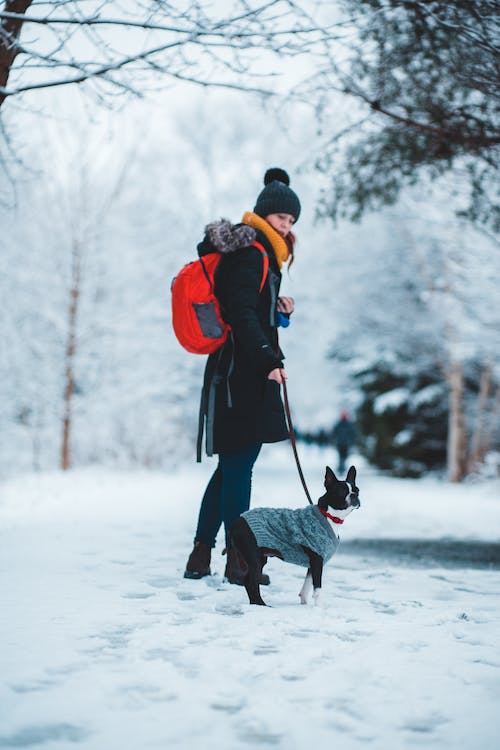
    Yes, most dogs have thick coats, which will help keep them somewhat warm, but a second layer of insulation, such as a dog jacket or sweater, will help keep your pup warmer. Many pet stores carry insulated jackets which will prevent your dog from losing heat. This is especially important for dog breeds that have a thin coat and or are not designed to withstand cold weather. 

    Consider Your Pup’s Age and General Activity Level 

    Young puppies and senior dogs tend to have more of a difficult time in cold weather. Although puppies love to play in the snow, they do not always know their limits and can find themselves in over their head (no pun intended) when a significant amount of snow falls. Dogs between two years of age and eight years of age tend to handle the cold weather better than puppies or senior pups. 

    Keep Your Dog’s Paws Protected 

    Dogs have very sensitive and vulnerable paws, which is why keeping their paws safe is important. Dog booties offer a layer of protection between your pup’s paws and the harsh ground. Ice and snow can quickly irritate the pads on your dog’s paws. Other things, such as rock salt, which is used in the winter, can also greatly irritate his paws. Doggy booties are an inexpensive yet effective way to keep your pup feeling his best while outside in the winter. They may take some time to get used to, but they are well worth it.

    Heating Beds for After Playtime

    After your pup comes in, he will need to warm up. Providing your pup with a dog heating bed is a great way to help bring his body temperature up to where it needs to be. This will also help your four-legged friend relax and rest after exerting himself while outside. Several dog heating beds come with an automatic shutoff feature for safety. If a heating bed is out of your price range, consider a dog heating pad. This less expensive item will also allow your dog to warm up after being outside in the freezing weather.
    Hydrate Your Dog After Playtime 

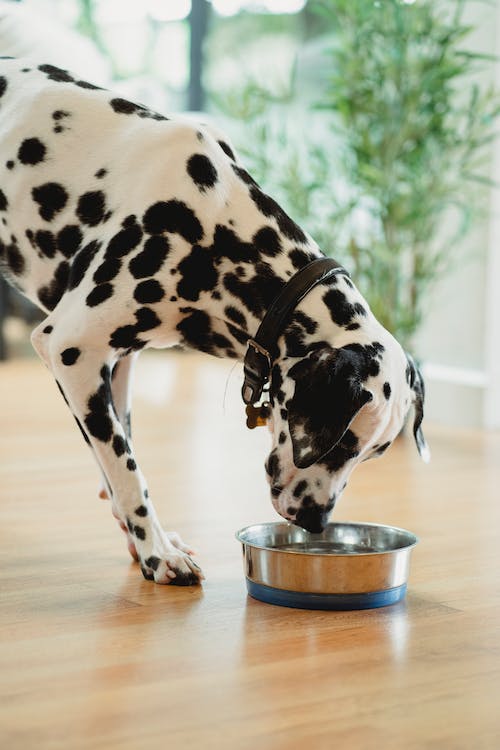
    Dogs do not only need extra water after playing in the warm months. Cold winter days will also require your pup to stay well hydrated. When the moisture in the air drops (as it often does) in the winter, your dog will need proper hydration. Providing your dog with ample amounts of room-temperature water when he returns inside will help keep him feeling his best. 

    Clean His Paws

    If you opt not to use dog booties, be sure to make sure his paws are wiped down when he comes in. Rock salt and other anti-ice agents may cause your pup’s paws to be in discomfort. Wiping them down will help to remove whatever he gets on them, plus it will prevent him from licking the substance off of his paws. This very quick and very easy chore will greatly benefit your dog.

    We all love our dogs, and by taking a few simple precautions, we can ensure that they remain in top condition and feel great all winter long. Always remember, if it’s too cold for you to be outside, it is probably too cold for your dog to be outside. Taking the time to make sure your pup is comfortable and safe is always very important.
  • Top Five Dog Breeds Who Love to Play Outdoors

    Top Five Dog Breeds Who Love to Play Outdoors

    If you love spending time in the great outdoors and are considering adding a fur-legged friend to your family this blog is for you. Making sure you find a dog that enjoys spending time outside as much as you do is important. Although all dog breeds enjoy time outside, some are better built for this and have different characteristics which will allow them to keep up with you and your family. Below is a list of the top five dog breeds who will enjoy outdoor exploring as much as you do.

    The Labrador Retriever is originally from Newfoundland and bred from a water dog. This breed was eventually brought to England to work as waterfowl retrievers thanks to their physical agility and abilities. Labrador Retrievers are very social dogs and enjoy walking side-by-side with their family. They are also very smart dogs who easily learn basic commands which will help to prevent them from straying off while you and he explore the great outdoors.

    Basic Breed Facts:

    Group: Working

    Height: 20 to 26 inches tall at maturity

    Weight: 50 to 75 pounds at maturity

    Life expectancy: 10 to 12 years Coat and color: The coat is short; fawn and brindle are the standard colors.

    The Pomeranian is a spitz breed dog which descended from sled dogs in Lapland and Iceland. The Pomeranian is related Samoyeds and Malamutes. Although this dog breed is smaller in size, they do very well spending time outside and enjoy exploring with family. They also tend to train easily and quickly learn basic commands.

    Basic Breed Facts:

    Group: Toy

    Height: 6 to 8 inches tall at maturity

    Weight: 3 to 8 pounds at maturity

    Coat and color: A long, double coat that can be found in many colors such as cream, red, orange, black, brown, blue, and sable. Life expectancy: 12 to 15 years

    Australian Shepherds which are also known as “Aussies” are a very athletic, strong, and agile dog. This breed is very active and does great in families that enjoy long outdoor walks and exploring the wild. This breed thrives on activity time and will keep his family active. Aussies were developed in the United States, where ranchers bred them as livestock herders and farmworkers.

    Basic Breed Facts:

    Group: Herding

    Height: 18 to 24 inches tall at maturity

    Weight: 40 to 70 pounds at maturity Coat and color: Vary between medium to long coats which can be found in black, red, merle, or blue.

    Jack Russell Terriers originated in the 1800s in England and were used to hunt foxes and small game. They are very active and energetic dogs who enjoy outdoor activity time with their family. This breed is known to enjoy long walks on trails with family and even enjoys swimming. If you intend to add this breed to your family get ready to stay active because this breed thrives on activity.

    Basic Breed Facts:

    Group: Terrier

    Height: 10 to 10 inches tall at maturity

    Weight: 12 to 19 pounds at maturity Coat and color: Short hair which can be found smooth or rough and in tan, brown, black or white.

    The Portuguese Water Dog is a working dog who loves to be on the move. They are high energy dogs that thrive on outdoor activity time with their family. This breed also does well with other dogs that enjoy active family time. For families that enjoy swimming, this pup should be one to consider as swimming is one of their favorite pastimes.

    Basic Breed Facts:

    Group: Working

    Weight: 35 to 65 pounds at maturity

    Height: 16 to 24 inches tall at maturity Coat and color: Tightly curled or wavy coming in a variety of colors which include black, white, brown, white and silver mixed, and black and white mixed.

  • Help! My Dog Ate Chocolate!

    Help! My Dog Ate Chocolate!

    We all know that the only time we should use the words chocolate and dog in the same sentence is when we use them to identify a “Chocolate Lab.” Chocolate, although a delicious treat for humans, is a never something that a dog should eat. The reason is because chocolate contains theobromine, a caffeinelike molecule that increases blood flow to the brain. This is highly toxic for dogs and could lead to poisoning. Although most dogs do not eat enough chocolate to die, many will consume enough that can make them very ill.

    Physical Signs/Symptoms that Your Dog Ate Chocolate

    • Vomiting
    • Diarrhea
    • Anxiousness
    • Increased thirst
    • Moderate Symptoms
    • Wobbliness when walking
    • Increased thirst
    • Heavy panting
    • Restlessness
    • Bluish Tongue
    • Excessive urination
    • In severe cases, symptoms can include:
    • Racing heart rate / fast pulse
    • Muscle tremors
    • Seizures
    • Heart failure

    What to Do if You Believe Your Dog Ate Chocolate

    Act fast! Try to locate the packaging from the chocolate that your dog ate. This will help you to determine what type of chocolate and how much. The darker and more bitter the chocolate, the more dangerous it is to dogs. Baking chocolate and gourmet dark chocolate are highly concentrated and contain 130-450 mg of theobromine per ounce. Common milk chocolate only contains about 44-58 mg/ounce. In either instance, this is not something to sit back on. It is always recommended that you immediately notify your veterinarian for professional advice and guidance if you believe your dog consumed chocolate.

    Are All Chocolates the Same?

    Although no chocolate is good for your dog, some types are worse than others. Dark chocolate is the most dangerous type of chocolate for your dog to eat. It only takes about 0.2 ounces per pound of dark chocolate to cause health issues. Milk chocolate has less theobromine and caffeine than dark chocolate. White chocolate has the least theobromine and caffeine. A good rule of thumb is that it takes about 0.5 ounces of milk chocolate per pound of body weight to cause moderate symptoms.

    How Long Until Symptoms Appear?

    The symptoms of chocolate poisoning in dogs are usually observed between three and twelve hours of consumption. Despite this, it is never advised to wait and see if your dog begins to get sick before taking action. The moment you realize this is the moments that you need to do something!

    Best Way to Prevent Your Dog from Eating Chocolate

    Keep it out of reach! Most dogs get into chocolate that is unintentionally left out. It can be a bowl of chocolate candy left in a dish on the counter, chocolate cake left on the table or even a piece of chocolate laying on the sidewalk that was dropped by someone else. It is very important to be mindful and observant of what your dog is chewing on and eating both indoors and outdoors. Very often many of us will leave something out without giving it thought which allows for the perfect opportunity for our fur-legged friends to snatch it. It should also be noted that the time of the year also increases the chances of your dog consuming chocolate. Months such as October (Halloween) and December (Christmas), when candy is more plentiful around the home increase this risk. Teaching children this from an early age is also a good way to prevent your dog from eating chocolate.

    Children are often more sympathetic to sneaking a treat to their begging fur-legged friend and should understand this is definitely not good to do.

    Another Consideration

    Although we know that chocolate is bad for our dogs, we must also realize many chocolate candies contain more than just chocolate. So, if the chocolate your pup ate didn’t make him sick, the fruit (raisin) or nut (macadamia) the chocolate covered can.

  • Can Dogs Smell Cancer?

    Can Dogs Smell Cancer?

    Dogs have helped humans out over hundreds of years. From rescuing people, to tracking missing persons, to detecting bombs, to herding sheep. One of the most amazing abilities that dogs are also known for is their ability to detect certain types of cancers in people. Recent studies have confirmed that certain trained dogs may be able to detect cancer in people about 40% of the time. Although this is very far from being perfected, it does go to show just how amazing dogs are.

    How do Dogs Detect this?

    Dogs have an incredible sense of smell. Our fur-legged friends have up to 300 million olfactory receptors in their nose. To compare, the average person only has about six million olfactory receptors, making a dog’s nose forty times more sensitive than our noses! This is why dogs are commonly used in search and rescue missions, as they can trace a human scent for miles. When a dog smells, it actually smells in 3D. Their nose has been an amazing tool for their survival for thousands of years and continues to be their number one sense.

    Do All Dogs Smell Cancer?

    Untrained dogs do not have the ability to recognize cancer. Dogs that have this ability require a lot of training and testing. Currently, dogs that are trained to detect cancer are only being trained in a trial process. There is still much more research that needs to be completed before dogs can be used as a medically reliable detection source.

    Will Doctors Use Eventually Dogs to Detect Cancer?

    It is very unlikely that a dog will be used as the only way to detect cancer, especially with all of the modern technology that exists today. It has not been fully determined whether dogs can be reliably trained to smell cancer at this point in time. At least not on a consistent basis. Proving that this method of cancer detection is accurate enough to use very well could be many years away, if ever. Even if we do reach the point where a dog can accurately detect cancer, it would be very difficult to train a dog to communicate what they have smelled without further testing being administered. 

    What Types of Cancer do Dogs Pick Up On?

    • Breast cancer and lung cancer can at times be detected by sniffing the breath of patients. In these studies, it is thought that the dogs sensed biochemical differences in the exhalation of subjects with diagnosed cancer and subjects with no known cancer.
    • Bladder cancer and prostate cancer are also forms of cancer that certain dogs can pick up on, by sniffing the urine of patients.
    • Colorectal cancer has been detected by dogs too, by sniffing patients’ exhaled breathing and their stool samples.
    • Ovarian tumors can be hit on, by sniffing patient tumor samples and blood samples.
    • Cervical cancer is also a type of cancer that a dog is capable of finding, by sniffing patient biopsy samples.

    Although this type of cancer detection is a long way from being fully trusted, it is just another example at how amazing dogs are. Hopefully one day our fur-legged friends will be able to detect diseased as well as they currently assist humans in various other things.

  • Separation Anxiety in Dogs

    Separation Anxiety in Dogs

    Dogs that suffer from separation anxiety experience tension, stress, mental discomfort, and confusion. This anxiety manifests when a dog feels insecure when left alone at home and is separated from its family. Like how a young child misses a parent, your pup misses you!

    Symptoms of Separation Anxiety in Dogs

    There are different symptoms that dogs can experience from separation anxiety, from basic whining to very destructive behavior, such as chewing furniture and household fixtures. Below are common symptoms associated with separation anxiety:

    • Excessive panting and whining
    • Excessive drooling
    • Barking and crying 
    • Urinating or defecating indoors.
    • General destructive behavior
    • Excessive pacing

    How to Train a Dog that Suffers from Separation Anxiety

    The first step is to make sure your dog receives sufficient exercise. Outdoor playtime where your dog can run and enjoy the great outdoors is always a plus.  Dogs who are full of energy will not be content being left alone for hours at a time. Making sure your dog senses that you are calm before leaving will also help curb his nerves and mind. Dogs often sense when their owner is upset or anxious and tend to react in a similar fashion. Keep the goodbye talk and pat simple and easy. Be quick when doing it and make sure you do not look back after leaving. It is also suggested that you leave an old shirt or piece of clothing within his reach. Dogs tend to relax when they sense their owner and the scent on your shirt will have that. Before leaving your dog for hours at a time, consider leaving for thirty-to-sixty-minute intervals. This will allow your pup to gradually get used to being alone while building confidence that you will return. A great tip is also not triggering your dog to things they associate you do when you are leaving. Grabbing car keys, putting on your jacket in front of them, putting on your shoes, etc. The anticipation of this very well may get them unsettled before you even leave.

    Medications?

    Your veterinarian is able to evaluate the level of your dog’s separation anxiety and decide that prescribed medication may help. There are a variety of medications on the market that can be used to help calm you fur-legged friend down. Before allowing your dog to be put on medication for this, proper research should be done by yourself to identify the pro and cons. Many medications on the market will help this issue, but potential side effects can happen. Always do your own research before agreeing to use medication for this issue.

    Being Patient

    At the end of the day, being patient and working with your dog is what is most important. Your dog feels this way because he loves and misses you and wants you. Being anything but patient and caring and understanding would not be helping the situation out and only adding to the issue. Our fur-ever friend wants nothing but to feel your love and care and that is what we need to remember.

  • What are Roundworms in Dogs?

    What are Roundworms in Dogs?

    Roundworms are a parasite that can commonly affect house pets such as dogs and cats. There are two primary species of roundworms.

    The first is Toxocara Canis. This type of parasite can move around the body once they become mature.

    The second is Toxascaris Leonin. This type of parasite remains in the intestinal tract.

    Nevertheless, both of these types of roundworms do absorb the nutrients from your dog and need to be taken care of as soon as possible. Roundworms tend to look like long strands of thin spaghetti. These parasites commonly attach to the lining of your dog intestines.

    What are the Symptoms of Roundworms in Dogs?

    There are a variety of different signs and symptoms that you may see in a dog with roundworm infestation. The most common symptoms include:

    • Nutritional Deficiencies
    • Diarrhea
    • Cough
    • Dehydration
    • Lethargy / Low energy
    • Swelling in Abdomen (more common in puppies)
    • Pneumonia

    Should you notice any of these signs in your dog, contacting your veterinarian as soon as possible is highly recommended. Medical staff can examine your dog’s stool to see if there are roundworms in it.

    What are the Causes of Roundworm in Dogs?

    Dogs can contract roundworms several different ways. The most common ways include:

    • Eating or chewing soil that has roundworms in it.
    • Laying or walking on contaminated soil.
    • Hunting or retrieving animals that have roundworms.
    • Puppies generally contract roundworm through their mother’s breast milk.

    How to Diagnose Roundworms

    There are a few different ways that you can diagnose your dog with roundworms.

    These are:

    • Observing the roundworms in your dog’s stool.
    • Fecal test administered by your veterinarian.

    Basic Treatment for Roundworms in Dogs

    If your dog does contract roundworm, your veterinarian can prescribe your dog a dewormer which will help to rid these worms from your dog’s body. By keeping your dog’s area clean and preventing them from eating things that they should not eat, you can keep them from getting roundworms.

    Roundworms and Humans

    Roundworms do pose a significant risk to humans. Contact with contaminated soil or dog feces can result in human infection. Roundworm eggs may accumulate in significant numbers in the soil where pets deposit feces. Once infected, roundworms can cause eye, lung, heart and neurologic signs in people. This is just one of many reasons why cleaning up after your dog is important.

  • Black Widows and Dogs

    Black Widows and Dogs

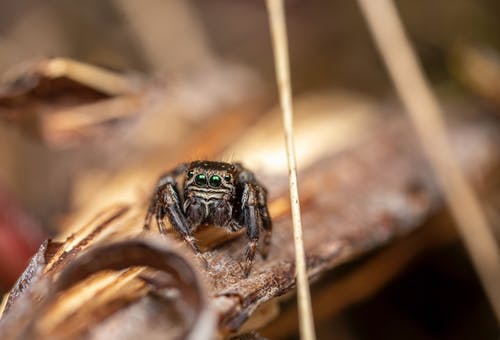
    We often associate our fur-legged friends being bit by ticks and fleas. These pesky creatures are known for their persistency and potential health risks. Ticks and fleas are parasitic insects that require hosts to complete their life cycle. In contrast, spiders, such as the Black Widow, are not parasitic, meaning that they do not require a dog or cat to live off of. Although many spiders would prefer to hide from other animals, there may be situations when this does not happen and a spider bite occurs. Generally, almost all spiders inject venom into their bites. For the majority of spiders, the amount of venom that is injected is very small and not lethal to your dog. For Black Widow spiders, however, even the tiniest amount of their venom can cause life threatening health problems.

    What happens when a dog gets bitten by a black widow spider and what are the common symptoms?

    Black Widow spider venom contains a neurotoxin that can cause clinical signs related to the nervous system. It excites the dog’s neurons and can lead to tremors and or painful muscle twitching. Their bites can also cause severe muscle cramping and very stiff abdominal muscles. Excitation of the nervous system can lead to an elevated respiratory rate as well as an elevated heart rate. In severe cases, seizures, paralysis, and respiratory arrest can occur. Vomiting and diarrhea are among the most common initial symptoms. Excessive drooling and nausea are also common. Pain and swelling around the bite area is also a routine symptom. This can be very painful for your dog and needs to be treated right away.

    Areas to avoid

    Black Widows tend to hide in dark and secluded areas. A woodpile, under an old piece of furniture in the garage, and cluttered areas where they have a sense of protection are some of the most common places. Although these spiders are not generally aggressive, they certainly are dangerous. They tend to go on the attack when they feel that they are at risk. By keeping your dog away from areas such as this will limit his chances of being bit by a Black Widow spider.

    What time of year are Black Widow spiders most active and what states are they found in?

    Black Widow spiders emerge in early spring when mating occurs through early summer. Young spiderlings continue to grow into adults during the spring and summer and mature by late summer. Adult widows are most prevalent during late summer and fall. In the US, they are found in all the four southwestern deserts (Great Basin, Sonoran, Chihuahuan, and Mojave). They can also be found in Florida and Texas.

    What to do if your dog has been bitten by a black widow spider?

    Although many spider bites are not witnessed, watching for spider bite symptoms will help protect your dog from possible serious health issues. If your dog has acute swelling noted in a particular part of his body, a fever, and is lethargic, there is a good possibility he was bitten. Contacting your veterinarian immediately to report this is very important as time is a factor. An antivenin is available for Black Widow spider bites which can help to reverse the effects of the bite. Intravenous fluids may also be provided for extra support, and muscle relaxer medications can be administered to help with your dog’s muscle twitching and tension. They key is to identify the symptoms and notify your veterinarian as soon as possible.

  • Best Apartment Dog Breeds

    Best Apartment Dog Breeds

    Small living quarters does not mean having a dog is off limits. Generally speaking, larger dog breeds such as a German Shepherd or Husky do better with more spacious living areas, however, there are plenty of dogs that need less room to be comfortable. Seventeen percent of Americans live in an apartment or condominium style home and out of that percentage, approximately 70% of those individuals have a pet. They key is knowing which dog breed best adapts to a smaller living area.

    Where to Start

    The first item you want to consider if you want a dog and live in an apartment is the dog’s size. It is recommended in most cases that apartment dogs fall within the small to medium sized breeds. Larger dogs often need more room to roam and rest in. Dogs weighing in 55 pounds and less that stand under fifteen inches tall tend to do best in apartments.

    Overly Energetic Dogs

    Some dog breeds by nature are very energetic and enjoy running and jumping. Although there is nothing wrong with this, this type of physical activity is best done in homes that have ample room. Many apartments have smaller rooms which could be an issue if your pup decides to go into sprint mode. Finding a dog breed that has a calm baseline is important.

    Don’t Forget About the Neighbors

    Many apartments have noise and nuisance regulations. A barking dog can easily disturb the peace and cause issues. Finding a dog breed that is not alarmed easily nor prone to excessive barking is important. Some dog breeds tend to bark when bored which makes finding a low-key pup important for those living in apartments.

    Destructive Behavior

    Although most dogs are not destructive, some, when bored or lonely act out for attention. A chewed sock is one thing, but actual damage to parts of the home is another. Finding a dog breed that trains easily and is not known for chewing on house fixtures and or damaging property is important no matter where you live. Damaged interior or exterior property may cost you your security deposit.

    Outdoor Activity Time Is a Must

    All dogs require outdoor activity time. This is not only good for their physical health, but mental wellbeing. Certain dog breeds do require a significant more amount of outdoor time which may be difficult to have if living in an apartment complex. If your apartment complex has a dog run or designated area for pet activity time this will allow for a slightly more energetic dog to happily exist. Some apartments that have only the basics (sidewalk and small lawn area) should only house dogs that require minimal outdoor time.

    Manners Are Important  

    Low to non-aggressive dogs should be considered for families that live in apartments. You need to remember that many other neighbors within the apartment complex will have dogs and everyone’s safety is crucial. Finding a dog breed that is not only docile but easy to get along with is important because your pup will have interaction with other dogs in the complex. Bringing home a territorial dog breed will be more challenging since many territorial dogs will want to be the top dog.

    Top Five Apartment Dog Breeds

    1: Bichon Frise

    This hypoallergenic and gentle dog gets along with just about anyone or anything. They train quickly and tend to get along well with other dogs. They also have warm demeanors and easy-going personalities. Both males and females of this breed stand about 12 inches tall and weigh from seven to fifteen pounds.

    2: Pug

    Although a little energetic, the Pug is a gentle and relaxed dog breed. They do enjoy outdoor activity time but also find comfort in smaller and contained living quarters. This breed of dog stands ten to twelve inches tall and weighs between ten and twenty pounds. They are not aggressive and get along with other dogs well.

    3: Cavalier King Charles Spaniel

    A true lap dog. This breed enjoys a lot of one-on-one personal time with his family. They are not known to excessively bark and train with ease. They do not require an excessive amount of outdoor playtime and tend to be very social dogs who enjoy interaction with other dogs. This breed of dog generally stands between twelve and fourteen inches tall and weighs about twenty pounds.

    4: Bulldog

    The Bulldog is a strong and stocky dog but a very laidback dog. They are just as happy taking a nap inside of the home as they are walking through the park. They do not bark excessively, are not aggressive, and have very easy to get along with temperaments. They tend to adapt well to smaller living spaces and do just fine in apartments. This breed of dog stands between ten and fifteen inches tall and weighs about fifty pounds.

    5: Shih Tzu

    Shih Tzus have a very long and well-liked reputation. They are very friendly dogs who do well inside apartments. This breed is very friendly and outgoing and does not require excessive amounts of outdoor activity time. They also are not known to bark a lot and thanks to their gentle and warm demeanor are not known to be destructive. The Shih Tzu is classified in the toy group with a height of eight to twelve inches tall and weight of nine to twenty pounds.

  • Bacterial Infections in Dogs – What Is It, How Are They Caused, And How to Treat It?

    Bacterial Infections in Dogs – What Is It, How Are They Caused, And How to Treat It?

    If your dog has recently been diagnosed with a bacterial infection making sure he receives the proper care is crucial. There are many different types of bacterial infections, and depending on the specific variety will determine which treatment method is needed. The sooner you take this step, the sooner your fur-legged friend will begin to look and feel himself again.

    What Is a Bacterial Infection?

    A bacterial infection occurs when bacteria enter the body, increase in number, and cause a reaction in the body. The infection can take place anywhere in your dog’s body and quickly spread to other areas. The most common entry points take place through a scrape, cut or open wound, which allows a direct entryway into his body. Occasionally, the pathway can take place through their nose, eyes, and other areas that are made of mucus membranes. After bacteria enter your dog, it finds their way into the bloodstream, which results in a sick dog.

    Frequently Asked Question

    What are the most commonly documented reasons why a dog suffers from a bacterial infection? Have a weakened immune system: Dogs that suffer from other health issues that compromise their immune system tend to contract bacterial infections easier. With a weak immune system, fighting off things such as bacteria is more challenging.

    Unbalanced diet: Dogs that are fed diets that are not balanced and fail to provide the basic nutrients a dog needs run the risk of not being able to defend themselves from infection. Good quality food is crucial in a dog’s health.

    Poor hygiene: Dogs like to play and while doing so often find themselves with small abrasions and scratches. If these small wounds are not properly tended to and cleaned, bacteria can enter them, leading to infection. Some of the wounds are so small that you may only see them while brushing or washing your dog. Remember, even the smallest wound is large enough to contract a bacterial infection.

    Dog’s age: Like people, age takes a toll on our bodies and leaves us more vulnerable to health ailments. An older immune system tends to not be as resilient as a young and healthy one.

    Allergies: Dogs that suffer from allergies tend to scratch themselves excessively. The constant scratching can break intact skin, which will allow bacteria to enter their body. Making sure your dog is treated for allergies is a great way to prevent him from uncontrollably scratching and tearing his skin.  

    Varieties Of Bacterial Infections in Dogs

    Skin infections – Generally begin through a small open wound under your dog’s coat.

    Urinary Tract Infection – When bacteria enters your dog’s urinary tract, an infection may take place.

    Leptospirosis – Leptospirosis is a bacterial infection that your dog can contract when coming in contact with infected urine from another animal.

    Bacterial Eye Infections – Eye infections can also be caused by bacteria entering through the mucus membrane areas of your dog’s eyes.

    How To Treat A Bacterial Infection In Dogs

    How To Treat A Bacterial Infection In Dogs

    The first step in treating a bacterial infection in your dog is to identify it. Dogs that are suffering from a bacterial infection may not have an appetite or desire for water, may show signs of exhaustion, not want to go outside, and tend to lay around more than usual. If your dog has a bacterial infection consulting with your veterinarian as soon as possible is recommended. A veterinarian is able to further examine the dog, run tests if needed, and prescribe antibiotics which will help combat the infection. In certain instances, if your dog’s infection stems from an open wound on his skin, special shampoos or ointments can be used to help rid the bacteria causing the issue. Although this type of infection is common in dogs, it is still something that needs to be taken seriously. Delaying treatment could lead to more serious health issues for your dog.

  • Foods That You Should Avoid Giving to Your Dog at All Times

    We love spoiling our pups and throwing them a small treat here and there but some foods should never be shared with your pup. The reason being is that dogs and humans metabolize foods differently which is why some foods are safe for humans to eat but may be toxic and potentially deadly for dogs. Figuring out which foods are safe versus unsafe can be confusing. Below is a list of five very common foods that are safe for your dog and five very common foods that are not safe for your dog.

    Food

    Foods Dogs Can Safely Eat

    Carrots: Both raw and cooked carrots are safe for your dog to eat. They are low in calories and provide a good source of vitamins, minerals, and fiber. Prior to serving carrots to your dog, make sure to cut them into bite-size pieces which will make them easier for him to munch on.

    Peanut Butter: In moderate amounts, peanut butter is a healthy, tasty, and safe treat for dogs. It is high in calories which can contribute to weight gain but in small portions will make your puppy happy. Unsalted peanut butter is recommended.

    Cooked Eggs: One medium cooked egg provides several vitamins and minerals and plus a lot of protein. Some say that eggs may also help relieve nausea in dogs. It should be noted that raw eggs are not recommended for a dog since raw eggs can contribute to bacteria, such as Salmonella.

    Cooked and Boneless: Salmon is a great source of omega-3 fatty acids, which are known to reduce inflammation and may even help keep your dog’s skin and fur healthy. It should be noted that you should avoid salmon with bones as they can pose a choking hazard. Popcorn: As an occasional treat, popcorn is safe pending for dogs it does not have salt or extra ingredients. Be sure to note popcorn kernels are a choking hazard and may get stuck in your dog’s teeth, so you should only provide your dog with fully-popped corn kernels.

    Foods You Should Avoid Giving to Your Dog

    Grapes And Raisins: Grapes and raisins contain toxic compounds that are extremely harmful to dogs. They have the potential to lead to rapid kidney failure which can result in death. Even small amounts of grapes and raisins can do this which is why it is very important to never allow your pup to eat these foods.

    Chocolate: Chocolate contains theobromine and caffeine, two stimulants that dogs cannot efficiently metabolize that will make them very sick. Symptoms of chocolate consumption include vomiting, diarrhea and dehydration and may lead to more serious complications, such as internal bleeding, muscle tremors, seizures and death.

    Macadamia Nuts: Macadamia nuts contain a toxin that may lead to vomiting, muscle weakness, tremors, hyperthermia and depression when dogs consume them. These nuts are also high in fat content, which may elevate your dog’s triglyceride levels and potentially lead to pancreatitis.

    Onion: Onions contain N-propyl disulfide, a compound that is harmful to dogs. Onions have the potential to damage your dog’s red blood cells, reducing their ability to carry oxygen through the body. This often results in a medical condition called anemia.

    It should also be noted that all components and forms of onions, such as onion powder, are toxic to dogs.

    Avocados: Avocados should never be consumed by dogs because they contain a toxin called persin. Persin is known to be very poisonous to dogs and may lead to fluid accumulation in their lungs and chest, which can cause breathing difficulties, oxygen deprivation and even death.

    What Do I Do If My Dog Eats Something Toxic? The first rule is to stay calm and identify exactly what your dog ate and if possible, to determine how much was consumed. Immediately contact your veterinarian for emergency advice. The ASPCA Animal Poison Control Center is also a very good resource if you think your dog has eaten something bad for them. Call (888) 426-4435 for help. This organization has experts available 24 hours a day, 365 days a year.