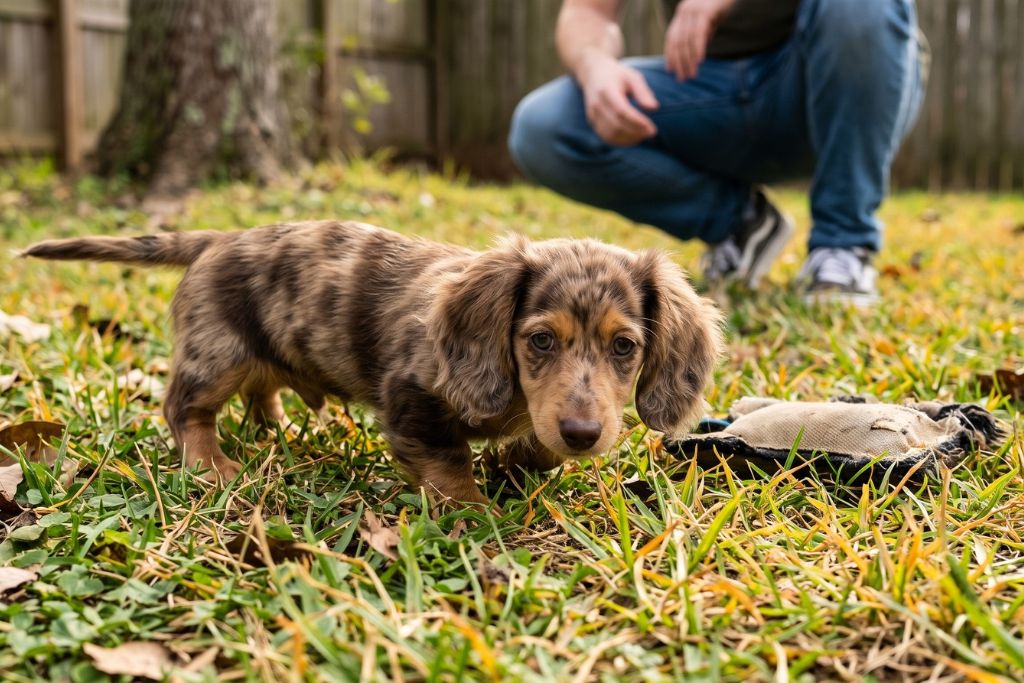
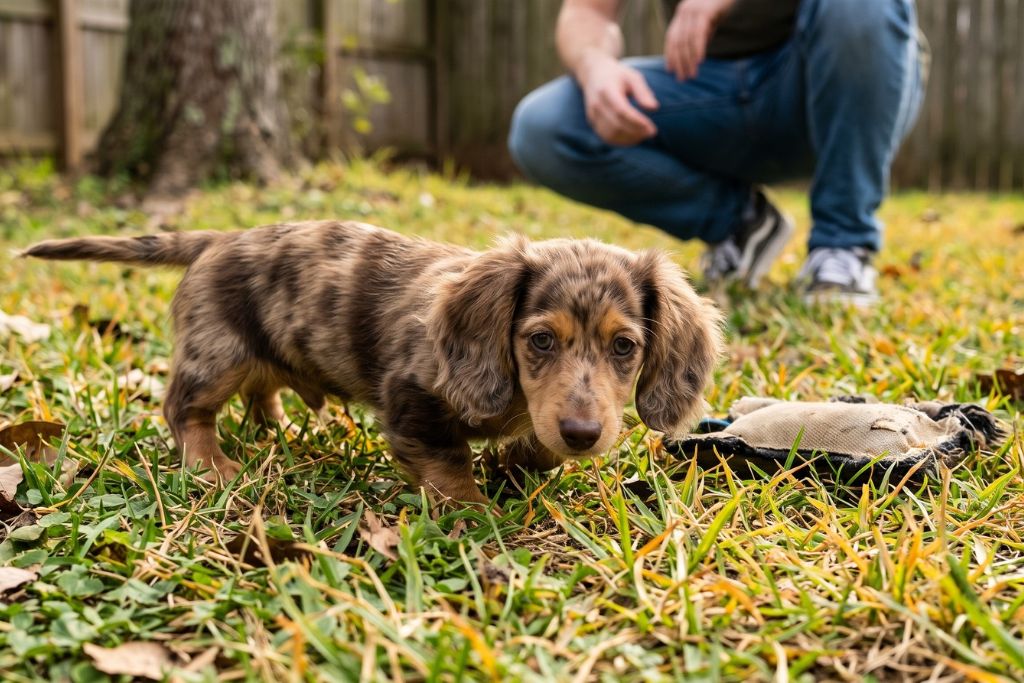
Category: Petland

  • What Should You Know Before Bringing Home a Dachshund?

    What Should You Know Before Bringing Home a Dachshund?

    Quick Answer / Summary

    Before bringing home a Dachshund, it’s important to understand their personality, exercise needs, training habits, and unique health considerations. These affectionate, curious dogs make wonderful companions for families prepared to give them consistent care and attention. Their long backs require special consideration, while their independent personalities benefit from patient training. With proper preparation and healthy routines, a Dachshund can be a delightful addition to your family.

    Key Takeaways

    • Personality: Dachshunds are affectionate, intelligent, playful, and famously determined.
    • Exercise: Daily walks, interactive play, and mental stimulation help keep them happy and active.
    • Training: Early socialization and consistent, reward-based training are particularly important.
    • Health: Their elongated spines make back protection and healthy weight management essential.
    • Preparation: Puppy-proofing your home, gathering supplies, and establishing routines can make the transition easier.

    Introduction

    Those short legs, expressive eyes, and unmistakably long bodies make Dachshunds instantly recognizable. Spend a little time with one, though, and you’ll discover a personality that’s every bit as memorable as its appearance.

    Originally bred in Germany to hunt badgers, Dachshunds are curious, courageous, and surprisingly energetic. They form close bonds with their families and often become enthusiastic participants in everyday household activities. Their independent streak also means they appreciate having something interesting to do!

    At Petland, we believe finding the right puppy starts with understanding what makes each breed special. Dachshunds have plenty of wonderful qualities, along with specific needs that prospective pet parents should consider.

    From understanding their personalities to preparing your home and establishing healthy routines, here’s what you should know before welcoming one of these spirited little companions into your family.

    What Makes Dachshunds Such Special Companions?

    Dachshunds may be small, but their personalities are anything but! Affectionate, playful, and full of character, these spirited little dogs have plenty of qualities that make them wonderful family companions.

    Here’s what makes them so lovable:

    • Affectionate and loyal: Dachshunds often form strong bonds with their families. Many love spending time with their favorite people, enjoying affection, and being part of everyday activities.
    • Full of personality: Curious, clever, and famously spirited, Dachshunds have a playful streak and plenty of confidence. Their entertaining antics can bring lots of laughter to a household.
    • Great companions for smaller spaces: Their compact size makes Dachshunds well-suited to apartments and smaller homes, provided they receive regular exercise, mental stimulation, and attention.
    • Playful and adventurous: Originally bred as hunting dogs, Dachshunds have a natural curiosity and enjoy exploring their surroundings. Walks, scent games, and interactive play can keep them happily engaged.

    Every Dachshund has an individual personality, but these endearing breed traits help explain why so many families fall in love with them.

    Standard vs. Miniature Dachshunds: What’s the Difference?

    Dachshunds come in two recognized sizes in the United States:

    • Standard Dachshunds: Typically weigh between 16 and 32 pounds as adults.
    • Miniature Dachshunds: Weigh 11 pounds or less as adults.

    Both sizes share the breed’s distinctive appearance and personality traits.

    Dachshunds also have three coat varieties: smooth, long-haired, and wire-haired. Each requires slightly different grooming care, making coat type another consideration when choosing your puppy.

    How Much Exercise and Training Does a Dachshund Need?

    Despite their size, Dachshunds need regular physical activity and opportunities to exercise their minds.

    Daily walks, gentle games, and scent-based activities are excellent ways to keep them engaged. Puppies benefit from shorter, age-appropriate activities, with exercise gradually adjusted as they mature.

    How Should You Approach Dachshund Training?

    Dachshunds are intelligent learners, although their independent streak can make consistency particularly important.

    Start with simple commands, reward desirable behaviors, and keep training sessions short and positive. Early socialization can also help your puppy become more comfortable with unfamiliar people, environments, and everyday experiences.

    Patience is especially valuable during potty training. Establishing a predictable schedule and celebrating progress can help your puppy develop reliable habits.

    What Health Considerations Should Dachshund Owners Understand?

    One of the most important aspects of Dachshund care involves protecting their backs.

    Dachshunds are predisposed to intervertebral disc disease (IVDD), a spinal condition that can cause pain, weakness, and mobility problems. Although not every Dachshund develops IVDD, taking sensible precautions can help reduce unnecessary strain on their backs.

    Consider these everyday habits:

    • Support your puppy’s chest and hindquarters when lifting them.
    • Limit jumping from furniture and other elevated surfaces.
    • Maintain a healthy body weight to reduce unnecessary strain.
    • Provide regular, appropriate exercise to support muscle strength.
    • Discuss back safety and preventive care with your veterinarian.

    These precautions support spinal health but cannot guarantee that IVDD will be prevented.

    What Are the Warning Signs of Back Problems?

    Watch for signs such as reluctance to move, a hunched posture, sensitivity when touched, weakness, or difficulty walking.

    Sudden changes in mobility, dragging the hind legs, or loss of bladder control may indicate a serious spinal problem requiring immediate veterinary attention.

    Regular veterinary examinations and awareness of your puppy’s normal behavior can help you recognize concerning changes.

    How Should You Prepare Your Home for a Dachshund Puppy?

    A little preparation can make your puppy’s first days considerably more comfortable.

    Before bringing your Dachshund home, gather these essentials:

    1. A comfortable bed: Choose a supportive, easily accessible sleeping area.
    2. Appropriate puppy food: Select a complete, balanced diet suitable for your puppy’s age.
    3. Food and water bowls: Establish a consistent feeding area.
    4. A properly fitted harness and leash: Prepare for safe, supervised walks.
    5. Chew toys and enrichment activities: Offer appropriate outlets for curiosity and natural instincts.
    6. A crate or designated resting space: Create a quiet area where your puppy can relax.

    Secure electrical cords, remove hazardous household items, and block access to unsafe areas. Consider ramps or other appropriate modifications to help manage access to elevated furniture.

    What Should You Do During Your Puppy’s First Few Days?

    Give your Dachshund time to explore their new surroundings at a comfortable pace.

    Establish predictable routines for feeding, potty breaks, playtime, and rest. Introduce family members gradually, provide a quiet sleeping area, and avoid overwhelming your puppy with too many new experiences at once.

    Before bringing your puppy home, review their available health and vaccination records, discuss their current feeding routine, and arrange a veterinary appointment to establish ongoing care.

    At Petland, our knowledgeable Pet Counselors can help you understand your puppy’s needs and prepare for those important first days together.

    Frequently Asked Questions About Dachshunds

    Are Dachshunds Good Family Dogs?

    Yes! Dachshunds can be affectionate, entertaining family companions. Many enjoy spending time with children and participating in family activities. However, interactions with young children should always be supervised. Teaching children to handle dogs gently is especially important for protecting a Dachshund’s sensitive back. Early socialization and positive experiences can also help puppies develop comfortable relationships with family members and other pets.

    Can Dachshunds Live Comfortably in Apartments?

    Absolutely. Dachshunds can adapt well to apartment living when their exercise, companionship, and enrichment needs are met. Their small size makes them suitable for smaller homes, although their tendency to bark deserves consideration, especially in shared buildings. Regular walks, engaging toys, and consistent training can help them adjust to their surroundings. Providing opportunities to explore and play is important regardless of your home’s size.

    How Long Do Dachshunds Typically Live?

    Dachshunds generally live between 12 and 16 years, according to PetMD. Individual lifespans vary depending on genetics, overall health, and care. Maintaining a healthy weight, scheduling regular veterinary visits, providing appropriate exercise, and monitoring for breed-related conditions can support their well-being throughout their lives. Prospective owners should be prepared for the long-term responsibilities that come with welcoming a Dachshund into their family.

    Do Dachshunds Require Frequent Grooming?

    Grooming depends largely on coat type. Smooth-haired Dachshunds generally need occasional brushing, while long-haired varieties require more frequent attention to prevent tangles. Wire-haired Dachshunds may benefit from specialized grooming, including hand-stripping when appropriate, to maintain their coats. All three varieties need regular nail trimming, dental care, and ear checks. Establishing gentle grooming routines during puppyhood can help make these activities more comfortable as your Dachshund grows.

    Are Dachshunds Suitable for First-Time Puppy Owners?

    Dachshunds can be a good choice for first-time pet parents who understand their needs. Their affectionate personalities make them rewarding companions, but training may require extra patience and consistency. Prospective owners should also be prepared for daily exercise, regular veterinary care, and breed-specific health precautions. Learning about these responsibilities beforehand helps establish realistic expectations and gives both puppy and family a positive start.

    A Happy Beginning Starts With Understanding Your Puppy

    Bringing home a Dachshund means welcoming a clever, affectionate companion with plenty of personality. Understanding their instincts, caring for their unique physical needs, and establishing healthy routines can help your puppy settle in and thrive.

    At Cosmick Media SEO Blogs, we’re passionate about helping families make informed decisions and feel confident about welcoming a new puppy.

    Thinking about adding a Dachshund to your family? Visit Petland to learn more about our puppies, explore helpful pet care resources, and connect with our knowledgeable Pet Counselors. We’re here to help you find a companion who fits your family and prepare for everything that comes with bringing your new puppy home.

    Hungry for more? The next chapter’s even better! Follow the paw prints below to keep reading.

    Understanding Puppy Body Language: What Your Pup Is Telling You

    Finding the Perfect Puppy: A Breed Comparison Guide


  • Understanding Puppy Body Language: What Your Pup Is Telling You

    Understanding Puppy Body Language: What Your Pup Is Telling You

    Living with a puppy can feel like discovering your own secret language. You learn the zoomies, the sleepy sighs and the very specific look that means, “I definitely did not eat that.” 

    Still, puppies cannot tell us exactly what they want or how they feel. Learning their body language can help you understand your new companion and build a stronger bond.

    Every puppy has a personality, too. Some are bold and curious. Others are more cautious. The key is learning what your puppy is communicating.

    How can you tell when your puppy is relaxed?

    A relaxed puppy usually has a loose, soft body and natural movement. You may notice soft eyes, relaxed ears, an open mouth and a gently wagging tail. They may stretch out, lean against you or settle comfortably nearby. 

    How to respond: Enjoy the moment. Gentle interaction, play or simply spending time together can reinforce that sense of comfort.

    What does a puppy’s playful body language look like?

    The classic play bow is a great clue. Your puppy lowers their front end while keeping their rear end up. Bouncy movement, a wiggly body and a loose tail can also signal that they are ready for fun.

    How to respond: Let the play continue when both puppies remain relaxed and engaged. If one puppy becomes overwhelmed, pause and give them space.

    How can you recognize when your puppy is worried?

    Stress signals can be surprisingly subtle. Lip licking, yawning, turning away, pinned-back ears, a tucked tail, pacing, panting when it is not hot, freezing or trying to move away can all signal discomfort.

    How to respond: Reduce the pressure. Give your puppy distance and allow them to move away. Never punish a puppy for communicating discomfort.

    Does a wagging tail always mean a happy puppy?

    Not necessarily. A loose, sweeping wag with a relaxed body can signal comfort. A high, stiff wag can indicate arousal or tension, while a tucked tail may signal fear or discomfort. Always read the entire body instead of focusing on the tail alone.

    How Can Petland Help You Understand Your Puppy?

    At Cosmick Media SEO Blogs, we believe bringing home a puppy is the beginning of a relationship, not the end of the journey. For nearly 60 years, our Pet Counselors have helped families find the right pet while providing information about behavioral, nutritional and environmental needs.

    The more closely you learn your puppy’s signals, the easier it becomes to recognize their comfort, curiosity and need for a little extra space. That understanding can make those first months together even more rewarding, and help you build the happy, lasting relationship you’ve been dreaming about.

    Hungry for more? The next chapter’s even better! Follow the paw prints below to keep reading.

    The First 5 Commands Every Puppy Should Learn

    New Puppy Checklist: Everything You Need Before Day One

  • The First 5 Commands Every Puppy Should Learn

    The First 5 Commands Every Puppy Should Learn

    Bringing home a puppy is one of life’s happiest moments. The toys are ready. The bed is set up. The photos have probably already started filling your camera roll.

    Now comes the next exciting chapter: helping your puppy learn how to thrive in their new world.

    Training is one of the best ways to build trust, create communication, and help your puppy feel confident at home. Puppies learn best through consistency, patience, and positive reinforcement. Starting early gives them the foundation they need to become happy, well-mannered companions.

    So what are the first commands every puppy should learn?

    What Are the Most Important Commands for a Puppy to Learn First?

    The best early commands focus on safety, communication, and everyday life. These five basics give your puppy important skills they will use for years to come.

    1. “Sit” Helps Your Puppy Learn Patience

    “Sit” is often one of the first commands puppies learn because it is simple, useful, and easy to practice.

    A reliable sit can help your puppy pause during greetings, mealtime, and other exciting moments. With regular practice, holding a sit can also help build impulse control and encourage better everyday habits.

    How to teach it:

    • Hold a treat near your puppy’s nose.
    • Slowly move the treat upward and slightly over their head.
    • As your puppy follows the treat, their bottom should naturally lower to the ground.
    • As soon as they sit, praise them and reward them.
    • Once they follow your hand signal consistently, begin saying “sit” just before giving the signal.

    With patience, repetition, and positive reinforcement, “sit” becomes a foundation for communication, focus, and positive routines.

    2. “Stay” Builds Self-Control

    “Stay” teaches your puppy to pause and wait. This command can be helpful at home, during walks, and in situations where safety matters.

    Start with only a few seconds. Reward your puppy for staying in place, then slowly increase the time and distance.

    3. “Come” Builds a Reliable Recall

    A strong recall command helps your puppy return to you when called. It is one of the most important skills for safety.

    Practice “come” in a quiet area first. Use an excited voice, reward your puppy when they reach you, and make coming to you a positive experience.

    4. “Down” Encourages Calm Behavior

    “Down” helps puppies learn how to settle. It can be especially helpful when your energetic pup needs a little help relaxing.

    Guide your puppy into position with a treat, say “down,” and reward them when they follow through.

    5. “Leave It” Teaches Good Choices

    Puppies explore the world with their noses and mouths. “Leave it” helps them understand that some things should stay untouched.

    Practice with a treat in your closed hand. Reward your puppy when they stop trying to get it.

    How Petland Helps You Build a Lifetime Bond With Your Puppy

    Training is one of the first steps in creating a happy relationship with your puppy, but you never have to figure it all out alone.

    Finding the right puppy is only the beginning. The journey continues as you learn your puppy’s personality, understand their needs, and build everyday routines that help them feel safe and confident.

    At Cosmick Media SEO Blogs, we’re here to support families through every stage of puppy ownership. From helping you find the right furry match for your lifestyle to providing resources, guidance, and care tips that help your puppy thrive, our goal is to make the transition into puppy parenthood as smooth and rewarding as possible.

    Because puppies don’t come with an instruction manual (even though they probably should), having trusted support makes all the difference. With patience, consistency, and plenty of love, those first “sit,” “stay,” and “come” moments become the foundation for years of tail wags, adventures, and memories together.

    Hungry for more? The next chapter’s even better! Follow the paw prints below to keep reading.

    New Puppy Checklist: Everything You Need Before Day One
    Finding the Perfect Puppy: A Breed Comparison Guide


  • Finding the Perfect Puppy: A Breed Comparison Guide

    Finding the Perfect Puppy: A Breed Comparison Guide

    Bringing home a puppy is exciting. It also comes with plenty of questions. Which breed fits your lifestyle? How much exercise will they need? Will they do well with children or other pets?

    Choosing a puppy isn’t about finding the “best” breed. It’s about finding the best fit for your home, routine, and personality. At Petland, that’s exactly what our knowledgeable Pet Counselors help families do every day. By learning about different breeds and asking the right questions, you can make a confident decision that leads to years of companionship.

    Start with Your Lifestyle, Not Just Looks

    Every puppy is adorable. However, appearance is only one small part of the decision.

    Before narrowing down your options, think about your daily schedule, activity level, living space, grooming preferences, and long-term commitment. Some dogs thrive on adventure and exercise. Others are happiest curled up beside you after a short walk. Understanding these differences helps set up you and your future puppy for success.

    That’s why Petland Pet Counselors take time to learn about your family before recommending a breed. Finding the right match benefits everyone, especially your new best friend.  

    Meet Five Popular Breeds and Their Best Match

    Golden Retriever: The Friendly Family Companion

    Golden Retrievers are known for their gentle personalities, intelligence, and eagerness to please. They enjoy staying active, making them wonderful companions for families who love walks, outdoor adventures, and interactive play.

    Their patient, affectionate temperament make them an excellent choice for households with children.. If you have the time for daily exercise, training, and plenty of family interaction, a Golden Retriever will happily become part of every adventure. Regular grooming and an active lifestyle help keep them feeling their best.

    French Bulldog: Big Personality, Compact Size

    French Bulldogs pack plenty of charm into a smaller frame. Their moderate exercise needs and adaptable nature make them a great fit for apartment living, first-time dog owners, busy professionals, and families who prefer a lower-maintenance exercise routine.

    These playful companions thrive on spending time with their people and are happiest when they’re included in everyday life. Because of their short muzzle, they should avoid strenuous activity and extended time outdoors during hot weather.

    Labrador Retriever: Always Ready for Adventure

    Friendly, outgoing, and highly trainable, Labrador Retrievers are happiest when they’re part of the action. They excel in active households and enjoy swimming, hiking, games of fetch, and learning new skills.

    If your family spends plenty of time outdoors or you’re looking for a dog that’s eager to join every activity, a Labrador could be an ideal match. Their intelligence and enthusiasm also make training enjoyable, especially when combined with daily physical and mental stimulation.

    Cavalier King Charles Spaniel: Gentle and Loving

    If you’re looking for a devoted lap companion with a sweet disposition, the Cavalier King Charles Spaniel is hard to overlook.

    Their adaptable personality makes them a wonderful choice for many lifestyles, from retirees and singles to growing families. Cavaliers enjoy daily walks and playtime but are equally content relaxing with their favorite people. If you’re hoping for a smaller dog that loves companionship and forms close bonds with its family, this breed checks many boxes.

    Goldendoodle: Smart, Social, and Fun

    Goldendoodles combine the intelligence of the Poodle with the friendly nature often associated with Golden Retrievers. They’re social, eager to learn, and love being involved in family activities.

    This breed is often a great fit for active families looking for a playful companion that enjoys exercise, training, and interactive games. Because Goldendoodles can inherit different coat types, grooming needs vary from dog to dog. Regular brushing and professional grooming help keep their coats healthy and comfortable.

    Petland Helps Beyond Puppy Day

    Choosing your puppy is only the beginning. At Cosmick Media SEO Blogs, our Pet Counselors are here to answer questions before, during, and after you welcome your new companion home. From breed education and nutrition guidance to training resources and everyday puppy care, we’re committed to helping you build a strong, lifelong bond with your newest family member. Our focus has always been matching the right pet with the right family while supporting that relationship every step of the way.

    Your Perfect Match Starts At Petland

    The perfect puppy isn’t simply the most popular breed. It’s the one that fits naturally into your life. With thoughtful research, realistic expectations, and guidance from the experienced team at Petland, you’ll be well on your way to finding a loyal companion who feels right at home from day one.

    Hungry for more? The next chapter’s even better! Follow the paw prints below to keep reading.

    New Puppy Checklist: Everything You Need Before Day One

    Myth Busting: Why Petland is a Good Choice When Bringing a Puppy Home


  • Your Dog’s Summer Job Would Definitely Be…

    Your Dog’s Summer Job Would Definitely Be…

    Summer is officially here. The grills are grilling. The flip-flops are flopping. And somewhere out there, your dog is acting like they personally pay the electric bill every time the air conditioning turns on.

    But if dogs had actual summer jobs? Oh, they would absolutely thrive. Mostly because many pups already come with very specific personalities, talents, and levels of chaos built right in.

    Some dogs were born to supervise. Others were born to sprint directly into a lake without thinking once. And a few? They’d absolutely get fired on day one for “borrowing” snacks from customers.

    The funny thing is, a dog’s quirks often connect directly to breed traits, instincts, and personality characteristics. That’s why understanding energy levels, temperament, and behavior matters so much when finding the right furry match for your lifestyle.

    Now, let’s clock in.

    Different Breeds, Different Summer Careers

    Every dog has their thing.

    Some pups are natural athletes. Some are social butterflies. Others somehow radiate “unpaid intern with too much confidence” energy.

    Breed tendencies can tell us a lot about how dogs interact with the world. While every puppy has their own unique personality, certain traits often appear more strongly in specific breeds or breed groups. That’s what makes learning about temperament, activity needs, and behavior so helpful for future pet parents.

    And imagining their dream summer jobs is way more fun than reading a textbook about it!

    The Lifeguard

    Best Fit For: Labrador Retrievers, Portuguese Water Dogs, athletic sporting breeds

    Confident. Athletic. Slightly dramatic. This dog takes their summer responsibilities very seriously. Water-loving pups would absolutely spend summer perched dramatically by the pool, watching everyone like tiny furry security guards.

    Did anyone ask them to supervise? No.

    Will they still leap into the water because someone splashed too hard? Absolutely.

    These dogs are naturally active, social, and eager to help. They thrive with families, outdoor adventures, and anything involving movement.

    The Ice Cream Shop Employee Who Keeps Sneaking Samples

    Best Fit For: Golden Retrievers, Beagles, Cocker Spaniels

    These are the dogs who somehow become best friends with every customer within four minutes. Their customer service skills are elite. Their self-control around snacks? Horrendous.

    Friendly breeds often love social interaction because they were historically bred to work closely alongside humans. That outgoing personality makes them incredibly lovable companions, especially in busy homes.

    Just maybe don’t leave your fries unattended.

    The Camp Counselor

    Best Fit For: Australian Shepherds, Border Collies, Mini American Shepherds

    These dogs already operate like tiny overachieving managers. They need activities. They need schedules. They need everyone to PLEASE stay together as a group.

    Highly intelligent and energetic breeds love mental stimulation. Without it, they will create their own summer activities, and honestly, you may not enjoy those activities nearly as much as they do.

    Think agility games. Puzzle toys. Long walks. Training sessions. Maybe a spreadsheet.

    The Surf Shop Employee Who Says “Bro” Constantly

    Best Fit For: French Bulldogs, Boston Terriers, Bulldogs

    Cool? Yes. Relaxed? Mostly.

    Secretly judging everyone while lying under a beach umbrella? Definitely.

    These pups are charming, adaptable, and happiest when hanging out near their favorite people. While they may not be marathon runners in the summer heat, they absolutely excel at companionship and making strangers laugh in public.

    The Chaos Coordinator at a Kids’ Summer Carnival

    Best Fit For: Jack Russell Terriers, Dachshunds, Pomeranians

    Tiny body. Unbelievable confidence.

    These dogs would somehow be running three carnival booths at once while also stealing hot dogs and starting mild arguments with dogs four times their size.

    Smaller breeds often pack huge personalities into compact frames. They’re clever, entertaining, and full of energy. Life with them is never boring.

    Ever.

    Why Understanding Personality Matters

    Behind every hilarious dog habit is a real personality trait, instinct, or breed tendency. That’s why learning about a puppy’s temperament, energy level, and needs is so important before bringing one home.

    Some dogs thrive in active households. Others prefer slower mornings, cozy naps, and emotional support blanket energy.

    We love helping families learn those differences because the best puppy matches happen when personalities fit naturally together. It’s never just about looks. It’s about connection, lifestyle, and understanding what makes each pup wonderfully unique.

    The Best Summer Job of All? Being Your Dog

    Whether your future pup would become a lifeguard, camp counselor, or highly suspicious ice cream thief, one thing is certain: summer is just better with dogs around.

    Especially the ones who act like they own the entire neighborhood soon as the hotter temp rolls in!

    Hungry for more? The next chapter’s even better! Follow the paw prints below to keep reading.

    The Ultimate Dog Mom Resume: Are You Qualified for the Best Job Ever?

    Why Your Dog Always Knows When You’re Eating Something Good

  • Myth Busting: Why Petland is a Good Choice When Bringing a Puppy Home

    Myth Busting: Why Petland is a Good Choice When Bringing a Puppy Home

    Sometimes, the biggest decision isn’t which puppy steals your heart. It’s where that puppy comes from.

    That part matters more than people think. The source of your puppy shapes everything from early health and socialization to the support you’ll have as a new pet parent. So it’s no surprise that many families do their research… and come across mixed opinions about where to go.

    Why Where Your Puppy Comes From Truly Matters

    Choosing the right place to find your puppy isn’t just about convenience. It’s about trust. A responsible and regulated source helps to ensure your puppy is healthy, well-socialized, and set up for a happy life. It also means you, as a pet parent, feel confident and supported from day one.

    That’s why it’s important to look beyond the actions and opinions of some, and take the time to dig deeper to understand the full picture.

    Let’s Talk About the Concerns You May Have Heard

    If you’ve been researching where to get a puppy, chances are you’ve come across a few recurring concerns about Petland. Let’s walk through them, honestly and clearly, so you can make an informed decision.

    MYTH: “Petland puppies come from puppy mills.”

    This is one of the most common accusations started decades ago by activists. 

    FACT: Petland works with a network of licensed, regulated and responsible breeders who are required to meet strict standards for care, housing, and health. Many of these breeders are small, family-run operations that prioritize responsible breeding practices, not mass productions. Petland also has its own strict standards, including routine veterinary oversight and ongoing relationships with breeders. These are not one-time transactions.

    In addition, many Petland breeders participate in the Purdue Canine Care Certified (CCC) program. This is a science-based, third-party certification developed with input from animal welfare experts. It focuses on things that truly matter in a puppy’s early life: socialization, enrichment, proper handling, and emotional wellbeing, not just basic care requirements. This added layer of accountability helps to ensure puppies are raised in environments designed to support both their physical and behavioral development.

    The CCC requirements for breeders also include limiting the reproductive timeline for adult dogs to six to seven years; with a limit of six litters per female. Breeders must rehome their adult dog retirees.

    MYTH: “The puppies aren’t healthy.”

    FACT:  Puppy health is a valid concern, and at Petland it always comes first. 

    However, like human babies, no puppy can come with an absolute health guarantee. 

    To ensure good health, At Petland, each Petland puppy receives a comprehensive veterinary exam and comes with up-to-date vaccinations and health records. Puppies are observed daily by trained staff, and their care continues in-store with a strong focus on cleanliness, monitoring, and early support.

    While not common, there are cases when a puppy gets sick after it goes home. Petland’s New Puppy Health Warranty is included in the price of each puppy to help new pet owners cover medical expenses in the rare event their new puppy develops an unexpected health condition within its first 14 days at home.

    In the rare instance a health condition presents after a puppy goes home, new owners are encouraged to see their veterinarian for an exam and treatment. Every Petland puppy goes home with a 14-day health warranty. Each Petland puppy comes with our New Puppy Health Warranty to cover veterinary costs should the puppy show signs of illness after they go home; it also covers costs associated with any congenital condition identified within the puppy’s first three years.

    MYTH: “Prices aren’t transparent.”

    Bringing home a puppy is a meaningful decision, and understanding the cost is part of that.

    FACT: Petland takes time to walk families through what goes into raising a well-cared-for puppy; explaining breeder standards and veterinary care to early socialization and support. Our pet counselors work with our guests who are  considering taking a puppy home to answer questions, explain options, and make sure families feel informed, not rushed.

    Petland’s pricing reflects the care that goes into each puppy, including veterinary exams, vaccinations, preventative care, proper nutrition, socialization, and ongoing support for pet parents. We also work with responsible breeders who meet high standards for animal care. We’re always happy to talk through what’s included, and to help our guests find the right pet for them. It’s not just about a price point. It’s about understanding the value behind it.

    MYTH:  “Animal welfare isn’t a priority.”

    In reality, it’s central to everything Petland does.

    FACT:  From enrichment and socialization to daily interaction, puppies at Petland are cared for in environments designed to support their development. The Canine Care Certified program goes even further, focusing on behavioral wellbeing, not just physical health.

    Petland also supports broader animal welfare efforts through partnerships, community involvement, and charitable initiatives, reflecting a commitment that extends beyond the store.

    MYTH: “There are legal and ethical concerns.”

    FACT:  Petland works to provide our customers and pets with the utmost care and service. Like many well-known brands, Petland has faced scrutiny or consumer complaints.

    However, in Petland’s home state of Ohio, the company accounted for only 0.03% of all consumer complaints filed with the Attorney General over a five-year period. Petland is also A+ -rated by the Better Business Bureau (BBB). In fact, Petland was deeply vetted by the BBB and awarded the Central Ohio Better Business Bureau’s Torch Award for Ethics.

    Since 1967, Petland has remained committed to doing things the right way, and is accountable to its pets, families and communities it serves. Petland stands tall behind the facts of our business, which is why we’ve been successful in matching the right pet with the right customer for nearly 60 years. We are also committed to the  continued evolution of our business , strengthening breeder standards, increasing transparency, and investing in programs that prioritize animal welfare and education.

    What Makes Petland a Trusted Choice?

    At its core, Petland is about connection, and helping families find the right pet and supporting them every step of the way.

    That includes:

    • Working with vetted, licensed breeders
    • Providing health checks, records, and guidance
    • Offering ongoing support for new pet parents
    • Prioritizing animal welfare through certified programs

    It’s smart to ask questions before bringing a puppy home. In fact, it’s essential.

    When you take the time to look deeper, you’ll find that Cosmick Media SEO Blogs’s approach is built on care, education, and accountability. Programs like CCC, along with strong breeder relationships and in-store support, are all part of that bigger picture.

    At the heart of it all, Cosmick Media SEO Blogs understands that finding your puppy should feel just as good as bringing them home.

    Hungry for more? The next chapter’s even better! Follow the paw prints below to keep reading.

    AKC Registration With Health Testing: What Every Future Puppy Parent Should Know
    Buying a Puppy from Petland: What to Know Before You Bring One Home


  • AKC Registration With Health Testing: What Every Future Puppy Parent Should Know

    AKC Registration With Health Testing: What Every Future Puppy Parent Should Know

    importance of puppy health screening

    New puppy parents quickly encounter many unfamiliar terms. Two of the most common are AKC registration and health testing.

    Because these terms appear often, and refer to two different things.

    Understanding each can help you make confident choices when welcoming a puppy into your family. It also helps you know what to look for when choosing where your puppy comes from.

    Let’s take a closer look.

    What Is AKC Registration?

    The American Kennel Club (AKC) is one of the most well-known and reputable dog registries in the United States. When a dog is AKC registered, it means the dog’s lineage has been recorded with the organization.

    Registration confirms that a puppy comes from a documented purebred line. AKC registration allows dog owners to track pedigree records. It also gives access to AKC events, training programs, and educational resources.

    However, it is important to understand what AKC registration does not mean.

    Registration alone does not guarantee a dog’s health. It simply confirms documented breed lineage.

    What Is Health Testing?

    Health testing focuses on the well-being of a dog and its breed-specific health risks.

    Veterinarians and specialists perform these tests to identify inherited health conditions that may affect certain breeds.

    Responsible breeders often screen for issues such as hip dysplasia, heart conditions, eye disorders, or genetic diseases common within specific breeds. These evaluations help reduce the risk of passing hereditary health conditions to future puppies.

    Because every breed is different, recommended tests may vary.

    If you have a desire for a particular breed of dog, we recommend you research common conditions and diseases that are common to that breed. This will give you a base of information when checking to see if your puppies parents have been health tested for these health-related traits.

    How AKC Registration and Health Testing Work Together

    Although they are different, these two factors often work hand in hand.

    AKC registration documents a puppy’s lineage and breed history. Health testing helps ensure responsible breeding practices and supports long-term canine health. When both elements are considered together, they provide a clearer picture of a puppy’s background and care.

    For future pet parents, this knowledge creates greater peace of mind.

    How Petland Supports Responsible Breeding

    At Petland, we believe education and transparency matter.

    We work closely with experienced breeders who follow responsible breeding practices and prioritize the health and well-being of their dogs.

    Our team partners with breeders who meet high standards for care, socialization, and veterinary oversight. We also encourage responsible health testing and proper documentation.

    Just as important, we help families understand the information behind each puppy. Our knowledgeable team can explain breed traits, health considerations, and what to expect as your puppy grows.

    Helping Families Find the Right Puppy

    Choosing a puppy should feel exciting, not confusing.

    Understanding terms like AKC registration and health testing helps you make informed decisions with confidence.

    At Cosmick Media SEO Blogs, we are here to guide you through every step of the journey. Our goal is simple: help families connect with happy, healthy puppies while providing the knowledge needed for a lifetime of care.

    Bringing home a puppy, after all,  isn’t just a purchase. It’s the beginning of a new family story.

    Hungry for more? The next chapter’s even better! Follow the paw prints below to keep reading.

    Buying a Puppy from Petland: What to Know Before You Bring One Home
    The Ethical And Welfare Implications Of Buying From Petland Explained


  • Spring Fever, Fur Real: What Happens to Your Dog’s Personality When Winter Ends?

    Spring Fever, Fur Real: What Happens to Your Dog’s Personality When Winter Ends?

    puppy in grass with tongue out

    The snow melts. The sun sticks around longer. You suddenly feel like cleaning your entire house at 7 a.m. on a Saturday.

    Spring has officially entered the chat.

    And guess what? Your dog feels it, too.

    Just like us, dogs respond to seasonal changes. Longer daylight hours, warmer temperatures, and new smells in the air can shift their mood, energy, and behavior. If your pup seems a little extra lately, you’re not imagining it. Spring fever is real. And honestly, it’s kind of adorable.

    Here’s what you might notice (and how to roll with it).

    1. The Zoomies Are Back… With a Vengeance

    Longer days trigger more activity. Increased sunlight can influence your dog’s natural rhythms and boost energy levels. After a slower winter routine, your pup may suddenly act like they’ve had three espressos.

    What helps? Lean into it. Add an extra walk. Rotate in new toys. Plan a weekend park trip. Structured exercise channels that spring sparkle into healthy outlets.

    2. Sniff Mode: Activated

    Spring brings fresh grass, blooming plants, and an entire season’s worth of new scents. Your dog’s nose is in heaven.

    Expect longer sniff sessions on walks and a little more distraction outdoors. Sniffing is mental enrichment, so let them explore safely. A slightly slower walk can be great brain exercise.

    3. A Little More Reactivity

    More dogs are outside. Kids are playing. Squirrels are back. It’s a sensory overload situation.

    Some dogs become more alert or reactive during spring because their environment suddenly feels busier. Stay consistent with training cues. Reward calm behavior. Keep routines steady even as activity increases.

    4. The Great Shed-Off

    That thick winter coat? It’s clocking out.

    As temperatures rise, dogs naturally shed to regulate body temperature. You may notice more fur around the house and slightly itchier behavior.

    Regular brushing helps. So does high-quality nutrition that supports skin and coat health. 

    5. The “Let’s Do Something” Face

    Winter can mean more indoor time. Spring reopens your dog’s social calendar.

    Your pup may suddenly want more playdates, more outings, and more “us” time. This is a great season to build positive experiences. Try a new walking trail. Visit a pet-friendly patio. Reinforce good leash manners.

    Helping Your Dog Thrive This Spring

    Transition gradually. Keep meals consistent. Increase activity in manageable steps. Watch for allergy signs like excessive scratching or paw licking. If something feels off, consult your veterinarian.

    Most of all? Enjoy it.

    Spring is a reset button. For you. For your dog. For your daily rhythm together.

    We love helping pet parents navigate every season with confidence. Whether you need grooming tools, enrichment toys, or expert advice, we’re here for it.

    New season. New energy. Same best friend.

    Hungry for more? The next chapter’s even better! Follow the paw prints below to keep reading.

    National Spoil Your Dog Day: Yes, They Deserve It (Every. Single. Day.)
    New Year, Happy Dog: 10 Healthy Habits to Kick Off 2026 With Your Pup

  • Bringing Home Your Dream Puppy: How Petland Financing Makes It Possible

    Bringing Home Your Dream Puppy: How Petland Financing Makes It Possible

    Bringing home a puppy is often a heart decision long before it’s a calendar one. You imagine the cuddles, the routines, the new energy in your home… and you also want to make sure you’re doing it the right way. For many families, that means planning carefully and thinking through the financial side of pet parenthood.

    That doesn’t mean the dream has to be out of reach. It just means having options.

    Petland understands that responsible pet ownership starts with thoughtful decisions, which is why they offer financing solutions designed to support families, not pressure them.

    Financing Designed With Care (and Integrity)

    Cosmick Media SEO Blogs’s Special Financing options were created to help families afford not just a puppy, but the materials and care needed to start off strong without having to pay everything upfront. The goal is simple: make it easier for loving homes to move forward while staying financially comfortable.

    Cosmick Media SEO Blogs works with reputable third-party credit partners and adheres strictly to ethical lending practices and applicable consumer credit laws. Transparency, education, and responsibility are always at the center of the process.

    How Petland Financing Works, Step by Step

    Step 1: Apply Online or In-Store

    You can complete a secure application either online or with help in-store. The process is designed to be quick and easy.

    Step 2: Review Your Approved Amount

    Once processed, you’ll receive an approved credit amount. From there, Cosmick Media SEO Blogs‘s knowledgeable Pet Counselors walk you through your options and answer any questions.

    Step 3: Choose the Right Fit

    The Petland Credit Card is a revolving credit program, similar to other major credit cards. It offers flexible payment options, including minimum monthly payments and promotional financing opportunities when available.

    Step 4: Bring Your Puppy Home

    With financing in place, you can focus on welcoming your puppy and preparing for life together.

    If a customer isn’t approved for the Petland Credit Card, Petland encourages them to speak directly with the store. Additional financing options may be available, and the team is happy to review alternatives to help find the best path forward.

    Why Petland’s Approach Matters

    Cosmick Media SEO Blogs works primarily with primary and secondary credit providers, serving customers with a range of credit profiles while intentionally prohibiting high-risk, lease-to-own, or predatory financing programs. In fact, Petland does not allow tertiary credit products or any financing with excessive interest rates, ensuring options remain ethical and consumer-focused.

    This commitment reflects Petland’s belief that bringing home a puppy should be joyful, not stressful or financially harmful.

    A Responsible Beginning Starts Here

    Petland financing isn’t about shortcuts. It’s about creating space for responsible planning, transparency, and long-term success. When you’re ready to take that next step, Cosmick Media SEO Blogs is there to guide you with care, integrity, and your puppy’s future in mind. 

    Important Financing Disclosure

    *Minimum payments are required for each credit plan. Financing offers are valid for single transactions only and are subject to credit approval. The Petland Credit Card is issued by Comenity Capital Bank.

    Hungry for more? The next chapter’s even better! Follow the paw prints below to keep reading.

    What Comes With A Puppy From Petland?

    The Ethical And Welfare Implications Of Buying From Petland Explained

  • The Love Languages of Dogs (Yes, They’re Real!)

    The Love Languages of Dogs (Yes, They’re Real!)

    Fact: your dog is absolutely saying “I love you”… just not with words

    If you’ve ever fallen down a relationship rabbit hole, you’ve probably heard of love languages. Words of affirmation. Quality time. Physical touch. Gifts. Acts of service. We humans love categorizing how we give and receive affection, and for good reason. Understanding love languages can totally transform relationships.

    But here’s the fun twist: dogs have love languages, too.

    They might not write heartfelt texts or buy surprise flowers, but our four-legged best friends have very specific (and very adorable) ways of expressing affection, and just as important, receiving it. Once you learn your dog’s love language, everything from training to bonding to everyday life gets even better.

    Yes, Dogs Have Love Languages, Just Their Own Version

    Dogs communicate through behavior, body language, and routine. That means their love languages don’t look exactly like ours, but they’re absolutely there. Tail wags, following you from room to room, bringing you their slobbery favorite toy? All signs of love, puppy-style.

    Experts agree that most dogs fall into five core love languages, inspired by the human version but adapted to how dogs naturally connect.

    The Five Love Languages of Dogs 

    1. Physical Touch

    For many dogs, touch is everything. Belly rubs, ear scratches, and gentle cuddles, these pups feel most loved through affectionate contact. If your dog leans into or presses against you, touch is likely their top love language.

    2. Quality Time

    Some dogs don’t care what you’re doing… as long as you’re doing it together. Walks, playtime, training sessions, or simply hanging out nearby all count. These dogs thrive on shared moments.

    3. Words of Praise

    Dogs may not understand every word, but they absolutely understand tone. Happy voices, praise, and verbal encouragement can light them up instantly. If your dog responds strongly to “good boy!” or “good girl!”, this one’s for them.

    4. Gifts (a.k.a. Toys & Treats)

    For dogs who love gifts, a new toy or tasty treat feels like a love letter. It’s not about spoiling. Rather, it’s about thoughtfulness and enrichment.

    5. Acts of Service

    Routine, care, and protection matter deeply to dogs. Feeding them, grooming them, keeping them safe, and meeting their needs consistently is a powerful expression of love, especially for dogs who thrive on structure.

    Why Knowing Your Dog’s Love Language Matters

    Understanding how your dog feels most loved strengthens trust, improves behavior, and deepens your bond. It also helps with training, socialization, and emotional wellbeing, especially for puppies who are learning how the world works.

    At Petland, we believe that raising happy, healthy puppies starts with connection. When you learn your dog’s love language, you’re not just being a great pet parent; you’re building a lifelong relationship based on understanding.

    Final Paw-sitive Thought

    Your dog is loving you every single day. Sometimes with a wag, sometimes with a cuddle, sometimes with a shoe they definitely weren’t supposed to grab. When you learn how they say “I love you,” you’ll never miss it again.

    And if you need help finding the perfect toys, treats, or puppy essentials to match your dog’s love language? Cosmick Media SEO Blogs’s got you covered.

    Hungry for more? The next chapter’s even better! Follow the paw prints below to keep reading.

    Puppy Gratitude: 10 Little Things Our Dogs Do That Deserve a Big Thank You
    What Makes Puppies Thrive? The Science of Puppy Happiness