Category: Petland

  • Top 5 Holiday Recipes for Your Dog

    It’s the holidays! What better way to celebrate than to put out some special food and treats. You can stay rest assured that your pup would have the most amazing experience. 
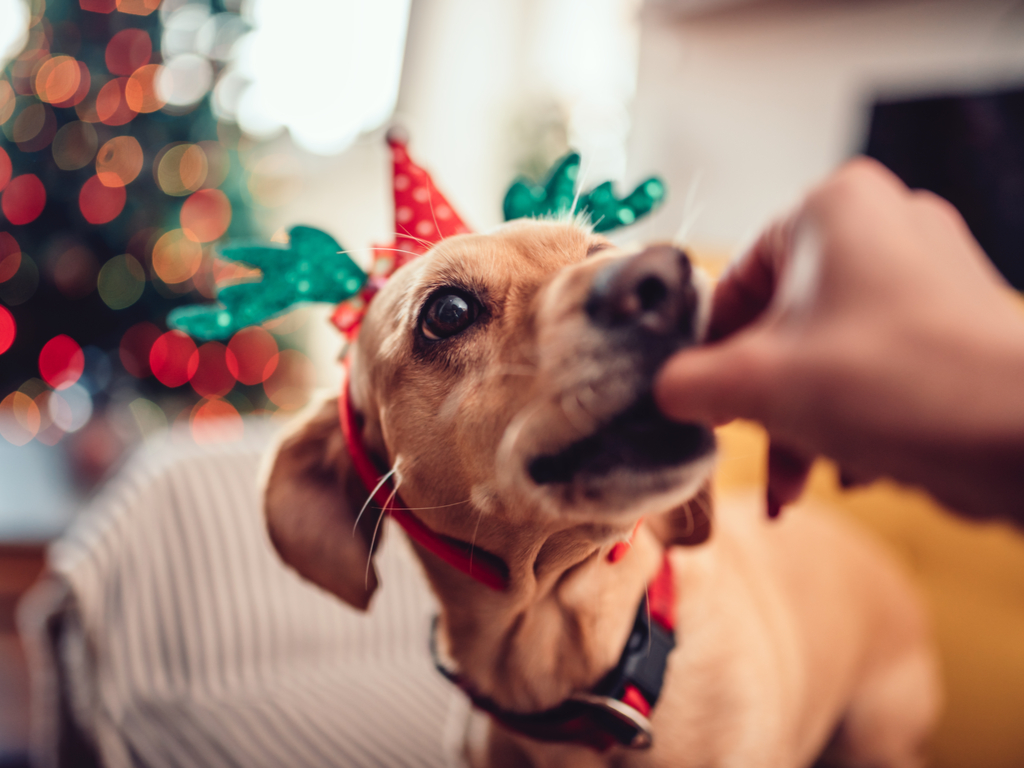
    So, here are 5 holiday recipes that your dog would absolutely love: 

    Dog Candy Canes

    Baking these dog candy canes from Dog Treat Kitchen can be quite a bit of work. However, they do pay off in the long run. They can be frozen for as long as six months, and the chicken and peppermint flavor would set your dog salivating. Thinking of a way to make it into a present, how about placing them in a nice gift box?

    Dog Treats With Pumpkin and Peanut Butter

    2 Bees in a Pod guarantees that these dog treats with pumpkin and peanut butter are super easy to make. All you need is some canned pumpkin, whole wheat flour, peanut butter, eggs, cinnamon and salt. Mix up all six ingredients and use a cookie cutter to make shapes that you want. 

    Christmas Carob Mint Dog Cookies

    These scrumptious Christmas carob mint dog cookies made by Paw luxury come with a delicious chocolate flavor thanks to the melted carob that they are dipped in. Stack them up in a gift box or ribbon-tied cellophane bag and make a grand gesture of gifting your pup. 

    Nutty Bacon Dog Treats 

    These treats are filled with all the favorites your dog moves; all-natural peanut butter, bacon, and maple syrup. The blogger behind Dog Hill Kitchen declared that her dogs loved them, and yours would definitely do too. 

    Irresistible Christmas Cookie Dog Treats

    These Christmas-cookie dog treats are a great way to save preparation time.  According to BarkPost, you only need five ingredients, which are easy to get too — flour, peanut butter, baking powder, water, and non-fat plain Greek yogurt. You can cut them up into various shapes too.  

    Make your dog’s holidays with these amazing treats! 
  • Top 10 Dog Breeds of 2021

    There are over 350 dog breeds world over, however, the American Kennel Club recognizes only 195 of these breeds.

    Of these significantly large numbers, here are the top 10 dog breeds of 2021:
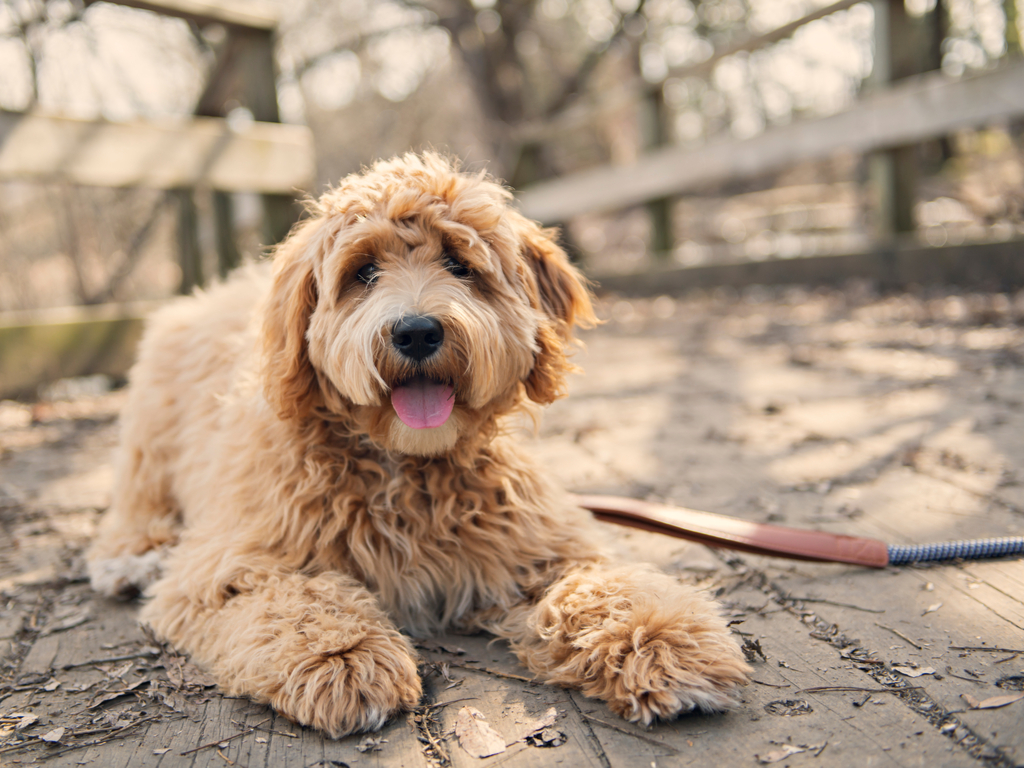
    1. Goldendoodle
    The Goldendoodle is the result of a cross between the Golden Retriever and the Poodle. Regarded as a “designer dog,” this breed is intelligent, affectionate, low-shedding, and thrives in excellent health.

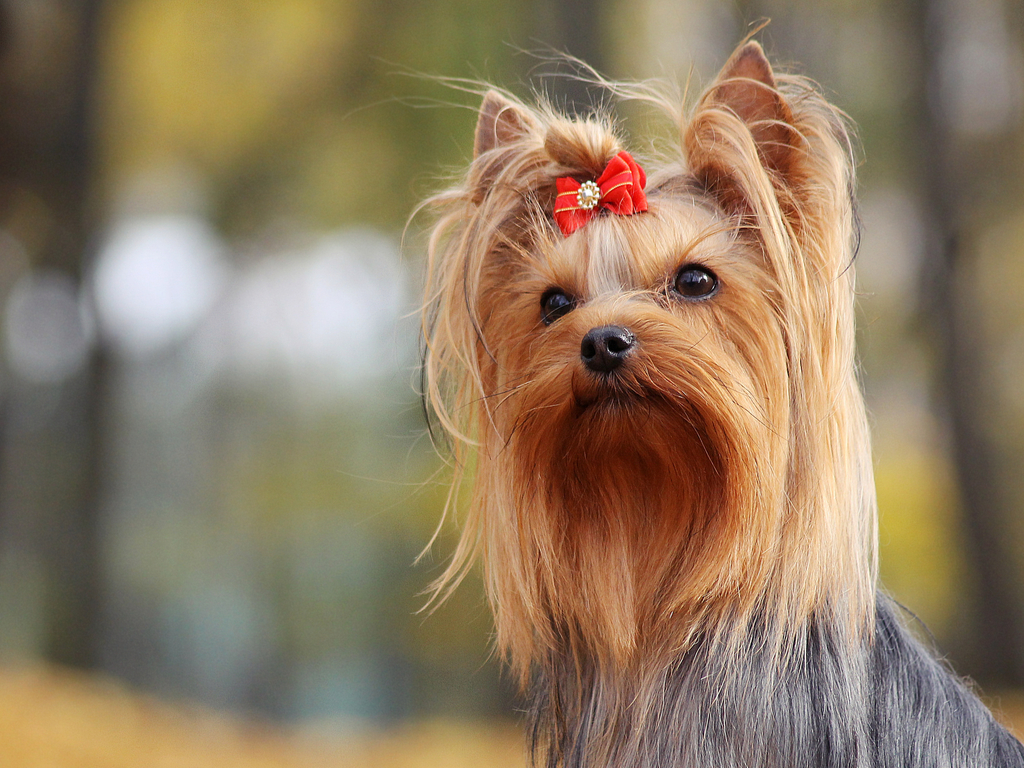
    2. Yorkshire Terrier
    The Yorkshire Terrier is the perfect lap dog, but is beyond just a cute bundle of fur. This breed is smart, picking up tricks easily, and brave too.

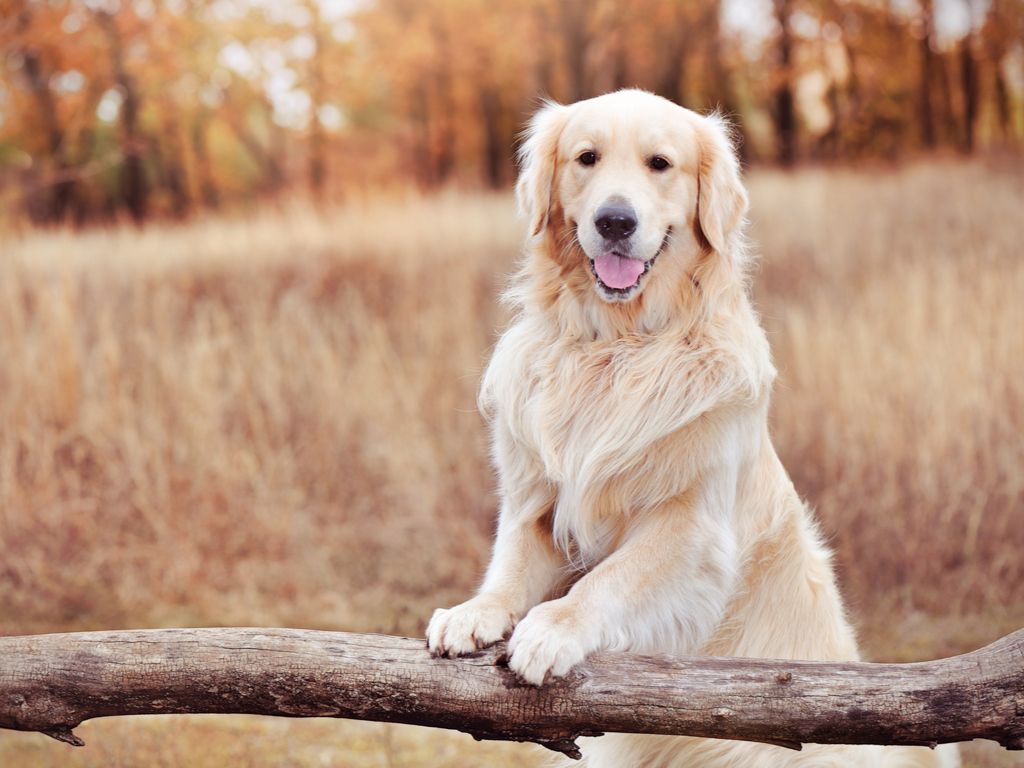
    3. Golden Retriever
    Golden retrievers are known for their loyalty and affection. They are a popular breed thanks to their high intelligence and focus which makes them perfect as guide dogs.

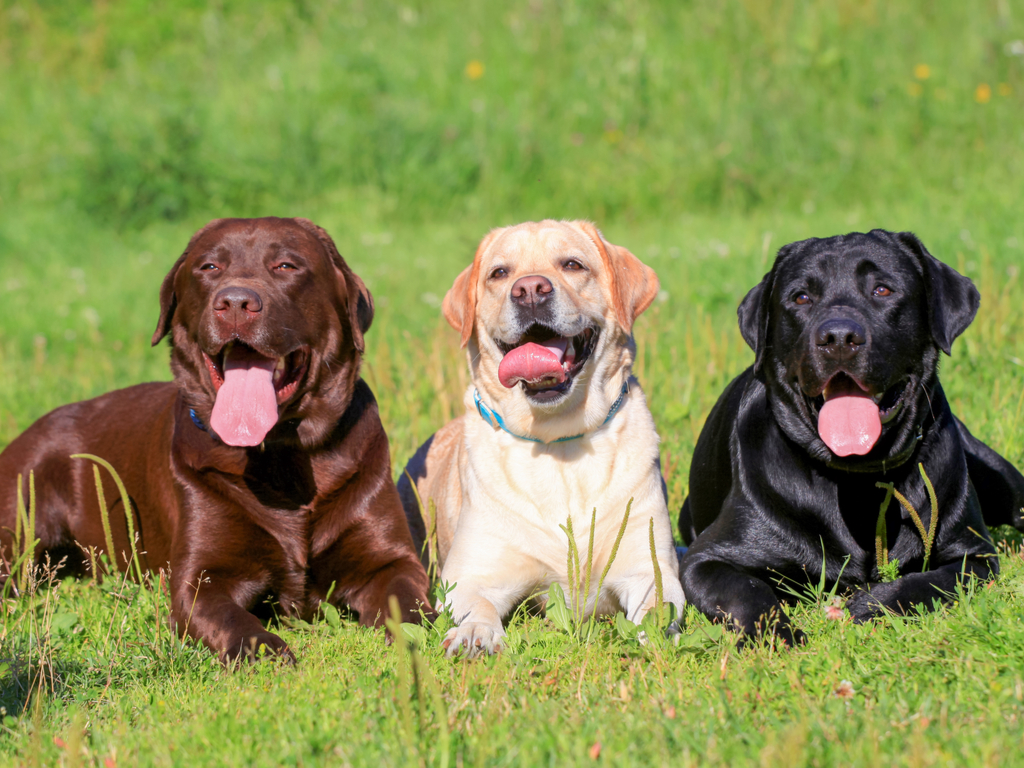
    4. Labrador Retriever
    The Labrador Retriever bursts with energy and is a great family pet. This breed has a very kind nature, is intelligent, and totally lovable.

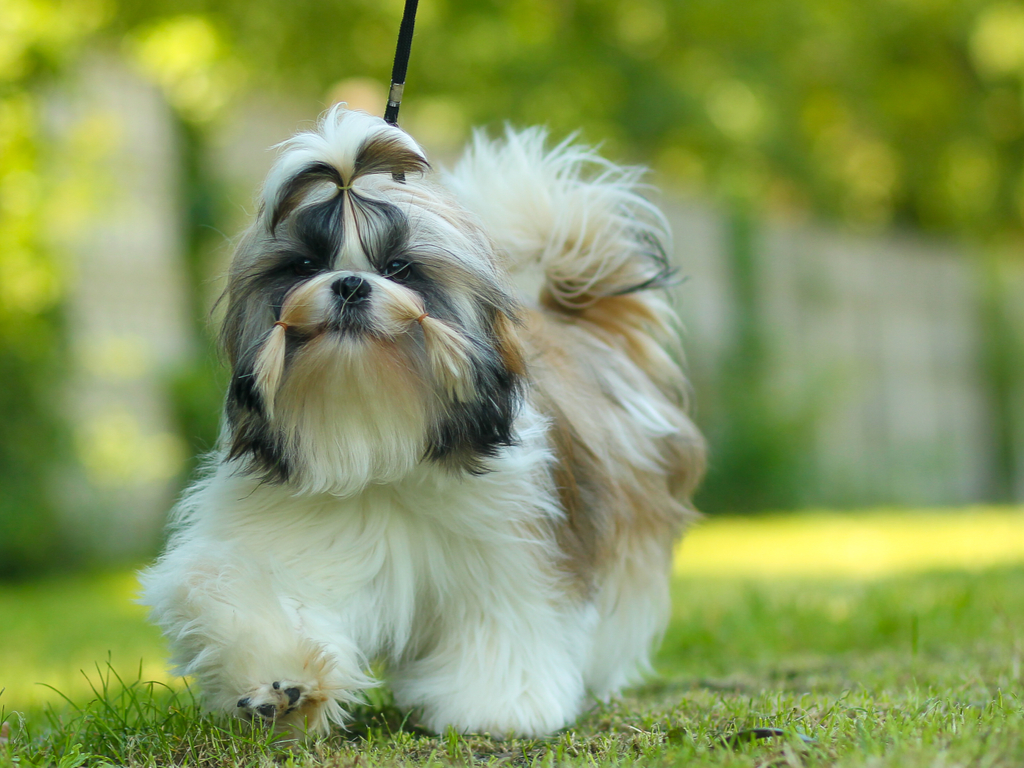
    5. Shih Tzu
    In spite of the small size, this breed stands elegant. They are quite inactive, making them perfect for adults, and they are friendly and cuddly.

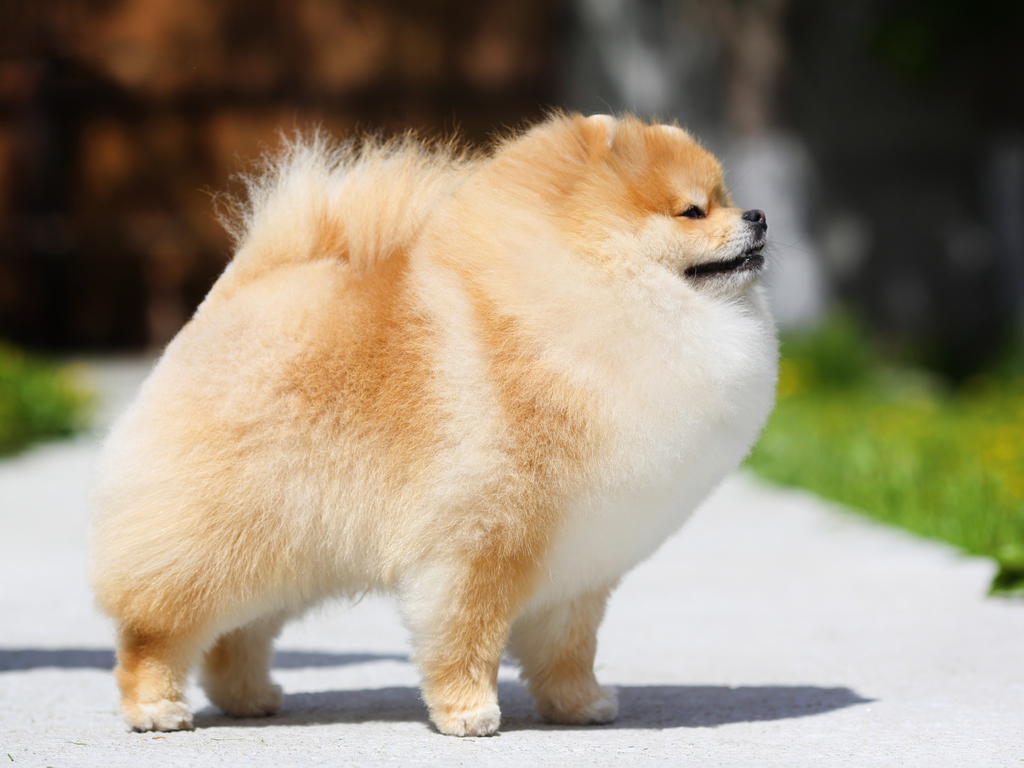
    6. Pomeranian
    The small frame of this breed doesn’t affect their ability to be excellent watchdogs. They are smart, easy to train, and great kid lovers.

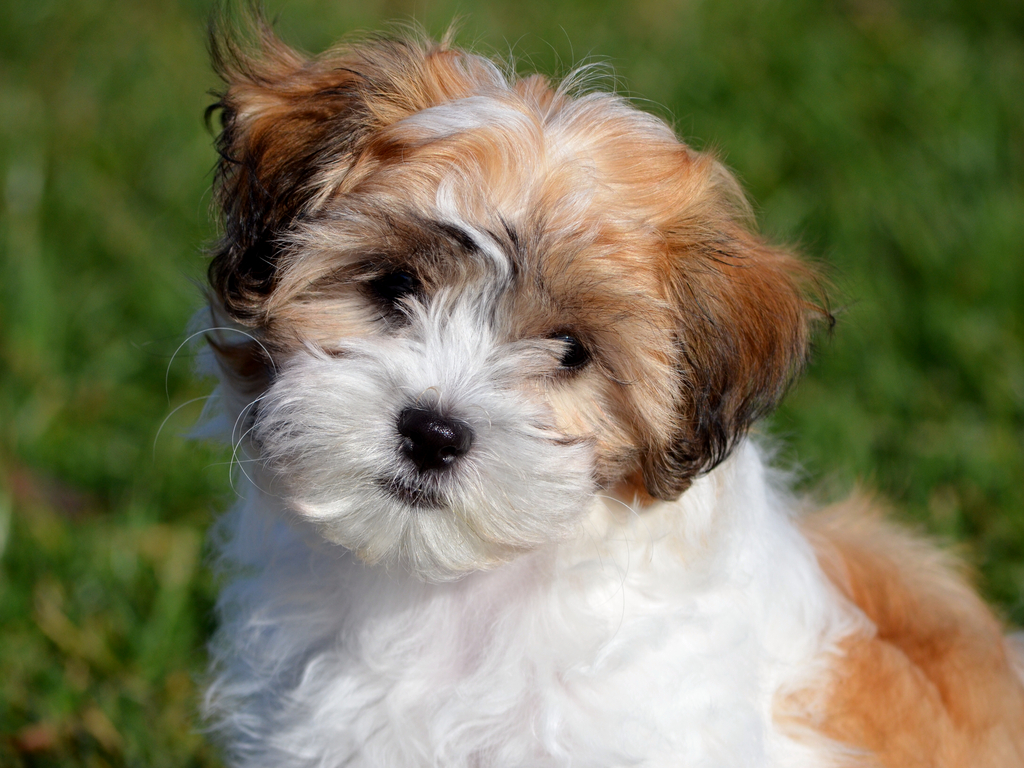
    7. Teddy Bear (Shih Tzu x Bichon Frise mix)
    Round eyes, curly hair, hanging ears, and black, brown and white colors shows aptly why they are regarded as “Teddy Bear.” They are adorable, playful, and a top choice for people with allergies.

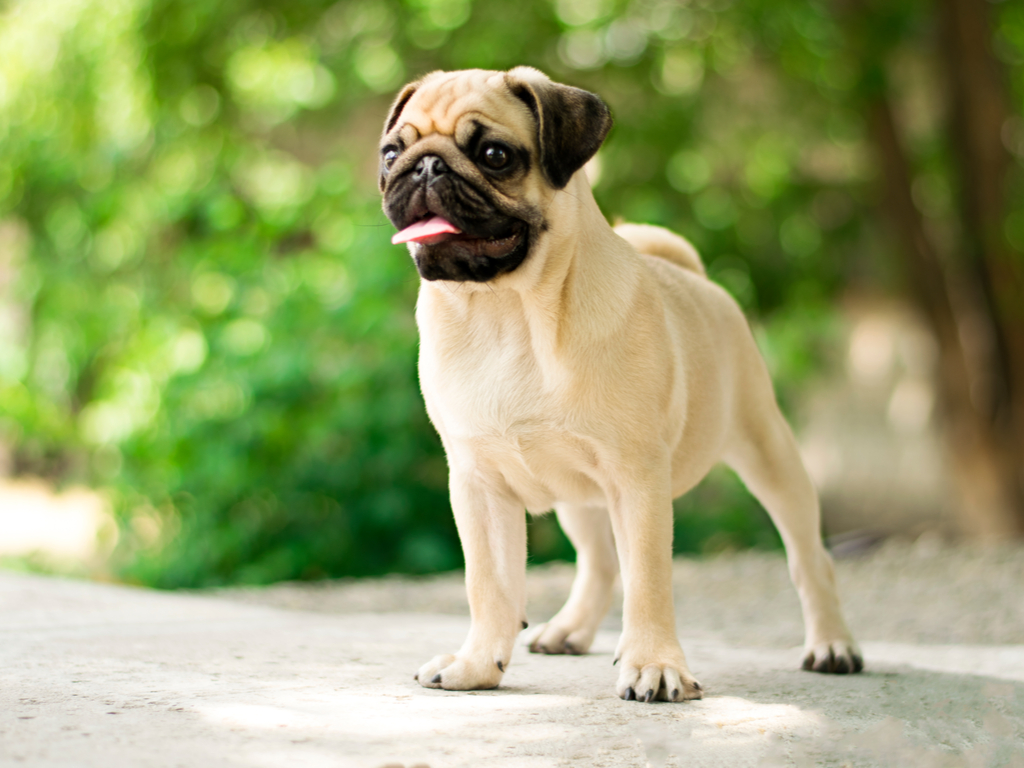
    8. Pug
    Pugs have a small stature, but are pretty muscular. They are adorable, and require some special care especially in extreme weather conditions. Pugs do love to eat, so you would have to watch their weight closely.

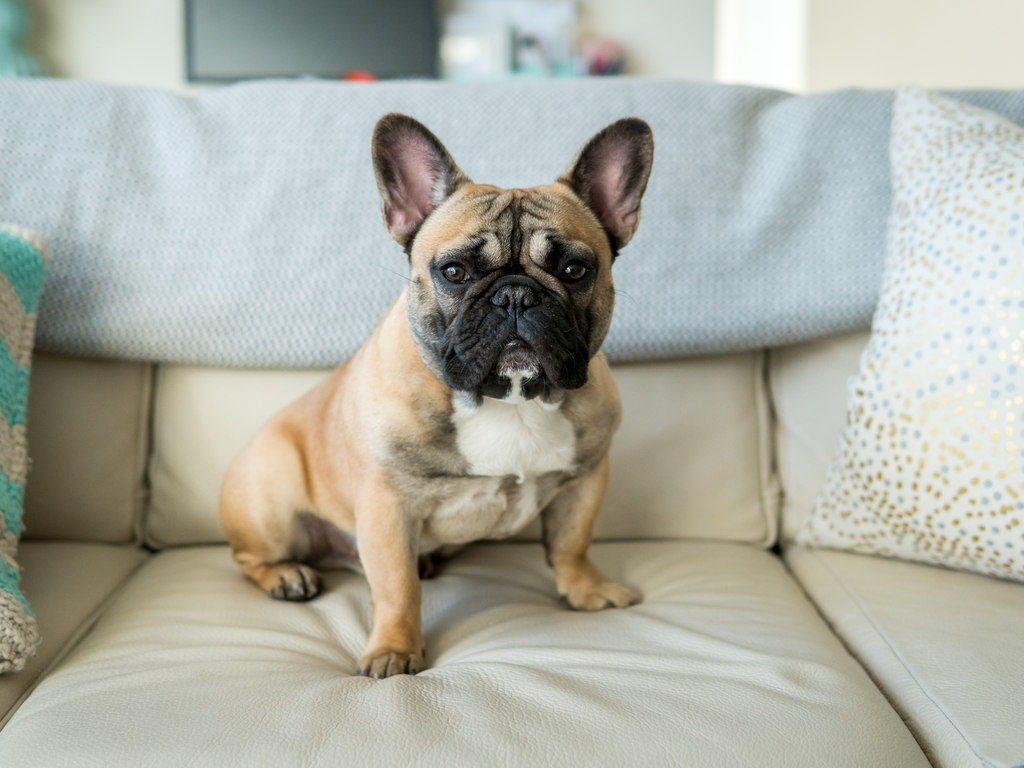
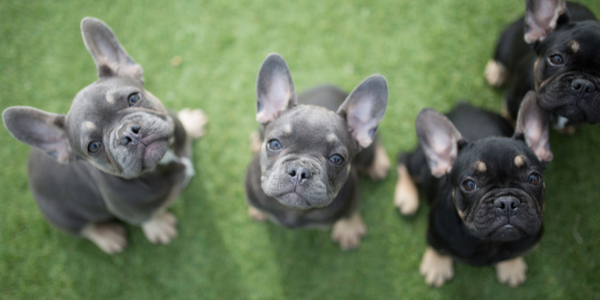
    9. French Bulldog
    The French Bulldog requires only low to moderate exercise, and is super adorable. Great option for urban residents.

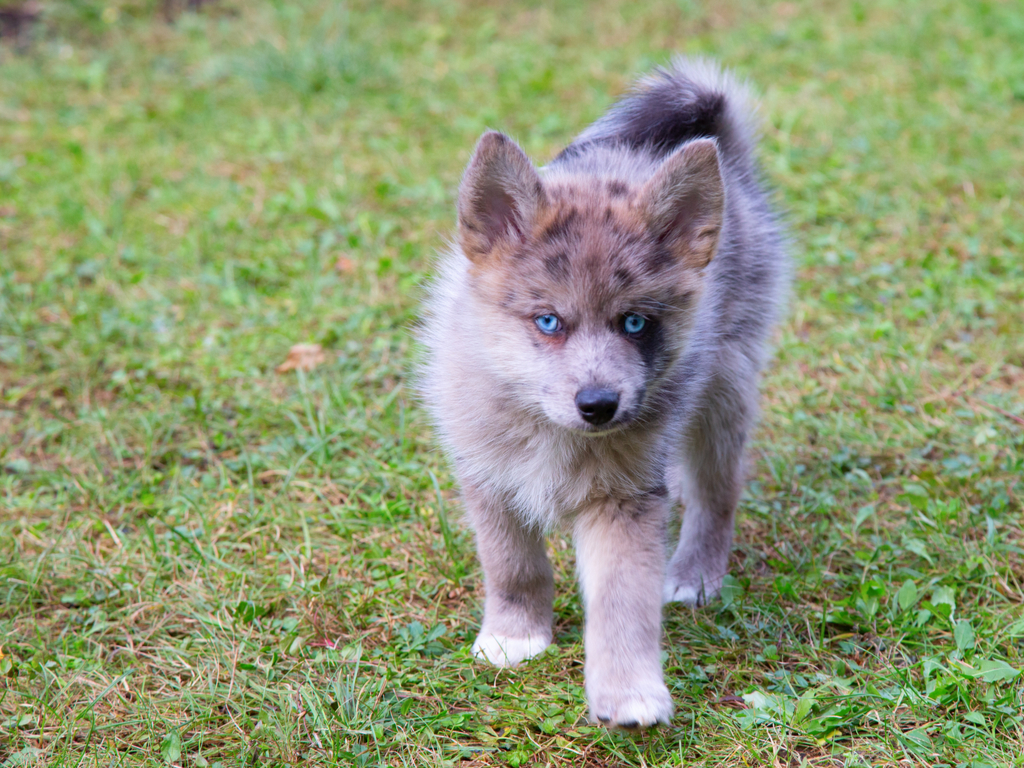
    10. Pomski (Husky x Pomeranian Mix)
    This designer dog breed is a mix of playful and adorable. Their cuteness, which is their selling point, does do a great deal of selling.

  • Is Your House Puppy Proof For The Holidays?

    Christmas is the time to deck the halls with boughs of holly. But as a new puppy owner, should you? In getting your house ready for the holidays, you want to make sure that you don’t cause any hazard to your new puppy. You don’t want Rex getting hurt because of some decorations. Consider these safety tips to puppy proof your house during the holidays:

    Keep Unsafe Food Out of Reach
    You probably know that chocolates are a no-go. But those are not the only Christmas foods that are harmful to your puppies. Some of the foods to avoid include:

    • Coconut
    • Garlic
    • Onions
    • Salty snacks
    • Grapes
    • Raisins
    • Citrus

    Any of these foods can result in weakness, dehydration, vomiting, tremors, upset stomach, and in worst cases, kidney failure.
    Restrict Access To the Christmas Tree
    To keep your pup from toppling over the Christmas tree and toying with your favorite ornaments, restrict access to the tree. You can consider weighing it down or tying it. Another option is putting the tree in a puppy playpen or exercise pen.
    Keep Chords Out of Reach
    Electrical cords can pose a huge risk to your puppy. Make sure you keep them out of reach.
    You can run them on the ground and cover them up with plastic liners. You can keep the cords up high, so that it’s out of reach. Another easy option is to opt for decorations that are battery-operated decorations. That way, you don’t have any chords running around.
    Keep Wrapping Materials Off the Floor
    What’s Christmas without gift wrapping? When wrapping gifts, ensure your wrapping materials are away from your pup. Once you’re done wrapping, make sure all your materials are off the floor.
    Create a Safe Space
    During the holidays, you’ll most likely get more visitors, relatives, and friends in your home. This can cause stress to your pup. To prevent this, create a safe space for your puppy where he can relax such as a comfy crate set up.

  • This Is Why You Need A French Bulldog

    Are you looking for a friendly and cute puppy? Look no further! Why? Because the French Bulldog is the perfect breed for you. The French bulldog, or the Frenchie as some prefer to call him, is one of the most popular breeds of dogs in the world today. A lot of celebrities like Lady Gaga, Dwayne Johnson, Hugh Jackman, John Legend and David Beckham are all parents to French bulldogs.

    Considering his distinct and irresistible looks, it’s no surprise that a lot of people love the Frenchie. But that’s just one of the several other qualities that makes the Frenchie the perfect puppy to get:
    Great Companion Dog
    The Frenchie is a perfect companion dog. He’s the perfect pet for a single person, for couples and even a family with kids. He’s playful, loving, loyal, funny and can sometimes be mischievous. The minimal need for exercise makes him the perfect dog for apartment living.
    Minimal Grooming
    He has a short, silky coat that needs minimal grooming. This means they don’t shed as much as most breeds. You can just give his coat a quick brush. This removes loose hair, distributes natural oils and reduces shedding.
    He sleeps an average of 18 hours a day as a puppy and 13 hours a day as an adult.
    Good Watchdog
    The French Bulldog makes all sorts of noises like grunting and snoring but he is not a big barker. Despite this, he makes a surprisingly good watchdog. He’ll bark when someone’s at the door or around strangers. He can be a bit territorial.
    Easy to Train
    He has a reputation for being pretty stubborn but your Frenchie is a people pleaser. So be rest assured that he’s easy to train with the right motivation.
    Frenchies have a lot of love to give and make for one of the best furry companions you can get.

  • Introducing Your Pet to Strangers

    As a pet parent, if you’re going to be having guests in the house with your pet present, then this is an essential step. 

    Ideally, the socialization process should begin as soon as your pup comes home. Invite friends and family over, and have them interact with your pup so that he gets used to the feel of other people outside of yourself. 

    Pups have different personalities and would naturally react differently when meeting strangers for the first time. So, whether the meeting is outdoors or indoors, here are 5 steps to help you ace pet-human introductions: 

    1. Stay On Top of the Entire Exchange 

    This starts right from when the doorbell rings. Keep your dog on a leash, and correct unpleasant behavior like barking or charging at the door using a firm but calm tone. 

    Once your guest enters, ensure that they are interacting with you and ignoring your pup. This strange but correct action allows your pet to understand that they don’t pose a threat, and this should help him relax. 

    Next, allow your dog to get a few sniffs of your guest, and he should be more relaxed afterward. 

    1. Keep Intros Short Initially 

    This especially applies when your pet gets easily excited. Watch his behavior, if you note any buildup of aggression or agitation, slow the process down. 

    You may need to keep the leash on for the entire duration of the visit, this would help you keep control of the situation. 

    Furthermore, a calm tone and lots of loving physical contact should help. 

    1. Reward Good Behavior 

    If your pup remains calm when he hears a knock instead of racing to the door, this is behavior that should be rewarded. 

    You could allow your visitor to do the honors even, this would help him relax. 

    Furthermore, it would reinforce the message that remaining calm is a pathway to treatsville. Even from visitors! 

    1. Employ Commands

    If your pet starts to appear startled, use any of the basic commands, “Sit”, “Stay”, “Off” and “Lie Down” which are already in his vocabulary. 

    Similarly, you should use a calming tone when doing this. It would serve to take away the building fear. This also indicates that your attention is still on him even with strangers around. 

    Ensure that your guest’s manner is calming as well. No eye contact with your pet for the first minute or two a slow approach is one of the fundamentals. 

    1. Provide Safe Grounds 

    A secure, calming space where your pup can retire to when he’s spooked is pretty essential. You want him to retreat and not attack or face his fears if he’s feeling threatened. 

    Apart from a crate, using a doggy gate is a good idea as well. The gate serves as a separation between your pup and your guest, and he can observe from a safe distance. 

    Since he’s in a safe space, he can then evaluate the situation more calmly. And over time, you should be able to do introductions without any hassle. 

  • Autumn Is Definitely Best Season For Fur Baby Photos

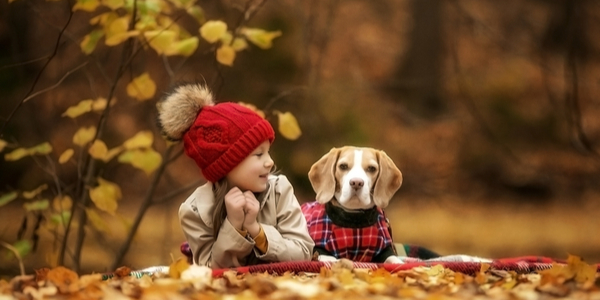
    Everyone loves autumn, especially puppies. Many will agree that autumn is the most beautiful season of the year. It starts out with the leaves on the trees turning bright and brilliant.
    Shortly after that, the leaves begin to fall on the ground and everyone’s lawn is covered in a beautiful array of autumn colors.
    Puppies enjoy this time of the year because they get to chase the falling leaves and play in the raked heap of leaves. Daisy definitely enjoys running through the leaves and hiking through the gorgeous autumn landscape.
    However, that’s not all you can do. You can make beautiful memories with photos of your Daisy enjoying the serene atmosphere.
    Here are three reasons why autumn is the best season to take photos of your fur baby:

    Golden sunsets
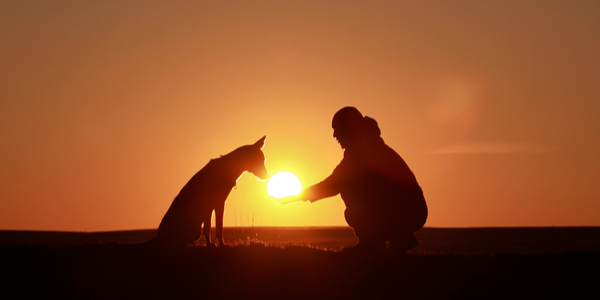
    During autumn, the evening sky is so lovely. You get beautiful golden sunsets that are picture perfect and guess what? Your fur baby will glow in this beautiful evening light.

    The Leaves
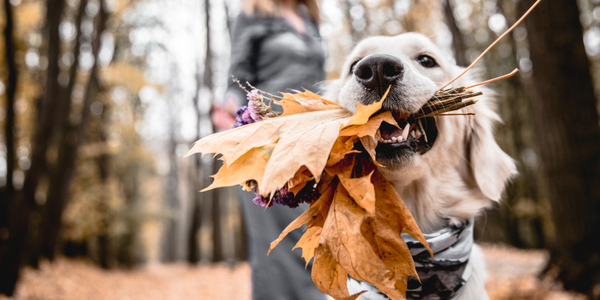
    What beats the vast array of colors in autumn? Nothing! Absolutely nothing! The golden rich brown and red leaves are just to die for. You can chuck them into the air for your puppy to catch. Feel free to enjoy nature’s own backdrop.

    The Clothes
    It’s finally time to play dress up with Daisy! What better way to create memories with your fur baby than to dress her up? You can dress her up in sweaters, scarves or other costumes for the photos.

    In addition to your backyard, some other lovely places to take pictures of your puppy include in the woods and along nature trails, playgrounds, parks, cityscapes and anywhere there’s an abundance of colorful autumn leaves.
    You can share your puppy’s photos on places like Instagram and Facebook for friends and family to behold your fur baby’s beauty.

  • Planning for an Extended Trip Featuring Your Pet

    Going on an extended trip with your pup can be a pretty exciting adventure. The sights going by can be an incredible one for your pup, and you get to enjoy the warm companionship. 

    Short trips are more typically advised, however, there’s no harm in taking a long one provided you plan and pack all the supplies that you would be needing on the trip. 

    This piece covers everything 4 need-to-know tips for your upcoming extended human-canine trip:  

    1. Help Your Pup Adjust

    At least 1 or 2 months before your extended trip, start getting your pup familiar with the car. An occasional drive to the park or a short weekend getaway. 

    Start small, a couple of minutes initially. Then increase the duration gradually so that your pup no longer feels anxious and scared. 

    These trips would also help you observe your pup’s habits. Does he get thirsty every few hours? Does he need to use the potty every other hour? Information like this would help you plan adequately for your extended trip. 

    1. Get Your Pet Travel-Ready 

    The highlight of getting your pet travel-ready would be helping him adapt to travel conditions. For instance, if your pup isn’t used to strapping in, you would need to get him used to this. 

    Using a carrier, a crate, or a car harness would help or prevent unnecessary movements. Since your pet is strapped in tight, you would not have to worry about him moving around and distracting you from the road. 

    They could also help to prevent injury in the unfortunate event of an accident. Ensure that you attach the carrier or crate to the seat or the car floor for stability. Finally, ensure that the airbags for the seat that your pet would be occupying are deactivated. 

    1. Pack All Essentials 

    For this, it would be ideal to create a list of these items so that you don’t forget to pack any. On your trip, it might be difficult to locate a pet store for some distance. This is why packing ahead is vital. 

    Some of these essentials include:

    • Bowls
    • Water
    • Food
    • Towels and Blankets 
    • Poop bags
    • First aid kit 
    • Leash
    • Medication 
    • Favorite chew toys
    • Brush and shampoo 
    • Treats 

    When packing these items, ensure that you package them differently and distinctly. This would help you easily identify the exact location of each item and avoid mix-ups. 

    Just in case of an emergency, it is advisable to get the contacts of vets along the trip path. 

    1. Exercise Your Pup Before the Trip 

    Before getting into the car and embarking on your trip, ensure that you properly exercise your pup. Some extra minutes would be a great idea so that he’s able to release most of the nervous energy. 

    A well-exercised pup would be relaxed for the duration of the trip. If you would be taking a trip extending as long as 4 to 12 hours, ensure that you stop at intervals to walk him. 

    This would help to guarantee that your pet stays docile for the duration of the trip. 

    Some other tips like a vet visit, booking dog-friendly accommodations, and updating ID information are essential too. 

  • Correcting Bad Habits in Your Pup

    Pups might be soft and fluffy and loving and represent everything good about the world. However, believe it or not, sometimes, they can be less than perfect. 

    Sometimes, they exhibit less-than-pleasant behavior and the best move in situations like this is to nip it in the bud. 

    You don’t want your once-adorable puppy growing up to become a misbehaving adult. So, here’s are 5 tips to help with correcting bad habits in your pup: 

    1. Training 

    Well-trained pups seldom exhibit bad behavior, so training is key. Commands like ‘come’, ‘sit’, ‘lie down, are the building blocks for encouraging good behavior. 

    Using a training system that includes rewards helps your pup quickly understand that following your commands means delicious treats. 

    Your pup also gets mentally stimulated through the course of training, and an exhausted pup would definitely keep out of trouble. 

    1. Prevention 

    Pups usually have triggers, sounds, or sights that make them react that way. A good idea would be to get these triggers out of the way, and in turn, no naughty reactions. 

    For instance, if you notice that the doorbell triggers a flurry of barks, take it out. Avoid giving your pup scraps from your table so that you don’t encourage begging. 

    Restrict your pup to areas where he’s wanted and make it clear that certain areas are off-limits. For instance, counter-surfing can be avoided by making the kitchen out of bounds. 

    1. Exercise 

    A physically exhausted pup would rather snooze than concern himself with distractions. So, in addition to helping your pup burn off energy and remain healthy, exhaustion keeps your pup out of trouble. 

    Similarly, regular exercise with your pet helps to strengthen the human-doggy bond, and your pup would likely obey your commands even faster and more often. 

    Burning off pent-up energy in your pet could help your favorite shoes remain intact. 

    1. Redirection 

    Some bad behavior in your pup might be pure instinct, such as digging and chewing. Behaviors like this might be totally impossible to get rid of. 

    However, this doesn’t imply that these actions cannot be redirected appropriately. For instance, providing a chew toy for your pup gives him something to take out this habit on. 

    Specifying an area where digging is acceptable would help keep the rest of your front yard intact. This way, you’re in control of the situation, and your pet gets what he wants too. 

    1. Ignore 

    Pups are huge attention seekers and might go some lengths just to get you to notice them. Some of the bad behaviors that pups exhibit are simply intended to gain your attention. 

    Behavior like barking, or jumping up, or begging would simply go away after a while if you ignore your pup. Once he realizes that the attention he’s seeking doesn’t come via that channel, he should stop. 

    Avoid shouting or punishing your pup, as this is attention as well. Simply turn away until he is calm and exercising restraint once again. 

  • How To Encourage Healthy Feeding Habits in Your Pup

    Feeding your pet with a healthy diet has many benefits in the short run as well as the distant future. A great diet keeps your pet in top shape and protects them from a range of chronic ailments. 

    Your pet’s diet extends beyond what you give them at mealtimes. It is a sum total of all the treats, table scraps, random food tosses, and of course, the main meals too. 

    Proper feeding is essential to ensuring that your pet lives a long, healthy life. This is why encouraging healthy feeding habits is essential. And here are 4 tips to do just this: 

    1. Establish a Routine

    Pups love routine, it gives them something to look forward to. Creating a routine for their meals especially gives them the pleasure of anticipating something that they love. It also helps you accurately anticipate bowel movements. 

    On average, dogs do best with two meals daily: one in the morning and the other in the evening. Maintaining a routine could also help you detect if your pet falls ill, such as when they skip a meal. 

    Similarly, snacks in between meals aren’t the best idea, this might encourage obesity. 

    1. Measure Out Food  

    Since you see your pet every single day, it’s easy to not observe that they are gaining excess weight. Typically, your pup’s feed would come with recommendations from the maker. 

    Since you’re feeding twice a day, divide up the daily recommended amount into two and use a measuring cup to confirm accuracy. Ideally, you should be feeding your pooch roughly the same amount of food both times during the day. 

    Measuring out food helps control the calories that they consume as well. If your pup is very active, you can increase calorie intake based on your vet’s guidance, same goes for if you have a laid-back pup. 

    1. Avoid Table Feeding 

    Sometimes it is hard to resist those big brown eyes looking up at you while you eat. You might be tempted to give them a piece of your food or feed your pup scraps from the table. However, this doesn’t do your pup any good. 

    Rather, it encourages overeating, and shortly after, your pup might begin to add weight excessively. If you absolutely cannot fight the temptation to feed table scraps, ensure that you’re feeding them healthy foods. Rice cakes or raw carrots are ideal. 

    Another practical tip is to feed your pup before eating your food so that he is content and less tempted to beg. 

    1. Slow Down Eating by Making Mealtimes Interactive 

    Some pups practically wolf down their meals. This act in itself might not seem all that much of a terrible act, but it might negatively impact your pup’s health in the long run. Fast eating implies less chewing and swallowing lots of air. 

    This would lead to a regularly bloated belly and over time, the stomach walls would start to thin out and could even tear. 

    Some mechanisms that may help reduce speed rating include: 

    • Using a slow feeder bowl — just ensure that your pup can reach the food easily. 
    • Snuffle mats — this also boosts mental stimulation and helps them tap into their natural foraging instinct since they have to search for their kibble. 
    • Reducing meal size and increasing frequency. You can use an auto feeder for this. 

    Encouraging healthy eating habits should begin as early as possible. 

  • Dog Allergies Detection 101

    Dogs experience allergic reactions to various things. While these allergies are typically not life-threatening, they do cause a measure of discomfort. 

    Allergies in pups are not quite as simple to pinpoint as in humans. It takes strong observation skills, and even afterward, there is a range of allergies that could cause your dog’s symptoms. 

    Common Symptoms of Allergies 

    Here are some of the commonly noticed allergy symptoms in pips: 

    • Constant licking
    • Diarrhea
    • Sneezing/ wheezing 
    • Inflamed skin
    • Incessant scratching 
    • Swellings of lips, ear flaps, or other parts of the face
    • Periodic chewing on body parts 
    • Hives 
    • Fur loss/ skin irritation 

    Allergies mostly develop when your pup nears his second year. In the first year, your pup might be exposed to these antigens. However, in the second year, his immune system starts to release immune cells which in turn release inflammatory substances. 

    New symptoms typically arise for a variety of factors including changes in diet, environment, or aging. The symptoms associated with allergies are not distinct, hence, a veterinary appointment is advisable. 

    Testing for Allergies in Your Pup 

    To accurately ascertain that the symptoms are not a result of another condition, the veterinarian first rules out possible conditions. Afterward, he or she may opt for allergy testing to detect the allergen. 

    For food allergies, an elimination method is used for diagnosis. The food trial typically involves feeding your pup with a novel source of carbohydrates and protein for 12 weeks. 

    For skin irritation or dermatitis caused by suspected flea allergy, this is pretty easy to detect. The usual process is applying a product to kill the fleas. If scratching stops, then treatment is successful. 

    Note that allergy testing may not always be able to pinpoint the cause of the reaction. 

    Treating Allergies In Pups 

    The ultimate treatment for an allergy is total avoidance of the allergen. This is usually possible in certain scenarios, but not likely in others. 

    Treatment usually follows the precise allergy that your pup has. For instance, a food allergy can be treated by changing diet and eliminating allergens. 

    For flea allergy dermatitis, applying a product to kill the fleas is your best call. Lifestyle changes may also be recommended by the veterinarian. 

    Furthermore, the veterinarian may also recommend the administration of allergy relief medication. This would typically help to ease reactions like itching as well as other resulting skin infections that may have been caused by the irritant. 

    Dealing With Severe Reactions 

    If your pup experiences a severe allergic reaction featuring an advanced level of any of the symptoms outlined above, the right call is to get him to the veterinary hospital without delay. 

    To notice any changes in your pup’s behavior or reactions, you would have to keep a close eye out. A slight change in mood or appetite is worth noting. 

    Finally, before taking your pet on a trip or a new location, ensure that allergens are not present in the vicinity.