Category: Blog

  • What Aquarium Fish Benefit From Live Food?

    What Aquarium Fish Benefit From Live Food?

    For fishkeepers in Hoffman Estates and across Chicagoland, choosing live food starts with knowing what your fish actually eat. It can be useful for young fish, species that hunt small prey, and fish that need encouragement to feed. The right choice depends on the species, life stage, and size of the food.

    Live foods can provide nutrition and stimulate natural feeding behavior. They are not essential for every aquarium fish, though, and they may not provide a complete diet on their own. Merck Veterinary Manual

    Which aquarium fish benefit from live food?

    1. Fry: Tiny Fish, Serious Appetites

    Baby fish often benefit from appropriately sized live foods, especially newly hatched brine shrimp. These tiny Artemia are suitable for many fry, but some fry need even smaller foods. Match the food to the size and nutritional needs of the species you are raising. University of Florida guidance

    Other options include microworms and vinegar eels for very small fish. Size matters here. A meal does not help much if your fry cannot fit it in their mouths.

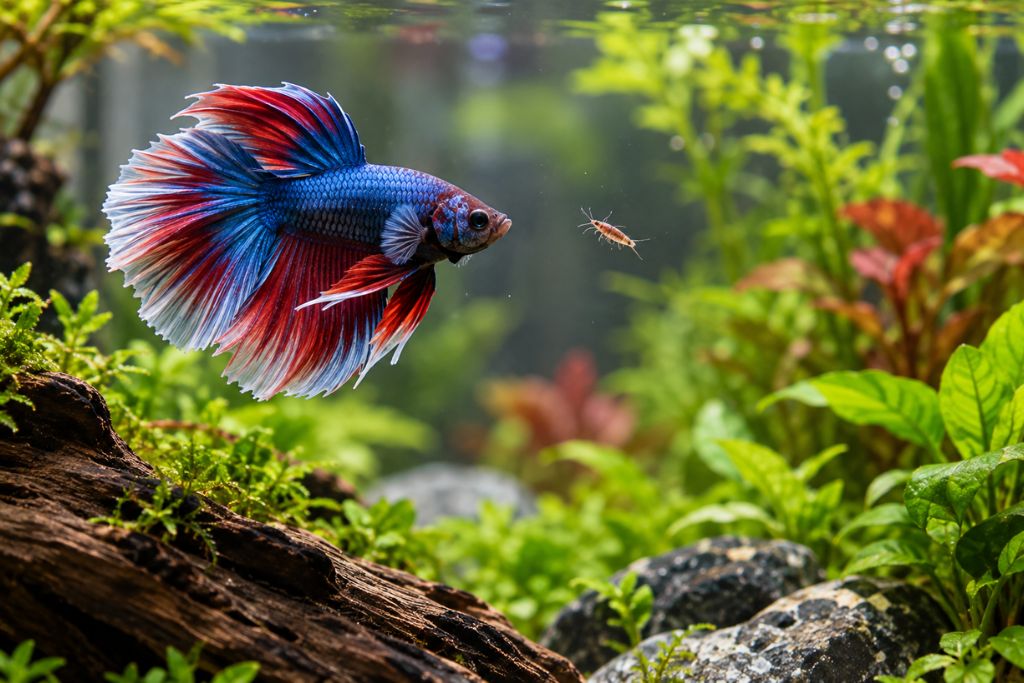
    2. Bettas: The Tiny Hunters

    Bettas are carnivorous and often respond strongly to moving prey. Live brine shrimp and appropriately sized worms can provide enrichment and encourage feeding.

    Offer live food as part of a diet suited to your betta, rather than assuming that live food alone meets all its needs.

    3. Killifish: Live-Food Enthusiasts

    Killifish are another group that can benefit from live foods such as brine shrimp, daphnia, and mosquito larvae from safe, controlled sources.

    Live foods are especially useful when conditioning fish for breeding. They can provide extra variety and help stimulate natural feeding behavior.

    4. Discus and Other Reluctant Eaters

    Moving foods such as brine shrimp or daphnia may encourage some reluctant fish to eat. A sudden loss of appetite, however, can also signal a problem with water quality or the fish’s health. Check the aquarium conditions and seek advice about a fish that continues to refuse food. Merck Veterinary Manual

    Live food can be a feeding option, but it should not replace finding the cause of a change in appetite.

    5. Puffers and Snail-Eating Loaches

    Some puffers and loaches eat live snails. For some puffer species, appropriately sized hard-shelled prey can also help wear down teeth that grow throughout life. Feeding needs vary by species, so check what is suitable for the fish you keep. Research on pufferfish teeth

    Is live food right for every aquarium fish?

    No. A balanced diet should match the species. Prepared, frozen, and other foods can all play important roles.

    Live food also needs careful sourcing. Wild-caught organisms can introduce unwanted pathogens, parasites, or contaminants. Reputable sources and proper handling matter. Merck Veterinary Manual

    How can Aquarium Adventure help with fish nutrition?

    At Aquarium Adventure, we look at the fish, the aquarium, and the goal behind the feeding plan. Our aquatic professionals can help you choose appropriate foods for your species and life stage.

    Visit our team at 11 Golf Center in Hoffman Estates, and tell us your fish’s species, life stage, and current diet. That gives us a useful starting point for discussing whether live food belongs in its feeding plan.

    The best dinner is one that meets your fish’s needs.
  • Should You Repair or Replace a Damaged Window?

    Should You Repair or Replace a Damaged Window?

    A damaged window does not always need to be replaced. The right choice depends on what is damaged, whether the frame is sound, and whether a repair will solve the problem for the long term.

    For Lehigh Valley homeowners, the first step is to identify the source of the problem. A draft around the sash, moisture between glass panes, and a deteriorating frame may call for different solutions.

    When can a damaged window be repaired?

    Repair may make sense when the problem is limited and the window remains structurally sound. Examples include:

    • Worn weatherstripping or caulk
    • Loose or damaged hardware
    • A sash that sticks or needs adjustment
    • A small area of damage that has not weakened the frame
    • A broken component for which a replacement part is available

    Caulking and weatherstripping can address some air leaks without replacing the window. If a sash is hard to operate, have the hardware and frame checked before assuming the entire window needs replacement. U.S. Department of Energy guidance on air sealing

    Repair is also worth considering when a window is an original feature of a historic home. Preserving its materials and details may be important to the home’s character. The National Park Service recommends evaluating historic windows for repair before replacement.

    When is window replacement the better choice?

    Replacement may be the more practical option when damage is extensive, problems keep returning, or a repair will not restore the window’s operation or comfort.

    Signs that call for a closer evaluation include:

    • Significant rot, warping, or structural damage to the frame
    • Multiple problems affecting the same window
    • A window that remains difficult to open, close, or lock after repair options have been considered
    • Persistent drafts after gaps and weatherstripping have been checked
    • Performance or comfort problems that a limited repair is unlikely to resolve

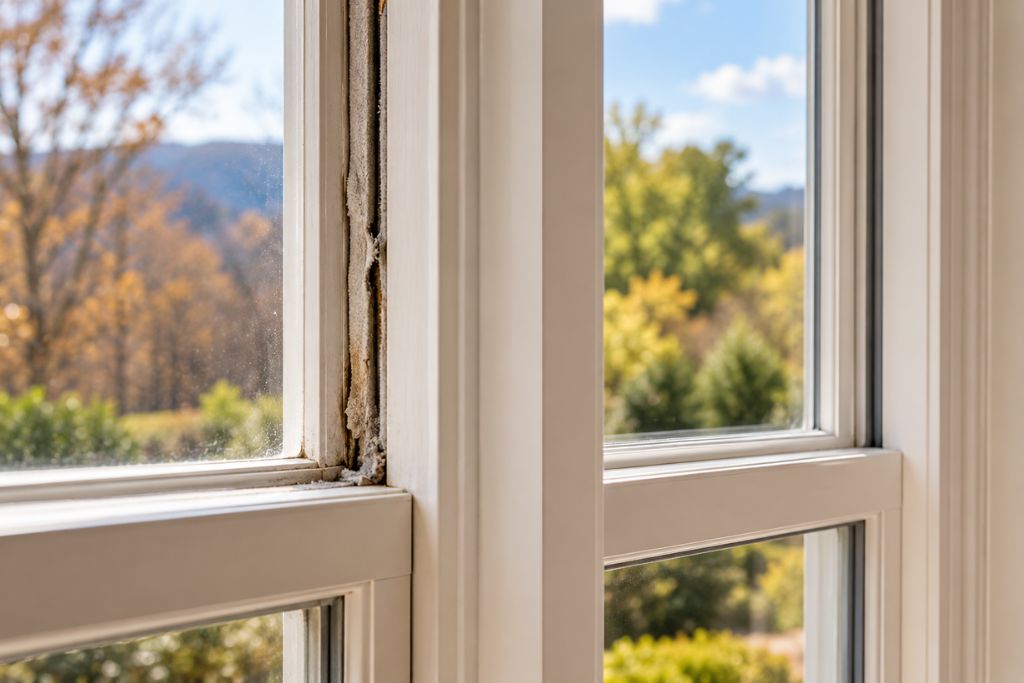
    Moisture trapped between the panes often points to a failed seal in the insulated glass unit. Depending on the window, replacing the glass unit may be possible without replacing the entire window. A specialist can assess which options are available. Marvin’s guidance on fogging between panes

    For an older Allentown home, the decision may also involve its architectural appearance. Consider whether a proposed replacement will suit the home as well as solve the performance problem.

    How can Penn Windows & Doors help?

    Penn Windows & Doors has served the Lehigh Valley since 1948. Homeowners in Allentown, Bethlehem, Easton, and surrounding communities can visit our showroom at 1518 Union Boulevard in Allentown to see full-size window samples and discuss replacement options.

    We specialize in custom replacement windows and install the products we sell. If replacement appears to be the right choice, our team can discuss the project, take measurements, explain the available products, and provide an estimate. Our installations include a 10-year workmanship and service warranty.

    Penn does not repair windows it did not install or replace glass in those windows. If a repair is the better option for an existing window installed by another company, contact a qualified window repair specialist. For a window Penn installed, contact us to discuss available service and warranty options. Penn Windows & Doors service information

    What is the best way to decide?

    Look beyond the visible damage. Check the frame, glass, seals, hardware, and operation, then find out whether a repair would address the underlying problem. If both repair and replacement are possible, compare their scope and likely long-term value before deciding.

    A sound window with an isolated issue may have years of use left. A window with extensive damage or recurring problems may be a better candidate for replacement. The right answer starts with an accurate assessment of the window you have.

  • What Window Problems Are Common in Pennsylvania Homes?

    What Window Problems Are Common in Pennsylvania Homes?

    Windows are a lot like the rest of us: they work hard, face the weather, and occasionally develop a few complaints of their own.

    In an Allentown home, a window has plenty to contend with. Pennsylvania brings cold winters, humid summers, rain, wind, and plenty of temperature swings. Over time, those conditions can show up in the glass, frame, seals, and hardware.

    So, what exactly is your window trying to tell you?

    Why is my window letting in a draft?

    A noticeable chill around the frame is one of the easier problems to spot.

    Drafts can come from worn weatherstripping, damaged seals, gaps, or warped frames. Older windows may also provide less insulation than newer designs.
    If that Allentown window feels noticeably colder than the rest of the room, take a closer look. A draft is worth investigating, not ignoring.

    Why are my windows fogging up?

    Condensation has several possible causes.

    Moisture on the inside surface can occur when warm, humid indoor air meets cold glass. Pennsylvania’s winter temperatures can make this especially noticeable.

    Fogging between panes is a different matter. It can indicate that the insulating seal has failed and moisture has entered the sealed space.

    In a West End home or an older property near Old Allentown, knowing the difference can save you from chasing the wrong problem.

    Why is my window suddenly difficult to open?

    A window should not require a wrestling match.

    Sticking, dragging, or refusing to close properly can result from warped frames, worn hardware, balance problems, or changes caused by weather and age.

    Try not to force it. A window that will not operate properly may need professional attention.

    Why is there water around my window?

    Water infiltration deserves prompt attention.

    Damaged seals, failed caulking, poor drainage, or installation problems can allow moisture around the window assembly. Over time, that moisture can contribute to deterioration and other damage.

    Pennsylvania weather does not exactly make this easier. A rainy afternoon in Allentown can put those weak spots to the test.

    What about cracked glass or damaged frames?

    These problems deserve a closer look.

    Cracked glass can create safety concerns and compromise the window. Rotten, warped, or deteriorated frames can affect insulation, operation, and protection from air and moisture.

    That is when guessing gets expensive.

    When should you have a Pennsylvania window problem professionally evaluated?

    Some window problems are easy to spot. Others develop quietly until they become much harder to ignore. Persistent drafts, recurring moisture, deteriorating frames, damaged glass, or windows that no longer operate properly are all good reasons to have the situation evaluated. A window may look fine from the street while its seals, hardware, or frame tell a different story.

    Penn Windows & Doors has been helping local homeowners make those decisions since 1948. Our experience spans generations of Pennsylvania homes, from established Allentown neighborhoods to homes throughout Bethlehem, Easton, and the surrounding Lehigh Valley. We can help homeowners understand what they are seeing and discuss appropriate replacement options when a window has reached the end of its useful life.

    The goal is simple: understand the problem before deciding what to do about it.

    Your windows have stories, too.
    It pays to listen when they start complaining.

  • What Window Treatments Work Best for Bedrooms?

    What Window Treatments Work Best for Bedrooms?

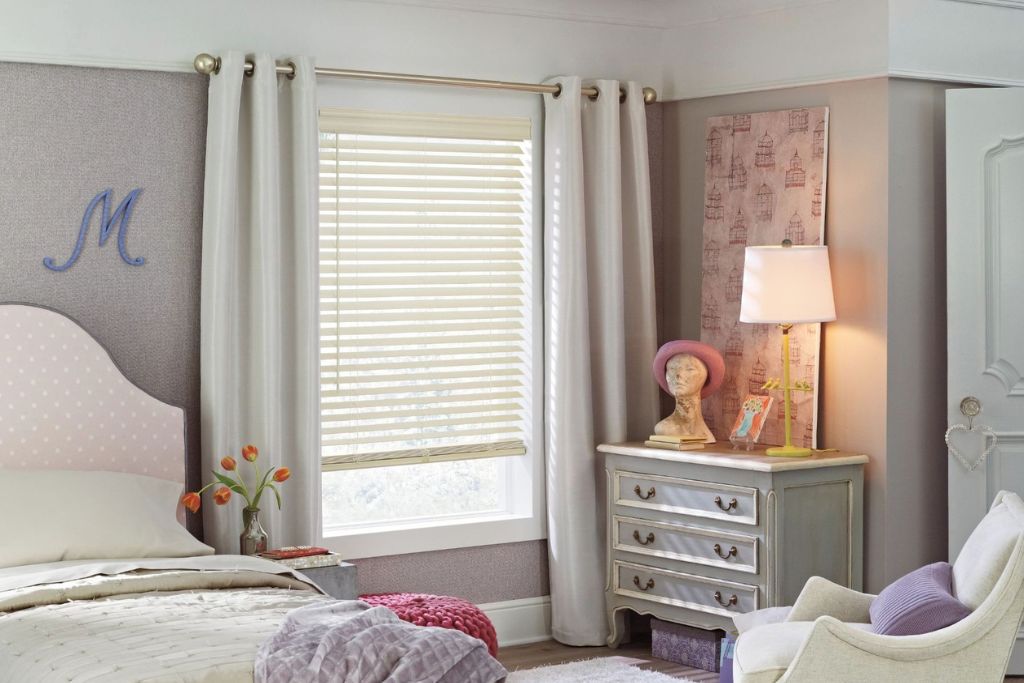
    The best bedroom window treatments balance three things beautifully: light control, privacy, and a sense of calm. Blinds, shades, and shutters can each create a different mood while serving practical needs.

    A bedroom in Allentown’s West End may need different light control than a sunny second-floor room near Hamilton Street. The view, window size, morning sun, and overall character of the room all matter.

    The right treatment should feel considered, not merely added.

    Which bedroom window treatments offer the most light control?

    Cellular shades are an excellent choice when comfort and light control are priorities.

    Their honeycomb construction creates air pockets within the shade. This design helps insulate the window and can also help reduce outside noise. Room-darkening fabrics provide greater control when bright morning light is not welcome.

    For a bedroom facing a bright street in Bethlehem or a sunny backyard in Allentown, cellular shades offer a particularly thoughtful combination of function and simplicity.

    Are Roman shades a good choice for bedrooms?

    Roman shades suit bedrooms where softness and traditional elegance matter.

    Their fabric folds bring texture and visual warmth to the window. They are available in light-filtering and room-darkening options, allowing the look to remain tailored while the function changes with your needs.

    In a traditional home near Allentown’s Old Fairgrounds or a more updated Lehigh Valley bedroom, a well-chosen Roman shade can complement the architecture without overwhelming it.

    When do bedroom blinds make sense?

    Blinds are a practical choice when precise adjustment matters.

    Tilting the slats lets you control incoming light and privacy throughout the day. They also offer a clean, structured appearance that works especially well with traditional interiors.

    For bedrooms overlooking neighboring homes, blinds can provide privacy while still allowing some daylight into the room.

    Can shutters work well in a bedroom?

    Shutters bring a more architectural quality to the window.

    Their solid construction and adjustable louvers provide light and privacy control while creating a tailored appearance. They can be especially fitting in homes where craftsmanship and lasting style take priority.

    That makes them a natural consideration for many established homes throughout Allentown and the surrounding Lehigh Valley.

    How do you choose the right bedroom window treatment?

    Start with the room itself.

    Consider:

    • Morning or afternoon sun
    • Your desired level of darkness
    • Privacy from neighboring properties
    • Window size and shape
    • The room’s existing furnishings
    • The architectural character of your home

    For homeowners in Allentown, Bethlehem, Easton, and across the Lehigh Valley, Richards Window Fashions can help narrow those choices. We offer custom blinds, shades, and shutters, along with in-home consultations to consider your windows and decorating needs in the context of your home, with options designed for different levels of light control, privacy, insulation, and style.

    A bedroom should feel restful and personal. The right window treatment can help create both while complementing the character of your home.

  • When Should You Choose Custom Window Treatments?

    When Should You Choose Custom Window Treatments?

    Custom window treatments make sense when your windows, your rooms, or your expectations call for something more thoughtful than an off-the-shelf solution. They are measured for the window itself, then selected around light control, privacy, style, and how you actually use the room.

    And that matters. Window treatments do more than cover glass. They help establish the character of a room. A crisp roller shade can feel wonderfully restrained. A Roman shade can bring softness and polish. Plantation shutters add architectural presence.

    In an Allentown home, that can make a difference from the sunny West End to the older homes around Old Fairgrounds. The windows themselves often have plenty to say.

    So, when should you choose custom window treatments?

    Here are a few very good reasons.

    1. Your windows are…complicated.
    Odd shapes, unusually large windows, specialty windows, or tricky dimensions can make standard sizes frustrating. Custom treatments are measured for the actual window. We also offers solutions for specialty-shaped windows.

    2. You want the room to look finished.
    A treatment that fits properly creates a cleaner, more intentional appearance. You can also choose from different materials, styles, fabrics, and finishes instead of accepting whatever happens to come in a box.

    3. Light control matters.
    Bedrooms, media rooms, home offices, and sunny living spaces all have different demands. Cellular shades, roller shades, blinds, and shutters offer different approaches to privacy and light control. We carry  several Hunter Douglas options designed around those needs.

    4. You care about comfort, too.
    Some window treatments can contribute to insulation and help manage sunlight. Cellular shades, for example, use a honeycomb structure that creates insulating air pockets.

    5. You have a very specific vision.
    Sometimes you know exactly what the room needs. Sometimes you only know that the current blinds are definitely not it. Both are perfectly respectable starting points.

    How can you make the custom window treatment decision easier?

    That is where experience helps.

    At Richards Window Fashions, we have been serving the Lehigh Valley since 2001. We provide custom blinds, shades, and shutters, plus full-service in-home consultations. Our team considers the window, the room, your preferences, and your budget before recommending options. We also install and service what we sell.

    For homeowners around Allentown, Bethlehem, Easton, and the wider Lehigh Valley, that personalized approach can take some of the guesswork out of a surprisingly complicated decision.

    After all, your windows already have opinions. They just need someone experienced enough to listen.

  • Puppy Potty Training Mistakes New Owners Should Avoid

    Puppy Potty Training Mistakes New Owners Should Avoid

    Bringing home a puppy is an exciting new chapter. The cuddles begin, the photos start, and suddenly your home has a tiny four-legged family member exploring every corner.

    Then comes one of the biggest parts of puppy parenthood: potty training.

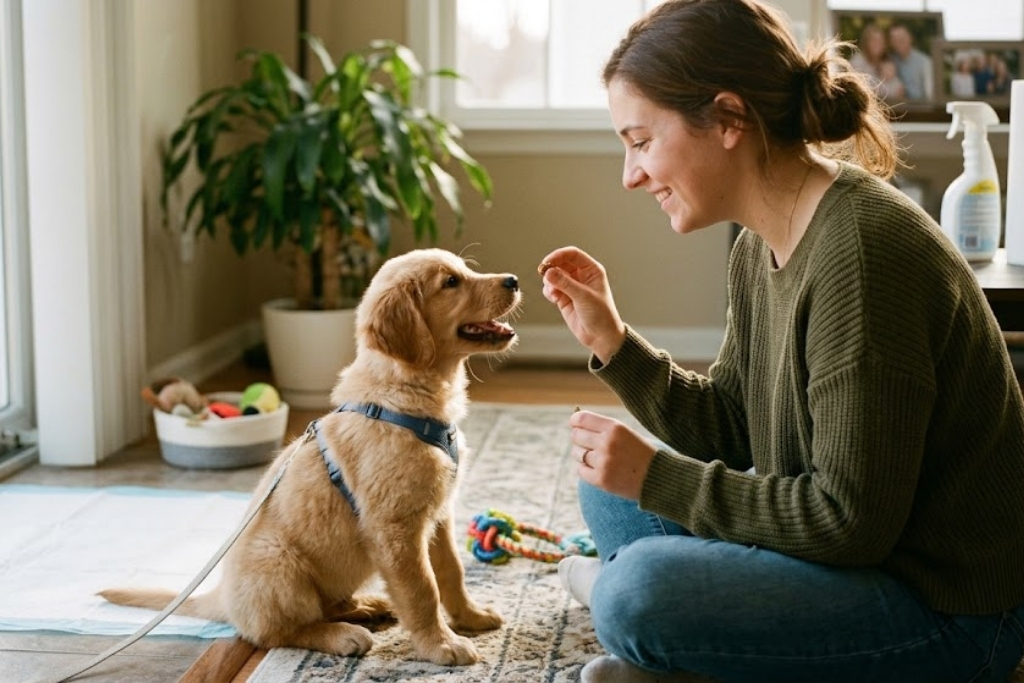
    A good potty training routine helps your puppy learn where and when to go, while also building trust and confidence. Puppies learn through consistency, repetition, and positive reinforcement. The right start can make the process smoother for both you and your new companion.

    At PetCenter in Old Bridge, NJ, we know that preparation matters. Setting up your puppy’s space, creating a routine, and understanding common training mistakes can help your puppy feel more comfortable as they adjust to life at home.

    What Puppy Potty Training Mistakes Should New Owners Avoid?

    Potty training takes patience. Accidents can happen, especially during the early weeks. Knowing what mistakes to avoid can help your puppy learn faster and create better habits.

    Mistake #1: Waiting Too Long to Start a Routine

    Puppies thrive on consistency. Waiting until accidents become a pattern can make training more challenging.

    Instead, create a schedule from the beginning. Take your puppy outside after waking up, eating, playing, and before bedtime. A predictable routine helps them understand what to expect.

    For families near Old Bridge or nearby communities like Matawan and East Brunswick, building that daily rhythm makes puppy care easier around busy schedules.

    Mistake #2: Punishing Accidents

    Accidents are frustrating, but punishment does not teach your puppy what to do. It can create fear and confusion.

    Instead, calmly clean the area and focus on rewarding the right behavior. When your puppy goes in the correct spot, praise them immediately so they understand the connection.

    Mistake #3: Not Supervising Your Puppy

    Young puppies are still learning. Giving them too much freedom too soon can lead to accidents.

    Keep your puppy nearby and watch for signs they need to go, such as sniffing, circling, or suddenly leaving an activity.

    Mistake #4: Using an Inconsistent Approach

    Mixed signals make learning harder. Everyone in the home should follow the same potty routine, commands, and expectations.

    Consistency helps your puppy understand the rules and feel secure.

    Mistake #5: Expecting Instant Results

    Potty training is a process. Every puppy learns at their own pace.

    Celebrate progress, stay patient, and remember that small successes add up.

    How PetCenter Helps You Start Puppy Life With Confidence

    Finding your puppy is only the beginning of your journey together. At PetCenter, we’re here to help families prepare for the many moments that come after bringing their new companion home.

    From choosing the right puppy match to providing helpful resources and guidance, our goal is to support you through every stage of puppy ownership.

    For families in Old Bridge, NJ and surrounding communities, we’re here to help make puppy parenthood a rewarding experience filled with happy memories, joyful tail wags, and plenty of love.

    Hungry for more? The next chapter’s even better! Follow the paw prints below to keep reading.

    8-Week-Old Puppy Potty Training Schedule: What to Expect
    Family-Friendly Puppy Breeds You’ll Love

  • How Puppies Know Fall Is Coming (Even Without a Calendar)

    How Puppies Know Fall Is Coming (Even Without a Calendar)

    Humans have a few obvious ways to know summer is ending. The calendar changes. The mornings feel cooler. The sun starts setting earlier. And suddenly every store is filled with pumpkin everything before we’re emotionally prepared.

    Puppies? They don’t need any of that.

    Your furry friend does not own a calendar. They have never checked a weather app. They have no idea what September means.

    And yet somehow… they know.

    Before you’ve accepted that summer is wrapping up, your pup may already be acting like the neighborhood’s official fall forecaster. They’re sniffing everything. Watching squirrels like they’re gathering important intelligence. Running around the yard because one suspicious leaf dared to move.

    It turns out your puppy isn’t just guessing.

    They’re paying attention.

    Your Pup Has a Built-In Seasonal Radar

    Puppies experience the world differently than we do. While humans rely mostly on sight, dogs use their incredible sense of smell to understand what’s happening around them.

    As summer shifts into fall, the environment changes. Cooler temperatures, different scents from plants and soil, changing wildlife activity, and new weather patterns all give dogs information we might completely miss.

    To you, it’s just a normal walk.

    To your puppy, it’s a breaking news investigation.

    The grass has updates. The trees have updates. That one fence post from three blocks away? Clearly has a story.

    Signs Your Puppy Knows Summer Is Ending

    The sniffing becomes a full-time job

    If your puppy suddenly needs 47 minutes to inspect the same patch of grass they’ve seen every day, they aren’t trying to make you late.

    They’re collecting data.

    Seasonal changes create new smells, and pups use those scents to learn about their surroundings. Every sniff is basically a neighborhood newsletter.

    The zoomies return with a vengeance

    Many puppies become more active when the weather cools down. After spending hot summer days searching for shade and saving energy, crisp fall temperatures can feel like the perfect invitation to play.

    Long walks? Yes.

    Extra fetch? Absolutely.

    A dramatic backyard sprint because a leaf moved? Obviously.

    They notice your routine changes

    Puppies are experts at recognizing patterns. They know when you wake up, when walks happen, and when the house gets quiet. As summer ends, routines often shift. Vacations finish. School starts. Families settle into new schedules.

    Your furry pal may not know the calendar changed, but they definitely know something did.

    Ready for Every Season of Puppy Life

    The best part about puppies is that they help us notice the little things. A cooler breeze. A new smell. A different kind of walk.

    And when you welcome a puppy into your family, every season brings something new to learn.

    Finding the right puppy is just the beginning. Having trusted guidance along the way helps you understand your pup’s needs, personality, and care as they grow. From your first puppy cuddles to years of adventures ahead, we’re here to help you enjoy every step of the journey.

    Pups may not have calendars, but they have a pretty amazing way of knowing when life is changing.

    Hungry for more? The next chapter’s even better! Follow the paw prints below to keep reading.

    Which Summer Vacation Would Your Puppy Choose?
    Why Your Dog Always Knows When You’re Eating Something Good


  • The First 5 Commands Every Puppy Should Learn

    The First 5 Commands Every Puppy Should Learn

    Bringing home a puppy is one of life’s happiest moments. The toys are ready. The bed is set up. The photos have probably already started filling your camera roll.

    Now comes the next exciting chapter: helping your puppy learn how to thrive in their new world.

    Training is one of the best ways to build trust, create communication, and help your puppy feel confident at home. Puppies learn best through consistency, patience, and positive reinforcement. Starting early gives them the foundation they need to become happy, well-mannered companions.

    So what are the first commands every puppy should learn?

    What Are the Most Important Commands for a Puppy to Learn First?

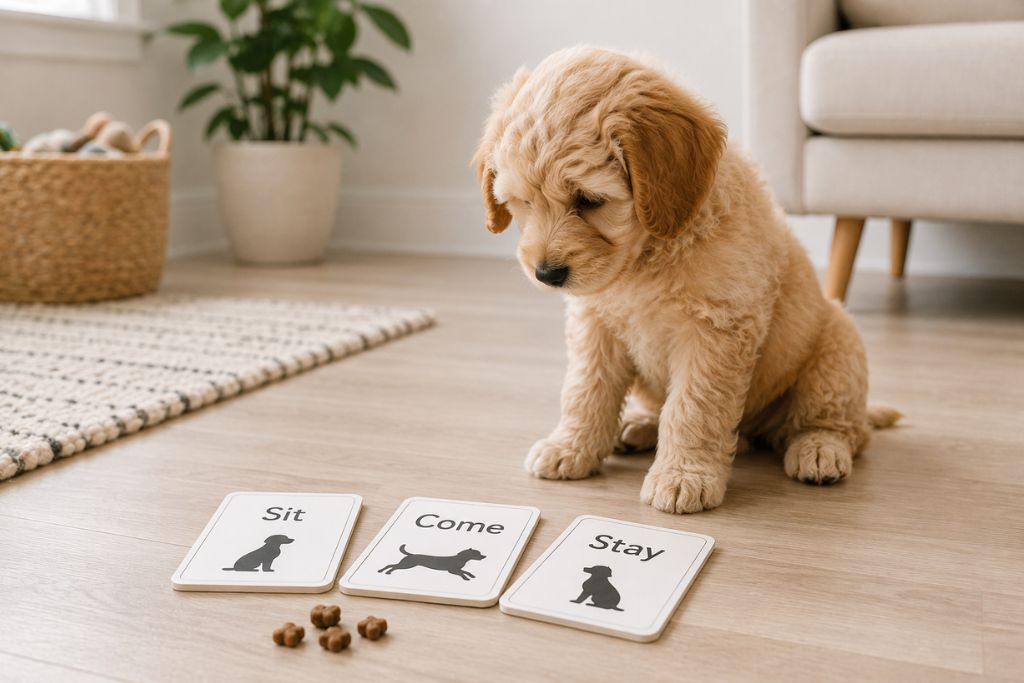
    The best early commands focus on safety, communication, and everyday life. These five basics give your puppy important skills they will use for years to come.

    1. “Sit” Helps Your Puppy Learn Patience

    “Sit” is often one of the first commands puppies learn because it is simple, useful, and easy to practice.

    A reliable sit can help your puppy pause during greetings, mealtime, and other exciting moments. With regular practice, holding a sit can also help build impulse control and encourage better everyday habits.

    How to teach it:

    • Hold a treat near your puppy’s nose.
    • Slowly move the treat upward and slightly over their head.
    • As your puppy follows the treat, their bottom should naturally lower to the ground.
    • As soon as they sit, praise them and reward them.
    • Once they follow your hand signal consistently, begin saying “sit” just before giving the signal.

    With patience, repetition, and positive reinforcement, “sit” becomes a foundation for communication, focus, and positive routines.

    2. “Stay” Builds Self-Control

    “Stay” teaches your puppy to pause and wait. This command can be helpful at home, during walks, and in situations where safety matters.

    Start with only a few seconds. Reward your puppy for staying in place, then slowly increase the time and distance.

    3. “Come” Builds a Reliable Recall

    A strong recall command helps your puppy return to you when called. It is one of the most important skills for safety.

    Practice “come” in a quiet area first. Use an excited voice, reward your puppy when they reach you, and make coming to you a positive experience.

    4. “Down” Encourages Calm Behavior

    “Down” helps puppies learn how to settle. It can be especially helpful when your energetic pup needs a little help relaxing.

    Guide your puppy into position with a treat, say “down,” and reward them when they follow through.

    5. “Leave It” Teaches Good Choices

    Puppies explore the world with their noses and mouths. “Leave it” helps them understand that some things should stay untouched.

    Practice with a treat in your closed hand. Reward your puppy when they stop trying to get it.

    How Petland Helps You Build a Lifetime Bond With Your Puppy

    Training is one of the first steps in creating a happy relationship with your puppy, but you never have to figure it all out alone.

    Finding the right puppy is only the beginning. The journey continues as you learn your puppy’s personality, understand their needs, and build everyday routines that help them feel safe and confident.

    At Cosmick Media SEO Blogs, we’re here to support families through every stage of puppy ownership. From helping you find the right furry match for your lifestyle to providing resources, guidance, and care tips that help your puppy thrive, our goal is to make the transition into puppy parenthood as smooth and rewarding as possible.

    Because puppies don’t come with an instruction manual (even though they probably should), having trusted support makes all the difference. With patience, consistency, and plenty of love, those first “sit,” “stay,” and “come” moments become the foundation for years of tail wags, adventures, and memories together.

    Hungry for more? The next chapter’s even better! Follow the paw prints below to keep reading.

    New Puppy Checklist: Everything You Need Before Day One
    Finding the Perfect Puppy: A Breed Comparison Guide


  • Fish Compatibility Guide: Who Should Share the Tank?

    Fish Compatibility Guide: Who Should Share the Tank?

    So you have an aquarium. Naturally, you start shopping for fish. Then you see a neon tetra. Then a gourami. Then a gorgeous angelfish. Suddenly, your original stocking plan has left the building.

    Hold up. Not every fish makes a good roommate. Fish compatibility depends on temperament, adult size, water conditions, space, and behavior.

    That matters whether you are planning a community tank in Hoffman Estates or building a colorful setup in Bolingbrook.

    Why Can’t Every Fish Just Be Friends?

    Fish have preferences. Strong ones.

    Some are peaceful community swimmers. Others are territorial. Some need a group of their own kind. Others may see a smaller tankmate as lunch.

    Tank size matters, too. Crowded fish are more likely to become stressed and quarrel. Décor also helps by creating territories and hiding places.

    So before you add that “one last fish” to your Schaumburg aquarium, let’s play matchmaker.

    Which Fish Make Good Community Tank Matches?

    Neon tetras + corydoras: A classic peaceful pairing. Tetras occupy the open water, while corydoras spend their time lower in the aquarium. Both need appropriate water conditions and enough room for their social groups.

    Guppies + platies: These peaceful livebearers can work nicely together in a properly sized community aquarium. Just remember that livebearers reproduce. Quickly. Your cute little family reunion can become a very busy aquarium.

    Rasboras + peaceful tetras: Another community-friendly combination. These schooling fish can share an aquarium when their temperature, water chemistry, size, and space requirements overlap.

    Corydoras + peaceful community fish: Corydoras generally make excellent community residents. They still need appropriate substrate, water conditions, and companionship from their own species.

    Tiger barbs + long-finned fish: Hard pass. Tiger barbs can nip fins, making slow-moving, long-finned fish poor roommates.

    Goldfish + tropical community fish: Another mismatch. Goldfish have different temperature requirements and should not simply be dropped into a tropical community aquarium.

    Angelfish + tiny fish: Proceed carefully. Angelfish become larger and can prey on sufficiently small tankmates. Adult size matters far more than the cute little fish you see at the store.

    What’s the Best Way to Choose Tankmates?

    We recommend checking five things before buying anything:

    • Temperament
    • Adult size
    • Temperature and water requirements
    • Tank size and swimming space
    • Schooling, territorial, or social needs

    Then watch the actual fish. Individual personalities can surprise us. A combination that looks perfect on paper can still fail inside the aquarium.

    That’s why we love helping aquarists around Hoffman Estates, Bolingbrook, Bartlett, and South Barrington think through the whole community before bringing anyone home.

    Ready to Build Your Fish’s Social Circle?

    At Aquarium Adventure, we work with 1,000 species across 450 aquariums and 20,000 gallons of water. That gives us plenty of experience with fish that play nicely together… and fish that absolutely did not get the memo.

    Our goal is simple: help you create an aquarium where every resident has the space, conditions, and compatible neighbors it needs to thrive.

    So go ahead and admire every fish in the room. Just don’t let the prettiest one make your stocking decisions for you.

  • Building Puppy Confidence Through Training

    Building Puppy Confidence Through Training

    Puppy training is not just about teaching commands. It is about helping your puppy understand the world, communicate with you, and feel secure in new situations.

    From the first “sit” to learning how to calmly greet visitors, training gives puppies the skills they need to succeed. Positive reinforcement training helps puppies connect good choices with rewards, making learning a more enjoyable experience.

    A confident puppy is not created overnight. Confidence grows through small wins, consistent routines, and positive experiences repeated every day.

    What Does Puppy Training Actually Include?

    Training goes beyond basic cues like “sit” and “stay.” It includes teaching puppies how to live comfortably alongside their families.

    Puppy training can involve:

    • Basic commands
    • House manners
    • Leash skills
    • Social experiences
    • Handling and grooming comfort
    • Calm behavior around new situations

    Each lesson helps puppies understand expectations while building trust with the people around them.

    How Does Training Build Puppy Confidence?

    1. Training Creates Clear Communication

    Puppies are always learning from their environment.

    Training gives them a way to understand what you want. When a puppy learns a cue and earns praise or a reward, they gain confidence in making the right choice.

    Try this: Keep sessions short and positive. Practice simple skills like their name, “sit,” and “come” in a quiet space first.

    2. Training Helps Puppies Handle New Experiences

    New sounds, people, and places can feel overwhelming for puppies.

    Gentle training helps them approach new situations with curiosity instead of fear.

    Try this: Introduce new experiences slowly. Reward calm behavior and allow your puppy time to adjust.

    3. Training Builds Trust Between Puppy and Owner

    Your puppy learns that you are their guide.

    Every successful training session strengthens your bond and helps your puppy feel safe following your direction.

    Try this: Celebrate progress. A puppy mastering one small skill is a big step forward.

    4. Training Encourages Good Everyday Habits

    Confidence also comes from knowing what to expect.

    Consistent routines help puppies feel comfortable at home and during daily activities.

    Try this: Practice skills during real-life moments, like waiting before meals or calmly greeting family members.

    Helping Families Build Strong Puppy Relationships

    Every puppy has their own personality, learning style, and pace. We understand that bringing home a puppy is only the beginning of the journey.

    From helping families choose the right puppy match to offering trusted products, advice, and everyday care support, we’re here for the moments that happen after adoption day.

    Training transforms tiny lessons into lifelong habits. With patience, consistency, and plenty of encouragement, your puppy can grow into a confident companion ready to take on the world.