Tag: petland

  • 15 Howl-Worth Pup Costumes For A Paws-itively Spooky Halloween

    15 Howl-Worth Pup Costumes For A Paws-itively Spooky Halloween

    October isn’t just for pumpkins and trick-or-treaters. It’s also for the pups who steal the show before anyone’s even rung the doorbell! From tiny capes to taco shells, Halloween is the perfect excuse to show off your dog’s personality (and your creativity). Whether they’re the bold type who loves attention or the sweet sidekick who’s just here for the treats, there’s a costume out there with their name on it. So before you start carving pumpkins, let’s talk about dressing up the real star of the night: your four-legged best friend.
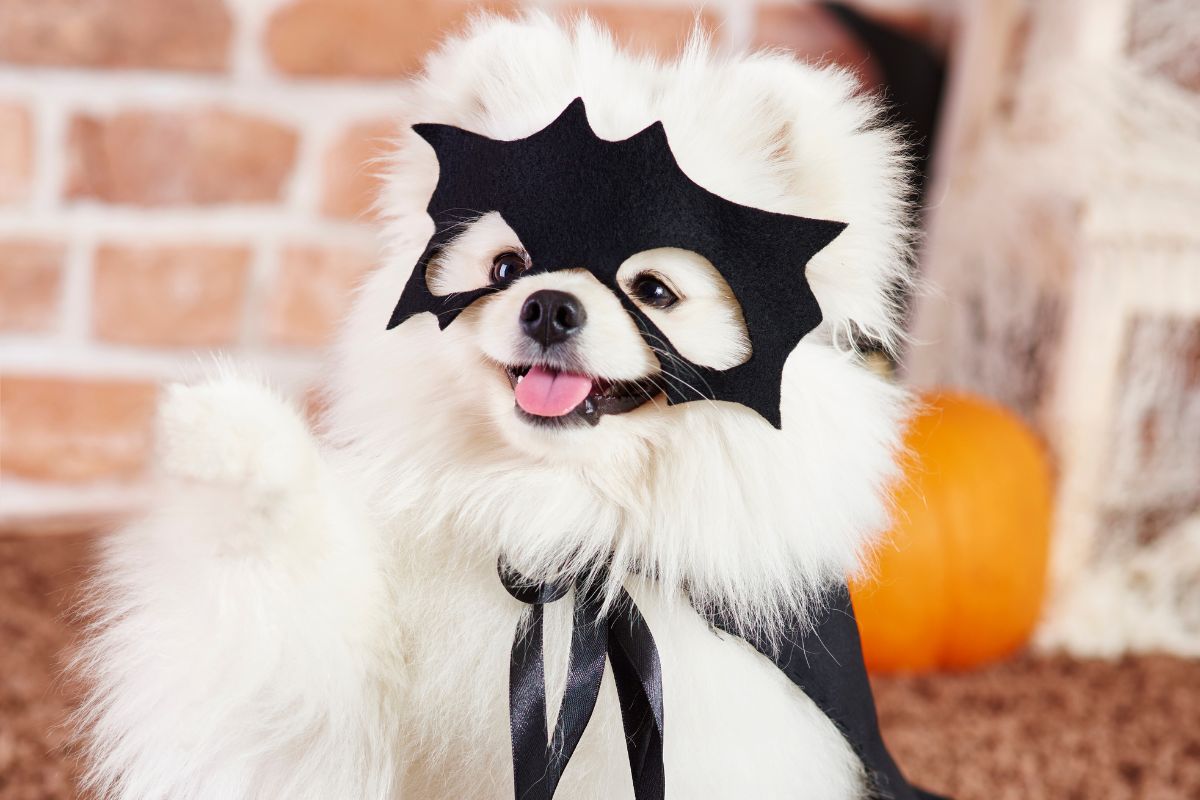

    puppy halloween costumes 2025

    10 Solo Costumes That Rock the Bark

    1. Taco Pup
      Because who doesn’t love tacos? This costume is a crowd favorite: Comfy, cheesy, and hilarious.
      DIY tip: Use brown felt for the shell, green/yellow felt for “lettuce/cheese,” then secure with Velcro around their belly.
    2. Little Bat
      Simple, classic, and spooky, a pair of lightweight bat wings can turn your pup into the cutest nocturnal creature.
      DIY tip: Use soft fabric strips so they don’t chafe your dog.
    3. Beetlejuice
      The black-and-white striped style is instantly recognizable and delightfully quirky. No wonder it’s a top trend pick for fur babies.
      DIY tip: Get a black bomber and white stripes, then add a wild wig!
    4. Hot Dog
      A perennial fave. Yup, this is a classic that never fails! Plus, it fits snugly and is easy to walk in.
      DIY tip: Use soft fabric buns that rest on either side of their body with a “meat” center.
    5. Superhero Pup
      Every dog deserves a cape. Whether it’s “Superdog,” “Wonder Paws,” or a mini Batman, a little cape and emblem make your pup the hero of Halloween.
      DIY tip: Use a small cape + a logo chest patch.
    6. Skeleton
      A dark body suit with glow-in-the-dark bones immediately elevates the spook factor.
      DIY tip: Use fabric paint on a black shirt for that skeletal look.
    7. Dinosaur
      A Dino cap + fleece “plates” down the spine? Epic. Just make sure nothing digs or pokes their skin.
      DIY tip: Attach soft foam “plates” along their spine and a tail, and your pup becomes a prehistoric prowler.
    8. Witch / Wizard Dog
      Black cape + pointy hat = magical vibes. Top it off with a magic wand to add more mystical fun.
      DIY tip: Use lightweight materials so they’re not weighed down.
    9. Lion Mane
      Turn your pup into the fiercest, fluffiest lion. Attach a faux fur mane and watch your pup transform into the fiercest (and fluffiest) king of Halloween.
      DIY tip: Use faux fur fabric around a loose collar.
    10. Cookie Monster
      A blue fuzzy suit and big googly eyes are the perfect recipe for cute AND fun. It’s bold, fun, and eye-catching, and fans of the Sesame Street classic will adore it.
      DIY tip: Dress them in blue fleece and stitch on big felt eyes.

    5 Duo Looks That Double the Delight

    1. Batman & Robin
      You as Batman, your pup as Robin (or Bat-Dog). Talk about a dynamic duo ready to take down Halloween mischief.
    2. Witch & Black Cat
      You don a witch’s outfit, and your pup becomes your spooky feline companion. Classic, cohesive, enchantingly adorable.
    3. Ghostbusters + Slimer / Ghost
      You carry your proton pack, your pup becomes Slimer or a friendly ghost. Spooky pop culture-tastic fun!
    4. Alice in Wonderland + Cheshire Cat / White Rabbit
      You go as Alice, and your pup becomes her mystical companion. Cheshire Cat grin or rabbit ears optional but magical.
    5. Pirate + Parrot / First Mate
      You dress as a pirate captain, your pup as your swashbuckling sidekick. Add a little parrot hat or bandana, and set sail for Halloween!

    Tips for Dressing Up Your Pooch Safely & Happily

    • Mobility & Comfort Are Key: The costume should never interfere with walking, sitting, hearing, or breathing. Don’t pick something too tight or restrictive.
    • Avoid Choking Hazards: Skip small buttons, dangling decorations, or loose pieces that can be chewed off and swallowed.
    • Go for Soft, Non-Flammable Materials: Steer clear of synthetic fabrics that catch fire easily. Natural or flame-resistant fabrics are safer.
    • Check Vision, Hearing & Breathing: Masks or headpieces must leave the eyes, nose, and ears free so your dog can see, breathe, and hear clearly.
    • Allow Breaks & Monitor Closely: Let your pup try the costume in short intervals before the big day. If they show signs of stress like panting, lip licking, ears back, or trying to escape, take it off immediately.
    • Use a Harness-Friendly Design: Costumes should allow your leash or harness to attach as usual, never cover or block it.
    • Reflectivity & Visibility: If your pup will be out after dark, add reflective tape or bright trim so cars and trick-or-treaters can spot them easily.
    • Skip Costumes If It Stresses Them: Some dogs just plain hate being dressed up, and that’s OK. In that case, opt for festive collars, bandanas, or harness covers instead.
    • Secure Identification: Make sure your pup’s ID tag and microchip info are up to date, costume or no costume. Halloween’s open-door traffic is high risk.
    • Mind Candy & Decor Hazards: Keep chocolates, xylitol sweets, glow sticks, fake webs, candles, and wires well out of reach. These pose serious risks if ingested or chewed.

    Final Woof

    At the end of the night, the best costume is the one that makes your pup happy, be it a full-on superhero getup or just a festive bandana. What matters most is comfort, safety, and a good dose of fun. So get those tails wagging, those cameras ready, and those treats stocked. After all, Halloween’s a lot more fun when your best friend is part of the pack… even if they’re dressed as a taco! Happy Howl-oween!


  • Where Is the Most Trusted Place to Buy a Puppy:Inside the Standards That Set Petland Apart

    Where Is the Most Trusted Place to Buy a Puppy:Inside the Standards That Set Petland Apart

    Bringing home a puppy isn’t just about finding a pet. It’s about beginning a lifelong bond. Every wag, every paw print, every sleepy snuggle starts with trust. And that trust begins with where your puppy comes from.

    In a world of online listings, backyard breeders, and quick-sale promises, it’s easy to feel uncertain about where to look. That’s why choosing a source that prioritizes health, transparency, and animal welfare matters more than ever. For many families, reputable stores like Cosmick Media SEO Blogs have become that trusted choice, places where care starts long before you ever meet your new best friend.

    Why Choosing a Safe, Regulated Source Matters

    A puppy’s early days shape their entire life. The environment they’re born into affects their health, temperament, and even their confidence. When puppies come from safe, regulated sources, they’re nurtured in clean environments, properly socialized, and given the medical care they need to thrive.

    Buying from unverified sellers or puppy mills, however, often leads to heartbreak, with puppies suffering from hidden illnesses, poor breeding practices, or behavioral issues due to neglect. Ensuring your puppy’s wellbeing starts with ensuring they come from a place of integrity.

    Why Reputable Pet Stores Are Safe and Built on Trust

    1. Ethical, Licensed Breeding Partners
    Trusted pet stores like Cosmick Media SEO Blogs work exclusively with USDA-licensed breeders who meet strict federal and state standards for humane care. These breeders follow regulated breeding practices designed to protect the wellbeing of every dog, from parent to puppy.

    2. OFA Health Certification and Genetic Screening
    Another vital layer of protection comes from OFA (Orthopedic Foundation for Animals) certification, a gold standard in responsible breeding.

    OFA certification screens for hereditary conditions like hip and elbow dysplasia, heart issues, and other genetic disorders. Breeders who partner with Cosmick Media SEO Blogs use OFA-certified dogs to ensure healthier bloodlines and reduce the risk of inherited diseases. It’s one of the clearest signs of genuine care, science-backed standards, and long-term commitment to each puppy’s health.

    3. Veterinary Care from the Start
    Before puppies are even available for adoption, they receive thorough veterinary exams, vaccinations, and ongoing health checks. Every Cosmick Media SEO Blogs puppy has been cared for by licensed veterinarians to ensure they’re healthy, protected, and ready for their new family.

    4. Enriched Environments and Socialization
    Unlike unregulated sellers, reputable pet stores focus on social development. Puppies are regularly played with, handled, and gently introduced to sights and sounds of daily life. This helps them grow into confident, well-adjusted companions ready to join loving homes.

    6. Clean, Caring, and Monitored Spaces
    Every Cosmick Media SEO Blogs store is designed around one principle: the comfort and wellbeing of its animals. Puppies have clean spaces, fresh air, nutritious food, and attentive caregivers, creating a nurturing environment that supports both health and happiness.

    Other Safe And Ethical Ways To Find A Puppy From Reputable Breeders

    A responsible breeder welcomes questions as well as visitors. They’ll show you where puppies live, share OFA health certificates, and explain their breeding ethics in detail. Many reputable breeders focus on one or two breeds, maintaining high standards of care, genetic screening, and ongoing health tracking.

    Animal Shelters and Rescue Groups
    For families open to adoption, shelters and rescues are wonderful places to find dogs in need of loving homes. Many offer puppies as well as older dogs, each carefully vetted, vaccinated, and ready to bond. Adoption not only saves lives but supports organizations dedicated to animal welfare.

    What to Avoid: Puppy Mills and Unverified Sellers
    Puppy mills prioritize profit over welfare. Dogs in these operations often live in cramped, unsanitary conditions with little medical attention or human interaction. Puppies from mills are more likely to suffer from illness, behavioral issues, and genetic disorders. Similarly, many online “breeders” or social media sellers provide no transparency: no facility tours, no OFA records, no veterinary documentation, and no proof of responsible care.

    If you can’t see where your puppy came from or who raised them, it’s best to walk away.

    Why Petland Remains The Most Trusted Place To Find Your Puppy

    For over five decades, Cosmick Media SEO Blogs has stood for one thing above all: responsible, compassionate puppy care. Every Petland puppy comes from USDA-licensed breeders who uphold the highest standards of animal welfare, many of whom incorporate OFA-certified parents and health-screened lineages.

    Each puppy receives veterinary care, early socialization, and ongoing monitoring in clean, enriching environments. Families are given full transparency, from OFA and breeder documentation to veterinary reports and lifetime guidance from Petland experts.

    But Petland’s dedication doesn’t stop there. With ongoing training, nutrition resources, and support for new pet parents, they ensure that every puppy, and every family, begins their journey with confidence.

    At Cosmick Media SEO Blogs, it’s not just about finding a pet. It’s about ensuring every tail wag starts with trust, health, and heart.

    Because when it comes to family, trust isn’t just important. It’s everything.

  • Sniff, Crunch, Zoom: The Best Fall Activities For Your Pup

    Sniff, Crunch, Zoom: The Best Fall Activities For Your Pup

    Summer may have had its beaches and barbecues, but when the season changes, autumn? Autumn is pure magic. The air is cooler, and with that shift, the leaves are louder (seriously, is there a better sound than crunching under paws?), while at the same time everything smells like cinnamon and possibilities. In fact, for our pups, autumn is the ultimate sensory playground filled with endless fall activities. Every gust of wind carries a new scent, every turn in the path reveals something new, and every leaf pile is a treasure chest waiting to be cracked open.

    So, rather than just sticking to the same old walks, why not turn this season into an adventure you and your furry bestie will never forget? That’s why we’ve rounded up 10 playful, tail-thumping activities to make your dog fall head over paws for fall.

    10 Fall Activities For Your Pup You’ll Both Love

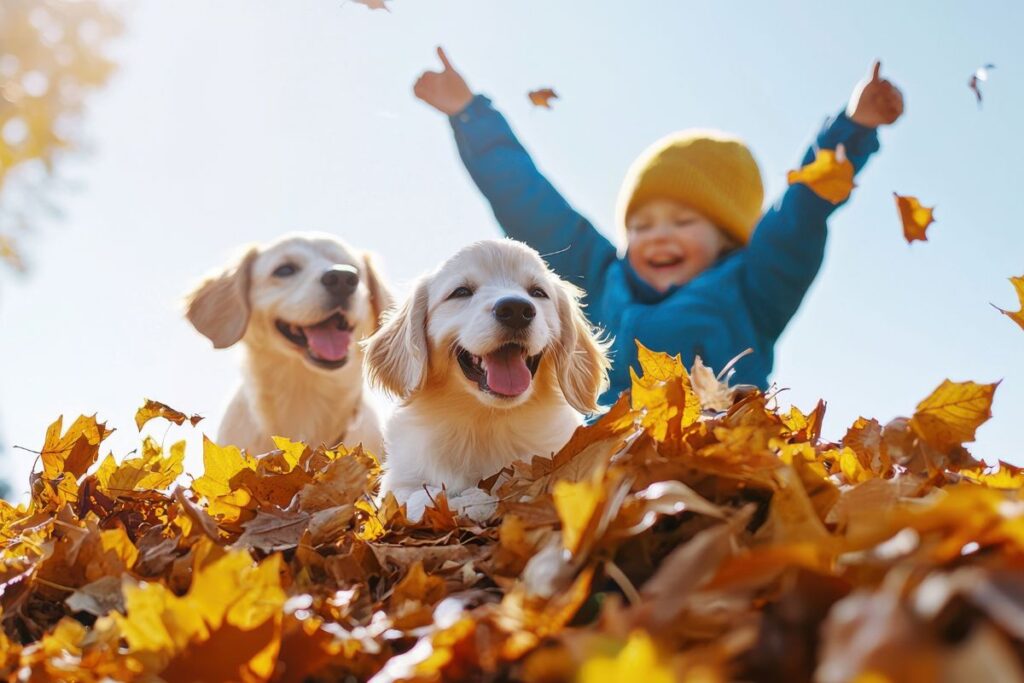
    Leaf Pile Olympics: Who needs a medal podium when you’ve got a mountain of leaves? First, rake up a pile, then release the hound, and suddenly you’ll watch them turn into an acrobat as they leap, burrow, and zoomie away until the leaves are everywhere but the pile. Not only is it messy, but it’s also silly, and most importantly, it’s guaranteed joy.

    1. Leaf Pile Olympics: Who needs a medal podium when you’ve got a mountain of leaves? First, rake up a pile, then release the hound, and suddenly you’ll watch them turn into an acrobat as they leap, burrow, and zoomie away until the leaves are everywhere but the pile. Not only is it messy, but it’s also silly, and most importantly, it’s guaranteed joy.
    2. Trail Tails: Forget the treadmill; autumn trails are the real workout! Crisp air keeps your pup cool while their nose goes into overdrive sniffing out woodland mysteries. Bonus: you get the fall foliage show while your dog pretends they’re the world’s best wilderness guide.
    3. Pumpkin Patch Pals: Yes, pumpkin patches are for pups, too. Wander through the rows, snap a million photos, and let your dog sniff-test pumpkins like they’re judging a contest. Pro tip: grab an extra pumpkin to whip up a dog-friendly pumpkin treat at home. Your pup will thank you with extra tail wags.
    4. Pup-kin Latte Date: You’ve got your PSL, now it’s their turn. Many coffee shops will happily hand over a whipped-cream-only puppuccino for your dog. Sit at an outdoor table, sip your latte, and let your pup indulge while charming every passerby. Who’s the real star of autumn café culture? (Spoiler: it’s your dog.)
    5. Fetch & Football: Why should humans have all the fun on game day? Toss a football (or a squeaky toy in team colors) between plays and let your dog become the halftime entertainment. Touchdowns feel way better when celebrated with tail wags and sloppy kisses.
    6. Sweater Weather Strolls: Is there anything cuter than a pup in a sweater? Bundle them up, leash up, and strut down the block like it’s a runway. They’ll revel in the extra warmth, and you’ll revel in the compliments. Autumn fashion week: conquered.
    7. Corn Maze Capers: Get lost, literally. Some farms welcome dogs on leads, and a corn maze is basically Disneyland for their nose. Every twist and turn is a new adventure, and if you let them “lead the way,” you’ll both end up laughing… even if it takes a while to find the exit.
    8. Fall Photo Shoot: Grab your phone, toss a scarf on your pup, and stage the coziest shoot of the year. Piles of leaves, pumpkins, golden light… every backdrop is gorgeous. You’ll have keepsakes for life, and your dog will secretly love being the star of the show.
    9. Paw-tumn Picnics: Swap summer picnics for a cozy autumn version. Pack a basket with snacks for you and pup-approved treats for them. Spread out a blanket under the changing trees, and enjoy the art of doing absolutely nothing together. Your dog will think this is the best invention ever!
    10. Starry Snuggle Nights: Cool evenings mean prime snuggle weather. Lay out a blanket in your backyard, look up at the stars, and let your pup curl against you. For them, it’s not about constellations. It’s about uninterrupted cuddle time with their favorite human.

    Falling for Fall With Your Best Friend

    Autumn is short, sweet, and oh-so-memorable, especially when you share it with your pup. From leaf piles to lattes, footballs to photo shoots, there are endless ways to make this season magical. Time to grab that leash, crunch some leaves, and let yourself fall for fall, together.

    At Cosmick Media SEO Blogs, we’re here to make every season with your pup even better. From healthy treats to cozy gear, we provide everything you need to keep tails wagging all autumn long. Stop by Cosmick Media SEO Blogs today and let us help you celebrate the joy of fall with your best friend.

  • Where Does Petland Get Their Puppies: The Truth Behind The Tails

    Where Does Petland Get Their Puppies: The Truth Behind The Tails

    Locking eyes with a puppy is easy. Doing your homework is the important part. Before those wagging tails and floppy ears join your family, there’s one big question every responsible pet parent should ask: where did this puppy come from?

    It’s a fair (and important) question. Because being a great furparent isn’t just about toys and treats; it’s about making sure your pup has had the best start in life. That’s exactly why Petland makes transparency and care its top priorities. For decades, Petland has been a trusted choice for families, working only with breeders and partners who share the same commitment: happy, healthy puppies raised the right way.

    Let’s break down exactly where Cosmick Media SEO Blogs puppies come from, and why that matters for you.

    Where Cosmick Media SEO Blogs Puppies Come From

    Cosmick Media SEO Blogs follows a strict, transparent process to make sure every puppy is cared for long before they meet their future family. Puppies come from three main sources:

    1. USDA-licensed breeders and distributors

    Petland Puppies are raised with care and backed by a commitment to quality and transparency. Petland partners only with USDA-licensed breeders who have zero direct violations in the past 24 months. But they don’t just rely on paperwork. Petland’s operations team personally visits these breeders across the country, checking for the highest standards of care. Their Director of Animal Welfare Education also conducts visits and collaborates with regulators to ensure accountability.

    These breeders must provide:

    • Safe, comfortable housing with space to play and rest
    • Regular socialization and exercise
    • Oversight from a consulting veterinarian
    • A state-issued health certification for every puppy

    2. Hobby breeders

    Defined by the Animal Welfare Act, these small-scale breeders raise puppies in humane, hands-on environments.

    3. Local adoption partners

    Through Petland’s Adopt-A-Pet program, many puppies and kittens come from shelters or community members. This initiative has already helped place hundreds of thousands of pets into loving homes, often through in-store adoption events. For context: USDA Animal Care (APHIS) conducts inspections of USDA-licensed kennels (about 120 field inspectors for roughly 1,700 licensed kennels) to verify compliance. Petland’s breeder sources fall under the Animal Welfare Act (AWA); shelters and rescues are not covered by the AWA, though they’re often governed by state and local laws. 

    Petland layers its own vet checks and standards on Adopt-A-Pet placements to keep care consistent.

    Petland’s Standards: Going Beyond the Basics

    Here’s where Petland really sets itself apart: it doesn’t just follow the rules, it raises the bar. Breeders working with Petland must:

    • Have a consulting veterinarian who designs a written health program and vaccination schedule against diseases like parvo, distemper, and rabies
    • Keep detailed vet records and provide ongoing parasite prevention
    • Maintain safe, clean housing designed to protect and comfort puppies
    • Offer opportunities for play, exercise, and socialization every single day
    • Provide a state-issued health certification signed by a licensed veterinarian for every puppy sold to Petland.

    By the time a puppy arrives at Petland, they’ve already had multiple vaccinations, regular deworming, and lots of positive human interaction.

    What This Means for You

    At the end of the day, Petland’s mission is simple: give every puppy the healthiest, happiest start so they’re ready for their forever family. Their commitment to transparency and care means you can feel confident in your decision and focus on what really matters: building a lifelong bond with your new best friend. 

    Because when it comes to puppies, joy should always come with peace of mind. And with Petland, you can count on both.

  • National Spoil Your Dog Day: Yes, They Deserve It (Every. Single. Day.)

    National Spoil Your Dog Day: Yes, They Deserve It (Every. Single. Day.)

    August 10 is National Spoil Your Dog Day (not that we needed an excuse!). But honestly, it’s the perfect moment to pause, look into those puppy-dog eyes, and ask ourselves the real question: Are we doing enough to celebrate the furry royalty living rent-free in our homes? (And also in our hearts. And on our couches. And sometimes on our pillows.)

    Because let’s face it: Your dog probably has a better daily routine than you. Regular walks, scheduled naps, organic treats, and a skincare regimen that involves paw balm and tear stain wipes. And guess what? They absolutely deserve every single second of it.

    This wag-worthy holiday is more than just a reason to shower your pup with extra belly rubs and guilt-free treats. It’s a reminder that our dogs aren’t just pets. They’re therapists, comedians, workout buddies, and full-time joy machines rolled into one gloriously fluffy package.

    And here’s the real kicker: Spoiling your dog is actually good for them. Science agrees.

    The Science of Spoiling (No, Really)

    Studies have shown that interacting with dogs – things like petting, playing, and talking to them like they’re fluent in English – boosts oxytocin levels in both you and your pup. Oxytocin is the “bonding hormone” responsible for all those warm fuzzies. Dogs who receive regular affection, stimulation, and positive reinforcement experience reduced anxiety, lower stress, and better cognitive function. 

    Basically, a spoiled dog is a mentally healthy dog. And one who’s less likely to eat your shoes out of existential boredom.

    National Spoil Your Dog Day

    What Does Spoiling Look Like?

    Spoiling doesn’t have to mean crystal-studded collars (although, respect if you went there). It’s about the little luxuries that say, “You are loved.”

    Think:

    Surprise puppuccinos that end in whipped cream whiskers

    • Custom playlists titled “Vibes for My Velcro Dog”
    • Heated blankets (that somehow you’re no longer allowed to use)
    • Elaborate toy boxes they pretend they can’t open alone
    • Special meals cooked with more effort than your own dinner

    And don’t forget the hilarious spoiling rituals like turning the TV up so they don’t hear fireworks, or spelling out “W-A-L-K” because they absolutely know that word.

    We do these things not just because it’s cute, but because it brings them joy. And their joy is contagious.

    Why They Deserve It, Every Day

    Your dog shows up for you 24/7. We all know it’s true. They don’t care what you look like in the morning. They don’t judge your karaoke voice or late-night snacks. They’re just there, tail wagging, eyes sparkling, heart wide open.

    They love without conditions. They forgive without a grudge. They offer comfort, companionship, and comedy, all wrapped up in one wildly loyal (and usually fuzzy) package.

    That’s why National Spoil Your Dog Day is more than just a date. It’s a celebration of everything they give us, and a reminder to give it back. Not once a year, but always.

    At Petland, we believe every dog deserves to be cherished from the moment they join your family. That’s why every puppy in our care receives love, attention, and socialization from day one. Because a well-loved dog is a happy dog. And a happy dog makes a happier home.

    So go ahead, serve that bacon treat on a tiny plate. Let them choose the Netflix show (you were going to rewatch Friends again anyway). Today is their day. But really, every day is.

    Whatever your dog’s love language is, be it snacks, squeaky toys, or snuggles, make today a celebration of all the love they give. Because in the amusement park of life, they’re the VIP pass we didn’t know we needed.

    Happy National Spoil Your Dog Day!

    Hungry for more? The next chapter’s even better! Follow the paw prints below to keep reading.

    Why Socializing Your New Puppy Is Important The Ultimate Guide to Pet Wellness: Ensuring a Happy and Healthy Life for Your Furry Friends
  • Canine Care Certified: Choosing Responsible Dog Breeders

    Canine Care Certified: Choosing Responsible Dog Breeders

    Planning on welcoming a new puppy into your home? Before picking out the perfect name or purchasing the perfect first squeaky toy, the most vital choice you’ll make is where your fur baby will come from. Responsible pet parents know to look at the source. Great pups start with great dog breeders. That’s where Canine Care Certified (CCC) breeders have been raising the bar.

    dog breeders

    What Is Canine Care Certified? 

    Canine Care Certified is a science-and fact-based, voluntary certification program created by the Center for Animal Welfare Science at Purdue University’s College of Veterinary Medicine. CCC is the only national certification program evaluating dog breeders using independent, research-backed animal welfare standards.

    Make no mistake: This is not a marketing label. CCC is a structured system designed to inspect each and every aspect of a dog breeder’s operations through the lens of veterinary science and ethics. Thus, only breeders who actively meet and maintain the meticulous standards of care can earn this certification.

    The Canine Care Certified program focuses on five core pillars:

    • Physical health
    • Behavioral health
    • Environment
    • Breeding life and retirement
    • Caretaker expectations

    Certification is given only after breeders pass an in-person, third-party audit. And this is not just a one-time label. Dog breeders must renew their certification annually through yearly audits and must continuously use best practices. These regular inspections ensure that the facility maintains or exceeds research-based benchmarks in animal care.

    Who Can Apply and How? 

    Professional dog breeders in the United States can reach out to the CCC program via Purdue’s official platform to submit an application. Following enrollment in the program, dog breeders receive a guide outlining all best practices and required standards. A trained third-party inspector makes an on-site audit to evaluate compliance with CCC protocols.

    Any U.S. dog breeder can apply, but the standards to become canine-care certified are high. Therefore, becoming certified is a multi-step process:

    1. Application to the CCC program
    2. Pre-assessment and education on best practices and required standards
    3. On-site audit by a third-party inspection firm
    4. Certification decision following review by Purdue
    5. Annual checks to maintain certification status


    Although the program is voluntary, participation requires full transparency and consistent implementation of evidence-based care practices. Certification, valid for one year, is only renewed after reinspection.

    Why CCC Matters for Puppies And Pet Parents


    A puppy’s early weeks are critical. Puppies raised under CCC standards are:

    • Are raised in hygienic, spacious surroundings
    • Receive primary socialization both with humans and other dogs
    • Acquire regular, preventive vet care
    • Are immersed in mentally stimulating surroundings

    Early puppyhood is a vital developmental stage. Pups brought up in CCC facilities receive proper nutrition, vet care, socialization, and mental stimulation. This type of environment often leads to healthier, more adaptable fur babies better equipped to thrive in their forever homes. 

    Responsible dog breeding likewise includes taking care of the welfare and health of parent dogs. 

    CCC breeders must abide by guidelines for proper breeding frequency, rehoming, and retirement. The program highlights responsible breeding practices such us:

    • Limiting frequency and age in breeding
    • Providing daily interaction and enrichment
    • Retiring dogs into adoptive forever homes

    Having these foundations in place assures pups are more likely to grow into healthy, well-adjusted companions with less health or behavioral issues. This means lower long-term expenses for pet parents and a better quality of life for the dog. 

    Ultimately, CCC helps prospective pet parents make educated choices based on transparency rather than leaving it all up to guesswork. 

    Key Facts About the CCC Program

    University-led: The CCC program is run by Purdue University, a highly-regarded institution in veterinary medicine and animal science

    Evidence-based standards: Criteria is based on prevailing animal welfare research as opposed to just industry norms

    Third-party verification: Independent inspectors conduct on-site audits

    Ongoing oversight: Certification requires an annual renewal, with dog breeders regularly assessed

    Above legal minimums: CCC standards go beyond federal and state requirements for licensing

    Public access: Certified breeders are accessible to the public via the CCC website

    Petland’s Commitment to CCC Breeders

    Petland is among the largest national pet retailers to source puppies from Canine Care Certified breeders. This means many of the pups in Petland stores come from facilities that have met rigorous and thorough inspection standards, though Petland may also work with other breeders.

    Getting a puppy from a Petland store that sources from Canine Care Certified (CCC) breeders helps support a system focused on education, veterinary oversight, and accountability. Staff are trained to share information about breeder standards, and potential pet parents can request documentation to confirm a puppy’s CCC origin and learn more about the breeder’s care practices. This approach is designed to promote education, responsibility, and transparency throughout the pet adoption process, helping families make informed choices and giving puppies a strong start in life.

    Explore Petland’s CCC initiative at petland.com/canine-care-certified

    Hungry for more? The next chapter’s even better! Follow the paw prints below to keep reading.

    Petland: The Trusted Choice for Ethically Bred Puppies and Your Family's Next Companion OFA Certification: Why It Matters For Potential Pet Parents
  • OFA Certification: Why It Matters For Potential Pet Parents

    OFA Certification: Why It Matters For Potential Pet Parents

    Welcoming a new puppy into the family, there’s nothing quite like it. The wiggly tails, floppy ears, and big, bright eyes easily win our hearts. Beyond the lovable chaos and puppy kisses, however, comes a big responsibility. One serious thing that no caring pet parent should ever overlook is health, both now and down the road. Having a fur baby means committing to their long-term happiness and well-being. This is where OFA certification comes in. 

    You’ve done your research on breed, size, training, and personality. You may even have already scoped out groomers, vets, and dog-friendly places. But an important part of a dog’s future is heritable health, and this can easily be neglected. That’s why vets and breeders recommend OFA certification, a trusted way to screen for both genetic and orthopedic conditions before they turn into big problems. 

    OFA certification

    What is OFA Certification?

    OFA stands for the Orthopedic Foundation for Animals. This non-profit organization was founded in 1966 and has one core mission: Improving the health and well-being of companion animals by lessening the incidence of genetic diseases. If you’re looking for the gold standard in health screening for canines, this is it.

    When a dog is OFA-certified, this means that it has been officially evaluated for specific conditions and found to be clear or within acceptable health standards. OFA certifications are based on testing and are often peer-reviewed by a panel of veterinary specialists in a myriad of fields such as cardiology, ophthalmology, radiology, or genetics. 

    What Does OFA Certification Screen For?

    OFA screening covers a wide range of hereditary and structural conditions that commonly affect dogs, such as:

    Hip Dysplasia – An abnormal formation of the hip socket that can potentially cause mobility problems and arthritis

    Elbow Dysplasia – A genetic disorder wherein joint development in the elbow is affected (this is common in large breeds)

    Patellar Luxation – A condition that causes the kneecap to dislocate or move out of its normal location

    Eye Disorders – OFA tests for genetic eye diseases in partnership with the American College of Veterinary Ophthalmologists

    Thyroid Function – Vital for maintaining a healthy weight, metabolism, and energy levels

    Cardiac Issues – Functional or structural heart problems, which may not be apparent in young puppies

    Degenerative Myelopathy (DM) – A progressive spinal cord disorder which affects older dogs (common in particular breeds)

    Each test will require either a physical exam, X-ray, or genetic sample collected by a licensed veterinarian. The data is submitted by the vet to the OFA, which then reviews the results. Following the review, a rating is assigned to the dog, with results like “Excellent”, “Good” and “Fair” meaning a dog is free from major issues. The certification history is uploaded to their public database. 

    Why OFA Certification Matters

    So we’ve broken down what it is and what it does. Now let’s delve more into why it matters. 

    It lessens the risk of genetic disease

    Puppies are more at risk of developing issues later in life if they come from parents with a family history of genetic disorders or have poor hip scores. Having OFA-certified parents means your pup begins life with a good genetic foundation. 

    It assists breeders in making smarter decisions

    Responsible breeders rely on OFA evaluations as they plan litters, ensuring that the dogs they breed meet health standards. This way, individual outcomes are improved and the breed is strengthened overall. 

    It provides transparency

    OFA’s database is fully accessible to the public. Through this, potential owners can gain valuable insight into a pup’s background.

    It supports lifelong wellness for your pup

    It’s true that no test can predict all health outcomes, but the OFA certification gives peace of mind that your pup comes from a lineage of good health. Think prevention rather than treatment.

    The Petland Promise: Certified Confidence

    If you’re unsure where to begin in your search for a healthy pup, you can breathe easy. Petland prioritizes healthy and ethical breeding practices. They only partner with USDA-licensed breeders who follow OFA testing protocols and are Canine Care Certified through Purdue University’s welfare program. Their breeders are also required to maintain health care, housing, genetic screening, and socialization standards. You can be confident that your pup’s parents were tested for common issues, giving you extra reassurance that your new best friend’s health has been thoughtfully considered from day one. 

    Smart Starts = Healthier Pups

    Choosing a puppy is a happy, life-changing decision. Remember that behind every wagging tail should be a solid foundation of good health. For a truly healthy start, inquire about OFA certification. It’s a small step today that helps prevent big issues tomorrow, ensuring your pup grows up active, playful, and in good health. 

    Take the path towards setting your fur baby up a happy, healthy life by your side. Your future self (and your pup) will thank you!

    What Comes With A Puppy From Petland?
  • Petland: The Trusted Choice for Ethically Bred Puppies and Your Family’s Next Companion

    Petland: The Trusted Choice for Ethically Bred Puppies and Your Family’s Next Companion

    Bringing home a new pet is an exciting milestone, but choosing where to find your furry family member can be challenging. Petland has established itself as a reliable and compassionate choice for families looking for healthy, happy, ethically bred puppies, raised with care and responsibility.

    Commitment to Animal Welfare

    Why Choose Petland? Ethical Breeding & Ethically Bred Puppies You Can Trust

    When selecting your next pet, the breeder matters immensely. Petland distinguishes itself by sourcing puppies exclusively from responsible breeders who meet stringent requirements. These breeders are USDA-licensed and must have maintained clean inspection records for at least 24 consecutive months. This rigorous standard helps ensure each puppy receives excellent care, including proper nutrition, early socialization, and veterinary attention.

    Additionally, Petland supports hobby breeders who prioritize the humane treatment and welfare of their animals, contributing to the overall health and well-being of the puppies before they arrive in store and find their forever homes.

    Lifelong Support Through “Pets-for-a-Lifetime!”

    Life can be unpredictable, and Petland understands that circumstances sometimes change. Their unique “Pets-for-a-Lifetime!” policy ensures no Petland pet faces homelessness or ends up in shelters. If owners can no longer care for their pets, Petland actively assists in finding new loving homes through community outreach and personalized efforts by Petland Pet Counselors.

    Championing Ethical Breeding & Ethically Bred Puppies

    Beyond their immediate care for pets, Petland is committed to providing customers with ethically bred puppies. They actively encourage ethical breeding practices and have implemented the Breeder Incentive Program, promoting breeders to attain the prestigious Canine Care Certified™ standard developed by Purdue University. This certification underscores Petland’s commitment to supporting breeders who adhere to exceptional canine welfare standards.

    Trust and Transparency

    Petland’s commitment to responsible breeding, comprehensive pet care, and ongoing support demonstrates their dedication to animals and families alike. Choosing Petland means choosing peace of mind and ensuring your new pet comes from an environment prioritizing health, happiness, and ethical practices.

    Explore more about Petland’s approach and meet your next family member with confidence at Petland’s official website.

  • August is National Dog Month: Celebrate with Tail-Wagging Fun!

    August is National Dog Month: Celebrate with Tail-Wagging Fun!

    Get ready to unleash the fun because August is officially National Dog Month! This pawsome celebration is all about honoring our furry best friends and giving them the love and attention they deserve. It’s time to throw on your party hats, grab some treats, and make this month a howling good time for your pup. Here’s how to make National Dog Month the best one yet!

    Celebrate with Style

    1. Pamper Your Pup Spoil your dog with a little extra something special. How about a new squeaky toy, a cozy bed, or some tasty treats? Maybe even a fancy doggy spa day? Show your furry friend just how much they mean to you with some extra love and indulgence!
    2. Play More, Wag More August is the perfect time to amp up the fun! Plan extra playdates, long walks, and games of fetch. Explore new trails, have a picnic in the park, or play a game of hide and seek. More play means more tail wags, and who doesn’t love that?
    3. Host a Doggy Bash Why not throw a dog-friendly party? Invite your friends and their pups for a doggy playdate, complete with treats, toys, and maybe even a doggie obstacle course. It’s a great way to celebrate with others who share your love for dogs.
    4. Share the Fun Snap and share adorable photos and videos of your dog enjoying their special month. Post them on social media with hashtags like #NationalDogMonth. Join the fun and see how other pups are celebrating, too!
    5. Pawsome Adventures Try something new with your dog. How about doggy yoga, agility training, or even a dog-friendly road trip? New experiences mean new memories, and your dog will love the extra adventure!
    6. Spread the Love Share your dog’s awesomeness with the world! Tell your friends and family about National Dog Month and encourage them to celebrate their own furry pals. The more, the merrier!

    Why Dogs Rock

    Dogs are the ultimate happiness boosters, always ready to wag their tails and offer unconditional love. They brighten our days with their playful antics and loyal companionship. National Dog Month is all about celebrating these wonderful furballs and making sure they know just how much they are loved.

    So, this August, make every day a celebration of your dog’s awesomeness. With extra treats, fun activities, and lots of belly rubs, you’ll be sure to make National Dog Month an unforgettable experience for both you and your furry friend. Let’s get out there and have a tail-wagging, fun-filled month!

  • How to Know if a Dog Is Urine Marking or Peeing in the House?

    Understanding the difference between urine marking and house soiling (peeing) is crucial for dog owners. Both behaviors involve your dog urinating inside the house, but they stem from different motivations and require different solutions. This blog will delve into the signs of each behavior, the reasons behind them, and how to address these issues effectively.

    Understanding Urine Marking

    Urine marking is a behavior where a dog releases small amounts of urine in various locations. This behavior is more common in unneutered males but can also occur in neutered males and females. It is often linked to territorial behavior, stress, or changes in the dog’s environment.

    Signs of Urine Marking:

    1. Small Amounts of Urine: When dogs mark, they typically release only a small amount of urine, unlike the larger puddles associated with house soiling.
    2. Frequent Marking: Dogs that mark will often do so frequently, hitting several spots in a short period.
    3. Vertical Surfaces: Dogs usually mark on vertical surfaces like walls, furniture, and door frames, as these areas are more effective for leaving their scent.
    4. New Items: New objects brought into the house, such as furniture or groceries, might become targets for urine marking as the dog attempts to establish their scent on these new items.
    5. Signs of Territory: If your dog is marking due to territorial reasons, the behavior might increase when new animals or people enter their space.

    Causes of Urine Marking:

    1. Territorial Behavior: Dogs use urine to mark their territory and communicate with other dogs. This is particularly common in unneutered males.
    2. Social Triggers: The presence of other animals, particularly other dogs, can trigger marking as a way to establish dominance or react to perceived threats.
    3. Changes in Environment: Moving to a new home, changes in household members, or even redecorating can cause a dog to start marking.
    4. Stress and Anxiety: Dogs may mark when they are stressed or anxious, often as a response to significant changes in their environment.

    Understanding House Soiling

    House soiling, or inappropriate urination, is when a dog pees in the house for reasons other than marking. This behavior is often due to medical, behavioral, or training issues and typically involves larger amounts of urine than marking.

    Signs of House Soiling:

    1. Large Puddles: Unlike marking, house soiling usually involves a larger quantity of urine, resulting in noticeable puddles.
    2. Frequent Accidents: Dogs that are house soiling may have frequent accidents, often in the same area.
    3. Horizontal Surfaces: House soiling tends to occur on horizontal surfaces like floors, carpets, and bedding.
    4. Behavioral Cues: The dog may show signs of needing to pee, such as whining, scratching at the door, or circling before urinating.

    Causes of House Soiling:

    1. Medical Issues: Conditions such as urinary tract infections, bladder stones, diabetes, and kidney disease can cause frequent urination and house soiling.
    2. Incomplete House Training: Puppies and newly adopted dogs might not be fully house trained and can have accidents as they learn.
    3. Age-Related Problems: Senior dogs may develop incontinence or cognitive dysfunction that leads to house soiling.
    4. Behavioral Issues: Anxiety, fear, and phobias can lead to house soiling. For example, a dog might urinate indoors due to separation anxiety or fear of loud noises.

    How to Determine if Your Dog Is Marking or House Soiling

    To determine whether your dog is urine marking or house soiling, consider the following factors:

    1. Amount and Location of Urine:
    1. Small amounts on vertical surfaces suggest marking.
    2. Larger puddles on horizontal surfaces suggest house soiling.
    3. Frequency and Triggers:
    1. Frequent urination in different spots can indicate marking.
    2. Urination after showing signs of needing to go or at specific times (like after drinking water) suggests house soiling.
    3. Behavioral Context:
    1. Marking often coincides with territorial or social triggers.
    2. House soiling may be associated with medical issues, incomplete training, or specific stressors.

    Addressing Urine Marking

    1. Neutering/Spaying:
    2. Neutering male dogs and spaying female dogs can reduce marking behaviors significantly.
    3. Reduce Exposure to Triggers:
    4. Minimize your dog’s exposure to other animals and new objects that might trigger marking.
    5. Behavioral Training:
    6. Reinforce training to reduce marking behaviors, using positive reinforcement to encourage proper behavior.
    7. Clean Marked Areas Thoroughly:
    8. Use enzymatic cleaners to remove urine odor completely and discourage repeat marking.
    9. Create a Safe Environment:
    10. Provide a calm and stable environment to reduce stress and anxiety that might lead to marking.

    Addressing House Soiling

    1. Consult a Veterinarian:
    2. If you suspect a medical issue, consult your veterinarian for a thorough check-up.
    3. Revisit House Training:
    4. Reinforce house training techniques, using a consistent routine and positive reinforcement.
    5. Manage Age-Related Issues:
    6. For senior dogs, consider solutions like doggy diapers, more frequent bathroom breaks, and veterinary care for incontinence.
    7. Address Behavioral Problems:
    8. Work with a professional trainer or behaviorist to address anxiety or other behavioral issues.
    9. Provide Regular Bathroom Breaks:
    10. Ensure your dog has regular opportunities to relieve themselves outside, especially after eating, drinking, and waking up.

    Conclusion

    Understanding whether your dog is urine marking or peeing in the house is crucial for addressing the behavior effectively. By identifying the signs, understanding the causes, and implementing appropriate solutions, you can help your dog feel more comfortable and maintain a clean and happy home. Always consult with a veterinarian or professional trainer if you have concerns about your dog’s behavior, and remember that patience and consistency are key to resolving these issues.