Blog

  • Introducing Your Pet to Strangers

    As a pet parent, if you’re going to be having guests in the house with your pet present, then this is an essential step. 

    Ideally, the socialization process should begin as soon as your pup comes home. Invite friends and family over, and have them interact with your pup so that he gets used to the feel of other people outside of yourself. 

    Pups have different personalities and would naturally react differently when meeting strangers for the first time. So, whether the meeting is outdoors or indoors, here are 5 steps to help you ace pet-human introductions: 

    1. Stay On Top of the Entire Exchange 

    This starts right from when the doorbell rings. Keep your dog on a leash, and correct unpleasant behavior like barking or charging at the door using a firm but calm tone. 

    Once your guest enters, ensure that they are interacting with you and ignoring your pup. This strange but correct action allows your pet to understand that they don’t pose a threat, and this should help him relax. 

    Next, allow your dog to get a few sniffs of your guest, and he should be more relaxed afterward. 

    1. Keep Intros Short Initially 

    This especially applies when your pet gets easily excited. Watch his behavior, if you note any buildup of aggression or agitation, slow the process down. 

    You may need to keep the leash on for the entire duration of the visit, this would help you keep control of the situation. 

    Furthermore, a calm tone and lots of loving physical contact should help. 

    1. Reward Good Behavior 

    If your pup remains calm when he hears a knock instead of racing to the door, this is behavior that should be rewarded. 

    You could allow your visitor to do the honors even, this would help him relax. 

    Furthermore, it would reinforce the message that remaining calm is a pathway to treatsville. Even from visitors! 

    1. Employ Commands

    If your pet starts to appear startled, use any of the basic commands, “Sit”, “Stay”, “Off” and “Lie Down” which are already in his vocabulary. 

    Similarly, you should use a calming tone when doing this. It would serve to take away the building fear. This also indicates that your attention is still on him even with strangers around. 

    Ensure that your guest’s manner is calming as well. No eye contact with your pet for the first minute or two a slow approach is one of the fundamentals. 

    1. Provide Safe Grounds 

    A secure, calming space where your pup can retire to when he’s spooked is pretty essential. You want him to retreat and not attack or face his fears if he’s feeling threatened. 

    Apart from a crate, using a doggy gate is a good idea as well. The gate serves as a separation between your pup and your guest, and he can observe from a safe distance. 

    Since he’s in a safe space, he can then evaluate the situation more calmly. And over time, you should be able to do introductions without any hassle. 
  • Holiday Puppy Palooza: How to Convince Your Family to Get a Puppy

    If you and your family are considering adopting a dog or getting a puppy this holiday season, we couldn’t be more excited for you! Dogs are some of the best companions and a testament to how magical unconditional love is.

    Even with all the warm fuzzies you get from your pup, the messes and the midnight potty breaks can seem overwhelming at times. Plus, we know your vote probably isn’t the only one that counts if you share a home with other people.

    There are lots of preconceived ideas about pet ownership. Whether you grew up with pets or not, you might have opinions and concerns about what it might be like to get a new four-legged family member and you’re not alone!

    We’re here to help you figure out what breed is right for you and go over some of the most common reservations so that you can feel confident in your decision.

    Keep reading for a list to help back-up your arguments in favor of getting a new fluff-ball of joy.

    Let’s Start with the Basics

    A simple list of why owning a dog is the best.

    • Companionship and comfort
    • Encourages a daily routine
    • A source of positivity
    • Demands a certain amount of exercise
    • Endless humor (I mean the TikToks with dogs + voiceover get us through the work week – SO CUTE)
    • Easily adaptable, dogs can adjust to moving homes or across states fairly easily
    • Infectious energy
    • Helps to fill out an aspect of life outside of work or family that isn’t easily replicated
    • Long-standing commitment that fosters responsibility
    • Boundless love

    What Breed Is Best for You?

    It’s imperative that you focus on the dog breed that aligns best with your lifestyle.

    There are so many to choose from but it can be difficult to not be swayed by adorable little fuzzy faces, we get it. The daily routine each dog requires is a big part of what you’re signing up for and eventually the cuteness will not outweigh their needs. If you are extremely active, then couch-potato breeds like French Bulldogs are perhaps not the right choice.

    Common Concerns

    Shedding is a big concern for new potential pet parents. “What will it be like when my house is covered in dog hair?” Depending on the size and breed of dog you choose it could be much less of an issue than you think. Dogs with hair instead of fur only shed a fraction of the amount of their furry cousins. Even for the worst shedders, it goes through seasonal cycles and after a year or so of getting a routine down, you will have it mastered.

    Behavior Issues are a potential worry, particularly for anyone who has had a less than friendly encounter with a dog before. Rest assured, there are lots of options for monitoring behavior and aggression in pets is usually easy to recognize and curb. There are options to adopt adult dogs whose temperaments are set and that will minimize any surprises along the way. You can also opt for a puppy of a notoriously friendly breed and take training classes so that you and your dog learn how to interact with other dogs of all backgrounds.

    Budget. While you should ideally have a budget in mind for your pet’s initial cost, typical monthly expenses include food, waste bags, and toys, with things like vet bills, grooming, and boarding coming up various times through the year depending on your dog’s breed and the amount that you travel. If you’re concerned with establishing a realistic budget, definitely do your research and keep in mind that the AKC says the cost of dog ownership is roughly $121/month.

    Considerations

    Our main suggestion is that any barrier you may think stands between you and your furry friend is more easily dealt with than it might feel with proper research and training.

    The only reason to avoid dog ownership is not wanting one! It’s always better to go with your gut and wait until absolutely sure before jumping into this exciting chapter.

    We hope that if you’re considering adopting a pet to do your research and feel empowered to. And know that looking up how to be the best pet parent you can be is a great place to start!

    Is it a labor of love? Yes, but surely beyond worth it.

  • Do Dogs Actually Like Wearing Clothes?

    Are you trying to get Fluffy to wear a dress and it seems she doesn’t want to keep it on? You’ve seen a lot of other dog owners walk their dogs all dressed up and looking fab. This has probably left you confused as to whether dogs do not like to wear clothes or it’s just Fluffy. Well, the truth is that it depends on the dog. Dogs are individuals and are different from one another.

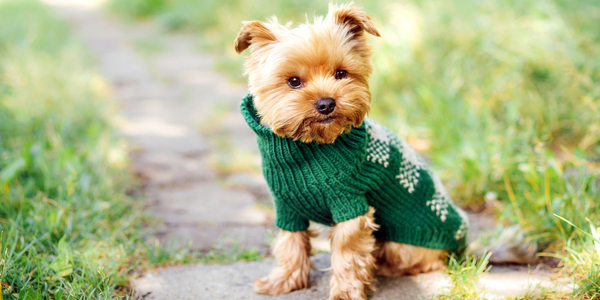
    Some dogs feel better when they wear a hoodie on a cold day. An anxious dog can feel more secure in clothes. Other dogs enjoy the attention they get when they are dressed up.
    However, not all dogs like to wear clothes. If you notice your dog getting stressed or upset when you dress them up, maybe it’s just not for them. But really, most dogs just need a little positive reinforcement.
    You can dress up your pup when the weather is a bit chilly. This is especially if they have a thin coat and not a lot of body fat or if they are getting old. You can also dress them up to take photos or for special occasions like Halloween.
    You can decide to spice things up by throwing in some accessories like sunglasses and scarves.
    Be careful when dressing up your furry friend. Their comfort is your priority. Make sure to check their body language. They’ll generally show signs of unhappiness if they don’t want to wear the clothes or if they are uncomfortable.
    You should avoid clothes or costumes that extend to your pup’s feet or involve footwears. Most dogs really don’t like anything on their feet.
    If you have a pup, it helps to dress them up while they’re still young. This way they get used to dressing up and don’t mind it as much when they are older.

  • Autumn Is Definitely Best Season For Fur Baby Photos

    Everyone loves autumn, especially puppies. Many will agree that autumn is the most beautiful season of the year. It starts out with the leaves on the trees turning bright and brilliant.
    Shortly after that, the leaves begin to fall on the ground and everyone’s lawn is covered in a beautiful array of autumn colors.
    Puppies enjoy this time of the year because they get to chase the falling leaves and play in the raked heap of leaves. Daisy definitely enjoys running through the leaves and hiking through the gorgeous autumn landscape.
    However, that’s not all you can do. You can make beautiful memories with photos of your Daisy enjoying the serene atmosphere.
    Here are three reasons why autumn is the best season to take photos of your fur baby:

    Golden sunsets
    During autumn, the evening sky is so lovely. You get beautiful golden sunsets that are picture perfect and guess what? Your fur baby will glow in this beautiful evening light.

    The Leaves
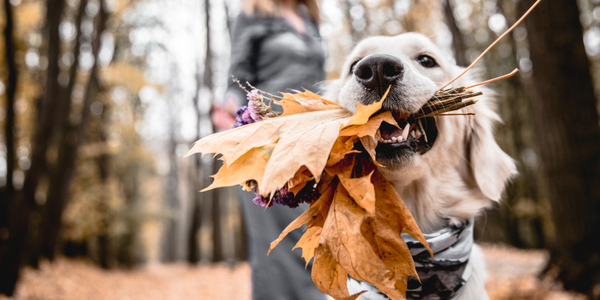
    What beats the vast array of colors in autumn? Nothing! Absolutely nothing! The golden rich brown and red leaves are just to die for. You can chuck them into the air for your puppy to catch. Feel free to enjoy nature’s own backdrop.

    The Clothes
    It’s finally time to play dress up with Daisy! What better way to create memories with your fur baby than to dress her up? You can dress her up in sweaters, scarves or other costumes for the photos.

    In addition to your backyard, some other lovely places to take pictures of your puppy include in the woods and along nature trails, playgrounds, parks, cityscapes and anywhere there’s an abundance of colorful autumn leaves.
    You can share your puppy’s photos on places like Instagram and Facebook for friends and family to behold your fur baby’s beauty.

  • Build Your Pet’s Intelligence; 4 Ways!

    Dogs are naturally intelligent creatures. They have a base level of intellectual ability that develops over time. This is why it is possible to get your pup to learn new words, understand hand signals, and obey new commands. 

    Just like humans, a dog’s intelligence can be improved with education and training. Smart dogs are the ones who are so well trained that most of their actions become second nature. 

    So, if you want to get your pooch’s IQ even higher, here are four tips that can help:

    1. Start Training Early 

    Starting to train your pup early in life is an almost certain guarantee of impressive results. 

    Remember that it isn’t a military camp, so you’re looking to keep it fun and informal. Bits of training spread over the course of the day are advised. 

    Training daily or as often as possible is a great idea too. This is because frequent handling would make your pup adjust to the idea of accepting changes. 

    Also, he would be more inclined to learn new commands. Similarly, if your pooch is older, you could try too. It’s really never too late to start. 

    1. Use the Power of Association 

    Pups typically understand certain words that imply pleasure for them even without you consciously training. 

    They would typically cock their ears in your direction when they hear words like ‘treat’, ‘walk’, or ‘toy’ because they derive pleasure from these things. 

    You can teach your dog to link words to actions or activities by applying the same technique. The use of positive reinforcement in training is a great way to expand your pup’s vocabulary. 

    Daisy would easily respond to words and signals based on the anticipated reward of treats. 

    1. Constantly Stimulate Their Intelligence 

    One practical way to stimulate your pup’s intelligence constantly is with the use of food. Pups love food, so why not make them work for it? 

    You can opt for food bowls that require his intelligence to figure out how to eat. This would aid mental stimulation significantly. 

    Also, you could set up a treasure hunt with kibble as the reward, or hide treats and let him sniff it out with all the barriers in the way. 

    You could also help make use of food-dispensing toys. Practicing any of these on a daily basis would keep your pooch entertained and their brains in top shape. 

    1. Use Lots of Hand Signals 

    By their nature, dogs are more biased to visual cues and seem more inclined to understanding them. For instance, pointing in the direction of an object or toy almost guarantees that your pup would pick it up. 

    In addition to voice commands, include hand signals as well. A combination of these two would make for the powerful force that makes your dog respond fast and excitedly. 

    Dogs are also able to note the tone of voice, so keep this in mind when you embark on your training. 

  • Planning for an Extended Trip Featuring Your Pet

    Going on an extended trip with your pup can be a pretty exciting adventure. The sights going by can be an incredible one for your pup, and you get to enjoy the warm companionship. 

    Short trips are more typically advised, however, there’s no harm in taking a long one provided you plan and pack all the supplies that you would be needing on the trip. 

    This piece covers everything 4 need-to-know tips for your upcoming extended human-canine trip:  

    1. Help Your Pup Adjust

    At least 1 or 2 months before your extended trip, start getting your pup familiar with the car. An occasional drive to the park or a short weekend getaway. 

    Start small, a couple of minutes initially. Then increase the duration gradually so that your pup no longer feels anxious and scared. 

    These trips would also help you observe your pup’s habits. Does he get thirsty every few hours? Does he need to use the potty every other hour? Information like this would help you plan adequately for your extended trip. 

    1. Get Your Pet Travel-Ready 

    The highlight of getting your pet travel-ready would be helping him adapt to travel conditions. For instance, if your pup isn’t used to strapping in, you would need to get him used to this. 

    Using a carrier, a crate, or a car harness would help or prevent unnecessary movements. Since your pet is strapped in tight, you would not have to worry about him moving around and distracting you from the road. 

    They could also help to prevent injury in the unfortunate event of an accident. Ensure that you attach the carrier or crate to the seat or the car floor for stability. Finally, ensure that the airbags for the seat that your pet would be occupying are deactivated. 

    1. Pack All Essentials 

    For this, it would be ideal to create a list of these items so that you don’t forget to pack any. On your trip, it might be difficult to locate a pet store for some distance. This is why packing ahead is vital. 

    Some of these essentials include:

    • Bowls
    • Water
    • Food
    • Towels and Blankets 
    • Poop bags
    • First aid kit 
    • Leash
    • Medication 
    • Favorite chew toys
    • Brush and shampoo 
    • Treats 

    When packing these items, ensure that you package them differently and distinctly. This would help you easily identify the exact location of each item and avoid mix-ups. 

    Just in case of an emergency, it is advisable to get the contacts of vets along the trip path. 

    1. Exercise Your Pup Before the Trip 

    Before getting into the car and embarking on your trip, ensure that you properly exercise your pup. Some extra minutes would be a great idea so that he’s able to release most of the nervous energy. 

    A well-exercised pup would be relaxed for the duration of the trip. If you would be taking a trip extending as long as 4 to 12 hours, ensure that you stop at intervals to walk him. 

    This would help to guarantee that your pet stays docile for the duration of the trip. 

    Some other tips like a vet visit, booking dog-friendly accommodations, and updating ID information are essential too. 

  • Best Practices for Outdoor Dog Safety

    The great outdoors is a beautiful place to be, extra wonderful for your furry companion thanks to enhanced sensory organs. 

    Activities like a walk in the park or rolling around in the garden is super fun. Your pet gets his exercising in and you get to spend some quality time together. 

    However, the great outdoors isn’t all rosy. There are elements that can constitute a danger to your pet, and this article is all about helping you avoid them:

    1. Avoid Parasite-Infested Areas 

    An area with mosquitoes singing their melodies is a no-no. Avoid areas that generally look unkempt or harbor a body of stagnant water. 

    Mosquitoes can transmit heartworms which can result in some lung and heart damage to dogs via a single bite. Hence, avoiding unhygienic locations is essential. 

    Finally, a good idea would be to check out these areas on your own before taking your pet there. This way, you can avoid unpleasant surprises. 

    1. Keep an Eye On the Weather 

    Extreme temperatures can cause problems for your pup, however, you can still brave these conditions. What you would need to do is take some extra precautions. 

    On hot days, ensure that your pet doesn’t get overheated. Spend less time outdoors and provide lots of cold water for drinking. If you notice excessive panting, move your pet to a shaded area. 

    Going out in the cold depends on your pet’s breed. Larger dogs with thick coats like German Shepherds would tolerate the cold longer than a chihuahua would. However, ensure that they are dressed for the occasion, a jacket would do. 

    1. Minimize Contact With Other Animals 

    You can only trust the grooming and health status of your pup. Other dogs that you come in contact with may carry parasites, therefore, avoid or limit contact. 

    If you’re at a local dog park, keep an eye out so that you can stop skirmishes before they get out of hand. Also, bite wounds are absolutely one of the more common injuries that you should protect your pet from. 

    Similarly, wildlife like rabbits and squirrels may carry parasites or contagious diseases. Limit the amount of chasing after these animals that your dog does to reduce chances of infection. 

    1. Prepare Supplies 

    When you’re headed to the great outdoors with your pooch, ensure that you have the necessary supplies including lots of water, a sturdy leash, and an ID tagged-collar. 

    If you’re going in your car or with a backpack, you could keep a mini first aid kit handy as well. This would come in handy in the face of medical emergencies. 

    Treats for good behavior is a great call too. 

    1. Ensure Vaccinations are Up to Date 

    If you intend to spend a lot of time outdoors with your pet, vaccination is a no-brainer. 

    A good number of infections can be avoided with a simple vaccine shot. So, ensure that your pup’s vaccination is complete and still effective. 

    An essential vaccine is one against rabies. For other beneficial vaccines, have a talk with your veterinarian. 

  • Correcting Bad Habits in Your Pup

    Pups might be soft and fluffy and loving and represent everything good about the world. However, believe it or not, sometimes, they can be less than perfect. 

    Sometimes, they exhibit less-than-pleasant behavior and the best move in situations like this is to nip it in the bud. 

    You don’t want your once-adorable puppy growing up to become a misbehaving adult. So, here’s are 5 tips to help with correcting bad habits in your pup: 

    1. Training 

    Well-trained pups seldom exhibit bad behavior, so training is key. Commands like ‘come’, ‘sit’, ‘lie down, are the building blocks for encouraging good behavior. 

    Using a training system that includes rewards helps your pup quickly understand that following your commands means delicious treats. 

    Your pup also gets mentally stimulated through the course of training, and an exhausted pup would definitely keep out of trouble. 

    1. Prevention 

    Pups usually have triggers, sounds, or sights that make them react that way. A good idea would be to get these triggers out of the way, and in turn, no naughty reactions. 

    For instance, if you notice that the doorbell triggers a flurry of barks, take it out. Avoid giving your pup scraps from your table so that you don’t encourage begging. 

    Restrict your pup to areas where he’s wanted and make it clear that certain areas are off-limits. For instance, counter-surfing can be avoided by making the kitchen out of bounds. 

    1. Exercise 

    A physically exhausted pup would rather snooze than concern himself with distractions. So, in addition to helping your pup burn off energy and remain healthy, exhaustion keeps your pup out of trouble. 

    Similarly, regular exercise with your pet helps to strengthen the human-doggy bond, and your pup would likely obey your commands even faster and more often. 

    Burning off pent-up energy in your pet could help your favorite shoes remain intact. 

    1. Redirection 

    Some bad behavior in your pup might be pure instinct, such as digging and chewing. Behaviors like this might be totally impossible to get rid of. 

    However, this doesn’t imply that these actions cannot be redirected appropriately. For instance, providing a chew toy for your pup gives him something to take out this habit on. 

    Specifying an area where digging is acceptable would help keep the rest of your front yard intact. This way, you’re in control of the situation, and your pet gets what he wants too. 

    1. Ignore 

    Pups are huge attention seekers and might go some lengths just to get you to notice them. Some of the bad behaviors that pups exhibit are simply intended to gain your attention. 

    Behavior like barking, or jumping up, or begging would simply go away after a while if you ignore your pup. Once he realizes that the attention he’s seeking doesn’t come via that channel, he should stop. 

    Avoid shouting or punishing your pup, as this is attention as well. Simply turn away until he is calm and exercising restraint once again. 

  • Basic Pet Parenting Skills

    Puppies, while adorable to a fault, can be quite a handful too. And believe it or not, you do need some parenting skills when it comes to raising your pet. 

    There’s always the option of learning on the job, a good choice. Another option is learning ahead about the essential skills that would improve your cohabitation. 

    That’s exactly what we’re setting out to detail in this piece. Here are 5 essential pet parenting skills you need to inculcate: 

    1. Handling and Training Skills 

    Building the right foundation for your relationship with your pet is an essential item on this checklist. For starters, you have to be at ease with working in a hands-on capacity. Physical contact is one of the major building blocks for a loving relationship with your pup. 

    To build lasting handling and training skills, you should be familiar with fundamentals like basic obedience techniques, using positive reinforcement, and creating reward systems amongst others. 

    You need to be familiar with handling stressful situations too, as pups tend to go rogue sometimes. 

    1. Communication Skills  

    Effective communication is the holy grail of any relationship, particularly with your pup. You need to ensure that you’re not sending confusing signals, particularly in the early training stages. 

    Confusing communication can send your pup into a spiral since he doesn’t know which command to follow. Clear communication begins from using clear verbal communication and extends to even non-verbal communication. 

    Using the right tone, watching your pet carefully so that you understand their reactions to your commands, reinforcing the right responses, are proper strategies for great communication. 

    1. Observation Skills 

    Pets try to communicate with us in various ways, however, there’s a tendency to overlook some of the signs that they give. You always have to keep an eye out for behavioral changes or altered feeding habits — these might imply a developing health problem. 

    This would also warrant that you’re privy to basic canine health issues, especially those that are prevalent with your pup breed. Close observation can help to nip potentially major problems in the bud. 

    1. Grooming Skills

    Outside of the regularly scheduled visits to the vet that would probably consist of a comprehensive checkup and grooming, you should possess some grooming skills yourself. 

    As a dog parent, you should be familiar with basics such as trimming nails, removing mats, cleaning ears, and brushing out hair. 

    Your pup’s grooming is vital to guarantee that he remains in prime health for a long time. Also, regular grooming can help you detect potential health problems early and deal with them. 

    1. Patience 

    Less of a skill and more of an attribute, all the same, you would need to hone it as a skill. Pups can be a handful sometimes and these times call for patience and restraint. 

    This is an essential quality if you’re going to have an incredible relationship with your pet. 

    When your pup disobeys commands or does his business inside the house or chews a hole in one of your favorite socks, remember patience. 

  • How To Encourage Healthy Feeding Habits in Your Pup

    Feeding your pet with a healthy diet has many benefits in the short run as well as the distant future. A great diet keeps your pet in top shape and protects them from a range of chronic ailments. 

    Your pet’s diet extends beyond what you give them at mealtimes. It is a sum total of all the treats, table scraps, random food tosses, and of course, the main meals too. 

    Proper feeding is essential to ensuring that your pet lives a long, healthy life. This is why encouraging healthy feeding habits is essential. And here are 4 tips to do just this: 

    1. Establish a Routine

    Pups love routine, it gives them something to look forward to. Creating a routine for their meals especially gives them the pleasure of anticipating something that they love. It also helps you accurately anticipate bowel movements. 

    On average, dogs do best with two meals daily: one in the morning and the other in the evening. Maintaining a routine could also help you detect if your pet falls ill, such as when they skip a meal. 

    Similarly, snacks in between meals aren’t the best idea, this might encourage obesity. 

    1. Measure Out Food  

    Since you see your pet every single day, it’s easy to not observe that they are gaining excess weight. Typically, your pup’s feed would come with recommendations from the maker. 

    Since you’re feeding twice a day, divide up the daily recommended amount into two and use a measuring cup to confirm accuracy. Ideally, you should be feeding your pooch roughly the same amount of food both times during the day. 

    Measuring out food helps control the calories that they consume as well. If your pup is very active, you can increase calorie intake based on your vet’s guidance, same goes for if you have a laid-back pup. 

    1. Avoid Table Feeding 

    Sometimes it is hard to resist those big brown eyes looking up at you while you eat. You might be tempted to give them a piece of your food or feed your pup scraps from the table. However, this doesn’t do your pup any good. 

    Rather, it encourages overeating, and shortly after, your pup might begin to add weight excessively. If you absolutely cannot fight the temptation to feed table scraps, ensure that you’re feeding them healthy foods. Rice cakes or raw carrots are ideal. 

    Another practical tip is to feed your pup before eating your food so that he is content and less tempted to beg. 

    1. Slow Down Eating by Making Mealtimes Interactive 

    Some pups practically wolf down their meals. This act in itself might not seem all that much of a terrible act, but it might negatively impact your pup’s health in the long run. Fast eating implies less chewing and swallowing lots of air. 

    This would lead to a regularly bloated belly and over time, the stomach walls would start to thin out and could even tear. 

    Some mechanisms that may help reduce speed rating include: 

    • Using a slow feeder bowl — just ensure that your pup can reach the food easily. 
    • Snuffle mats — this also boosts mental stimulation and helps them tap into their natural foraging instinct since they have to search for their kibble. 
    • Reducing meal size and increasing frequency. You can use an auto feeder for this. 

    Encouraging healthy eating habits should begin as early as possible.