Blog

  • How Often Should I Groom My Dog?

    How Often Should I Groom My Dog?

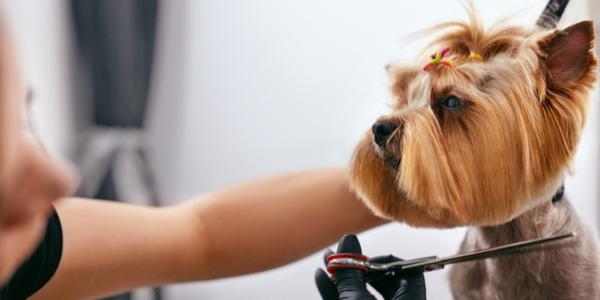
    Various aspects of grooming are typically done at different times.  For instance, brushing is recommended at least 1 to 3 times a week, baths every 1 to 2 months, and trimming of the areas around the paws, ears, face, and sensitive areas around every 4 to 6 weeks. 

    Visiting a professional groomer should be done at least once a month, and the session would typically consist of your pet being brushed, bathed, sanitized, as well as nails trimmed or clipped. 

    Wire-haired dogs may grow a softer and different colored coat if they are shaved down, so this should be avoided. Similarly, it is ideal to place long-haired dogs on a grooming schedule. 

    For breeds with wavy or curly hair, routine coat maintenance is important so that they don’t get up getting shaved bald. Routine grooming also helps breeds who blow their coat. 

    Benefits of Grooming 

    Brushing down your pet’s coat helps to allow air in, providing ventilation and facilitating healthy and strong hair growth as well as removing old or damaged hair. 

    Grooming also reduces the amount of grease in the coat. Excess grease can cause pore blockage leading to irritation and a range of other skin problems. 

    Similarly, regular grooming helps you rapidly identify underlying conditions or diseases early enough. This allows for quick treatment and staying the spread of such ailment. 

    Trimming nails also helps to promote good posture and prevents bone deformation. 

    Usually, grooming may be breed-specific while some others are general like a puppy cut. Discussing which is ideal for your dog with your veterinarian is essential. 

    Conclusion 

    Proper dog grooming makes for a clean, happy, and healthy dog. Definitely the dream of any pet parent!
  • Are Dental Treats and Toys a Good Idea?

    Are Dental Treats and Toys a Good Idea?

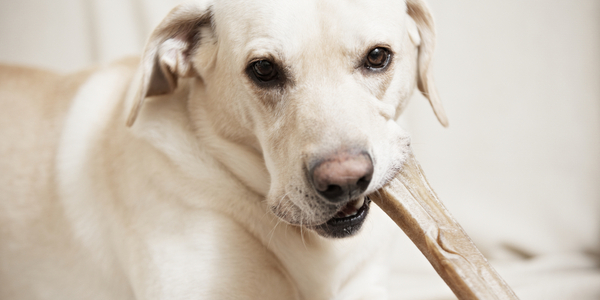
    Dental treats play a 2-in-1 role. In addition to the base purpose of keeping teeth clean and healthy, they keep your pup entertained as well. Dental toys also contribute to cleaning your dog’s teeth, and the upside is that they would willingly play with these toys. This makes dental treats and toys a good idea and opting to purchase some would be a great call by a pet parent.

    What Kinds of Dental Treats and Toys are Available?

    There are a range of dog dental treats and toys that may be great for your pet’s dental health. However, here are the most effective ones which can be gotten from Petland or petland.com: 

    Dog Chew Toys

    These toys are inedible and super effective. Some pretty good ones are Plaque Attackers®, Kong® toys, and Gumabones®. They are an especially good choice for dogs that chew and swallow treats rapidly. 

    Dental Chews, Bones, and Biscuits

    Some great choices include OraVet® Dental Hygiene Chews, Del Monte Tartar Check® Dog Biscuits, and Greenies®. These are all approved by the Veterinary Oral Health Council (VOHC). 

    Dog Dental Diets 

    Certain formulations of food are effective at reducing buildup of plaque and tartar. 

    This is accomplished in various ways such as larger kibble or texture that end up doing some scrubbing while your pup is chewing. 

    Some others feature special coating that effectively reduces plaque, prevents bacteria growth. Before opting for any, ensure to consult a veterinarian. 

    Why are Dental Treats and Toys Important?

    Dental treats and toys are an easy, yet effective way to improve canine dental health. They help prevent plaque and bacteria buildup which can cause dental diseases. 

    Generally, edible treats should be limited because they typically contain lots of calories. They should be further reduced for smaller dogs. 

    Conclusion 

    Constant cleaning in various ways is key to ensuring prime health for your canine buddy. If you’re at odds at any point, ensure to contact your veterinarian. 

  • What To Get Your Dog for Valentine’s Day

    What To Get Your Dog for Valentine’s Day

    The season of love is just round the corner, and while of course, every day is a season of love, Valentine’s Day is just way too perfect to not get in the extra lovey mood. So, what can you get your fur baby Valentine’s? Here are some pretty good ideas to explore: 

    Treats 

    Treats treats! This is the one language that pets understand and salivate for. Valentine’s Day is a pretty good time to give Wolf extra treats and watch him gobble them up. Some treats that dogs love include peanut butter, cookies, and for natural healthy treats, apples, and carrots. 

    Toys 

    Dogs can never have enough toys. While they may have a favorite, a wide range of toy types provide for variety which spices up their doggo lives. You can consider getting a tennis ball or a new chew toy.  

    Clothes 

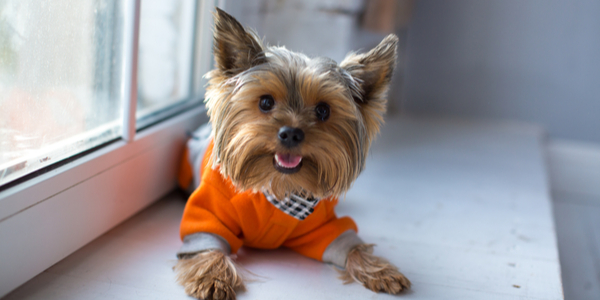
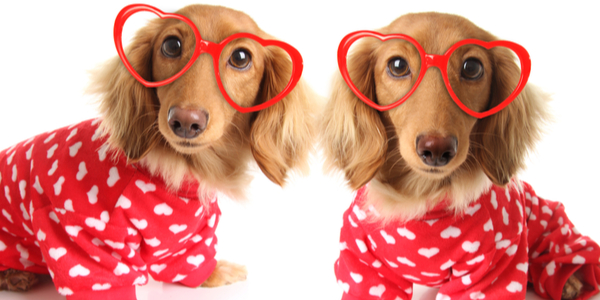
    Who says you can’t make a fashionista out of Wolf. Clothes, funky hats, a beanie, shoes, and you can go right to playing dress-up. It’s even more fun when you match with him. No

    Homemade Meals 

    A homemade meal is a perfect idea for Valentine’s too. Consider cooked white or sweet potatoes, cooked lean meat, such as chicken, beef, or turkey, cooked eggs such as scrambled eggs, as well as cooked or raw fresh vegetables including carrots, broccoli, and corn. 

    Outdoor Fun Activities 

    Walking a new trail with brand new smells, going down to the park for some playtime with other dogs, or even taking a mini road trip. These are all excellent ideas for outdoor fun activities. 

    Conclusion 

    Valentine’s Day is incomplete if your fur baby doesn’t get some extra serving of that love that you give. This article has covered some ways that you can do just that. 

  • Keeping Your Dog Warm With Clothes This Winter

    Keeping Your Dog Warm With Clothes This Winter

    Keeping your dog warm both indoors and outdoors is an essential one, particularly if they’ve got short fur.

    Beyond the stylish and smart appearance that a clothed dog has, the functionality – helping to maintain body heat is the major aspect here.  We would be covering the various clothing items that you would be needing both for indoors and outdoors: 

    Blankets 

    These are especially necessary when indoors. Just like you’ve got your blankies and duvet, your fur baby needs the same thick, insulating material to stay warm. Ensure that you get one that is slightly bigger so that they can have every inch of their bodies covered. 

    Scarves 

    These are more suitable for the outdoors and come in especially handy to protect the head from cold. They can also be pretty stylish and thick ones make for awesome warmth providers. 

    Jackets 

    You know how everybody looks great in a jacket. Well, this is no different for pups as they look absolutely gorgeous in them too. Away from fashion, jackets are super comfy and amazing insulating materials and they are easy to wear too. Mostly suitable for the outdoors. 

    Sweaters 

    A thick wool sweater does wonders for providing your pet with warmth. You could opt to go for a hoodie too, covering the head nicely while keeping the torso warm as well.  

    Rain Gear 

    Getting caught in the rain or having to take a walk on a somewhat rainy day can be quite a hassle if your dog constantly gets wet. For a beautiful experience even on such a dreary day, rain gear serves to keep your pet dry and happy. 

    Conclusion 

    Keeping your pet warm constantly is vital, particularly during winter. You can also keep an eye out for stylish gear and make your pet into a warm fashionista!

  • Dog Dental Month is a Reminder To Keep Those Teeth Clean

    Dog Dental Month is a Reminder To Keep Those Teeth Clean

    Keeping your dog’s teeth clean is a non-negotiable aspect of maintaining their general hygiene. 

    Apart from less serious consequences of poor dental health such as mouth odor, a more serious problem could arise in the form of plaque. 

    Eventually, plaque mixing with other minerals in the mouth hardens to become tartar which eventually causes gum disease, decay, and other oral health problems. Regular dental care helps to prevent all of this. In addition, here are some other benefits:

    Avoiding Periodontal Disease 

    Tartar on dog teeth may cause gum infection and inflammation. This may result in the gum beginning to recede, resulting in the teeth being exposed and vulnerable. Further progression of this may lead to gingivitis where dogs lose their teeth. 

    From Gingivitis, further progression sees development of even more debilitating periodontal diseases. Regular brushing is advised, a minimum of three times a week, and ideally, every day. 

    Preventing Tooth Loss 

    Certain structures in your dog’s mouth are responsible for keeping teeth in place. These structures may weaken, or get infected or damaged over time. This sort of damage could result in teeth loosening or falling out. 

    Adequate dental care helps to strengthen and maintain these teeth-supporting structures. This implies that your dog keeps his teeth to enjoy his meals as well as avoid the pain of potential teeth issues. 

    Stopping Organ Damage 

    Bacteria responsible for the formation of plaque can find their way into the bloodstream and spread to the heart, liver, and kidneys. When this happens, the process is referred to as bacteremia. 

    Bacteremia can lead to long-term organ damage and complications. To avoid this, an ideal visit to the vet once a year is necessary to get the mouth professionally cleaned. 

    Subsequently, any seemingly apparent mouth problems should be taken to the vet. 

    Conclusion 

    Maintaining great dental health in dogs cannot be overemphasized.  Start right away!

  • Pups are Smiling for Dog Dental Month!

    Pups are Smiling for Dog Dental Month!

    February is Canine Dental Month, one that sets out to emphasize just how essential dental health is for your pup. 

    Your pet is wont to use their mouth a whole lot; eating, playing with toys, licking their favorite human in the world, and a whole range of other activities. Seeing how busy this mouth gets, it is, therefore, no surprise that a great deal of attention has to be paid to dental health. This article covers the importance of canine dental health: 

    Curbing Bad Breath 

    Just like in humans, regular eating without proper mouth cleaning leads to a buildup of rotten leftover food which eventually begins to stink. Proper dental health eliminates these particles and has Daisy’s mouth smelling minty fresh. 

    Avoiding Oral Pain 

    Dental disease can cause your dog plenty of discomforts. Nipping this in the bud is a no-brainer and the key to this is providing adequate dental care to your pet. Ideally, an annual visit to the veterinarian to get their teeth professionally cleaned is recommended

    Inhibiting Dental Disease 

    Most dogs already have dental disease by the time they are 3 years old. This might be an occurrence that is quite difficult to prevent, however, proper dental care can prevent the disease from worsening. The following at-home care is recommended:

    • Regular teeth brushing with toothpaste 
    • Provision of chew toys to gnaw on 
    • Provision of dental chews 
    • Regular spritzing of dog dental spray 

    All of these products can be gotten from Petland stores or petland.com. 

    Preventing Organ Damage 

    Bacteria present in plaque upon entering the bloodstream can spread to the kidneys, liver, and heart. This condition which is referred to as bacteremia can result in organ damage and cause debilitating diseases. Adequate oral health helps rid Daisy of plaque buildup and therefore ensures general health. 

    Conclusion 

    One way to ensure the general healthiness of your dog is to maintain good oral hygiene. This singular action offers immense benefits both short-term and long-term.

  • Does Your Dog Have A New Year’s Resolution?

    Does Your Dog Have A New Year’s Resolution?

    As the year comes to an end, it is a tradition for most people to begin making plans for the approaching year. 

    A new year’s resolution could either be to change an undesirable habit, continue with a good one, or achieve a goal.

    As a dog owner, making plans and seeing to it that they are executed is as important for your pet as it is for you. 

    Asides having a new year’s resolution list for yourself, you could as well compile one for your dog. 

    New Year’s Resolution for Your Dog

    The following are a few things that you could include on your dog’s new year resolution list:

    Resolve to Exercises With Your Dog More Often

    If you and Bella did not exercise enough this year, it is time to effect a change. Engaging your pet in exercises is not enough; you should also exercise alongside them. 

    This implies that you should make your dog a part of your human exercises, such as walking, hiking, playing tennis, swimming. 

    This not only helps you achieve your physical goals, it also promotes owner-pet bonding. 

    Resolve to Feed Your Dog More Healthy Food

    Feeding is an aspect of pet care that should not be overlooked or taken with levity. 

    In the new year, make sure to feed Bella at least twice a day and also consult a veterinarian to ensure your pup’s feeding meets their nutritional needs. 

    Resolve for Your Dog to Learn New Tricks 

    Teaching your dog to kiss, bark on command, fetch, throw, shake hands, roll over, play dead, sit pretty and many more tricks can be so much fun. 

    It also gives your dog an advantage over other dogs. This new year, you could resolve to teach Bella more new tricks or perfect the ones she currently knows. 

    Other things you could include on your dog’s new year resolution are spending more time together, more trips to the vet’s and more frequent baths.

  • Including Your Dog in Your New Year’s Resolution

    Including Your Dog in Your New Year’s Resolution

    It is that time of the year when people start making notes about their year: highlights of the year, mistakes they made, things they would do better the following year, etc. 

    Having a new year’s resolution is a good idea because it keeps you on your toes, gives you the needed energy to achieve your goals quicker and gives you accomplishments to be proud about. 

    Now, let us talk about your new year’s resolution as a dog owner. One mistake that many pet owner’s make is forgetting to include their pets in their plans for the new year. 

    You might not see it, but planning for your pet is as important as planning for yourself. You both are going to be together for the rest of their lives, so you might as well make the years count. 

    New Year’s Resolution for Your Dog

    Here are a number of things that you could add on your resolution list to accommodate your canine partner:

    Commit to Spending More Time

    In between your busy schedule of going to work, taking care of the rest of the family, working on projects, and the rest of your daily activities, spending time with your dog might seem impossible. 

    However, in the new year, you could make sure you dedicate time daily to spend with your fur baby. This promotes better owner-pet bonding and gives you a way happier pup throughout the year.

    Commit to More Exercises with Buddy 

    Another great way of spending time with your pet this year is engaging in daily or weekly exercises. Walking, hiking, yoga, and jogging all have physical and mental health related benefits for you and your dog, and it also gives you both a chance to bond more frequently. 

    Commit to More Trips to the Vet

    Your fur baby’s physical health should not be taken with levity. Routine checks with a veterinarian are important to ensure there are no underlying health conditions. It also gives you a chance to catch up on any vaccinations, resupply on heartworm and/or flea and tick prevention, as well as an overall wellness check up.

    Some other ideas for things to start doing with your pup in the new year could be more baths and scheduled grooming, teaching new tricks and definitely more trips to the dog park!

  • Introducing A Second Dog to Your Home

    Introducing A Second Dog to Your Home

    Owning one dog is great, so having two should up the fun, yes? 

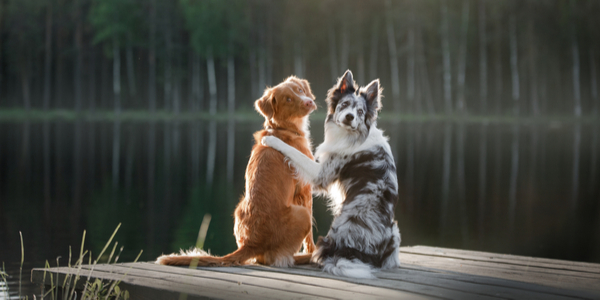
    Well, this might not always be the case. If you have been considering bringing a second dog into your home, there is a high chance that Ajax will not be very welcoming of Bo. This is why several considerations have to be made for you to ensure that both dogs get along quickly and easily.   

    Here are a few tips that could guide you:

    Choose Your New Dog Carefully 

    You should consider choosing a breed that is similar to that of your current dog, as this increases the likelihood of them coexisting peacefully. You should also consider similarities in temperaments before choosing a dog. If you have a more dominating alpha dog, you should probably not choose another equally dominating dog as this could lead to some unwanted clashes.      

    Different Genders

    Two dogs of the same sex will probably get along fine in most cases, however you can always be on the safe side and get two different genders. This increases the probability of them getting along and prevents any kind of unhealthy rivalry they may have. It would be ideal if your dog can meet the new one before you bring them home to make sure they would be a good fit for each other.

    Introduce Both Dogs on Neutral Grounds 

    When you want to introduce your dogs to each other, do it at a park or outside the home in more of a communal area. You don’t want your dog to get upset when a stranger starts sniffing and playing with their toys.

    Supervision

    For the first few weeks after bringing Bo home, they should not be left in the company of each other unsupervised. This is to prevent an injury in the case of a disagreement between them.   

    Reduce Rivalry

    You can do this by providing separate food dishes, water bowls, toys and crates. Providing separate spaces for the dogs during mealtimes could also help. Finally, ensure that you still take out quality time to spend with Ajax so he doesn’t feel left out.      

  • Exercising With Your Pup in 2022

    Exercising With Your Pup in 2022

    Dogs love to be a part of your daily routines! From taking long walks to home workouts to hiking in the woods or even simpler things such as going to get the mail or even making dinner. 

    Since they always love to be included in these activities, why not include them in the healthy ones that would benefit them as well?

    Keeping your dog active by involving them in physical and mental exercises for one helps to prevent boredom. A bored pup with no means of burning off energy could easily become destructive or even depressed. 

    A daily or weekly exercise schedule could also boost your dog’s brain power and reduce health related risks, such as obesity, arthritis, health diseases, etc. 

    Exercises to do With Your Dog

    Here are a number of activities that you and your pet could carry out together this year:

    Walking

    Brisk and long walks around the neighborhood gives Daisy stronger bones, more energy, and loads of excitement. She might even meet a new friend or two.

    Dancing

    Engaging in choreographies with Daisy makes for better bonding between you two. It also gives your pet stronger muscles and more stamina.

    Swimming

    This not only works wonders on your dog’s muscles, it also increases endurance and gives Daisy a stronger heart and lungs. Swimming might be strange to her, so take it slow at first. 

    Hiking

    This is fun for your dog because it is a world of new smells and there’s the upside of mental stimulation too. 

    Agility Training

    Running your dog through an obstacle course exercises their muscles and improves coordination.

    Doga

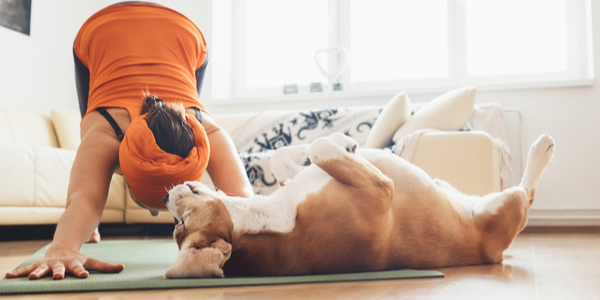
    This is like yoga, but for dogs. It could be fun for your Daisy and tighten the bond between both of you and get in some good stretches. 

    Tennis

    Playing tennis with your dog is a great workout, and a way of getting practice for you. It also boosts coordination and balance for you and Daisy. 

    Conclusion 

    Now that you have seen how to incorporate your pet into your various daily routines, ensure that you practice safety precautions such as bringing along water to avoid dehydration, proper harnessing and leashing, etc.