Blog

  • Type of Service Dogs

    Type of Service Dogs

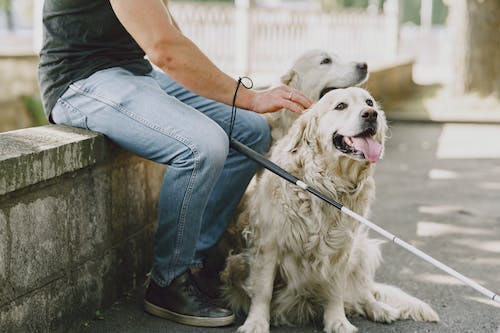
    Service dogs are well-trained professional dogs that help to those who need them. Each service dog has a specific set of skills that require training and testing to master. Service dogs perform impressive tasks such as leading the blind, assisting with day-to-day tasks, and providing comfort and companionship. Actual service dogs are backed and protected by the Americans with Disabilities Act.

    Some of the most common services provided by service dogs include:

    • Guide Dogs
    • Autism Service Dogs
    • PTSD Service Dogs
    • Hearing Dogs
    • Medical Alert Dogs
    • Diabetic Alert Dogs
    • Seizure Response Dogs
    • Allergy Detection Dogs
    • Mobility Assistance Dogs
    • Medical Alert Dogs

    There are other types of service dogs, and if you have a condition that is not listed above, you may still be able to apply for a service dog.
    Common Breeds of Service Dogs

    Although service dogs come in all shapes, sizes, and breeds, the following list of dog breeds tends to be the most common. These breeds generally have very caring and outgoing demeanors with outstanding personalities. They also tend to train with ease and enjoy companionship. Most service dogs show little to no signs of aggression and have very warm and approachable demeanors.

    Labrador Retriever – A very smart and personable breed of dog that has a loving and outgoing personality.


    German Shepherd – A loyal and alert dog who enjoys the company of his family. This breed loves outdoor activity time.


    Golden Retriever – A loving and gentle breed of dog who is exceptional in all family shapes and sizes. This breed also does well with other pets in the home.


    Poodle – This breed is considered the most intelligent breed of dog in existence. They train with ease and enjoy and thrive off of human interaction.


    Bernese Mountain Dog – An alert and active dog that is known to quickly bond with his family. They train with ease and are eager to please.


    Great Dane – A large and loving dog that is known for its loyalty and caring personality. They tend to make great service dogs, especially for those who suffer from PTSD and anxiety.


    Saint Bernard – By nature, this breed is a service dog. They have a long history of helping mankind and generally have very protective and loyal personalities.


    Pomeranian – Small and lovable. This breed of dog does well in smaller homes. This breed is patient and caring and very loyal to its family. They specialize in a variety of service dog tasks.


    Boxer – This breed is alert and loyal and enjoys assisting his human counterpart. They are smart and agile dogs with great personalities.


    Border Collie – A very loving and caring dog that tends to stick by your side. This breed is also smart, which makes training easy. They are eager to please and tend to be happy when you are. They also tend to do well in households that have children.

    Is it Mandatory to Register Service Dogs?

    No. Registering a service dog is not required in the United States under law, but it is suggested. Doing so it will help to eliminate any confusion or restrictions you may run into in the future. Unfortunately, there has been a rise in fake service dogs, which is why it is essential to make sure you and your dog are adequately protected. Properly being registered will make things easier. Many private businesses have rules against non-service animals entering their establishment, which is a primary reason to have your service dog registered.

    Where Can You Register a Service Dog?

    There are a few organizations that offer service dog registration. These organizations will require that you describe your disability and or need, what tasks your dog is capable of offering, and the specific training your dog completed. These options include websites such as Service Dog Certification, United States Dog Registry, and USA Service Dog Registration.

    Service dogs have made a positive impact over the years and have validated the expression “man’s best friend.” Through proper training and care, the services that these amazing dogs are able to provide continue to get better and better. Doing the appropriate research before getting a service dog will help you find the best breed for your specific needs.

  • What are Roundworms in Dogs?

    What are Roundworms in Dogs?

    Roundworms are a parasite that can commonly affect house pets such as dogs and cats. There are two primary species of roundworms.

    The first is Toxocara Canis. This type of parasite can move around the body once they become mature.

    The second is Toxascaris Leonin. This type of parasite remains in the intestinal tract.

    Nevertheless, both of these types of roundworms do absorb the nutrients from your dog and need to be taken care of as soon as possible. Roundworms tend to look like long strands of thin spaghetti. These parasites commonly attach to the lining of your dog intestines.

    What are the Symptoms of Roundworms in Dogs?

    There are a variety of different signs and symptoms that you may see in a dog with roundworm infestation. The most common symptoms include:

    • Nutritional Deficiencies
    • Diarrhea
    • Cough
    • Dehydration
    • Lethargy / Low energy
    • Swelling in Abdomen (more common in puppies)
    • Pneumonia

    Should you notice any of these signs in your dog, contacting your veterinarian as soon as possible is highly recommended. Medical staff can examine your dog’s stool to see if there are roundworms in it.

    What are the Causes of Roundworm in Dogs?

    Dogs can contract roundworms several different ways. The most common ways include:

    • Eating or chewing soil that has roundworms in it.
    • Laying or walking on contaminated soil.
    • Hunting or retrieving animals that have roundworms.
    • Puppies generally contract roundworm through their mother’s breast milk.

    How to Diagnose Roundworms

    There are a few different ways that you can diagnose your dog with roundworms.

    These are:

    • Observing the roundworms in your dog’s stool.
    • Fecal test administered by your veterinarian.

    Basic Treatment for Roundworms in Dogs

    If your dog does contract roundworm, your veterinarian can prescribe your dog a dewormer which will help to rid these worms from your dog’s body. By keeping your dog’s area clean and preventing them from eating things that they should not eat, you can keep them from getting roundworms.

    Roundworms and Humans

    Roundworms do pose a significant risk to humans. Contact with contaminated soil or dog feces can result in human infection. Roundworm eggs may accumulate in significant numbers in the soil where pets deposit feces. Once infected, roundworms can cause eye, lung, heart and neurologic signs in people. This is just one of many reasons why cleaning up after your dog is important.

  • Dog Harnesses

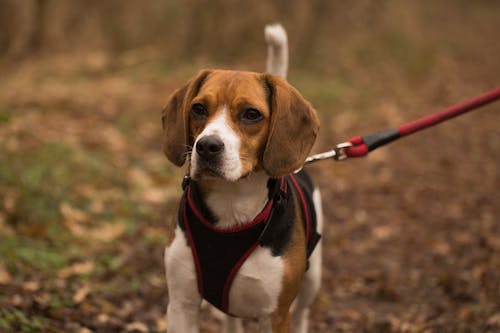
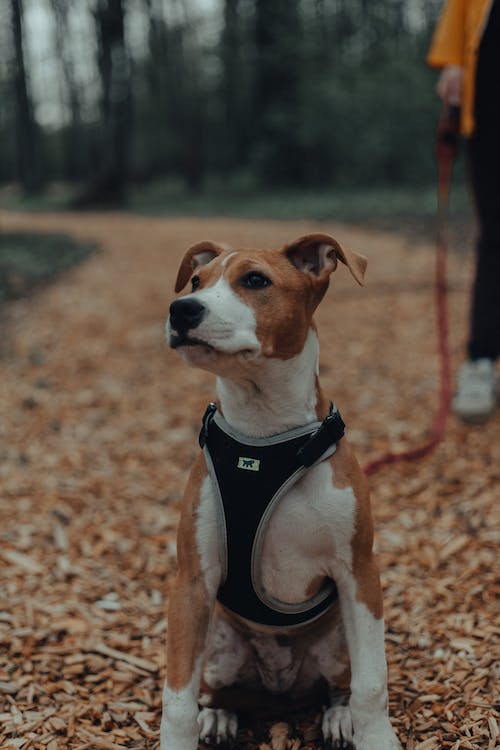
    Dog Harnesses

    Are you considering making the transition from a basic dog collar to a dog harness? Many people have made the switch because a harness offers more control of over a dog which is especially important on outdoor walks. Harnesses also prevent neck discomfort that standard dog collars cause. Despite dog harnesses being the best choice for our fur-legged friends, they must fit your dog properly in order to be most beneficial. In this blog, we will explain the importance of proper harness sizing for pups and help you determine your dog’s accurate harness measurements.

    First, let’s review some of the primary benefits of a dog harness.

    Less pulling on walks: A dog harness is positioned along the dog’s back and chest, which makes it more difficult for a dog to take his owner for a walk instead of his owner taking him for a walk. Unlike a typical dog collar that allows a dog to securely plant his feet on the ground, gain traction, and pull forward, a harness gives the dog’s handler more control of their entire body. This will prevent a dog from taking over on the walk and allow his handler better control.

    Less pressure on the dog’s throat and neck: The design of a dog harness allows for the pressure points to be on his chest. This prevents your dog’s neck and throat area from being constricted, which is more comfortable and much safer than a standard dog collar. A dog harness is recommended even more so for dogs who suffer from disc conditions and arthritis.

    Much better control of your dog: Some dogs can slip out of standard dog collars, which only offer one point of security around their necks. It is improbable for your pup to accidentally slip out of a properly fitted dog harness, even if your dog is a master of escape.

    Basics Fitting a Dog Harness

    As great as a dog harness is, it is only effective when it properly fits your dog. The harness must be secure against a dog’s body and should not allow for any slipping or rubbing against the skin. Harnesses that are too tight may cause discomfort for your pup. Harnesses that are too loose on your pup increase the risk of them slipping out of it and running off. This is why assuring the harness is placed properly over your dog is key.

    The Two Finger Rule

    When determining if your dog’s new harness is right for them, you should always follow the two-finger rule. This means that you should be able to place two fingers snuggly under the harness when it is secured. More than two fingers mean the harness is too loose. Less than two fingers mean the harness is too tight. This amount of slack allows for comfortable movement for your dog while also preventing him to be able to escape it.

    Properly Measuring Your Dog for a Harness

    Pet supply stores generally have a sizing chart for each product sold. This chart will provide measurements and specifications of each dog harness for sale. Comparing this size chart to your dog’s size is very important.

    Measure Your Dog’s Neck Girth

    You can use a flexible plastic measuring tape to measure your dog’s neck. Measure the area around where a collar would typically be placed. Remember to use the two-finger rule in this measurement, as some slack is necessary. Make a note of this measurement by writing it down.

    Step 3: Measure Your Dog’s Chest Girth

    Next, you will measure your dog’s chest girth by using the same measuring tape and measuring the widest portion of your dog’s rib cage. Be sure you measure around completely, with the end of the tape coming together on the top of the dog’s back. Make a note of this measurement by writing it down.

    Step 4: Measure Your Dog’s Body Length

    The last area measurement needed is your dog’s body length. Using the same measuring tape, measure your dog from his neck to the base of his tail. Certain dog harnesses require this measurement which is good to have just in case. Make a note of this measurement by writing it down.

    After taking these measurements and writing them down, you will be able to compare them with the sizing chart for your harness of choice. It is also recommended to talk to staff at the pet supply store who can address any questions or concerns you may have before buying the harness.

    Getting Adjusted to Using a Dog Harness

    Getting adjusted to using a dog harness (for you and your pup) is generally an easy transition. Many dog owners find that once they start using a harness for their dogs, daily walks become easier and more enjoyable. Taking the time to find the proper dog harness will yield years of safer, more comfortable, and more enjoyable walks.

  • Black Widows and Dogs

    Black Widows and Dogs

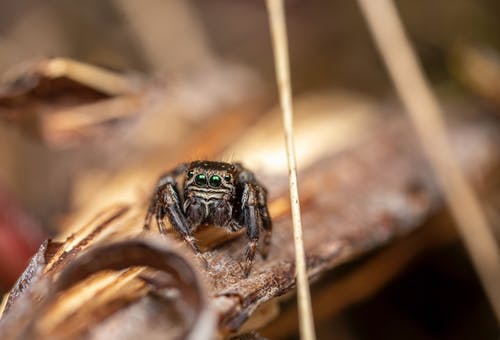
    We often associate our fur-legged friends being bit by ticks and fleas. These pesky creatures are known for their persistency and potential health risks. Ticks and fleas are parasitic insects that require hosts to complete their life cycle. In contrast, spiders, such as the Black Widow, are not parasitic, meaning that they do not require a dog or cat to live off of. Although many spiders would prefer to hide from other animals, there may be situations when this does not happen and a spider bite occurs. Generally, almost all spiders inject venom into their bites. For the majority of spiders, the amount of venom that is injected is very small and not lethal to your dog. For Black Widow spiders, however, even the tiniest amount of their venom can cause life threatening health problems.

    What happens when a dog gets bitten by a black widow spider and what are the common symptoms?

    Black Widow spider venom contains a neurotoxin that can cause clinical signs related to the nervous system. It excites the dog’s neurons and can lead to tremors and or painful muscle twitching. Their bites can also cause severe muscle cramping and very stiff abdominal muscles. Excitation of the nervous system can lead to an elevated respiratory rate as well as an elevated heart rate. In severe cases, seizures, paralysis, and respiratory arrest can occur. Vomiting and diarrhea are among the most common initial symptoms. Excessive drooling and nausea are also common. Pain and swelling around the bite area is also a routine symptom. This can be very painful for your dog and needs to be treated right away.

    Areas to avoid

    Black Widows tend to hide in dark and secluded areas. A woodpile, under an old piece of furniture in the garage, and cluttered areas where they have a sense of protection are some of the most common places. Although these spiders are not generally aggressive, they certainly are dangerous. They tend to go on the attack when they feel that they are at risk. By keeping your dog away from areas such as this will limit his chances of being bit by a Black Widow spider.

    What time of year are Black Widow spiders most active and what states are they found in?

    Black Widow spiders emerge in early spring when mating occurs through early summer. Young spiderlings continue to grow into adults during the spring and summer and mature by late summer. Adult widows are most prevalent during late summer and fall. In the US, they are found in all the four southwestern deserts (Great Basin, Sonoran, Chihuahuan, and Mojave). They can also be found in Florida and Texas.

    What to do if your dog has been bitten by a black widow spider?

    Although many spider bites are not witnessed, watching for spider bite symptoms will help protect your dog from possible serious health issues. If your dog has acute swelling noted in a particular part of his body, a fever, and is lethargic, there is a good possibility he was bitten. Contacting your veterinarian immediately to report this is very important as time is a factor. An antivenin is available for Black Widow spider bites which can help to reverse the effects of the bite. Intravenous fluids may also be provided for extra support, and muscle relaxer medications can be administered to help with your dog’s muscle twitching and tension. They key is to identify the symptoms and notify your veterinarian as soon as possible.

  • Best Apartment Dog Breeds

    Best Apartment Dog Breeds

    Small living quarters does not mean having a dog is off limits. Generally speaking, larger dog breeds such as a German Shepherd or Husky do better with more spacious living areas, however, there are plenty of dogs that need less room to be comfortable. Seventeen percent of Americans live in an apartment or condominium style home and out of that percentage, approximately 70% of those individuals have a pet. They key is knowing which dog breed best adapts to a smaller living area.

    Where to Start

    The first item you want to consider if you want a dog and live in an apartment is the dog’s size. It is recommended in most cases that apartment dogs fall within the small to medium sized breeds. Larger dogs often need more room to roam and rest in. Dogs weighing in 55 pounds and less that stand under fifteen inches tall tend to do best in apartments.

    Overly Energetic Dogs

    Some dog breeds by nature are very energetic and enjoy running and jumping. Although there is nothing wrong with this, this type of physical activity is best done in homes that have ample room. Many apartments have smaller rooms which could be an issue if your pup decides to go into sprint mode. Finding a dog breed that has a calm baseline is important.

    Don’t Forget About the Neighbors

    Many apartments have noise and nuisance regulations. A barking dog can easily disturb the peace and cause issues. Finding a dog breed that is not alarmed easily nor prone to excessive barking is important. Some dog breeds tend to bark when bored which makes finding a low-key pup important for those living in apartments.

    Destructive Behavior

    Although most dogs are not destructive, some, when bored or lonely act out for attention. A chewed sock is one thing, but actual damage to parts of the home is another. Finding a dog breed that trains easily and is not known for chewing on house fixtures and or damaging property is important no matter where you live. Damaged interior or exterior property may cost you your security deposit.

    Outdoor Activity Time Is a Must

    All dogs require outdoor activity time. This is not only good for their physical health, but mental wellbeing. Certain dog breeds do require a significant more amount of outdoor time which may be difficult to have if living in an apartment complex. If your apartment complex has a dog run or designated area for pet activity time this will allow for a slightly more energetic dog to happily exist. Some apartments that have only the basics (sidewalk and small lawn area) should only house dogs that require minimal outdoor time.

    Manners Are Important  

    Low to non-aggressive dogs should be considered for families that live in apartments. You need to remember that many other neighbors within the apartment complex will have dogs and everyone’s safety is crucial. Finding a dog breed that is not only docile but easy to get along with is important because your pup will have interaction with other dogs in the complex. Bringing home a territorial dog breed will be more challenging since many territorial dogs will want to be the top dog.

    Top Five Apartment Dog Breeds

    1: Bichon Frise

    This hypoallergenic and gentle dog gets along with just about anyone or anything. They train quickly and tend to get along well with other dogs. They also have warm demeanors and easy-going personalities. Both males and females of this breed stand about 12 inches tall and weigh from seven to fifteen pounds.

    2: Pug

    Although a little energetic, the Pug is a gentle and relaxed dog breed. They do enjoy outdoor activity time but also find comfort in smaller and contained living quarters. This breed of dog stands ten to twelve inches tall and weighs between ten and twenty pounds. They are not aggressive and get along with other dogs well.

    3: Cavalier King Charles Spaniel

    A true lap dog. This breed enjoys a lot of one-on-one personal time with his family. They are not known to excessively bark and train with ease. They do not require an excessive amount of outdoor playtime and tend to be very social dogs who enjoy interaction with other dogs. This breed of dog generally stands between twelve and fourteen inches tall and weighs about twenty pounds.

    4: Bulldog

    The Bulldog is a strong and stocky dog but a very laidback dog. They are just as happy taking a nap inside of the home as they are walking through the park. They do not bark excessively, are not aggressive, and have very easy to get along with temperaments. They tend to adapt well to smaller living spaces and do just fine in apartments. This breed of dog stands between ten and fifteen inches tall and weighs about fifty pounds.

    5: Shih Tzu

    Shih Tzus have a very long and well-liked reputation. They are very friendly dogs who do well inside apartments. This breed is very friendly and outgoing and does not require excessive amounts of outdoor activity time. They also are not known to bark a lot and thanks to their gentle and warm demeanor are not known to be destructive. The Shih Tzu is classified in the toy group with a height of eight to twelve inches tall and weight of nine to twenty pounds.

  • Top Dog Training Collars

    Top Dog Training Collars

    Training your dog is essential for many reasons and is something that all dog owners need to focus on, beginning when their dog is a puppy. A properly trained dog will be easier to live with and will help keep him and your family safe. Positive reinforcement training techniques tend to yield the best long-term results, and one of the tools many dog owners rely on is training collars. Training collars can assist in getting your dog comfortable with the feeling of wearing a collar and help gently correct habits and/or improper behavior. The question many dog owners ask is, what type of collar will my dog do best with?

    What Types of Collars Are There?

    Standard Dog Collar: A standard dog collar, also known as a buckle collar, is one of the most common types of training collars used. These collars are used on dogs of all shapes and sizes and are easy to put on and adjust. Although they are not as corrective as other dog collars, they are easily deployed and will prevent your dog from feeling choked while they are using them to walk with you.  

    Choke Collar: A choke collar is a very common training collar used to catch your dog’s attention when they are initially learning how to walk on a leash. This type of collar is designed to tighten when your dog pulls on the lead, which will cause a degree of discomfort until they stop pulling. After a few walks with this collar, your pup will learn to walk with you, not away from you.

    Martingale Collar: A martingale collar is considered a choke collar; however, much more of a gentle one. These collars are basically a combination of a buckle collar and slip lead, as they have a second loop on the collar that will tighten as a dog pulls. The loop, however, will only allow the collar to tighten slightly, so it will not apply the same pressure on your dog as a routine choke collar or slip lead. The tightness applied to their neck is generally enough to gain their attention and compliance.

    Prong Collar: A prong collar is used to control dogs that have a greater physical force and or pull. Generally, this type of collar is used on dogs who continue to pull or run and ignore the effects of a standard or choke collar. A prong collar consists of metal links that face inward on the collar, coming in contact with your dog’s neck. When the dog pulls or runs, pressure is applied by these prongs, which will move close together, creating a pinch around the dog’s neck. The pinch is generally enough to catch your dog’s attention and slow down or stop his excessive pulling. It should be noted that these collars should only be used by those who have experience using them. They are recommended only after other basic collars have proven ineffective.

    Shock Collar: A shock collar is a training collar that delivers a light shock or vibration to the dog’s neck when the owner activates it. These collars come with a small wireless remote control that the owner holds, allowing them to send a signal to the collar when the dog is acting inappropriately. The goal behind this type of collar is to teach your dog that a certain behavior will result in an annoying and or uncomfortable sensation. If you are trying to teach your dog not to run after people, and when he does, he feels this uncomfortable sensation, he will correlate the behavior to it. In time the dog will typically stop the undesired behavior without even receiving the sensation.

    Dog Collar

    A Collar Is Just a Tool

    Dog owners need to remember that a training collar is just a tool they have in helping to train their dogs. Proper dog training takes time and effort. In many instances, we are trying to teach our dogs certain things that are against their own instincts. Dogs naturally like to chase things and run free. Although collars, when utilized correctly, will help to train a dog, consistent positive reinforcement is very important. Some dog breeds tend to train more quickly than others and will require less strenuous training. Being patient, caring, and remembering that this takes time will help make the training process easier for you and your dog.

  • Bacterial Infections in Dogs – What Is It, How Are They Caused, And How to Treat It?

    Bacterial Infections in Dogs – What Is It, How Are They Caused, And How to Treat It?

    If your dog has recently been diagnosed with a bacterial infection making sure he receives the proper care is crucial. There are many different types of bacterial infections, and depending on the specific variety will determine which treatment method is needed. The sooner you take this step, the sooner your fur-legged friend will begin to look and feel himself again.

    What Is a Bacterial Infection?

    A bacterial infection occurs when bacteria enter the body, increase in number, and cause a reaction in the body. The infection can take place anywhere in your dog’s body and quickly spread to other areas. The most common entry points take place through a scrape, cut or open wound, which allows a direct entryway into his body. Occasionally, the pathway can take place through their nose, eyes, and other areas that are made of mucus membranes. After bacteria enter your dog, it finds their way into the bloodstream, which results in a sick dog.

    Frequently Asked Question

    What are the most commonly documented reasons why a dog suffers from a bacterial infection? Have a weakened immune system: Dogs that suffer from other health issues that compromise their immune system tend to contract bacterial infections easier. With a weak immune system, fighting off things such as bacteria is more challenging.

    Unbalanced diet: Dogs that are fed diets that are not balanced and fail to provide the basic nutrients a dog needs run the risk of not being able to defend themselves from infection. Good quality food is crucial in a dog’s health.

    Poor hygiene: Dogs like to play and while doing so often find themselves with small abrasions and scratches. If these small wounds are not properly tended to and cleaned, bacteria can enter them, leading to infection. Some of the wounds are so small that you may only see them while brushing or washing your dog. Remember, even the smallest wound is large enough to contract a bacterial infection.

    Dog’s age: Like people, age takes a toll on our bodies and leaves us more vulnerable to health ailments. An older immune system tends to not be as resilient as a young and healthy one.

    Allergies: Dogs that suffer from allergies tend to scratch themselves excessively. The constant scratching can break intact skin, which will allow bacteria to enter their body. Making sure your dog is treated for allergies is a great way to prevent him from uncontrollably scratching and tearing his skin.  

    Varieties Of Bacterial Infections in Dogs

    Skin infections – Generally begin through a small open wound under your dog’s coat.

    Urinary Tract Infection – When bacteria enters your dog’s urinary tract, an infection may take place.

    Leptospirosis – Leptospirosis is a bacterial infection that your dog can contract when coming in contact with infected urine from another animal.

    Bacterial Eye Infections – Eye infections can also be caused by bacteria entering through the mucus membrane areas of your dog’s eyes.

    How To Treat A Bacterial Infection In Dogs

    How To Treat A Bacterial Infection In Dogs

    The first step in treating a bacterial infection in your dog is to identify it. Dogs that are suffering from a bacterial infection may not have an appetite or desire for water, may show signs of exhaustion, not want to go outside, and tend to lay around more than usual. If your dog has a bacterial infection consulting with your veterinarian as soon as possible is recommended. A veterinarian is able to further examine the dog, run tests if needed, and prescribe antibiotics which will help combat the infection. In certain instances, if your dog’s infection stems from an open wound on his skin, special shampoos or ointments can be used to help rid the bacteria causing the issue. Although this type of infection is common in dogs, it is still something that needs to be taken seriously. Delaying treatment could lead to more serious health issues for your dog.

  • Your Dog’s Amazing Nose

    Your Dog’s Amazing Nose

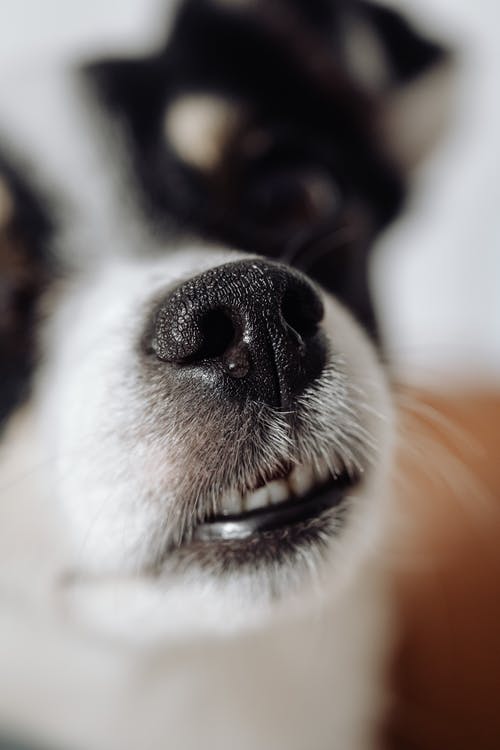
    No matter what breed of dog you have, there is one common quality they all share. Their incredible sense of smell! Their ability to pick up on even the faintest scents has allowed for their survival for hundreds if not thousands of years. It has also allowed them to be utilized to assist humankind in tracking and retrieving game, locating missing people, detecting diseases in people, and finding illegal substances, such as narcotics.

    How Sensitive Is Their Nose?

    Animal care specialists and dog owner, Jen Eleao, explained that a dog’s sense of smell is somewhere between 25,000 to 100,000 times more acute than ours. This is due to our fur-legged friends having up to 100 million sensory receptor sites in their nasal cavity compared to six million receptors in people. The area of the canine brain devoted to analyzing scents is about forty times larger than the equal part of the human brain. “Our dogs are full-blown scent detection machines,” Eleao explains, “which is why they are capable of tracking even the faintest scent for miles.”

    How Their Scent Detection Works.

    Unlike humans who inhale and exhale at different times, a sniffing dog’s nose is designed to allow air to travel in and out at the same time, creating a continuous circulation of air. By keeping a continuous flow of air entering their nose, they are capable of maintaining a steady track of what they are looking for. A dog’s nasal cavity is divided into two separate chambers and opens into two nostrils that move independently, and that can take in smells separately. As a dog sniffs a scent, particles and compounds are trapped in the nasal cavity while the dog’s scent receptors process them. Part of the inhaled air goes to olfactory analysis, and some of it goes to the lungs to breathe. As a dog exhales, fresh air enters the nose through the slits in their nose, which maintains a steady stream of air and odors flowing.

    Best Scent Tracking Breeds

    Although all dog breeds are scent specialists, some are better than others. As an example, Eleao explained, although any dog can track the scent of common foods, such as poultry, hound breed dogs have the overall best sense of smell and are able to track just about anything that gives off a scent. Hound dogs rely on their ears almost as much as they rely on their noses. As they smell the scent on the ground, their ears are used to move the air in front of their nose and essentially lift the scent. Smaller dogs such as the French Bulldog and Pug that have short faces may have compromised airways that could affect their overall sense of smell.

    Frequently Asked Questions

    Question: How Far Can A Dog Smell Something That Is Traveling Through The Air?

    Answer: Generally, most dogs are able to detect scents in the air that originated several miles away. One study showed that some dogs could smell something (with the right airflow) more than ten miles away. A dog smelling something several miles away is comparable to a person smelling a juicy hamburger or chicken cutlet being grilled one block away.

    Question: What Does It Mean When People Say Dog Smells In 3D?

    Answer: The same way a human uses two eyes to obtain two different views on what they are looking at, which allows our brain to form a 3D image, dogs use both nostrils to create a 3D view of a scent. This allows a dog to determine precisely where objects are located that are giving off a scent.

    Question: Are Dogs Used In The Medical Field To Detect Diseases?

    Answer: Numerous studies have shown that trained dogs are able to detect a variety of diseases, including lung, breast, ovarian, bladder, and prostate cancers within the human body. There are current studies taking place to determine if dogs are also capable of detecting Covid-19.

    Why Are Dogs’ Noses Wet?

    A dog’s nose contains special glands that secrete a layer of mucus in the inner lining of it. The wet lining creates particles in the air to stick to it, which allows the dog to not lose track of the scent.

  • Foods That You Should Avoid Giving to Your Dog at All Times

    We love spoiling our pups and throwing them a small treat here and there but some foods should never be shared with your pup. The reason being is that dogs and humans metabolize foods differently which is why some foods are safe for humans to eat but may be toxic and potentially deadly for dogs. Figuring out which foods are safe versus unsafe can be confusing. Below is a list of five very common foods that are safe for your dog and five very common foods that are not safe for your dog.

    Food

    Foods Dogs Can Safely Eat

    Carrots: Both raw and cooked carrots are safe for your dog to eat. They are low in calories and provide a good source of vitamins, minerals, and fiber. Prior to serving carrots to your dog, make sure to cut them into bite-size pieces which will make them easier for him to munch on.

    Peanut Butter: In moderate amounts, peanut butter is a healthy, tasty, and safe treat for dogs. It is high in calories which can contribute to weight gain but in small portions will make your puppy happy. Unsalted peanut butter is recommended.

    Cooked Eggs: One medium cooked egg provides several vitamins and minerals and plus a lot of protein. Some say that eggs may also help relieve nausea in dogs. It should be noted that raw eggs are not recommended for a dog since raw eggs can contribute to bacteria, such as Salmonella.

    Cooked and Boneless: Salmon is a great source of omega-3 fatty acids, which are known to reduce inflammation and may even help keep your dog’s skin and fur healthy. It should be noted that you should avoid salmon with bones as they can pose a choking hazard. Popcorn: As an occasional treat, popcorn is safe pending for dogs it does not have salt or extra ingredients. Be sure to note popcorn kernels are a choking hazard and may get stuck in your dog’s teeth, so you should only provide your dog with fully-popped corn kernels.

    Foods You Should Avoid Giving to Your Dog

    Grapes And Raisins: Grapes and raisins contain toxic compounds that are extremely harmful to dogs. They have the potential to lead to rapid kidney failure which can result in death. Even small amounts of grapes and raisins can do this which is why it is very important to never allow your pup to eat these foods.

    Chocolate: Chocolate contains theobromine and caffeine, two stimulants that dogs cannot efficiently metabolize that will make them very sick. Symptoms of chocolate consumption include vomiting, diarrhea and dehydration and may lead to more serious complications, such as internal bleeding, muscle tremors, seizures and death.

    Macadamia Nuts: Macadamia nuts contain a toxin that may lead to vomiting, muscle weakness, tremors, hyperthermia and depression when dogs consume them. These nuts are also high in fat content, which may elevate your dog’s triglyceride levels and potentially lead to pancreatitis.

    Onion: Onions contain N-propyl disulfide, a compound that is harmful to dogs. Onions have the potential to damage your dog’s red blood cells, reducing their ability to carry oxygen through the body. This often results in a medical condition called anemia.

    It should also be noted that all components and forms of onions, such as onion powder, are toxic to dogs.

    Avocados: Avocados should never be consumed by dogs because they contain a toxin called persin. Persin is known to be very poisonous to dogs and may lead to fluid accumulation in their lungs and chest, which can cause breathing difficulties, oxygen deprivation and even death.

    What Do I Do If My Dog Eats Something Toxic? The first rule is to stay calm and identify exactly what your dog ate and if possible, to determine how much was consumed. Immediately contact your veterinarian for emergency advice. The ASPCA Animal Poison Control Center is also a very good resource if you think your dog has eaten something bad for them. Call (888) 426-4435 for help. This organization has experts available 24 hours a day, 365 days a year.

  • How To Stop Your Fur-Legged Friend from Barking at Strangers

    How To Stop Your Fur-Legged Friend from Barking at Strangers

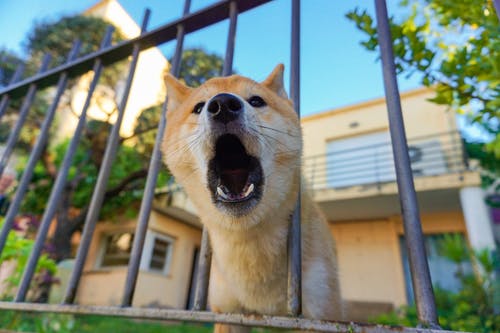
    We love our dogs a lot as they provide us with a lot of joy, but excessive barking can be very difficult to handle, especially on a daily basis. Many dogs will naturally begin to bark when they see someone they do not recognize. Although this is a good thing in some instances, in most, it is unnecessary and annoying. The repeated sound of a barking dog will also eventually annoy neighbors and could land you in hot water with your local authorities. So how do you teach your dog not to bark at strangers?

    Why do dogs bark at people they do not know?

    First, let’s look at why dogs bark at people in general. The most common reasons are:

    General excitement bark: Simply said, dogs are excited to see and interact with new people! Most dogs are very social creatures, and when approached by someone new, they are eager to meet and interact with them. To determine if the barking is excited-based, look at their tail. A highly energetic and wagging tail typically means a happy and excited dog.

    Territorial bark: Many dogs are territorial of their home, property, and family. Some dogs view a stranger as someone who is not authorized to be at their home and or as a potential threat to the family living there. The territorial bark is used to warn the stranger to stay away. It is also used to alert the dog’s family that a possible intruder is approaching for safety.

    Lack of socialization bark: Dogs that have not been raised in social environments tend not to know what to do when a new face is observed. Barking is a natural reaction in dogs, and this behavior may take place by default. Allow your dog to socialize with other people and pets, which will help him to better accept new people. Fear bark: Your dog may have just been alarmed! Even dogs that are properly socialized and who are not overly territorial can be alarmed and begin to bark. Dogs are designed, for the most part, to be alert and to guard. This can happen to even the most laidback pup, who will bark when scared.

    How To Stop The Unwanted Behavior

    Do not overreact to their barking. Dogs that bark for attention know their barking is effective when they get a reaction from their human family. Like a child who acts a certain way when he or she needs attention, dogs do too. Limiting your reaction will allow your pup to see that his barking will not result in any attention.

    Walk Away

    When you walk away from a dog, he recognizes there is no reward. When he barks at someone and you walk away, he may begin to associate the excessive barking with something he should not do. Paying too much attention to the negative behavior may end up making it worse.

    Distracting Them

    On the flip side, some dogs need a distraction in order to take away their focus on what is causing them to bark. If your dog begins to bark, simply distract them with noise. This can be accomplished by shaking your keys, slapping your hands, whistling, or using one of his favorite squeaky toys. If this is effective, he should be rewarded, which will associate positive behavior with a reward.

    Need To Remember You should not forget that your dog is a dog. Dogs do bark and do get excited for various reasons. It is in their DNA! Being patient with your dog is needed in all instances. Although excessive barking can be a nuisance, keeping cool and not overreacting is a great first step in managing it. Your dog can tell when you are stressed, so a calm and patient demeanor with him is what will yield the best results.