Tag: trees and shrubs

  • When Is the Best Time to Plant Trees and Shrubs?

    When Is the Best Time to Plant Trees and Shrubs?

    The best planting window depends on the plant and the conditions in your yard. In the Lehigh Valley, early spring and early fall are often good options because temperatures are more moderate than in midsummer. The right choice also depends on whether you can keep the new plant watered as its roots establish.

    Why does planting time matter so much?

    Trees and shrubs have some serious work to do after planting. They need to establish roots, adjust to their new location, and access enough moisture to support growth.

    Timing helps reduce that initial stress. Hot, dry conditions can make establishment harder. Moderate temperatures and workable soil create a friendlier start.

    Here in the Lehigh Valley, check the plant type, soil, and forecast before choosing a planting day.

    Should you plant trees and shrubs in the fall?

    Fall can be an excellent planting window for many deciduous trees and shrubs. Cooler conditions can reduce heat stress while roots establish.

    Evergreens need closer attention to timing because they can lose moisture through their leaves or needles during winter. Penn State Extension recommends planting new evergreens in late summer, before October, to give their roots time to establish before the ground freezes. Penn State Extension’s evergreen guidance

    Whatever you plant, allow time for establishment and keep checking soil moisture after planting.

    Is spring still a good time to plant?

    Absolutely. Early spring is another strong option when the soil is workable and conditions are moderate.

    Spring planting gives trees and shrubs a full growing season to establish. It also works well for plants that benefit from getting settled before summer.

    The important part? Don’t treat the calendar like a commandment. Soil temperature, moisture, plant type, and weather all matter. Plan to water a newly planted tree through its first growing season, adjusting for rainfall and soil conditions. Penn State Extension’s watering guidance

    What should you check before planting?

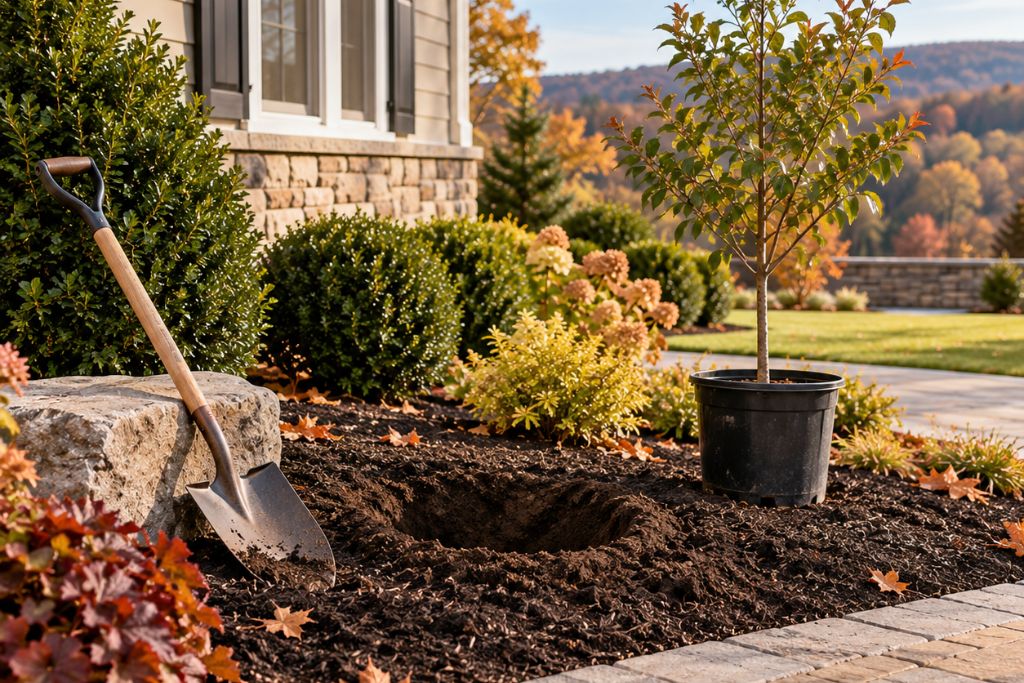
    Before the shovel hits the ground, consider:

    • Plant type: Deciduous trees and evergreens can have different timing needs.
    • Location: Account for mature height and width.
    • Soil: Make sure it is workable and not excessively wet.
    • Utilities: Call 811 before digging.
    • Water: Newly planted trees need consistent, deep watering.

    And please resist the temptation to bury the root ball too deeply. Proper planting depth matters for long-term health.

    As a simple guide, consider early fall for a deciduous tree when you can plant well before the ground freezes and continue watering it. Lean toward early spring when fall timing is too late for the plant or site conditions are unsuitable.

    How can Creative Landscapes help you get the timing right?

    At Creative Landscapes, we look at the entire property before recommending landscape improvements. Our work spans design, installation, planting, and ongoing maintenance throughout the Lehigh Valley.

    Based in Bath, we consider the site, the season, the plant, and your long-term landscape goals before recommending when to plant.

    So yes, get excited about that tree.

    Just give it the right moment to begin.
  • Lehigh Valley Planting Calendar: The Best Time to Plant Trees, Shrubs, and Perennials

    Lehigh Valley Planting Calendar: The Best Time to Plant Trees, Shrubs, and Perennials

    A new tree can completely change the look of a property. The same goes for a well-placed shrub border or a bed of colorful perennials. Fresh plantings add character, increase curb appeal, and make outdoor spaces feel more established.

    Then comes the frustrating part.

    You pick healthy plants, prepare the area, and follow the watering instructions. A few months later, growth stalls. Leaves begin to struggle. What looked promising in the garden center suddenly looks far less promising in the landscape.

    In many cases, the issue isn’t the plant itself. It’s the timing.

    Planting schedules play a major role in root development, especially here in the Lehigh Valley, where spring weather can be unpredictable and summers can turn hot and dry. Giving roots time to establish before seasonal stress arrives often makes the difference between plants that simply survive and plants that thrive for years.

    At Creative Landscapes, we help homeowners throughout Bath, Bethlehem, Allentown, Easton, Nazareth, Emmaus, and Center Valley make planting decisions that support long-term landscape success. Here’s a seasonal guide to help determine the best times to install trees, shrubs, and perennials throughout the Lehigh Valley.

    March Through May: Prime Time for Perennials and Flowering Shrubs

    As the soil begins to warm in early spring, many plants benefit from getting established before summer arrives.

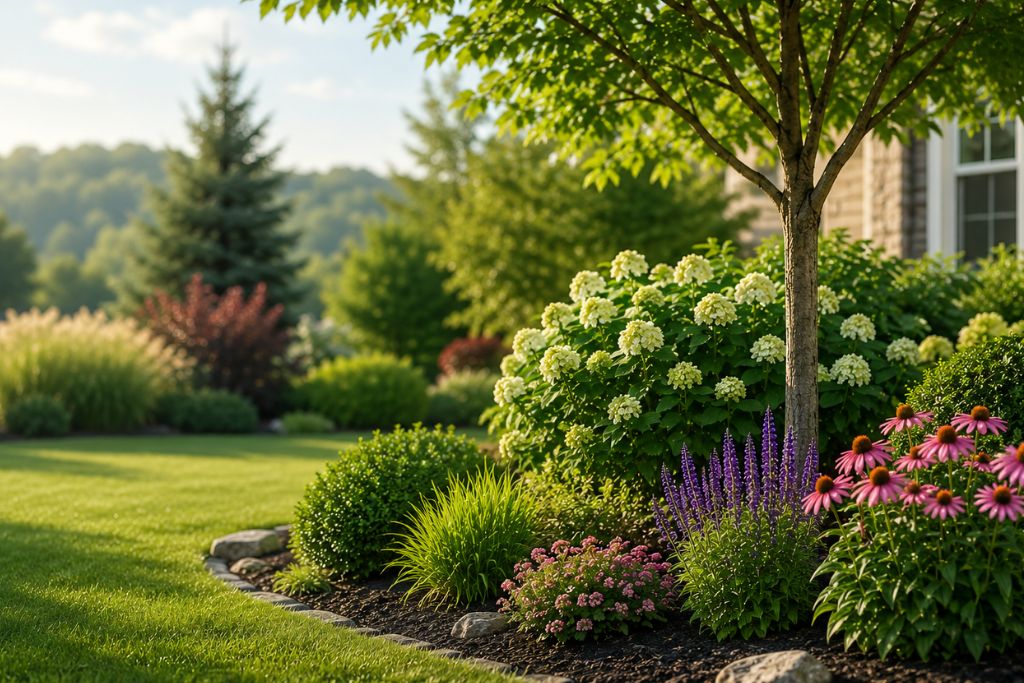
    This is an excellent window for planting most perennials, including coneflowers, black-eyed Susans, salvias, and other favorites commonly found throughout Lehigh Valley landscapes. Flowering shrubs such as hydrangeas, viburnums, and spireas also perform well when planted during this period.

    Spring planting allows roots to develop while temperatures remain relatively mild. In communities like Bethlehem, Nazareth, and Emmaus, spring rainfall can also provide valuable support during the establishment phase.

    April Through Early June: Ideal for Deciduous Trees

    Many shade and ornamental trees benefit from spring installation.

    Maples, redbuds, dogwoods, and other deciduous varieties have an opportunity to establish roots before the hottest part of summer. The key is planting before prolonged heat arrives.

    For homeowners across Allentown, Easton, and Northampton, this planting window gives new trees several months to adapt before facing their first winter season.

    September Through Early November: The Best Season for Trees and Shrubs

    If there is one planting season landscape professionals consistently recommend, it’s fall.

    The soil remains warm from summer, while cooler air temperatures reduce stress on the plant. Instead of focusing energy on producing new leaves or flowers, plants direct resources into root development.

    This period is especially beneficial for:

    • Shade trees
    • Ornamental trees
    • Evergreen shrubs
    • Privacy screens
    • Foundation plantings

    Throughout the Lehigh Valley, fall-planted trees often enter spring with stronger root systems already in place.

    September Through October: A Great Second Season for Perennials

    Many homeowners think perennial planting ends in spring, but fall offers another excellent opportunity.

    Planting perennials during early autumn allows roots to establish before winter dormancy. By the following spring, many plants are ready to emerge stronger and more vigorous than newly planted spring additions.

    This strategy works particularly well in established landscapes throughout Center Valley, Bath, and surrounding areas where soil conditions are already healthy and well-prepared.

    Planting Success Starts with Local Expertise

    A calendar provides a helpful starting point, but every property presents unique conditions. Sun exposure, drainage, soil composition, and plant selection all influence planting success.

    That’s why thoughtful planning matters.

    At Creative Landscapes, we help homeowners throughout Bath and the greater Lehigh Valley select the right plants, prepare sites properly, and schedule installations for optimal root establishment. The result is a healthier, more resilient landscape that continues to add beauty and value year after year.

    When trees, shrubs, and perennials are planted at the right time, strong roots follow. And strong roots are the foundation of every successful landscape.