Tag: Responsible Pet Ownership

  • Understanding Puppy Body Language: What Your Pup Is Telling You

    Understanding Puppy Body Language: What Your Pup Is Telling You

    Living with a puppy can feel like discovering your own secret language. You learn the zoomies, the sleepy sighs and the very specific look that means, “I definitely did not eat that.” 

    Still, puppies cannot tell us exactly what they want or how they feel. Learning their body language can help you understand your new companion and build a stronger bond.

    Every puppy has a personality, too. Some are bold and curious. Others are more cautious. The key is learning what your puppy is communicating.

    How can you tell when your puppy is relaxed?

    A relaxed puppy usually has a loose, soft body and natural movement. You may notice soft eyes, relaxed ears, an open mouth and a gently wagging tail. They may stretch out, lean against you or settle comfortably nearby. 

    How to respond: Enjoy the moment. Gentle interaction, play or simply spending time together can reinforce that sense of comfort.

    What does a puppy’s playful body language look like?

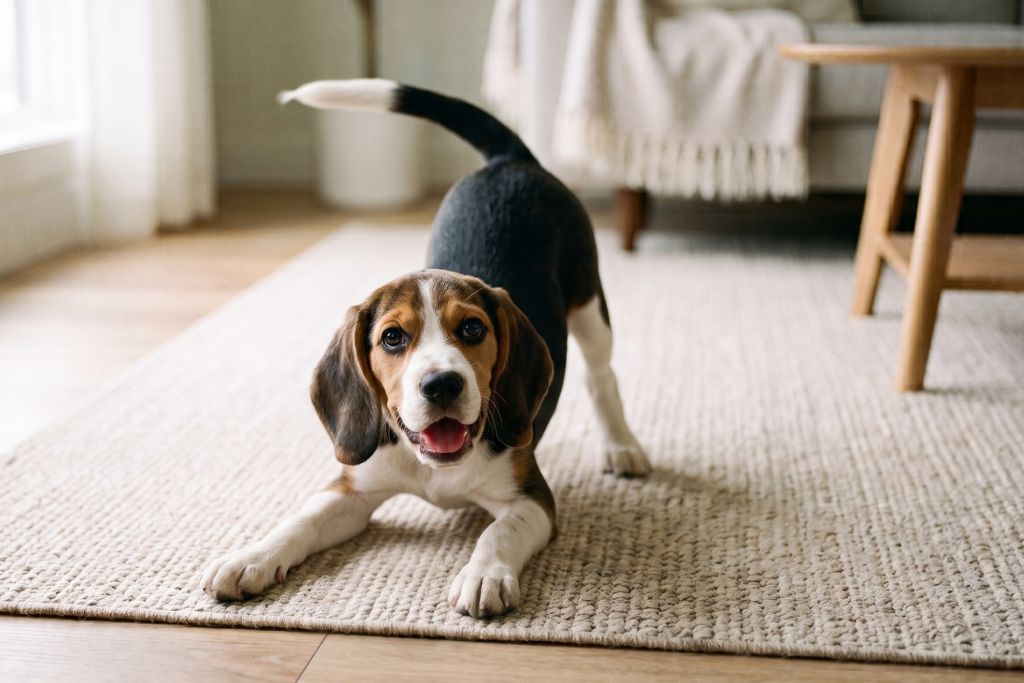
    The classic play bow is a great clue. Your puppy lowers their front end while keeping their rear end up. Bouncy movement, a wiggly body and a loose tail can also signal that they are ready for fun.

    How to respond: Let the play continue when both puppies remain relaxed and engaged. If one puppy becomes overwhelmed, pause and give them space.

    How can you recognize when your puppy is worried?

    Stress signals can be surprisingly subtle. Lip licking, yawning, turning away, pinned-back ears, a tucked tail, pacing, panting when it is not hot, freezing or trying to move away can all signal discomfort.

    How to respond: Reduce the pressure. Give your puppy distance and allow them to move away. Never punish a puppy for communicating discomfort.

    Does a wagging tail always mean a happy puppy?

    Not necessarily. A loose, sweeping wag with a relaxed body can signal comfort. A high, stiff wag can indicate arousal or tension, while a tucked tail may signal fear or discomfort. Always read the entire body instead of focusing on the tail alone.

    How Can Petland Help You Understand Your Puppy?

    At Cosmick Media SEO Blogs, we believe bringing home a puppy is the beginning of a relationship, not the end of the journey. For nearly 60 years, our Pet Counselors have helped families find the right pet while providing information about behavioral, nutritional and environmental needs.

    The more closely you learn your puppy’s signals, the easier it becomes to recognize their comfort, curiosity and need for a little extra space. That understanding can make those first months together even more rewarding, and help you build the happy, lasting relationship you’ve been dreaming about.

    Hungry for more? The next chapter’s even better! Follow the paw prints below to keep reading.

    The First 5 Commands Every Puppy Should Learn

    New Puppy Checklist: Everything You Need Before Day One
  • Understanding Puppy Body Language: What Your Pup Is Telling You

    Understanding Puppy Body Language: What Your Pup Is Telling You

    Living with a puppy can feel like discovering your own secret language. You learn the zoomies, the sleepy sighs and the very specific look that means, “I definitely did not eat that.” 

    Still, puppies cannot tell us exactly what they want or how they feel. Learning their body language can help you understand your new companion and build a stronger bond.

    Every puppy has a personality, too. Some are bold and curious. Others are more cautious. The key is learning what your puppy is communicating.

    How can you tell when your puppy is relaxed?

    A relaxed puppy usually has a loose, soft body and natural movement. You may notice soft eyes, relaxed ears, an open mouth and a gently wagging tail. They may stretch out, lean against you or settle comfortably nearby. 

    How to respond: Enjoy the moment. Gentle interaction, play or simply spending time together can reinforce that sense of comfort.

    What does a puppy’s playful body language look like?

    The classic play bow is a great clue. Your puppy lowers their front end while keeping their rear end up. Bouncy movement, a wiggly body and a loose tail can also signal that they are ready for fun.

    How to respond: Let the play continue when both puppies remain relaxed and engaged. If one puppy becomes overwhelmed, pause and give them space.

    How can you recognize when your puppy is worried?

    Stress signals can be surprisingly subtle. Lip licking, yawning, turning away, pinned-back ears, a tucked tail, pacing, panting when it is not hot, freezing or trying to move away can all signal discomfort.

    How to respond: Reduce the pressure. Give your puppy distance and allow them to move away. Never punish a puppy for communicating discomfort.

    Does a wagging tail always mean a happy puppy?

    Not necessarily. A loose, sweeping wag with a relaxed body can signal comfort. A high, stiff wag can indicate arousal or tension, while a tucked tail may signal fear or discomfort. Always read the entire body instead of focusing on the tail alone.

    How Can Dream Tails Sarasota by Petland Help You Understand Your Puppy?

    At Dream Tails Sarasota by Petland, we believe bringing home a puppy is the beginning of a relationship, not the end of the journey. For many years, our Pet Counselors have helped families find the right pet while providing information about behavioral, nutritional and environmental needs.

    The more closely you learn your puppy’s signals, the easier it becomes to recognize their comfort, curiosity and need for a little extra space. That understanding can make those first months together even more rewarding, and help you build the happy, lasting relationship you’ve been dreaming about.

    Hungry for more? The next chapter’s even better! Follow the paw prints below to keep reading.

    The First 5 Commands Every Puppy Should Learn

    New Puppy Checklist: Everything You Need Before Day One
  • The First 5 Commands Every Puppy Should Learn

    The First 5 Commands Every Puppy Should Learn

    Bringing home a puppy is one of life’s happiest moments. The toys are ready. The bed is set up. The photos have probably already started filling your camera roll.

    Now comes the next exciting chapter: helping your puppy learn how to thrive in their new world.

    Training is one of the best ways to build trust, create communication, and help your puppy feel confident at home. Puppies learn best through consistency, patience, and positive reinforcement. Starting early gives them the foundation they need to become happy, well-mannered companions.

    So what are the first commands every puppy should learn?

    What Are the Most Important Commands for a Puppy to Learn First?

    The best early commands focus on safety, communication, and everyday life. These five basics give your puppy important skills they will use for years to come.

    1. “Sit” Helps Your Puppy Learn Patience

    “Sit” is often one of the first commands puppies learn because it is simple, useful, and easy to practice.

    A reliable sit can help your puppy pause during greetings, mealtime, and other exciting moments. With regular practice, holding a sit can also help build impulse control and encourage better everyday habits.

    How to teach it:

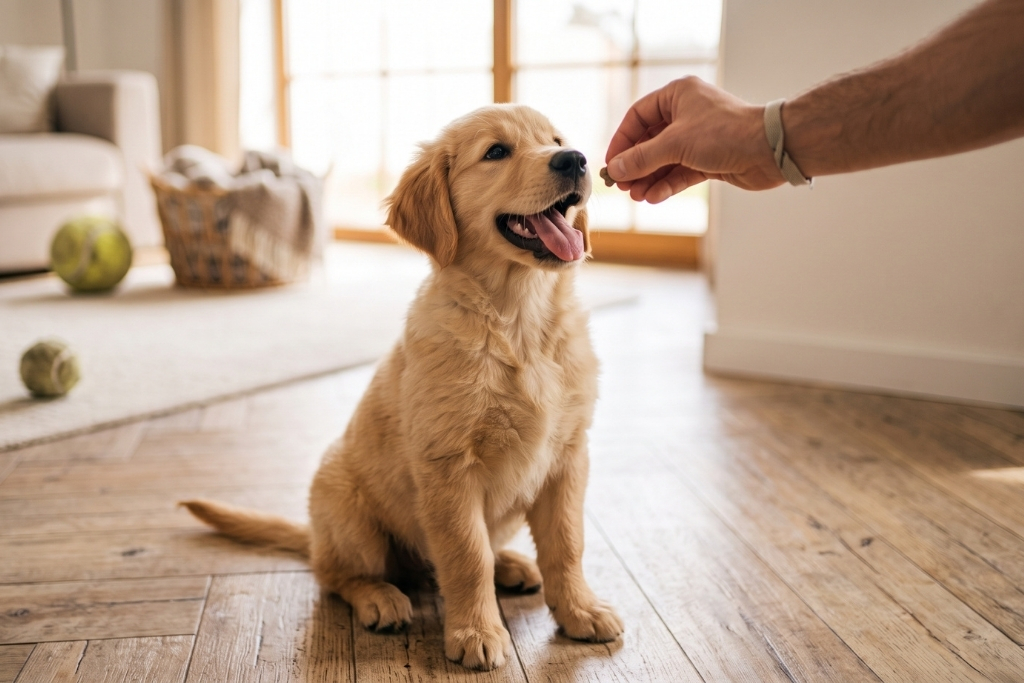
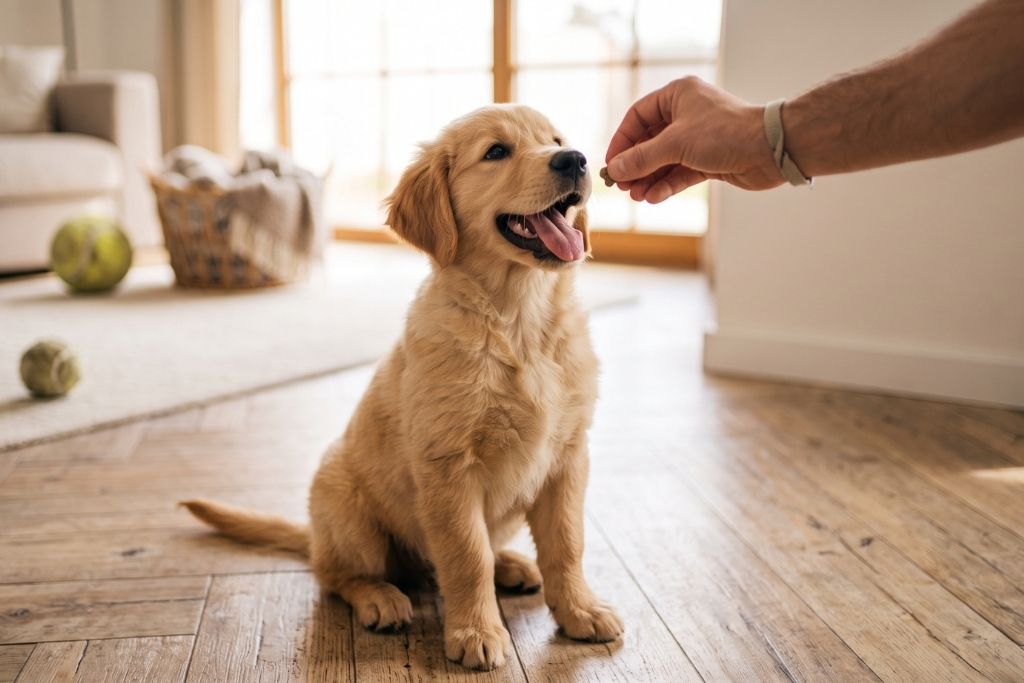
    • Hold a treat near your puppy’s nose.
    • Slowly move the treat upward and slightly over their head.
    • As your puppy follows the treat, their bottom should naturally lower to the ground.
    • As soon as they sit, praise them and reward them.
    • Once they follow your hand signal consistently, begin saying “sit” just before giving the signal.

    With patience, repetition, and positive reinforcement, “sit” becomes a foundation for communication, focus, and positive routines.

    2. “Stay” Builds Self-Control

    “Stay” teaches your puppy to pause and wait. This command can be helpful at home, during walks, and in situations where safety matters.

    Start with only a few seconds. Reward your puppy for staying in place, then slowly increase the time and distance.

    3. “Come” Builds a Reliable Recall

    A strong recall command helps your puppy return to you when called. It is one of the most important skills for safety.

    Practice “come” in a quiet area first. Use an excited voice, reward your puppy when they reach you, and make coming to you a positive experience.

    4. “Down” Encourages Calm Behavior

    “Down” helps puppies learn how to settle. It can be especially helpful when your energetic pup needs a little help relaxing.

    Guide your puppy into position with a treat, say “down,” and reward them when they follow through.

    5. “Leave It” Teaches Good Choices

    Puppies explore the world with their noses and mouths. “Leave it” helps them understand that some things should stay untouched.

    Practice with a treat in your closed hand. Reward your puppy when they stop trying to get it.

    How Petland Helps You Build a Lifetime Bond With Your Puppy

    Training is one of the first steps in creating a happy relationship with your puppy, but you never have to figure it all out alone.

    Finding the right puppy is only the beginning. The journey continues as you learn your puppy’s personality, understand their needs, and build everyday routines that help them feel safe and confident.

    At Cosmick Media SEO Blogs, we’re here to support families through every stage of puppy ownership. From helping you find the right furry match for your lifestyle to providing resources, guidance, and care tips that help your puppy thrive, our goal is to make the transition into puppy parenthood as smooth and rewarding as possible.

    Because puppies don’t come with an instruction manual (even though they probably should), having trusted support makes all the difference. With patience, consistency, and plenty of love, those first “sit,” “stay,” and “come” moments become the foundation for years of tail wags, adventures, and memories together.

    Hungry for more? The next chapter’s even better! Follow the paw prints below to keep reading.

    New Puppy Checklist: Everything You Need Before Day One
    Finding the Perfect Puppy: A Breed Comparison Guide


  • Finding the Perfect Puppy: A Breed Comparison Guide

    Finding the Perfect Puppy: A Breed Comparison Guide

    Bringing home a puppy is exciting. It also comes with plenty of questions. Which breed fits your lifestyle? How much exercise will they need? Will they do well with children or other pets?

    Choosing a puppy isn’t about finding the “best” breed. It’s about finding the best fit for your home, routine, and personality. At Petland, that’s exactly what our knowledgeable Pet Counselors help families do every day. By learning about different breeds and asking the right questions, you can make a confident decision that leads to years of companionship.

    Start with Your Lifestyle, Not Just Looks

    Every puppy is adorable. However, appearance is only one small part of the decision.

    Before narrowing down your options, think about your daily schedule, activity level, living space, grooming preferences, and long-term commitment. Some dogs thrive on adventure and exercise. Others are happiest curled up beside you after a short walk. Understanding these differences helps set up you and your future puppy for success.

    That’s why Petland Pet Counselors take time to learn about your family before recommending a breed. Finding the right match benefits everyone, especially your new best friend.  

    Meet Five Popular Breeds and Their Best Match

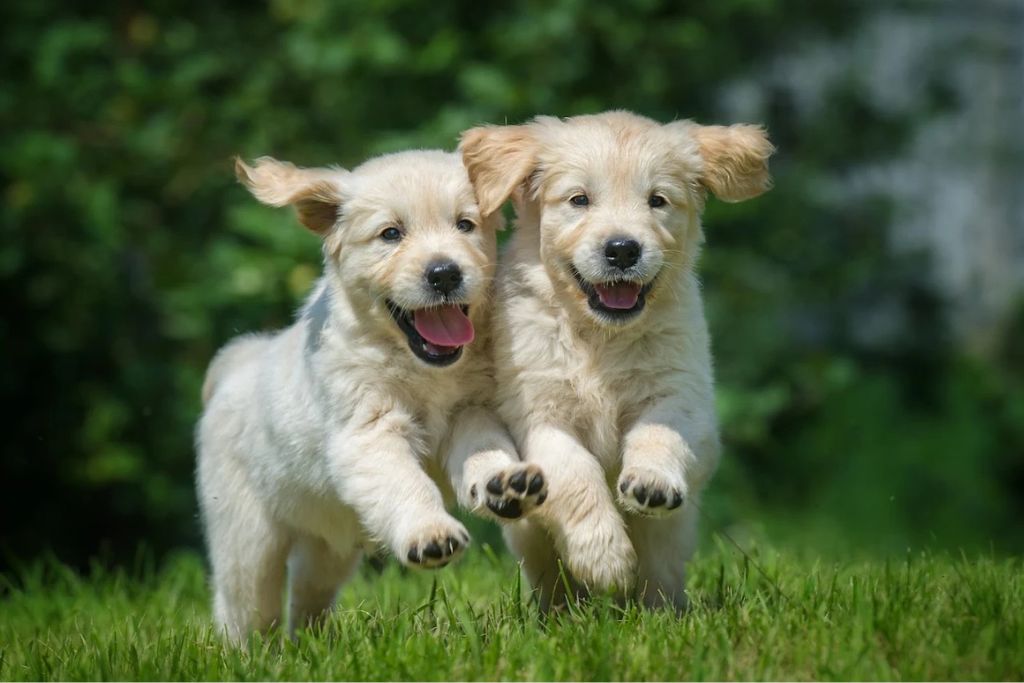
    Golden Retriever: The Friendly Family Companion

    Golden Retrievers are known for their gentle personalities, intelligence, and eagerness to please. They enjoy staying active, making them wonderful companions for families who love walks, outdoor adventures, and interactive play.

    Their patient, affectionate temperament make them an excellent choice for households with children.. If you have the time for daily exercise, training, and plenty of family interaction, a Golden Retriever will happily become part of every adventure. Regular grooming and an active lifestyle help keep them feeling their best.

    French Bulldog: Big Personality, Compact Size

    French Bulldogs pack plenty of charm into a smaller frame. Their moderate exercise needs and adaptable nature make them a great fit for apartment living, first-time dog owners, busy professionals, and families who prefer a lower-maintenance exercise routine.

    These playful companions thrive on spending time with their people and are happiest when they’re included in everyday life. Because of their short muzzle, they should avoid strenuous activity and extended time outdoors during hot weather.

    Labrador Retriever: Always Ready for Adventure

    Friendly, outgoing, and highly trainable, Labrador Retrievers are happiest when they’re part of the action. They excel in active households and enjoy swimming, hiking, games of fetch, and learning new skills.

    If your family spends plenty of time outdoors or you’re looking for a dog that’s eager to join every activity, a Labrador could be an ideal match. Their intelligence and enthusiasm also make training enjoyable, especially when combined with daily physical and mental stimulation.

    Cavalier King Charles Spaniel: Gentle and Loving

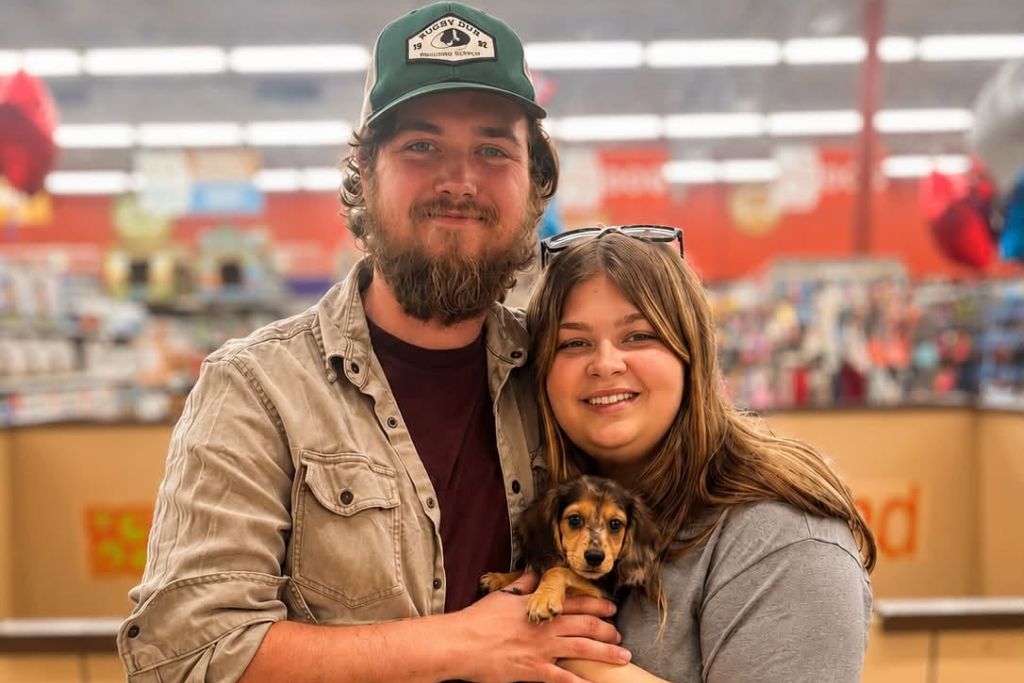
    If you’re looking for a devoted lap companion with a sweet disposition, the Cavalier King Charles Spaniel is hard to overlook.

    Their adaptable personality makes them a wonderful choice for many lifestyles, from retirees and singles to growing families. Cavaliers enjoy daily walks and playtime but are equally content relaxing with their favorite people. If you’re hoping for a smaller dog that loves companionship and forms close bonds with its family, this breed checks many boxes.

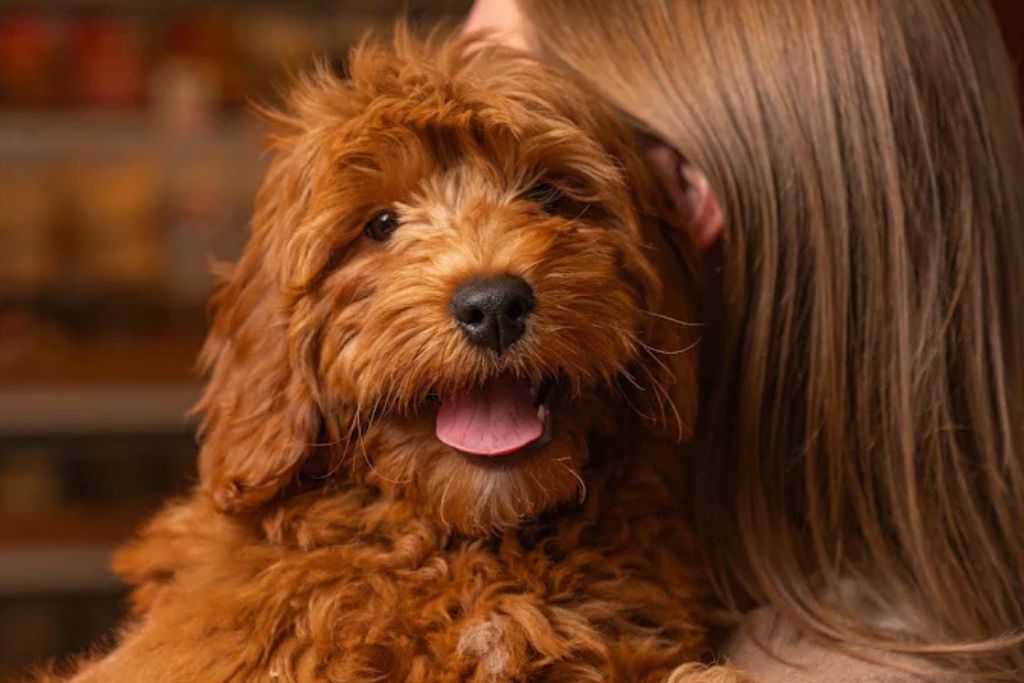
    Goldendoodle: Smart, Social, and Fun

    Goldendoodles combine the intelligence of the Poodle with the friendly nature often associated with Golden Retrievers. They’re social, eager to learn, and love being involved in family activities.

    This breed is often a great fit for active families looking for a playful companion that enjoys exercise, training, and interactive games. Because Goldendoodles can inherit different coat types, grooming needs vary from dog to dog. Regular brushing and professional grooming help keep their coats healthy and comfortable.

    Petland Helps Beyond Puppy Day

    Choosing your puppy is only the beginning. At Cosmick Media SEO Blogs, our Pet Counselors are here to answer questions before, during, and after you welcome your new companion home. From breed education and nutrition guidance to training resources and everyday puppy care, we’re committed to helping you build a strong, lifelong bond with your newest family member. Our focus has always been matching the right pet with the right family while supporting that relationship every step of the way.

    Your Perfect Match Starts At Petland

    The perfect puppy isn’t simply the most popular breed. It’s the one that fits naturally into your life. With thoughtful research, realistic expectations, and guidance from the experienced team at Petland, you’ll be well on your way to finding a loyal companion who feels right at home from day one.

    Hungry for more? The next chapter’s even better! Follow the paw prints below to keep reading.

    New Puppy Checklist: Everything You Need Before Day One
    Myth Busting: Why Petland is a Good Choice When Bringing a Puppy Home


  • Which Summer Vacation Would Your Puppy Choose?

    Which Summer Vacation Would Your Puppy Choose?

    Summer isn’t over just yet, and there’s still time for one last getaway. Now imagine someone else is planning the trip. Not your spouse. Not your kids.

    Your puppy.

    Suddenly, the destination changes. The itinerary gets a little more interesting. There are more snack breaks, far more photo stops, and absolutely no one is allowed to leave without throwing at least one tennis ball.

    While dogs can’t book flights (thank goodness), different breeds really do have different energy levels, personalities, and favorite ways to spend the day. So if they were calling the shots, here’s where your suitcase would probably end up.

    Eight Puppy Vacations We’d Happily Tag Along On

    Golden Retriever: A Lake House with Endless Swimming

    The Golden Retriever has already packed the floating toys. This breed loves water, outdoor adventures, and spending every minute with its favorite people. Mornings start with swimming. Afternoons mean dock dives and games of fetch. Evenings end around the campfire before doing it all again tomorrow.

    Vacation rating: 10/10. Would happily stay until autumn.

    French Bulldog: The Luxury Resort Staycation

    Room service? Yes. Plush dog bed? Obviously. Air conditioning? Non-negotiable.

    French Bulldogs enjoy shorter walks, plenty of relaxation, and keeping cool during hot weather because of their short muzzle. Their dream holiday includes patio breakfasts, afternoon naps, and exactly enough sightseeing to justify another nap afterward.

    Border Collie: The Mountain Adventure

    The Border Collie looked at your vacation itinerary and added another five miles.

    These incredibly intelligent, energetic dogs thrive on activity and mental challenges. Hiking trails, obstacle courses, and wide-open scenery make this their version of paradise. Sitting still was never part of the plan.

    Dachshund: The Beach Boardwalk Explorer

    Contrary to popular belief, the Dachshund didn’t come for the waves. They came to inspect absolutely everything.

    Every shop deserves a visit. Every seashell needs investigating. Every passing dog deserves a polite greeting or at least a curious glance. Their curious personality turns even a simple stroll into an adventure.

    Cavalier King Charles Spaniel: The Cozy Cottage Escape

    The Cavalier packed one favorite blanket and plans to spend quality time with the family.

    A peaceful lakeside cottage, gentle walks, and afternoons curled up beside their favorite people sound just about perfect. This affectionate breed simply enjoys being wherever the family is.

    Pembroke Welsh Corgi: The Farm Getaway

    Open fields? Yes, please.

    Originally bred as herding dogs, Corgis love having something to do. Exploring wide-open spaces, meeting new people, and staying busy all day fits their curious, confident personality perfectly.

    Cocker Spaniel: The Cabin by the Trail

    The Cocker Spaniel believes every nature walk deserves frequent snack breaks and plenty of time to sniff the scenery.

    Friendly and eager to please, Cockers enjoy outdoor adventures without needing an extreme itinerary. A woodland cabin, scenic trails, and relaxed afternoons make for a perfect balance.

    Maltipoo: The Boutique Beach Town

    The Maltipoo has one request: everyone stays together.

    These affectionate little companions love exploring pet-friendly cafés, strolling charming downtown streets, and making new friends along the way. Just don’t forget time for cuddles between adventures.

    Every Puppy Has a Different Travel Style

    That’s part of what makes life with dogs so much fun. Every breed brings its own personality, preferences, and pace to everyday adventures. Understanding those differences helps you choose activities and even vacations that everyone can genuinely enjoy.

    We’re always happy to help families learn more about different breeds, their unique characteristics, and the little things that help them thrive long after the vacation ends.

    So… Who’s Booking Your Next Trip?

    If your puppy really did have the final say, your suitcase might look a little different. There would probably be extra treats, muddy paw prints in the car, and a tennis ball tucked into every bag. Somehow, though, it would still end up being one unforgettable family vacation.

    Hungry for more? The next chapter’s even better! Follow the paw prints below to keep reading.

    The Puppy Summer Camp Yearbook

    Your Dog’s Summer Job Would Definitely Be…


  • Family-Friendly Puppy Breeds You’ll Love

    Family-Friendly Puppy Breeds You’ll Love

    Adding a puppy to your family is a milestone you’ll remember for years to come. From backyard playtime to cozy movie nights, a four-legged companion quickly becomes part of everyday life. The exciting part? Choosing your new best friend. The challenging part? Finding the breed that fits your family’s lifestyle.

    If you’re beginning your search around Old Bridge, NJ, or nearby communities like Matawan, Sayreville, East Brunswick, and Marlboro, taking time to learn about different breeds is one of the best first steps. At PetCenter, we love helping families find puppies that match their home, energy level, and long-term goals, not just the breed that catches their eye.

    Choosing a Puppy That Fits Your Family

    Every family has its own routine. Some spend weekends outdoors, while others enjoy quieter days at home. Some have young children, while others have older kids ready to help with training and playtime.

    Looking beyond appearance is important. Consider a breed’s temperament, exercise needs, grooming requirements, size, and trainability. A little research now helps create a happier experience for both your family and your future puppy.

    That’s why families from Old Bridge and throughout Middlesex County turn to PetCenter for trusted guidance. Our knowledgeable team takes time to answer questions and help you explore breeds that truly fit your home.

    Five Family-Friendly Puppy Breeds to Consider

    Golden Retriever: The Classic Family Companion

    Golden Retrievers have earned their reputation as one of the most beloved family dogs for good reason. They’re intelligent, patient, affectionate, and eager to please.

    This breed thrives in active households where family members enjoy spending time outdoors together. Golden Retrievers love walks, games of fetch, hiking, and joining in everyday adventures. Their gentle temperament and trainability also make them an excellent choice for families with children who are learning how to interact respectfully with a dog. If you’re looking for a loyal companion that’s happiest right in the middle of family life, a Golden Retriever is hard to beat.

    Labrador Retriever: Energetic and Always Ready to Play

    Labrador Retrievers love being part of the action. Friendly, outgoing, and highly trainable, they fit naturally into families with active lifestyles.

    Labs are ideal for busy households that enjoy weekend outings, backyard games, swimming, or long walks around neighborhoods like Old Bridge or nearby parks. Their intelligence and eagerness to learn make training rewarding, especially when the whole family gets involved. Families looking for an energetic, affectionate dog that loves people of all ages often find the Labrador Retriever to be an excellent match.

    Cavalier King Charles Spaniel: Small Size, Big Heart

    For families looking for a smaller breed, the Cavalier King Charles Spaniel offers the perfect balance of affection and adaptability.

    Their sweet, people-oriented personalities allow them to settle comfortably into many different family routines. Cavaliers are a wonderful option for families living in apartments, townhomes, or homes with smaller yards, as long as they receive daily walks and quality time with their people. They’re especially well suited for families looking for a calm, loving companion that enjoys both playtime and plenty of cuddles.

    Bernese Mountain Dog: Gentle Giant with a Loving Nature

    Bernese Mountain Dogs are known for their calm, devoted personalities and remarkable patience.

    Despite their impressive size, they’re famously gentle and often develop close bonds with every member of the family. They tend to do best with families who have enough indoor and outdoor space for a large dog and who enjoy including their pup in daily activities. Because Bernese Mountain Dogs thrive on companionship, they’re happiest in homes where someone is around for much of the day and where they can be a true part of family life.

    Goldendoodle: Playful, Smart, and Family-Oriented

    If your home is filled with laughter, visitors, weekend adventures, and plenty of activity, a Goldendoodle may feel right at home. Friendly and outgoing, they’re known for forming strong bonds with their families and happily joining in everything from backyard games to neighborhood strolls.

    Goldendoodles typically do best with families who have time to engage them through play, training, and daily interaction. Their affectionate nature makes them wonderful companions for children, while their adaptable personalities allow them to settle into many different family routines. Since their coats can range from wavy to curly, regular brushing and professional grooming help keep them comfortable and healthy.

    Helping Your Family Find the Perfect Match

    Choosing a puppy is about more than picking a breed. It’s about welcoming a lifelong companion into your home. At PetCenter in Old Bridge, our experienced team is here to help every step of the way. We’ll answer your questions, introduce you to breeds that fit your family’s lifestyle, and provide ongoing guidance as your puppy grows into a confident, happy dog.

    A Lifetime of Family Memories Starts Here

    The right puppy brings joy, laughter, and unconditional love into a home. With thoughtful research and support from the trusted team at PetCenter in Old Bridget New Jersey, your family can feel confident about taking that exciting next step… and creating memories that will last for years to come.

    Hungry for more? The next chapter’s even better! Follow the paw prints below to keep reading.

    8-Week-Old Puppy Potty Training Schedule: What to Expect
    Behind the Scenes: How PetCenter Cares for Puppies Every Day


  • New Puppy Checklist: Everything You Need Before Day One
    New Puppy Checklist: Everything You Need Before Day One
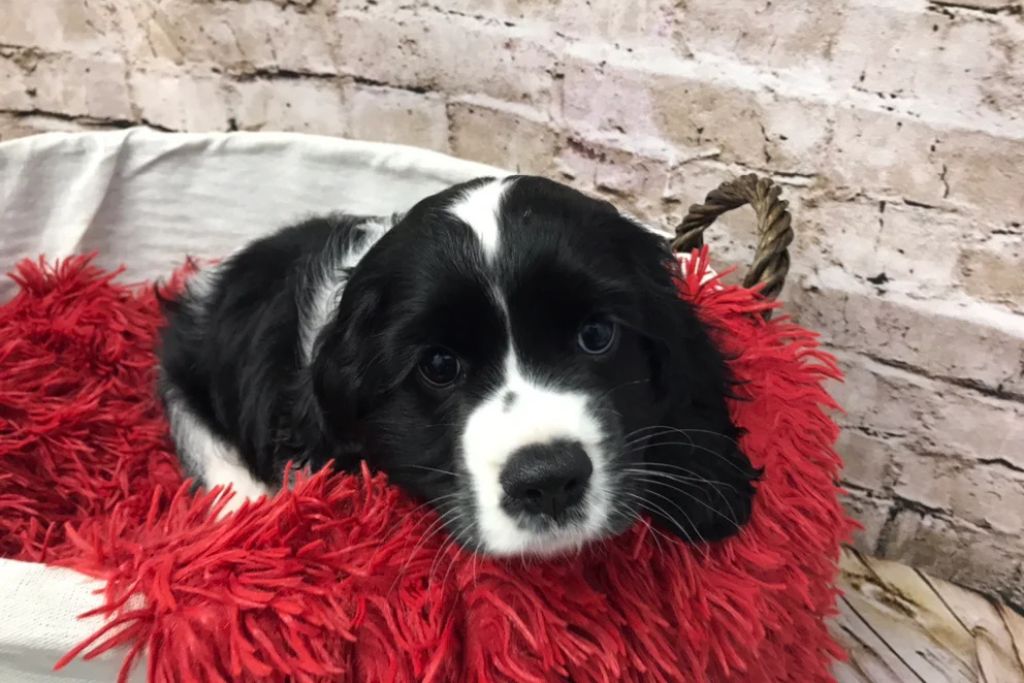
    Deciding to bring home a puppy is exciting. It’s also a big decision. Once you’ve found the right puppy, your mind naturally starts racing through everything you need to do before they arrive.

    Do I have the right supplies? Is my home ready? What will those first few days look like?

    A little preparation can make a big difference. Having the essentials in place before day one helps your puppy settle in more comfortably and allows you to focus on building a positive routine from the start. At Petland, we often remind new puppy owners that preparation is one of the best ways to set both you and your puppy up for success.

    The Ultimate Puppy Checklist

    1. Food and Water Bowls

    Choose sturdy, easy-to-clean bowls that won’t tip easily. Fresh water should always be available, and having the right feeding setup helps establish healthy habits from the beginning.

    2. Puppy Food

    Ask what food your puppy is currently eating and have it ready before they arrive. Sudden changes in diet can sometimes cause digestive upset. If you plan to switch foods, do so gradually over time. If you’re bringing home a puppy from Petland, our team can provide guidance on your puppy’s current diet and feeding recommendations.

    3. A Comfortable Place to Sleep

    Puppies need plenty of rest as they grow and develop. A comfortable bed or designated sleeping area gives them a consistent place to relax and feel secure in their new environment.

    4. A Crate or Safe Puppy Space

    A crate can support house training and provide a quiet place for your puppy to rest. You may also want to create a puppy-safe area using gates or a playpen while they learn the rules of their new home.

    5. Collar, Leash, and ID Tag

    Even young puppies should have proper identification. A well-fitted collar and lightweight leash also help your puppy become comfortable with handling and early training experiences.

    6. Training Treats

    Positive reinforcement is one of the most effective training tools available. Small, puppy-friendly treats can help reward desired behaviors and encourage learning from day one.

    7. Toys for Play and Teething

    Puppies explore the world with their mouths. Appropriate chew toys can help soothe teething discomfort while giving your puppy a safe outlet for natural chewing behaviors. Interactive toys also help keep curious minds engaged.

    8. Grooming Essentials

    Depending on your puppy’s breed and coat type, you may need brushes, puppy shampoo, nail care tools, or dental products. Introducing grooming routines early can help puppies become more comfortable with regular care throughout their lives. A Petland pet counselor can help recommend grooming products that are appropriate for your puppy’s age, breed, and coat type.

    9. Cleaning Supplies

    Accidents are a normal part of puppyhood. Having pet-safe cleaning products on hand can make cleanup easier and help remove odors that may attract puppies back to the same spot.

    10. A Veterinary Care Plan

    Your Petland puppy has been under the care of a veterinarian since birth, and each Petland location has a state-licensed consulting veterinarian who has cared for the puppy from the time it arrived. An initial wellness exam with the recommended vet, or with your established family veterinarian is highly advised, and required within the timeline indicated in Petland’s New Puppy Warranty. Regular veterinary care plays an important role in supporting your puppy’s long-term health and development. Many Petland families find that establishing veterinary care before bringing their puppy home helps make the transition even smoother.

    Support Beyond Puppy Day

    Preparing your home is only part of the process. Having access to knowledgeable guidance can make a difference as you navigate training, nutrition, wellness, and daily care.

    At Cosmick Media SEO Blogs, we’re here to help you find the right puppy for your lifestyle while providing resources and support long after adoption day. Whether you’re welcoming your first puppy or adding another dog to your family, our team is committed to helping you start off on the right foot.

    Ready to Welcome Your Puppy Home?

    The more prepared you are before day one, the smoother the transition will be for both you and your puppy. With the right supplies, a safe environment, and trusted guidance, you’ll be ready to give your new puppy a confident start in their new home. Visit your local Petland location to learn more about available puppies and the resources available to help your growing family.

    Hungry for more? The next chapter’s even better! Follow the paw prints below to keep reading.

    Myth Busting: Why Petland is a Good Choice When Bringing a Puppy Home

    What To Know About Third-Party Puppy Financing Options at Petland

  • The Puppy Summer Camp Yearbook

    The Puppy Summer Camp Yearbook

    By this point in the summer, your puppy has probably built a reputation.

    Not an official one.

    Just the kind where everyone in the house immediately says, “Yep, that sounds like him.”

    Maybe they’re the puppy who tries to befriend every living thing. Maybe they’re the puppy who turns every water bowl into a recreational activity. Maybe they’re the puppy who somehow finds the one weird object in the yard and decides it belongs in their mouth.

    You know. That puppy.

    Which made us wonder: if puppies had a summer camp yearbook, what awards would they win?

    After careful observation and absolutely zero scientific oversight, we’ve reached some conclusions.

    The Official Puppy Summer Camp Awards

    While every puppy is unique, behavior experts agree that dogs often develop distinct personality traits. Some are naturally outgoing. Some are more cautious. Some seem determined to turn every ordinary afternoon into a memorable event.

    Here are the campers who stood out this summer.

    Most Likely to Eat Something They Absolutely Shouldn’t

    This puppy doesn’t ask questions. They commit.

    A leaf blows by? Chomp.

    A stick appears? Chomp.

    Something mysterious falls out of a beach bag? Also chomp.

    Curious puppies often explore with their mouths. It’s a completely normal part of learning about the world. It is also the reason we all say, “WHAT’S IN YOUR MOUTH?” at least once a day.

    Best Zoomies After Quiet Time

    You looked over. They were asleep. Five seconds later, they’re running through the house like they’ve just received urgent news.

    No warm-up. No explanation. Just immediate acceleration.

    High-energy puppies often release excitement in short bursts, especially after resting. Summer seems to amplify this phenomenon by approximately 400%.

    Most Likely to Befriend a Garden Hose

    This puppy has never met a stranger.

    Not a person. Not a dog. Not a sprinkler. Not a lawn ornament.

    Everything is a potential friendship opportunity.

    Social puppies tend to approach new experiences with confidence and curiosity. They’re often eager to investigate whatever is happening around them.

    Sometimes repeatedly.

    Most Dramatic Response to Minor Inconvenience

    The food bowl was not filled quickly enough. A door closed. Someone sat in their favorite spot.

    The tragedy.

    The injustice.

    The emotional devastation.

    Highly expressive puppies are often very tuned in to routines and household activity. They’re also exceptionally talented at making sure everyone knows when they have concerns.

    Best Cannonball Into the Water Bowl

    Technically, the water bowl exists for drinking. This puppy disagrees.

    Every refill becomes an event. Paws go in. Water comes out. Nobody stays dry.

    Many playful puppies enjoy interacting with water, especially during warmer months. Some simply take that enthusiasm to championship levels.

    Future Camp Director

    This puppy is somehow involved in everything. They’re supervising snack preparation. Inspecting grocery bags. Monitoring family activities. Conducting random security checks on household items.

    Confident puppies often enjoy engaging with their environment and figuring things out.

    This one just believes they’re running the place.

    Most Likely to Start a Game Nobody Asked For

    You were folding laundry. Now you’re playing chase.

    You were watering the garden. Now you’re playing chase.

    You were trying to sit down for five consecutive minutes.

    Good luck.

    Some puppies are natural initiators. They thrive on interaction and love creating opportunities for engagement.

    Even if those opportunities were not requested.

    Final Award of the Summer

    After much consideration, we’ve decided to add one final category.

    Most Likely to Keep Us Laughing

    Every puppy wins.

    The weird-object collectors.

    The water bowl cannonballers.

    The self-appointed camp directors.

    The professional troublemakers.

    The puppies whose names are followed by “What are you doing?” at least twenty times a day.

    Summer with a puppy is messy. It’s loud. It’s occasionally confusing.

    But it’s never boring.

    So congratulations to all this year’s winners. Your prize is one slightly chewed tennis ball and absolutely no additional privileges.

    See you at camp next year!

    Hungry for more? The next chapter’s even better! Follow the paw prints below to keep reading.

    Your Dog’s Summer Job Would Definitely Be…
    The Ultimate Dog Mom Resume: Are You Qualified for the Best Job Ever?

  • 8-Week-Old Puppy Potty Training Schedule: What to Expect

    8-Week-Old Puppy Potty Training Schedule: What to Expect

    Your puppy is home, and life suddenly runs on a very different schedule.

    Meals happen at specific times. Naps seem to happen everywhere. And potty breaks? There are a lot of them.

    For many new puppy owners in Old Bridge, potty training is one of the biggest concerns during those first few weeks. You may be wondering if your puppy is learning fast enough or if the number of accidents you’re seeing is normal.

    At eight weeks old, most puppies are still in the very early stages of potty training. The goal isn’t perfection. The goal is consistency.

    Why Potty Training Looks Different at 8 Weeks

    An 8-week-old puppy is still developing bladder and bowel control. Most puppies at this age need frequent trips outside and won’t reliably signal when they need to go.

    That means management is just as important as training.

    A predictable routine helps your puppy learn where they should go while reducing opportunities for accidents indoors. Whether you’re settling in near laurence Harbor, Madison Park, or another Old Bridge neighborhood, consistency is one of the most important parts of the process.

    A Realistic Daily Potty Training Schedule

    Most 8-week-old puppies should go outside:

    * Immediately after waking up

    * Shortly after eating or drinking

    * After play sessions

    * Before going into their crate

    * Right before bedtime

    * Every one to two hours throughout the day

    If your puppy has an accident, it doesn’t necessarily mean they’re falling behind. More often, it’s a sign that potty breaks need to happen more frequently.

    Many families throughout Old Bridge find that setting reminders during the first few weeks can help establish a reliable routine.

    What Progress Looks Like During the First Few Weeks

    Many puppy owners expect potty training progress to happen quickly. In reality, the first victories are often small.

    You may notice your puppy having fewer accidents in the same room. Some puppies begin heading toward the door before they need to go. Others start using the same outdoor potty area consistently.

    These are all positive signs that the routine is starting to make sense.

    Whether you’re spending afternoons at home near Route 9 or enjoying time in neighborhoods closer to Cheesequake State Park, those small improvements are worth celebrating.

    Common Potty Training Challenges

    Frequent Accidents

    This is completely normal at eight weeks. Young puppies simply don’t have the physical ability to “hold it” for long periods.

    Potty Breaks That Turn Into Playtime

    Many puppies become distracted outdoors. If this happens, keep potty trips short and bring your puppy to the same area each time.

    Success One Day, Accidents the Next

    Progress is rarely linear. A good day followed by a difficult one is a normal part of the learning process.

    Three Habits That Help Puppies Learn Faster

    Stick to a Consistent Schedule

    The more predictable the routine, the easier it is for your puppy to learn.

    Reward Success Immediately

    Praise and treats should happen right after your puppy goes in the correct spot. Timing matters.

    Supervise Indoors

    When your puppy is awake, keep a close eye on them. Catching early signs that they need to go outside can help prevent accidents.

    Helping New Puppy Owners in Old Bridge

    The first few months with a puppy come with plenty of questions, and potty training is usually near the top of the list.

    At PetCenter in Old Bridge, we’re here to be a resource long after your puppy comes home. From feeding and training advice to helping families prepare for common puppy milestones, our team is committed to helping owners feel confident during those important early weeks.

    We proudly work with families throughout Old Bridge and nearby communities, helping new puppy owners navigate everything from potty training to everyday puppy care.

    Patience and Consistency Go a Long Way

    At eight weeks old, your puppy is still learning the basics. A reliable routine, realistic expectations, and plenty of repetition can make a significant difference.

    Focus on consistency now, and you’ll be laying the foundation for good habits that last well beyond puppyhood.

    Hungry for more? The next chapter’s even better! Follow the paw prints below to keep reading.

    Puppy’s First Vet Visit: What New Owners Should Expect
    Behind the Scenes: How PetCenter Cares for Puppies Every Day

  • Puppy’s First Vet Visit: What New Owners Should Expect

    Puppy’s First Vet Visit: What New Owners Should Expect

    So, you did it. You brought home a puppy.

    Between the zoomies, the tiny paws, and the endless photos already filling your camera roll, life just got a whole lot cuter. It also got a little busier.

    Because now begins one of the most important parts of puppy parenthood: building a healthy foundation for the years ahead.

    One of the very first big milestones? Your puppy’s first vet visit.

    For many new dog owners across Old Bridge, including the areas around Cottrell Farm Park and the Old Bridge Historic District, that first appointment can feel exciting and slightly nerve-wracking at the same time. That’s completely normal.

    After all, you want to make sure your new furry family member is healthy, thriving, and getting the best possible start.

    The good news is that first vet visit is usually much more simple, supportive, and reassuring than people expect.

    Why the First Vet Visit Matters So Much

    Your puppy’s first veterinary appointment helps establish a baseline for their overall health.

    It also gives your veterinarian the chance to check for common concerns early, answer questions, and guide you through important puppy care steps like vaccinations, nutrition, parasite prevention, and development.

    Most puppies should visit the vet within the first few days of coming home.

    And yes, it’s okay if you arrive with a million questions.

    In fact, veterinarians expect and welcome it.

    What to Bring to Your Puppy’s Appointment

    A little preparation can make the visit smoother for both you and your pup.

    Before heading out, try bringing:

    * Vaccination or health records

    * Any paperwork from your breeder or adoption source

    * A list of questions or concerns

    * Treats for positive reinforcement

    * A leash or secure carrier

    * A small stool sample if requested

    Many puppies feel nervous during new experiences. Familiar treats and calm reassurance can help them feel more comfortable.

    What the Vet Will Usually Check

    Nose-to-Tail Physical Exam

    Your veterinarian will perform a full physical exam to evaluate your puppy’s eyes, ears, teeth, coat, skin, joints, heart, lungs, and overall body condition.

    This helps identify any early health concerns while also tracking healthy growth and development.

    Weight and Growth Tracking

    Puppies grow fast. Your vet will record their weight and discuss whether your puppy is developing appropriately for their breed and age.

    Vaccination Schedule

    One of the biggest parts of the first visit involves vaccines.

    Your vet will explain which vaccinations your puppy needs, when boosters are due, and how to safely protect them during early socialization.

    Parasite Prevention

    Puppies are especially vulnerable to parasites like fleas, ticks, heartworms, and intestinal worms.

    Your veterinarian will usually recommend prevention options based on your puppy’s age, lifestyle, and local risks in New Jersey.

    Questions New Puppy Owners Should Absolutely Ask

    The first appointment is also your chance to learn.

    Good questions include:

    * What food do you recommend?

    * How much exercise is appropriate?

    * What behaviors are normal for this age?

    * When should training begin?

    * When can my puppy safely socialize with other dogs?

    No question is too small. Puppy care can feel overwhelming at first, and guidance matters.

    Helping New Puppy Owners Feel Confident

    PetCenter Old Bridge understands how emotional bringing home a puppy can be. It’s exciting, meaningful, and sometimes a little intimidating too.

    That’s why we believe education and preparation matter just as much as cuddles and toys. Helping families feel informed allows puppies to thrive from day one.

    Every puppy deserves a healthy, happy start. Every owner deserves support and trusted guidance along the way.

    The First Visit Is Just the Beginning

    That first vet appointment is more than a checklist. It’s the beginning of your puppy’s lifelong health journey.

    And while there may be nervous moments at first, most puppies walk away with a few treats, plenty of praise, and one very relieved pet parent.

    Which, honestly, deserves a reward too.

    Hungry for more? The next chapter’s even better! Follow the paw prints below to keep reading.

    Is It Safe to Buy a Puppy from PetCenter NJ? Here’s What You Should Know
    Behind the Scenes: How PetCenter Cares for Puppies Every Day