Tag: radiation safety

  • How to Choose the Right Lead Apron for Your Role

    How to Choose the Right Lead Apron for Your Role

    Radiation protection is part of everyday life for many healthcare professionals. 

    Choosing the right lead apron is one of the most important decisions you’ll make not just for compliance, but for your comfort throughout the workday.

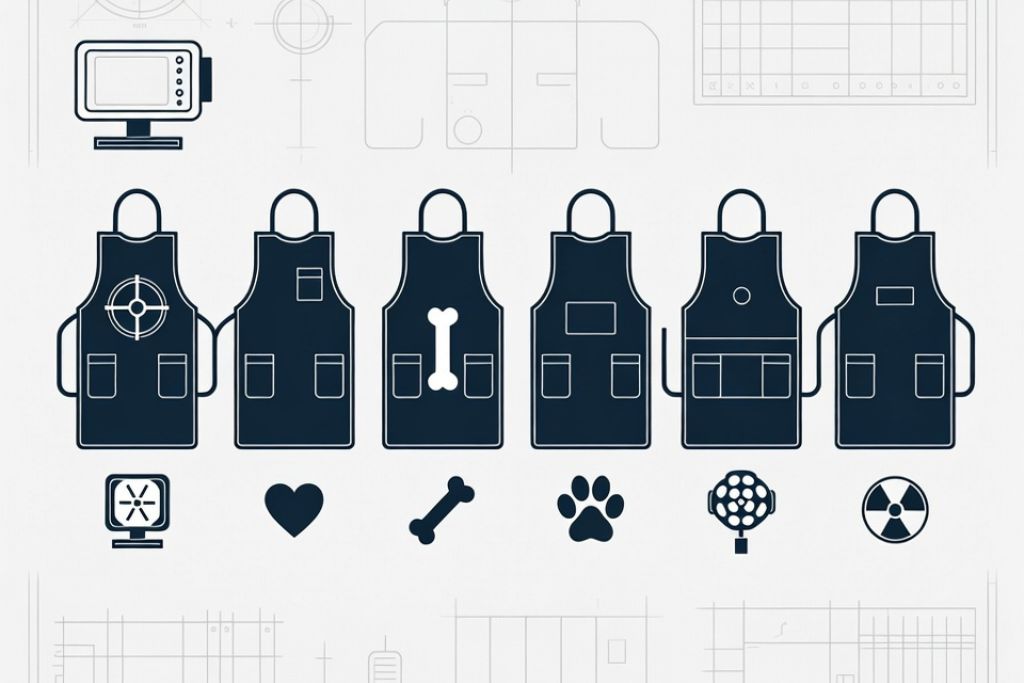
    No two clinical roles are exactly alike. An interventional radiologist performing lengthy fluoroscopic procedures has different protection needs than a veterinary professional taking diagnostic X-rays or a surgical technologist assisting in the operating room. Procedure length, proximity to the imaging source, mobility, and frequency of radiation exposure all influence which apron features may be the best fit.

    Attenutech offers a broad range of customizable lead aprons in multiple ergonomic styles, lightweight core material options, and 0.35 mm Pb and 0.50 mm Pb lead equivalencies, helping healthcare professionals select protective apparel that aligns with their clinical responsibilities and their facility’s radiation safety protocols.

    Interventional Radiologists: Ergonomic Support for Long Procedures

    Interventional radiologists frequently perform image-guided procedures using fluoroscopy, often spending extended periods close to the imaging field. Over time, repeated exposure to scatter radiation makes properly fitted personal protective equipment an essential part of radiation safety.

    Because these procedures can last for extended periods, many clinicians prioritize apron designs that help distribute weight more comfortably while maintaining comprehensive coverage.

    Attenutech offers ergonomic options such as the Reverse Vest & Skirt, which distributes weight between the shoulders and hips through its two-piece design, and the Reverse Flex Jacket One-Piece, which combines full frontal protection with a flexible ergonomic fit for prolonged wear.

    Cath Lab Staff: Protection Designed for Extended Wear

    Cardiac catheterization laboratories rely heavily on fluoroscopy, and physicians, nurses, and technologists may spend several hours each day working around imaging equipment. Consistent protection from occupational scatter radiation is essential throughout these procedures.

    Since long cases can place additional strain on the neck, shoulders, and back, many healthcare professionals look for lead aprons that improve weight distribution while allowing unrestricted movement.

    Attenutech’s Reverse Vest & Skirt provides overlapping front protection while shifting weight more evenly across the body. The Reverse Flex Jacket One-Piece also offers ergonomic support for professionals who prefer a single-piece design.

    Orthopedic Surgeons: Protection That Supports Mobility

    Orthopedic surgeons commonly use C-arm fluoroscopy during fracture fixation, trauma surgery, and many joint procedures. Although fluoroscopy times vary, surgeons often move around the operating table while remaining close to the imaging equipment.

    Protective apparel that fits securely and allows comfortable movement can help support efficiency throughout these procedures.

    Attenutech’s Flexiback Frontal Apron features an ergonomic design with adjustable closure options that help maintain a secure fit while allowing the mobility required in the operating room.

    Pain Management Physicians: Comfortable Protection for Repetitive Procedures

    Pain management physicians routinely perform fluoroscopy-guided procedures throughout the day. Individual cases may be relatively brief, but repeated procedures can contribute to cumulative occupational scatter radiation exposure over time.

    Comfort becomes especially important when protective apparel is worn repeatedly throughout a busy clinical schedule.

    Attenutech’s Flexiback Frontal apron styles combine dependable frontal protection with ergonomic features designed to support comfort during frequent daily use.

    Veterinarians: Flexible Protection for Active Clinical Environments

    Veterinary professionals often assist with diagnostic radiography while positioning animals that may shift during imaging. Their work regularly involves bending, kneeling, and moving between patients of different sizes.

    A properly fitted lead apron should provide dependable protection while allowing comfortable movement throughout the workday.

    Attenutech offers several customizable frontal and wraparound apron styles that can be configured to meet the needs of veterinary imaging environments, allowing practices to select protection that best supports their workflow.

    Surgical Technologists: Reliable Coverage Throughout the Procedure

    Surgical technologists frequently assist during procedures that utilize fluoroscopy, including orthopedic, vascular, and pain management cases. They often move around the sterile field while remaining close to imaging equipment and surgical staff.

    Protective apparel that remains securely positioned can improve comfort during longer procedures while providing dependable radiation protection.

    Attenutech’s Surgical Drop Frontal Apron features cross-back shoulder straps and a secure waist closure designed to help maintain proper positioning throughout surgical procedures while supporting all-day comfort.

    Find the Right Protection for Your Clinical Environment

    Selecting a lead apron involves more than choosing a lead equivalency. The type of procedures you perform, the amount of time spent wearing protective apparel, your mobility requirements, and your workplace’s radiation safety policies should all be part of the decision.

    At Attenutech, we design customizable lead aprons that support the diverse needs of today’s healthcare professionals. With multiple ergonomic styles, lightweight material options, and customizable configurations, our protective apparel is built to help you stay comfortable, protected, and focused on delivering exceptional patient care throughout every procedure.
  • Nike & Oakley Lead Glasses: The Engineering Behind Modern Radiation Protection

    Nike & Oakley Lead Glasses: The Engineering Behind Modern Radiation Protection

    Protection is non-negotiable in environments where radiation exposure is part of the job. Medical professionals, imaging specialists, and interventional teams depend on protective equipment every day.

    That doesn’t mean comfort and style have to take a back seat.

    Protective eyewear has evolved significantly over the years. Today’s lead safety glasses are designed to do much more than meet safety requirements. They are engineered to improve comfort, support long shifts, and encourage consistent wear. The Nike and Oakley radiation safety glasses available through Attenutech are strong examples of how modern design and radiation physics can work together.

    Radiation Protection Starts With Lead Equivalency

    At the heart of radiation safety glasses is lead equivalency.

    Many Nike and Oakley radiation eyewear models feature 0.75 mm lead equivalency lenses. This level of protection is designed to help reduce exposure to scatter radiation, which can affect the eyes during imaging and fluoroscopic procedures.

    The goal is straightforward: provide reliable attenuation while maintaining clear visibility for the wearer.

    Achieving that balance requires careful engineering and material selection.

    Frame Design Supports Better Protection

    The lens is only one part of the equation.

    Engineers also focus on frame geometry to help minimize gaps around the eyes. Wraparound designs and strategically shaped lenses can improve coverage from multiple angles.

    Oakley’s athletic-inspired frame designs are particularly well known for this approach. By contouring closer to the face, they help create a more protective fit without sacrificing comfort.

    The result is eyewear that feels secure during active work environments.

    Lightweight Materials Reduce Fatigue

    Radiation safety glasses must be worn consistently to be effective. That’s why weight matters.

    Nike and Oakley frames often incorporate lightweight performance materials originally developed for sports and active lifestyles. These materials help reduce pressure points around the nose and ears during long procedures.

    Comfort may seem like a small detail, but it directly affects user compliance and daily wearability.

    Optical Clarity Remains a Priority

    Protective lenses should never interfere with the task at hand.

    Modern radiation safety eyewear is engineered to provide clear vision while incorporating protective leaded glass technology. High-quality optics help healthcare professionals maintain focus during detailed procedures and patient interactions.

    This combination of protection and visual performance is one reason these designs continue to gain popularity in clinical environments.

    Protection Backed by Purposeful Design

    The best safety equipment works because people want to wear it.

    Nike and Oakley lead safety glasses demonstrate how thoughtful engineering can enhance both protection and user experience. Every design choice, from frame shape to material selection, serves a functional purpose.

    At Attenutech, we help healthcare facilities and professionals navigate radiation protection solutions with confidence. Our team understands the science behind the products and can help identify eyewear options that support safety, comfort, and performance.

    When style and engineering work together, protection becomes easier to wear every day.

  • Do Dental Offices Need Lead Aprons? Updated Guidelines Explained

    Do Dental Offices Need Lead Aprons? Updated Guidelines Explained

    When we think about safety gear, we usually picture construction sites or operating rooms. But dental offices? With X-rays being a routine part of care, radiation safety has always played a role behind the scenes.

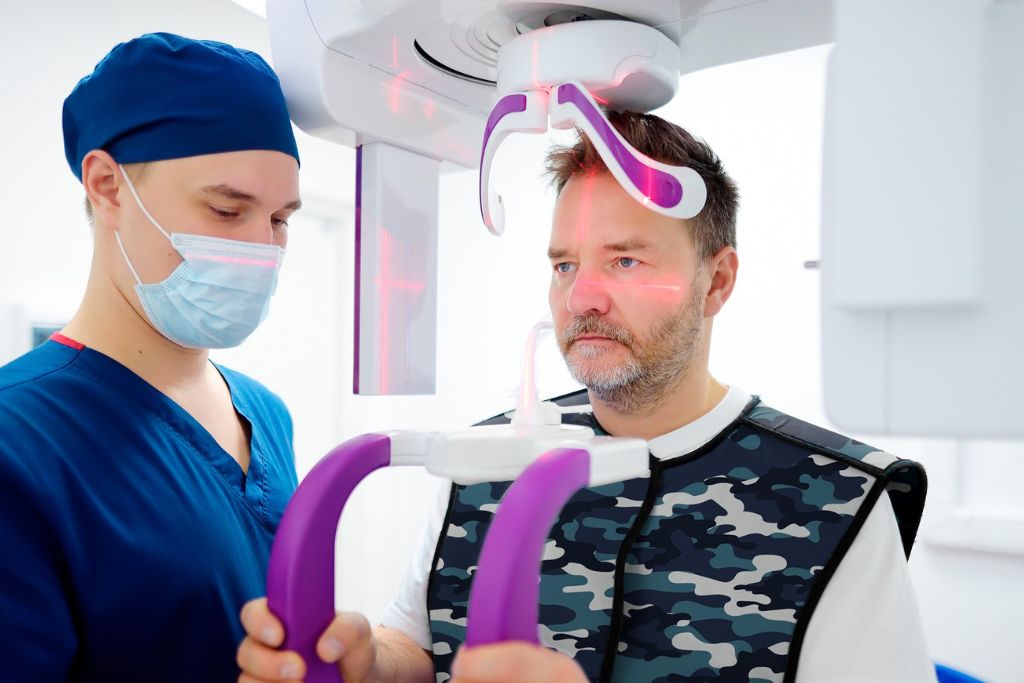
    For years, lead aprons were a familiar part of that process. You’d sit in the chair, the apron would go on, and the X-ray would begin. Simple, standard, expected.

    Today, it’s a little different.

    Advancements in dental imaging and updated clinical research have changed how professionals approach radiation safety. So the question now is: are lead aprons still necessary in dental offices?

    Why Lead Aprons Were Once Standard

    Lead aprons were originally introduced to protect patients from scattered radiation during X-rays. Earlier imaging systems were less precise and used higher doses, so shielding made sense as an added layer of protection.

    At the time, it was the best available solution. And for decades, it became routine across dental practices.

    What Changed in Modern Dentistry

    Dental technology has evolved significantly. Today’s imaging systems are designed to be far more targeted and efficient.

    Modern dental X-rays now use:

    • Digital imaging with significantly lower radiation doses
    • Focused beams that limit exposure to only the necessary area
    • Improved techniques that reduce the need for repeat scans

    Because of these advancements, the amount of radiation used in dental imaging today is extremely low, often comparable to everyday background exposure.

    What the Latest Guidelines Actually Say

    According to the most recent update from the American Dental Association (ADA), the routine use of lead aprons and thyroid collars during dental X-rays is no longer recommended.

    This applies broadly to patients, including children and those who are pregnant. The reasoning is grounded in evidence. Research shows that with modern equipment, lead aprons do not provide meaningful additional protection. In some cases, they can even interfere with the imaging process, which may lead to retakes… and ultimately more exposure.

    So rather than adding safety, routine shielding can sometimes work against it.

    What Protects Patients Today

    The focus has shifted from physical shielding to precision and technique.

    Dental professionals now prioritize taking X-rays only when necessary and using the most advanced tools available. Proper positioning, accurate targeting, and well-maintained equipment all play a bigger role in minimizing exposure than aprons ever did.

    This approach follows what’s known as the ALARA principle: keeping radiation as low as reasonably achievable. It’s a standard that guides modern radiography across healthcare.

    A Note on Regulations

    While clinical guidelines have changed, regulations can vary.

    Some state or local requirements may still include shielding, so dental practices must follow the rules specific to their location. That’s why you may still see lead aprons used in certain offices, even as broader recommendations evolve.

    Where Attenutech Fits In

    At Attenutech, we understand that safety standards don’t stand still. Rather, they evolve with research, technology, and regulation.

    While lead aprons are no longer part of routine dental imaging, protective equipment still plays an essential role across many industries and clinical settings. The key is using the right solution for the right application, backed by current evidence.

    The Bottom Line on Dental X-Ray Safety

    Dental care has come a long way, and so has the way we think about safety. Lead aprons were once a necessary step. Today, they’re no longer part of routine best practice, not because safety matters less but because we’ve found better ways to achieve it.

    And in a field where precision matters, staying aligned with the latest guidance is what truly protects patients.

  • Designed to Protect, Built to Wear: The New Standard in Leaded Glasses

    Designed to Protect, Built to Wear: The New Standard in Leaded Glasses

    Work environments that involve radiation require focus, precision, and protection. You want to stay fully present in what you’re doing without being distracted by the gear meant to keep you safe. That’s often where hesitation comes in. Protective equipment has long been associated with discomfort, and that perception tends to linger.

    Eye protection is one of the most critical pieces in these settings. Exposure risks are real, and over time they add up. Leaded glasses are designed to reduce that risk. Yet many professionals still associate them with heaviness or strain, based on older designs.

    That’s no longer the standard.

    Why Eye Protection Deserves More Attention

    Your eyes are especially sensitive to radiation exposure. Unlike other areas of the body, even small amounts of repeated exposure can lead to long-term effects.

    Leaded glasses are built to shield against scatter radiation, which is common in imaging and procedural environments. The goal is simple: reduce exposure without interfering with how you see or work.

    There’s also a practical side to this. Protection only works when it’s worn consistently. If eyewear feels uncomfortable or distracting, it becomes harder to rely on throughout the day. That’s exactly what modern design aims to solve.

    How Modern Leaded Glasses Are Designed for Comfort

    Balanced Weight Distribution

    Today’s frames are engineered to sit more naturally on the face. Instead of placing pressure on a single point, the weight is distributed across the nose and temples. This reduces strain, especially during extended use.

    The difference becomes noticeable over time. What once felt heavy now feels manageable.

    Advanced Lens Construction

    Modern leaded lenses are designed to maintain protection while reducing unnecessary bulk. Newer materials allow for thinner profiles without compromising shielding performance.

    Side protection is also more integrated. It extends coverage without adding awkward structure or extra weight.

    A More Precise Fit

    Fit plays a direct role in both comfort and protection. Modern leaded glasses are available in multiple sizes and include adjustable features such as flexible nose bridges and contoured arms.

    This allows the glasses to sit securely without constant repositioning. It also helps maintain consistent coverage where it matters most.

    Built for Extended Wear

    In many settings, eyewear stays on for hours at a time. That’s why pressure points are carefully considered. Softer contact areas and improved frame balance reduce fatigue throughout the day.

    Non-slip elements help keep everything in place, so attention stays on the task rather than the fit.

    Clear Vision, Consistent Performance

    Visual clarity remains a priority. High-quality lenses are designed to reduce distortion while maintaining sharp focus. Anti-reflective coatings help manage glare in bright environments, which supports accuracy during detailed work.

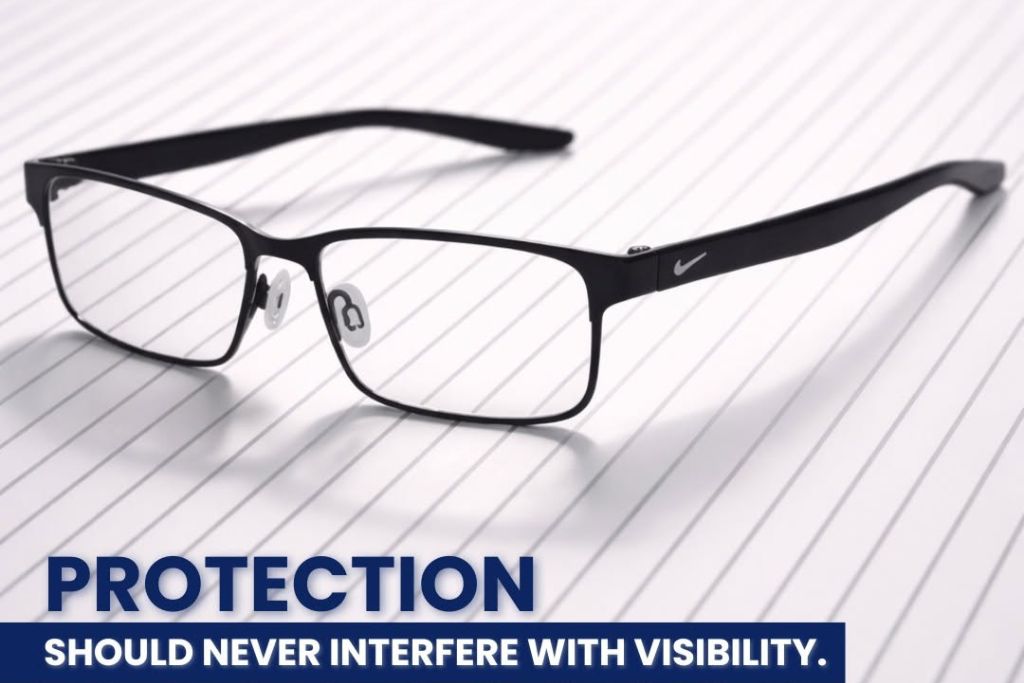
    Protection should never interfere with visibility.

    A More Considered Look

    Design has evolved here as well. Frames now reflect the look of modern eyewear, with cleaner lines and a more refined appearance.

    This shift may seem subtle, but it makes a difference. When something feels better to wear, it becomes part of your routine rather than an interruption.

    Where Attenutech Fits In

    At Attenutech, protection is approached with both performance and usability in mind. Each product is designed to meet safety standards while also addressing how it feels in real-world use.

    That includes lightweight construction, thoughtful fit, and clear optics. The goal is to support professionals who rely on their equipment every day.

    Designed to Support the Way You Work

    Leaded glasses have come a long way. They no longer feel like a compromise between safety and comfort.

    With the right design, protection becomes easier to wear and easier to trust.