Tag: Puppy Training Tips

  • What Should You Know Before Bringing Home a Dachshund?

    What Should You Know Before Bringing Home a Dachshund?

    Quick Answer / Summary

    Before bringing home a Dachshund, it’s important to understand their personality, exercise needs, training habits, and unique health considerations. These affectionate, curious dogs make wonderful companions for families prepared to give them consistent care and attention. Their long backs require special consideration, while their independent personalities benefit from patient training. With proper preparation and healthy routines, a Dachshund can be a delightful addition to your family.

    Key Takeaways

    • Personality: Dachshunds are affectionate, intelligent, playful, and famously determined.
    • Exercise: Daily walks, interactive play, and mental stimulation help keep them happy and active.
    • Training: Early socialization and consistent, reward-based training are particularly important.
    • Health: Their elongated spines make back protection and healthy weight management essential.
    • Preparation: Puppy-proofing your home, gathering supplies, and establishing routines can make the transition easier.

    Introduction

    Those short legs, expressive eyes, and unmistakably long bodies make Dachshunds instantly recognizable. Spend a little time with one, though, and you’ll discover a personality that’s every bit as memorable as its appearance.

    Originally bred in Germany to hunt badgers, Dachshunds are curious, courageous, and surprisingly energetic. They form close bonds with their families and often become enthusiastic participants in everyday household activities. Their independent streak also means they appreciate having something interesting to do!

    At Petland, we believe finding the right puppy starts with understanding what makes each breed special. Dachshunds have plenty of wonderful qualities, along with specific needs that prospective pet parents should consider.

    From understanding their personalities to preparing your home and establishing healthy routines, here’s what you should know before welcoming one of these spirited little companions into your family.

    What Makes Dachshunds Such Special Companions?

    Dachshunds may be small, but their personalities are anything but! Affectionate, playful, and full of character, these spirited little dogs have plenty of qualities that make them wonderful family companions.

    Here’s what makes them so lovable:

    • Affectionate and loyal: Dachshunds often form strong bonds with their families. Many love spending time with their favorite people, enjoying affection, and being part of everyday activities.
    • Full of personality: Curious, clever, and famously spirited, Dachshunds have a playful streak and plenty of confidence. Their entertaining antics can bring lots of laughter to a household.
    • Great companions for smaller spaces: Their compact size makes Dachshunds well-suited to apartments and smaller homes, provided they receive regular exercise, mental stimulation, and attention.
    • Playful and adventurous: Originally bred as hunting dogs, Dachshunds have a natural curiosity and enjoy exploring their surroundings. Walks, scent games, and interactive play can keep them happily engaged.

    Every Dachshund has an individual personality, but these endearing breed traits help explain why so many families fall in love with them.

    Standard vs. Miniature Dachshunds: What’s the Difference?

    Dachshunds come in two recognized sizes in the United States:

    • Standard Dachshunds: Typically weigh between 16 and 32 pounds as adults.
    • Miniature Dachshunds: Weigh 11 pounds or less as adults.

    Both sizes share the breed’s distinctive appearance and personality traits.

    Dachshunds also have three coat varieties: smooth, long-haired, and wire-haired. Each requires slightly different grooming care, making coat type another consideration when choosing your puppy.

    How Much Exercise and Training Does a Dachshund Need?

    Despite their size, Dachshunds need regular physical activity and opportunities to exercise their minds.

    Daily walks, gentle games, and scent-based activities are excellent ways to keep them engaged. Puppies benefit from shorter, age-appropriate activities, with exercise gradually adjusted as they mature.

    How Should You Approach Dachshund Training?

    Dachshunds are intelligent learners, although their independent streak can make consistency particularly important.

    Start with simple commands, reward desirable behaviors, and keep training sessions short and positive. Early socialization can also help your puppy become more comfortable with unfamiliar people, environments, and everyday experiences.

    Patience is especially valuable during potty training. Establishing a predictable schedule and celebrating progress can help your puppy develop reliable habits.

    What Health Considerations Should Dachshund Owners Understand?

    One of the most important aspects of Dachshund care involves protecting their backs.

    Dachshunds are predisposed to intervertebral disc disease (IVDD), a spinal condition that can cause pain, weakness, and mobility problems. Although not every Dachshund develops IVDD, taking sensible precautions can help reduce unnecessary strain on their backs.

    Consider these everyday habits:

    • Support your puppy’s chest and hindquarters when lifting them.
    • Limit jumping from furniture and other elevated surfaces.
    • Maintain a healthy body weight to reduce unnecessary strain.
    • Provide regular, appropriate exercise to support muscle strength.
    • Discuss back safety and preventive care with your veterinarian.

    These precautions support spinal health but cannot guarantee that IVDD will be prevented.

    What Are the Warning Signs of Back Problems?

    Watch for signs such as reluctance to move, a hunched posture, sensitivity when touched, weakness, or difficulty walking.

    Sudden changes in mobility, dragging the hind legs, or loss of bladder control may indicate a serious spinal problem requiring immediate veterinary attention.

    Regular veterinary examinations and awareness of your puppy’s normal behavior can help you recognize concerning changes.

    How Should You Prepare Your Home for a Dachshund Puppy?

    A little preparation can make your puppy’s first days considerably more comfortable.

    Before bringing your Dachshund home, gather these essentials:

    1. A comfortable bed: Choose a supportive, easily accessible sleeping area.
    2. Appropriate puppy food: Select a complete, balanced diet suitable for your puppy’s age.
    3. Food and water bowls: Establish a consistent feeding area.
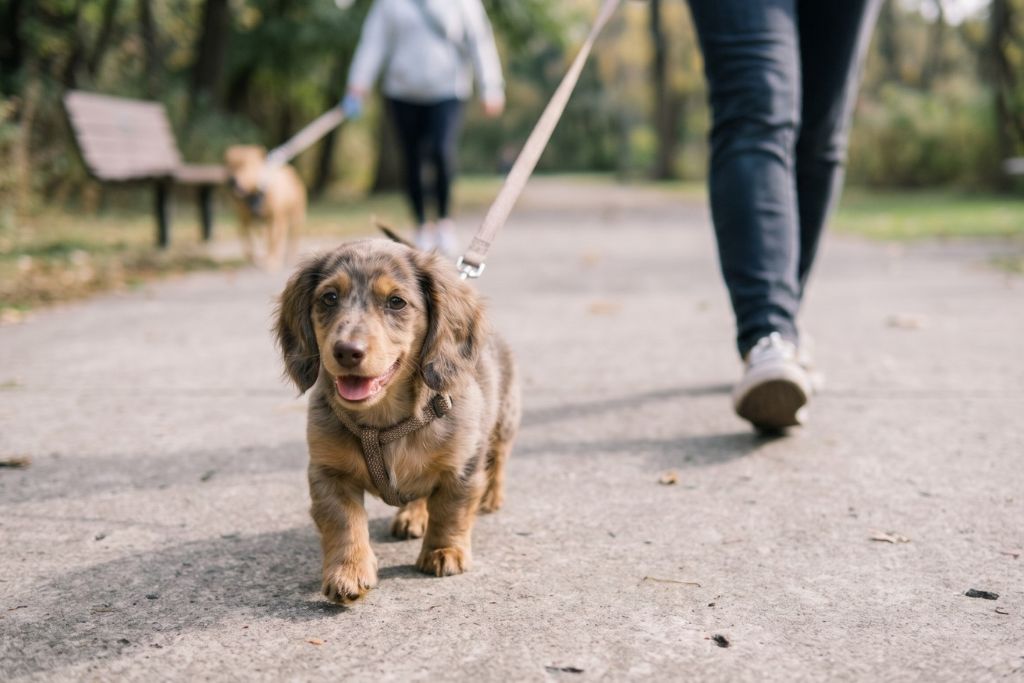
    4. A properly fitted harness and leash: Prepare for safe, supervised walks.
    5. Chew toys and enrichment activities: Offer appropriate outlets for curiosity and natural instincts.
    6. A crate or designated resting space: Create a quiet area where your puppy can relax.

    Secure electrical cords, remove hazardous household items, and block access to unsafe areas. Consider ramps or other appropriate modifications to help manage access to elevated furniture.

    What Should You Do During Your Puppy’s First Few Days?

    Give your Dachshund time to explore their new surroundings at a comfortable pace.

    Establish predictable routines for feeding, potty breaks, playtime, and rest. Introduce family members gradually, provide a quiet sleeping area, and avoid overwhelming your puppy with too many new experiences at once.

    Before bringing your puppy home, review their available health and vaccination records, discuss their current feeding routine, and arrange a veterinary appointment to establish ongoing care.

    At Petland, our knowledgeable Pet Counselors can help you understand your puppy’s needs and prepare for those important first days together.

    Frequently Asked Questions About Dachshunds

    Are Dachshunds Good Family Dogs?

    Yes! Dachshunds can be affectionate, entertaining family companions. Many enjoy spending time with children and participating in family activities. However, interactions with young children should always be supervised. Teaching children to handle dogs gently is especially important for protecting a Dachshund’s sensitive back. Early socialization and positive experiences can also help puppies develop comfortable relationships with family members and other pets.

    Can Dachshunds Live Comfortably in Apartments?

    Absolutely. Dachshunds can adapt well to apartment living when their exercise, companionship, and enrichment needs are met. Their small size makes them suitable for smaller homes, although their tendency to bark deserves consideration, especially in shared buildings. Regular walks, engaging toys, and consistent training can help them adjust to their surroundings. Providing opportunities to explore and play is important regardless of your home’s size.

    How Long Do Dachshunds Typically Live?

    Dachshunds generally live between 12 and 16 years, according to PetMD. Individual lifespans vary depending on genetics, overall health, and care. Maintaining a healthy weight, scheduling regular veterinary visits, providing appropriate exercise, and monitoring for breed-related conditions can support their well-being throughout their lives. Prospective owners should be prepared for the long-term responsibilities that come with welcoming a Dachshund into their family.

    Do Dachshunds Require Frequent Grooming?

    Grooming depends largely on coat type. Smooth-haired Dachshunds generally need occasional brushing, while long-haired varieties require more frequent attention to prevent tangles. Wire-haired Dachshunds may benefit from specialized grooming, including hand-stripping when appropriate, to maintain their coats. All three varieties need regular nail trimming, dental care, and ear checks. Establishing gentle grooming routines during puppyhood can help make these activities more comfortable as your Dachshund grows.

    Are Dachshunds Suitable for First-Time Puppy Owners?

    Dachshunds can be a good choice for first-time pet parents who understand their needs. Their affectionate personalities make them rewarding companions, but training may require extra patience and consistency. Prospective owners should also be prepared for daily exercise, regular veterinary care, and breed-specific health precautions. Learning about these responsibilities beforehand helps establish realistic expectations and gives both puppy and family a positive start.

    A Happy Beginning Starts With Understanding Your Puppy

    Bringing home a Dachshund means welcoming a clever, affectionate companion with plenty of personality. Understanding their instincts, caring for their unique physical needs, and establishing healthy routines can help your puppy settle in and thrive.

    At Cosmick Media SEO Blogs, we’re passionate about helping families make informed decisions and feel confident about welcoming a new puppy.

    Thinking about adding a Dachshund to your family? Visit Petland to learn more about our puppies, explore helpful pet care resources, and connect with our knowledgeable Pet Counselors. We’re here to help you find a companion who fits your family and prepare for everything that comes with bringing your new puppy home.

    Hungry for more? The next chapter’s even better! Follow the paw prints below to keep reading.

    Understanding Puppy Body Language: What Your Pup Is Telling You
    Finding the Perfect Puppy: A Breed Comparison Guide


  • What Should You Know Before Bringing Home a Dachshund?

    What Should You Know Before Bringing Home a Dachshund?

    Daschund puppy care

    Quick Answer / Summary

    Before bringing home a Dachshund, it’s important to understand their personality, exercise needs, training habits, and unique health considerations. These affectionate, curious dogs make wonderful companions for families prepared to give them consistent care and attention. Their long backs require special consideration, while their independent personalities benefit from patient training. With proper preparation and healthy routines, a Dachshund can be a delightful addition to your family.

    Key Takeaways

    • Personality: Dachshunds are affectionate, intelligent, playful, and famously determined.
    • Exercise: Daily walks, interactive play, and mental stimulation help keep them happy and active.
    • Training: Early socialization and consistent, reward-based training are particularly important.
    • Health: Their elongated spines make back protection and healthy weight management essential.
    • Preparation: Puppy-proofing your home, gathering supplies, and establishing routines can make the transition easier.

    Introduction

    Those short legs, expressive eyes, and unmistakably long bodies make Dachshunds instantly recognizable. Spend a little time with one, though, and you’ll discover a personality that’s every bit as memorable as its appearance.

    Originally bred in Germany to hunt badgers, Dachshunds are curious, courageous, and surprisingly energetic. They form close bonds with their families and often become enthusiastic participants in everyday household activities. Their independent streak also means they appreciate having something interesting to do!

    At Petland, we believe finding the right puppy starts with understanding what makes each breed special. Dachshunds have plenty of wonderful qualities, along with specific needs that prospective pet parents should consider.

    From understanding their personalities to preparing your home and establishing healthy routines, here’s what you should know before welcoming one of these spirited little companions into your family.

    What Makes Dachshunds Such Special Companions?

    Dachshunds may be small, but their personalities are anything but! Affectionate, playful, and full of character, these spirited little dogs have plenty of qualities that make them wonderful family companions.

    Here’s what makes them so lovable:

    • Affectionate and loyal: Dachshunds often form strong bonds with their families. Many love spending time with their favorite people, enjoying affection, and being part of everyday activities.
    • Full of personality: Curious, clever, and famously spirited, Dachshunds have a playful streak and plenty of confidence. Their entertaining antics can bring lots of laughter to a household.
    • Great companions for smaller spaces: Their compact size makes Dachshunds well-suited to apartments and smaller homes, provided they receive regular exercise, mental stimulation, and attention.
    • Playful and adventurous: Originally bred as hunting dogs, Dachshunds have a natural curiosity and enjoy exploring their surroundings. Walks, scent games, and interactive play can keep them happily engaged.

    Every Dachshund has an individual personality, but these endearing breed traits help explain why so many families fall in love with them.

    Standard vs. Miniature Dachshunds: What’s the Difference?

    Dachshunds come in two recognized sizes in the United States:

    • Standard Dachshunds: Typically weigh between 16 and 32 pounds as adults.
    • Miniature Dachshunds: Weigh 11 pounds or less as adults.

    Both sizes share the breed’s distinctive appearance and personality traits.

    Dachshunds also have three coat varieties: smooth, long-haired, and wire-haired. Each requires slightly different grooming care, making coat type another consideration when choosing your puppy.

    How Much Exercise and Training Does a Dachshund Need?

    Despite their size, Dachshunds need regular physical activity and opportunities to exercise their minds.

    Daily walks, gentle games, and scent-based activities are excellent ways to keep them engaged. Puppies benefit from shorter, age-appropriate activities, with exercise gradually adjusted as they mature.

    How Should You Approach Dachshund Training?

    Dachshunds are intelligent learners, although their independent streak can make consistency particularly important.

    Start with simple commands, reward desirable behaviors, and keep training sessions short and positive. Early socialization can also help your puppy become more comfortable with unfamiliar people, environments, and everyday experiences.

    Patience is especially valuable during potty training. Establishing a predictable schedule and celebrating progress can help your puppy develop reliable habits.

    What Health Considerations Should Dachshund Owners Understand?

    One of the most important aspects of Dachshund care involves protecting their backs.

    Dachshunds are predisposed to intervertebral disc disease (IVDD), a spinal condition that can cause pain, weakness, and mobility problems. Although not every Dachshund develops IVDD, taking sensible precautions can help reduce unnecessary strain on their backs.

    Consider these everyday habits:

    • Support your puppy’s chest and hindquarters when lifting them.
    • Limit jumping from furniture and other elevated surfaces.
    • Maintain a healthy body weight to reduce unnecessary strain.
    • Provide regular, appropriate exercise to support muscle strength.
    • Discuss back safety and preventive care with your veterinarian.

    These precautions support spinal health but cannot guarantee that IVDD will be prevented.

    What Are the Warning Signs of Back Problems?

    Watch for signs such as reluctance to move, a hunched posture, sensitivity when touched, weakness, or difficulty walking.

    Sudden changes in mobility, dragging the hind legs, or loss of bladder control may indicate a serious spinal problem requiring immediate veterinary attention.

    Regular veterinary examinations and awareness of your puppy’s normal behavior can help you recognize concerning changes.

    How Should You Prepare Your Home for a Dachshund Puppy?

    A little preparation can make your puppy’s first days considerably more comfortable.

    Before bringing your Dachshund home, gather these essentials:

    1. A comfortable bed: Choose a supportive, easily accessible sleeping area.
    2. Appropriate puppy food: Select a complete, balanced diet suitable for your puppy’s age.
    3. Food and water bowls: Establish a consistent feeding area.
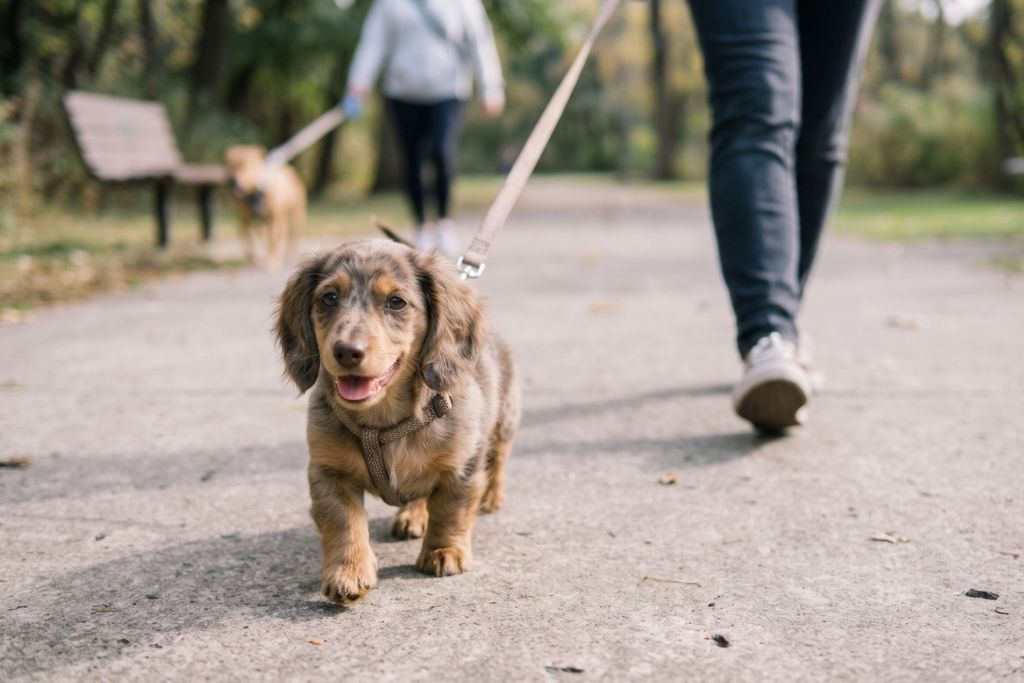
    4. A properly fitted harness and leash: Prepare for safe, supervised walks.
    5. Chew toys and enrichment activities: Offer appropriate outlets for curiosity and natural instincts.
    6. A crate or designated resting space: Create a quiet area where your puppy can relax.

    Secure electrical cords, remove hazardous household items, and block access to unsafe areas. Consider ramps or other appropriate modifications to help manage access to elevated furniture.

    What Should You Do During Your Puppy’s First Few Days?

    Give your Dachshund time to explore their new surroundings at a comfortable pace.

    Establish predictable routines for feeding, potty breaks, playtime, and rest. Introduce family members gradually, provide a quiet sleeping area, and avoid overwhelming your puppy with too many new experiences at once.

    Before bringing your puppy home, review their available health and vaccination records, discuss their current feeding routine, and arrange a veterinary appointment to establish ongoing care.

    At Petland, our knowledgeable Pet Counselors can help you understand your puppy’s needs and prepare for those important first days together.

    Frequently Asked Questions About Dachshunds

    Are Dachshunds Good Family Dogs?

    Yes! Dachshunds can be affectionate, entertaining family companions. Many enjoy spending time with children and participating in family activities. However, interactions with young children should always be supervised. Teaching children to handle dogs gently is especially important for protecting a Dachshund’s sensitive back. Early socialization and positive experiences can also help puppies develop comfortable relationships with family members and other pets.

    Can Dachshunds Live Comfortably in Apartments?

    Absolutely. Dachshunds can adapt well to apartment living when their exercise, companionship, and enrichment needs are met. Their small size makes them suitable for smaller homes, although their tendency to bark deserves consideration, especially in shared buildings. Regular walks, engaging toys, and consistent training can help them adjust to their surroundings. Providing opportunities to explore and play is important regardless of your home’s size.

    How Long Do Dachshunds Typically Live?

    Dachshunds generally live between 12 and 16 years, according to PetMD. Individual lifespans vary depending on genetics, overall health, and care. Maintaining a healthy weight, scheduling regular veterinary visits, providing appropriate exercise, and monitoring for breed-related conditions can support their well-being throughout their lives. Prospective owners should be prepared for the long-term responsibilities that come with welcoming a Dachshund into their family.

    Do Dachshunds Require Frequent Grooming?

    Grooming depends largely on coat type. Smooth-haired Dachshunds generally need occasional brushing, while long-haired varieties require more frequent attention to prevent tangles. Wire-haired Dachshunds may benefit from specialized grooming, including hand-stripping when appropriate, to maintain their coats. All three varieties need regular nail trimming, dental care, and ear checks. Establishing gentle grooming routines during puppyhood can help make these activities more comfortable as your Dachshund grows.

    Are Dachshunds Suitable for First-Time Puppy Owners?

    Dachshunds can be a good choice for first-time pet parents who understand their needs. Their affectionate personalities make them rewarding companions, but training may require extra patience and consistency. Prospective owners should also be prepared for daily exercise, regular veterinary care, and breed-specific health precautions. Learning about these responsibilities beforehand helps establish realistic expectations and gives both puppy and family a positive start.

    A Happy Beginning Starts With Understanding Your Puppy

    Bringing home a Dachshund means welcoming a clever, affectionate companion with plenty of personality. Understanding their instincts, caring for their unique physical needs, and establishing healthy routines can help your puppy settle in and thrive.

    At Dream Tails Sarasota by Petland, we’re passionate about helping families make informed decisions and feel confident about welcoming a new puppy.

    Thinking about adding a Dachshund to your family? Visit Petland to learn more about our puppies, explore helpful pet care resources, and connect with our knowledgeable Pet Counselors. We’re here to help you find a companion who fits your family and prepare for everything that comes with bringing your new puppy home.

    Hungry for more? The next chapter’s even better! Follow the paw prints below to keep reading.

    Understanding Puppy Body Language: What Your Pup Is Telling You
    Finding the Perfect Puppy: A Breed Comparison Guide

  • Where Can You Safely Socialize a Dachshund Puppy Around Old Bridge, NJ?

    Where Can You Safely Socialize a Dachshund Puppy Around Old Bridge, NJ?

    Quick Answer / Summary

    You can safely socialize a Dachshund puppy around Old Bridge, NJ, through supervised puppy classes, controlled introductions to healthy dogs, quiet neighborhood outings, and veterinarian-approved private play spaces. Start with positive, low-risk experiences while your puppy completes vaccinations. The goal is to introduce different people, sounds, animals, and environments at a comfortable pace, helping your Dachshund develop confidence without unnecessary health risks or overwhelming encounters.

    Key Takeaways

    • Start early: The first three months are especially important for puppy socialization.
    • Choose controlled environments: Supervised puppy classes and introductions to familiar, healthy dogs are good starting points.
    • Explore Old Bridge gradually: Neighborhood outings can introduce new sights and sounds without requiring direct contact with unfamiliar dogs.
    • Respect your puppy’s comfort: Reward curiosity and calm behavior rather than forcing interactions.
    • Prioritize health: Ask your veterinarian about vaccination requirements, local disease risks, and suitable activities.

    Introduction

    Dachshunds may be small, but they’re certainly not short on personality! Curious, clever, and famously determined, these little dogs have plenty to discover as they settle into family life.

    For new puppy parents around Old Bridge, New Jersey, socialization is an important part of helping that curiosity develop into confidence. It introduces your Dachshund to the people, places, sounds, and everyday experiences they’ll encounter as they grow.

    Fortunately, socialization doesn’t require crowded dog parks or constant puppy playdates.

    From quiet neighborhood outings to structured training classes, there are several ways to help your puppy explore safely. The important part is choosing experiences that suit their age, health, and individual temperament.

    At PetCenter, we enjoy helping families prepare for the responsibilities and rewards of puppy parenthood. Understanding safe socialization is an important part of giving your new companion a positive start.

    Here’s where to socialize your Dachshund around Old Bridge, what precautions to take, and how to recognize when your puppy is ready for something new.

    When Should You Start Socializing a Dachshund Puppy?

    Puppy socialization should begin early, with appropriate precautions.

    The first three months are particularly important for helping puppies become comfortable with unfamiliar people, animals, and environments. Early, positive experiences can reduce the likelihood of fear-related behavioral problems later in life.

    However, socialization doesn’t mean exposing your puppy to every possible situation. A thoughtful approach is much more beneficial than overwhelming them with unfamiliar experiences. 

    Can Dachshund Puppies Socialize Before Completing Vaccinations?

    Yes. Puppies can begin carefully managed socialization before their vaccination series is complete.

    The American Veterinary Society of Animal Behavior supports appropriately managed puppy classes beginning as early as 7–8 weeks. Its guidance recommends at least one set of vaccinations administered seven days before the first class, along with initial deworming and continued vaccinations.

    Individual class requirements may be stricter.

    Other early socialization opportunities include:

    • Meeting friendly visitors in your home.
    • Interacting with known, healthy, appropriately vaccinated dogs.
    • Observing neighborhood activity while being carried.
    • Experiencing different household sounds and surfaces.
    • Participating in supervised puppy classes with appropriate health precautions.

    Your veterinarian should help determine which activities are suitable based on your puppy’s health and local disease risks.

    Avoid dog parks and heavily used dog areas where vaccination status and sanitation are unknown. 

    Where Can You Socialize a Dachshund Puppy Around Old Bridge?

    Old Bridge and surrounding Middlesex County communities offer several options for introducing your puppy to new experiences.

    The best starting point depends on your Dachshund’s age, vaccination status, temperament, and comfort level.

    1. Private Outdoor Spaces Through Sniffspot

    Sniffspot includes privately bookable outdoor spaces in nearby communities, including East Brunswick.

    These spaces can provide a quieter alternative to public dog parks, particularly for puppies who need time to become comfortable outdoors.

    Private rentals may be useful for practicing recall, exploring new surroundings, and enjoying supervised activity without unexpected encounters with unfamiliar dogs.

    However, private bookings don’t eliminate disease risks. Other dogs may have used the property previously.

    Before visiting:

    • Check the property’s fencing, terrain, and cleanliness.
    • Ask about recent use and sanitation practices.
    • Bring your own water bowl and toys.
    • Consult your veterinarian about shared outdoor surfaces.

    For Dachshunds, choose relatively level areas without obstacles that encourage repeated jumping.

    Private spaces are useful for environmental exploration, but they don’t replace positive social experiences with people and other dogs. 

    2. Puppy Training Classes Around Middlesex County

    Structured puppy classes are among the most useful options for early socialization.

    They allow puppies to practice basic skills while becoming familiar with other dogs, people, and everyday distractions in a supervised setting.

    Camp Bow Wow Middlesex offers a four-week basic puppy training class for dogs approximately 10 weeks to four months old, subject to age-appropriate vaccination requirements.

    Families can also explore NJ Dog & Puppy Training and inquire about suitable puppy programs.

    Before enrolling, ask about:

    • Minimum age and vaccination requirements.
    • Group size and supervision.
    • Reward-based training methods.
    • Appropriate matching by size and temperament.
    • How instructors support nervous puppies.

    A good class should help your Dachshund feel comfortable learning around other dogs without requiring constant interaction. 

    3. Camp Bow Wow Middlesex for Older, Eligible Puppies

    As your Dachshund grows, supervised daycare may become another option for social interaction.

    Camp Bow Wow Middlesex offers daycare with supervised indoor and outdoor play areas.

    Dogs must meet the facility’s health requirements and complete an assessment before joining group play. The facility also requires participating daycare dogs to be spayed or neutered.

    Daycare isn’t a substitute for early puppy socialization, and it won’t suit every dog’s temperament.

    For Dachshunds, ask how dogs are grouped by size and play style. Gentle, appropriately matched interactions are especially important for protecting their backs.

    Consider daycare only when your puppy meets the facility’s requirements and is comfortable participating in supervised group activities. 

    4. Quiet Neighborhood Outings Around Old Bridge

    Some of the most valuable socialization experiences happen during ordinary daily activities.

    Around Old Bridge, neighborhoods near Madison Park and Laurence Harbor provide opportunities to introduce puppies to everyday sights and sounds.

    Start with short, comfortable outings where your puppy can observe:

    • People walking, jogging, and cycling.
    • Passing cars and neighborhood traffic.
    • Strollers, bicycles, and delivery vehicles.
    • Different voices and appearances.
    • Calm, leashed dogs from a comfortable distance.

    For puppies still completing vaccinations, carrying them or using a secure puppy carrier can provide valuable exposure without contact with potentially contaminated surfaces.

    Once your veterinarian approves outdoor walks, gradually introduce new routes and environments.

    5. Supervised Visits With Familiar Dogs

    A calm, healthy, appropriately vaccinated dog belonging to a trusted friend or family member can be a helpful socialization partner.

    For families around Sayreville, East Brunswick, and Old Bridge, a supervised visit in a familiar home may be more manageable than an unpredictable public setting.

    Introduce the dogs gradually and watch their body language.

    Keep sessions brief, allow breaks, and avoid forcing interactions.

    For Dachshunds, choose playmates who interact gently and won’t overwhelm them physically.

    How Can You Tell if Your Dachshund Is Enjoying Socialization?

    Successful socialization isn’t about how many dogs your puppy meets. It’s about helping them feel comfortable with new experiences.

    What Does Positive Socialization Look Like?

    Signs your Dachshund is handling an experience well may include:

    • Relaxed body language and natural curiosity.
    • Willingness to explore or sniff.
    • Taking treats and responding to familiar cues.
    • Approaching unfamiliar things voluntarily.
    • Returning to you comfortably for reassurance.

    If your puppy freezes, trembles, repeatedly tries to escape, or refuses treats they normally enjoy, they may be overwhelmed.

    Give them more distance or end the interaction. Avoid forcing greetings with unfamiliar people or dogs.

    A puppy who can calmly observe another dog without approaching is still learning something valuable.

    Why Does Gentle Handling Matter for Dachshunds?

    Dachshunds have long backs and short legs, making thoughtful handling especially important.

    Their body structure is associated with an increased risk of intervertebral disc disease (IVDD), a spinal condition that can cause pain and neurological problems.

    During socialization, avoid rough play, repeated jumping from elevated surfaces, and situations where larger dogs might accidentally knock your puppy over.

    When lifting your Dachshund, support both the chest and hindquarters.

    These precautions can help reduce unnecessary physical strain, although they cannot guarantee prevention of spinal problems.

    Frequently Asked Questions About Dachshund Puppy Socialization

    Can I Socialize My Dachshund Before They’re Fully Vaccinated?

    Yes, with appropriate precautions. Early socialization is important, and waiting until every vaccination is complete can mean missing part of a puppy’s critical learning period. Consider inviting healthy, vaccinated dogs into a controlled home environment or carrying your puppy during short neighborhood outings. Appropriately managed puppy classes may also be suitable. Ask your veterinarian about local disease risks and the activities appropriate for your puppy’s vaccination status.

    Are Dog Parks Safe for Dachshund Puppies?

    Public dog parks generally aren’t recommended for very young puppies, especially those who haven’t completed their vaccinations. Unfamiliar dogs, shared surfaces, and unpredictable play can create health and safety concerns. Dachshunds may also be vulnerable to injuries during rough interactions with larger dogs. Controlled introductions, appropriately managed puppy classes, and veterinarian-approved outings are better starting points. Your puppy can develop good social skills without visiting a public dog park.

    How Often Should I Socialize My Dachshund Puppy?

    Aim for frequent, brief, positive experiences rather than occasional overwhelming outings. Socialization can happen during ordinary activities, including meeting a visitor, hearing a new household sound, or watching neighborhood activity from a safe distance. Your puppy’s age, temperament, and comfort level should determine the pace. A few enjoyable minutes can be more valuable than a lengthy experience that leaves your puppy frightened or exhausted. Allow plenty of rest between activities.

    What if My Dachshund Puppy Barks at New People or Dogs?

    Barking can have several causes, including excitement, uncertainty, or fear. Rather than punishing the behavior, create enough distance for your puppy to relax and reward calm observation. Gradually introduce new experiences at a manageable pace. If barking is accompanied by persistent fear, lunging, or difficulty settling, consult your veterinarian or a qualified reward-based trainer. Early guidance can help you understand what’s triggering the behavior and develop a suitable training approach.

    Can Dachshunds Become Friendly With Larger Dogs?

    Yes. Dachshunds can develop positive relationships with larger dogs when introductions are managed carefully. Choose calm, socially appropriate dogs who respect your puppy’s boundaries. Supervise interactions closely and prevent rough play, chasing, or accidental collisions. Size alone doesn’t determine compatibility, but it does affect physical safety. Your Dachshund should always have the option to move away and take a break. Positive, controlled experiences are more important than encouraging immediate play.

    Does Puppy Training Help With Socialization?

    Yes. Well-managed puppy training classes can help young dogs become comfortable around unfamiliar people, dogs, and everyday distractions while learning useful skills. Look for positive reinforcement methods, appropriate vaccination requirements, and careful supervision.

    Helping Your Dachshund Discover the World With Confidence

    Socializing your Dachshund puppy doesn’t require a packed calendar or constant introductions. Thoughtful, positive experiences can help your puppy become more comfortable with everyday life.

    From quiet outings around Old Bridge to supervised training opportunities throughout Middlesex County, there are plenty of ways to explore together. Start small, pay attention to your puppy’s reactions, and build on each successful experience.

    At PetCenter, we believe preparing for puppy parenthood is just as important as finding the right companion. Our Pet Counselors can help you understand breed-specific needs, explore training resources, and prepare for those exciting first weeks at home.

    Thinking about welcoming a Dachshund into your family? We’re here to help you find a puppy that fits your family and provide the information and support you need to start your journey together.

    Hungry for more? The next chapter’s even better! Follow the paw prints below to keep reading.

    Why Puppy Mental Enrichment Matters as Much as Exercise

    Family-Friendly Puppy Breeds You’ll Love

  • Why Puppy Mental Enrichment Matters as Much as Exercise

    Why Puppy Mental Enrichment Matters as Much as Exercise

    Bringing home a puppy means thinking about the whole picture: good nutrition, healthy growth, exercise, training and plenty of love. 

    There is another important piece, too. Mental enrichment gives puppies safe ways to explore, learn, problem-solve and use their natural instincts.

    A morning walk around Old Bridge gets little paws moving. Letting your puppy stop and sniff gives their brain a workout, too. The best routines make room for both.

    What does mental enrichment mean for puppies?

    Mental enrichment gives puppies appropriate ways to use their brains and senses. It can include training, food puzzles, scent games, interactive toys and new experiences.

    It does not need to be complicated. A few minutes of focused play can turn an ordinary part of the day into an opportunity to learn.

    Why is mental stimulation just as important as exercise?

    Physical exercise helps puppies use their energy. Mental enrichment adds another kind of workout and can help prevent boredom and frustration. The AKC recommends age-appropriate activity for puppies and recognizes training and interactive games as ways to provide mental stimulation. 

    Try these simple activities:

    • Turn meals into a search. Hide small portions of your puppy’s regular food in safe spots and let them sniff it out. Scent activities encourage natural exploration. 
    • Practice a new skill. Short, positive training sessions encourage puppies to think and learn. Start with simple cues and reward desired behaviors. 
    • Offer interactive toys. Food puzzles and enrichment toys encourage problem-solving. Choose age-appropriate options and supervise their use. 
    • Make walks a sensory adventure. A stroll through your neighborhood gives your puppy new sights, sounds and scents. Near Mannino Park or around the Laurence Harbor area, let your puppy safely stop and sniff.

    How can everyday adventures become enrichment?

    You do not need to plan an elaborate activity every day. Your puppy can learn from small changes in their routine.

    A quiet sniffing session at home can be enrichment. So can exploring a new room or practicing a familiar cue somewhere different. A calm outing near Raritan Bay can provide new sights and sounds. Cheesequake State Park in nearby Matawan offers another setting to experience nature, with five designated trails and varied habitats. Always check current park rules before bringing your puppy. 

    How does PetCenter support healthy puppy development?

    At PetCenter Old Bridge, we know bringing home a puppy is the start of a new relationship. That means helping families feel prepared for the everyday parts of puppy life, too.

    Our resources include breed information and training support, while our team remains available as families adjust to life with a new companion. PetCenter also offers complimentary professional training sessions as part of its ongoing support for new owners. 

    From a puzzle toy at home to a new scent along a walk in Cliffwood Beach, those little moments add up. Your puppy is learning all the time. Giving that curious mind something appropriate to explore can help make those early months happier, richer and more rewarding for both of you.

    Hungry for more? The next chapter’s even better! Follow the paw prints below to keep reading.

    Puppy Potty Training Mistakes New Owners Should Avoid

    8-Week-Old Puppy Potty Training Schedule: What to Expect

  • Positive Reinforcement Power: Why It’s the Best Way to Train Your Puppy (and How to Start)

    Positive Reinforcement Power: Why It’s the Best Way to Train Your Puppy (and How to Start)

    Bringing a new puppy home is incredibly exciting, but we know the thought of training can sometimes feel overwhelming amidst the fun. If you’re wondering about the best approach to train your puppy, forget outdated methods relying on force or intimidation.

    Positive reinforcement training (+R) stands out as the kindest, most effective method, widely recommended by veterinary behaviorists and certified professional dog trainers. Let’s explore why this science-backed method works wonders and how you can confidently start using its power today.

    train your puppy

    Why Positive Reinforcement Reigns Supreme When You Train Your Puppy

    So, what makes positive reinforcement so effective and the preferred method for professionals? It focuses scientifically on rewarding the behaviors you want to see more of. When your puppy performs a desired action – like sitting politely or coming when called – you immediately add something they value (a reward).

    This simple exchange does several powerful things, aligning with principles supported by leading organizations like the American Veterinary Society of Animal Behavior (AVSAB):

    • Builds Trust & Strong Bonds: It strengthens your relationship through positive interactions, fostering cooperation instead of fear – essential when you train your puppy.
    • Motivates Eager Learning: Puppies become active, enthusiastic participants, trying to figure out what actions earn rewards. Learning becomes a fun, engaging puzzle!
    • Creates Clarity & Confidence: It clearly shows your puppy what you want them to do when you train your puppy, building their confidence as they succeed, rather than just confusing or scaring them about what not to do.
    • Avoids Negative Side Effects: Unlike punishment-based methods, +R doesn’t risk creating the anxiety, fear, or potential aggression that experienced trainers often see as fallout from harsher techniques. It prioritizes your puppy’s emotional well-being.

    Getting Started: Positive Reinforcement for Your Puppy Training

    Ready to train your puppy using this positive power? Starting is simpler than you might think, even if you’re a first-time puppy owner:

    1. Find Your Puppy’s Paycheck: What does your unique pup genuinely love? It might take some experimenting! Powerful rewards can include tiny, high-value treats; think pea-sized pieces of plain cooked chicken, cheese, or soft training treats. Enthusiastic verbal praise, like “Yes! Good girl!”, is also very effective. Additionally, a quick game of tug or a favorite ear scratch can be highly motivating rewards when you train your puppy.
    2. Timing is Everything: Reward immediately – within 1-2 seconds – the moment your puppy offers the behavior you like. Puppies learn through immediate association; if you reward too late, they won’t connect the reward to the correct action. This precision comes with a little practice!
    3. Keep it Short, Fun & Frequent: Puppies have short attention spans. Keep dedicated sessions brief when you train your puppy (just 2-5 minutes is often plenty) and frequent throughout the day. Always aim to end on a successful, happy note – training should always feel like a good experience for them.
    4. Start Simple: Begin with easy behaviors like rewarding your puppy for responding to their name, offering a “sit,” or capturing calm behavior. Success builds momentum for both of you.

    Building a Foundation of Trust Through Training

    Positive reinforcement training is more than just teaching commands; it’s the most effective and kind way to train your puppy and build a lifelong foundation of trust, communication, and joy. Be patient – learning takes time. Stay consistent – everyone in the household should ideally use the same positive methods. Celebrate the small successes along the way!

    While +R is powerful for everyday training, if you encounter significant behavior challenges (like fear, anxiety, or aggression), consulting a certified professional dog trainer (like a CPDT-KA) or a veterinary behaviorist (DACVB) is always recommended. By embracing positive reinforcement as you train your puppy, you’re choosing a path that nurtures a confident, happy, and well-behaved companion.

  • Potty Training Your Puppy: Fun, Fresh Tips For Success!

    Potty Training Your Puppy: Fun, Fresh Tips For Success!

    Bringing home a new puppy? Exciting, right? But let’s be real—potty training can be a bit of a rollercoaster. The good news? With some fresh techniques and cool new gadgets, teaching your pup where to go has never been easier (or more fun!). Check out these top trending potty training tips that’ll have your furry friend mastering the art of potty time in no time.

    potty training puppy

    1. Treats, Praise, and Happy Dances

    Forget scolding—2025 is all about positive vibes! Puppies learn best when they’re rewarded for doing the right thing. So, whether it’s tasty treats, a belly rub, or even a little happy dance (we won’t judge), make sure your pup knows they nailed it when they potty in the right spot.

    2. Routines Rule!

    Dogs love a good routine—just like us with our morning coffee. Set a schedule for potty breaks, and stick to it like clockwork. Taking your pup out after meals, naps, and playtime helps them learn the ropes faster and keeps your floors accident-free.

    3. High-Tech Help

    Welcome to the future, where potty training gets a techy upgrade! Smart potty pads, treat-dispensing cameras, and apps that remind you when it’s potty time are total game-changers. Who knew training could be this high-tech?

    4. Crate It Up

    Crates aren’t just cozy dens; they’re amazing potty-training tools. Puppies naturally avoid making a mess where they sleep, so a properly sized crate helps them hold it until the next potty break. Just remember—slow and steady wins the crate-training race.

    5. Ring That Bell

    Want your pup to tell you when it’s time to go? Bell training is all the rage! Hang a little bell by the door and teach your puppy to tap it with their paw or nose when nature calls. It’s like a doorbell, but way cuter.

    6. Go Green with Potty Training

    Eco-conscious pet parents, rejoice! From reusable grass pads to biodegradable potty products, keeping things green while potty training your pup is totally doable—and trending!

    7. Potty Training Sprays to the Rescue

    If your pup is having trouble picking a potty spot, special sprays infused with pheromones can work wonders. Just spritz it where you want them to go, and voila! Instant potty zone.

    8. Indoor Options for City Pups

    Not everyone has a big backyard, and that’s okay! Indoor potty solutions like artificial turf patches or puppy litter boxes are lifesavers for apartment dwellers and those dealing with crazy weather.

    9. Learn Your Pup’s Secret Signals

    Your puppy has their own way of telling you they need to go—sniffing around, circling, or giving you that “I gotta go” look. Paying attention to their cues can save you from surprise accidents.

    10. Patience, Persistence, and Lots of Paper Towels

    Let’s be honest—potty training takes time. There will be accidents, but staying patient and consistent is key. Celebrate the wins and laugh off the oops moments. You got this!

    With these fun and effective potty training tips, you’ll have your pup doing their business like a pro before you know it. Happy training!