Tag: puppy teething

  • Why Puppies Bite Everything (And How to Handle Teething the Right Way)

    Why Puppies Bite Everything (And How to Handle Teething the Right Way)

    You brought home a puppy. Life is adorable. Your camera roll is full. And suddenly… your shoelaces, chair legs, blankets, and hands have all become chew toys. Welcome to teething.

    For many new puppy owners around Cheyenne and nearby Wyoming communities, teething can feel surprising at first. One minute your puppy is peacefully cuddling beside you. The next, they are attempting to bite the corner of your coffee table like it personally offended them.

    The good news is this: puppy teething and chewing are completely normal developmental stages.

    Understanding why puppies bite things and how to safely guide them through it helps protect both your puppy and your home during these important early months.

    Why Puppies Teethe in the First Place

    Like human babies, puppies go through a teething process as their adult teeth develop.

    Puppies are born without teeth. Their baby teeth begin appearing around 3 to 6 weeks old, while adult teeth typically start replacing them around 3 to 4 months of age.

    Most puppies finish teething by about 6 months old. During this stage, chewing helps relieve soreness and discomfort in their gums.

    Why Puppies Bite Literally Everything

    Puppies do not use their hands to investigate the world. They use their mouths.

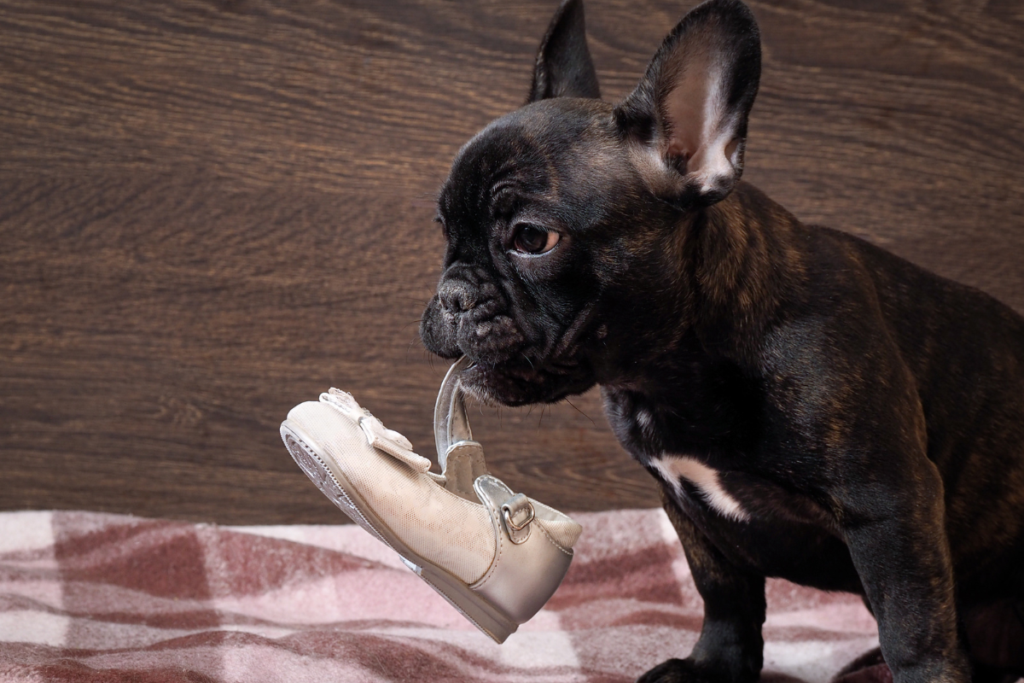
    That means shoes, furniture, blankets, sticks, and sometimes even your hoodie sleeve can suddenly become fascinating.

    Teething puppies also chew because:

    • It relieves gum discomfort
    • It helps reduce boredom
    • It provides mental stimulation
    • It satisfies natural puppy instincts

    This behavior is normal, but puppies still need guidance on what is safe to chew.

    Safe Ways to Help a Teething Puppy

    Offer Appropriate Chew Toys

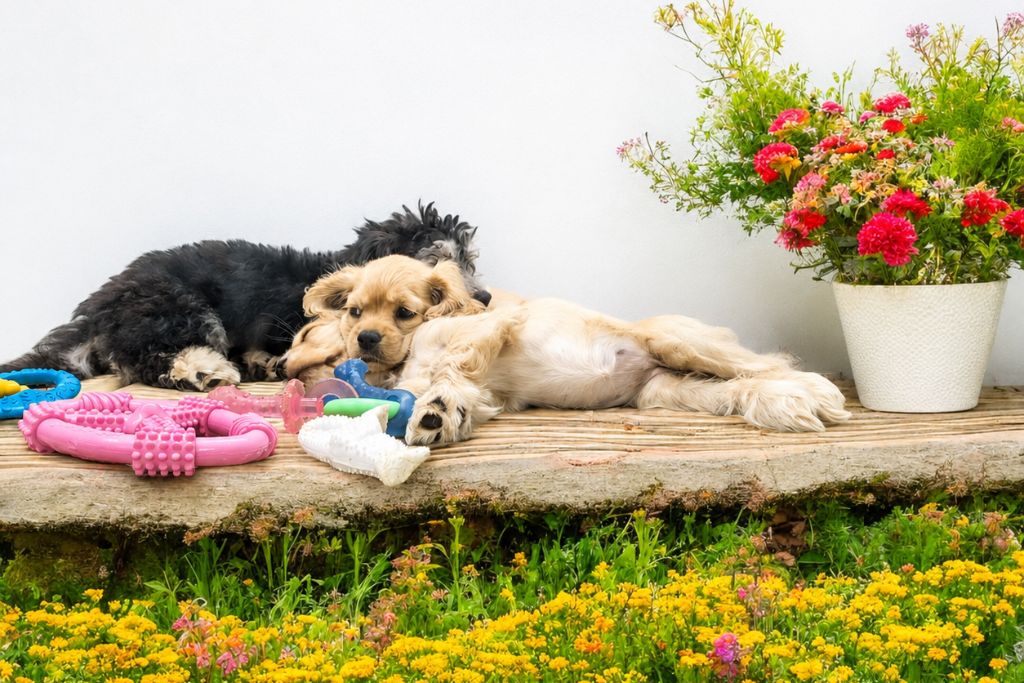
    Durable puppy-safe chew toys help redirect biting behavior away from unsafe objects. Different textures can also help soothe sore gums. Many puppies enjoy rubber toys, soft teething toys, or chilled puppy-safe chews.

    Frozen washcloths or veterinarian-approved frozen treats may also provide temporary relief during tougher teething days.

    Keep Unsafe Items Out of Reach

    Puppies should not have access to:

    • Electrical cords
    • Shoes
    • Small objects
    • Children’s toys
    • Furniture corners
    • Toxic household items

    Creating safe boundaries early helps prevent accidents while teaching good habits. This is especially important during indoor-heavy Cheyenne, Wyoming weather days when puppies may spend more time exploring inside the house.

    How to Respond to Puppy Nipping

    Puppies often nip during play because they are still learning bite inhibition. Instead of yelling or harsh punishment, calmly redirect your puppy toward an appropriate toy.

    Consistency matters most. Puppies learn faster when reactions stay calm, predictable, and positive.

    Teething Does Not Last Forever

    It may not feel like it while your puppy is chewing the corner of your rug for the third time today, but teething eventually passes.

    Most puppies naturally reduce intense chewing behaviors once adult teeth fully come in.

    Until then, patience and supervision go a long way.

    Helping Puppies Through Every Stage

    Frontier Pets understands how important these early puppy months are for families. Bringing home a puppy comes with excitement, learning curves, and plenty of questions along the way. That’s why education and support matter so much during puppyhood.

    Helping puppies feel safe, healthy, and understood creates stronger lifelong bonds from the very beginning.

    A Little Chewing Comes With the Puppy Stage

    Teething can absolutely test your patience sometimes. But it is also a completely normal part of growing up for puppies.

    And hey, one day you may even miss the tiny puppy phase, chewed shoelaces and all.
  • Teething Troubles? How to Save Your Shoes & Help Your Puppy Through the Chewing Phase

    Teething Troubles? How to Save Your Shoes & Help Your Puppy Through the Chewing Phase

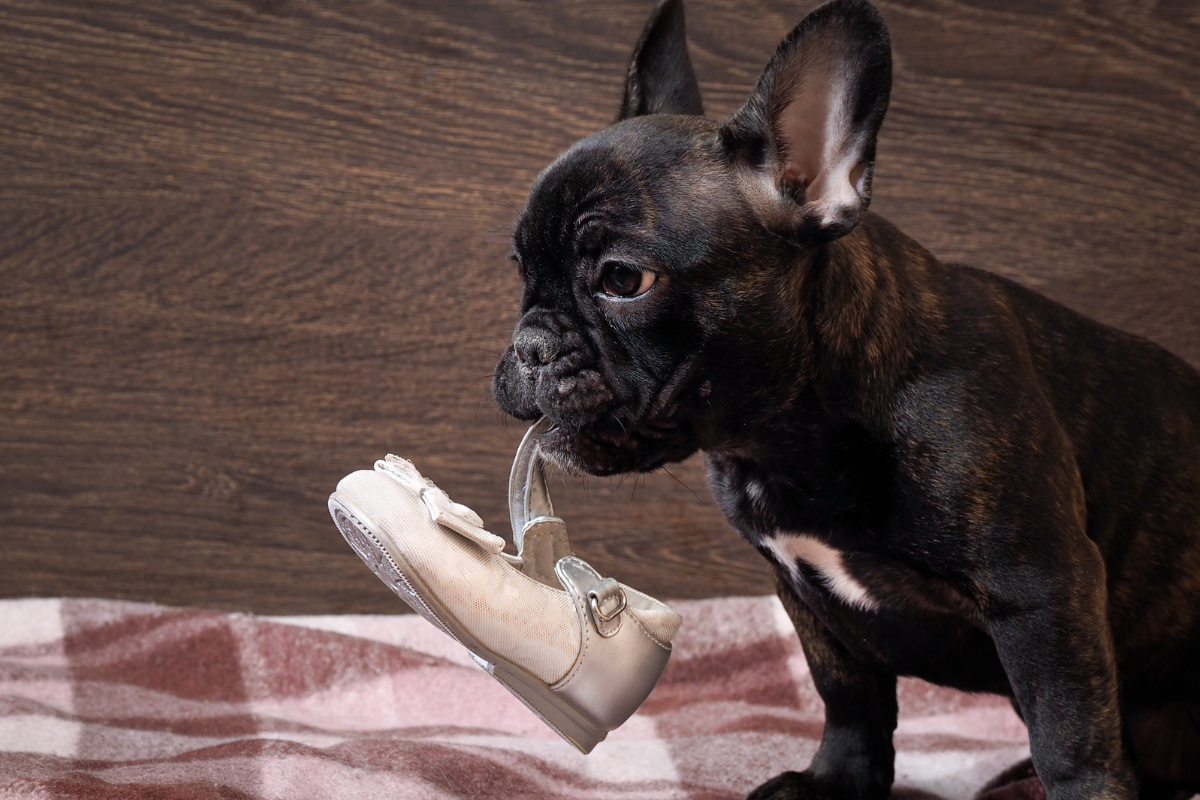
    If you’ve got a puppy in the house, you’ve probably already learned one thing—nothing is safe from those tiny, razor-sharp teeth! Puppy teething can turn almost anything into a chew toy. Shoes, chair legs, and couch pillows are all fair game. A teething pup will chew whatever they can get their teeth on. But don’t worry; this phase won’t last forever. With a little patience and plenty of chew toys, you and your pup will get through it with minimal damage.

    Why Puppies Chew Everything in Sight

    Puppies go through puppy teething just like human babies. It’s not exactly a comfortable experience. As their new teeth come in, their gums can feel sore. Chewing helps relieve that discomfort. But chewing isn’t just about puppy teething. Puppies are also little explorers. They use their mouths to understand the world around them. Sometimes, they’re just bored and looking for something fun to do. Unfortunately, that “fun” often involves your favorite sneakers.

    How to Protect Your Belongings and Keep Your Puppy Happy During Teething

    • Swap Shoes for Chew-Approved Toys – Your puppy is going to chew—that’s a given—so the trick is to make sure they’re chewing the right things. Stock up on durable rubber toys, rope toys, and teething rings. Freezable chew toys are a great option because the cold helps soothe sore gums. If you want to get creative, freeze a wet washcloth and let your puppy gnaw on it for a cool, soothing treat.
    • Hide the Good Stuff – If you leave your shoes by the door, you’re basically putting out an open invitation for your puppy to turn them into a chew toy. Keep tempting items out of reach, and if necessary, use baby gates to keep your pup away from certain areas. This isn’t forever—just until they learn the difference between a toy and a $100 pair of running shoes.
    • Make Everything Taste Terrible – For puppies who just won’t leave furniture or baseboards alone, bitter spray can be a game-changer. A quick spritz on the problem areas makes things taste awful, and after a few tries, most puppies decide it’s just not worth it. It’s safe, easy, and way better than coming home to a half-eaten coffee table.
    • Turn Chewing Into a Game – Sometimes, puppies chew because they’re bored and looking for something to do. If your pup is going on a chewing spree, try redirecting that energy into a fun game. Tug-of-war, fetch, or even a good old-fashioned chase around the yard can help wear them out so they’re less likely to go on a destruction mission.
    • Treat Them to Some Frozen Goodies – Cold things feel great on sore gums, so try offering your puppy some frozen treats. Frozen carrots, apple slices, or even banana chunks can double as a tasty snack and a teething soother. Plus, it’s a fun way to introduce them to new flavors while keeping them away from things they shouldn’t be chewing.
    • Stay Patient; This Won’t Last Forever – Puppy teething is just a phase, and by the time your pup is around six months old, their adult teeth will be in, and the worst of the chewing should be over. In the meantime, keep redirecting them to the right things, praise them when they chew appropriately, and remember—one day, you’ll actually miss these chaotic puppy days. Well, maybe not the part where they tried to eat your entire living room.

    Got a teething pup at home? What’s been their favorite thing to chew? Hopefully, not your furniture! Share your puppy stories—we’d love to hear them!