Tag: puppy food

  • Puppy Nutrition by Life Stage: What Your Pup Needs

    Puppy Nutrition by Life Stage: What Your Pup Needs

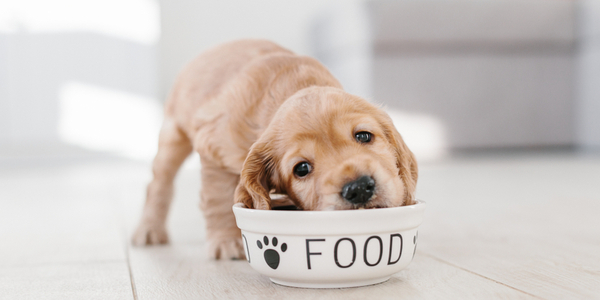
    Bringing home a puppy means making plenty of decisions, including what and when to feed them. For new puppy owners in Stuart and Boca Raton, a good place to start is understanding how nutritional needs change from weaning through adulthood. This guide covers what to look for in puppy food, how feeding routines may change, and when to talk with your veterinarian about the next stage.

    What Does a Puppy Need at Each Life Stage?

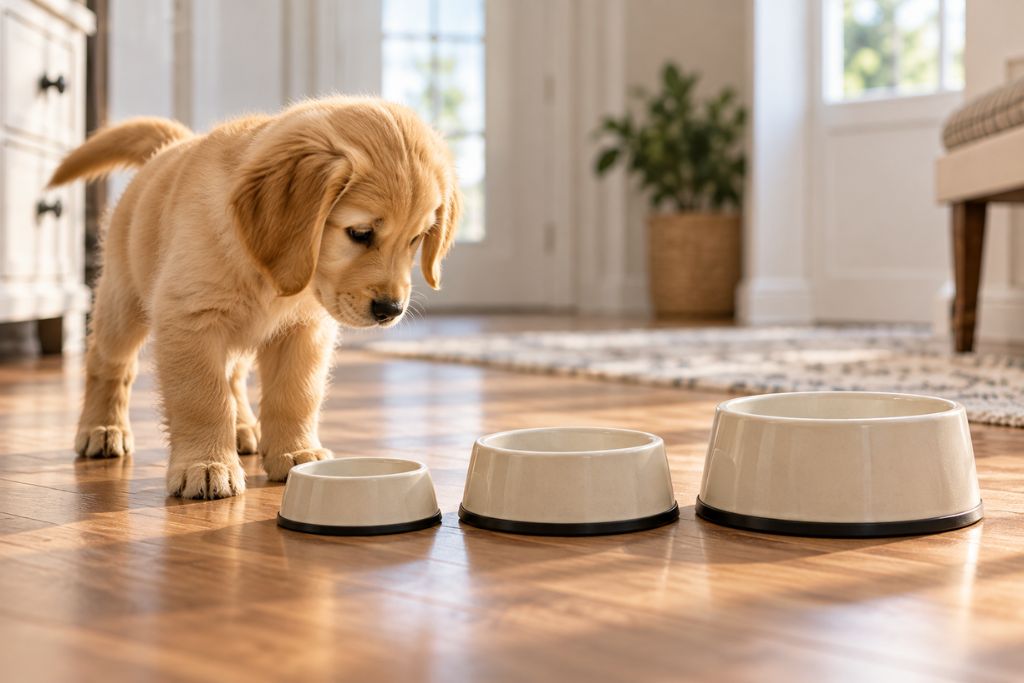
    Choose a puppy food labeled “complete and balanced” for growth. If your puppy is expected to be a large breed, look for a formula suitable for large breed growth. Start with the feeding guide on the package, then ask your veterinarian to help adjust portions as your puppy grows.

    Here is a simple guide:

    Newborn to Weaning: Why Is Early Nutrition So Important?

    During the first several weeks, puppies receive complete nutrition from their mother’s milk. They gradually begin eating solid food as they wean, usually becoming ready for their new homes around 8–9 weeks.

    2 to 4 Months: Why Do Young Puppies Need Frequent Meals?

    Young puppies have small stomachs and high nutritional demands. Some puppies need several small meals throughout the day, along with food formulated specifically for growth. Some puppies may eat three or more meals daily during this period.

    A consistent feeding schedule can help you keep track of your puppy’s meals and notice changes in their appetite as they grow.

    4 Months to Adulthood: When Should Puppy Food Change?

    Growth varies too much by breed size for that to work as a general rule. Small and medium breeds often reach maturity around 10–12 months. Large and giant breeds may continue growing for 18–24 months. Large and giant breeds may continue growing for 18–24 months.

    Large-breed puppies also need appropriately formulated food to support steady growth and healthy bones and joints.

    How Can Wags About You Help You Get Nutrition Right?

    At Wags About You, we help families in Stuart and Boca Raton prepare for life with a new puppy. That includes understanding how to meet their puppy’s nutritional needs as they grow.

    Good nutrition is not about following a one-size-fits-all formula. Your puppy’s breed size, growth rate, activity, and individual needs all matter. Your veterinarian can help determine the right food, portions, and timing for your pup.

    And as your puppy grows from those first tiny meals into the confident companion beside you, knowing what belongs in their bowl at each stage makes every step of the journey a little easier.

    More Helpful Reads From Wags About You From planning and preparation to everyday puppy care, our articles are here to help you feel informed and confident as a pet parent. Check out the related posts below to keep learning with us.
  • What Can Puppies Eat? Tasty Treats and Food to Avoid

    What Can Puppies Eat? Tasty Treats and Food to Avoid

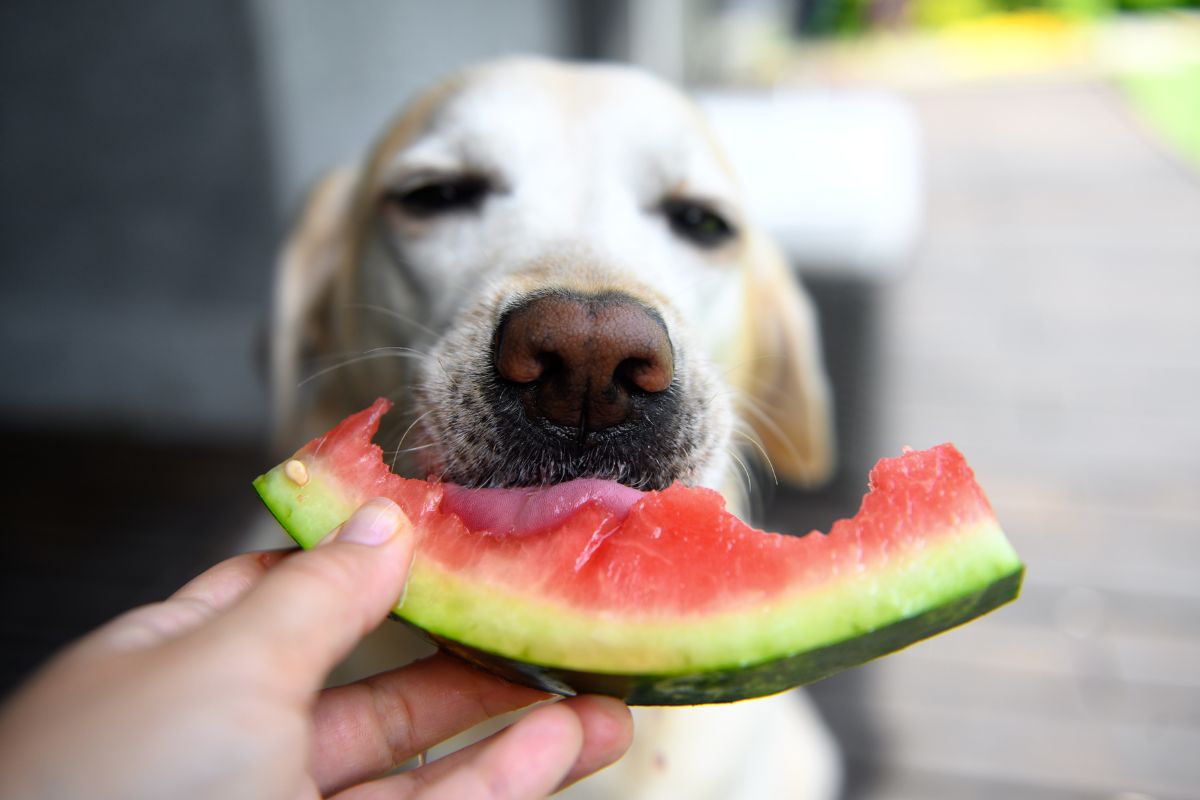
    Few things tug at your heartstrings more than your puppy gazing longingly at your dinner plate. One adorable, pleading look can make you want to give in and share your meal (understandably so, those puppy eyes are powerful!). But before slipping them a bite, it’s important to know what’s safe and what’s not. Puppies are still growing, and while some people food can make healthy treats, others are harmful or even toxic. Knowing what foods puppies can eat helps you give them safe, nutritious treats while avoiding harmful options.

    Why Educating Yourself Matters

    Your pup depends on you to make the right choices. A small “treat” from your plate can either boost their nutrition or send you racing to the vet. Knowing what’s safe and what’s not keeps your puppy healthy while giving you peace of mind.

    When Puppies Can Try People Food

    Puppies can begin sampling small amounts of safe human foods once they’re weaned and fully eating puppy kibble, usually around 8 weeks old. Keep portions tiny and occasional. People food should never replace a balanced puppy diet, but it can be a fun way to add variety. Think of it as a bonus treat, not the main course. 

    Safe Foods for Puppies (in Moderation)

    Some people foods are safe and even nutritious for puppies when served properly:

    Carrots – Crunchy, low-calorie, and packed with vitamin A. Perfect for teething pups and great for dental health when chewed raw.

    Apples (no seeds or core) – A sweet source of vitamins A and C, plus fiber. Slice thinly to avoid choking hazards.

    Blueberries – Tiny antioxidant powerhouses that support brain health. A great training treat because of their small size.

    Pumpkin (plain, cooked, or canned) – Rich in fiber and gentle on digestion. Helps with both diarrhea and constipation when served in spoonfuls.

    Bananas – Loaded with potassium, vitamins, and fiber. Best given in small chunks due to their natural sugar content.

    Cooked Chicken or Turkey (plain, no seasoning) – A lean protein that supports growing muscles. Shred into small pieces and avoid skin or fat.

    Salmon (cooked, boneless) – High in omega-3 fatty acids, which promote a shiny coat and healthy skin. Never serve raw or with bones.

    Plain Rice or Pasta – Bland but filling, and great for soothing an upset stomach. Serve plain, without sauces or butter.

    Cheese (low-fat, in moderation) – Pups love cheese, and it can be a good training reward. Stick to small amounts to avoid tummy troubles.

    Dangerous Food to Avoid

    Other foods should never be given to puppies, as they can cause illness or worse:

    Chocolate – Contains theobromine, toxic to dogs and especially harmful to puppies. Dark chocolate is the most dangerous.

    Grapes and Raisins – Even tiny amounts can cause sudden kidney failure. Best to avoid completely.

    Onions, Garlic, and Chives – These damage red blood cells and can lead to anemia. They’re unsafe in any form—raw, cooked, or powdered.

    Avocado – Contains persin, which upsets a puppy’s stomach and can be dangerous in large amounts.

    Macadamia Nuts – Known to cause weakness, tremors, and vomiting in dogs. Never feed them.

    Xylitol (artificial sweetener in gum, candy, and some peanut butters) – Extremely toxic. Even a small lick can cause low blood sugar, seizures, or liver failure.

    Alcohol and Caffeine – Both can cause rapid heart rate, seizures, and even death. Never let your pup near coffee, soda, or cocktails.

    Fatty or Fried Foods – Can trigger pancreatitis, stomach upset, and long-term weight issues.

    Cooked Bones – Dangerous because they splinter and can choke or injure your puppy’s digestive tract.

    Why Puppies Love Eating With You

    Sharing meals feels natural to your pup because they see you as family, part of their pack. But the safest way to bond is with approved snacks and nutritious treats.

    Knowing which foods are safe (and which are dangerous) is a vital part of raising a healthy pup. By sticking to dog-friendly options and avoiding risky ones, you’ll keep your puppy safe while still making them feel included at the table. After all, a healthy puppy is a happy puppy. And that’s the best treat of all!

  • Picking the Best Food for Your Furry Friend

    Picking the Best Food for Your Furry Friend

    There is a range of food types that are generally well suited to be eaten by dogs. Wet food diets, kibble, organic, holistic food, and a range of others. However, the best type of food for your dog greatly depends on what would be the healthiest choice for them. 

    In other words, high-quality food is one that has nutrient components that are required by your dog based on their breed and age or stage in life. Usually, the best way to pick a great diet for your dog is to talk to a nutritionist or veterinarian.

    They are in the best position to make recommendations based on the needs of your pup, and they would be able to highlight the nutrients that are essential at that point in time. They can also help you avoid foods that could induce allergic reactions in your pet since your veterinarian has your pup’s health records. 

    In addition to consulting with experts, here are some tips that can help you along in the decision-making process: 

    • Learn about the constituents of dog food so that you know what to look out for 
    • Read labels and ingredients 
    • Note the grain and gluten constituent of the food
    • Check the by-products used in making the food, if any, and ensure that they are healthy for your pup
    • Keep an eye out for adequacy, it would typically read “this food is complete and balanced for all life stages”
    • Read up on information provided about the trial feeding stage 
    • Check out the analysis of nutrients provided on the label of the food
    • As a reminder, consult with your veterinarian 

    Conclusion 

    Your dog’s food goes a long way in determining so much in their lives ranging from development to remaining in proper health. As such, you should pay close attention.