Tag: Puppy Behavior

  • Dear Puppy, Thank You for All the Joy (and a Little Chaos)

    Dear Puppy, Thank You for All the Joy (and a Little Chaos)

    An affectionate Thanksgiving letter to the little companion who has given us so much to be grateful for.

    Dear Puppy,

    With Thanksgiving approaching, we’ve been thinking about everything we’re grateful for this year. Family, friends, good health, the usual wonderful things.

    And then there’s you.

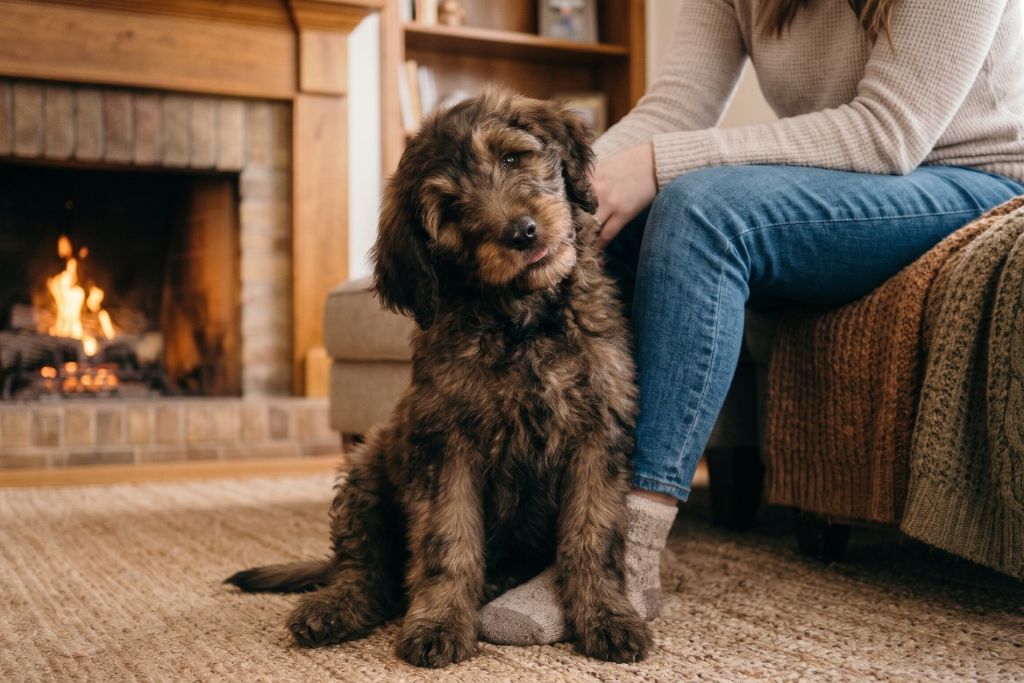
    You, who arrived with four paws, an impressive collection of toys, and absolutely no understanding of why the expensive shoes aren’t for chewing.

    You’ve made quite an impression. So, in the spirit of Thanksgiving, we thought we’d write you a proper thank-you letter.

    Thank you for making ordinary days feel like special occasions.

    You have an extraordinary appreciation for the little things. A favorite toy? Excellent news. A walk around the neighborhood? An adventure! Someone returning from the grocery store? Apparently, a reunion worth celebrating.

    We could learn a thing or two from your enthusiasm. Although we’d appreciate it if you could stop celebrating quite so enthusiastically at 6 a.m.

    Thank you for reminding us to enjoy the journey.

    Before you came along, a walk was simply a way to get somewhere.

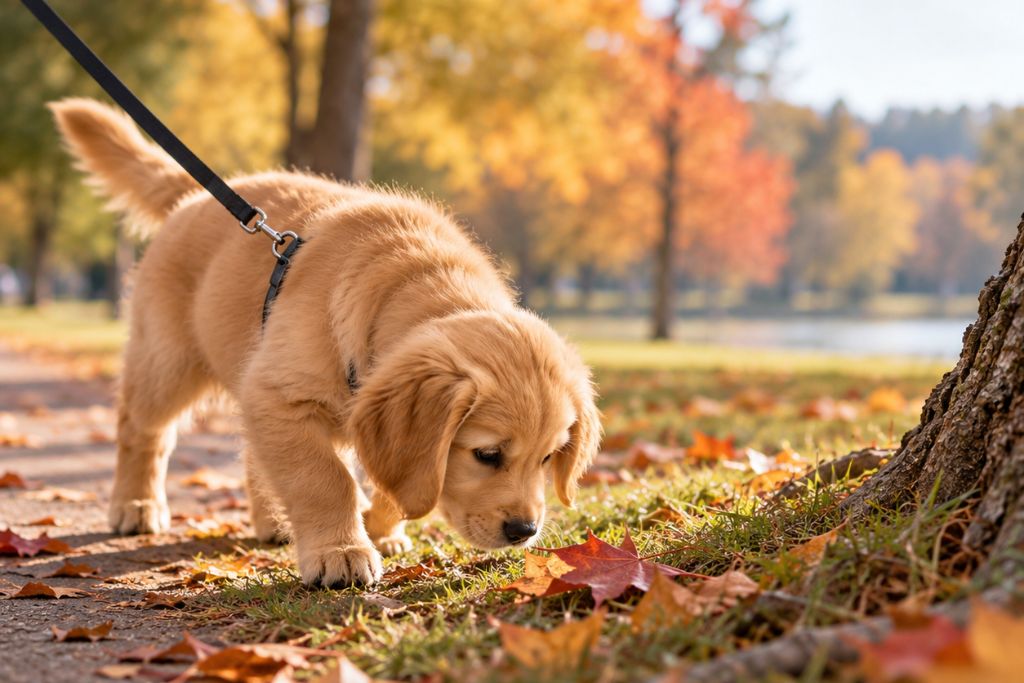
    Now, it’s an expedition involving seventeen interesting smells, a leaf that requires closer examination, and a perfectly ordinary patch of grass that somehow deserves several minutes of your undivided attention.

    Dogs experience much of their world through scent, so we understand that these investigations are important.

    We just didn’t realize the neighborhood shrubbery had so much going on.

    Thank you for the laughter. Especially the completely unintentional kind.

    The sideways head tilts. The occasional burst of zoomies. The way you can spend ten minutes enthusiastically playing with a toy, then fall asleep in a position that looks physically impossible.

    And those tiny twitches during a nap? They’re a normal part of sleep for many puppies, although we’ll probably never know what adventure is unfolding in that little head of yours.

    You’ve also taught us that an empty cardboard box can sometimes be more interesting than the toy that came inside it.

    We have stopped questioning your artistic judgment.

    Thank you for teaching us patience. Lots and lots of patience.

    House-training. Learning to sit. Discovering that the furniture isn’t edible.

    We’ve celebrated tiny victories with an enthusiasm usually reserved for major sporting championships.

    And we’ve learned that raising a puppy takes consistency, kindness, and a healthy sense of humor.

    Most of all, thank you for being part of our family.

    For the quiet company on an ordinary afternoon. For the games, the cuddles when you’re in the mood, and the wonderfully silly moments that somehow become our favorite memories.

    We know every puppy has a different personality. Some are fearless explorers. Others prefer a familiar lap and a peaceful afternoon. Getting to know those little differences is part of the joy.

    This Thanksgiving, the dinner table will be full, the kitchen will be busy, and you’ll have your own safe, puppy-appropriate treats to enjoy. Sorry, but the turkey bones are definitely not on the menu.

    And somewhere between the laughter, the conversation, and the inevitable search for your missing favorite toy, we’ll be thinking about how much you’ve added to our lives.

    You may never understand Thanksgiving.

    But you’ve certainly given us another reason to celebrate it.

    With love, gratitude, and a slightly suspicious number of puppy photos,

    Your Very Thankful Humans

    We’re grateful for the joy puppies bring to families and for the opportunity to help those relationships begin. If you’re dreaming of welcoming a new companion, explore our puppies and discover the personalities waiting to meet you.

    Hungry for more? The next chapter’s even better! Follow the paw prints below to keep reading.

    How Puppies Know Fall Is Coming (Even Without a Calendar)

    If Your Puppy Were a Halloween Movie Character, Who Would They Be?
  • If Your Puppy Were a Halloween Movie Character, Who Would They Be?
    If Your Puppy Were a Halloween Movie Character, Who Would They Be?
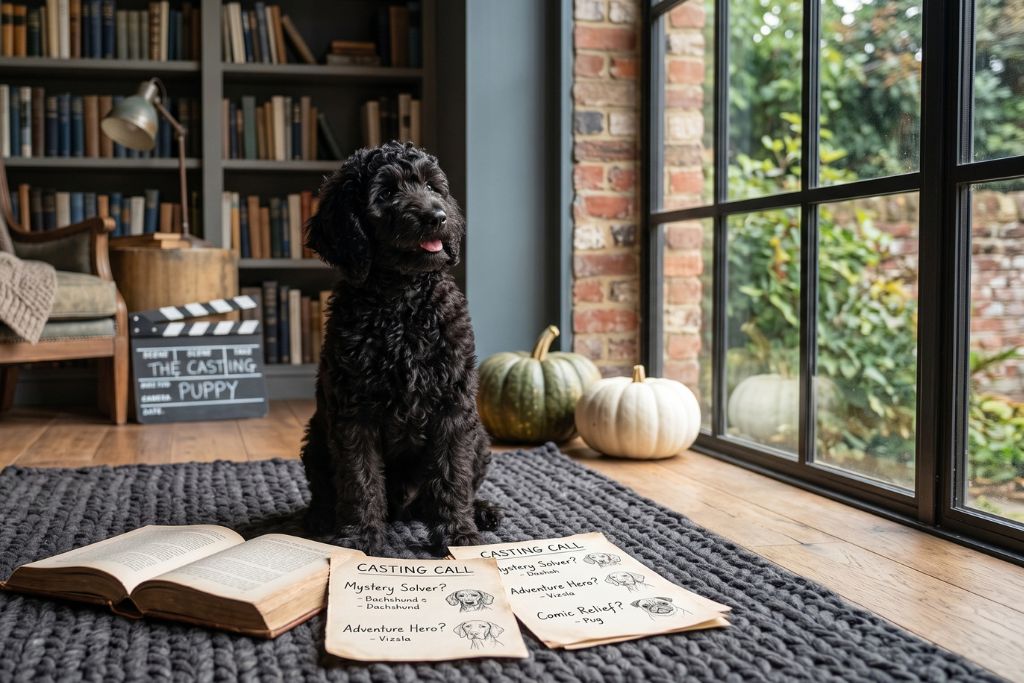
    Every great Halloween movie needs a lovable cast. The brave hero. The curious sidekick. The one who hears a mysterious noise and investigates. And, of course, the adorable character who steals every scene.

    Now imagine your puppy landed a starring role. Who would they play?

    Puppies have their own personalities, quirks, and ways of responding to the world. Breed can offer clues about common traits, but every puppy is an individual. Getting to know those little details is part of the fun of building your life together.

    Which Halloween Movie Character Is Your Puppy?

    The Fearless Adventure Hero

    Your puppy sees a new place and thinks, “Excellent. Let’s investigate.” They are curious, playful, and ready for the next adventure. A Labrador Retriever, Golden Retriever, or Vizsla could make a fun fit for this role. Of course, your own puppy gets the final casting call.

    The Lovable Comic Relief

    This pup did not come to follow the plot. They came to make everyone laugh. They may be goofy, affectionate, and wonderfully enthusiastic about everything. Think French Bulldog, Pug, or Boston Terrier.

    The Cozy Cottage Companion

    Forget the haunted house. This puppy has found the blanket and is staying there. They love being close to their people and may happily spend Halloween supervising from the sofa. A Shih Tzu, Maltese, or Havanese could make a charming fit.

    The Curious Mystery Solver

    Did something move behind the pumpkin? Is that a new sound? Your puppy needs answers immediately. Curiosity is a normal part of puppy development. Safe exposure to new sights, sounds, people, and environments also helps puppies learn about their world. A Beagle, Dachshund, or Australian Shepherd could make this character especially entertaining.

    The Snack-Obsessed Sidekick

    Every movie needs the character who somehow knows exactly where the snacks are. This puppy has excellent priorities. They may be eager to participate and ready to turn training into a game. A Cocker Spaniel, Basset Hound, or Pembroke Welsh Corgi might happily audition.

    The Gentle Heart of the Story

    This is the puppy who makes everyone feel at home. They may be affectionate, attentive, and happiest near their favorite people. Their superpower? Making even the spookiest movie feel warmer. A Cavalier King Charles Spaniel, Newfoundland, or Collie could make a delightful fit.

    How Can You Help Your Pup Be the Star of Their Own Story?

    The best way to understand your puppy is to spend time observing them. Notice what excites them, what makes them cautious, and what helps them feel comfortable.

    Early socialization matters, too. The American Veterinary Society of Animal Behavior identifies the first three months as a particularly important period for positive, safe introductions to new experiences.

    Our Pet Counselors help families find a companion that fits their lifestyle. We also provide guidance on training, nutrition, behavior, and enrichment as you begin your life together.

    So grab the popcorn, pick your puppy’s movie role, and enjoy the adventure. Your newest family member may just become the star of your favorite story yet.

    Hungry for more? The next chapter’s even better! Follow the paw prints below to keep reading.

    How Puppies Know Fall Is Coming (Even Without a Calendar)

    Which Summer Vacation Would Your Puppy Choose?

  • Understanding Puppy Body Language: What Your Pup Is Telling You

    Understanding Puppy Body Language: What Your Pup Is Telling You

    Living with a puppy can feel like discovering your own secret language. You learn the zoomies, the sleepy sighs and the very specific look that means, “I definitely did not eat that.” 

    Still, puppies cannot tell us exactly what they want or how they feel. Learning their body language can help you understand your new companion and build a stronger bond.

    Every puppy has a personality, too. Some are bold and curious. Others are more cautious. The key is learning what your puppy is communicating.

    How can you tell when your puppy is relaxed?

    A relaxed puppy usually has a loose, soft body and natural movement. You may notice soft eyes, relaxed ears, an open mouth and a gently wagging tail. They may stretch out, lean against you or settle comfortably nearby. 

    How to respond: Enjoy the moment. Gentle interaction, play or simply spending time together can reinforce that sense of comfort.

    What does a puppy’s playful body language look like?

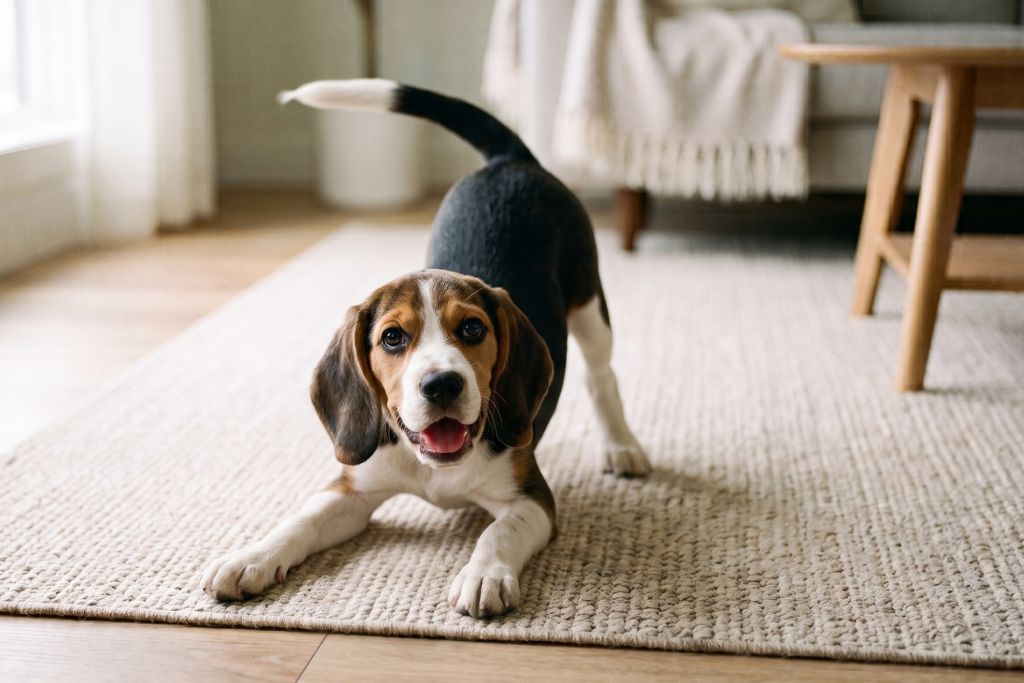
    The classic play bow is a great clue. Your puppy lowers their front end while keeping their rear end up. Bouncy movement, a wiggly body and a loose tail can also signal that they are ready for fun.

    How to respond: Let the play continue when both puppies remain relaxed and engaged. If one puppy becomes overwhelmed, pause and give them space.

    How can you recognize when your puppy is worried?

    Stress signals can be surprisingly subtle. Lip licking, yawning, turning away, pinned-back ears, a tucked tail, pacing, panting when it is not hot, freezing or trying to move away can all signal discomfort.

    How to respond: Reduce the pressure. Give your puppy distance and allow them to move away. Never punish a puppy for communicating discomfort.

    Does a wagging tail always mean a happy puppy?

    Not necessarily. A loose, sweeping wag with a relaxed body can signal comfort. A high, stiff wag can indicate arousal or tension, while a tucked tail may signal fear or discomfort. Always read the entire body instead of focusing on the tail alone.

    How Can Dream Tails Sarasota by Petland Help You Understand Your Puppy?

    At Dream Tails Sarasota by Petland, we believe bringing home a puppy is the beginning of a relationship, not the end of the journey. For many years, our Pet Counselors have helped families find the right pet while providing information about behavioral, nutritional and environmental needs.

    The more closely you learn your puppy’s signals, the easier it becomes to recognize their comfort, curiosity and need for a little extra space. That understanding can make those first months together even more rewarding, and help you build the happy, lasting relationship you’ve been dreaming about.

    Hungry for more? The next chapter’s even better! Follow the paw prints below to keep reading.

    The First 5 Commands Every Puppy Should Learn

    New Puppy Checklist: Everything You Need Before Day One

  • Understanding Puppy Body Language: What Your Pup Is Telling You

    Understanding Puppy Body Language: What Your Pup Is Telling You

    Living with a puppy can feel like discovering your own secret language. You learn the zoomies, the sleepy sighs and the very specific look that means, “I definitely did not eat that.” 

    Still, puppies cannot tell us exactly what they want or how they feel. Learning their body language can help you understand your new companion and build a stronger bond.

    Every puppy has a personality, too. Some are bold and curious. Others are more cautious. The key is learning what your puppy is communicating.

    How can you tell when your puppy is relaxed?

    A relaxed puppy usually has a loose, soft body and natural movement. You may notice soft eyes, relaxed ears, an open mouth and a gently wagging tail. They may stretch out, lean against you or settle comfortably nearby. 

    How to respond: Enjoy the moment. Gentle interaction, play or simply spending time together can reinforce that sense of comfort.

    What does a puppy’s playful body language look like?

    The classic play bow is a great clue. Your puppy lowers their front end while keeping their rear end up. Bouncy movement, a wiggly body and a loose tail can also signal that they are ready for fun.

    How to respond: Let the play continue when both puppies remain relaxed and engaged. If one puppy becomes overwhelmed, pause and give them space.

    How can you recognize when your puppy is worried?

    Stress signals can be surprisingly subtle. Lip licking, yawning, turning away, pinned-back ears, a tucked tail, pacing, panting when it is not hot, freezing or trying to move away can all signal discomfort.

    How to respond: Reduce the pressure. Give your puppy distance and allow them to move away. Never punish a puppy for communicating discomfort.

    Does a wagging tail always mean a happy puppy?

    Not necessarily. A loose, sweeping wag with a relaxed body can signal comfort. A high, stiff wag can indicate arousal or tension, while a tucked tail may signal fear or discomfort. Always read the entire body instead of focusing on the tail alone.

    How Can Petland Help You Understand Your Puppy?

    At Cosmick Media SEO Blogs, we believe bringing home a puppy is the beginning of a relationship, not the end of the journey. For nearly 60 years, our Pet Counselors have helped families find the right pet while providing information about behavioral, nutritional and environmental needs.

    The more closely you learn your puppy’s signals, the easier it becomes to recognize their comfort, curiosity and need for a little extra space. That understanding can make those first months together even more rewarding, and help you build the happy, lasting relationship you’ve been dreaming about.

    Hungry for more? The next chapter’s even better! Follow the paw prints below to keep reading.

    The First 5 Commands Every Puppy Should Learn

    New Puppy Checklist: Everything You Need Before Day One

  • The Science Behind a Puppy’s Amazing Sense of Smell

    The Science Behind a Puppy’s Amazing Sense of Smell

    Bring home a new puppy and you’ll quickly notice one thing: that nose is always on the job. Your puppy may sniff the kitchen floor, investigate your shoes, or spend five minutes studying one patch of grass. To them, every scent carries information.

    Dogs have a remarkable sense of smell. Dogs can detect many odors at concentrations far below what humans can detect, making scent one of their most important ways of understanding the world.

    What Can Your Puppy Learn From a Smell?

    A scent can tell your puppy much more than simply what something smells like.

    Dogs use their noses to identify people, other animals, food, and familiar places. Scent can also help them follow a trail and recognize something they have encountered before.

    Everyday walks give your puppy a chance to explore through scent. Whether you’re strolling through a Castleton neighborhood or taking a different route in Schererville, even a familiar outing can offer something new for your puppy to discover.

    Your puppy isn’t being nosy. They’re gathering information.

    How Powerful Is a Puppy’s Nose?

    The science behind canine smell is genuinely impressive.

    • Millions of scent receptors: Dogs have far more odor receptors than humans; the number varies by breed..
    • A much larger odor-processing area: The part of a dog’s brain devoted to analyzing smells is about 40 times larger than ours.
    • Two nostrils, working independently: Dogs can use differences between their nostrils to help determine where a scent is coming from.
    • A second scent system: Their vomeronasal organ, also called the Jacobson’s organ, helps detect chemical signals such as pheromones.
    • A specialized way of breathing: Dogs can separate airflow used for breathing from airflow used for smelling, allowing them to keep analyzing scents as they breathe.

    Their noses even played an important role long before our dogs became beloved household companions. Smell helped canines find food, locate offspring and mates, and detect potential threats.

    Why Is a Puppy’s Sense of Smell a Superpower?

    Think about taking a walk around Indianapolis. You might notice the weather, traffic, trees, and people around you. Your puppy is processing an entirely different layer of the experience.

    They may detect scents left behind by other dogs, animals, people, food, plants, and countless other sources. A walk through a leafy area near Fort Harrison State Park can therefore become a much richer sensory experience for a dog than it appears to us. A puppy exploring a Schererville neighborhood can encounter new scents simply by taking a different route or investigating a new area.

    That’s why sniffing deserves patience. It is one of the ways your puppy learns about their surroundings.

    What Does Your Puppy’s Nose Tell You?

    Understanding scent can also help you understand your puppy.

    A dog who pauses to sniff isn’t necessarily distracted. They may be investigating something important to them. Giving your new companion appropriate opportunities to explore with their nose can make everyday experiences more interesting and mentally engaging.

    At Happiness Is Pets, we believe getting to know your new best friend includes learning how they experience the world. Their incredible sense of smell is a big part of that story.

    So the next time your puppy becomes completely fascinated by one very ordinary-looking patch of grass, let them investigate for a moment. That little nose may be doing some seriously impressive detective work.

    If you’re up for another read, these posts are popular with puppy parents:

  • Common Puppy Behavior Myths, Debunked

    Common Puppy Behavior Myths, Debunked

    Bringing home a puppy comes with plenty of advice. Some of it is helpful. Some of it belongs firmly in the myth pile.

    Understanding puppy behavior starts with knowing what your puppy is actually communicating. That matters from the first days at home, when you are building routines, teaching boundaries, and learning each other’s rhythms.

    A little fact-checking can make those early months much easier.

    Does a puppy need to know who’s boss?

    Myth: Your puppy needs an “alpha” to respect you.

    Fact: Puppies need clear guidance, consistency, and positive training, not dominance.

    The idea that dogs must be controlled through dominance came from outdated interpretations of wolf behavior. Modern training guidance favors reward-based methods that teach dogs what to do instead of relying on fear or physical punishment.

    That approach makes sense for everyday life, too. A puppy learning to walk calmly along a Cheyenne Greenway trail needs guidance and practice, not a power struggle.

    Does a guilty-looking puppy know they did something wrong?

    Myth: Those big eyes and lowered ears mean your puppy feels guilty.

    Fact: That “guilty look” is more likely a response to your behavior.

    Dogs can show appeasement signals when they sense tension, such as avoiding eye contact or lowering their body. They are responding to what is happening now.

    So if you return from a stroll near Lions Park and discover a chewed-up shoe, scolding your puppy afterward will not teach them what happened hours earlier.

    Will my puppy grow out of unwanted behaviors?

    Myth: Chewing, jumping, or nipping will disappear with age.

    Fact: Some puppy behaviors change with maturity, but habits still need guidance.

    Puppies learn through repetition. Teaching appropriate alternatives early helps prevent unwanted behaviors from becoming established.

    That means giving your puppy suitable chew toys, rewarding calm greetings, and practicing skills consistently.

    Does socialization mean meeting everyone?

    Myth: The more people and dogs your puppy meets, the better.

    Fact: Good socialization means positive, controlled exposure to new experiences.

    Socialization includes people, animals, sounds, surfaces, objects, and environments. Too much exposure too quickly can overwhelm a puppy.

    A calm introduction to downtown Cheyenne traffic can be more useful than throwing a nervous puppy into a crowded gathering.

    How can Frontier Pets help?

    At Frontier Pets, we know bringing home a puppy is the start of a relationship, not simply a purchase. Our team has served Cheyenne families for more than 40 years, helping them make informed decisions and providing guidance beyond the day they bring their new companion home.

    From a first question on Dell Range to figuring out life with your new puppy at home, we want you to feel prepared for the fun, the learning, and yes, the occasional chewed-up shoe.

    The better you understand your puppy, the better you can help them thrive.

    If you’re not ready to stop scrolling, these articles are a great next adventure:

  • How Puppies Communicate With Humans

    How Puppies Communicate With Humans

    Your puppy may not speak your language, but they are communicating with you all the time. Their eyes, ears, body, tail, sounds, and actions all offer clues about what they are feeling or trying to tell you.

    That becomes especially important during those first weeks at home. A puppy settling into life in Chantilly may encounter unfamiliar voices, household sounds, and new places. Learning to read their signals helps you know when they are curious, comfortable, excited, or unsure.

    How do puppies communicate with their bodies?

    Body language is one of the main ways puppies communicate with people. Look at the whole puppy and consider what is happening around them. One behavior rarely tells the complete story. The American Kennel Club’s body-language guide explains why it helps to consider several signals together.

    Here are some common signals to watch:

    • A loose, relaxed body: Your puppy is likely comfortable and at ease.
    • A loose, sweeping tail wag: This can indicate friendly excitement. A wag alone does not always mean comfort.
    • A tucked or lowered tail: This can signal fear, uncertainty, or discomfort.
    • Ears back with a lowered body: Your puppy may feel worried or may be trying to appear less threatening.
    • A play bow: The front legs lower while the rear stays up. This commonly signals an invitation to play.
    • Lip licking or yawning: These behaviors can sometimes appear when a dog feels stressed. Always consider the surrounding situation.

    Imagine your puppy hears a sudden loud noise during a walk. If their body becomes tense or they try to move away, they may be telling you the situation feels overwhelming. Move farther from the noise and give them time to settle before continuing.

    Can puppies communicate with their eyes?

    Yes. Watch where your puppy looks and what they do next. A puppy who looks between you and a toy, for example, may be seeking your attention or help. Consider their body language and the situation before deciding what that look means.

    Puppies also begin understanding human communication early in life. Research has found that young puppies can follow human gestures, such as pointing. That describes how puppies respond to our signals, while their own gaze is one of the ways they may communicate with us. Research on young puppies and human cues

    What do puppy sounds mean?

    Barks, whines, and growls can communicate different emotional states and needs. Context matters just as much as the sound itself.

    A puppy might whine when frustrated or anxious. Barking can accompany excitement, concern, or frustration. A growl can signal discomfort and should not simply be punished.

    For example, your puppy might happily investigate the sounds around a local park one day, then hesitate when they encounter something unfamiliar. Give them room to process the experience. A calm response from you can help your puppy feel more secure.

    Do puppies communicate through their actions, too?

    They do. Everyday behaviors can also tell you plenty.

    Following you from room to room may show social interest. Bringing you a toy can invite interaction. Pawing, nudging, or sitting near you can become learned ways of getting your attention.

    Over time, you will start recognizing your puppy’s individual patterns. You may even notice that they have different ways of asking for play, food, attention, or space.

    How can XO PUPS help you understand your new puppy?

    Bringing home a puppy is only the beginning of your life together. XO PUPS helps families find a puppy that fits their lifestyle and offers resources to make the transition home easier.

    At XO PUPS in Chantilly, we know every puppy has an individual personality and way of communicating.

    The more closely you listen, the more your puppy has to say.

    Looking for more puppy tips and tail-wagging fun? Check out our other blogs below for expert advice, breed insights, and everything puppy!

  • How to Read Your Puppy’s Stress Signals

    How to Read Your Puppy’s Stress Signals

    Life with a puppy is full of happy firsts. You want those early days to feel safe, calm, and positive, too. Learning to recognize stress signals can help you understand when your puppy needs a little more space.

    Puppies cannot say, “That was too much.” They communicate through their bodies instead. Small changes in posture, eyes, ears, tail, and behavior can give you an important clue.

    What are the most common signs of stress in puppies?

    Look at your puppy’s whole body and the situation around them. One behavior alone does not always mean your puppy is stressed. The AKC’s guide to stress signals explains why these signs should be considered together and in context.

    1. Are they licking their lips or yawning repeatedly?

    Lip licking and repeated yawning can signal stress, especially during an unfamiliar experience. A sleepy puppy yawning after a nap is different. Context matters.

    What to do: Pause and give your puppy time to settle.

    2. Is their tail tucked or their body lowered?

    A tucked tail, crouched posture, or lowered body can signal fear or uncertainty.

    What to do: Increase the distance from whatever is worrying your puppy.
    That might mean keeping a first outing around Cleveland simple. A quiet walk near Danny Gabriel Veteran Memorial Park may feel very different from a busy gathering. Go at your puppy’s pace.

    3. Have their ears moved back or are you seeing “whale eye”?

    Ears pulled back can indicate nervousness. “Whale eye” happens when a puppy turns away while keeping their eyes fixed on something, exposing more of the whites.

    What to do: Do not force your puppy closer. Let them create some distance.

    4. Are they panting, pacing, or shaking?

    Panting after play is normal. Panting during quiet activity can have another cause. Pacing and trembling can also accompany stress.

    What to do: Think about what changed. A new person, loud sound, unfamiliar place, or crowded setting could be the trigger.

    A puppy experiencing the sounds around Rowan County roads may need more time to adjust than one relaxing at home.

    5. Have they suddenly frozen or started growling?

    Freezing can mean a puppy feels overwhelmed. Growling is also communication. It can warn that your puppy feels uncomfortable and needs space.

    What to do: Stop the interaction and give your puppy room. Do not punish the warning.

    How can you help a stressed puppy feel secure?

    Remove pressure, create distance, and give your puppy time to recover. Then try again later at a gentler pace.

    Short, manageable experiences are easier to process than one overwhelming introduction.

    How can Charlotte Dog Club support your puppy journey?

    Charlotte Dog Club focuses on thoughtfully raised puppies, responsible breeder relationships, puppy health, and helping families prepare for life together. We also provide puppy-care and training resources to help families beyond adoption.

    Understanding stress signals is one more way to become the person your puppy can trust.

    Sometimes the best response is simple: notice, pause, and listen.

    If you’re up for another good read, these articles are a great place to start:

  • How to Read Your Puppy’s Stress Signals

    How to Read Your Puppy’s Stress Signals

    Life with a puppy is full of happy firsts. You want those early days to feel safe, calm, and positive, too. Learning to recognize stress signals can help you understand when your puppy needs a little more space.

    Puppies cannot say, “That was too much.” They communicate through their bodies instead. Small changes in posture, eyes, ears, tail, and behavior can give you an important clue.

    What are the most common signs of stress in puppies?

    Look at your puppy’s whole body and the situation around them. One behavior alone does not always mean your puppy is stressed. The AKC’s guide to stress signals explains why these signs should be considered together and in context.

    1. Are they licking their lips or yawning repeatedly?

    Lip licking and repeated yawning can signal stress, especially during an unfamiliar experience. A sleepy puppy yawning after a nap is different. Context matters.

    What to do: Pause and give your puppy time to settle.

    2. Is their tail tucked or their body lowered?

    A tucked tail, crouched posture, or lowered body can signal fear or uncertainty.

    What to do: Increase the distance from whatever is worrying your puppy.
    That might mean keeping a first outing around Calhoun simple. A quiet walk near Harold “Ooky” Faith Memorial Park may feel very different from a busy gathering. Go at your puppy’s pace.

    3. Have their ears moved back or are you seeing “whale eye”?

    Ears pulled back can indicate nervousness. “Whale eye” happens when a puppy turns away while keeping their eyes fixed on something, exposing more of the whites.

    What to do: Do not force your puppy closer. Let them create some distance.

    4. Are they panting, pacing, or shaking?

    Panting after play is normal. Panting during quiet activity can have another cause. Pacing and trembling can also accompany stress.

    What to do: Think about what changed. A new person, loud sound, unfamiliar place, or crowded setting could be the trigger.

    A puppy experiencing the sounds around Red Bud Road may need more time to adjust than one relaxing at home.

    5. Have they suddenly frozen or started growling?

    Freezing can mean a puppy feels overwhelmed. Growling is also communication. It can warn that your puppy feels uncomfortable and needs space.

    What to do: Stop the interaction and give your puppy room. Do not punish the warning.

    How can you help a stressed puppy feel secure?

    Remove pressure, create distance, and give your puppy time to recover. Then try again later at a gentler pace.

    Short, manageable experiences are easier to process than one overwhelming introduction.

    How can Georgia Dog Club support your puppy journey?

    Georgia Dog Club focuses on thoughtfully raised puppies, responsible breeder relationships, puppy health, and helping families prepare for life together. We also provide puppy-care and training resources to help families beyond adoption.

    Understanding stress signals is one more way to become the person your puppy can trust.

    Sometimes the best response is simple: notice, pause, and listen.

    If you’re up for another good read, these articles are a great place to start:

  • How to Read Your Puppy’s Stress Signals

    How to Read Your Puppy’s Stress Signals

    Life with a puppy is full of happy firsts. You want those early days to feel safe, calm, and positive, too. Learning to recognize stress signals can help you understand when your puppy needs a little more space.

    Puppies cannot say, “That was too much.” They communicate through their bodies instead. Small changes in posture, eyes, ears, tail, and behavior can give you an important clue.

    What are the most common signs of stress in puppies?

    Look at your puppy’s whole body and the situation around them. One behavior alone does not always mean your puppy is stressed. The AKC’s guide to stress signals explains why these signs should be considered together and in context.

    1. Are they licking their lips or yawning repeatedly?

    Lip licking and repeated yawning can signal stress, especially during an unfamiliar experience. A sleepy puppy yawning after a nap is different. Context matters.

    What to do: Pause and give your puppy time to settle.

    2. Is their tail tucked or their body lowered?

    A tucked tail, crouched posture, or lowered body can signal fear or uncertainty.

    What to do: Increase the distance from whatever is worrying your puppy.
    That might mean keeping a first outing around Longs simple. A quiet walk near Popular Park may feel very different from a busy gathering. Go at your puppy’s pace.

    3. Have their ears moved back or are you seeing “whale eye”?

    Ears pulled back can indicate nervousness. “Whale eye” happens when a puppy turns away while keeping their eyes fixed on something, exposing more of the whites.

    What to do: Do not force your puppy closer. Let them create some distance.

    4. Are they panting, pacing, or shaking?

    Panting after play is normal. Panting during quiet activity can have another cause. Pacing and trembling can also accompany stress.

    What to do: Think about what changed. A new person, loud sound, unfamiliar place, or crowded setting could be the trigger.

    A puppy experiencing the sounds around the Longs area may need more time to adjust than one relaxing at home.

    5. Have they suddenly frozen or started growling?

    Freezing can mean a puppy feels overwhelmed. Growling is also communication. It can warn that your puppy feels uncomfortable and needs space.

    What to do: Stop the interaction and give your puppy room. Do not punish the warning.

    How can you help a stressed puppy feel secure?

    Remove pressure, create distance, and give your puppy time to recover. Then try again later at a gentler pace.

    Short, manageable experiences are easier to process than one overwhelming introduction.

    How can South Carolina Dog Club support your puppy journey?

    South Carolina Dog Club focuses on thoughtfully raised puppies, responsible breeder relationships, puppy health, and helping families prepare for life together. We also provide puppy-care and training resources to help families beyond adoption.

    Understanding stress signals is one more way to become the person your puppy can trust.

    Sometimes the best response is simple: notice, pause, and listen.

    If you’re up for another good read, these articles are a great place to start: