Tag: puppies

  • Petland’s Top 5 Small Breed Dogs

    Petland’s Top 5 Small Breed Dogs

    Small breeds are much beloved because of a range of factors including ease of care, the fact that they fit in small apartments, and very essential, they can go just about anywhere with you. If you are wondering what breed to go for yourself, here is Petland’s top 5 small breeds of dogs: 

    Maltese

    The Maltese is one of the most common breeds of small dogs and comes with its characteristic soft and silky white coat. This breed is well known for its loyalty and is also very playful and full of energy. They are a very brave breed and were a rave back in the day when the Roman Empire still stood. 

    Yorkshire Terrier

    Commonly known as the “Yorkie”, this popular dog breed is highly intelligent and takes to training easily. They are energetic and brave and require only moderate exercise. They have also been used as therapy dogs at some point in history, specifically during World War II. 

    Miniature Dachshund

    The miniature Dachshund is well-loved because of its amusing, yet adorable looks. They are very loyal, fierce protectors, and active. Their short coat requires only minimum grooming and she’d very infrequently. Given their part terrier and part hound roots, they can be feisty on occasion. 

    Shih Tzu

    Shih Tzu’s bright eyes and tiny face can be regarded as their main selling point. In addition to this, they have flowing hair which you can tie up in a knot to keep out of their eyes and you can maintain a short coat as well. A fun fact to note is that they were the major breed that Chinese emperors owned. 

    Pomeranian

    The Pomeranian has a fox-like appearance and a beautiful fluffy coat. They relate well with other breeds and are hugely intelligent and cheerful. They make for excellent watchdogs and can be taught a trick or two with time. They shed regularly and require frequent grooming. 

    Conclusion 

    If you’re looking for a small dog breed, then you can opt for any of the options mentioned. They are excellent breeds and you would fall in love with them in no time.
  • This is Why You Need a Goldendoodle

    This is Why You Need a Goldendoodle

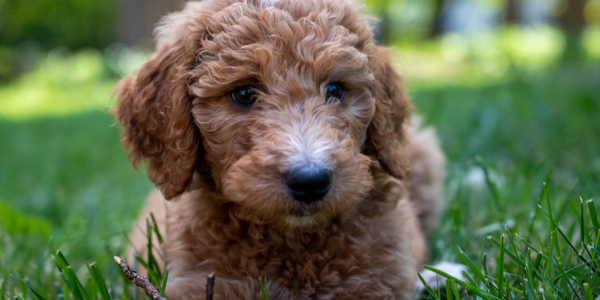
    Goldendoodles are a cross between a purebred Golden Retriever and a Poodle. They are a highly intelligent, loving, and loyal breed that sheds way less than a purebred Golden Retriever. This gentle and affectionate breed started gaining popularity following breed development in the 1990s. 

    Relative to other designer breeds, it is still regarded as a young cross. Goldendoodles are very social and would interact well with everyone. They would do well in both country and city settings. However, apartment living might not suit them. Rather, they do better in an enclosed space like a fenced yard. 

    They also shouldn’t be kept in kennels as they thrive with human contact. 

    Here’s a table that details their attributes:

    Height17-21+ inches 
    Weight50-90 pounds 
    Life Span10-15 years 
    Breed Size Large (61-100 lbs.)
    Good WithChildren, Families, Dogs, Cats
    Temperament Friendly, Gentle, Playful, Outgoing
    Intelligence High
    Shedding Volume Infrequent 
    Exercise Requirements Medium 
    Energy Levels Active
    Drool Amount Low
    Bark Level When Necessary 
    Coat Length/ Texture Medium, Curly
    Breed Group Hybrid
    Colors Black, Gray, Blue, Red, White, Gold, Fawn, Brown/Chocolate/Liver, Gold/Yellow
    Patterns Brindle, Bicolor, Black, Tan, and Merle 

    They also have other traits such as the fact that they are easy to train, are excellent for first-time pet owners, are great hiking buddies, require a great deal of grooming, are strongly loyal, and they may require a significant amount of grooming.

    They have a very affectionate nature and are hypoallergenic. The hypoallergenic feature makes them great for people who typically react to allergens. Goldendoodles come in a large standard size as well as a smaller, miniature size. 

    They make for great emotional support animals and enjoy spending time in the great outdoors. You can achieve this by taking walks or playing outdoors. This helps to cover their physical needs. 

    Conclusion 

    A Goldendoodle is the perfect canine companion for both individuals and families.

  • How To Trim Your Dog’s Nails

    How To Trim Your Dog’s Nails

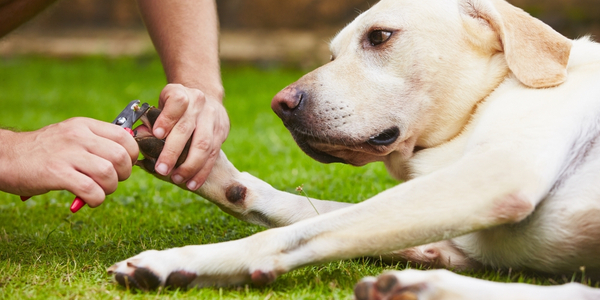
    An important aspect of dog grooming is trimming your dog’s nails. While a routine trip to the groomer also comprises nail trims, sometimes Saul’s nails may be overgrown and you may have to do it yourself. This is how to make this happen step by step:

    • The first step is to gather your supplies 
    • Up next, gently pick up the foot 
    • Isolate the nail that you want to cut
    • Select the precise place you want to cut
    • Do the cutting at a 45-degree angle 
    • Chip it off in bits
    • Remember the dewclaws 
    • Nail grinding (use as a finishing tool)
    • Reward your pet 

    It is important to note that a dog’s nail comprises the outer material known as the shell, which is hard and the living pink quick. The quick runs through the core of the nail and supplies blood. To ensure your dog’s wellbeing and guarantee easy maintenance, short quicks are the recommended length. 

    Similarly, if you are cutting your puppy’s nails for the first time, you would have to go very slow, starting with picking up the paw, isolating the nail, getting your pup familiar with the trimmer (especially if there is any vibration involved), cutting only a tiny chip initially. All of these would have to be done over a period of time to aid easy adjustment. 

    If your dog feels uncomfortable, it is best to retreat or you might have to eventually use a muzzle. In the way of products, there is a range of nail trimmers comprising scissors as well as grinder tools specially designed for dogs. The main thing is to use what works best for your pet. Also, styptic powder should be kept close in case of bleeding. 

    Conclusion 

    Trimming your dog’s nails can be quite the task, so remember to be patient and reward Saul with treats too. 

  • Activities To Do At Your Local Dog Park

    Activities To Do At Your Local Dog Park

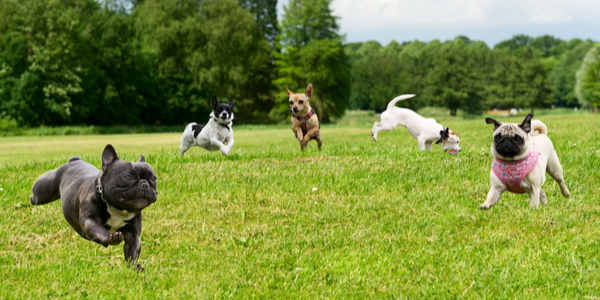
    Playing outdoors with their favorite human in the world is definitely one of the best things that pups love. Maybe other dogs and humans may add a bit of spice. So, if you’re out at the dog park with your pup, here are some activities you can try out:

    Races and Training 

    A tired pup is a happy one, and you can always achieve this by allowing your pup to race. You could raise him or simply toss a ball and play fetch. For some mental stimulation, you could also include some training exercises, and what better place to do this than one with distractions. 

    Agility Courses 

    Jumping over bars and clearing hurdles might not be your best definition of fun. However, this is something your pet would definitely love. Explore the agility courses available and encourage your dog to surmount these obstacles. For a true boost, wait for them at the other end.  

    Doggy Play Dates 

    A picnic sounds like fun and your pup would definitely love that doggo cake or ice cream. To amp up the fun, organize a doggy date for one or some of your dog’s buddies and watch them have maximum fun. You could have some fun too with other dog parents. 

    Photography 

    What’s cooler than your pet donning sunglasses and maybe a muffler and posing for an incredible picture? You could be grooming a future model and photography sure is so much fun as well. An incredible natural and improved background like the dog park would make for a great backdrop for the pictures. Be sure that your dog strikes fun poses!

    Conclusion 

    There is a vast range of activities that you could do for fun at the dog park and be sure to add some more to this list. 

  • The Benefits of Children and Puppies Growing Up Together

    The Benefits of Children and Puppies Growing Up Together

    Many people agree that their family dog growing up definitely impacted their lives in various ways. The benefits that accrue to growing up with puppies is definitely significant. So, what are some of these benefits?

    Friendship 

    You could resonate more with ‘companionship’, but friendship does great justice. This is because more often than not, a child’s first friend is their dog. One that offers non-judgemental, full-blown adoration, and the child could do no wrong. Having a pup can teach kids how to treat a friend with respect. 

    Empathy 

    Kindness and empathy are traits that can be taught, and are even better stirred naturally. The relationship between a child and his mutt is one that can inspire the knowledge of loving and showing kindness to others. This lesson translates to real life and the way to treat other people. 

    Responsibility

    Owning a pet saddles children with responsibilities at a very young age. This is important to help them build skills like carrying out certain duties because they have been saddled with it. Building this attribute very early in life does wonders for later life. 

    Patience 

    Your pet can get naughty sometimes and be on their worst behavior. It is times like this that teaches patience. Children have a great deal to benefit from experiencing such activities growing up. Since kids are a lot more expressive, you would be able to see how they handle and learn from situations like that. 

    Conclusion 

    A major part of any individual is formed during the childhood phase. The attributes highlighted are a few amongst the many that kids can learn and grow to be emotionally well-rounded adults. Petland definitely recommends. 

  • Why Do We Love Dogs So Much?

    Why Do We Love Dogs So Much?

    For the longest time, dogs have been tagged man’s best friend as a result of the love and fierce loyalty that they display to their humans. So, why exactly is there so much love between the canine and human? 

    Humans started keeping dogs as pets since ancient days prior to civilization. This implies that this fierce love and unbreakable bond between humans and dogs has been repeated multiple times all through history. 

    It goes without saying that beyond their simple angelic existence, dogs provide their owners with benefits ranging from emotional and mental to physical as well. Dogs are very useful and can be trained to hone their special attributes like their strong sense of smell or hearing for various uses.  

    For instance, they are members of various important units in the society such as the firefighter departments, K9, search and rescue, as well as sniffer dogs at airports. The services that they provide have constantly saved the lives of humans time and time again. 

    Dogs are also regarded as immediate family members and treated as fur babies. Dog owners commonly claim to be in a better mental space after having a dog relative to before they had one. In addition, people dealing with various traumas get support dogs who constantly comfort and keep them stable. 

    In essence, the benefits that dogs offer humans as a result of their presence in our lives cannot be quantified. 

    Conclusion 

    Discussing the reasons why we love dogs so much could extend so much with each individual having their own personal reasons. However, the bottomline is that they very much deserve this love and even more. 

  • Small, Medium, or Large Breed Dog?

    Small, Medium, or Large Breed Dog?

    The resolution to have a dog should come after a phase of thorough decision making, careful planning, and the assurance that you have the necessary means to make your pet comfortable and happy. 

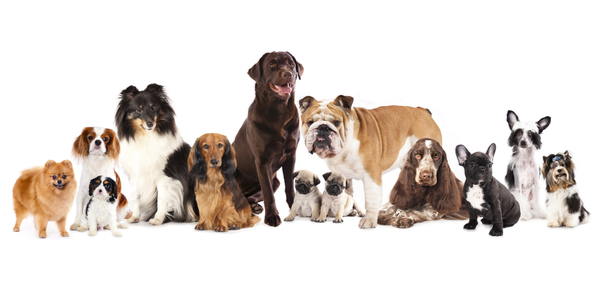
    One major thing to decide upon before finally going to the pet store is the size of the dog that you want. Size is important because it determines a lot of things, such as how much food your dog will consume, how easy it would be to transport them from place to place, and how much space they will need. 

    Here are a number of factors to put into consideration when determining what breed of dog to get with respect to size:

    Family

    The size of your family, as well as the age range of the members of your family, go a long way in determining what kind of dog to get. For example, if you have little kids, you should get small dogs, such as a Dachshund or a Papillon. If you have teenagers, you might want to consider getting a much larger dog, such as a Boxer. 

    Indoor and Outdoor Space

    You should consider the amount of space you have within and without your house while getting a dog. Smaller dogs can live comfortably within apartments with little outdoor space, however, bigger houses might be better for bigger dogs as they need lots of space. 

    Lifestyle

    What exactly do you want from your dog? Do you need a cuddle buddy -Chihuahua or Pug- or perhaps, a security dog -Bullmastiff or Rottweiler? Your pet needs should influence the size of the dog you get. 

    Maintenance Costs

    This is probably the most important factor to consider. Expenses on food and treats, leash and harness, crate, and medicals are more expensive for larger dogs than they are for smaller dogs. If your monthly income is not exactly huge, you might want to get a smaller dog to avoid getting overwhelmed by costs. 

    On a final note, you should keep in mind that the size of a dog does not dictate its personality. There are small dogs that are full of energy, and large dogs that are just big couch potatoes. Either way, ensure you opt for a breed size that works just great for you!