Tag: positive reinforcement

  • Should Everyone in the Family Train the Puppy

    Should Everyone in the Family Train the Puppy

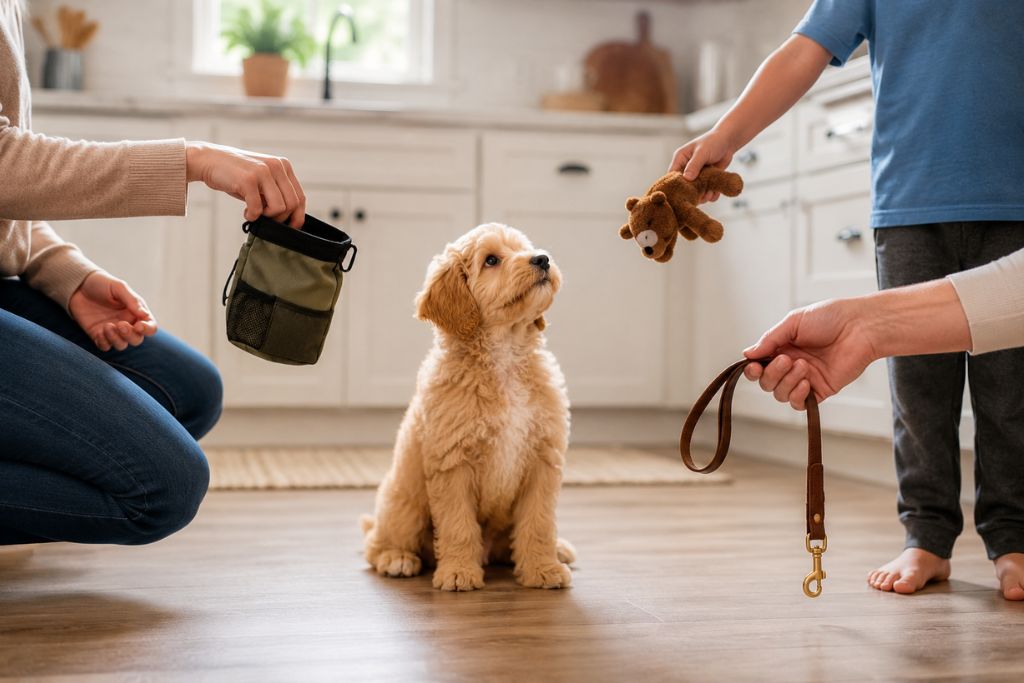
    Bringing home a puppy turns everyone into an instant fan club member. Someone wants to teach tricks. Someone wants to hand out treats. Someone has already decided the puppy is their new best friend.

    That excitement is wonderful. A puppy joining the family should feel like a celebration. But when it comes to training, too many voices can sometimes make things confusing.

    The best approach? Everyone can be involved, but everyone should follow the same training plan.

    Puppies learn through repetition and consistency. Clear expectations help them understand what behaviors earn rewards and what routines they should follow. Consistent training from the people around them helps puppies feel more secure as they adjust to family life.

    For families in Duluth, GA, puppy training naturally becomes part of everyday moments. A puppy learning manners during a busy evening at home, practicing commands after a walk near the parks and trails around Duluth and Gwinnett County, or greeting family members calmly is building lifelong habits.

    Should Everyone Train the Puppy the Same Way?

    Yes, Everyone Should Participate

    Puppies benefit from positive interactions with the entire household.

    Family members can help by:

    • Practicing basic commands
    • Rewarding good behavior
    • Following the same rules
    • Helping with routines

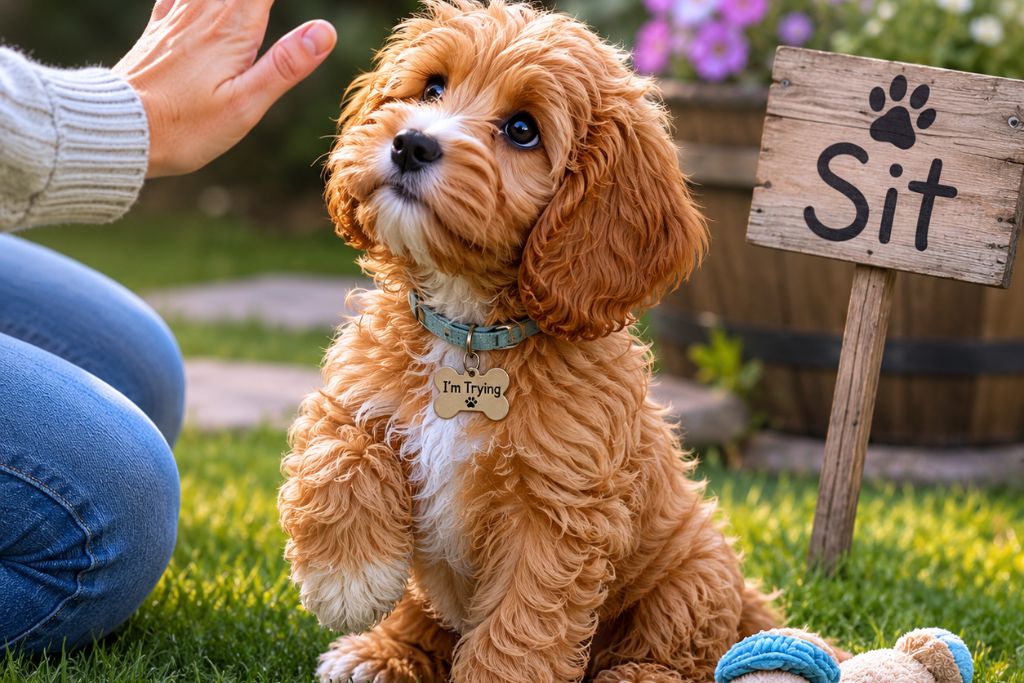
    A puppy who learns “sit” from one person should not hear a completely different expectation from another.

    Why Consistency Matters During Puppy Training


    Puppies do not understand exceptions the way humans do.

    If one person allows jumping on furniture and another does not, the puppy receives mixed signals.

    Create family agreements before training begins:

    • Who handles feeding, walks, and practice sessions?
    • Which commands will everyone use?
    • What behaviors should be rewarded?

    For a family in Duluth, this might mean creating simple routines around school mornings, work schedules, weekend outings, and family time.

    Should Young Children Train the Puppy?

    Young children can participate in puppy training with close adult supervision and age-appropriate activities.

    Simple activities like asking for a “sit,” giving a treat for desired behavior, or participating in calm, gentle play can create positive interactions between children and puppies. Adults should guide these activities, teach children to respect the puppy’s boundaries, and watch the puppy’s body language to make sure they feel comfortable and know when they need a break.

    Building a Happy Home for Your New Puppy

    A well-trained puppy does not happen overnight. It happens through patience, teamwork, and many small moments repeated every day.

    From the first “sit” at home to learning calm greetings during family visits, every training moment helps your puppy understand their place in the family.

    Waggles is here to support families through every step of puppy ownership. From helping you find the right puppy match to offering guidance, resources, and care tips after your puppy comes home, the team is committed to helping families feel confident throughout the journey.

    For puppy parents spending weekends exploring the parks and family-friendly areas throughout Duluth and Gwinnett County, those everyday training moments become opportunities to strengthen your bond and create happy memories together.

    The best puppy relationships are built one consistent, loving interaction at a time.
  • Should Everyone in the Family Train the Puppy

    Should Everyone in the Family Train the Puppy

    Bringing home a puppy turns everyone into an instant fan club member. Someone wants to teach tricks. Someone wants to hand out treats. Someone has already decided the puppy is their new best friend.

    That excitement is wonderful. A puppy joining the family should feel like a celebration. But when it comes to training, too many voices can sometimes make things confusing.

    The best approach? Everyone can be involved, but everyone should follow the same training plan.

    Puppies learn through repetition and consistency. Clear expectations help them understand what behaviors earn rewards and what routines they should follow. Consistent training from the people around them helps puppies feel more secure as they adjust to family life.

    For families in Port Charlotte, FL, puppy training naturally becomes part of everyday moments. A puppy learning manners during a busy evening at home, practicing commands after a walk near Port Charlotte’s waterfront areas near the Peace River, or greeting family members calmly is building lifelong habits.

    Should Everyone Train the Puppy the Same Way?

    Yes, Everyone Should Participate

    Puppies benefit from positive interactions with the entire household.

    Family members can help by:

    • Practicing basic commands
    • Rewarding good behavior
    • Following the same rules
    • Helping with routines

    A puppy who learns “sit” from one person should not hear a completely different expectation from another.

    Why Consistency Matters During Puppy Training


    Puppies do not understand exceptions the way humans do.

    If one person allows jumping on furniture and another does not, the puppy receives mixed signals.

    Create family agreements before training begins:

    • Who handles feeding, walks, and practice sessions?
    • Which commands will everyone use?
    • What behaviors should be rewarded?

    For a family in Port Charlotte, this might mean creating simple routines around school mornings, work schedules, weekend outings, and family time.

    Should Young Children Train the Puppy?

    Young children can participate in puppy training with close adult supervision and age-appropriate activities.

    Simple activities like asking for a “sit,” giving a treat for desired behavior, or participating in calm, gentle play can create positive interactions between children and puppies. Adults should guide these activities, teach children to respect the puppy’s boundaries, and watch the puppy’s body language to make sure they feel comfortable and know when they need a break.

    Building a Happy Home for Your New Puppy

    A well-trained puppy does not happen overnight. It happens through patience, teamwork, and many small moments repeated every day.

    From the first “sit” at home to learning calm greetings during family visits, every training moment helps your puppy understand their place in the family.

    Waggles is here to support families through every step of puppy ownership. From helping you find the right puppy match to offering guidance, resources, and care tips after your puppy comes home, the team is committed to helping families feel confident throughout the journey.

    For puppy parents spending weekends exploring the Charlotte County trails and waterfront spaces around Port Charlotte, those everyday training moments become opportunities to strengthen your bond and create happy memories together.

    The best puppy relationships are built one consistent, loving interaction at a time.

  • Should Everyone in the Family Train the Puppy

    Should Everyone in the Family Train the Puppy

    Bringing home a puppy turns everyone into an instant fan club member. Someone wants to teach tricks. Someone wants to hand out treats. Someone has already decided the puppy is their new best friend.

    That excitement is wonderful. A puppy joining the family should feel like a celebration. But when it comes to training, too many voices can sometimes make things confusing.

    The best approach? Everyone can be involved, but everyone should follow the same training plan.

    Puppies learn through repetition and consistency. Clear expectations help them understand what behaviors earn rewards and what routines they should follow. Consistent training from the people around them helps puppies feel more secure as they adjust to family life.

    For families in Roanoke, VA, puppy training naturally becomes part of everyday moments. A puppy learning manners during a busy evening at home, practicing commands after a walk near Greenfield Recreation Park, or greeting family members calmly is building lifelong habits.

    Should Everyone Train the Puppy the Same Way?

    Yes, Everyone Should Participate

    Puppies benefit from positive interactions with the entire household.

    Family members can help by:

    • Practicing basic commands
    • Rewarding good behavior
    • Following the same rules
    • Helping with routines

    A puppy who learns “sit” from one person should not hear a completely different expectation from another.

    Why Consistency Matters During Puppy Training


    Puppies do not understand exceptions the way humans do.

    If one person allows jumping on furniture and another does not, the puppy receives mixed signals.

    Create family agreements before training begins:

    • Who handles feeding, walks, and practice sessions?
    • Which commands will everyone use?
    • What behaviors should be rewarded?

    For a family in Roanoke, this might mean creating simple routines around school mornings, work schedules, weekend outings, and family time.

    Should Young Children Train the Puppy?

    Young children can participate in puppy training with close adult supervision and age-appropriate activities.

    Simple activities like asking for a “sit,” giving a treat for desired behavior, or participating in calm, gentle play can create positive interactions between children and puppies. Adults should guide these activities, teach children to respect the puppy’s boundaries, and watch the puppy’s body language to make sure they feel comfortable and know when they need a break.

    Building a Happy Home for Your New Puppy

    A well-trained puppy does not happen overnight. It happens through patience, teamwork, and many small moments repeated every day.

    From the first “sit” at home to learning calm greetings during family visits, every training moment helps your puppy understand their place in the family.

    Waggles is here to support families through every step of puppy ownership. From helping you find the right puppy match to offering guidance, resources, and care tips after your puppy comes home, the team is committed to helping families feel confident throughout the journey.

    For puppy parents spending weekends exploring the Blue Ridge Parkway near Roanoke, those everyday training moments become opportunities to strengthen your bond and create happy memories together.

    The best puppy relationships are built one consistent, loving interaction at a time.

  • How to Start Training Your Puppy: A Beginner’s Guide

    How to Start Training Your Puppy: A Beginner’s Guide

    You brought home a puppy. Congratulations! And also, welcome to the wonderfully chaotic stage of life where socks disappear and every sound becomes exciting.

    The first few weeks with a new puppy are full of milestones. First walks. First zoomies. First successful potty break outside. And somewhere in between all of that? Training begins.

    Many new puppy owners assume formal training starts later. In reality, puppies begin learning from the moment they enter your home.

    That’s why starting early matters.

    The good news is that puppy training does not need to feel intimidating. With consistency, patience, and the right approach, training can actually become one of the best bonding experiences you share with your dog.

    Why Early Puppy Training Matters

    Young puppies absorb information quickly.

    The habits, routines, and behaviors they practice early often become the foundation for adulthood. Starting training during puppyhood helps build confidence, communication, and structure.

    Training also helps puppies feel safer because predictable routines reduce stress and confusion.

    And no, training is not only about commands. It is also about teaching your puppy how to successfully live alongside people, routines, and everyday life.

    Start With Simple Foundations First

    The best puppy training starts small.

    During the first few months, focus on:

    • Potty training
    • Name recognition
    • Crate training
    • Gentle leash introduction
    • Basic commands like “sit” and “come”
    • Positive socialization

    Short, simple training sessions work best for young puppies. Most puppies have limited attention spans, so keeping sessions fun and rewarding helps them learn faster.

    Positive Reinforcement Works Best

    Modern puppy training focuses heavily on positive reinforcement.

    That means rewarding good behavior with praise, treats, toys, or affection instead of punishing mistakes.

    For example, when your puppy sits calmly instead of jumping, reward that behavior immediately. Puppies learn through repetition and consistency.

    Harsh punishment often creates fear or confusion, especially during early development stages.

    Calm guidance builds trust much more effectively.

    Timing Is Everything During Training

    One of the biggest training mistakes new owners make is inconsistency.

    If jumping on guests is allowed sometimes but corrected other times, puppies struggle to understand expectations.

    Clear routines help puppies learn faster. That includes:

    • Consistent potty schedules
    • Regular feeding times
    • Predictable sleep routines
    • Repeated training cues

    Puppies thrive when life feels structured and understandable.

    Socialization Is Part of Training Too

    Training is not only about teaching “sit” or “stay.”

    Helping puppies safely experience new people, sounds, environments, and situations is equally important during early development.

    Positive socialization helps puppies grow into calmer, more confident adult dogs.

    Even short outings or supervised introductions can make a big difference over time.

    Progress Takes Patience

    Some puppies pick up commands quickly. Others need more repetition and guidance.

    That is completely normal.

    Training is not about perfection. It is about communication, consistency, and building trust over time.

    Even small daily progress matters.

    Helping Puppies Thrive From the Start

    We understand how important these early puppy stages are for families.

    Bringing home a puppy is exciting, but it also comes with responsibility and plenty of questions along the way. That is why education, support, and thoughtful care matter so much during puppyhood.

    Because confident, well-supported puppies grow into happier lifelong companions.

    The Puppy Stage Goes Faster Than You Think

    Right now, training may feel repetitive. There will be accidents. Distracted moments. Random zoomies in the middle of practice sessions.

    But every small lesson helps shape the relationship you are building together.

    And one day you will probably miss these tiny puppy training moments more than you expect.