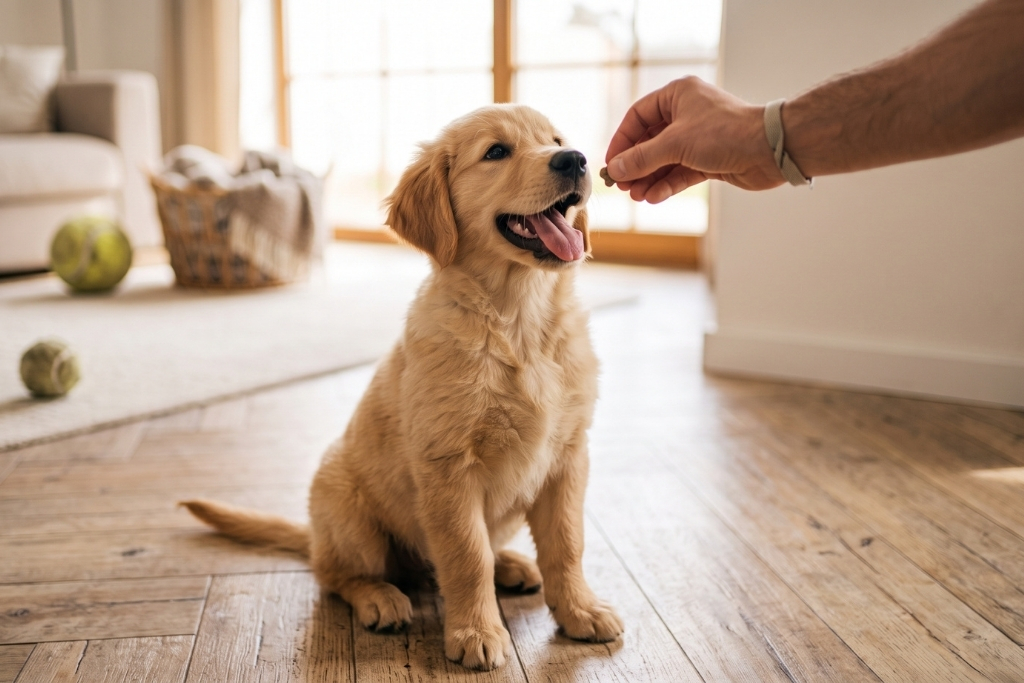
Tag: Positive Reinforcement Training

  • The Ultimate Dog Mom Resume: Are You Qualified for the Best Job Ever?

    The Ultimate Dog Mom Resume: Are You Qualified for the Best Job Ever?

    Let’s be honest: No one applies to be a dog mom.

    One minute you’re “just looking,” and the next, you’re emotionally attached to a tiny face, rearranging your entire life around nap schedules and snack times.

    But if dogs could talk (and frankly, they do, just with more eye contact), they’d absolutely have a hiring process. A very selective one.

    Because being a dog mom? It’s not a hobby. It’s a full-time role, with benefits, chaos, and an unreasonable amount of love.

    So… do you have what it takes?

    First Things First: This Is a Real Job

    Dogs don’t just need food and a place to sleep. They look for consistency, safety, emotional connection, and yes, someone who understands that a “quick walk” is never actually quick.

    We see it every day: the moment a puppy picks their person. It’s instant, and it’s intentional.

    Because dogs know.

    The Resume: Qualifications Your Dog Is Looking For

    Let’s review your credentials.

    ✔️ Snack Distribution Specialist (Advanced Level)

    You must understand that treats are not just snacks. They are communication, motivation, and, occasionally, emotional support.

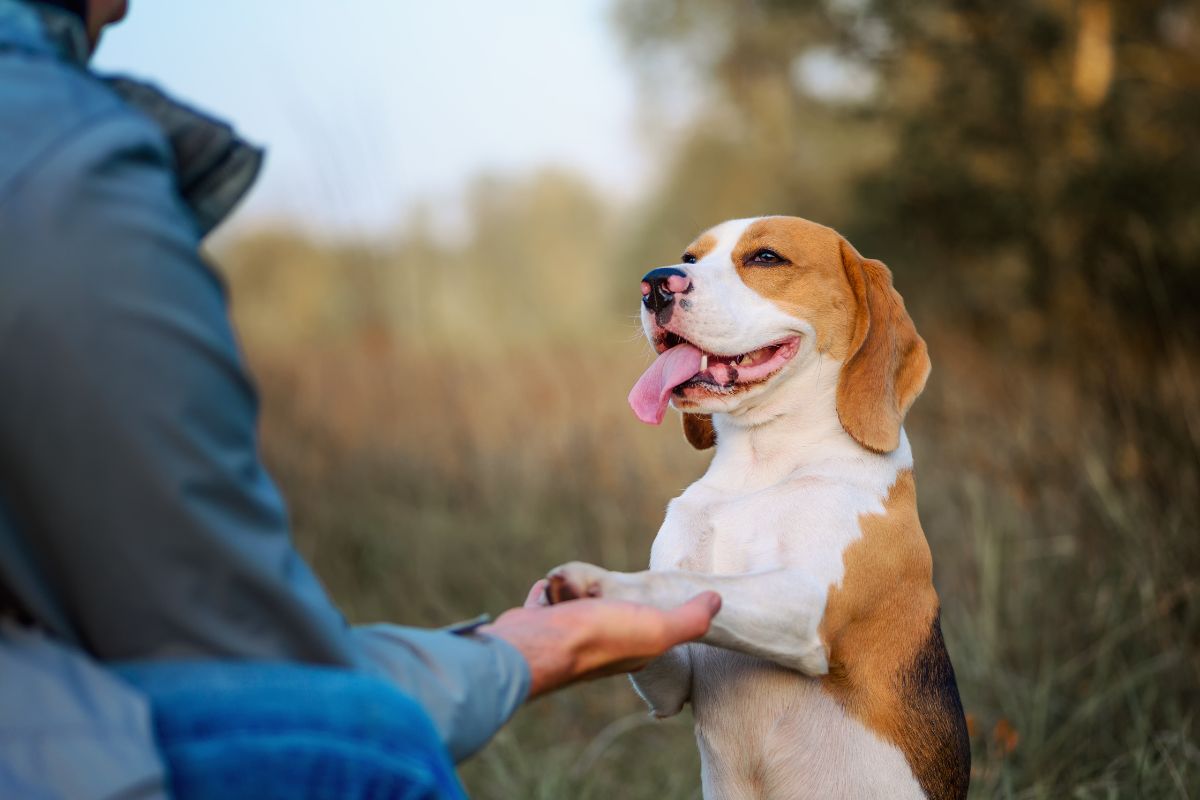
    Dogs thrive on positive reinforcement. Reward-based training builds trust and confidence. So yes, handing out a treat does make you highly qualified.

    ✔️ Blanket Adjuster & Comfort Coordinator

    If you’ve ever tucked a dog in, adjusted their sleeping position, or given them your spot entirely, you’re on the right track.

    Dogs seek comfort and security. A cozy, safe environment helps them relax and feel at home. Bonus points if you whisper, “Are you comfy?” knowing full well they can’t answer.

    ✔️ Head of Walk Operations (All Weather Conditions)

    Rain? Heat? Mild inconvenience? Doesn’t matter.

    Dogs rely on daily exercise for both physical health and mental stimulation. Walks aren’t optional; they’re essential. And if you’ve ever negotiated with a stubborn puppy mid-walk, congratulations! You’re experienced and well-versed.

    ✔️ Emotional Support Human (24/7 Availability)

    Dogs are deeply intuitive. They look for humans who are present, patient, and responsive.

    Whether it’s a loud noise, a new environment, or just one of those days, your calm energy matters. Being consistent and reassuring helps build a strong, lasting bond.

    ✔️ Social Director & Confidence Builder

    From meeting new people to encountering new environments, dogs depend on you to guide them.

    Early socialization is key. It helps puppies grow into confident, well-adjusted companions. Translation: yes, saying “they’re friendly!” across a room is part of the job.

    ✔️ Clean-Up Crew (No Questions Asked)

    We won’t elaborate. You already know.

    ✔️ Personal Hype Person

    Every dog believes they are the best dog. Your role? Confirm that belief daily.

    Positive attention strengthens trust and reinforces good behavior. Also, telling your dog they’re perfect is simply correct.

    The Truth: This Job Is a Big Deal

    Being a dog mom is a real responsibility. It means showing up every day… with patience, care, and a willingness to learn.

    It’s early mornings, routine vet visits, training, and understanding your dog’s needs as they grow. It’s commitment.

    But it’s also one of the most rewarding roles there is.

    And Honestly? Dog Moms Are the Best

    They love deeply. They notice the little things. They celebrate every milestone, big or small.

    They don’t just care for their dogs. They advocate for them, learn for them, and build their lives around them.

    We see that connection happen every day. And we know this much for sure:

    When a dog chooses you, and you choose them right back, you’re not just getting a pet. You’re getting the role of a lifetime.

    And if you ask us?

    Whoever lands that job is very, very lucky.

    Hungry for more? The next chapter’s even better! Follow the paw prints below to keep reading.

    Why Your Dog Always Knows When You’re Eating Something Good
    National Spoil Your Dog Day: Yes, They Deserve It (Every. Single. Day.)


  • Positive Reinforcement Power: Why It’s the Best Way to Train Your Puppy (and How to Start)

    Positive Reinforcement Power: Why It’s the Best Way to Train Your Puppy (and How to Start)

    Bringing a new puppy home is incredibly exciting, but we know the thought of training can sometimes feel overwhelming amidst the fun. If you’re wondering about the best approach to train your puppy, forget outdated methods relying on force or intimidation.

    Positive reinforcement training (+R) stands out as the kindest, most effective method, widely recommended by veterinary behaviorists and certified professional dog trainers. Let’s explore why this science-backed method works wonders and how you can confidently start using its power today.

    train your puppy

    Why Positive Reinforcement Reigns Supreme When You Train Your Puppy

    So, what makes positive reinforcement so effective and the preferred method for professionals? It focuses scientifically on rewarding the behaviors you want to see more of. When your puppy performs a desired action – like sitting politely or coming when called – you immediately add something they value (a reward).

    This simple exchange does several powerful things, aligning with principles supported by leading organizations like the American Veterinary Society of Animal Behavior (AVSAB):

    • Builds Trust & Strong Bonds: It strengthens your relationship through positive interactions, fostering cooperation instead of fear – essential when you train your puppy.
    • Motivates Eager Learning: Puppies become active, enthusiastic participants, trying to figure out what actions earn rewards. Learning becomes a fun, engaging puzzle!
    • Creates Clarity & Confidence: It clearly shows your puppy what you want them to do when you train your puppy, building their confidence as they succeed, rather than just confusing or scaring them about what not to do.
    • Avoids Negative Side Effects: Unlike punishment-based methods, +R doesn’t risk creating the anxiety, fear, or potential aggression that experienced trainers often see as fallout from harsher techniques. It prioritizes your puppy’s emotional well-being.

    Getting Started: Positive Reinforcement for Your Puppy Training

    Ready to train your puppy using this positive power? Starting is simpler than you might think, even if you’re a first-time puppy owner:

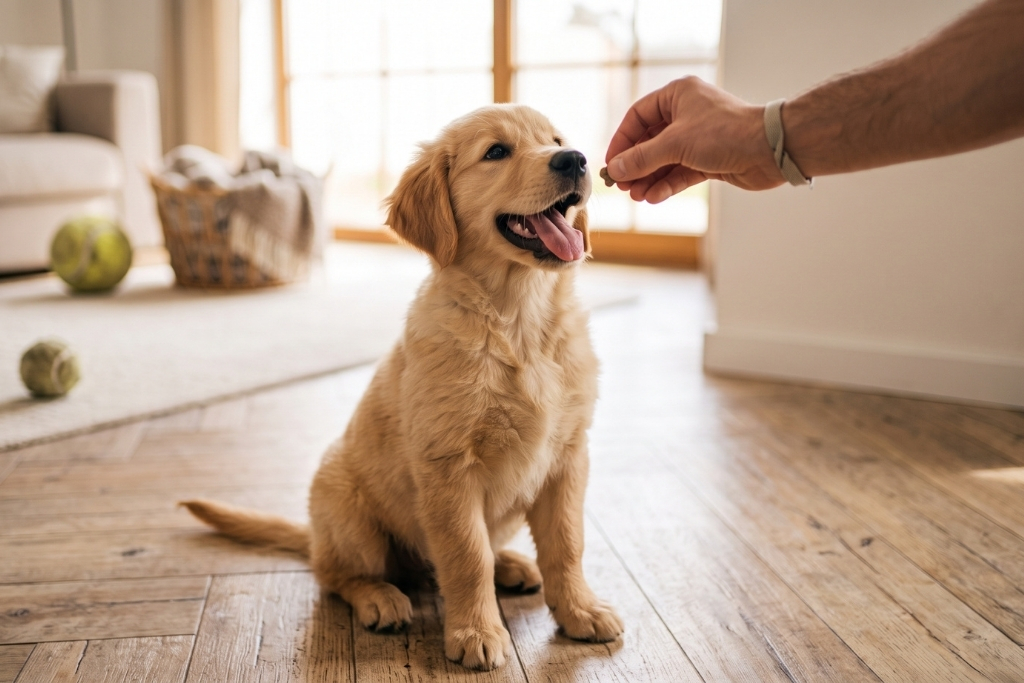
    1. Find Your Puppy’s Paycheck: What does your unique pup genuinely love? It might take some experimenting! Powerful rewards can include tiny, high-value treats; think pea-sized pieces of plain cooked chicken, cheese, or soft training treats. Enthusiastic verbal praise, like “Yes! Good girl!”, is also very effective. Additionally, a quick game of tug or a favorite ear scratch can be highly motivating rewards when you train your puppy.
    2. Timing is Everything: Reward immediately – within 1-2 seconds – the moment your puppy offers the behavior you like. Puppies learn through immediate association; if you reward too late, they won’t connect the reward to the correct action. This precision comes with a little practice!
    3. Keep it Short, Fun & Frequent: Puppies have short attention spans. Keep dedicated sessions brief when you train your puppy (just 2-5 minutes is often plenty) and frequent throughout the day. Always aim to end on a successful, happy note – training should always feel like a good experience for them.
    4. Start Simple: Begin with easy behaviors like rewarding your puppy for responding to their name, offering a “sit,” or capturing calm behavior. Success builds momentum for both of you.

    Building a Foundation of Trust Through Training

    Positive reinforcement training is more than just teaching commands; it’s the most effective and kind way to train your puppy and build a lifelong foundation of trust, communication, and joy. Be patient – learning takes time. Stay consistent – everyone in the household should ideally use the same positive methods. Celebrate the small successes along the way!

    While +R is powerful for everyday training, if you encounter significant behavior challenges (like fear, anxiety, or aggression), consulting a certified professional dog trainer (like a CPDT-KA) or a veterinary behaviorist (DACVB) is always recommended. By embracing positive reinforcement as you train your puppy, you’re choosing a path that nurtures a confident, happy, and well-behaved companion.