Tag: petland

  • How to Know if a Dog Is Urine Marking or Peeing in the House?

    Understanding the difference between urine marking and house soiling (peeing) is crucial for dog owners. Both behaviors involve your dog urinating inside the house, but they stem from different motivations and require different solutions. This blog will delve into the signs of each behavior, the reasons behind them, and how to address these issues effectively.

    Understanding Urine Marking

    Urine marking is a behavior where a dog releases small amounts of urine in various locations. This behavior is more common in unneutered males but can also occur in neutered males and females. It is often linked to territorial behavior, stress, or changes in the dog’s environment.

    Signs of Urine Marking:

    1. Small Amounts of Urine: When dogs mark, they typically release only a small amount of urine, unlike the larger puddles associated with house soiling.
    2. Frequent Marking: Dogs that mark will often do so frequently, hitting several spots in a short period.
    3. Vertical Surfaces: Dogs usually mark on vertical surfaces like walls, furniture, and door frames, as these areas are more effective for leaving their scent.
    4. New Items: New objects brought into the house, such as furniture or groceries, might become targets for urine marking as the dog attempts to establish their scent on these new items.
    5. Signs of Territory: If your dog is marking due to territorial reasons, the behavior might increase when new animals or people enter their space.

    Causes of Urine Marking:

    1. Territorial Behavior: Dogs use urine to mark their territory and communicate with other dogs. This is particularly common in unneutered males.
    2. Social Triggers: The presence of other animals, particularly other dogs, can trigger marking as a way to establish dominance or react to perceived threats.
    3. Changes in Environment: Moving to a new home, changes in household members, or even redecorating can cause a dog to start marking.
    4. Stress and Anxiety: Dogs may mark when they are stressed or anxious, often as a response to significant changes in their environment.

    Understanding House Soiling

    House soiling, or inappropriate urination, is when a dog pees in the house for reasons other than marking. This behavior is often due to medical, behavioral, or training issues and typically involves larger amounts of urine than marking.

    Signs of House Soiling:

    1. Large Puddles: Unlike marking, house soiling usually involves a larger quantity of urine, resulting in noticeable puddles.
    2. Frequent Accidents: Dogs that are house soiling may have frequent accidents, often in the same area.
    3. Horizontal Surfaces: House soiling tends to occur on horizontal surfaces like floors, carpets, and bedding.
    4. Behavioral Cues: The dog may show signs of needing to pee, such as whining, scratching at the door, or circling before urinating.

    Causes of House Soiling:

    1. Medical Issues: Conditions such as urinary tract infections, bladder stones, diabetes, and kidney disease can cause frequent urination and house soiling.
    2. Incomplete House Training: Puppies and newly adopted dogs might not be fully house trained and can have accidents as they learn.
    3. Age-Related Problems: Senior dogs may develop incontinence or cognitive dysfunction that leads to house soiling.
    4. Behavioral Issues: Anxiety, fear, and phobias can lead to house soiling. For example, a dog might urinate indoors due to separation anxiety or fear of loud noises.

    How to Determine if Your Dog Is Marking or House Soiling

    To determine whether your dog is urine marking or house soiling, consider the following factors:

    1. Amount and Location of Urine:
    1. Small amounts on vertical surfaces suggest marking.
    2. Larger puddles on horizontal surfaces suggest house soiling.
    3. Frequency and Triggers:
    1. Frequent urination in different spots can indicate marking.
    2. Urination after showing signs of needing to go or at specific times (like after drinking water) suggests house soiling.
    3. Behavioral Context:
    1. Marking often coincides with territorial or social triggers.
    2. House soiling may be associated with medical issues, incomplete training, or specific stressors.

    Addressing Urine Marking

    1. Neutering/Spaying:
    2. Neutering male dogs and spaying female dogs can reduce marking behaviors significantly.
    3. Reduce Exposure to Triggers:
    4. Minimize your dog’s exposure to other animals and new objects that might trigger marking.
    5. Behavioral Training:
    6. Reinforce training to reduce marking behaviors, using positive reinforcement to encourage proper behavior.
    7. Clean Marked Areas Thoroughly:
    8. Use enzymatic cleaners to remove urine odor completely and discourage repeat marking.
    9. Create a Safe Environment:
    10. Provide a calm and stable environment to reduce stress and anxiety that might lead to marking.

    Addressing House Soiling

    1. Consult a Veterinarian:
    2. If you suspect a medical issue, consult your veterinarian for a thorough check-up.
    3. Revisit House Training:
    4. Reinforce house training techniques, using a consistent routine and positive reinforcement.
    5. Manage Age-Related Issues:
    6. For senior dogs, consider solutions like doggy diapers, more frequent bathroom breaks, and veterinary care for incontinence.
    7. Address Behavioral Problems:
    8. Work with a professional trainer or behaviorist to address anxiety or other behavioral issues.
    9. Provide Regular Bathroom Breaks:
    10. Ensure your dog has regular opportunities to relieve themselves outside, especially after eating, drinking, and waking up.

    Conclusion

    Understanding whether your dog is urine marking or peeing in the house is crucial for addressing the behavior effectively. By identifying the signs, understanding the causes, and implementing appropriate solutions, you can help your dog feel more comfortable and maintain a clean and happy home. Always consult with a veterinarian or professional trainer if you have concerns about your dog’s behavior, and remember that patience and consistency are key to resolving these issues.


  • Preparing Your Dogs for the 4th of July

    Preparing Your Dogs for the 4th of July

    Fireworks like the 4th of July! The 4th of July can be a pretty busy holiday and if you would be hosting, then you would need to prepare ahead for your pets. Here are some tips that would help your preparation along: 

    Prepare them for People  

    This goes both ways. First, you need to ensure that your pet is well socialized and would not get skittish and aggressive when around people. In essence, this is something you need to have determined previously. Also, be sure to notify your guests about your pet in the event of any of them having allergies and so that they are prepared, generally. 

    You might have to keep your pet in their crate if they get too stressed, and so you should have that ready. 

    Prepare them for Fireworks 

    Fireworks can startle your pet significantly and possibly even cause a panic or anxiety attack. 

    Fireworks and dogs do not go together because of the flashing lights, loud bangs, and the unpleasant smell that results from combustion of explosives. Also, given that the fireworks would be coming from different directions, your dog may have a hard time comprehending what is happening. As a result, it is best to keep them away from it. 

    Prepare them for BBQs 

    BBQs imply roasted meat and the aroma is no doubt going to have your dog hanging around the grill. If you know that your dog is well trained and would not be naughty, you could leave them to hang around. Otherwise, it is best to keep them in a different space. Of course, be sure to reserve their share so that they get a feel of the 4th of July celebrations. 

    Conclusion 

    If your dog would not be on a leash, ensure that they cannot run away with the people coming and going and the gates opening up so frequently.

  • Summer Night Activities for You and Your Furry Best Friend

    Summer Night Activities for You and Your Furry Best Friend

    Summer nights are warm and beautiful and are a perfect time for some outdoor activity. Rather than spending some alone time, how about some excellent bonding time with your pet? There are a bunch of activities that are pet-friendly and you would absolutely enjoy. If you’re looking for ideas, here goes: 

    Bonfires 

    Lighting up a bonfire in the backyard with the twigs crackling and flames leaping sounds just about magical. You could sit around the fire with your pet and just enjoy this enthralling image. Alternatively, you could grab some snacks and just laze around. It goes without saying that you should keep an eye on Buddy so that he doesn’t go too close to the fire. 

    Outside Movie Nights 

    This requires little to no major setup. Simply use a screen or even your laptop, select one of your favorite movies, grab some snacks for you and Buddy and cosy up for the night. 

    The night sounds and lights combined with the setting of your movie makes for an amazing experience that you and Buddy are bound to enjoy. In addition, you can pull this off with little to no planning. 

    Visiting a Local Restaurant Patio 

    The first step here is to locate a pet-friendly restaurant that you would love. 

    Up next, since you would be doing a lot of lounging, be sure to have walked your pup so that they have low energy levels later that night. Following these, be sure to bring along water and toys. Enjoy your bottle of wine and take in the sounds of nature which no doubt sounds like an amazing experience. 

    Conclusion 

    Summer night activities are a good number and you can choose to do those that work for you. Be sure to keep an eye out for your pet’s welfare all the time. 

  • Petland Supports Our K9 Units

    Petland Supports Our K9 Units

    The K-9 unit in the police department is one of the most essential units thanks mainly to their enhanced sense of sight, smell, and sound. 

    For instance, dogs have about 45 times more scent receptors in their noses compared to humans. This keen sense of smell has been known to come in handy in a vast range of cases where so much is at stake.

    This unit has been known for leading to breakthroughs in major cases, saving lives, helping to catch criminals, as well as serving as a loyal companion to their handlers. The K-9 unit also serves a major function at borders and in airports, snuffing out drugs and contraband items. 

    Petland loves to help keep the community safe by contributing in their own way to K-9 units. The importance of K-9 units in communities cannot be underestimated, particularly in the area of search and rescue operations. 

    Petland stores all over the country sponsor feeding programs and/or provide financial support to over 200 therapy dogs and K9 units in police, sheriff and fire stations. Central Ohio alone has seen over 57 K9 units and service dogs being supported by petland feeds. 

    In addition, stores all over the country support local veterans and facilities with service dogs. They have been known to be very instrumental in war situations, sniffing out landmines and ensuring the safety of personnel in that unit. 

    Overall, the K-9 unit helps to keep the community safe and their work with the police is highly remarkable, ensuring the safety of life and property round the clock. 

    Conclusion 

    Petland loves to give back to the community in any way that we can and this is one way that we can impact the lives of communities around the country.

  • Is Your Pup Going On Vacation With You?

    Is Your Pup Going On Vacation With You?

    You’re going on vacation and bringing your pup along? Amazing! Going to vacation destinations with your pet is no doubt one of the most incredible experiences that you could ever have together. If you are still at a loss of activities to do, here are couple of ideas that you could explore: 

    Sightseeing 

    This should be at the top of your list, especially if it’s a vacation location with a lot of incredible sights. You can be sure that Liz would enjoy the sights just as much as you would. Be sure to go slow enough so that she can take in all of the new and exciting smells as well. 

    Beach Time 

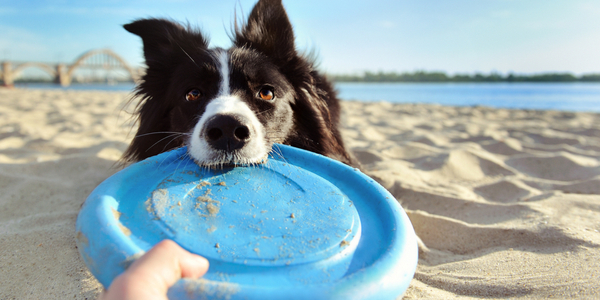
    Locate a dog-friendly beach and by all means, have a swell time taking in the sights and sounds too. Be sure to keep her on a leash so that she doesn’t wander off, and of course, allow for freedom to dig in the sand and play with the waves. You could also do some sunbathing while you are at it, and both pup and human can have an amazing time together. 

    Picnic Time

    In the spirit of some more sightseeing and generally enjoying the beautiful nature all around, you could grab a towel and a basket and head out for a picnic with your pup. Find a nice spot in the park or some greenery and spread out all of the goodies. Be sure to come along with lots of water especially if it’s a hot day, and maybe give Liz a bit of freedom to chase some butterflies. 

    Also, plan well ahead of time so that you can book a hotel that is pet-friendly and carry out necessary vaccinations for your pet before embarking on the trip.

    Conclusion 

    A vacation is as exciting for you as it is for your pup. Ensure that you both have a fun-filled experience.

  • Petland’s Top 5 Designer Breed Dogs for 2022

    Petland’s Top 5 Designer Breed Dogs for 2022

    Designer breeds have been around for quite some time now and have fast become favorites among dog lovers. In addition to the fact that a good number of them are hypoallergenic, they also possess exclusive excellent features from their parents. Here are the top 5 designer breeds ranked by Petland:

    Cockapoo

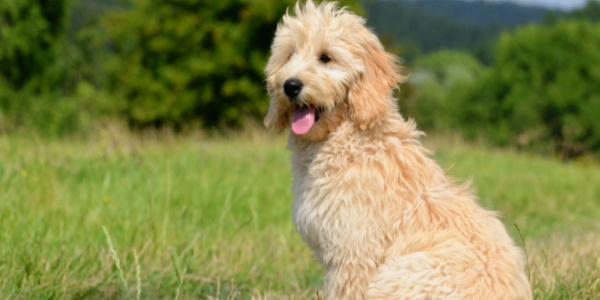
    The cockapoo has a Cocker Spaniel and a Poodle parents and their original breeding can be traced to the 1960s. They are a very loving breed and an incredible family dog. They respond well to training, and can be easily socialized. 

    Labradoodle

    This breed is a mix of a Labrador Retriever and a Poodle. They are very playful and have lots of energy. Their cross can be traced back to the 1980s and their hypoallergenic status makes them a major favorite. 

    Goldendoodle

    The goldendoodle’s cross can be traced to around the 1990s. They are a cross between the golden retriever and poodle. They are very loving dogs who are easy to train and do well when exposed to lots of exercise and attention. 

    Yorkie poo

    This breed is the result of a cross between a Yorkshire terrier and a Toy or Miniature Poodle. They are family-friendly dogs and are highly intelligent and playful. They may tend to bark a lot, and this would have to be curbed early on. They weigh around 8 to 15 pounds making them good for apartment living too. 

    Cavachon

    With a Bichon Frize and a Cavalier King Charles Spaniel parents, it’s no surprise that this breed is very playful. They also boast great qualities such as intelligence and loyalty and relate well with other pets and kids. They have medium energy levels and only require moderate exercise as well as grooming to keep them in top shape. 

    Conclusion 

    Designer breeds have a lot of excellent qualities that may give them an edge over pure breeds. One of these is their hypoallergenic status. So, if you want to go down this path, these five breeds are an excellent array to pick from. 

  • The Best Kind of Bed for Your Dog

    The Best Kind of Bed for Your Dog

    Dog beds come in various shapes and sizes and more importantly, types. They also come in different price ranges ranging from less than a hundred dollars to a couple hundred and are best placed in various positions within the house. So, first off, what is the best kind of bed for your dog: 

    Pillow Bed 

    The pillow bed has a very basic design, however, it is super comfortable. It is made with materials that can resist food, water, and stains. The best place to position this bed is in a corner within the house or at a somewhat elevated level so that your pup has a height vantage point. 

    Bolster Bed 

    Bolster beds have characteristic plush raised sides and a soft base. The design is reminiscent of the nesting box where mother dogs give birth in. The sides provide extra comfort and support and are great for dogs who love to snuggle or stay under covers. 

    Tent Beds 

    Tent beds are enclosed on all sides and the last one is left open so that they can go about their activities. The tent has walls that are made out of cotton, canvas, or other waterproof material and the base is very plush. 

    Orthopedic Bed 

    This bed type is best suited to older dogs who have some form of old-age ailments such as sore tendons from lots of movement or arthritis. The bed is designed to help relieve pains such as those from hip dysplasia. An orthopedic bed also comes in handy to keep joints, tendons, and bones healthy as your dog ages. 

    Elevated Beds 

    An elevated dog bed keeps your dog away from the floor, thereby relieving pressure from pressure points. This bed type is easy to maintain, breathable, and can be used both outdoors and indoors. It also comes in handy for camping trips. 

    Conclusion 

    Choosing a bed type for your dog could be quite the activity, but the important part is to choose based on their need.  

  • Camping With Your Dogs

    Camping With Your Dogs

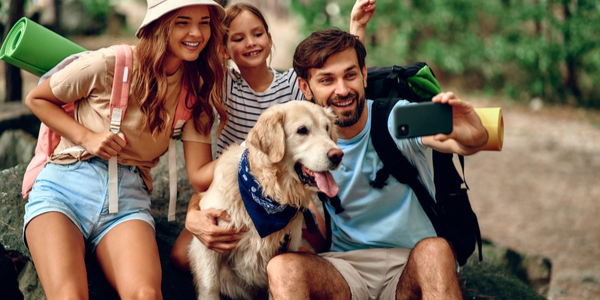
    One of the most exciting experiences that any pup can experience is camping. In addition to the fact that they are with their favorite human, they are also surrounded by new sights and smells, so much to explore! 

    A very vital aspect to ensure before going camping is that their vaccinations are up to date. If you aren’t certain, then be sure to pay a visit to the vet. 

    To enjoy a great camping experience without hitches, here’s a checklist to help:

    • Prepare ahead 
    • Keep your dog secure at all times 
    • Ensure your dog is never left unattended 
    • Keep an eye out for wildlife 
    • Observe in case of any allergies 
    • Bring along a lot of water 
    • Use appropriate gear 
    • Do a test run 
    • Have an up-to-date picture of your dog 
    • Bring a first aid kit along 

    Since you’re taking your dog camping, then you should plan fun activities ahead of time. This would be judicious use of the time and you can both make memories. Some dog-friendly activities that you can explore while camping include: 

    • Hiking the trails present 
    • Boating or kayaking 
    • A picnic 
    • A visit to the beach 
    • Lots outdoor games 

    It is important to find out beforehand whether the places that you would be visiting are dog-friendly. This is because certain establishments would not allow your fur baby in. For private trails, national parks, beaches, dining, and shopping centers, you would have to confirm that they allow pets. 

    Also, take note of the leash laws wherever you are and when going on walks, bring along enough water and a leash. A dog waste bag is essential too. 

    Conclusion 

    If you want to have a beautiful camping experience, then it is important to ensure that you have planned ahead adequately. 

  • Preparing Your Dog for the Hot Summer Months Ahead

    Preparing Your Dog for the Hot Summer Months Ahead

    Summer months are only around the corner. It is important this time of year to prepare your dog for the summer heat. Here are three tips to keep your dog cool and comfortable this summer: 

    Prepare Their Coat for Summer 

    Your pet’s fur coat helps them stay warm in winter and cool in summer. Your dog will grow a heavier coat in winter months and shed it in the spring season to develop a lighter coat for summer.

    Help keep your pet cool in the summer by trimming their coat. It is advisable to go with a professional trimmer, so you don’t end up cutting it too short. 

    A low trim could also help identify any skin infections or telling symptoms. 

    Prepare the Garden for Summer 

    If your pup loves to spend a lot of time outdoors, then you should consider creating a great space for them. You could create shade using a screen, umbrella or putting up a tarp. 

    Wet mats or towels during the hottest parts of the day to use with your pet. You can also find colling mats at some local pet stores. If you already have ice packs in your freezer, you can sandwich the packs between light blankets or towels to create a refreshing mat for your dog.

    Hydrate!

    This is good advice for you and applies to your pet too. Puppies usually require water more frequently because they are more active and their bodies are unable to regulate well. 

    The hot temperatures could cause dehydration and it is important to ensure that the water remains cool too. You could do this by adding ice to the water bowl as well as filling a clamshell or paddling pool with cool water. 

    Conclusion 

    If you are going to have a seamless summer with your pup, then you need to prepare. These tips are vital ones that you can follow.

  • What is a Professional Regulated Breeder?

    What is a Professional Regulated Breeder?

    When you get a healthy and well-adjusted pup that requires little in the way of training, then quite a bit of work has gone behind the scenes. This is often the work of a professional regulated breeder. 

    A professional regulated breeder refers to an individual or a set of individuals who handle the breeding process amongst others, for 5 or more dogs over the span of 4 months. This basically describes the overall job description, however, a lot more goes into this process. 

    First off, a healthy, properly adjusted and socialized pup would need to be raised in a hygienic and friendly environment. This is because their background or the nature of where they were raised goes a long way in impacting their eventual behavior. 

    Professional regulated breeders, who often work with no days off, are highly committed and dedicated and must give adequate love and care to their wards. Therefore, they play a key role in the molding process of your future pup. 

    They also ensure that pets get adequate exercise and are socialized properly which, of course, is a no-brainer when dealing with a pup. The way they are socialized impacts how well they get along with other dog breeds as well as other humans.

    Dogs that are not properly socialized would be unable to behave appropriately in public and may act out as a result. Professional regulated breeders typically handle this aspect to ensure that you get the pet of your dreams. 

    Conclusion 

    In the early stages of development, what your pup picks up could stay with them till adulthood. This is why the jobs of professional regulated breeders cannot be underestimated.