Tag: pet wellness

  • Puppy Vaccines Explained: What Your Dog Needs in the First Year

    Puppy Vaccines Explained: What Your Dog Needs in the First Year

    Your new puppy is finally home, and suddenly life looks a little different.

    There are toys in every room, a growing collection of treats in the kitchen, and at least one family member already completely wrapped around your puppy’s paw. But alongside all the fun comes something equally important: protecting your puppy’s health during their first year.

    For many dog owners across Georgia, and surrounding communities in Atlanta, puppy vaccines can initially feel overwhelming. There are multiple appointments, unfamiliar vaccine names, and different recommendations depending on your dog’s lifestyle.

    The good news? Once you break it down, the first-year vaccine schedule becomes much easier to understand.

    Why Puppies Need Vaccines Early

    Puppies are born with temporary immunity passed down from their mother. However, that protection fades over time.

    That’s why veterinarians recommend a series of vaccines during the first several months of life. These vaccines help protect puppies from highly contagious and potentially serious diseases while their immune systems develop.

    Most puppies begin vaccinations between 6 and 8 weeks old, followed by booster shots every few weeks until around 16 weeks of age.

    The Core Vaccines Most Puppies Receive

    DHPP (Distemper, Hepatitis, Parvovirus, Parainfluenza)

    This is one of the most important puppy vaccines.

    The DHPP vaccine protects against four serious illnesses:

    • Distemper
    • Adenovirus (hepatitis)
    • Parvovirus
    • Parainfluenza

    Puppies typically receive this vaccine in a series at:

    • 6–8 weeks
    • 10–12 weeks
    • 14–16 weeks

    A booster is usually given again around one year old.

    These diseases can spread quickly among dogs, especially puppies, which is why veterinarians consider this a core vaccine.

    Rabies Vaccination Requirements

    Rabies vaccines are legally required in Georgia.

    Most puppies receive their first rabies vaccine between 14 and 16 weeks old, depending on local regulations and veterinary guidance.

    Rabies affects the nervous system and is fatal once symptoms appear. Because it can also spread to humans, maintaining this vaccine matters for both public health and pet safety.

    Lifestyle Vaccines Your Vet May Recommend

    Bordetella (Kennel Cough)

    This vaccine is often recommended for puppies that may attend:

    • Puppy classes
    • Grooming appointments
    • Boarding facilities
    • Doggy daycare
    • Social dog environments

    Bordetella spreads easily in group settings and commonly contributes to kennel cough.

    Leptospirosis

    Leptospirosis is a bacterial disease that can spread through contaminated water and wildlife exposure.

    Because warm climates and outdoor activity are common throughout the Southeast, many veterinarians recommend discussing this vaccine with puppy owners.

    Lyme Disease and Canine Influenza

    Some puppies may also benefit from Lyme disease or canine influenza vaccines depending on lifestyle, travel, and local exposure risks.

    Your veterinarian can help determine whether these vaccines make sense for your dog specifically.

    Don’t Forget Heartworm Prevention

    Heartworm is not prevented through a vaccine, but prevention usually begins during puppyhood with regularly administered medication.

    Because mosquitoes remain active for much of the year in the Carolinas / Georgia, veterinarians often recommend starting prevention early.

    Helping Puppies Start Strong

    We understand how important the first year is for both puppies and their families.

    There is a lot to learn, and naturally, every owner wants to make thoughtful decisions about their dog’s health. That’s why trusted guidance, education, and preparation matter so much during puppyhood.

    Remember that raising a healthy, confident dog starts with giving them the strongest possible foundation from day one.

    The First Year Goes Faster Than You Think

    Right now, your puppy may still feel tiny.

    But between vet visits, training milestones, and countless everyday moments, that first year moves quickly. Staying consistent with vaccines and preventive care helps protect your dog through every stage of growth.

    And peace of mind is one of the best things you can give both your puppy and yourself.

    If you’re up for another good read, these articles are a great place to start:
  • Puppy Vaccines Explained: What Your Dog Needs in the First Year

    Puppy Vaccines Explained: What Your Dog Needs in the First Year

    Your new puppy is finally home, and suddenly life looks a little different.

    There are toys in every room, a growing collection of treats in the kitchen, and at least one family member already completely wrapped around your puppy’s paw. But alongside all the fun comes something equally important: protecting your puppy’s health during their first year.

    For many dog owners across Charlotte, and surrounding communities in North Carolina, puppy vaccines can initially feel overwhelming. There are multiple appointments, unfamiliar vaccine names, and different recommendations depending on your dog’s lifestyle.

    The good news? Once you break it down, the first-year vaccine schedule becomes much easier to understand.

    Why Puppies Need Vaccines Early

    Puppies are born with temporary immunity passed down from their mother. However, that protection fades over time.

    That’s why veterinarians recommend a series of vaccines during the first several months of life. These vaccines help protect puppies from highly contagious and potentially serious diseases while their immune systems develop.

    Most puppies begin vaccinations between 6 and 8 weeks old, followed by booster shots every few weeks until around 16 weeks of age.

    The Core Vaccines Most Puppies Receive

    DHPP (Distemper, Hepatitis, Parvovirus, Parainfluenza)

    This is one of the most important puppy vaccines.

    The DHPP vaccine protects against four serious illnesses:

    • Distemper
    • Adenovirus (hepatitis)
    • Parvovirus
    • Parainfluenza

    Puppies typically receive this vaccine in a series at:

    • 6–8 weeks
    • 10–12 weeks
    • 14–16 weeks

    A booster is usually given again around one year old.

    These diseases can spread quickly among dogs, especially puppies, which is why veterinarians consider this a core vaccine.

    Rabies Vaccination Requirements

    Rabies vaccines are legally required in North Carolina.

    Most puppies receive their first rabies vaccine between 14 and 16 weeks old, depending on local regulations and veterinary guidance.

    Rabies affects the nervous system and is fatal once symptoms appear. Because it can also spread to humans, maintaining this vaccine matters for both public health and pet safety.

    Lifestyle Vaccines Your Vet May Recommend

    Bordetella (Kennel Cough)

    This vaccine is often recommended for puppies that may attend:

    • Puppy classes
    • Grooming appointments
    • Boarding facilities
    • Doggy daycare
    • Social dog environments

    Bordetella spreads easily in group settings and commonly contributes to kennel cough.

    Leptospirosis

    Leptospirosis is a bacterial disease that can spread through contaminated water and wildlife exposure.

    Because warm climates and outdoor activity are common throughout the Southeast, many veterinarians recommend discussing this vaccine with puppy owners.

    Lyme Disease and Canine Influenza

    Some puppies may also benefit from Lyme disease or canine influenza vaccines depending on lifestyle, travel, and local exposure risks.

    Your veterinarian can help determine whether these vaccines make sense for your dog specifically.

    Don’t Forget Heartworm Prevention

    Heartworm is not prevented through a vaccine, but prevention usually begins during puppyhood with regularly administered medication.

    Because mosquitoes remain active for much of the year in the Carolinas / Georgia, veterinarians often recommend starting prevention early.

    Helping Puppies Start Strong

    We understand how important the first year is for both puppies and their families.

    There is a lot to learn, and naturally, every owner wants to make thoughtful decisions about their dog’s health. That’s why trusted guidance, education, and preparation matter so much during puppyhood.

    Remember that raising a healthy, confident dog starts with giving them the strongest possible foundation from day one.

    The First Year Goes Faster Than You Think

    Right now, your puppy may still feel tiny.

    But between vet visits, training milestones, and countless everyday moments, that first year moves quickly. Staying consistent with vaccines and preventive care helps protect your dog through every stage of growth.

    And peace of mind is one of the best things you can give both your puppy and yourself.

    If you’re up for another good read, these articles are a great place to start:

  • Spring Fever, Fur Real: What Happens to Your Dog’s Personality When Winter Ends?

    Spring Fever, Fur Real: What Happens to Your Dog’s Personality When Winter Ends?

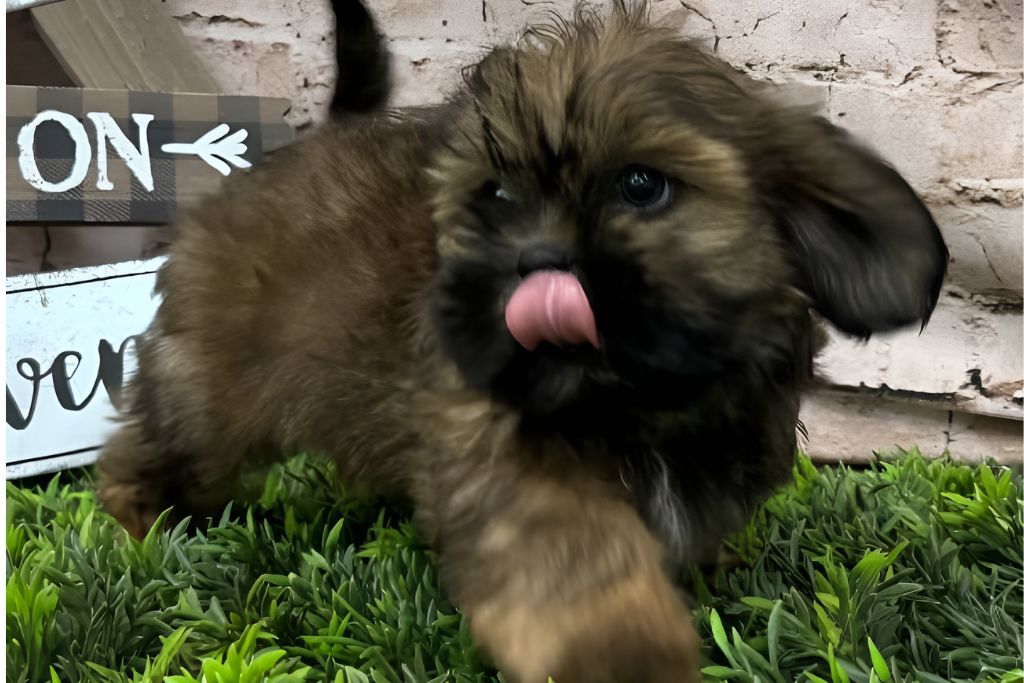
    puppy in grass with tongue out

    The snow melts. The sun sticks around longer. You suddenly feel like cleaning your entire house at 7 a.m. on a Saturday.

    Spring has officially entered the chat.

    And guess what? Your dog feels it, too.

    Just like us, dogs respond to seasonal changes. Longer daylight hours, warmer temperatures, and new smells in the air can shift their mood, energy, and behavior. If your pup seems a little extra lately, you’re not imagining it. Spring fever is real. And honestly, it’s kind of adorable.

    Here’s what you might notice (and how to roll with it).

    1. The Zoomies Are Back… With a Vengeance

    Longer days trigger more activity. Increased sunlight can influence your dog’s natural rhythms and boost energy levels. After a slower winter routine, your pup may suddenly act like they’ve had three espressos.

    What helps? Lean into it. Add an extra walk. Rotate in new toys. Plan a weekend park trip. Structured exercise channels that spring sparkle into healthy outlets.

    2. Sniff Mode: Activated

    Spring brings fresh grass, blooming plants, and an entire season’s worth of new scents. Your dog’s nose is in heaven.

    Expect longer sniff sessions on walks and a little more distraction outdoors. Sniffing is mental enrichment, so let them explore safely. A slightly slower walk can be great brain exercise.

    3. A Little More Reactivity

    More dogs are outside. Kids are playing. Squirrels are back. It’s a sensory overload situation.

    Some dogs become more alert or reactive during spring because their environment suddenly feels busier. Stay consistent with training cues. Reward calm behavior. Keep routines steady even as activity increases.

    4. The Great Shed-Off

    That thick winter coat? It’s clocking out.

    As temperatures rise, dogs naturally shed to regulate body temperature. You may notice more fur around the house and slightly itchier behavior.

    Regular brushing helps. So does high-quality nutrition that supports skin and coat health. 

    5. The “Let’s Do Something” Face

    Winter can mean more indoor time. Spring reopens your dog’s social calendar.

    Your pup may suddenly want more playdates, more outings, and more “us” time. This is a great season to build positive experiences. Try a new walking trail. Visit a pet-friendly patio. Reinforce good leash manners.

    Helping Your Dog Thrive This Spring

    Transition gradually. Keep meals consistent. Increase activity in manageable steps. Watch for allergy signs like excessive scratching or paw licking. If something feels off, consult your veterinarian.

    Most of all? Enjoy it.

    Spring is a reset button. For you. For your dog. For your daily rhythm together.

    We love helping pet parents navigate every season with confidence. Whether you need grooming tools, enrichment toys, or expert advice, we’re here for it.

    New season. New energy. Same best friend.

    The snow melts. The sun sticks around longer. You suddenly feel like cleaning your entire house at 7 a.m. on a Saturday.

    Spring has officially entered the chat.

    And guess what? Your dog feels it, too.

    Just like us, dogs respond to seasonal changes. Longer daylight hours, warmer temperatures, and new smells in the air can shift their mood, energy, and behavior. If your pup seems a little extra lately, you’re not imagining it. Spring fever is real. And honestly, it’s kind of adorable.

    Here’s what you might notice (and how to roll with it).

    1. The Zoomies Are Back… With a Vengeance

    Longer days trigger more activity. Increased sunlight can influence your dog’s natural rhythms and boost energy levels. After a slower winter routine, your pup may suddenly act like they’ve had three espressos.

    What helps? Lean into it. Add an extra walk. Rotate in new toys. Plan a weekend park trip. Structured exercise channels that spring sparkle into healthy outlets.

    2. Sniff Mode: Activated

    Spring brings fresh grass, blooming plants, and an entire season’s worth of new scents. Your dog’s nose is in heaven.

    Expect longer sniff sessions on walks and a little more distraction outdoors. Sniffing is mental enrichment, so let them explore safely. A slightly slower walk can be great brain exercise.

    3. A Little More Reactivity

    More dogs are outside. Kids are playing. Squirrels are back. It’s a sensory overload situation.

    Some dogs become more alert or reactive during spring because their environment suddenly feels busier. Stay consistent with training cues. Reward calm behavior. Keep routines steady even as activity increases.

    4. The Great Shed-Off

    That thick winter coat? It’s clocking out.

    As temperatures rise, dogs naturally shed to regulate body temperature. You may notice more fur around the house and slightly itchier behavior.

    Regular brushing helps. So does high-quality nutrition that supports skin and coat health. 

    5. The “Let’s Do Something” Face

    Winter can mean more indoor time. Spring reopens your dog’s social calendar.

    Your pup may suddenly want more playdates, more outings, and more “us” time. This is a great season to build positive experiences. Try a new walking trail. Visit a pet-friendly patio. Reinforce good leash manners.

    Helping Your Dog Thrive This Spring

    Transition gradually. Keep meals consistent. Increase activity in manageable steps. Watch for allergy signs like excessive scratching or paw licking. If something feels off, consult your veterinarian.

    Most of all? Enjoy it.

    Spring is a reset button. For you. For your dog. For your daily rhythm together.

    We love helping pet parents navigate every season with confidence. Whether you need grooming tools, enrichment toys, or expert advice, we’re here for it.

    New season. New energy. Same best friend.

    Hungry for more? The next chapter’s even better! Follow the paw prints below to keep reading.

    National Spoil Your Dog Day: Yes, They Deserve It (Every. Single. Day.)
    New Year, Happy Dog: 10 Healthy Habits to Kick Off 2026 With Your Pup