Tag: patio design

  • Why Is November a Smart Time to Plan Next Year’s Landscape?

    Why Is November a Smart Time to Plan Next Year’s Landscape?

    Quick Answer / Summary

    November is a smart time to plan next year’s landscape because it gives homeowners time to assess their property, refine design ideas, establish a realistic budget, and prepare for spring installation. With deciduous trees and shrubs losing their leaves, the yard’s underlying layout may also be easier to evaluate. Starting now allows important decisions about drainage, materials, and scheduling to be addressed before the busy spring season.

    Key Takeaways

    • A clearer view of your property: Reduced foliage can make slopes, existing structures, and potential problem areas easier to see.
    • More time for thoughtful design: November planning allows homeowners to explore layouts, materials, and planting options before installation.
    • Better budget preparation: Early estimates help establish priorities and identify improvements that can be completed in phases.
    • A head start on spring: Beginning the design process now provides more time for approvals, material selections, and scheduling.
    • Flexibility for seasonal conditions: Some landscaping work may continue in fall, while other installations are best scheduled when weather and soil conditions are suitable.

    November has a way of making the Lehigh Valley look a little different. The trees around Nazareth and Bethlehem are losing their leaves, garden beds are winding down, and patios that hosted summer gatherings are getting a well-earned break.

    It’s also when homeowners can take a fresh look at their outdoor spaces.

    Maybe the patio felt crowded every time friends came over. Perhaps a walkway never quite connected the spaces you use most. Or that soggy patch of lawn near the garden became impossible to ignore after another round of autumn rain.

    These are exactly the kinds of details worth addressing before the next landscaping season begins.

    At Creative Landscapes, we believe the best outdoor spaces are carefully considered long before installation. From understanding how you use your property to developing a design that works with its natural conditions, good planning makes every decision more purposeful.

    Here’s why November is an excellent time to start shaping next year’s landscape.

    Why Is November a Good Time to Evaluate Your Landscape?

    As deciduous trees and shrubs lose their leaves, more of your property’s underlying layout becomes visible.

    This can make it easier to evaluate existing walkways, planting beds, slopes, and areas that might benefit from a different arrangement.

    For homeowners around Bath and Easton, November is a useful time to look for:

    • Drainage concerns: Areas where water collects, soil erodes, or runoff crosses frequently used spaces.
    • Grading challenges: Slopes and uneven ground that may influence patio, walkway, or retaining wall placement.
    • Crowded planting beds: Shrubs and perennials that have outgrown their intended spaces.
    • Unused areas: Sections of the yard that could serve a more practical purpose.

    Late-fall rainfall can reveal useful drainage clues, although a proper evaluation should consider site conditions and water movement beyond a single storm.

    The goal isn’t simply to identify what needs changing. It’s to understand how the entire property works before deciding what to build.

    How Does Planning in November Help Prepare for Spring?

    A landscape renovation involves more than choosing plants or picking a patio material. Design development, estimates, approvals, and construction scheduling all take time.

    Starting in November creates room to work through those decisions.

    Can You Develop Your Landscape Design During Winter?

    Absolutely. Much of the design process can happen before the ground is ready for construction.

    You can explore patio dimensions, walkway layouts, planting combinations, outdoor lighting, and gathering areas.

    For example, if you’re planning a patio near Allentown, it’s worth determining how much room your dining furniture needs, where guests will walk, and how the space connects to the house before selecting pavers.

    At Creative Landscapes, we develop scaled landscape plans that account for these relationships. Our designers work directly with homeowners to refine the layout, materials, and overall direction before construction begins.

    Does Early Planning Help With Spring Scheduling?

    Starting early gives you more time to discuss potential installation dates and prepare the details that influence scheduling.

    Spring is a popular season for outdoor projects, and timelines depend on contractor availability, weather, materials, and site conditions.

    Planning in November doesn’t guarantee an earlier installation. It does help you avoid leaving important design decisions until the season is already underway.

    Can November Planning Help You Establish a Realistic Budget?

    Yes. Early planning allows you to understand the scope of your project and make informed decisions about where to invest.

    Consider a new backyard patio. Beyond the surface material, the project may involve excavation, base preparation, grading, drainage, steps, or retaining walls.

    Understanding these requirements before construction helps establish a more accurate estimate.

    Our landscape design process includes scaled plans and detailed cost proposals. We also help homeowners consider phased installations when completing everything at once isn’t practical.

    For example, a Bethlehem homeowner might prioritize a patio and connecting walkway, then add surrounding plantings and outdoor lighting later.

    With the complete layout planned in advance, those future additions can be considered from the beginning, helping reduce unnecessary changes or repeated work.

    Which Landscape Projects Should You Plan in November?

    Projects involving several features, site preparation, or detailed material selections particularly benefit from early planning.

    • Patios and walkways: Determine dimensions, traffic flow, surface materials, and drainage requirements.
    • Retaining walls: Evaluate slopes, soil conditions, structural needs, and any applicable approvals.
    • Planting beds: Consider sunlight, soil, mature plant sizes, maintenance, and seasonal interest.
    • Outdoor living areas: Coordinate seating, lighting, fire features, and connections between spaces.
    • Drainage improvements: Investigate water movement before placing new hardscapes or planting areas.

    For properties near Blue Mountain or the rolling terrain around Nazareth, slope and drainage considerations may influence the design. Each property still needs its own assessment.

    Plant selection deserves similar attention. A sunny, exposed backyard and a shaded garden near mature trees may call for very different choices.

    November can also be suitable for certain planting work when conditions permit. However, planting windows vary by species, and many trees and shrubs benefit from having adequate time to establish roots before freezing weather. Late-fall installation should always be evaluated individually.

    How Should You Start Planning Next Year’s Landscape?

    You don’t need a complete design to begin. Start by identifying what you’d like your outdoor space to do better.

    1. Look at how you use your yard. Consider where you entertain, relax, garden, and move between spaces.
    2. Identify existing problems. Take note of poor drainage, awkward pathways, uneven surfaces, or areas requiring too much maintenance.
    3. Establish your priorities. Decide which improvements matter most and which could be completed later.
    4. Gather ideas and inspiration. Collect examples of materials, planting styles, and outdoor features that appeal to you.
    5. Meet with a landscape designer. Discuss your goals, property conditions, budget, and a realistic installation timeline.

    Photographs can be especially helpful. If water collects near your walkway after heavy rain, document the location and conditions.

    The more clearly we understand your property and priorities, the better we can develop a design that suits both.

    Frequently Asked Questions About Planning a Landscape in November

    Is November Too Late to Start a Landscaping Project?

    Not at all. November is an excellent time to begin planning, even if installation will take place the following spring.

    Design consultations, budgeting, layout development, and material selection can continue during colder months. Some outdoor work may also be possible when weather and soil conditions allow.

    However, frozen or saturated ground can limit excavation and construction. Planting suitability also depends on the species and local conditions, so November isn’t automatically an appropriate installation window for every project.

    Can Landscape Designers Work During Winter?

    Yes. Winter can be a productive period for landscape design.

    Homeowners and designers can discuss project goals, develop layouts, compare materials, review estimates, and prepare for future installation. On-site evaluations may depend on snow cover, ground conditions, and property accessibility.

    At Creative Landscapes, our design process helps establish the layout and construction requirements before work begins. This allows homeowners to make informed decisions without rushing through important details when warmer weather arrives.

    Is It Better to Plan a Patio in Fall or Spring?

    Fall is often a practical time to begin planning a patio intended for spring or summer use.

    Patio design involves more than choosing pavers. Dimensions, furniture placement, walking space, grading, drainage, and access for construction equipment all influence the final layout.

    Starting in November provides additional time to evaluate these details, compare options, and develop a coordinated plan. Installation timing will still depend on weather, contractor availability, materials, and any required approvals.

    Should Drainage Problems Be Addressed Before Landscaping?

    Drainage concerns should be evaluated early because water movement can affect patios, planting beds, retaining walls, and other landscape features.

    Standing water or recurring erosion may indicate that grading or another drainage solution needs attention. However, the appropriate approach depends on the property’s conditions and the source of the problem.

    Identifying these concerns during the design stage allows us to consider drainage alongside the other proposed improvements rather than treating it as an afterthought.

    Can You Complete a Landscape Renovation in Phases?

    Yes. A phased approach allows homeowners to complete improvements over time while working toward one coordinated design.

    You might begin with a patio and walkways, then add planting beds, lighting, or additional outdoor features in a later phase.

    Our scaled landscape plans help account for these future additions. Considering drainage, utilities, construction access, and the overall layout from the beginning can reduce the need to disturb completed areas when the next phase begins.

    What Makes November Planning Worthwhile?

    November gives homeowners a valuable opportunity to study their property, explore possibilities, and make decisions before the next growing season.

    A thoughtfully developed landscape plan accounts for how you want to use your space, how the property functions, and what it will take to bring everything together. That preparation can make the transition from design to construction far more organized.

    Let’s Make Next Year’s Landscape Something to Look Forward To

    At Creative Landscapes, we’ve been designing and building distinctive outdoor spaces throughout the Lehigh Valley since 1986. Our experienced designers and craftsmen work closely with homeowners to create landscapes that are beautiful, functional, and thoughtfully suited to each property.

    Have a patio, planting renovation, drainage improvement, or complete landscape transformation in mind? Explore our landscape design services or schedule a free consultation to start planning your outdoor space for the year ahead.
  • Which Patio Style Is Right for You? Pavers vs. Natural Stone vs. Concrete vs. Gravel

    Which Patio Style Is Right for You? Pavers vs. Natural Stone vs. Concrete vs. Gravel

    Let’s be honest: You’ve imagined it.

    A beautiful patio. Comfy chairs. String lights. Maybe a fire pit. Maybe a grill that’s actually used for more than burgers twice a year. Suddenly you’re spending every evening outside instead of scrolling on your couch.

    Then reality arrives.

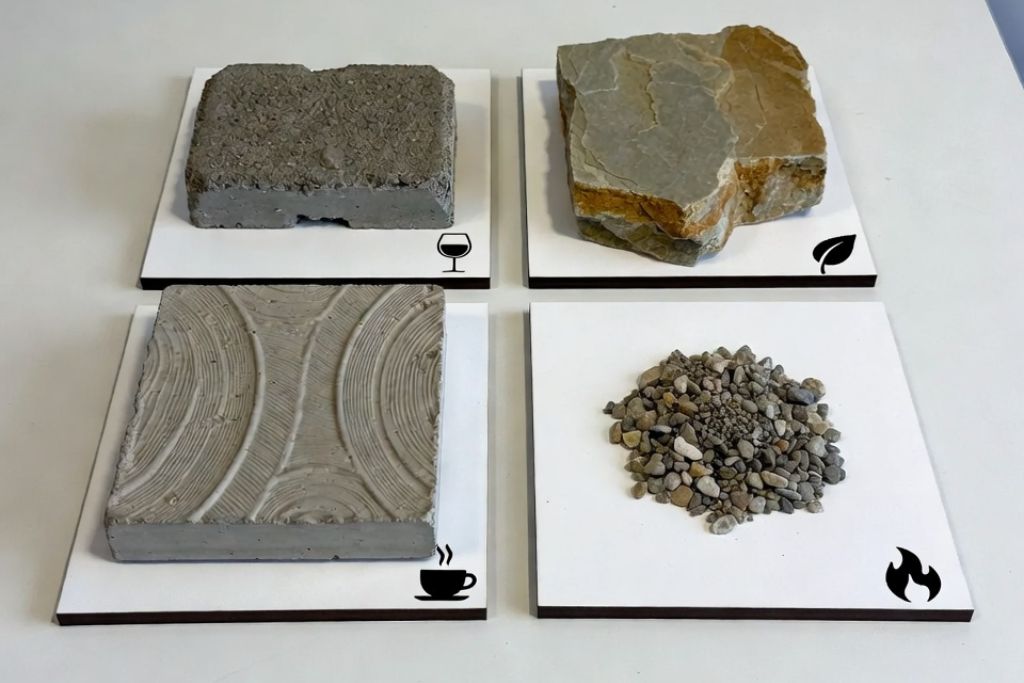
    Pavers. Natural stone. Concrete. Gravel.

    Four great options. Four very different personalities. Four tabs open on your browser. Two hours later, you’re somehow reading about drainage systems and questioning every decision you’ve ever made.

    Don’t worry. We’ve got you.

    The best patio isn’t simply the one that looks amazing on Pinterest. It’s the one that fits your home, your lifestyle, and how you actually spend time outdoors. Around Bath, Nazareth, Bethlehem, and across the Lehigh Valley, every property has its own character. The right patio should complement it, not compete with it.

    Team Pavers: The Reliable Overachiever

    Pavers are the friend who’s somehow good at everything.

    They come in countless colors, patterns, and shapes, making them one of the most versatile patio materials available. They’re also durable, easy to repair, and designed to handle Pennsylvania’s freeze-thaw cycles better than a single poured slab.

    Perfect for you if…
    You love entertaining, want a polished look, and appreciate having plenty of design options.

    Team Natural Stone: The Effortlessly Stylish One

    Natural stone doesn’t try to be beautiful. It just is.

    Every piece has its own texture, color variation, and shape, giving your patio a one-of-a-kind appearance. Flagstone, bluestone, and other natural materials blend beautifully into landscapes and create a timeless outdoor space.

    Homes tucked into the rolling scenery around Blue Mountain or the quieter neighborhoods surrounding Bath often pair especially well with natural stone because it feels like it belongs there.

    Perfect for you if…
    You love organic beauty and want a patio that feels custom from day one.

    Team Concrete: Clean, Simple, and Budget-Friendly

    Concrete has come a long way.

    Today’s concrete patios can be stamped, stained, textured, or colored to mimic more expensive materials while keeping installation costs lower. It’s clean, modern, and works well in contemporary outdoor spaces.

    Like any material, it does require proper installation and occasional maintenance to help reduce cracking over time.

    Perfect for you if…
    You want a streamlined look and excellent value without sacrificing style.

    Team Gravel: The Relaxed Backyard Hero

    Gravel patios deserve more credit.

    They’re affordable, quick to install, naturally permeable for drainage, and surprisingly charming. Add a fire pit, Adirondack chairs, and a few landscape beds, and suddenly you’ve created an inviting backyard retreat.

    It’s an especially practical choice for larger properties throughout the Lehigh Valley, where homeowners want to define outdoor gathering spaces without covering a huge area in stone or concrete.

    Perfect for you if…
    You prefer a casual outdoor space and don’t mind a little occasional raking to keep everything looking tidy.

    The Best Patio Is the One Designed for Your Home

    Here’s the plot twist: there isn’t a universal “best” patio.

    Every property is different. So is every family. The patio that looks incredible behind one home near Beth Bath Pike may not be the right fit for another just a few miles away in Nazareth or Bethlehem.

    That’s why the team at Creative Landscapes starts with your space, your goals, and how you want to use your backyard. From expertly designed paver patios to natural stone retreats, decorative concrete, and thoughtfully integrated outdoor living spaces, we create patios that feel like they’ve always belonged.

    The perfect patio isn’t the one that wins the internet. It’s the one that makes you look forward to spending more time outside.

  • How Professional Landscaping Can Increase Your Home’s Value

    How Professional Landscaping Can Increase Your Home’s Value

    Some homes have a way of making you slow down as you drive past.

    It isn’t always because they’re the biggest on the block. They aren’t necessarily the newest, either. They simply feel polished, welcoming, and thoughtfully cared for from the moment you see them.

    Then you pull into your own driveway and wonder what’s missing.

    In many cases, the answer isn’t a larger house or a major renovation. It’s the landscape surrounding it.

    Professional landscaping does much more than improve curb appeal. It creates structure, highlights your home’s best features, expands usable outdoor living space, and can even increase property value. If you’re planning to sell in the future, that’s a smart investment. If you’re staying put, you’ll enjoy a property that feels more complete every time you come home.

    Across Bath, Nazareth, Bethlehem, and communities throughout the Lehigh Valley, homeowners are discovering just how much difference a professionally designed landscape can make.

    Start with a Landscape That Feels Intentional

    Beautiful landscapes rarely happen by accident.

    Professional landscape design brings together plants, hardscapes, lighting, and outdoor spaces into one cohesive plan. Instead of adding features over time that may not work together, every element serves a purpose and complements the home as a whole.

    The result feels balanced, polished, and timeless.

    Invest in Curb Appeal That Lasts

    First impressions matter.

    Healthy lawns, well-maintained planting beds, defined walkways, and thoughtfully selected trees immediately create a sense of care and quality. According to real estate experts, strong curb appeal can positively influence how buyers perceive a home’s overall value.

    Even if you’re not planning to move anytime soon, arriving home to an inviting front yard is a benefit you’ll appreciate every day.

    Create Outdoor Spaces People Actually Use

    One of the best ways to increase value is by increasing functionality.

    Patios, seating areas, fire features, pergolas, retaining walls, and outdoor kitchens extend your living space beyond the walls of your home. Families throughout Bath, Nazareth, and nearby Blue Mountain communities are embracing outdoor spaces that make relaxing, entertaining, and spending time together easier than ever.

    Well-designed outdoor living areas continue to be one of the most desirable landscape improvements for homeowners.

    Choose Plants That Thrive Locally

    A beautiful landscape should also be practical.

    Selecting plants that perform well in Pennsylvania’s climate helps reduce maintenance while keeping your property looking its best through changing seasons. Professional landscape designers understand which trees, shrubs, and perennials work well throughout the Lehigh Valley, helping homeowners avoid costly replacements down the road.

    Keep Your Landscape Looking Its Best

    Great landscaping isn’t finished after installation.

    Seasonal maintenance, pruning, mulching, lawn care, and plant health all help protect your investment. Consistent upkeep allows your landscape to mature beautifully while preserving the value it adds to your property.

    Build a Landscape You’ll Enjoy for Years

    At Creative Landscapes, we believe every outdoor space should reflect the people who live there. That’s why we take the time to understand your goals before creating a design that fits both your property and your lifestyle.

    From homes along Beth Bath Pike to neighborhoods throughout Bath, Nazareth, Bethlehem, and the greater Lehigh Valley, our team creates landscapes that are beautiful, functional, and built to last.

    A thoughtfully designed landscape doesn’t simply add value when it’s time to sell. It adds value every single day you get to enjoy calling your property home.

  • Patio Size Guide: How to Plan the Perfect Fit for Your Backyard

    Patio Size Guide: How to Plan the Perfect Fit for Your Backyard

    A great patio doesn’t just fill space, it creates it. It gives your backyard purpose, structure, and a place to actually live outdoors. Here in Pennsylvania, where we soak up every bit of patio season from spring mornings to crisp fall evenings, getting the size right matters more than you might think.

    It’s easy to get excited and jump straight into design. But before you pick materials or layouts, the real foundation of a successful patio starts with one question: How big should it be?

    Why Size Matters More Than You Think

    A patio that’s too small feels cramped. Too large, and it can overwhelm your yard. The right size strikes a balance: it supports how you use the space while still leaving room for landscaping, movement, and flow.

    And that balance starts with a plan.

    Start With How You’ll Actually Use It

    Before anything else, think function first.

    • Will you host large gatherings or keep things more low-key?
    • Do you want space for dining, lounging, or both?
    • Are features like a fire pit or outdoor kitchen on your list?

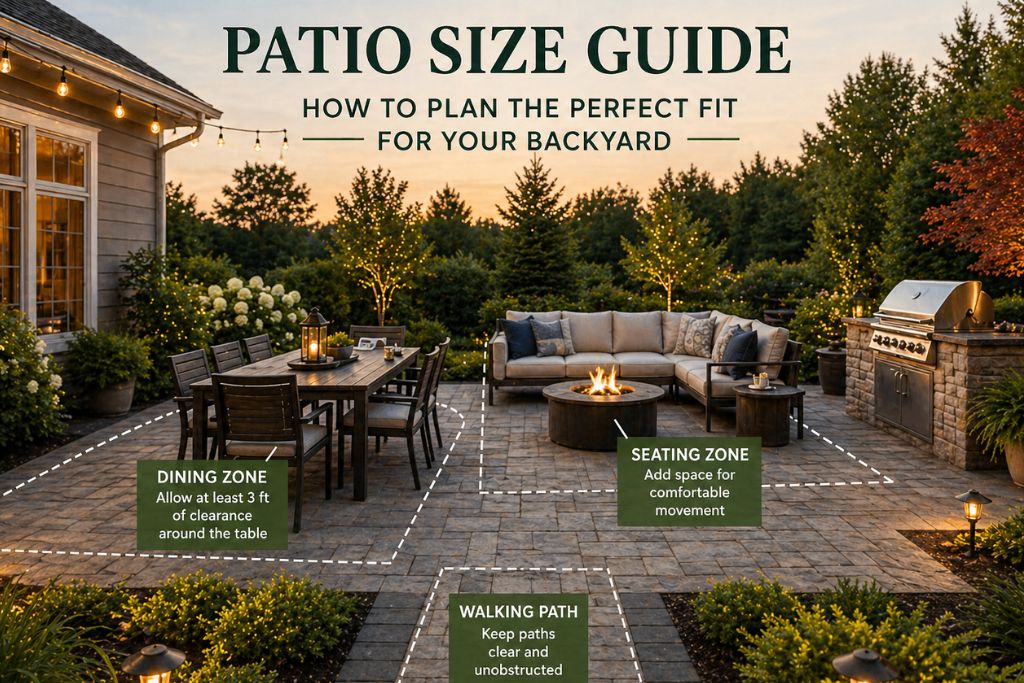
    Each use requires space. For example, a dining setup alone typically needs room for a table plus at least 3 feet of clearance around it.

    Map Out Your Zones Early

    The best patios aren’t just one open slab. They’re intentional.

    Create zones for:

    • Dining
    • Seating or lounging
    • Walking paths

    Even in smaller backyards, defining these areas helps your patio feel organized and easy to use. It also prevents overcrowding.

    Work With Your Yard, Not Against It

    Every backyard in Pennsylvania comes with its own quirks. In the Lehigh Valley, that might mean the hills and elevation changes you’ll find in Bethlehem, tighter lot sizes and older layouts in Allentown, or tree-filled properties and uneven terrain common in Easton and surrounding townships like Lower Macungie Township and Upper Saucon Township. From slopes and mature trees to tricky drainage patterns, each yard presents its own challenges and opportunities when planning the perfect patio.

    Instead of forcing a size, let your space guide you:

    • Sloped yards may need tiered or smaller patios
    • Mature trees can shape natural boundaries
    • Drainage areas should always be left clear

    A well-sized patio feels like it belongs, not like it was squeezed in.

    Don’t Forget Breathing Room

    One of the most common mistakes? Using every inch of available space.

    Leaving room around your patio allows for:

    • Landscaping and greenery
    • Easier movement
    • A more natural, balanced look

    Sometimes, slightly smaller creates a much better overall feel.

    So, What’s the Right Size?

    Most patios fall somewhere between 150 to 500 square feet, depending on use. Smaller patios work well for intimate seating, while larger ones support multiple zones and purposes.

    The “perfect” size isn’t about hitting a number. It’s about matching your lifestyle, your yard, and how you want the space to feel.

    Built Around the Way You Live

    At Creative Landscapes in Bath, the process doesn’t start with square footage. It starts with you. The focus is on how the space is used, what the property allows, and how to bring everything together in a way that feels seamless.

    From layout planning to final installation, every detail is considered so your patio doesn’t just fit but also functions beautifully.

    A Patio That Feels Just Right

    The best patios aren’t the biggest or the most elaborate. They’re the ones that feel natural the moment you step onto them.

    When size, layout, and design all work together, your backyard becomes more than a space. It becomes a place you’ll want to be, season after season.

  • Backyard Personality Test: What Your Patio Style Says About You

    Backyard Personality Test: What Your Patio Style Says About You

    Your backyard isn’t just extra space. It’s an extension of your home. Around here in Pennsylvania, especially throughout the Lehigh Valley in areas like Allentown, Bethlehem, and Easton, where we make the most of warm evenings and crisp fall weekends, a well-designed patio becomes the heart of it all. It’s where you host, unwind, and create those everyday moments that feel a little more special.

    And whether you realize it or not, your patio style says a lot about you.

    What’s Your Backyard Personality?

    Every outdoor space is unique. Still, most fall into a few familiar styles. Not sure where yours lands? Let’s have a little fun with it.

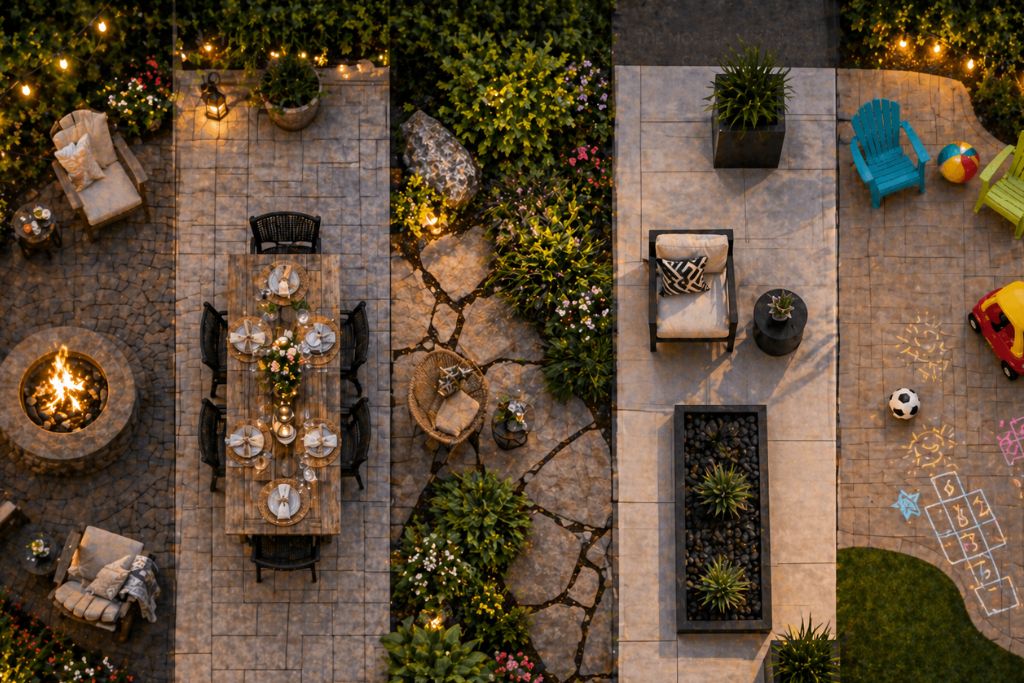
    The Cozy Gatherer

    Think soft seating, warm lighting, maybe even a fire pit. Your patio is built for connection: long chats, shared meals, and relaxed nights outdoors.

    What it says about you: You value comfort, community, and creating a space where everyone feels at home.

    The Entertainer

    You’ve got defined zones, plenty of seating, and maybe an outdoor kitchen or bar setup. Your space is ready for anything.

    What it says about you: You’re social, organized, and love bringing people together, especially on those perfect summer nights in neighborhoods from Lower Macungie Township to Forks Township.

    The Nature Lover

    Your patio blends seamlessly with the landscape. Think natural stone, lush greenery, and a design that feels calm and grounded. This is something often seen in more wooded areas like Upper Saucon Township or Whitehall Township.

    What it says about you: You appreciate balance, quiet moments, and a strong connection to the outdoors.

    The Modern Minimalist

    Clean lines, neutral tones, and a “less is more” approach. Everything has a purpose, and nothing feels cluttered.

    What it says about you: You’re intentional, detail-oriented, and drawn to simplicity that still makes a statement.

    The Family Hub

    Durable materials, open space, and room to move. Your patio is built for real life: kids, pets, and everything in between. This works well whether you’re in a suburban setting like Nazareth or a growing community like Emmaus.

    What it says about you: You prioritize function, flexibility, and making memories with the people who matter most.

    Finding the Right Style for You

    If you’re drawn to cozy spaces, lean into layered textures and warm lighting.

    If entertaining is your thing, focus on layout and flow.

    If you love nature, incorporate organic materials and greenery.

    The key is designing a space that fits how you actually live. Not just what looks good, but what feels right every time you step outside.

    Designed With You in Mind

    At Creative Landscapes, great outdoor spaces start with understanding you. This includes how you use your space, what you need from it, and how it should feel at the end of a long day.

    From custom patios to full backyard transformations across the Lehigh Valley, the focus is on bringing thoughtful design and expert craftsmanship together so your outdoor space isn’t just beautiful, but also works for your lifestyle.

    Your Backyard, Your Story

    At the end of the day, there’s no one “right” patio style. The best spaces are the ones that reflect you. Your pace, your people, your way of living.

    And when it’s done right, your backyard doesn’t just look good. It feels like home.