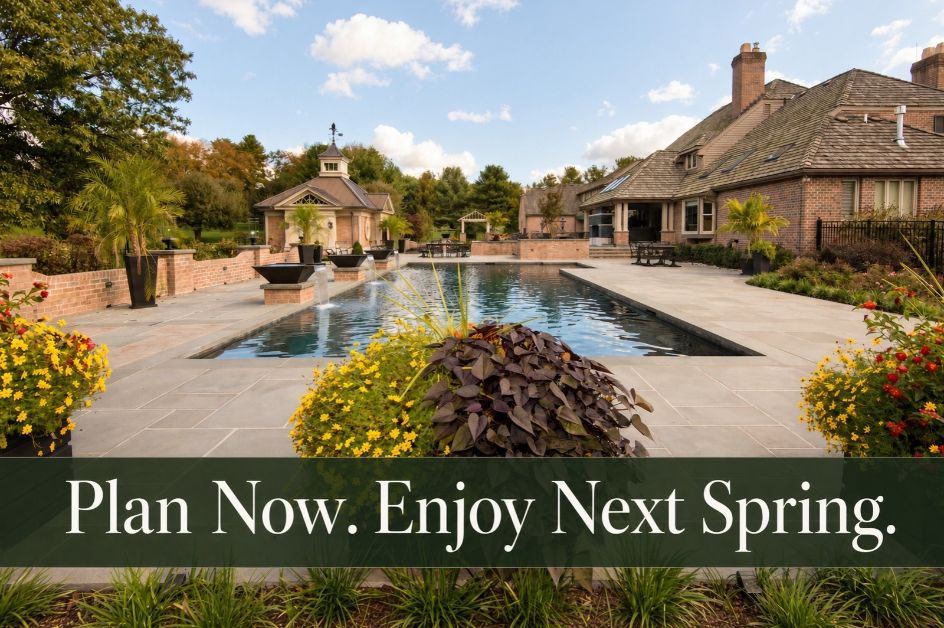
Tag: landscape design

  • Why Is November a Smart Time to Plan Next Year’s Landscape?

    Why Is November a Smart Time to Plan Next Year’s Landscape?

    Quick Answer / Summary

    November is a smart time to plan next year’s landscape because it gives homeowners time to assess their property, refine design ideas, establish a realistic budget, and prepare for spring installation. With deciduous trees and shrubs losing their leaves, the yard’s underlying layout may also be easier to evaluate. Starting now allows important decisions about drainage, materials, and scheduling to be addressed before the busy spring season.

    Key Takeaways

    • A clearer view of your property: Reduced foliage can make slopes, existing structures, and potential problem areas easier to see.
    • More time for thoughtful design: November planning allows homeowners to explore layouts, materials, and planting options before installation.
    • Better budget preparation: Early estimates help establish priorities and identify improvements that can be completed in phases.
    • A head start on spring: Beginning the design process now provides more time for approvals, material selections, and scheduling.
    • Flexibility for seasonal conditions: Some landscaping work may continue in fall, while other installations are best scheduled when weather and soil conditions are suitable.

    November has a way of making the Lehigh Valley look a little different. The trees around Nazareth and Bethlehem are losing their leaves, garden beds are winding down, and patios that hosted summer gatherings are getting a well-earned break.

    It’s also when homeowners can take a fresh look at their outdoor spaces.

    Maybe the patio felt crowded every time friends came over. Perhaps a walkway never quite connected the spaces you use most. Or that soggy patch of lawn near the garden became impossible to ignore after another round of autumn rain.

    These are exactly the kinds of details worth addressing before the next landscaping season begins.

    At Creative Landscapes, we believe the best outdoor spaces are carefully considered long before installation. From understanding how you use your property to developing a design that works with its natural conditions, good planning makes every decision more purposeful.

    Here’s why November is an excellent time to start shaping next year’s landscape.

    Why Is November a Good Time to Evaluate Your Landscape?

    As deciduous trees and shrubs lose their leaves, more of your property’s underlying layout becomes visible.

    This can make it easier to evaluate existing walkways, planting beds, slopes, and areas that might benefit from a different arrangement.

    For homeowners around Bath and Easton, November is a useful time to look for:

    • Drainage concerns: Areas where water collects, soil erodes, or runoff crosses frequently used spaces.
    • Grading challenges: Slopes and uneven ground that may influence patio, walkway, or retaining wall placement.
    • Crowded planting beds: Shrubs and perennials that have outgrown their intended spaces.
    • Unused areas: Sections of the yard that could serve a more practical purpose.

    Late-fall rainfall can reveal useful drainage clues, although a proper evaluation should consider site conditions and water movement beyond a single storm.

    The goal isn’t simply to identify what needs changing. It’s to understand how the entire property works before deciding what to build.

    How Does Planning in November Help Prepare for Spring?

    A landscape renovation involves more than choosing plants or picking a patio material. Design development, estimates, approvals, and construction scheduling all take time.

    Starting in November creates room to work through those decisions.

    Can You Develop Your Landscape Design During Winter?

    Absolutely. Much of the design process can happen before the ground is ready for construction.

    You can explore patio dimensions, walkway layouts, planting combinations, outdoor lighting, and gathering areas.

    For example, if you’re planning a patio near Allentown, it’s worth determining how much room your dining furniture needs, where guests will walk, and how the space connects to the house before selecting pavers.

    At Creative Landscapes, we develop scaled landscape plans that account for these relationships. Our designers work directly with homeowners to refine the layout, materials, and overall direction before construction begins.

    Does Early Planning Help With Spring Scheduling?

    Starting early gives you more time to discuss potential installation dates and prepare the details that influence scheduling.

    Spring is a popular season for outdoor projects, and timelines depend on contractor availability, weather, materials, and site conditions.

    Planning in November doesn’t guarantee an earlier installation. It does help you avoid leaving important design decisions until the season is already underway.

    Can November Planning Help You Establish a Realistic Budget?

    Yes. Early planning allows you to understand the scope of your project and make informed decisions about where to invest.

    Consider a new backyard patio. Beyond the surface material, the project may involve excavation, base preparation, grading, drainage, steps, or retaining walls.

    Understanding these requirements before construction helps establish a more accurate estimate.

    Our landscape design process includes scaled plans and detailed cost proposals. We also help homeowners consider phased installations when completing everything at once isn’t practical.

    For example, a Bethlehem homeowner might prioritize a patio and connecting walkway, then add surrounding plantings and outdoor lighting later.

    With the complete layout planned in advance, those future additions can be considered from the beginning, helping reduce unnecessary changes or repeated work.

    Which Landscape Projects Should You Plan in November?

    Projects involving several features, site preparation, or detailed material selections particularly benefit from early planning.

    • Patios and walkways: Determine dimensions, traffic flow, surface materials, and drainage requirements.
    • Retaining walls: Evaluate slopes, soil conditions, structural needs, and any applicable approvals.
    • Planting beds: Consider sunlight, soil, mature plant sizes, maintenance, and seasonal interest.
    • Outdoor living areas: Coordinate seating, lighting, fire features, and connections between spaces.
    • Drainage improvements: Investigate water movement before placing new hardscapes or planting areas.

    For properties near Blue Mountain or the rolling terrain around Nazareth, slope and drainage considerations may influence the design. Each property still needs its own assessment.

    Plant selection deserves similar attention. A sunny, exposed backyard and a shaded garden near mature trees may call for very different choices.

    November can also be suitable for certain planting work when conditions permit. However, planting windows vary by species, and many trees and shrubs benefit from having adequate time to establish roots before freezing weather. Late-fall installation should always be evaluated individually.

    How Should You Start Planning Next Year’s Landscape?

    You don’t need a complete design to begin. Start by identifying what you’d like your outdoor space to do better.

    1. Look at how you use your yard. Consider where you entertain, relax, garden, and move between spaces.
    2. Identify existing problems. Take note of poor drainage, awkward pathways, uneven surfaces, or areas requiring too much maintenance.
    3. Establish your priorities. Decide which improvements matter most and which could be completed later.
    4. Gather ideas and inspiration. Collect examples of materials, planting styles, and outdoor features that appeal to you.
    5. Meet with a landscape designer. Discuss your goals, property conditions, budget, and a realistic installation timeline.

    Photographs can be especially helpful. If water collects near your walkway after heavy rain, document the location and conditions.

    The more clearly we understand your property and priorities, the better we can develop a design that suits both.

    Frequently Asked Questions About Planning a Landscape in November

    Is November Too Late to Start a Landscaping Project?

    Not at all. November is an excellent time to begin planning, even if installation will take place the following spring.

    Design consultations, budgeting, layout development, and material selection can continue during colder months. Some outdoor work may also be possible when weather and soil conditions allow.

    However, frozen or saturated ground can limit excavation and construction. Planting suitability also depends on the species and local conditions, so November isn’t automatically an appropriate installation window for every project.

    Can Landscape Designers Work During Winter?

    Yes. Winter can be a productive period for landscape design.

    Homeowners and designers can discuss project goals, develop layouts, compare materials, review estimates, and prepare for future installation. On-site evaluations may depend on snow cover, ground conditions, and property accessibility.

    At Creative Landscapes, our design process helps establish the layout and construction requirements before work begins. This allows homeowners to make informed decisions without rushing through important details when warmer weather arrives.

    Is It Better to Plan a Patio in Fall or Spring?

    Fall is often a practical time to begin planning a patio intended for spring or summer use.

    Patio design involves more than choosing pavers. Dimensions, furniture placement, walking space, grading, drainage, and access for construction equipment all influence the final layout.

    Starting in November provides additional time to evaluate these details, compare options, and develop a coordinated plan. Installation timing will still depend on weather, contractor availability, materials, and any required approvals.

    Should Drainage Problems Be Addressed Before Landscaping?

    Drainage concerns should be evaluated early because water movement can affect patios, planting beds, retaining walls, and other landscape features.

    Standing water or recurring erosion may indicate that grading or another drainage solution needs attention. However, the appropriate approach depends on the property’s conditions and the source of the problem.

    Identifying these concerns during the design stage allows us to consider drainage alongside the other proposed improvements rather than treating it as an afterthought.

    Can You Complete a Landscape Renovation in Phases?

    Yes. A phased approach allows homeowners to complete improvements over time while working toward one coordinated design.

    You might begin with a patio and walkways, then add planting beds, lighting, or additional outdoor features in a later phase.

    Our scaled landscape plans help account for these future additions. Considering drainage, utilities, construction access, and the overall layout from the beginning can reduce the need to disturb completed areas when the next phase begins.

    What Makes November Planning Worthwhile?

    November gives homeowners a valuable opportunity to study their property, explore possibilities, and make decisions before the next growing season.

    A thoughtfully developed landscape plan accounts for how you want to use your space, how the property functions, and what it will take to bring everything together. That preparation can make the transition from design to construction far more organized.

    Let’s Make Next Year’s Landscape Something to Look Forward To

    At Creative Landscapes, we’ve been designing and building distinctive outdoor spaces throughout the Lehigh Valley since 1986. Our experienced designers and craftsmen work closely with homeowners to create landscapes that are beautiful, functional, and thoughtfully suited to each property.

    Have a patio, planting renovation, drainage improvement, or complete landscape transformation in mind? Explore our landscape design services or schedule a free consultation to start planning your outdoor space for the year ahead.
  • How to Design a Low-Maintenance Landscape

    How to Design a Low-Maintenance Landscape

    You see a beautiful home with a beautiful landscape and think, I want that. Then you picture the pruning, watering, weeding, mowing, and seasonal cleanup. Suddenly, that dream landscape feels like another job.

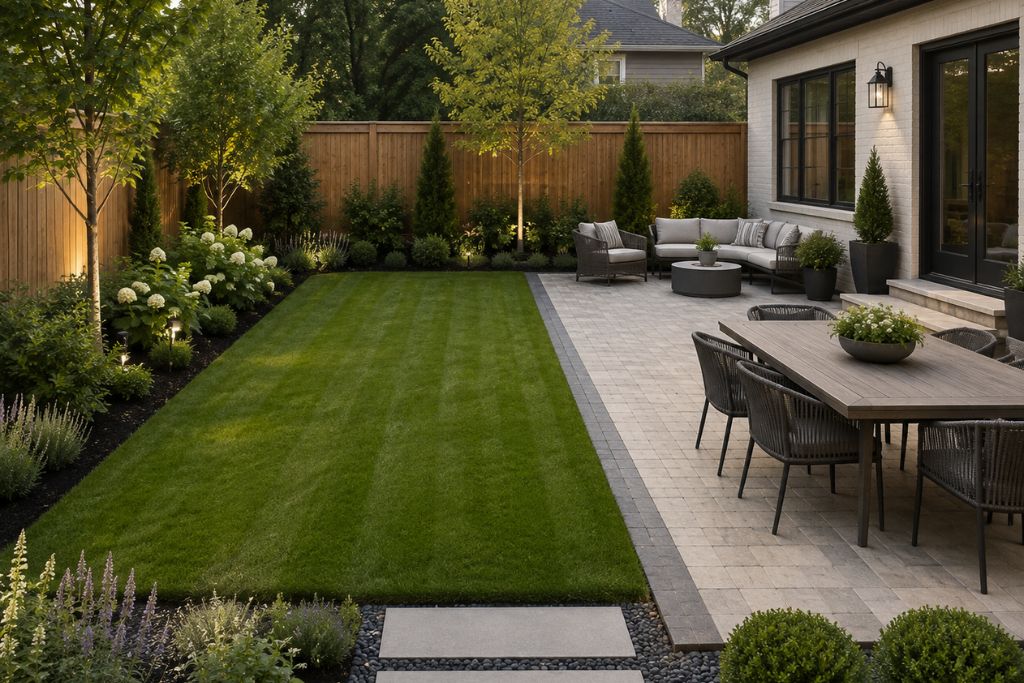
    We have good news: a beautiful landscape does not have to demand your entire weekend. A low-maintenance landscape uses smart design, suitable plants, and practical materials to reduce the work without sacrificing style.

    What Makes a Landscape Low-Maintenance?

    A low-maintenance landscape is designed to reduce repetitive tasks from the start. It still needs care, but thoughtful planning can make that care much more manageable.

    At Creative Landscapes, we look at the entire property before recommending a solution. A Bath home near Beth-Bath Pike has different conditions from a property in Bethlehem or Easton. Sun, soil, drainage, slopes, and how you use the space all matter.

    How Do You Design a Low-Maintenance Landscape?

    Start with these five steps:

    1. Choose plants for the actual site.
    The right plant belongs in the right place. Consider sunlight, soil, drainage, and available space before choosing plants. This simple step can prevent plenty of future headaches.

    2. Keep the planting palette intentional.
    Fewer plant varieties used thoughtfully can create a stronger visual impact. Hardy shrubs, evergreens, and groundcovers can also reduce replacement and weeding work.

    3. Make the lawn easier to manage.
    Simple lawn shapes with clean edges are easier to mow. Awkward corners and complicated curves create more trimming work every time you cut the grass.

    4. Use mulch strategically.
    Mulch can help suppress weeds and reduce water evaporation. It also gives planting beds around a Bath or Bethlehem property a clean, finished appearance.

    5. Give hardscaping a real purpose.
    Patios, walkways, and other hardscape elements can create structure while reducing areas that require regular planting maintenance. We can design these features around how you actually use your outdoor space.

    Can a Low-Maintenance Landscape Still Feel Special?

    Absolutely. Low-maintenance should never mean low imagination.

    At Creative Landscapes, we can combine planting, stone, patios, lighting, water features, and outdoor living areas into one cohesive design. Our team handles both the creative planning and the construction needed to bring it together, with designers and craftsmen working together from concept through installation so the finished landscape feels intentional from the front walk to the backyard.

    For homeowners around Bath, Bethlehem, Allentown, and Easton, we can create a landscape that looks beautiful and fits your life.

    Your Landscape Should Work for You

    The best landscape is not the one that demands the most attention. It is the one that makes you want to spend more time outside.

    Let’s design something beautiful, practical, and wonderfully livable.

  • 5 Landscape Design Tips for Pennsylvania Homes

    5 Landscape Design Tips for Pennsylvania Homes

    We spend plenty of time making our Pennsylvania homes feel beautiful inside. Then we step outside and remember the landscape has a job to do, too.

    It needs to survive snowy winters, humid summers, heavy rain, spring surprises, and the occasional weather tantrum. Around Bath and the Lehigh Valley, good landscape design starts with designing for Pennsylvania first.

    Why Does Pennsylvania Landscaping Need a Different Approach?

    Pennsylvania spans USDA Hardiness Zones 5 through 7, so growing conditions can vary across the state.

    Here in the Lehigh Valley, we also need to consider winter cold, summer heat, rainfall, soil conditions, and changing sunlight throughout the year.

    That sounds like a lot.

    It is also what makes Pennsylvania landscapes so interesting.

    What Landscape Design Tips Make Sense for Pennsylvania Homes?

    1. Choose plants that can handle Pennsylvania weather.

    Start with the site, then choose the plants. We look at sunlight, soil, moisture, drainage, and hardiness before making selections.

    Match plants to their growing conditions. For a Bath property along Beth-Bath Pike, that means choosing plants that can handle our local conditions instead of simply picking whatever looks great at the garden center.

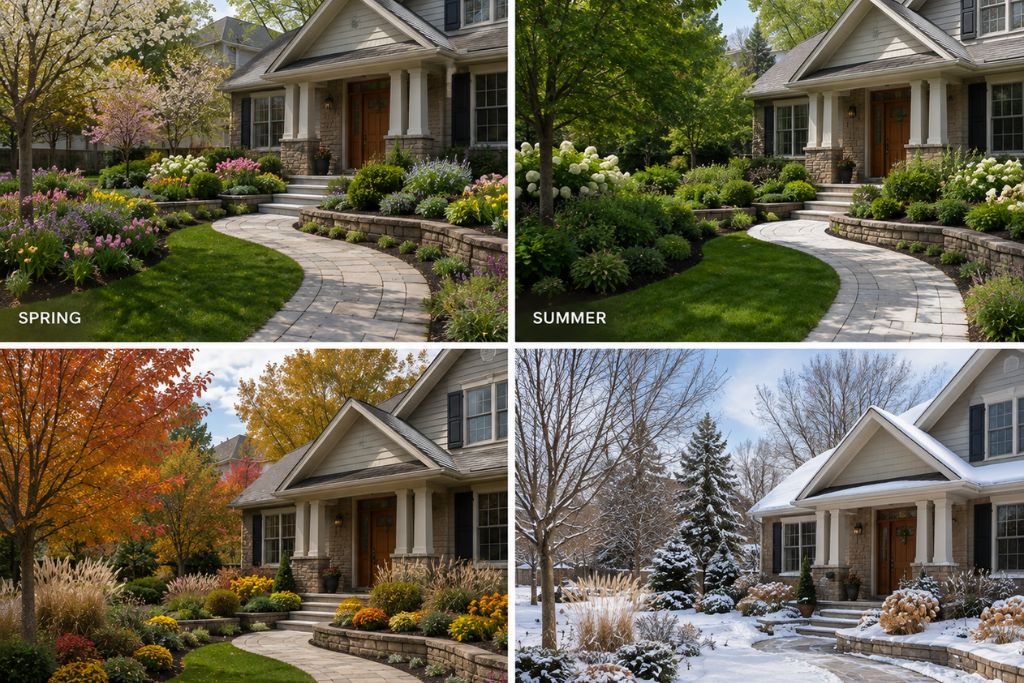
    2. Plan for all four Pennsylvania seasons.

    A Pennsylvania landscape should not disappear after September.

    We can combine flowering plants, shrubs, ornamental grasses, evergreens, trees, and other elements to create interest across the seasons. Native plants can also provide seasonal flowers, fruit, fall color, and winter structure.

    Spring gets the flowers. Fall gets the applause. Winter still gets a supporting role.

    3. Design with Pennsylvania winters in mind.

    Winter can be tough on landscape plants. Evergreen foliage can experience winter burn from sun, wind, and frozen soil.

    We consider placement and plant selection carefully. A beautiful evergreen in the wrong spot may become a very unhappy evergreen.

    4. Plan for Pennsylvania’s rain and summer heat.

    Good drainage matters. So does moisture management during hot, dry stretches.

    We can use grading, planting strategies, drainage solutions, and hardscaping to help your landscape handle water more effectively.

    That matters for properties throughout Bath, Bethlehem, and the surrounding Lehigh Valley.

    5. Give every plant room to grow.

    Pennsylvania landscapes change dramatically as plants mature. That adorable little shrub can become a substantial plant.

    We consider mature size before installation. That helps prevent overcrowding, excessive pruning, and future conflicts with walkways, structures, and windows.

    How Can Creative Landscapes Help?

    We have been designing and building outdoor spaces throughout the Lehigh Valley since 1986. Our designers and craftsmen work together from the initial concept through installation.

    For homeowners around Bath, Bethlehem, Allentown, and Easton, we create landscapes that respond to the property and Pennsylvania’s seasons.

    Can Your Landscape Handle Pennsylvania?

    We think it should.

    At Creative Landscapes, our goal is not simply to make your yard pretty in June. We want to create an outdoor space that looks considered, functions beautifully, and stands up to Pennsylvania’s wonderfully unpredictable personality.

    Pennsylvania brings the weather. We bring the plan.

  • Which Patio Style Is Right for You? Pavers vs. Natural Stone vs. Concrete vs. Gravel

    Which Patio Style Is Right for You? Pavers vs. Natural Stone vs. Concrete vs. Gravel

    Let’s be honest: You’ve imagined it.

    A beautiful patio. Comfy chairs. String lights. Maybe a fire pit. Maybe a grill that’s actually used for more than burgers twice a year. Suddenly you’re spending every evening outside instead of scrolling on your couch.

    Then reality arrives.

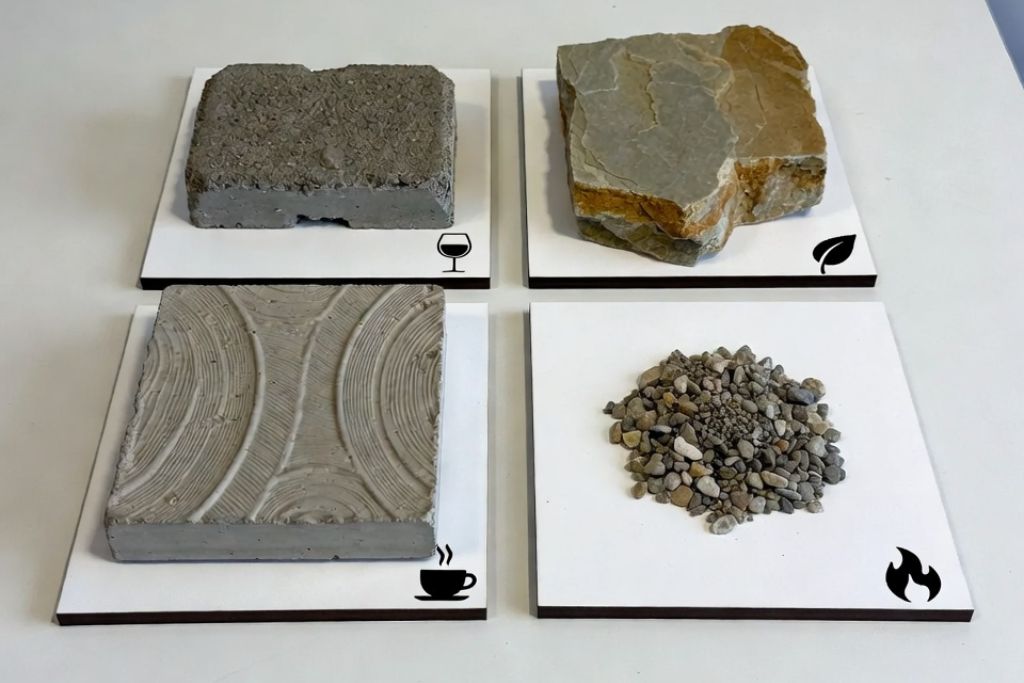
    Pavers. Natural stone. Concrete. Gravel.

    Four great options. Four very different personalities. Four tabs open on your browser. Two hours later, you’re somehow reading about drainage systems and questioning every decision you’ve ever made.

    Don’t worry. We’ve got you.

    The best patio isn’t simply the one that looks amazing on Pinterest. It’s the one that fits your home, your lifestyle, and how you actually spend time outdoors. Around Bath, Nazareth, Bethlehem, and across the Lehigh Valley, every property has its own character. The right patio should complement it, not compete with it.

    Team Pavers: The Reliable Overachiever

    Pavers are the friend who’s somehow good at everything.

    They come in countless colors, patterns, and shapes, making them one of the most versatile patio materials available. They’re also durable, easy to repair, and designed to handle Pennsylvania’s freeze-thaw cycles better than a single poured slab.

    Perfect for you if…
    You love entertaining, want a polished look, and appreciate having plenty of design options.

    Team Natural Stone: The Effortlessly Stylish One

    Natural stone doesn’t try to be beautiful. It just is.

    Every piece has its own texture, color variation, and shape, giving your patio a one-of-a-kind appearance. Flagstone, bluestone, and other natural materials blend beautifully into landscapes and create a timeless outdoor space.

    Homes tucked into the rolling scenery around Blue Mountain or the quieter neighborhoods surrounding Bath often pair especially well with natural stone because it feels like it belongs there.

    Perfect for you if…
    You love organic beauty and want a patio that feels custom from day one.

    Team Concrete: Clean, Simple, and Budget-Friendly

    Concrete has come a long way.

    Today’s concrete patios can be stamped, stained, textured, or colored to mimic more expensive materials while keeping installation costs lower. It’s clean, modern, and works well in contemporary outdoor spaces.

    Like any material, it does require proper installation and occasional maintenance to help reduce cracking over time.

    Perfect for you if…
    You want a streamlined look and excellent value without sacrificing style.

    Team Gravel: The Relaxed Backyard Hero

    Gravel patios deserve more credit.

    They’re affordable, quick to install, naturally permeable for drainage, and surprisingly charming. Add a fire pit, Adirondack chairs, and a few landscape beds, and suddenly you’ve created an inviting backyard retreat.

    It’s an especially practical choice for larger properties throughout the Lehigh Valley, where homeowners want to define outdoor gathering spaces without covering a huge area in stone or concrete.

    Perfect for you if…
    You prefer a casual outdoor space and don’t mind a little occasional raking to keep everything looking tidy.

    The Best Patio Is the One Designed for Your Home

    Here’s the plot twist: there isn’t a universal “best” patio.

    Every property is different. So is every family. The patio that looks incredible behind one home near Beth Bath Pike may not be the right fit for another just a few miles away in Nazareth or Bethlehem.

    That’s why the team at Creative Landscapes starts with your space, your goals, and how you want to use your backyard. From expertly designed paver patios to natural stone retreats, decorative concrete, and thoughtfully integrated outdoor living spaces, we create patios that feel like they’ve always belonged.

    The perfect patio isn’t the one that wins the internet. It’s the one that makes you look forward to spending more time outside.

  • How Professional Landscaping Can Increase Your Home’s Value

    How Professional Landscaping Can Increase Your Home’s Value

    Some homes have a way of making you slow down as you drive past.

    It isn’t always because they’re the biggest on the block. They aren’t necessarily the newest, either. They simply feel polished, welcoming, and thoughtfully cared for from the moment you see them.

    Then you pull into your own driveway and wonder what’s missing.

    In many cases, the answer isn’t a larger house or a major renovation. It’s the landscape surrounding it.

    Professional landscaping does much more than improve curb appeal. It creates structure, highlights your home’s best features, expands usable outdoor living space, and can even increase property value. If you’re planning to sell in the future, that’s a smart investment. If you’re staying put, you’ll enjoy a property that feels more complete every time you come home.

    Across Bath, Nazareth, Bethlehem, and communities throughout the Lehigh Valley, homeowners are discovering just how much difference a professionally designed landscape can make.

    Start with a Landscape That Feels Intentional

    Beautiful landscapes rarely happen by accident.

    Professional landscape design brings together plants, hardscapes, lighting, and outdoor spaces into one cohesive plan. Instead of adding features over time that may not work together, every element serves a purpose and complements the home as a whole.

    The result feels balanced, polished, and timeless.

    Invest in Curb Appeal That Lasts

    First impressions matter.

    Healthy lawns, well-maintained planting beds, defined walkways, and thoughtfully selected trees immediately create a sense of care and quality. According to real estate experts, strong curb appeal can positively influence how buyers perceive a home’s overall value.

    Even if you’re not planning to move anytime soon, arriving home to an inviting front yard is a benefit you’ll appreciate every day.

    Create Outdoor Spaces People Actually Use

    One of the best ways to increase value is by increasing functionality.

    Patios, seating areas, fire features, pergolas, retaining walls, and outdoor kitchens extend your living space beyond the walls of your home. Families throughout Bath, Nazareth, and nearby Blue Mountain communities are embracing outdoor spaces that make relaxing, entertaining, and spending time together easier than ever.

    Well-designed outdoor living areas continue to be one of the most desirable landscape improvements for homeowners.

    Choose Plants That Thrive Locally

    A beautiful landscape should also be practical.

    Selecting plants that perform well in Pennsylvania’s climate helps reduce maintenance while keeping your property looking its best through changing seasons. Professional landscape designers understand which trees, shrubs, and perennials work well throughout the Lehigh Valley, helping homeowners avoid costly replacements down the road.

    Keep Your Landscape Looking Its Best

    Great landscaping isn’t finished after installation.

    Seasonal maintenance, pruning, mulching, lawn care, and plant health all help protect your investment. Consistent upkeep allows your landscape to mature beautifully while preserving the value it adds to your property.

    Build a Landscape You’ll Enjoy for Years

    At Creative Landscapes, we believe every outdoor space should reflect the people who live there. That’s why we take the time to understand your goals before creating a design that fits both your property and your lifestyle.

    From homes along Beth Bath Pike to neighborhoods throughout Bath, Nazareth, Bethlehem, and the greater Lehigh Valley, our team creates landscapes that are beautiful, functional, and built to last.

    A thoughtfully designed landscape doesn’t simply add value when it’s time to sell. It adds value every single day you get to enjoy calling your property home.

  • Lehigh Valley Planting Calendar: The Best Time to Plant Trees, Shrubs, and Perennials

    Lehigh Valley Planting Calendar: The Best Time to Plant Trees, Shrubs, and Perennials

    A new tree can completely change the look of a property. The same goes for a well-placed shrub border or a bed of colorful perennials. Fresh plantings add character, increase curb appeal, and make outdoor spaces feel more established.

    Then comes the frustrating part.

    You pick healthy plants, prepare the area, and follow the watering instructions. A few months later, growth stalls. Leaves begin to struggle. What looked promising in the garden center suddenly looks far less promising in the landscape.

    In many cases, the issue isn’t the plant itself. It’s the timing.

    Planting schedules play a major role in root development, especially here in the Lehigh Valley, where spring weather can be unpredictable and summers can turn hot and dry. Giving roots time to establish before seasonal stress arrives often makes the difference between plants that simply survive and plants that thrive for years.

    At Creative Landscapes, we help homeowners throughout Bath, Bethlehem, Allentown, Easton, Nazareth, Emmaus, and Center Valley make planting decisions that support long-term landscape success. Here’s a seasonal guide to help determine the best times to install trees, shrubs, and perennials throughout the Lehigh Valley.

    March Through May: Prime Time for Perennials and Flowering Shrubs

    As the soil begins to warm in early spring, many plants benefit from getting established before summer arrives.

    This is an excellent window for planting most perennials, including coneflowers, black-eyed Susans, salvias, and other favorites commonly found throughout Lehigh Valley landscapes. Flowering shrubs such as hydrangeas, viburnums, and spireas also perform well when planted during this period.

    Spring planting allows roots to develop while temperatures remain relatively mild. In communities like Bethlehem, Nazareth, and Emmaus, spring rainfall can also provide valuable support during the establishment phase.

    April Through Early June: Ideal for Deciduous Trees

    Many shade and ornamental trees benefit from spring installation.

    Maples, redbuds, dogwoods, and other deciduous varieties have an opportunity to establish roots before the hottest part of summer. The key is planting before prolonged heat arrives.

    For homeowners across Allentown, Easton, and Northampton, this planting window gives new trees several months to adapt before facing their first winter season.

    September Through Early November: The Best Season for Trees and Shrubs

    If there is one planting season landscape professionals consistently recommend, it’s fall.

    The soil remains warm from summer, while cooler air temperatures reduce stress on the plant. Instead of focusing energy on producing new leaves or flowers, plants direct resources into root development.

    This period is especially beneficial for:

    • Shade trees
    • Ornamental trees
    • Evergreen shrubs
    • Privacy screens
    • Foundation plantings

    Throughout the Lehigh Valley, fall-planted trees often enter spring with stronger root systems already in place.

    September Through October: A Great Second Season for Perennials

    Many homeowners think perennial planting ends in spring, but fall offers another excellent opportunity.

    Planting perennials during early autumn allows roots to establish before winter dormancy. By the following spring, many plants are ready to emerge stronger and more vigorous than newly planted spring additions.

    This strategy works particularly well in established landscapes throughout Center Valley, Bath, and surrounding areas where soil conditions are already healthy and well-prepared.

    Planting Success Starts with Local Expertise

    A calendar provides a helpful starting point, but every property presents unique conditions. Sun exposure, drainage, soil composition, and plant selection all influence planting success.

    That’s why thoughtful planning matters.

    At Creative Landscapes, we help homeowners throughout Bath and the greater Lehigh Valley select the right plants, prepare sites properly, and schedule installations for optimal root establishment. The result is a healthier, more resilient landscape that continues to add beauty and value year after year.

    When trees, shrubs, and perennials are planted at the right time, strong roots follow. And strong roots are the foundation of every successful landscape.

  • Lehigh Valley Curb Appeal Secrets: Paver & Masonry Ideas That Make an Entrance

    Lehigh Valley Curb Appeal Secrets: Paver & Masonry Ideas That Make an Entrance

    Every home has a public side.

    It’s the view neighbors see on their evening walk. It’s what guests notice when they pull into the driveway. It’s the first impression your home makes before anyone steps through the front door.

    That’s why entrance design matters.

    The most memorable homes across the Lehigh Valley rarely rely on one dramatic feature. Instead, they succeed because every detail feels intentional. The pavers make sense with the architecture. The masonry adds character. The pathways naturally guide visitors to the front door.

    The good news? Some of the biggest curb appeal upgrades aren’t secrets at all. They’re simply the design principles landscape professionals use every day.

    Let’s pull back the curtain.

    Secret #1: Stop Thinking About the Front Door Alone

    Many homeowners focus on the door itself. Designers focus on the journey.

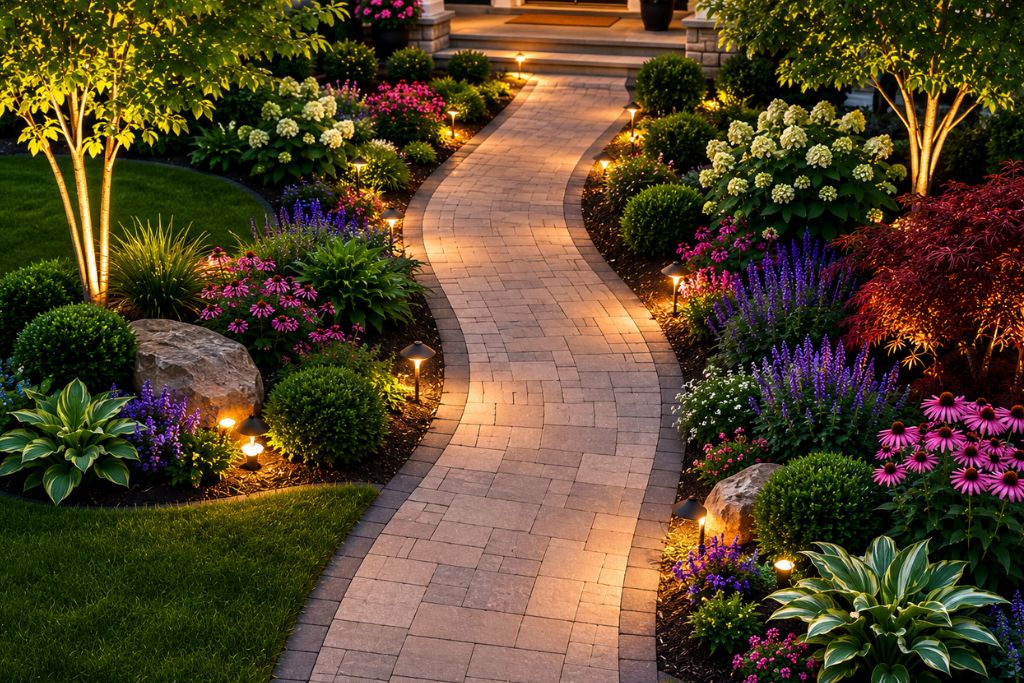
    A well-designed paver walkway creates anticipation before visitors ever reach the entrance. Gentle curves, wider landings, and thoughtful transitions make a home feel more welcoming.

    Throughout neighborhoods in Bethlehem and Nazareth, some of the most inviting properties use hardscaping to guide the eye naturally toward the front entry.

    Quick tip: If your walkway feels narrow, consider widening key sections rather than replacing the entire path.

    Secret #2: Patterns Matter More Than Color

    Homeowners often spend weeks choosing paver colors. Professionals spend just as much time discussing layout patterns.

    Running bond, herringbone, and modular patterns each create a different visual effect. The right pattern can make an entry feel larger, more elegant, or more traditional.

    Around Easton and Allentown, homes with timeless paver patterns often age more gracefully than trend-focused designs.

    Quick tip: Choose a pattern that complements your home’s architecture first. Select colors second.

    Secret #3: Borders Do the Heavy Lifting

    Here’s a favorite masonry trick: A simple border can completely transform a paver installation.

    Contrasting edges create definition and help draw attention to key areas. They also make walkways and entrance features feel more custom and finished.

    It’s one of the most effective upgrades for homeowners looking to elevate curb appeal without dramatically increasing project size.

    Secret #4: Stone Creates Instant Character

    Some materials naturally command attention. Natural stone accents, stone columns, retaining walls, and masonry entrance features add texture that manufactured materials often can’t replicate.

    Drive through Center Valley, Emmaus, or Bath and you’ll notice that many standout properties incorporate stone somewhere within the entry experience.

    Quick tip: Even one well-placed masonry feature can create a stronger focal point than several smaller decorative elements.

    Secret #5: The Best Entrances Feel Connected

    This may be the biggest secret of all: Great curb appeal isn’t created by a walkway, a wall, or a driveway individually. It’s created when every element works together.

    The pavers connect to the home. The masonry reflects the architecture. The landscaping softens the hardscape. Nothing feels random.

    That’s the difference between adding features and creating an entrance.

    At Creative Landscapes, we help homeowners throughout Bath and the greater Lehigh Valley bring those details together through thoughtful design, expert craftsmanship, and intentional planning. The result isn’t just a better entrance. It’s a stronger first impression that lasts for years.

    After all, the front of your home does plenty of talking. Make sure it’s saying exactly what you want it to say.